


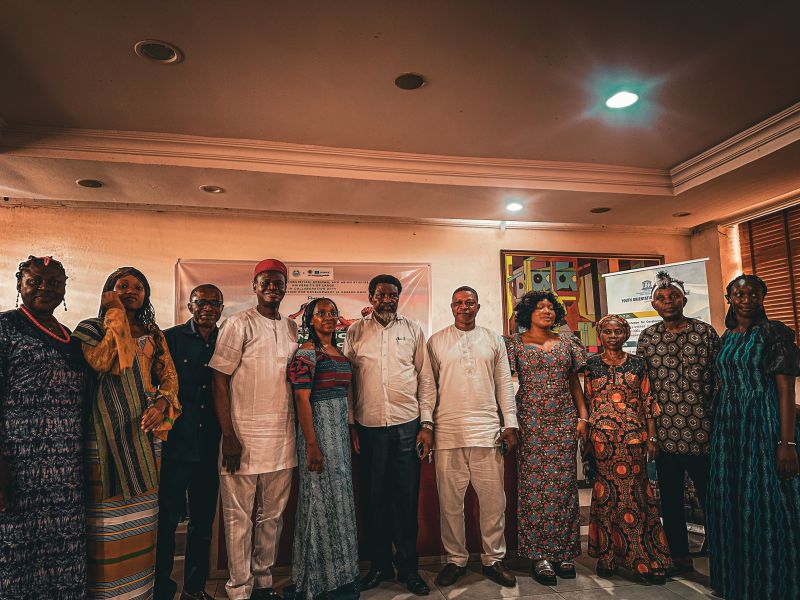



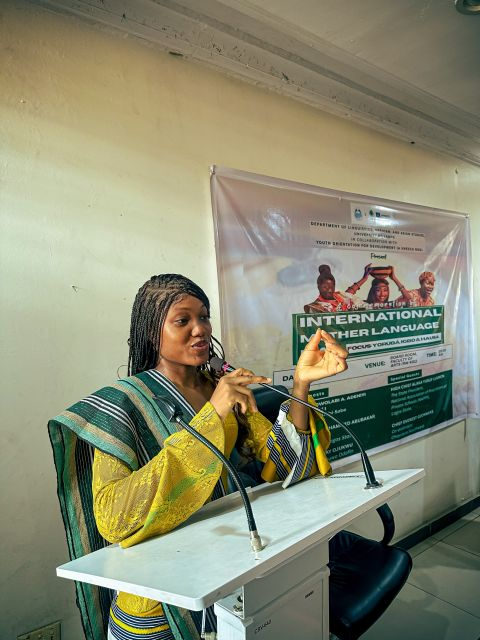
The role of youth in preserving cultural heritage and promoting multilingual education took center stage during the successful celebration of International Mother Tongue Day 2026, hosted by the United Nations Educational, Scientific and Cultural Organization Youth Office for Development (UNESCO YOD) in collaboration with the University of Lagos, through its Department of Linguistics, Faculty of Arts.
The program, which focused on the theme “Youth Voices on Multilingual Education,” reinforced global conversations on the importance of linguistic diversity as a driver of social inclusion, cultural continuity, and sustainable development. The initiative was strongly supported by education and youth empowerment advocates, including legal and development professional Inikpi Amodu, who emphasized that language preservation is more than a cultural exercise but a strategic development priority for Africa’s future.
Speaking during the program, Amodu highlighted that heritage preservation is deeply connected to youth participation in cultural and knowledge systems. She noted that young people are not only beneficiaries of cultural heritage but also active custodians responsible for safeguarding traditions, languages, and indigenous knowledge systems for future generations. According to her, without active youth participation, cultural heritage risks gradual erosion in an increasingly globalized digital world.
A central message of the event was that mother tongue education should be integrated into formal and informal learning systems. Advocates at the forum argued that access to education and information in local languages improves learning outcomes, strengthens cognitive development, and improves social inclusion for marginalized populations. Experts also noted that multilingual education can help bridge inequality gaps by ensuring that education systems serve diverse linguistic communities rather than favoring dominant global languages alone.
Participants stressed that multilingual education should extend beyond academic institutions into homes, community structures, and digital platforms. Stakeholders argued that parents and community leaders play a critical role in early language development and cultural knowledge transmission. Schools were also encouraged to adopt inclusive language policies that promote both local and international language proficiency, preparing students for global opportunities while preserving cultural identity.
The program also explored the relationship between language, technology, and development in the digital age. As digital transformation expands across Africa, experts warned that linguistic exclusion in digital platforms could limit access to information, financial services, and online education resources for large segments of the population. Youth participants therefore called for increased development of digital tools, software interfaces, and educational content in African languages.
From a development perspective, multilingual education was described as a strategic tool for achieving long-term sustainable development goals. By promoting educational equity, strengthening cultural identity, and supporting knowledge preservation, multilingual learning systems can contribute to social stability and economic empowerment across African societies.
The event concluded with calls for stronger institutional partnerships between universities, international organizations, governments, and civil society groups to support youth-led heritage preservation initiatives. Organizers reaffirmed their commitment to continuing advocacy efforts beyond conference settings, encouraging practical implementation of multilingual education policies in academic systems, homes, and public institutions.
As global cultural and technological landscapes continue to evolve, stakeholders emphasized that empowering youth voices in heritage preservation will remain critical to maintaining cultural diversity while promoting inclusive development across future generations.