Talents are sneezing and employers are rushing to the pharmacy to get drugs for flu. How did we get here?Profits were dwindling. We must cut cost. No one touched remuneration and benefits packages of the top guns. Oh they have paid their dues, we were told, and we must hold their variable and invariable pay constant, no matter what.

First point of cost cutting call; HR. First line item in HR; learning and development. Rather than invest in the workforce and then build a solid bench strength through investing in people, we preferred to hire from outside at a premium, mostly. We focused on ready-made talents to take our businesses to ‘the next level’.

As an instance, check the tech space and tech roles. There’s a joke in town that simple transactions on banking apps are witnessing a ‘go-slow’ because the tech boys have all left town. Hahaha!

The chicken has now come home to roost. Ready-made talents are all headed for ready-made markets and economies. We are left with those we didn’t develop. Leadership seems confused and exasperated. The falcon can no longer hear the falconer, Japa is upon us (not so) suddenly. The talents we didn’t build may jeopardize the businesses we have built.

Time to go back to the basics. We must back-track. Rather than chasing the shadows of those who have left or are leaving, let’s keep the focus on the substance of a pipeline. And on nurturing and developing them. The right leadership and culture and great employee experience may just make them stay a bit longer.

One more step backwards; what can we do to get the younger generation ready for the world of work. Calls for collaboration and partnerships. The returns will not be immediate but ultimately it will pay off. Time to invest in the gains of the future.

The best time to plant a tree was 20 years ago; the next best time is NOW (not my words). Recruiters are busy this period. HR has suddenly become the new bride in many organizations. Too little too late? HR too has joined the japa train!

Mine are just options, there are other solutions. The conversation continues. Time tells the full story…


Yemi Faseun
Chief Talent Officer


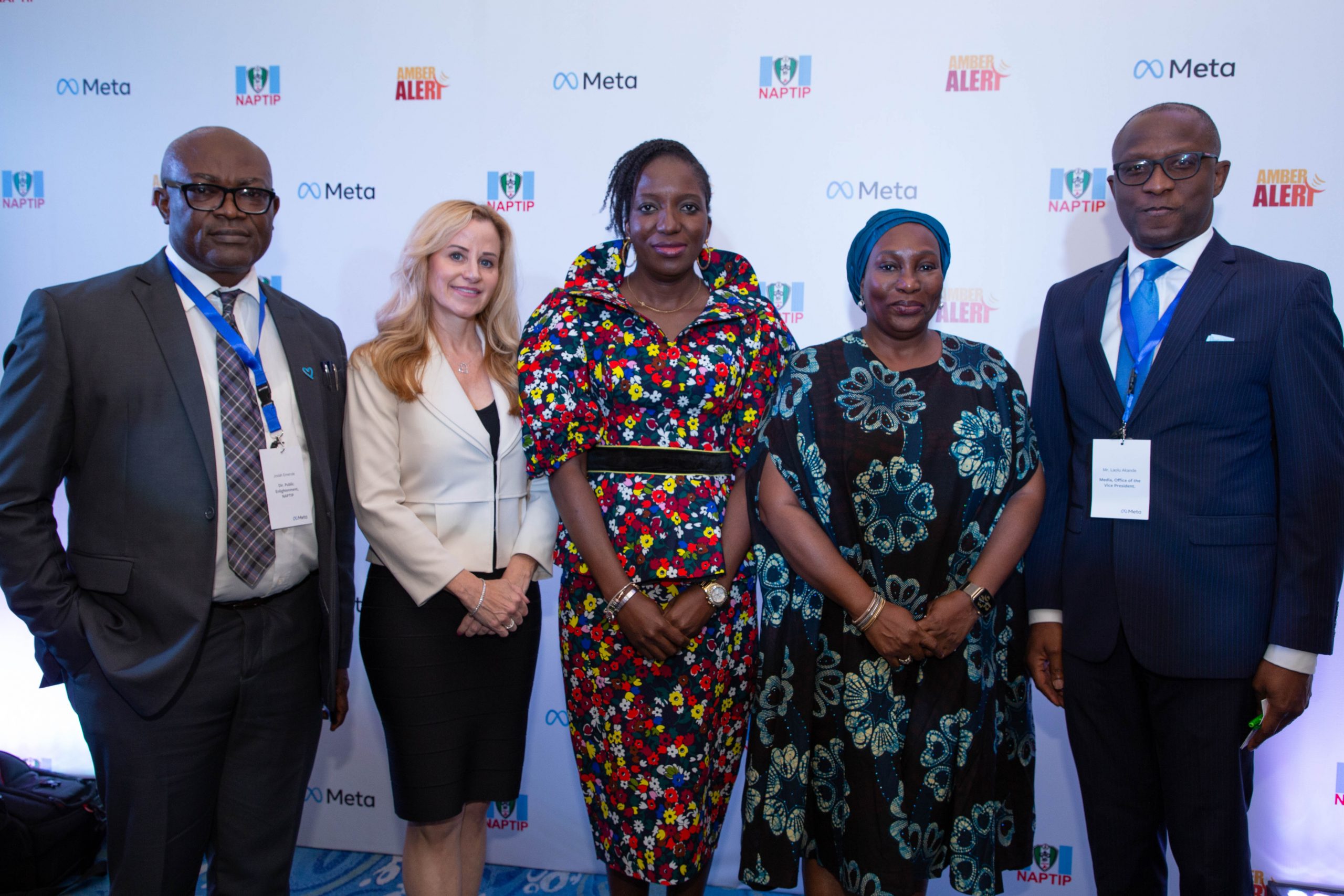
Today, Meta announced the launch of the AMBER Alert Programme on Facebook and Instagram in Nigeria. Working in partnership with the National Agency for the Prohibition of Trafficking in Persons (NAPTIP), this programme is aimed at helping to find abducted children by sending AMBER Alerts to the local Facebook and Instagram community in Nigeria.

AMBER Alert is designed to increase the chances of finding missing children by putting more people on the lookout for them. When an AMBER Alert is activated by law enforcement, the alert will appear on the Facebook and Instagram Feed of users within the designated search area, enabling them to share the information instantly with friends or contact the authorities if they have leads.

AMBER Alert is designed to include important information about the missing child such as a photo description, location of the abduction, and other relevant and available information to aid in immediately identifying the missing child.

Emily Vacher, Meta’s Director of Trust and Safety, said: “Already available across 28 countries globally, we are proud to partner with NAPTIP to make AMBER Alert available in Nigeria – the second African country to join this programme. When there is a reported case of a missing child, the most valuable thing one can do is share information as quickly as possible. By working with law enforcement in helping to share the right information with the right people, we hope that missing children will be safely reunited with their families faster.”

In emphasising the importance of this launch, Adaora Ikenze, Meta’s Head of Public Policy, Anglophone West Africa, said: “This partnership with NAPTIP is another important milestone in reinforcing our ongoing commitment to Nigeria. We know our apps can be used as a force for good, and the AMBER Alert launch across Instagram and Facebook highlights this.”

How AMBER Alert Works

The decision to declare an AMBER Alert is made by NAPTIP when investigating a suspected abduction case, they must first determine if the case meets their Amber Alert criteria, which includes:

●        The abduction is of a child age 17 or younger

●        NAPTIP must have reasonable belief that there has been an abduction.

●        NAPTIP believes the victim is in imminent danger of serious bodily harm or exploitation.

●        There is enough descriptive information about the victim and suspected abduction for law enforcement to issue an AMBER Alert to assist in recovering the child

Once these criterias have been met, NAPTIP will then notify Meta’s Global Security Operations Centre, which operates 24/7, that a verified AMBER Alert is active. Meta will then send the alert to the News Feeds of people located in targeted search areas in Nigeria.

Dr. Fatima Waziri-Azi, the Director General of NAPTIP  also said, “Today we are partnering with Meta to launch the AMBER Alert Programme on Facebook and Instagram to help ensure faster response in finding missing children. With these alerts, more people can be on the lookout for kids reported missing in their vicinity and report all leads to relevant authorities. NAPTIP cherishes every aspect of the intending collaboration and we are indeed glad to be on board with Meta”.

AMBER Alert Programme launched on Facebook in 2015 and since then has assisted in hundreds of successful child endangerment cases in the US and around the world.

One of such cases happened in 2020 when Amanda Disley and her husband helped rescue 11-year-old Charlotte Moccia of Springfield, Massachusetts, after seeing an AMBER Alert on Facebook. Before that, a four-year-old girl was recovered after Kaytlin Brown saw an AMBER Alert issued on Facebook on her lunch break and quickly took action.

In June 2022, Meta added Instagram to the AMBER Alerts Programme across the world by making it available in 28 additional countries, and now, in Nigeria. As part of the launch of AMBER Alerts in Nigeria, Meta and NAPTIP will be educating users in Nigeria on how to identify AMBER Alerts on their feed and what to do when they see an alert.


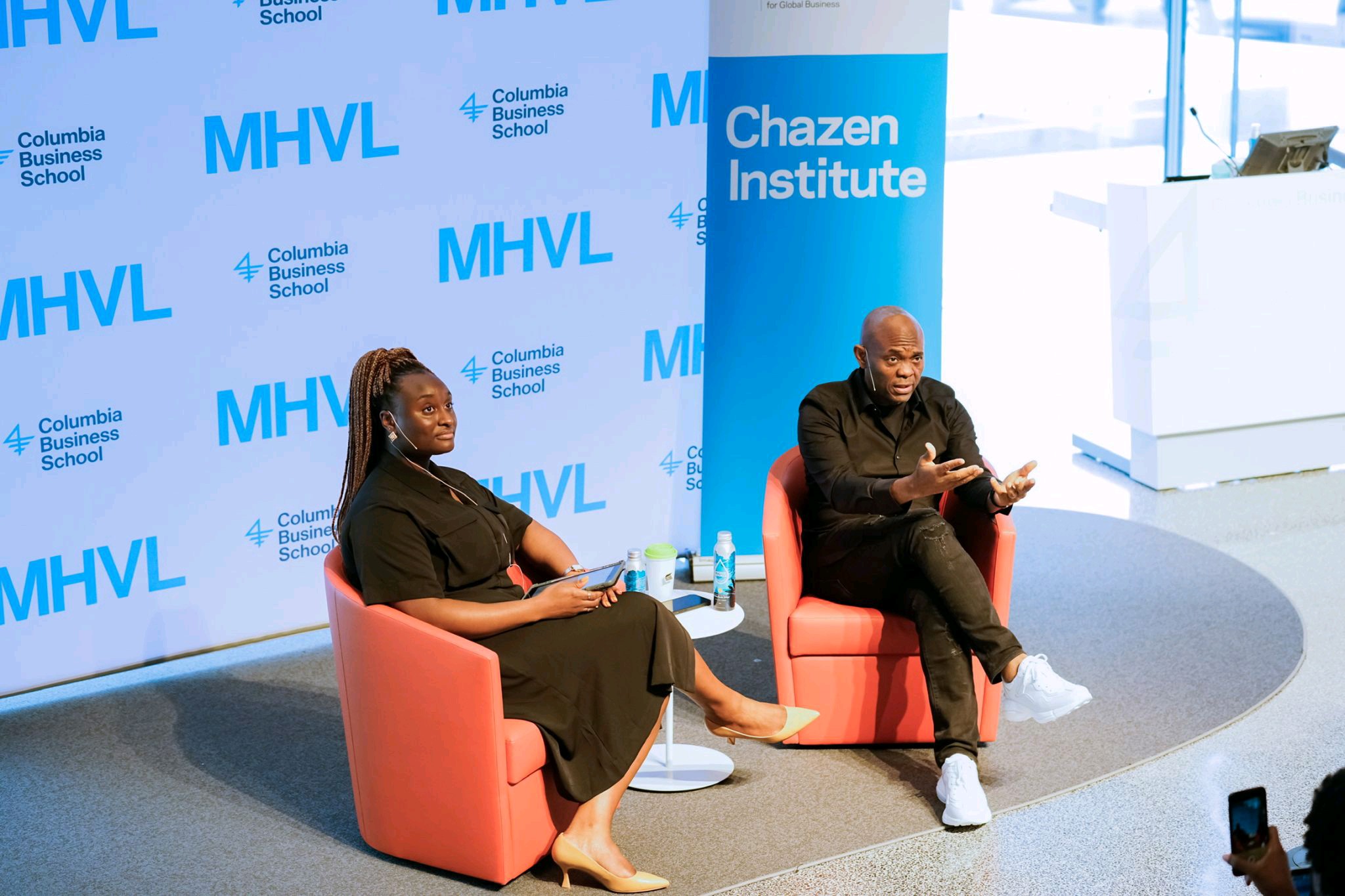
The Tony Elumelu Foundation, Africa’s foremost capacity building and start-up investor recently commended Afrimash Limited founder and Chief Executive Officer, Ayoade Ahmed Oyedotun in far away New York, United States of America. Tony commended the Nigerian entrepreneur of showing dexterity and capacity to scale his business from a humble beginning with little seed capital to a big brand today. Afrimash Limited has grown today to become the foremost agritech and eCommerce platform in Nigeria and West African region.

Speaking at an event in New York just after the recently held United Nation General Conference. The event which was focused on why invest in Africa start-ups . Tony Elumelu said “What we do at the Tony Elumelu Foundation is to identify brilliant entrepreneurs and empower them with $5,000 non-refundable seed capital and business training to help them turn their business ideas into reality. And look at the results – towards the end of the session, a young man from the audience identified himself as one of the pioneer beneficiaries of The Tony Elumelu Foundation – whose agritech business, Afrimash Company Limited has grown remarkably”

Tony added that “since receiving the seed capital in 2015, to now employing 50 people and serving over 10,000 farmers across Nigeria with farm products. Impact, scale, technology, African solutions – this is what we do The Tony Elumelu Foundation – congratulations Ayoade Oyedotun. You can imagine the joy I felt – this is the motivation for what we do at the Tony Elumelu Foundation and just one example of how entrepreneurship can catalyze jobs and transform a continent.”

“With an audience that included many from the diaspora, I highlighted the role those Africans in diaspora must play in transforming our continent by being vocal and holding our leaders accountable for good governance. I reiterated the need for them to be good ambassadors of Africa, as a way of shaping the perception for our continent. I am excited to see successful young Africans – shining a positive light on our continent and encouraging other young Africans that success is equally attainable by them”, Tony concluded.

Over the years, Afrimash Limited has evolved from the simple website platform that deals with agricultural tools, implements and livestock to a household name in the agriculture sector in the country. Today, with an array of technical personnel such as vet workers, agronomist, agricultural engineers etc, Afrimash Limited has intervened in the lives of various farming communities in Nigeria through advisory efforts, reaching out and boosting the farmers access to market and credit. Recently, Afrimash launched an Agent Network and USSD technology to assist farmers that are in the remote areas to have access to quality farm inputs and tools anywhere in the country. This is coming after their partnership with USAID.


ANTHONY EMEKA NWOSU


By: Steffen Burrows, Curbon co-founder and director


It’s an alarming thought, but South Africans have a serious climate change problem. As the world’s 14th largest emitter of carbon dioxide, the rainbow nation has an enormous responsibility to respond to climate change as well as an urgent duty to the planet to transition to a lower-carbon economy. How can this be achieved? What will drive the transition? Legislation is a useful starting point but ultimately as global citizens, reversing climate change through decarbonisation is a shared responsibility that must be taken up at an individual level.


Climate change can no longer be ignored

Because of its severe impact on agriculture, water resources, human health, infrastructure, ecosystems and energy, climate change is an environmental and humanitarian crisis that can no longer be ignored. Given that most of South Africa’s carbon emissions result from energy generation and the fact that as much as 80% of South Africa’s primary energy is powered by coal, our future prospects seem scary.


It’s tempting to think of climate change as a problem that can only be addressed by national governments and industries. This is not the case. People have played a role in causing climate change, but we now have an important opportunity to fix it.


Counteracting carbon output

Carbon offsetting has proven to be a compelling mechanism for reducing emissions and ultimately reducing the environmental impact of our daily lives and commercial activities. While carbon offsetting sounds complicated, it is actually straightforward. The logic behind carbon offsetting is that it generates a net climate benefit that passes from one entity to another. In other words, if you can’t eliminate certain carbon outputs, you can do something to counteract them.


Making environmental amends

Such projects usually take place in developing countries and usually involve rolling out clean energy technologies such as solar plants or wind farms, or countering CO2 directly by planting trees. These projects can sell the results of their emission reduction in the form of carbon credits to businesses or individuals who want to offset their emissions. Carbon credits are certified instruments that represent an emission reduction of one metric tonne of CO2 or an equivalent amount of other greenhouse gasses. By purchasing carbon credits, they can be used by the purchaser to neutralise the emissions of their activities or products.


Offset projects are not only a cost-effective way to achieve emission reduction, but also facilitate the channeling of capital to rural development projects with the effect of creating employment, restoring deforestation, reducing land degradation, protecting biodiversity, and encouraging energy efficiency and low carbon growth.


What does carbon offsetting have to do with sustainable e-commerce?

For shoppers and ecommerce sellers alike, carbon offsetting is an immediately accessible means of neutralising the carbon created by the activities we cannot avoid. Avoiding carbon-emitting activities is usually the main goal for anyone committed to addressing climate change, but where emissions are unavoidable (such as is the case with online shopping, particularly with same-day delivery), carbon offsetting through an emission reduction project will make a significant impact.


Carbon offsetting: as straightforward as ‘add to cart’

This is where Curbon can help, by using data-driven technology, ecommerce sellers and shoppers alike now have the opportunity to tackle climate change, one purchase at a time. Integrated into ecommerce software, the Curbon API uses industry standards to estimate the total emissions of the contents of a cart at checkout and this amount is added to the shopper’s invoice. By contributing between 1.8 and 4% of cart spend, an individual can offset the carbon impact of the goods they are purchasing, as well as the impact of delivery of their order.


For ecommerce sellers, reducing the impact of their business on the planet and becoming carbon neutral is becoming an essential competitive differentiator.  Informed customers are seeking out companies with sustainable business practices, specifically concerning climate change. By facilitating carbon offsetting for customers, not only will this have a positive environmental impact, but it will also increase customer loyalty, improve brand perception, and boost sales.


Ends.

Interview motivation – New startup on a mission to curb the environmental impact of online shopping.


Curbon has just launched a plug-in created to help online shoppers fight climate change. Using data from the world’s leading climate science institutions, the startup’s flagship product estimates the emissions of customers’ carts at checkout and empowers shoppers to neutralise the carbon footprint of their purchases on e-commerce stores in real-time.


Dedicated to minimising the environmental impact of the entire e-commerce value chain, Curbon’s API uses the process of carbon offsetting to reduce, and ultimately neutralise, the carbon equivalent emissions of users’ online purchases. Bringing together thousands of data points, Curbon estimates each online order’s carbon footprint by calculating the emissions involved in the sales process – from retailer to end customer, and the entire production process of goods and services too.


The Curbon team have just started their journey, have grand ambitions and super passionate about changing the world.


Let us know if you would like to interview the team.


In 1999, CNN published an article with the headline: “Is the internet maturing?” The author referred to the first airline tickets being sold online and said the internet was ‘going ordinary’ – in other words, no longer the playground of the tech-savvy, but more ubiquitous in the average Joe’s life.


Cloud, say experts, is going ordinary too. “Cloud, just like the internet back in the day, is revolutionising the way people think about their infrastructure,” says Andrew Cruise, Managing Director of Routed, a local VMware Cloud Verified and VMware Principal Partner“The conversation really started changing during the pandemic. Before, people had a bad understanding of cloud – they’d only ever heard of cloud hyperscalers like Google and Azure and thought it was only meant for developers. Now, businesses are starting to see and understand that there are different types of cloud, each with its own ideal use case. They’re becoming more mature in their outlook.”


Hyperscalers are suited to application redesigns, he adds, whereas local providers like Routed tend to focus on enterprises wanting to get rid of the weight of hardware around their necks. “Server rooms and data centres are a huge cost and require specialist skills to maintain – skills that are in very short supply. Cloud slashes those costs in the long term and comes with expert support. It’s also more secure than your own infrastructure and, while the cloud won’t stop ransomware, it will make data easier to recover. The right type of cloud solves those fundamental business issues.”


Lee Syse, Lead Cloud Solutions Architect for the Cloud Providers business at VMware Sub-Saharan Africa, agrees. “Cloud used to be this buzzword, and when people talked about it, they were referring to the shiny native services in which hyperscalers specialise. These native services work great for new application development but are extremely difficult to refactor applications into. Over the past couple of years, we’ve seen interesting shifts. Large enterprises and telcos have started asking for cloud business solutions even if they aren’t fully moving over to the cloud yet. They want the cloud experience and the benefits in their own data centres – such as software procured on consumption models or having the complete platform delivered as a service. They’re looking to local providers and want fit-for-purpose solutions. Cloud conversations became more mature because people now better understand how it can benefit their specific business.”


In some ways, however, South Africa is still lagging behind other markets, says Cruise. “The local market is behind the curve in terms of cloud penetration, but it’s useful to distinguish between different kinds of workloads here. The market for workloads born in the cloud, such as websites and mobile applications, is growing quite well organically. But enterprise apps, such as line-of-business applications that are accessed internally, are typically still being run on-premise. One big reason for this is internet penetration. For cloud to be used to its fullest extent, you need ubiquitous fast, reliable and affordable internet – something that has been lacking in this country.”

People’s desire for cloud and the reality they’re facing are different things, adds Syse. “The shift to cloud must be well timed. Some things in data centres are simply not cloud-ready yet. Other considerations include hardware lifecycles, security processes, and the fact that some technologies are not straightforward to move. Other times it’s a lack of skill. So, until those issues are ironed out, businesses are looking for some cloud benefits to start ticking those boxes as they get their heads around a more comprehensive move.”


In some cases, businesses are also realising that some workloads will never be suited to cloud, adds Cruise. “This could include workloads that need to be kept on-premises for compliance reasons. But, importantly, the market is starting to make those distinctions and taking steps towards more hosted solutions where it makes sense.”


A fantastic sign of market maturity is that businesses are realising the importance of using local providers, says Syse. “South Africa might be behind the curve in terms of uptake, but certainly not when it comes to expertise. Businesses are starting to see this – and the fact that local knowledge is crucial when it comes to laws, compliance, and understanding of the local landscape.

“Interestingly, every time a new hyperscaler launches in the country, we see local cloud providers’ businesses growing. They welcome the international competition because it’s contributing to a more mature market,” notes Cruise.

Interest rate hikes and the rising cost of living have many homeowners seriously considering downsizing. “For long-term owners and those who find themselves with an empty nest or too much space for their present needs, now may be the opportune moment to scale back. But, those downsizing for a financial quick-fix should carefully consider the costs involved as smaller doesn’t always mean cheaper,” says Andrea Tucker, Director of MortgageMe.

Having a thorough understanding of the costs involved in the sale of a house in relation to the current value of the property is important in avoiding a major financial misstep. “In theory, downsizing should be kinder on your pocket thanks to lower maintenance costs and as well as rates, taxes, and electricity savings. In the short term at least, a move to another home comes with sizeable expenses, so it pays to do the sums before making a final decision,” notes Tucker.


The positives of going smaller

  • Fewer maintenance costs
  • Cheaper utility bills
  • More affordable homeowners insurance
  • Smaller bond repayments
  • A potential cash windfall. Assuming you’ve lived in your current home for some time and your property has increased in value, by purchasing a smaller home you’ll have equity leftover that you can spend or invest (our vote is for invest!) as you see fit.
  • Fewer interest payments. Buying a cheaper property using the proceeds of the sale of your larger home means significant interest payments over time.

The cons of downscaling

  • Less space. As the name suggests downsizing means less space and an adjustment in getting used to a new lifestyle.
  • The possibility of more rules. Moving from a freestanding home to an apartment under a sectional title may mean getting used to complex rules, body corporates, and paying common property maintenance fees.
  • Playing furniture tetris. Before you move consider your furniture. What fits in your current spacious lounge might be an impossible squeeze elsewhere. Is selling existing furniture your existing furniture and buying new part of the plan?
  • Costs for you as a seller. These include bond cancellation fees, compliance certificates, estate agent fees, outstanding repairs and maintenance costs, as well as advance payments on municipal rates and taxes which are payable prior to your conveyancing attorney lodging any transfer documents to a new owner.

“If you’re lucky enough to own a property that has appreciated in value, downsizing means you’ll be able to enjoy the many benefits of the equity freed up from the sale of your home. If you’re choosing to downsize to get out of a sticky financial situation, there may be more beneficial lifestyle choices to make before taking on the many costs associated with selling and moving,” advises Tucker.


The Nigerian Communications Commission’s Computer Security Incident Response Team (NCC-CSIRT) has issued an advisory for users to install trusted, up-to-date anti-virus software with an Internet security component and to customize News Feed in Microsoft Edge Browser. 


This is part of the countermeasures to lessen the chances of falling for a malicious attack that has been discovered in the browser.


The NCC-CSIRT further advised users of the browser to practise safe Internet browsing habits and to refrain from clicking on links they are unsure of in the face of the malicious attack that has been rated as high in probability and potential damage to systems.


The advisory stated that the malicious advertising campaign, unearthed on the Microsoft Edge Browser News Feed, redirects victims to fraudulent tech support websites and that cybercriminals have resorted to posting bizarre, attention-grabbing stories or advertisements on the Edge news feed to entice users to click on them. The malicious advertisements appear legitimate but contain malware and/or other threats.


According to the advisory, “The Microsoft Edge News Feed is the default page that appears when a new tab is opened, and it displays information such as news, advertisements, weather, and traffic updates. Also, the following are the steps that result in being redirected to a bogus tech support page: The user clicks on a story or advertisement, the Edge browser setting is analysed for various metrics.”


Based on the aforementioned metrics and prior results, the advisory said “if the user is adjudged to be a bot or in a location that is not of interest, the user is redirected to a harmless dummy page that is relevant to the story or advertisement initially clicked on; However, if the user is adjudged a potential victim, then the user is redirected to a tech support scam website for further exploitation.”


Victims of the tech support website scam could have their Personally Identifiable Information (PII) and other data harvested or they could be with malware.


The NCC, therefore, urges telecom consumers and other stakeholders in the ecosystem to install up-to-date AntiVirus software and be alert to the wiles of cybercriminals in order not to fall victim to cyber scams.


The CSIRT is the telecom sector’s cyber security incidence centre set up by the NCC to focus on incidents in the telecom sector and as they may affect telecom consumers and citizens at large.


The CSIRT also works collaboratively with the Nigeria Computer Emergency Response Team (ngCERT), established by the Federal Government to reduce the volume of future computer risk incidents by preparing, protecting, and securing Nigerian cyberspace to forestall attacks, and problems or related events.


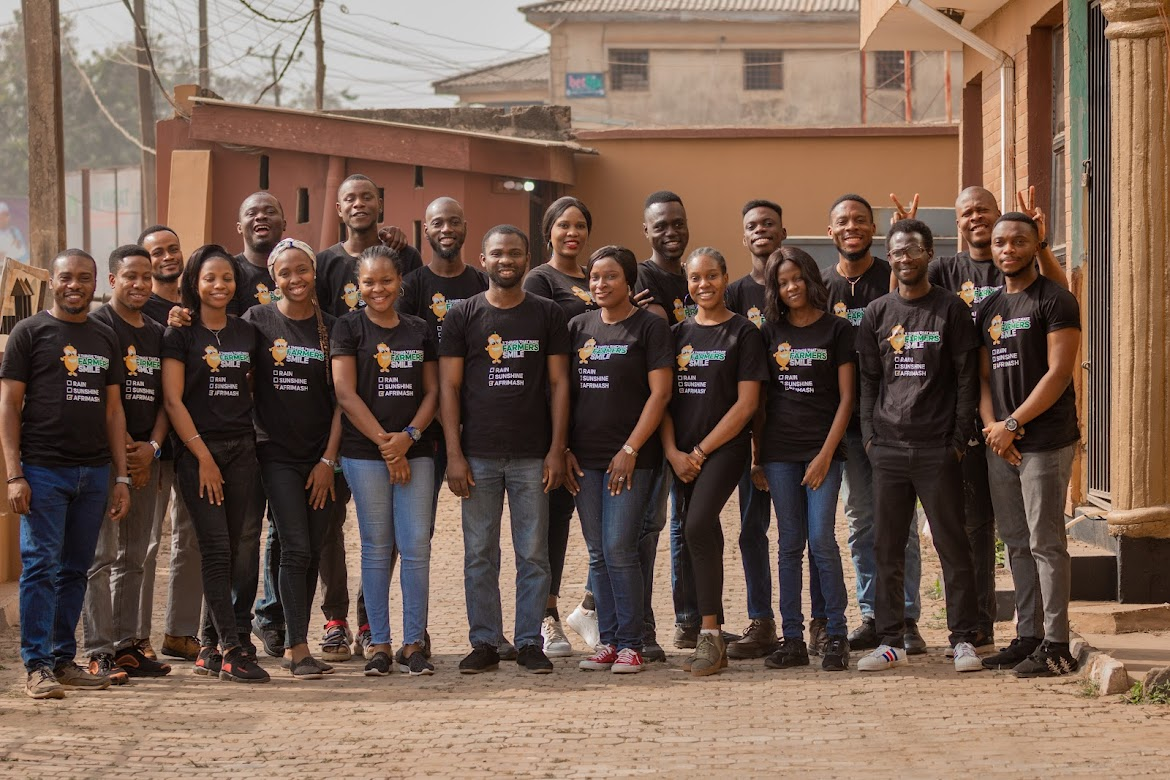
Information technology is a driver of any sector and boosts productivity; agriculture inclusive. In a bid to ensure that food production and security are improved, AFRIMASH Company Limited, an indigenous agriculture eCommerce platform has introduced a ground-breaking USSD technology and Agent Network system for farmers to have access to farm inputs at the click of a button. The Company has been described as innovative and the first of its kind in the country by industry watchers and stakeholders. Afrimash is positioned to improve the way farmers are engaged in the rural parts of the country using these two technologies.

Our USSD code, *2282*2#, and Agent Network System are unique in the Agri-tech ecosystem and are posed as solutions to the challenges farmers face in rural communities. Speaking to the media on the importance of the newly introduced USSD technology, Ayoade Ahmed Oyedotun, the Chief Executive Officer and Co-Founder of Afrimash Company Limited said;“In partnership with the United States Agency for International Development (USAID), we started the Agent Network, which tries to solve the critical problem of getting quality agricultural inputs for farmers. AFRIMASH has over 3,000 products on its platform and we are passionate about helping farmers gain easy access to them. What we did was to get agents in every community to serve these farmers and farming clusters, ask them what they need, help them place their orders on our platforms and get them delivered. In collaboration with USAID and GIZ (Deutsche Gesellschaft für Internationale Zusammenarbeit), we started this network in sixteen (16) states, Kaduna, Kebbi, Adamawa, Yobe, Gombe, Borno, Benue, Niger, Ebonyi, Delta, Cross River, Oyo, Osun, Lagos, Ogun and Ekiti. ”

Ayoade continued saying;“Across each state, we have a minimum of a hundred agents. When you multiply it by these sixteen states, we have over a thousand six hundred agents across these states. This has positively impacted our finances and revenue. We have created jobs for over a thousand six hundred people and we have also been able to reach more than one hundred and twenty-three thousand farmers across the nation.”
Though farmers found it hard to trust this method of business transaction due to their familiarity with the traditional method, the company was able to surmount it by engaging reputable and credible people in various communities.

In the words of Collins Okeke, Programs Manager, Afrimash Company Limited;”We initially had the challenge of lack of trust. Farmers were used to the ‘cash and carry’ model of transactions, but we are disrupting that and changing the narrative. In surmounting this issue, what gave us an edge was the profile of the agents we worked with. We used reputable individuals in the community as our agents. We also collaborated with the Ministry of Agriculture and worked with their Agric Extension officers. Using these methods has worked and has helped us scale. ”

With regards to the USSD technology, it has made it possible for farmers that do not have smartphones to access products and farming input. Afrimash’s USSD code is basically focused on farm input purchase and delivery to farmers in any part of the country. Speaking on this, Oreoluwa Familoni, the Marketing Manager at Afrimash added; “Our USSD code, *2282*2# can be accessed via any network. The USSD option grants access to lots of products in various categories. Features under the USSD option include order placements, shipping options, wallet, hot deals, and much more. By using this code, farmers can be notified of the nearest pickup locations for them to pick up their products. We will also be providing free shipping to 6 selected states- Lagos, Ogun, Abuja, Rivers, Delta, and Edo states, in the month of October for day-old chicks and day old turkeys categories. Farmers can simply dial the code and register now to be notified by SMS when the promo and other promos launch.”


Fintrak Software Limited, an indigenous financial technology firm based in Lagos with an international footprint in various African country recently held banking and financial industry of Rwanda in awe with the reintroduction of their solution known as ENTERPRISE PERFORMANCE MANAGEMENT SOLUTION. A software application that is designed for businesses to boost productivity and reduce human error in all the areas of their enterprise. The Fintech also presented their credit management solution known as CREDIT MANAGEMENT SOLUTION, the event was held at the KIGALI MARRIOT HOTEL, in the Rwandan capital City.

Speaking to the Rwanda financial ecosystem, the company described the Credit management solution as a software that was designed to help banks meet the need to identify, measure, monitor and control credit risk as well as to determine that they hold adequate capital against these risks and that they are adequately compensated for risks incurred. The Credit Risk 360 solution is Web based and can be easily accessed from all branches of the bank without separate installations on branch-by-branch basis.

“Banks are increasingly facing credit risk (or counter-party risk) in various financial instruments other than loans, including acceptances, inter-bank transactions, trade financing, foreign exchange transactions, financial futures, swaps, bonds, equities, options, and in the extension of commitments and guarantees, and the settlement of transactions”, they added.

Bimbo Abioye, the Group Managing Director of Fintrak used the opportunity to address Rwandan stakeholders on various features of their solutions such as Portal Driven Loan Origination, Online Loan Appraisal and documentation, Credit rating, mobile Loan approval and other areas of loan management such as SME Digital lending and disbursement.

On enterprise solution they focused on key features such as cost allocation, balanced scorecard, product profitability reports and flexible transfer pricing. All these features are embedded in the solution to make business seamless.

FinTrak Software is a global Financial Technology organization providing innovative technology and business solutions to financial institutions in the financial services sector and enterprises across continents. FinTrak Software is a global company, with business offices in Nigeria, Ghana and Gambia. Armed with and army of software engineers and professionals with competencies across banking, finance, audit, consulting and software development, FinTrak Software is on a mission to support organizations and states with technologies and intellectual strength required to enable them surpass their stakeholders’ expectations.


ANTHONY EMEKA NWOSU


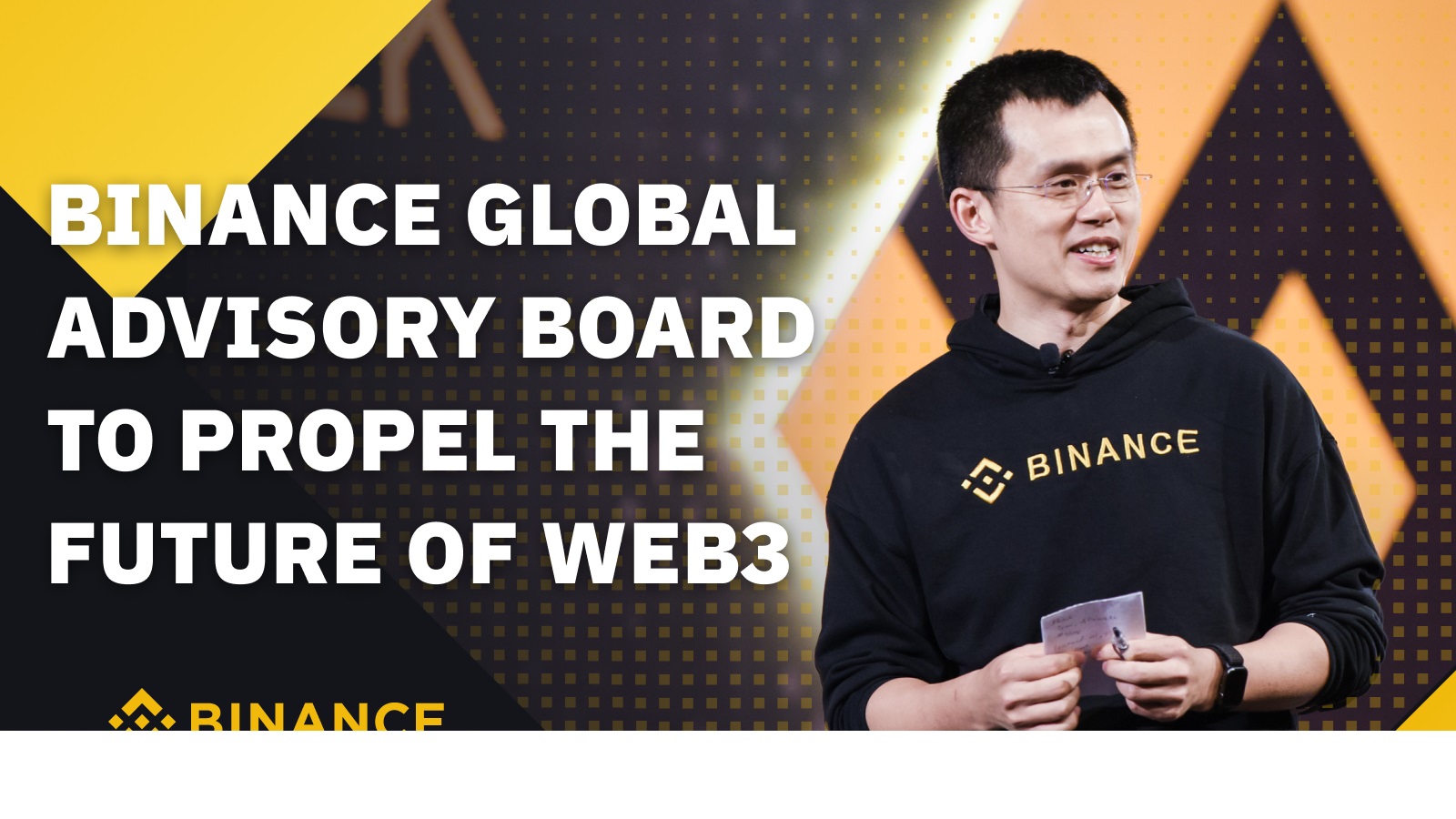
Binance (www.Binance.com), the world’s largest cryptocurrency exchange by trading volume, is pleased to announce the creation of its new Global Advisory Board (GAB), comprised of distinguished experts in public policy, government, finance, economics, and corporate governance.


The Global Advisory Board, chaired by former US Senator and Ambassador to China, Max Baucus, recently convened in Paris, France. The board’s purpose is to advise Binance on some of the most complex regulatory, political, and social issues the entire crypto industry faces as it grows and evolves at a fast pace.

“For the past five years, Binance has been at the forefront of pioneering the exciting new world of crypto, blockchain, and Web3,” said Binance founder and CEO Changpeng Zhao. “In that time, we’ve tackled complex issues no one even knew existed. We’ve maintained our focus throughout on delivering compliance solutions that protect the interests of crypto users, while keeping a brisk pace of socially-beneficial innovation. The GAB represents the next big step forward in our journey to share the benefits of modern finance and the blockchain with the entire world.”

“The blockchain and crypto industry can act as a true catalyst for growth and economic opportunities. For the cities that are willing to partner with companies like Binance in order to create progressive regulations and an effective Web3 environment, I expect it to enable a number of investments into the space. I look forward to working with a number of experts as part of Binance’s Global Advisory Board in order to collaborate,” said South Africa’s Leslie Maasdorp.

Prior to joining Binance’s Global Advisory Board, Leslie has served as the Vice President and Chief Financial Officer of the New Development Bank, Former MD & President for Southern Africa at Bank of America Merrill Lynch, Former Vice Chairman of Barclays Capital and Former International Adviser to Goldman Sachs.

Binance is harnessing the GAB’s unrivaled collective experience and expertise to benefit the sustainable development of the industry as a whole, by weighing in on the toughest and most sensitive regulatory and compliance issues facing crypto, blockchain, and Web3.

“We always put our users first, and that’s served as a very effective North Star for us over the past five years of unprecedented, exciting growth,” Zhao said. “With the GAB, we’re supercharging our ability to manage regulatory complexity by tapping into the highest level of expertise available anywhere in the world. This collaboration between Binance and the leading experts of the GAB is a testament to our focus on compliance, transparency and ensuring a collaborative relationship with the world’s regulators as they develop sensible regulations worldwide.”

The GAB’s roster includes:


Max Bacus

USA

Former U.S. Ambassador to the People’s Republic of China; Former U.S. Senator Montana; Former Chairman of Senate Committee on Finance

Ibukun Awosika

Nigeria

First Female Chairman, First Bank of Nigeria; Founder, The Chair Centre group; Chairman, Nigerian Advisory Board, for Impact Investing and Convention on Business Integrity; Member G7 International Task Force for impact investing; Author of several books

HyungRin Bang

Korea

Advisor of the Korea Presidential Committee; PR/Communications Advisor of Yoon Seuk-Yul’s 2022 Presidential Campaign; Former CEO, SoftForum Inc.; Former Executive Director, Hyundai; Former Executive Director, Samsung;

Bruno Bezard

France

Managing Partner of Cathay Capital; Former Vice Minister of Finance; Former Economic Advisor to the French Prime Minister; Former head of the French Treasury

Leslie Maasdorp

South Africa

Vice President and Chief Financial Officer of the New Development Bank; Former MD & President for Southern Africa at Bank of America Merrill Lynch; Former Vice Chairman of Barclays Capital; Former International Adviser to Goldman Sachs.

Henrique de Campos Meirelles

Brazil

Former Minister of the Economy, Former President of the Central Bank of Brazil, Former Chair of J&F’s board of directors, Former Member of the Board of Directors of Azul Brazilian Airlines, Former President, Bank Boston; Former President of Global Banking, Fleetboston Financial; Former Board member, Raytheon Corporation, Bestfoods and Champion International. Former Member of the Council of Lloyd’s of London; Former Chairman of Lazard Americas.

Adalberto Palma

Mexico

Honorary Board Member of The Aspen Institute Mexico; Former Senior Advisor at the Chief of Staff Office to the President of Mexico; Director of Business Development at BEworksMX Consulting; Former President of the CNBV; Founding Chairman of The Center for Excellency in Corporate Governance. Independent Director of the Institute for Savings Protection; President of Bankers Trust Mêxico, Colombia and Venezuela; Managing Director of Citibank Mexico.

David Plouffe

USA

Business, Non-Profit and Political strategist; Author, Member of Various Boards of Directors; Former Campaign Manager Senior Advisor to President Obama in the White House

Christin Schäfer

Germany

Founder and Managing Director of acs plus; Former Group Risk Operating Officer, Erste Group Bank; Former Global Head of Quantitative Solutions, Deutsche Bank, Member of the Data Ethics Commission, German Federal Government

Lord Vaizey

UK

Member of the House of Lords; Former Minister and Member of Parliament

David Wright

Europe

Chair, EUROFI; Former Secretary General, IOSCO, Former European Commission; Dep DG Financial markets, European Commission


GAB Quotes:

Max Baucus: “Of all the technologies with the potential to create positive disruption, the world of crypto, blockchain, and Web3 is among the most exciting and the most promising. That’s why it is a great pleasure to participate in setting up the Binance Global Advisory Board, and bringing the group’s unrivaled collective expertise to bear in solving complex problems with a socially positive outcome.”

Lord Ed Vaizey: “Blockchain and Web3 technologies promise to be foundational to the future of the internet and the financial system at large. The next few years will be vital in setting the tone for the future of this nascent industry around the world. Helping the Binance Global Advisory Board chart a path through these challenges is a privilege and I look forward to working more closely with the impressive group that Binance has brought together.”

David Wright: “Cryptocurrencies are increasingly challenging traditional finance. As they grow and the regulatory landscape evolves, the GAB will advise Binance how to define and shape the optimal global and regional development of future financial services, traditional and blockchain-enabled, and I look forward to working with distinguished GAB colleagues on these complex challenges.”

Bruno Bézard: “The cryptocurrency industry is at a crossroads as regulation begins to solidify globally. Binance has brought together a group that is as global as the industry it represents, and brings together some of the world’s leading experts across the financial and political worlds. It is an honor to be invited to join them.”

Christin Schäfer: “With Web3, and the underlying blockchain technologies, come profoundly new ways of interacting with the internet and dealing with data. The Global Advisory Board that Binance has built brings together experts that can help guide the company and industry at large through managing the risks and challenges ahead.”

Ibukun Awosika (Nigeria): “The transparency and accountability with which Binance seeks to deliver services to its clients is impressive. As a company of the future, Binance must continue to evolve, build and find solutions in real time. I am proud to play a role as a member of its Global advisory board and to be a part of truly transforming the web3 economy.”

Leslie Maasdorp (South Africa): “The blockchain and crypto industry can act as a true catalyst for growth and economic opportunities. For the cities that are willing to partner with companies like Binance in order to create progressive regulations and an effective Web3 environment, I expect it to enable a number of investments into the space. I look forward to working with a number of experts as part of Binance’s Global Advisory Board in order to collaborate.”

Henrique de Campos Meirelles (Brazil): “Blockchain technology and cryptocurrencies are going to set the tone of the financial services of the future, with great benefits to the economies, financial inclusion and the quality of service that people have access to worldwide. The Binance Global Advisory Board, being composed of leading experts in many areas, will have a relevant role in helping this nascent and growing industry establish itself as regulations across the world evolve, so that we work to build a safe and sustainable ecosystem for all.”

Adalberto Palma Gómez (Mexico): “Cryptocurrencies and the whole blockchain ecosystem will increasingly impact people’s lives and benefit society with more democratic and accessible services to all. As the market grows and adoption scales, the Binance Global Advisory Board will help not only the platform but also all the industry evolve so that its future is sustainable and secure to societies. It is a privilege to work with this group and be part of this transforming moment.”

HyungRin Bang (Korea): “With the cryptocurrency and blockchain industry entering into new phases globally, it is inspiring to be part of the Binance Global Advisory Board, where esteemed experts from different fields join to discuss the industry’s sustainability. As an advocate of information and technology, Korea has substantially grown its domestic cryptocurrency and blockchain industry. I wish to add value to the GAB with insights I learned witnessing the growth of technology throughout my career.”