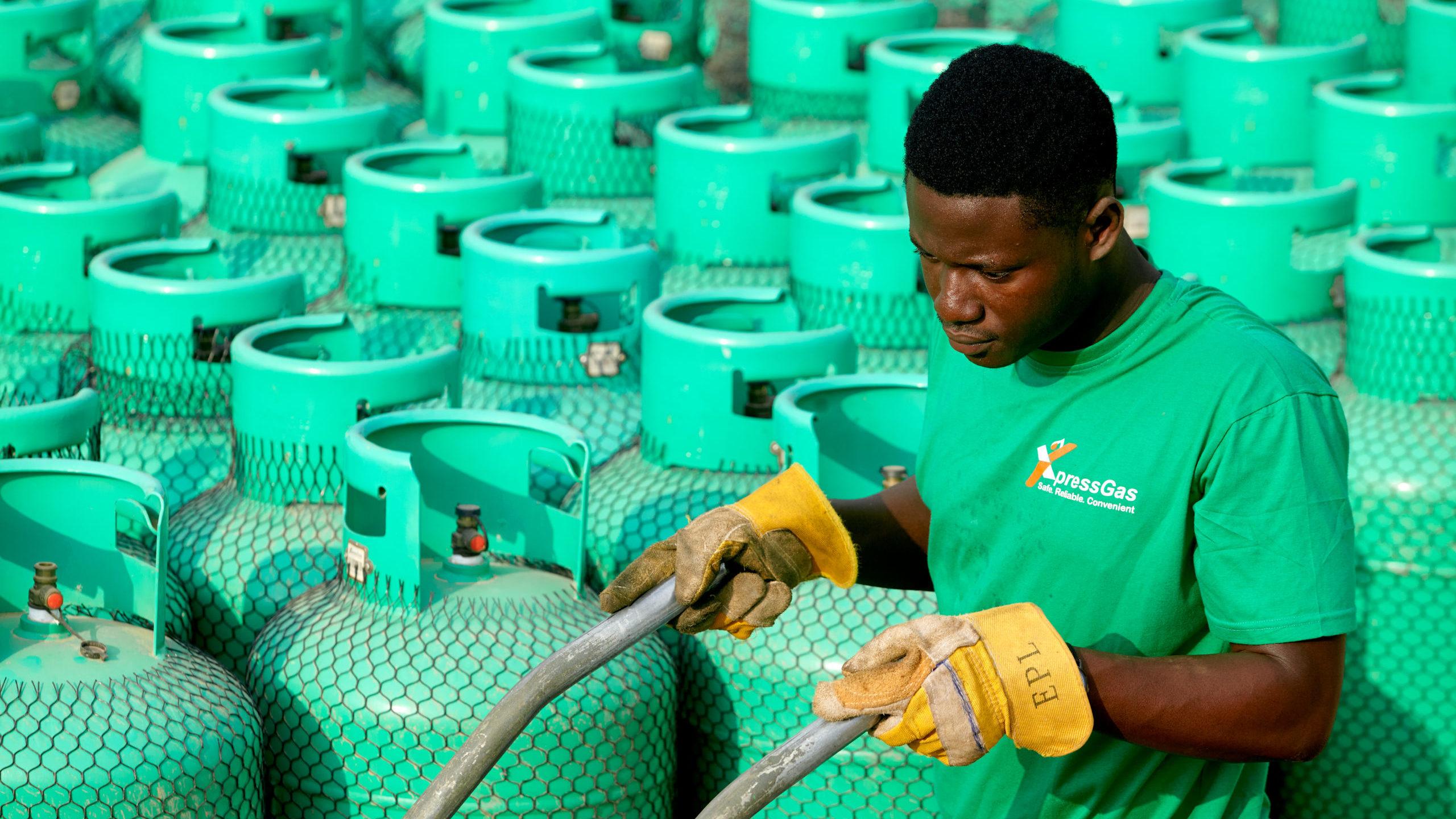
Africa is mobilizing capital to boost access to clean cooking with series of new deals aimed at funding energy transition projects across the continent.


The African Guarantee Fund (AGF) and the Clean Cooking Alliance (CCA) recently announced a partnership that promotes investments in clean cooking companies and programmes.

The two organizations, according to a statement (https://apo-opa.info/43HqviO), will focus on markets in East, Southern, and West Africa, where they see a significant need and opportunity to expand investments in green projects through clean cooking.

“The partnership will enable carbon project developers to access pre-financing, thus helping to speed up both customers’ access to clean cooking,” says Feisal Hussain, Senior Director of Innovative Finance at the Clean Cooking Alliance (CCA).

The CCA, a non-profit organisation, operates with the support of the United Nations Foundation to promote clean cooking technologies in lower and middle income countries. Feisal Hussain says the CCA will use its network across the cooking and carbon markets in its partnership with the AGF in Africa. “We aim to lower the entry barrier for smaller clean cooking companies, helping to build carbon markets that are accessible to many.”

Partnerships for clean cooking tackle future risks

The International Energy Agency (IEA) estimates that 970 million Africans lack access to clean means of cooking. And recent spikes in the price of cooking gas have forced millions back into more polluting but cheaper alternatives.

According to the United Nations Framework Convention on Climate Change (UNFCCC), if nothing is done to provide cleaner cooking alternatives, 1.67 billion Africans will rely on wood and charcoal for cooking by 2050.

That has serious impact on climate, on the conservation of African forests, and especially on health. According to 2022 data from the World Health Organization (WHO), 3.2 million people already die prematurely every year from illnesses attributable to household air pollution. No thanks to the incomplete combustion of solid fuels and kerosene used for cooking. But partnerships such as that between AGF and CCA can help to stem the dangerous tide.

“Our partnership with the Clean Cooking Alliance targets financial institutions to enable them grow their clean energy portfolios by developing innovative financial solutions that promote clean cooking and use of clean fuels,” AGF Group CEO, Mr. Jules Ngankam said.

The partnership will enable carbon project developers to access pre-financing, thus helping to speed up both customers’ access to clean cooking

AGF’s Green Guarantee Facility and Technical Assistance, according to Jules Ngankam, will address capacity-building gaps and risks that surround lending to green SMEs across Africa.

“It will also prepare these SMEs to become credit and investment-ready to allow them fully play their role of promoting sustainability and growing Africa’s green economy.”

More partnerships for improved access to clean cooking

Earlier this month in Vienna, the OPEC Fund for International Development (the OPEC Fund) and the United Nations Industrial Development Organization (UNIDO) deepened their partnership in advance clean energy transition (https://apo-opa.info/41DNPft) in Africa. They signed a US$1.5 million technical assistance grant agreement in support of the National Clean Cooking Transition Program in Madagascar.

The OPEC Fund grant will finance detailed studies and pilot projects as part of the Madagascar clean cooking transition programme. OPEC Fund is funding the programme with a US$35 million loan. UNIDO and project partners will also develop a framework to track development results.

“We are very pleased to expand our cooperation with UNIDO and to support our flagship clean cooking program in Madagascar with UNIDO’s vast technical and advisory expertise, which is critical for an effective implementation,” OPEC Fund Director-General Dr. Abdulhamid Alkhalifa said.

UNIDO is working with the OPEC Fund to expand the use of clean fuels and technologies to improve health and living conditions of communities in Madagascar, Director-General of UNIDO Gerd Müller said.  “This partnership will make a difference as we plan to roll-out clean cooking solutions to 500,000 households in five cities across the country.”

Madagascar is not alone

In Nigeria, a new Joint Venture agreement aims to invest in a range of carbon avoidance and removals projects as part of efforts to support the energy transition plan in Africa’s most populous country.

The Nigeria Sovereign Investment Authority and Vitol, a global energy and commodities company, completed the Carbon Vista JV (https://apo-opa.info/41GnDRC).  Both parties have set aside an initial $50 million to the new venture.

The JV’s first investment will go into a household energy efficiency programme. The programme, for a start, will deploy up to 200,000 devices each for clean cooking and water filtration.

“For countries like ours rich in fossil fuel, we also find ourselves in a situation where we are energy poor,” notes Vice President Yemi Osinbajo. The Nigerian Vice President says the energy transition remains tough for gas-rich and fossil fuel-rich countries.

That said, Yemi Osinbajo believes clean energy holds a lot of promise for the continent. “I believe Africa can become the first truly green civilisation to use renewable fuel for purposes of a transformative economic journey.”
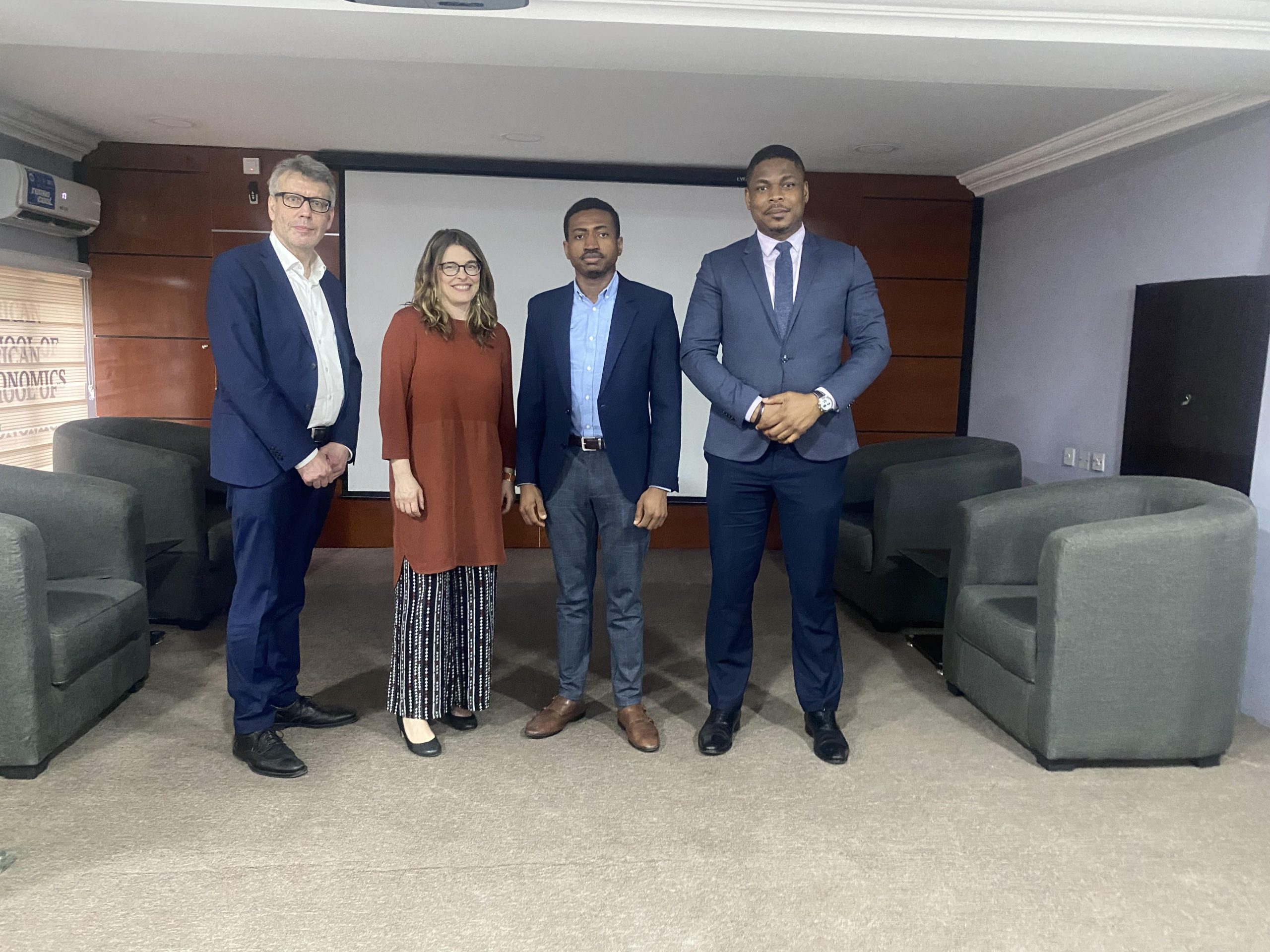
In collaboration with partner universities in Africa and Finland, the African School of Economics (ASE) today announced the launch of Africa’s first 5G Mokki Tech Space, a network of immersive digital learning and remote work environments connected via fifth-generation mobile communication technology.


Download document (1): https://apo-opa.info/3GUjqSj

Download document (2): https://apo-opa.info/3LcHbYj

Download document (3): https://apo-opa.info/41zuex4

In addition to its campuses in Benin and Ivory Coast, the modular tech spaces will take the ASE’s presence to remote areas, helping local communities leapfrog access to high-technology education, remote job creation and digital entrepreneurship.

Satellite model

Disadvantages in access to technology is seen as the main cause of economic inequality in the world.

The satellite model of the ASE’s tech spaces can help prevent various African regions and remote areas from falling behind in, for example, the innovation and acceleration of products and services powered by artificial intelligence.

The 5G Mokki is a modular high-tech unit for developing software applications that require ultra-fast internet connections, to render immersive, three-dimensional (3D), virtual-reality (VR) and augmented-reality (AR) learning environments, as well as to deliver innovation services and remote work from and to any location in the world.

The name ‘Mokki’ is derived from the Finnish word ‘mökki’, meaning ‘cottage’. The concept of the 5G cottage was pioneered in collaboration between leading American and Finnish universities.

5G Seasonal School

In partnership with Addis Ababa University in Ethiopia, the University of Lusaka in Zambia, as well Aalto University and LUT University in Finland, the ASE announced its 5G Mokki Tech Space at the occasion of the 5G Seasonal School which is being held simultaneously in Nigeria, Ethiopia and Zambia this week.

The tech spaces enable new types of trans-continental studies combining technology and business.

At a panel discussion at the seasonal school, hosted by the Start North learning network, education, business and technology experts from Africa, the United States and Europe suggested that if renowned institutions like Stanford University would allocate one percent of their curricula to applied technology studies in collaboration with top universities in Africa, this was bound to have a very significant positive impact on entrepreneurship and job creation, as well as on economic, social and ecological sustainability.

Professor Leonard Wantchekon, founder of the African School of Economics and a Visiting Professor at Stanford University in Palo Alto, California, emphasized that Africa needs innovation in education to create talent and jobs.

Mr. Cosmas Zavazava, Director of the International Telecommunication Union (ITU), highlighted the potential of universities’ 5G learning and innovation environments in tailoring the development of new products and services to local requirements.

Ms. Riina Subra, Director of Finland’s Aalto University Global Impact programme and Head of the EDUCase platform, brought up the need for student-oriented education methods to bring more effectiveness to education in the sub-Saharan region.

EDUCase platform brings together 26 Finnish higher education institutions with academic and societal partners in sub-Saharan Africa and South Asia to deepen collaboration for sustainability in higher education and innovation.

Professor of practice Lauri Järvilehto of Aalto University talked about Finnish best practices in entrepreneurship studies.

5G Mokki is a trademark of Start North, an association that serves as an accelerator network to promote the learning and application of new technologies

Mr. Chukwuka Igboanua from LUT University elaborated on student-oriented Finnish university education and creating personal learning paths that anticipate the market. The discussion also highlighted the high competence of Finnish universities of applied sciences and the individual study paths they enable, especially for the needs of Africa.

Mr. Obinna Obiwulu sees the 5G Mokki Tech Space as combining both education and research close to companies and the market.

5G Mokki is a trademark of Start North, an association that serves as an accelerator network to promote the learning and application of new technologies in order to meet the challenges of global sustainable development.

The accelerator network consists of world-leading universities, companies, and not-for-profit organizations including Ambitious Africa, an initiative bringing African and Nordic youth together to take Africa to the next level.

10 to 100 times faster connections

High-speed networks between Africa and North-America provide great opportunities to universities, companies, individuals and households on both continents.


With remote services and operations carried out over digital networks, regions will be able to develop economically by allocating their resources more efficiently. Less need for travel also helps in promoting socially and ecologically sustainable development.

Compared to the technology standards preceding it, fifth-generation wireless communication technology will enable data connections that are a hundred times faster on mobile devices and ten times faster than the fastest fixed broadband services currently.


Its true potential lies in enabling entirely new categories of applications. Think remote control of drones, self-driving cars and complex industrial processes. Think remote surgery. Think remote work and meetings in virtual or augmented reality. Think remote learning. The operative word is “remote”.

Africa’s powerhouse potential

5G’s ability to make the world a smaller place is Africa’s opportunity.


With its natural resources, young population and growing markets, Africa has the potential to become a productivity powerhouse. Corporations anywhere in the world will find access to technologically skilled labor and services from Africa via high-touch, 5G-enabled remote connections in real time.


At the launch event of a 5G Mökki network at Häme University in Finland, in October 2021, Dr. Mark Nelson, founder and Director of Innovation at the Stanford Peace Innovation Lab, drew parallels between the high-tech cottage, the invention of the microscope in biology and the telescope in space research, allowing the exploration of social interaction and society without people having to travel from one place to another.


Without innovative approaches to training and job creation, traditional degree-based education falls short of creating sufficient employment opportunities. To illustrate this point, approximately half a million students graduate from Cameroon’s universities every year, but only some three thousand of these graduates tend to find employment. Cameroon is no exception in Africa.


The 5G Mokkis provide an opportunity for international corporations to tap into highly skilled, young African talent, not only to deliver remote work but also to spur innovation.

Bühler (https://www.BuhlerGroup.com) is partnering with the Nigerian government in a project to boost rice production across the country. Initiated in 2017 with the agreement for the acquisition of a rice mill at Imota, the project involves the government at both state and federal level, which has recognised the importance of improving the independence and security of its food supply.


Bühler has collaborated with the Nigerian government to increase rice production in the country. A project was initiated in 2017 and includes the acquisition of a rice mill in Imota, as well as eight smaller mills funded by the federal government. Currently one of the eight mills has been commissioned. The Nigerian government, at both state and federal level recognise the importance of improving the self-sufficiency and security of its food supply.

The rice sector plays a significant role in Nigeria’s food security initiatives and the current drive to invest in rice mills across Nigeria, spearheaded by the government, is supported by solutions from Bühler Nigeria. The global Swiss family business has had a presence in Nigeria for more than 50 years and has established itself as the key technology provider in the Nigerian government’s efforts to enhance rice production and processing to meet international standards.

In December 2013, the federal government inaugurated the National Rice Development Strategy-II (2020-2030) and the Competitive African Rice Initiative to ensure surplus rice production for export, food security and job creation. NRDS-II is a 10-year plan for the development of the rice sector to achieve the government’s goals of self-sufficiency in rice production, food and nutrition security, employment creation and production of surplus for export.

The Nigerian government’s aim to boost food production sustainably and efficiently is supported by Bühler, one of the world’s leading manufacturers of processing machinery and plants. “We are the ideal partner to assist the government with its food security initiatives by introducing the latest trends and technology to Nigeria in order to increase productivity and efficiency in the food sector,” says Manuel Murrenhoff, Managing Director Bühler Nigeria.

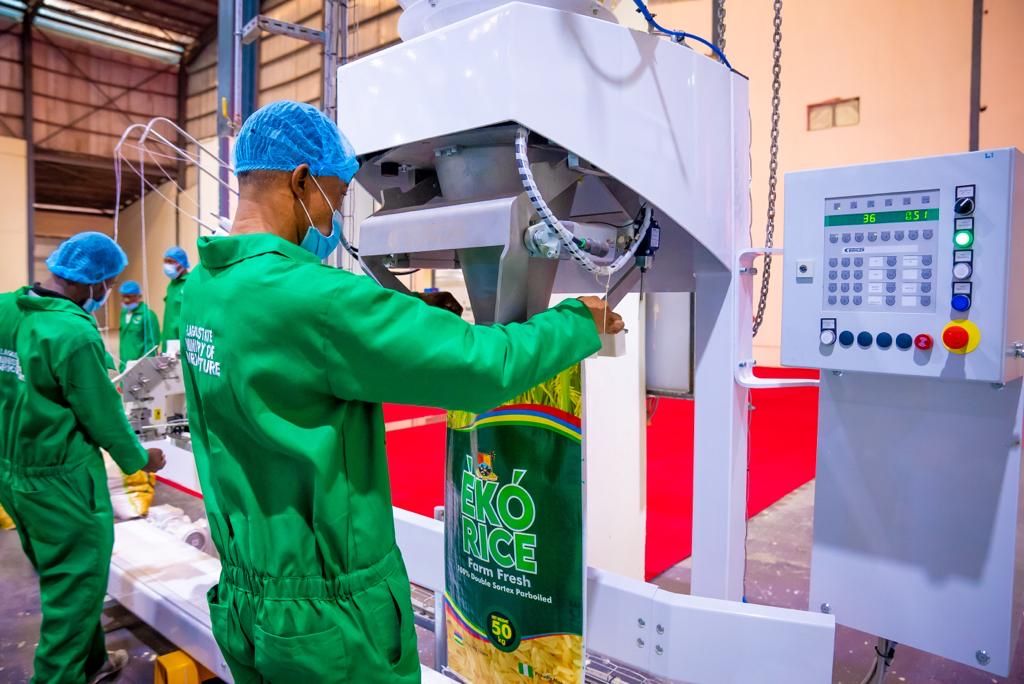
The partnership with Bühler is illustrated by the fully automated Imota rice mill, inaugurated by Muhammadu Buhari, president of the Federal Republic of Nigeria, in January of this year. Said to be the largest rice production facility in sub-Saharan Africa, and with an annual production of about 2.5 million 50 kg bags, it is set to revolutionise the rice industry in the country, says Iyore Amadasun, Sales & Channel Business Manager Bühler Nigeria: “At full production capacity, it will reduce the price of rice, increase local capacity and ultimately improve Nigeria’s trade balance.”

Nigeria’s population – the sixth largest in the world – is set to surpass that of the US and be one of the top three countries by 2050. This means the current population of 216 million is expected to reach 401 million by 2050 and peak at 732 million by 2100. Feeding this growing population sustainably and efficiently presents a challenge for the Nigerian government and Bühler is committed to supporting the nation’s goal of achieving food independence through the provision of reliable food processing technology.

In August 2022, Bühler Nigeria hosted its first customer experience day with the theme of ‘Thriving through Collaboration’. Manuel Murrenhoff’s keynote address on the topic ‘Africa on the Rise – Feeding the Continent of Possibilities’ identified Bühler Nigeria’s support for the country in its quest for food security, including the construction of a grain processing innovation centre in Kano. “By supporting food producers in Nigeria with technical solutions and a full spectrum of services, we are helping Nigeria to gain food independence and improve food security,” says Manuel Murrenhoff.

Through investment in new technology, partnerships, innovation and education, Bühler Nigeria can create a more sustainable future for all. The strong resonance and positive feedback received is a clear sign that industry and government has accepted full responsibility.

Africa-facing music streaming and download platform, Boomplay (https://www.Boomplay.com/) has officially announced the roll-out of its partnership product offerings, allowing artists, brands and potential advertisers to optimize towards more precise exposure and visibility. Notably, there’s been an upward scramble for attention, as evidenced by a fast-paced society with higher technology and internet penetration. As the attention span gets thinner, brands opting for extra visibility can make the difference between obscurity and prominence.


With Boomplay advertising, brands can put their businesses before listeners for complete discovery and engagement

With over 95 million Monthly Active Users, Boomplay is a valuable platform poised to help artists, brands, and agencies with resources and tools to improve their reach and exposure to their target audience while they listen to their favourite tunes and podcasts. The advertising solutions will provide long-term exposure for brands seeking continuous awareness and effective advertising placements to improve the conversion rate of their campaigns.

Having partnered with multiple international and local brands from various industries to deliver effective campaigns to its audiences, such as FMCG, Fintech, E-commerce, 3C, Bank, Games, Social Media apps, Telcos and others, Boomplay revealed that the partnership offerings would focus on target markets such as Nigeria, Kenya, Ghana, Tanzania and Sub-Saharan Africa countries including francophone countries.

Commenting on the announcement, Sherly Luo, Director of Business Development, said, “Boomplay offers a one-stop advertising solution to advertisers, including high-efficient localized impression, artist partnerships, music promotion, interactive and performance ads, offline marketing campaigns and integrated advertising solutions for brands. We hope to engage Boomplay users to interact with artist’s content, brand assets and campaigns and enrich our client’s brand image with music and youthfulness, delivering the brand’s campaigns or products to more audiences.”

Reckoned for its positive brand reputation and famed as the go-to app for everything music and entertainment for Africa’s teeming youth demography, Boomplay’s future ambitions though broader, will enable the actualization of exceptional branding outcomes for brand partners and advertisers. With Boomplay advertising, brands can put their businesses before listeners for complete discovery and engagement.


Over the past three years, local and global headwinds reshaped spaces for the present, and future, of work. South African businesses are still grappling with the challenges and opportunities inherent to workplace strategy and space optimisation. If 2022 brought people back to the office, 2023 will be about persuading them to stay, says Adrian Davidson, the South African recently appointed as Head of Design at Tétris Design and Build for Europe, Middle East & Africa (EMEA).


Tétris Design and Build has responded to the state of play in the commercial property sector by pushing design excellence from a technical, creative, and strategic point of view. At its core, design is about experience with purpose. And how we experience design has never been more important.  That’s because the new systems of work, whether remote or hybrid, are entirely trust-based. Design is shaped not only by the hand of its creator as an architect or designer, but heavily impacted by circumstances. We need only to look at buildings and cities throughout history to understand that they’re a language on their own that reflect what was going on in society at the time, whether politically, socially, economically, or technologically; and that the architects and designers consciously or unconsciously responded to that.


Fragmented physical spaces and converged digital spaces

It may be 2023, but the 20th century still looms large. The way we designed organisations, and the way we managed ourselves and our work is exactly how a factory is managed; from the top down with production lines and separate departments. The industrial era dictated the way we arranged buildings, cities, office space, and work. Back in that analogue world, we didn’t have the tools to manage real complexity. Fast forward to today, and complex tasks are completed in nanoseconds by computers. Add a global pandemic to the mix, and the change that was already being driven by technology accelerated.


For the first time in human history, millions of people were sent home to work and got the job done. We converged digitally as the physical space of the office fragmented. But just as people got used to this, the trust factor started to waver.  Apple told their staff to come in three days a week, Morgan Stanley asked everyone to return to their desks, while Elon Musk gave Twitter employees the full-time return to the office ultimatum late last year.  There’s now a debate in many companies across the globe with questions about how to get people back in the office. Does it still make sense for employees to work remotely? Is hybrid worthy of the hype? How many days in the office is optimal? What Tétris Design and Build say to our client in response is that you can’t bring your staff back to the same office they left nearly three years ago.


More value per square metre

Office space can get smaller. This is good news for organisations looking to save money on real estate by having a smaller footprint. If the key priority is having dynamic spaces where employees can interact with their in-office and remote colleagues, then office space should offer a richer, higher-quality experience and more value per square metre.


Hybrid work isn’t about mandating two or three days in the office. It’s about creating an environment that supports the need to get whatever job or task that’s required done. The hybrid model is about nurturing the creativity that requires people to get together with the need people have for undisturbed focused work.


The office has multiple reasons for being. Connectivity and creativity are foremost, but the office is still important because it’s the vehicle that creates company culture. It’s vital that people interact with their colleagues, connect with them, and feel a sense of belonging and purpose.


The town square of the future

Roman piazzas, village town squares and ancient cathedrals all tell a story about how we arranged ourselves to interact. The modern office is not unlike a town square in that functions as a place where people can meet, collaborate, create, and build trust and culture. Getting the work done is the easy part of the equation. We have all the digital tools at our disposal to solve the technical part of getting our jobs done. The physical space is the part we now have to work really hard to solve. And that physical space is the one that has to create and support the organisational effort and structure that encourages people to collaborate to create a culture.


Creating this space is particularly challenging when companies are competing for highly skilled people who have a choice of top employers.  Companies need to draw people in and give them good reason and desire to want to meet and collaborate with their colleagues because it’s professionally fulfilling and because they gain tremendous value from the experience.


Resilience and innovation

Hybrid work today is really a tale of cities. Some organisations have fully embraced hybrid work while others remain undecided. Companies are rightly trying to navigate this path in a way that works for them because there’s no one-size-fits-all approach for everybody and no winning formula that can be applied across the board. But how organisations arrange and organise themselves is also a question of how they become more resilient and more innovative.


Ends.

Images

About Tétris Design & Build

Tétris Design & Build is a leading design and build company with global reach, that creates environments that are beautiful, functional, inspirational and sustainable. They deliver services to businesses of all sizes on projects in the office, retail and hotel sectors, among others, counting many of the world’s most iconic brands as clients. Their offices span 35 cities in 18 countries, and their work draws on the energy, creativity and skill of a global team with deep local expertise, uniquely positioning us to help international and national businesses adapt their projects to local cultures and needs.

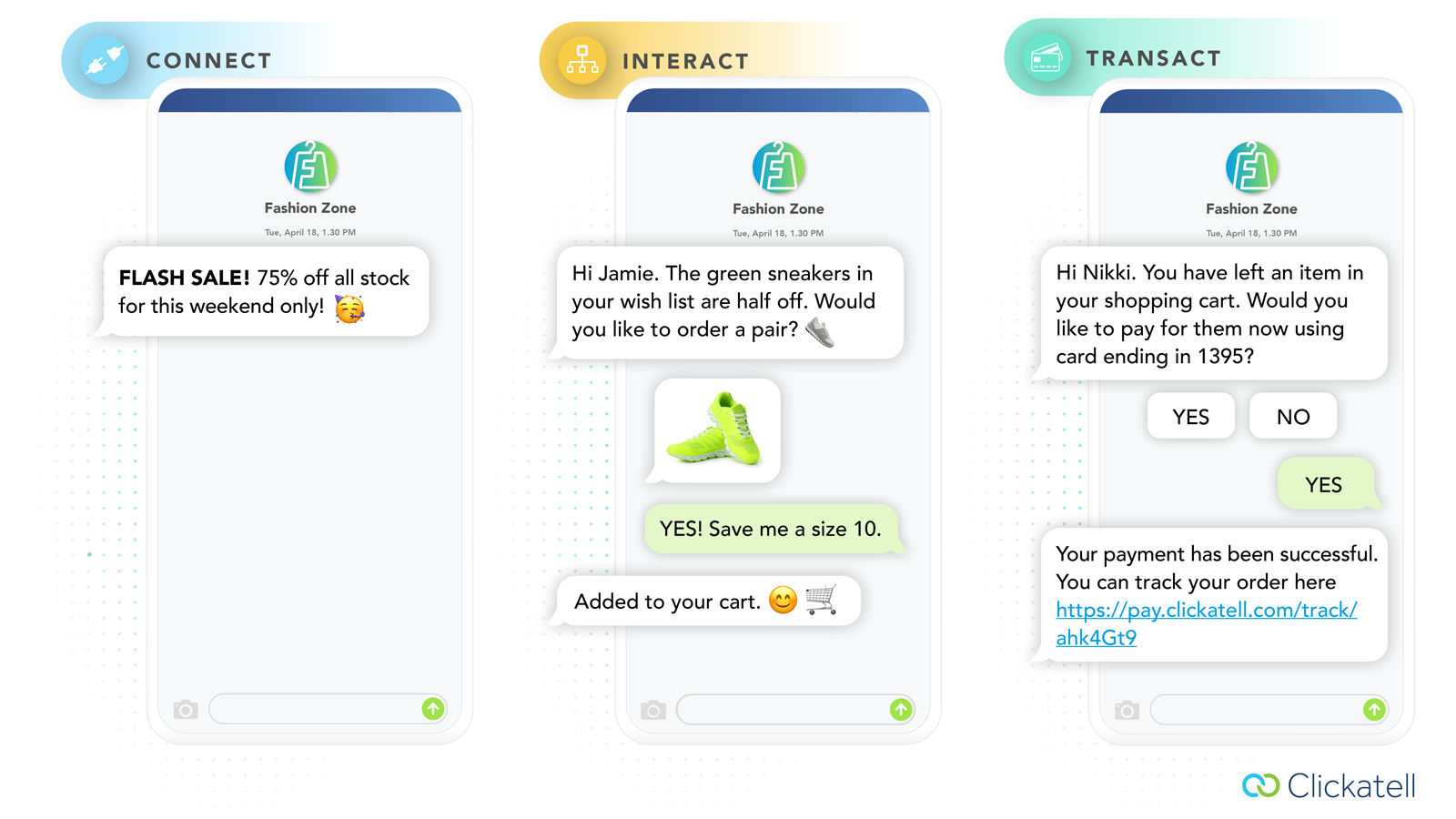
Clickatell (https://apo-opa.info/3UKhn92), a pioneer in mobile messaging and Chat Commerce innovation, today announced the launch of the world’s first Chat Commerce Platform as a Service (CCPaaS) (https://apo-opa.info/3L9mmNk) that empowers brands to capitalize on the opportunity of chat commerce, the emerging next wave of digital commerce. This ground-breaking platform enables businesses to seamlessly connect, interact and transact with their customers on the messaging platforms they already use. Clickatell’s April 2023 release of the first Chat Commerce Platform as a Service delivers full, authenticated commerce experiences within the most widely adopted mobile messaging environments, such as WhatsApp, Apple Messages, SMS and USSD.


This next evolution of Clickatell’s Chat Commerce Platform allows businesses to create chat commerce experiences that drive sales and increase customer satisfaction. Businesses stay ahead of the conversational commerce trend by conducting commerce in the world’s largest messaging apps. Clickatell’s CCPaaS also allows businesses to save time and reduce costs by providing relevant, in-context brand experiences and secure payment capabilities to their customers through the convenience of messaging. New platform features include card tokenization and integration with WhatsApp Commerce (https://apo-opa.info/41zI5Dn) functionalities that allow the display of product information and images in the brand’s WhatsApp channel.


New Innovative Payments in Chat

CCPaaS is the first SaaS solution to provide secure payment processing by integrating with leading payment gateways, allowing businesses to efficiently process transactions within the chat interface. With card tokenization, consumers can securely pay via a link in any messaging channel, leading to a Clickatell-hosted checkout that tokenizes the user’s payment information and saves it for future use — making subsequent purchases streamlined for the consumer with ‘one tap pay.’ The platform is PCI-DSS, ISO27001 and SOC2 compliant, ensuring the highest security standards for data protection and privacy.

Clickatell raises $91m for African digital skills growth - TheNiche

“The launch of Clickatell’s Chat Commerce Platform as a Service marks a significant milestone in our company’s mission to revolutionize customer engagement and facilitate frictionless commerce within messaging apps,” said Pieter de Villiers, CEO and Co-Founder at Clickatell. “We run our lives within messaging apps; whether arranging a lunch with a friend or scheduling a school drop-off, messaging is convenient and simple.


‘Our new platform enables our favorite brands to serve us in these same messaging platforms with a full commerce experience, such as checking into your next flight and paying for a seat upgrade. As the first of its kind, CCPaaS sets a new standard for the future of chat commerce and reinforces Clickatell’s pioneering position in the industry. We made history in 2000 when we became the first company to connect the world’s fastest growing commerce platform – the internet – with the world’s fastest growing communications platform – the mobile phone – via our SMS Gateway. I am proud to see our team continuing the innovation and executing on the vision.”

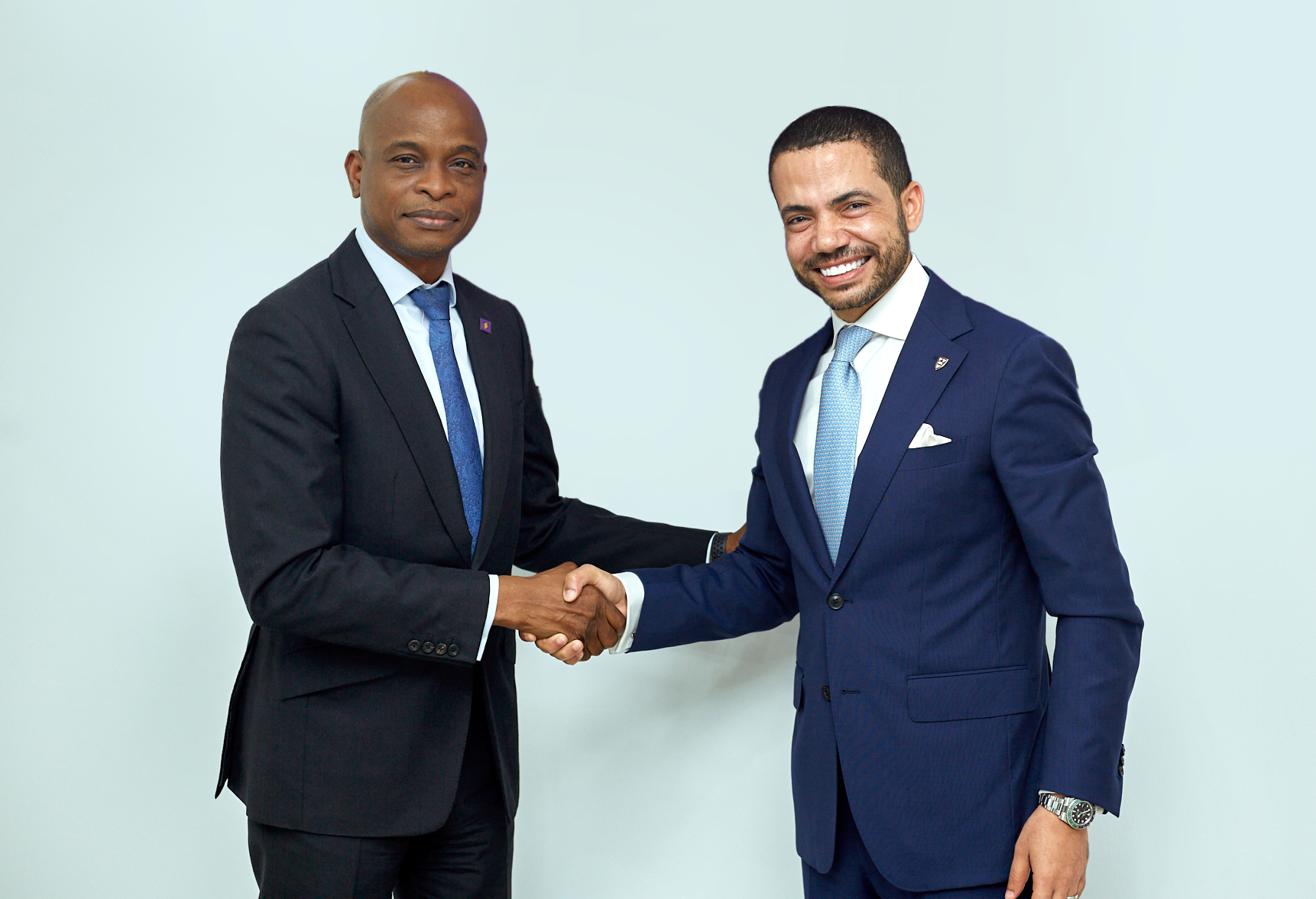
Network International (Network) (https://www.Network.ae), the leading enabler of digital commerce across the Middle East and Africa (MEA) region, has renewed its partnership with one of Nigeria’s largest financial service providers, Polaris Bank Limited, to deepen financial inclusion and digital transformation. The partnership is anchored on the provision of payments processing solutions and API gateway services which supports the Bank’s goal of offering self-service/digital channels that bring banking services closer to its current customers and prospects.


The collaboration with Network enables Polaris Bank to provide low-cost digital solutions on a secured platform, making customer acquisition and digital onboarding seamless. The strategic partnership agreement covers multiple product lines that will have a major impact on business generated by cards and other modes of digital payment, while also enabling financial inclusion and allowing the Bank to offer premium payment solutions to its customers.

Polaris Bank is geared towards growth in retail banking, and will achieve its aspirations with a trusted and reliable partner like Network International

Polaris Bank will benefit from Network’s years of experience and expertise in comprehensive payment solutions for the African market, empowering the Bank with a future-ready micro-services architecture that allows for seamless integration to any number of advanced implementations, ensuring the maximum potential for creative revenue streams for the next decade.

Polaris Bank Limited is a Nigerian Private Limited Liability Company wholly owned by Strategic Capital Investment Limited (SCIL). It has a footprint of over 224 branches and cash centers across Nigeria and a robust Digital Banking platform powered by the award-winning VULTe digital solutions. Polaris Bank is redefining banking products and services that meet the needs of individuals and businesses. The Bank was adjudged Digital Bank of the Year in 2021 and 2022 in Nigeria at the BusinessDay Banks and other Financial Institutions (BAFI) Awards.

Speaking on the Partnership, Mr. Adekunle Sonola, Managing Director/CEO of Polaris Bank, said: “Polaris Bank is geared towards growth in retail banking, and will achieve its aspirations with a trusted and reliable partner like Network International. Providing excellent customer services is a top priority for us across all digital platforms, and this will only be possible with the support from partners that share the same vision and goals as the Bank.”

In his own reaction on the collaboration between the two Institutions, Dr. Reda Helal, Group Managing Director – Processing, Africa & Co-Head Group Processing at Network International, commented: We are equally excited to renew our partnership with Polaris Bank. Network International is well-positioned to offer innovative products and services to our clients, and this is a partnership that has been built to last. We are committed to investing in local resources to ensure that we are agile in offering and delivering the best to our customers.”

The digital era is on us with the pandemic sealing the deal as tech and ecommerce stepped up and on parade. Tantalising us with seamless, effortless shopping, even at 3am when sleep just won’t play the game – essentially reprogramming our DNA.


In the bigger picture looking well beyond the horizon (or is it just around the corner?), we are ultimately gearing up to be humanoids where our bodies are landscaped for tech. Super handy, but not just yet. As it turns out we also like the human-on-human experience – to network as a crew, to be part of a crowd and share experiences.


Warren Brett Cluster Executive, SEA Region, Smollan Tanzania, takes a closer look at activations in Africa. Where personal and immersive experiences capture interest and set the scene for a properly engaging story and where the customer feels great about their decision to buy product X or Y. Therein lies the beauty, that cannot be experienced (for now) from a couch.


Activations are the key that unlocks the connection between brands and consumers as they drive to incite trial and drive conversion, selling benefits over features and affecting behavioural changes.

As the market becomes increasingly flooded with a wide range of products and services it breeds a highly competitive environment to gain customer wallet share. So too, consumers are becoming increasingly discerning and with said tech developments and internet penetration they are not only well exposed but also knowledgeable. In turn, retailers and brands have had to shift their focus from awareness to connections, which have proven to offer a longer-term customer lifespan.


We can then measure the effectiveness of activations with the ability to track reach, conversion as well as consumer insights

In Africa, companies are now offering more interactive BTL activities including activations as a must have in their marketing plans from sampling activities, experiential activities, and instore activations to drive brand and increase product uptake. A chance to build, target and engage.


“Activations in Africa are on the increase – an opportunity to position brands differently based on who your target market is, where they are shopping, and what they like to be associated with. As well as addressing specific needs both functionally and emotionally. With the economic difficulties affecting the region we’ve seen that consumers are shifting their shopping behaviour to purchasing more local products that are cheaper. This has forced multinationals to focus on the benefits of selling promotions and association marketing that is primarily being driven by consumer facing activations,” says Brett.


For niche brands – events, high-net worth activities i.e., golf activations and tastings as well mall experiential activations are beginning to sway consumer decision-making. At the other end of the mass brands scale, initiating high traffic activations such roadshows, market storms and home-to-home are reaching B-C2 consumers.


“We can then measure the effectiveness of activations with the ability to track reach, conversion as well as consumer insights which assist in tailoring the activation strategy to fit a specific consumer segment,” added Brett.


That said, there are challenges as reported by www.Ecommerce.co.za. Customers in Africa in generalised terms are happy to experience brands for free during trials and shows, but not necessarily patronise the brand going forward.


Valuable strategies to shift this narrative include:

  • Using activations to increase brand value as findings show that customers in Africa do not regard value as making extraordinary promises but rather, as consistently fulfilling simple promises.
  • Thoughtfully planning and running activations that deliver the right messages to the right audience at the right frequency through the proper channels.
  • Determining the exact role of the activation at each step of the buying journey. Offline and online activations must also be in sync.
  • Prioritising intimate customer engagement over massive events can create new opportunities for understanding customer behaviour, consumption patterns, values, and lifestyles.


“Giving support to value chains and creating a buzz with consumers who have not necessarily experienced these types of events before is incredibly satisfying. We’ve seen first-hand in Kenya how we were able to reach 56,000 consumers in a week with a conversion rate of 91% for one client; 30,000 in-store customer interactions with approximately 7,500 Pcs sales recorded for another, and in a roadshow and caravan format, onboard 19,569 traders. It makes the activation potential in Africa, despite the challenges, so exciting,” said Brett.

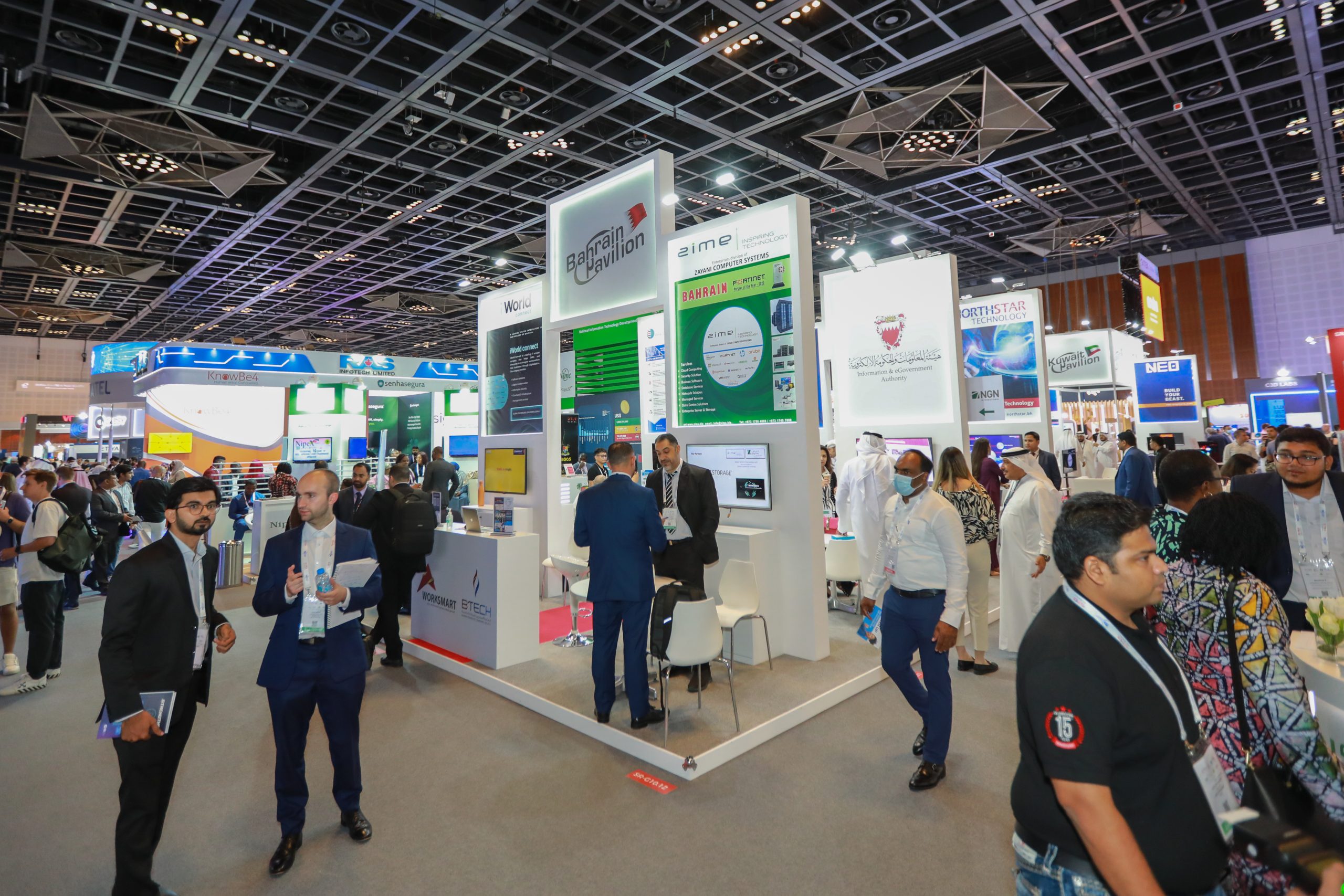
WorkSmart (https://apo-opa.info/3MNuapa) for Events Management has announced plans to host an International Business Hub during the debut edition of GITEX Africa (www.GITEXAfrica.com). Taking place in Marrakech, Morocco from May 31 to June 2, 2023, the event will be organized by the Dubai World Trade Centre.


Designed to revolutionize the international business scene, the hub will offer opportunities for networking, collaboration, and growth, making it a must-attend event for businesses looking to expand their reach and scope.

GITEX Africa, the continent’s largest all-inclusive tech event, will connect tech titans, governments, SMEs, start-ups, coders, investors, and academia, to accelerate, collaborate, and explore new ventures.

This global forum is poised to bring together nearly 5,000 exhibitors from 90 countries, paving the way for groundbreaking advancements in the technology industry

Digital leaders will showcase their most recent innovations at the exhibition and provide numerous opportunities for collaboration and partnerships with their global counterparts to improve the growth prospects of the technology ecosystem and contribute to the shaping of a new digital economy.

WorkSmart will launch the International Business Hub at GITEX Africa over the three days of the event which is considered a curation of emerging technologies from fintech, e-commerce, cloud, IoT, AI, and telecom to cybersecurity. It will amplify the continent’s digital aspirations and achievements powered by tech-savvy youth, corporates, and ambitious governments.

Experts and specialists from renowned international businesses are brought together through the International Business Hub. Its goal is to foster cooperation among the tech, AI, and digital solutions sectors in Africa and around the world. It is an interactive forum focused on market trends, global collaborations, developing markets, and sustainable business prospects.

Mr Ahmed AlHujairy, CEO of WorkSmart, stated that this ambitious event takes place at the same time as Africa is experiencing a sharp rise in its economy, society, and a variety of other sectors, and said: “This global forum is poised to bring together nearly 5,000 exhibitors from 90 countries, paving the way for groundbreaking advancements in the technology industry.”

“Amidst an illustrious gathering of global tech leaders, this one-of-a-kind business hub provides a unique opportunity to forge strong commercial ties between participating entities, facilitating successful collaborations and unlocking a wealth of new business prospects. Serving as a premier event at GITEX Africa, it offers an unparalleled platform to deliberate on the latest trends and developments in the technology and digitization sector and their far-reaching impact on the global economy.” According to Mr. AlHujairy.

Nucleon Security, one of the leading cybersecurity companies in Europe & Africa, is proud to announce its participation to GITEX Africa (https://GITEXAfrica.com) 2023, one of the most important events in the African technology industry. The event will be held from May 29th to June 2nd, 2023 in Marrakech, and Nucleon Security will be present as an exhibitor at Hall 7 booth 7A-6 to present its latest cybersecurity solutions.


GITEX Africa 2023 is a premier event for information and communication technology companies to establish strategic partnerships, explore new business opportunities and discuss market trends in Africa. With attendees from across Africa and around the world, the event will provide unprecedented networking and collaboration opportunities for Nucleon Security.

The Nucleon Security team will be present to discuss the latest trends in cybersecurity, present the most innovative solutions and interact with participants

A few months after its entry into the African market, Nucleon Security confirms its position as a major cybersecurity player in Africa with the participation in this event. During GITEX Africa 2023, the Nucleon Security team will be present to discuss the latest trends in cybersecurity, present the most innovative solutions and interact with participants to understand the unique needs of each company.

“We are excited to participate in GITEX Africa 2023 and meet with IT and communications industry professionals from across Africa and the world,” said Anas Chanaa, CEO at Nucleon Security. “We look forward to showcasing our industry-leading cybersecurity solutions, hearing feedback from attendees, and discussing best practices in IT asset security to help organizations protect themselves from current and future security threats.”