
Doing business in Nigeria?

There’s been a recent change to the ID verification process for NIN (National Identity Number) as communicated by the Nigerian Identity Management Commission (NIMC).

According to NIMC, the “Virtual National Identification Numbers (vNINs) will replace physical NIN cards or slips in the verification process.”

As a business or individual that verifies your customers, ​​this change will impact how you verify people going forward. And we’re here to help you make the transition as smooth as possible.

The Nigerian Federal Government introduced the vNIN to protect the security of Nigerians’ personal identifiable information and to reduce the illegal retrieval, usage, and storage of a NIN.

Here’s a quick breakdown of what this means for you and your customers:


What is Virtual NIN (vNIN) all about?

The vNIN is a tokenized version of the current NIN. It consists of 16 alpha-numeric characters, which you can use to verify your customer’s identity.

You’ll know the vNIN is valid because it’s issued exclusively by the ID Holder (individual), who already has a NIN from NIMC. This will protect your business from people impersonating others during onboarding.

NIMC confirms that the Virtual NIN can be used for identity verification, so it has been made available across all our platforms (web, API &SDK) — in the same way, the NIN verification service was used.

Use verified.africa

How to Generate a vNIN token

Virtual NIN can be generated via the NIMC mobile App or via USSD.

To generate a vNIN token via NIMCs mobile app, simply download the app on your app store, log in with your details and follow the prompts on the dashboard. It looks like this on your mobile phone:
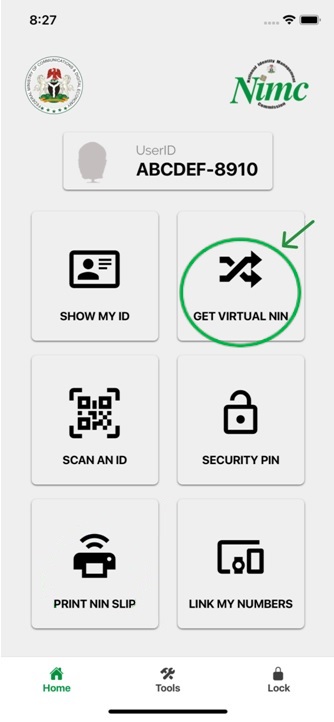
NIMC mobile app Vnin token
Virtual NIN button on NIMC mobile app


For a step-by-step process, check out the official guide on NIMC’s website.

To generate the vNIN token via USSD: dial *346*3*Your NIN*951641# on your mobile phone. An SMS response will be sent to you with your vNIN details which is active for up to 72 hours and can only be used once.

This means you and/or your customers would have to generate a new vNIN every time you need to use it.

How to use the vNIN Verification service on Verified.africa

  • Login to your dashboard via the portal and locate the ‘vNIN verification’ option under the list of services available to you. The process remains the same as the NIN verification service.
  • If you use services via our APIs, we will provide you with new API documentation to guide your integration. Don’t worry, this documentation is just like what you’re already used to. Read the guide here.
  • Upon integration, you can display our merchant ID (951641) to your customers. This is what they will use to generate the 16-digit vNIN on the NIMC MWS Mobile App or USSD.
  • Your customers will in turn input the generated 16-digit vNIN on your interface. With this, you will be able to make a call to our API and we will provide you with the details of the customer being verified.

 

Virtual NIN Generation Verification Generate VNIN


Critical Things to Note About vNIN

  • The vNIN generated with our Merchant ID can only be used once within the lifecycle of the token.
  • The vNIN expires after 72 hours.
  • The vNIN bears absolutely no resemblance to the original Raw NIN (11-digit number issued by the NIMC).
  • Your customers can only use the phone number registered with their regular NIN to log into the NIMC MWS App or via USSD.

That’s all of the information you need on the virtual NIN service for Nigeria. We will definitely update you on any further changes from NIMC.

Feel free to contact us if you need any help with your integration into the service.

New to Verified.africa? Join thousands of Africa’s best businesses who enjoy seamless customer verification on the go.

<Get Started>   <Learn More>


The attention of the Nigerian Communications Commission, NCC, has been drawn to an online publication with a headline titled: “NCC Incurs a Deficit of N17bn, Spending N35.2bn on Personnel, Consultancy Fees”.


The Commission is concerned with the inability of the online publication to accurately interpret the contents of its 2021 Annual Reports which have been made public. As a result, the publication gave a wrong impression that the Commission incurred a N17bn deficit because of expenditures on personnel and consultancy fees. This is far from the truth.


Though the Statement of the Financial Performance of the Commission for the period ended December 2021, clearly indicates that the sum of N17.3bn was a “Surplus/(Deficit) retained for the period)”, this does not imply that the Commission incurred a cash deficit as the expenditure in its financials were both in cash and accruals applicable to the year.


If the publication had inquired of the constituents of our expenditure, it would have learnt that the expenditures for the year 2021 included accruals for items undergoing procurement at the end of the year, like the State Accelerated Broadband Initiative, SABI, being implemented by the Commission, which was standing in the sum of about N24bn in the financial report.


The Commission also remitted an Operating Surplus/Spectrum Fees of estimated N197.7bn to the Federal Government, under the same Financial Performance Reporting period, and had a bank balance of about N46.97bn, erasing any doubt that there was any deficit spending.


The Commission, therefore, disclaims the wrong impression created by the above headline, and subsequent misinterpretation of our financial report in the publication may have had in the minds of the public, and stakeholders.


The Commission reiterates its commitment to effective and transparent processes in all its regulatory, management and financial activities.


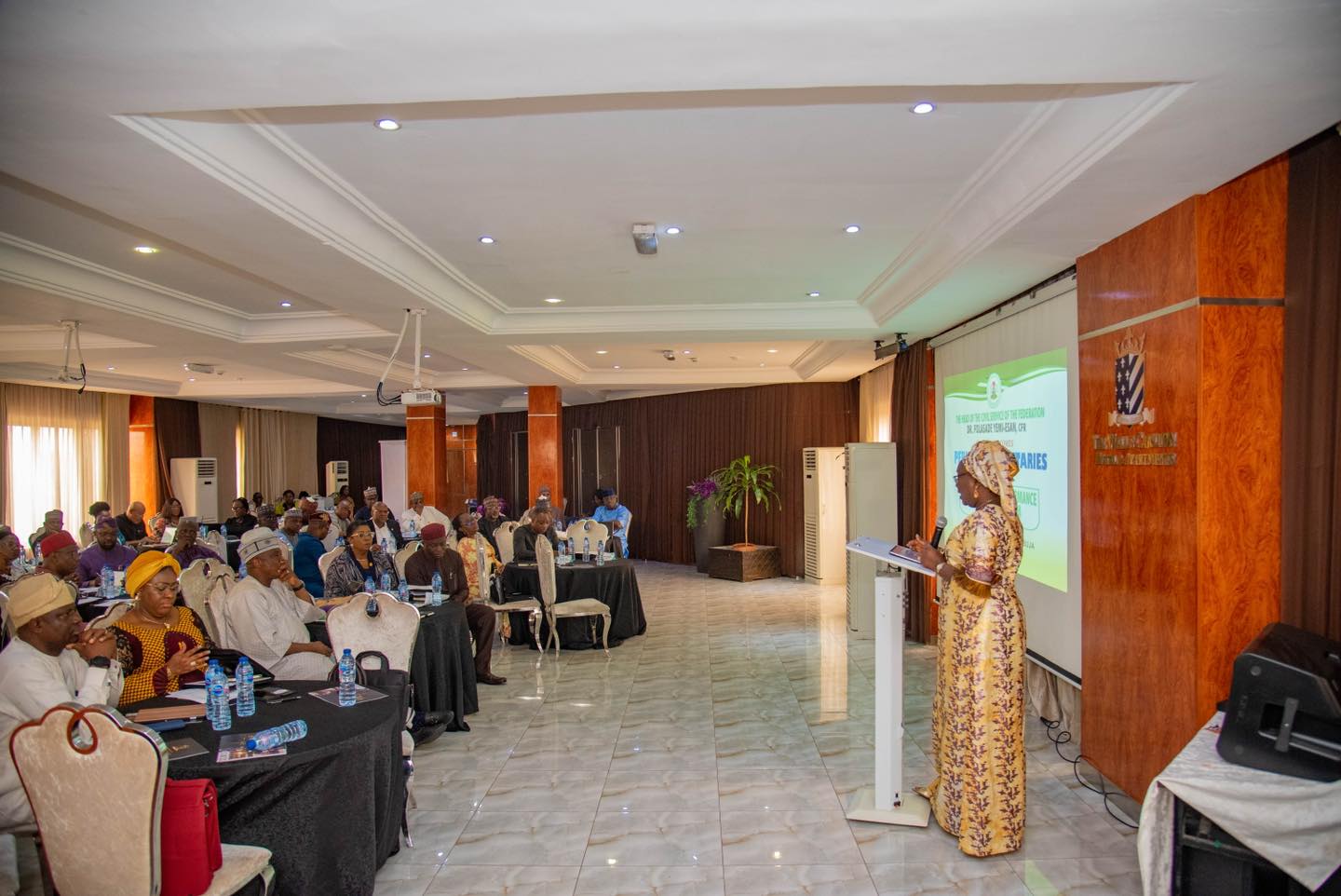
As a demonstration of the commitment of the President Muhammadu Buhari-led Administration towards ensuring a sustainable Performance Management eco-system in the Public Service in tandem with the global drive of assessing and measuring the impact of governance on the people, the Head of the Civil Service of the Federation, Dr. Folasade Yemi-Esan, CFR, has charged Federal Permanent Secretaries to step up their games.

Dr. Yemi-Esan, CFR, made this disclosure at the opening ceremony of a One-Day Retreat for Permanent Secretaries on the Institutionalisation of Performance Management System in the Public Service on Friday, April 14, 2023, in Abuja.
The HoCSF stated that the perception of the widely anticipated Performance Management System in the Federal Civil Service is progressively moving from a conceptual idea to a work-in-progress, adding that through the right partnerships and stakeholder engagements, necessary mechanisms have, and are being put in place for transiting the Service from the use of the Annual Performance Evaluation Report (APER) framework to the new Performance Management System (PMS).

She stated further that the essence of the Retreat is to brainstorm towards ensuring that PMS is institutionalised and fully operationalised in the Public Service by the year 2025.

According to her, “as managers of the largest Public Service in Africa, we must remain conscious and alive to our responsibility of guaranteeing the effective coordination of our teams and other available resources. This is key, so as to bring about a remarkable change in the way the Public Service in Nigeria works,” Yemi-Esan said.

While appreciating the turnout of Permanent Secretaries and Permanent Secretaries-Designate at the occasion, Dr. Yemi-Esan, CFR urged them, as Chief Administrative and Accounting Officers of MDAs to pay greater attention to the welfare and well-being of their personnel, as well as provide necessary tools to enhance productivity and service delivery.

She disclosed that the effectiveness of the entire Civil Service machinery is, largely, determined by the mental, emotional and physical wellbeing of its workforce.
The HoCSF reiterated that the focus areas among others in the new PMS within the implementation framework of the Federal Civil Service Strategy and Implementation Plan 2021 – 2025 (FCSSIP 25) are to: i. Finalise performance measures at the individual and unit levels with regard to KPIs and targets;

ii. Introduce regular performance appraisals and dialogues to obtain multi-source feedback; iii.Introduce a performance monitoring and reporting system;
iv. Implement an effective incentive and consequence management system; and v. Introduce development plans that incorporate employee development objectives and components in performance plans.

Other key focus areas include to:
vi. Professionalise Human Resource Management;
vii. Introduce performance-related pay system;
viii. Publish annual reports on PMS;
ix. Timely report dashboard metrics across all MDAs; and
x. Initiate voluntary exit package programmes.

Earlier in his Welcome Remarks, the Permanent Secretary, Career Management Office (CMO) – OHCSF, Dr. Marcus Ogunbiyi, affirmed that the 2023 edition of the Annual Retreat of Federal Permanent Secretaries was held at the instance of the Head of the Civil Service of the Federation for the implementation of the New and Modern Performance Management System, as a tool for appraising employee performance and the delivery of institutional mandates in the Federal Public Service.

Dr. Ogunbiyi added that the institutionalisation of PMS provides a systematic process of planning work, setting targets, providing support to employees and measuring results, stressing that it also provides the framework for continuous tracking of employees’ performance in a manner that is consistent and measurable for developing and improving their capacities to perform on their jobs and for motivating them for increased productivity.

He noted that the 2023 PMS Retreat is the beginning of a series of engagements between the Office of the Head of the Civil Service of the Federation and Permanent Secretaries on the institutionalisation of PMS, with particular reference to planning for service-wide Key Results Areas (KRAs). “This retreat is expected to provide clear strategies and develop capacity for the full roll out of Performance Management System across all MDAs. It is our belief that our collective efforts in supporting the process of institutionalisation of a new appraisal system will put the Service on a path of sustainable and improved service delivery to the Nigerian citizenry,” says the Permanent Secretary.

The Retreat featured presentations from various Resource Persons and Facilitators on Ministerial and Sector PMS Strategic Planning, Service-wide KRAs, Objectives, Targets, Criteria Values, PMS Workflow, Demonstration of PMS IT Solution, Syndicate Sessions and much more.


While cash and mobile money remain the dominant payment methods in Africa, they come with significant challenges. Cash is inefficient, insecure, and expensive, while mobile money services often lack the necessary regulatory support to operate independently. However, key emerging trends in the sector are helping to drive meaningful financial inclusion across the continent, notes Mark Dankworth, President of Business Development Africa at leading Banking as a Service and embedded finance enablement partner, Ukheshe.


One of the most significant trends in the African payments sector is the increasing collaboration between banks and fintech companies. Banks, as regulated entities, play a critical role in processing funds, which then flow into digital wallets where fintechs are best positioned to provide digital services. There is scope to offer even more functionality and convenience that answer specific market challenges and pain points, including bill payments, airtime top-ups, or public transport payments, among others. By providing incentives for users to keep their funds in these wallets and use them for digital payments, the adoption of digital payments can increase rapidly and reduce the reliance on cash on the continent.


Closer collaboration between banks and fintech companies is a positive development and has the biggest potential to drive financial inclusion in Africa. In many African countries, regulators are paying closer attention to new players in the sector. While fintech companies often lack the necessary licenses to operate independently, banks can provide the necessary regulatory support with the end goal of offering a broader range of services to their customers. By working together, banks and fintechs can help to promote financial inclusion and make digital payments more accessible, and, crucially, more trusted.


Another trend that is driving the growth of digital payments in Africa is the explosion of cross-border remittances alongside the urgent need for these to improve.  South Africa to Zimbabwe is one of the largest corridors of cross-border remittances globally, and a staggering 84% of these transactions are still cash-based. According to the World Bank, remittances to low- and middle-income countries grew to USD$626 billion in 2022. These remittances are also an essential source of foreign currency for many African countries, helping to support economic growth and development.


To facilitate cross-border remittances, many companies are developing pool accounts that allow for instant remittances of funds. Associations are also putting in place regulatory frameworks that promote innovation and protect consumers, and these developments will help sustain the growth of the industry and make it more accessible to all Africans.


QR payments are also gaining traction in African markets, offering merchants an affordable and convenient way to accept digital payments without expensive hardware. This payment method has been hugely successful in markets like China, where QR is widely used for everything from buying groceries to paying for public transport. In Africa, QR payments have been slower to take off, but their potential is significant. Visa and Mastercard are investing heavily in SME support to drive acceptance and create more opportunities for digital payments. Obviously, QR offers several advantages over traditional point-of-sale systems. For merchants, QR payments are affordable and easy to use, requiring only a smartphone and an internet connection. For customers, QR payments are convenient and secure, allowing them to make payments without the need for cash. Once again, acceptance is largely a function of the underlying trust and overall convenience of the payment method.


Ultimately, the prevailing dominance of cash in Africa will only be truly upended when payment models are instantly efficient and offer instantaneous value. In the unique African context, customers must have full control over their money with seamless, interoperable, and user-friendly solutions – this is where Ukheshe, and its strategic partnerships, can make the biggest impact.


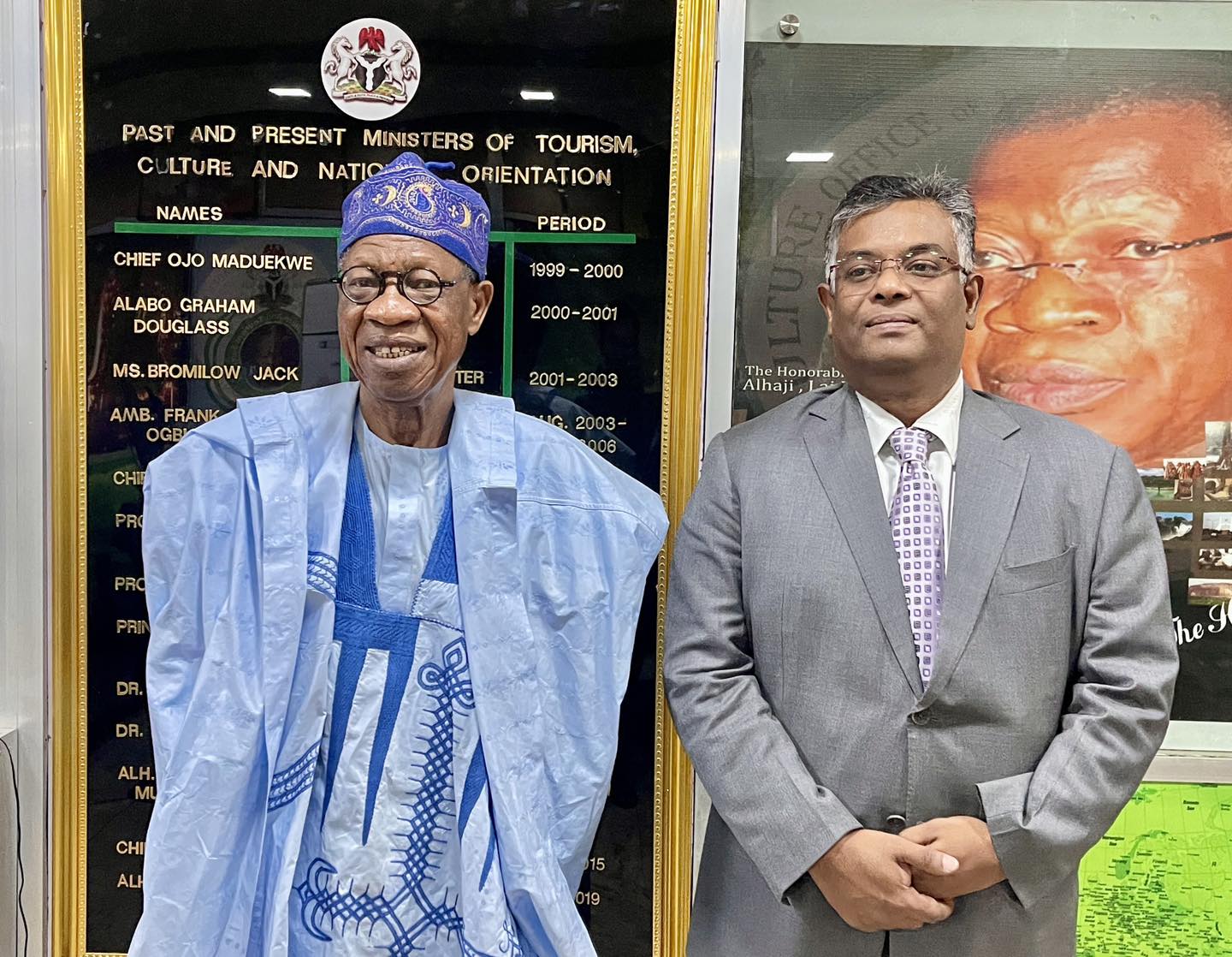
The Minister of Information and Culture, Alhaji Lai Mohammed, has said the collaboration between Nigeria and India in the creative industry has begun to yield fruit, with the impending launch of the all Nigerian-Indian cast movie, entitled “Post Card from India”.

The Minister made the remarks in Abuja on Thursday when he received the Indian High Commissioner to Nigeria, Mr. Shri Balasubra Maniam, on a courtesy visit.
He said the Ministry is in the forefront of bringing together Bollywood producers, actors and promoters to interact and exchange

ideas with their Nigerian counterparts in Nollywood, as India and Nigeria are the two power houses in the creative industry.

“I am glad that the recent collaboration between Nigeria and India in the area of culture, industry, film and music has yielded fruits. I am glad that the recent film, ‘Post Card from India,’ which was

actually shot in India, will be coming out in July this year,” he said.

Alhaji Mohammed said the Nigerian Government has offered land to Indian investors in Abuja and Lagos to build a comprehensive film city
in either of the two cities in order to further deepen the economy of the creative industry.

He also said that a team of Indian investors last August inspected the Millenium Tower Complex, which would be an iconic cultural centre in
Abuja when completed.

The Minister pledged the readiness of the ministry to sign some of the outstanding Memoranda of Understanding with India to strengthen and deepen the relationship between the two countries in the creative sector.

He stressed the need for the governments of India and Nigeria to open windows of opportunities for the private sector of both countries to forge new ties beyond government-to-government bilateral relations.

“I think the success of the India-Nigeria relationship is not just government-to-government. I think government-to-business and business-to-business have been the major drivers of this relationship and I want at this point to commend the effort of Mr. Jitendra

Sachdeva of the Skipper Group, who led a delegation of investors to Nigeria in August last year.

“I think that’s a model we should emulate and encourage because the business sector and business movers are even faster to open up and cut down barriers more than the government at times,” he said.

In his remarks, the Indian High Commissioner to Nigeria, Mr. Balasubra, who traced the bilateral ties between Nigeria and India back to 1958, said the new film, “Post Card from India,” with Nigerian and Indian cast, would showcase the composite cultures between the two
countries.

He said the outstanding MoUs on Joint Film Production and Cultural Exchange Programme would further solidify the cultural ties between
Nigeria and India.

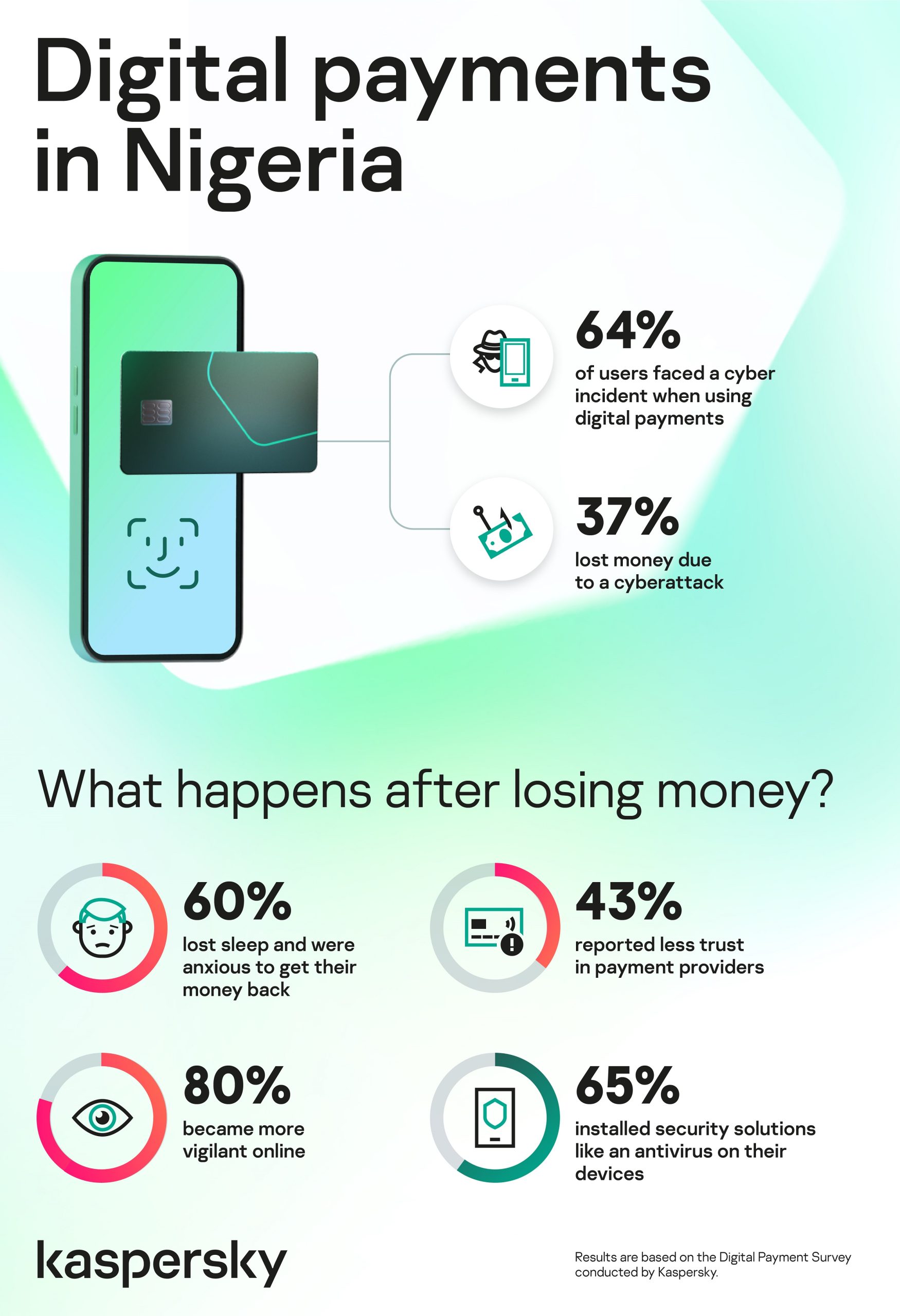
According to the Kaspersky (www.Kaspersky.co.za) Digital Payment survey, 37% of respondents from Nigeria experienced financial losses associated with threats when using online banking and mobile wallet services. The majority of users (97%) lost up to USD $1,000 equivalent as a result of these incidents, while 3% of the respondents reported a loss of more than USD $1,000 equivalent.


According to the Kaspersky Security Network, 161,272 financial threats were blocked in Nigeria by Kaspersky in 2022. These attacks were aimed at stealing financial information such as credit card numbers and login credentials and usually rely on social engineering tactics to lure victims.


However, the impact of a cyber threat targeting digital payments does not just impose a financial burden on consumers, but also affects them psychologically. For example, 60% of respondents from Nigeria said that they were very anxious about getting their money back. 43% of users reported that they have less trust in digital payment providers. 80% also stated that they became more vigilant after experiencing a cyber incident, and 65% installed security solutions like an antivirus on their infected devices.


Since the beginning of the pandemic, 64% of users in Nigeria faced at least one incident when using digital payments

“Since the beginning of the pandemic, 64% of users in Nigeria faced at least one incident when using digital payments. That’s why it’s increasingly important to know how to interact securely with any emerging technologies, including online banking and mobile wallet services. And all stakeholders, like government, digital payment providers, users and even cybersecurity companies need to come together to create a sustainable and secure payment ecosystem,” said Emad Haffar, Head of technical experts at Kaspersky.


To help users embrace digital payment technologies securely, Kaspersky experts suggest the following:


  • Do not share your PIN, password or any other financial information with anyone online or offline.
  • Avoid using public Wi-Fi to make any online transactions.
  • Use a separate credit or debit card to make online transactions. Set a spending limit on the card which can help keep a track of financial transactions.
  • Shop from trusted and official websites.
  • Use a reliable security solution such as Kaspersky Premium (https://apo-opa.info/3EQxD1D) on all your devices which are used for financial transactions. It helps to detect fraudulent or suspicious activity and check the security of visited websites.


For developers, banks and companies involved in providing digital payment services, Kaspersky recommends:


  • Invest in holistic cybersecurity solutions that can help detect fraud across multiple levels of online payment processes and consumer touchpoints.
  • Complex attacks by APT groups on financial institutions are also on a rise. In-depth visibility and threat intelligence are a necessity to keep customers protected and to ensure business continuity. Using the Kaspersky Threat Intelligence (https://apo-opa.info/43V1DnQ) service is helpful to support your IT teams in analysing and mitigating threats.
  • Conduct cyber awareness training for employees continuously. This will help employees know the red flags to look for when an organisation is under attack and to understand their role in protecting the organisation.

AMS-IX (https://www.AMS-IX.net/AMS), one of the largest Internet Exchange operators in the world, and  MDXi (https://www.MDX-i.com/), an Equinix (https://www.Equinix.com/) company, are pleased to announce that they launched a new Internet Exchange in Lagos, Nigeria. 


The new Internet Exchange, AMS-IX Lagos, is situated in the carrier-neutral data center of MDXi, an Equinix Company. Under terms of the partnership, MDXi will serve as the commercial partner of AMS-IX and regional sales and marketing arm for AMS-IX Lagos. AMS-IX will run the technical and operational management of the exchange.

The AMS-IX partnership will help MDXi consolidate its role as content hub not just for Nigeria, but for Francophone and English-speaking West and Central Africa

AMS-IX Lagos aims to become an important content hub for West Africa, enabling regional and local ISPs, carriers, and Internet Exchanges to aggregate content from large global Content Delivery Networks, hosting companies and application providers. In the coming months, MDXi, an Equinix Company and AMS-IX will focus on seeking alliances with local telecom operators and IX’s and supporting local ecosystems.

AMS-IX Lagos will launch with over 25 connected networks as AMS-IX and MDXi, an Equinix Company migrate and onboard the existing connected networks of West Africa Internet Exchange (WAF-IX) in the coming month. Connected networks at WAF-IX include large CDNs and application providers such as Cloudflare, Microsoft and Google.

Peter van Burgel, CEO of AMS-IX: “We intend to add value to the local carriers and IX’s by attracting even more content players to the region and support the local connectivity community. This is a very exciting project for us as we see it as an important steppingstone for bringing low-latency affordable Internet available for the West-African region.”

Funke Opeke, Director MDXi, an Equinix company states “This partnership enables MDXi deliver value to the rich ecosystem of network operators, carriers, content providers, cloud services providers, and enterprises that we have present in the data center. The AMS-IX partnership will help MDXi consolidate its role as content hub not just for Nigeria, but for Francophone and English-speaking West and Central Africa.”


The National Commissioner, Nigeria Data Protection Bureau (NDPB), Dr Vincent O. Olatunji, has explained some ways his bureau is following to ensure proper protection of peoples’ data protection in the country.

He said the bureau was established in 2022 by President Muhammadu Buhari, in cognizance of the emerging international norm in respect of safeguarding the rights of data subjects to privacy.

Olatunji was speaking at the monthly Lunch Time Seminar (LTS) organised by Bureau of Public Service Reforms (BPSR) in Abuja, for the month of March.

According to him, “The creation of the bureau is in cognizance of the emerging international norm in respect of safeguarding the rights of data subjects to privacy and, also, strengthening data sovereignty through adequate data protection framework, the Hon. Minister of Communications and Digital Economy, Prof. Isa Ali Ibrahim Pantami, recommended the creation of the Nigeria Data Protection Bureau.
“Some of the reforms initiated by the Federal Government leading to digital transformation in Nigeria includes National Digital Economy Policy and Strategy (NDEPS) (2020-2030), National Broadband Plan (2023), Cashless Policy (2012), National Identity Management Commission (NIMC) (2007), E-Government Initiatives and Start-up Ecosystem,” the NDPB added.

He also outlined some of the activities of the bureau to include licensing of Data Protection Compliance Organizations (DPCOs), implementation of the NDPR, capacity building, data breach and enforcement and annual performance report.
Earlier in his opening remarks, BPSR Director-General, Dasuki I. Arabi, said the way digital technologies are transforming every aspect of our modern life, necessitated the development of the National Digital Economy Policy and Strategy (NDEPS).

He said the policy was drafted to enable Nigeria take advantage of digitization in order to become a leading player in the global digital economy and provide a catalyst to facilitate the diversification of the economy and the attainment of the key national objectives of improving security, reducing corruption and expanding the economy.
“Nigerians are highly innovative people and a thriving digital economy will create employment opportunities for Nigeria’s teeming population and lift millions of Nigerians out of poverty,” Arabi added.

He also explained that, “The data that is generated every day needs to be protected. Data protection thus is the process of defending sensitive information against loss, tampering, or corruption. As data is created and stored at previously unheard-of rates, the significance of data protection grows.

“Additionally, there is little tolerance for downtime that might prevent access to crucial information. Other crucial aspects of data protection include guaranteeing data privacy and safeguarding data against compromise.

“Millions of workers had to work from home due to the coronavirus pandemic, necessitating the need for remote data protection,” the DG said.

He also recommended that to change to the present reality, organisations must change to protect employee data whether it is on laptops at home or in a central data center at work.


By Sampson Ikemitang

The Permanent Secretary Federal Ministry of Information & Culture, Mrs. Lydia S. Jafiya mni, has declared open A-One day sensitization workshop on the Sectoral Strategic Plan/Transition Document and FCSSIP25 organised for Chief Executive Officers (CEOs) of Parastatals and the Management staff of the Ministry in Abuja. The workshop which took place in Newton Park Hotel and Resort Limited, Wuse 2, Abuja, had in attendance Chief Executive Officers (CEOs) of Parastatals and Directors in the Ministry as participants.

While delivering her Key note address on behalf of the Honourable Minister, Alh. Lai Mohammed, Mrs Jafiya mni welcomed all participants at the workshop and urged them to avail themselves of the opportunity to learn the new reform going on in the Federal Civil Service tagged, ‘’Federal Civil Service Strategy and Implementation Plan 2021-2025 (FCSSIP25), as it will make them remain relevant in the service.

According to Mrs Jafiya,mni “MDAs are directed to develop and document the Standard Operating Procedures (SOPs) and Job schedules/descriptions for every staff”. She added that MDAs are further expected to digitise the past records and subsequently automate workflows by eliminating dependence on paper documents, increase productivity and reduce organisational risk through the establishment of the Enterprise Content Management (ECM).

It will be recalled that the Head of Civil Service of the Federation, Dr Folashade Yemi Esan, had in recent past, introduced Federal Civil Service Strategy and Implementation Plan 2021-2025 (FCSSIP25), as a new reform into the Federal Civil Service essentially to break away from old to a new paradigm of productive, result-driven, world-class Federal Civil Service with a view to attaining accelerated national development for the country.

It is worthy of note that FCSSIP25 has its main focus on six priority areas namely:- Capability Building and Talent Management; Performance Management System; IPPIS HR; Innovation; Digitalisation and Staff welfare. The service also, has its Core Values which include: Accountability, Meritocracy, Professionalism, Loyalty and Efficiency (AMPLE).

It should be emphasised that four Presentations were made by eminent Resource Persons at the event. These are: An Overview of Federal Service Strategy and Implementation Plan 2021-2025 (FCSSIP25) which was delivered by Dr John O. Magbadelo. Also, Performance Management System (PMS) was taken by Mrs. Bosede Olaniyi. Whilst Review of Transition/Handing Over Documents was handled by the Director Planning Research and Statistics (PRS), Mr. Usman Abdulkadir and Mr. Dimas Hamidu took the Development of Information, Culture and Tourism Strategic Plan 2023-2028.

Participants expressed appreciation to the Ministry for organising this all important workshop and lauded the swift initiative aimed at bringing them up to speed with new developments in the civil service.


Every year since 2017 the local entrepreneurial multiverse has celebrated incredible new businesses in the hotly-contested South Africa’s Top 5 Most Exciting Startups Awards. In recent years the judges’ attention has shifted to startups that are making a difference, particularly those that are eco-conscious and environmentally minded.


One of the most exciting and important areas in which a new class of startups is emerging is the field of sustainability. This shift is clear in the inclusion of CURBON in the most recent Top 5 Most Exciting Startups.


Pioneering a greener world: the promising outlook of climate change tech

Climate change is a pressing global issue that requires immediate action. Startups that offer innovative solutions to mitigate and adapt to the effects of climate change are in high demand.


CURBON has developed a solution that calculates the cost of offsetting the carbon footprint of online purchases, from production to doorstep delivery, and allows shoppers to offset their online purchases by purchasing carbon credits that are then used to finance climate change projects around the world.


“Carbon offsetting is important for addressing climate change challenges now,” says Steffen Burrows, CURBON’s director and co-founder, “because it provides an immediate solution to reducing carbon emissions while affording us the breathing room to transition to more sustainable energy sources and reduce our overall carbon footprint in the long term.”


Challenging mindsets as a startup starts from the ground up

While it may be tempting for individuals to view climate change as a challenge that can only be tackled by national government and industry, this is not accurate. Although people have contributed to the problem, we also have a critical chance to be part of the solution.


“As a startup, funding is always challenging. People always think if you get the funding, you’ve made it. But that’s not the end of it. You also have to think carefully about barriers to entry for adoption of your product or service. Startups that aren’t delivering or answering a direct problem for other businesses or consumers are starting to drop,” says Burrows.


“We’re focusing on ecommerce carbon offsetting made simple, through plug-ins. We’ve grappled with barriers to entry, from a B2B perspective, it’s zero cost to the company, we can integrate on all leading platforms and set up to go live in minutes,” notes Burrows.


Climate action in just one click

This is where CURBON makes a huge impact in making climate action cost-effective and directly accessible by helping people reduce the carbon impact of their daily activities (such as online shopping) without requiring them to make any major behavioural changes.


“‘Carbon offsetting bridges the gap between where we are now, and where we want to be in the future. It provides funding for the development of sustainable projects and technologies that promote renewable energy, energy efficiency, and reforestation,” Burrows enthuses.


Trustworthy tech startup: building that cred

Credibility is make-or-break in the sustainability space. “We want to do things that make an impact. Every step of our carbon offsetting method has been carefully verified by leading international oversight regulatory bodies. This means both every company that adopts the CURBON plugin and their customers can trust that every transaction made is an active contribution toward a low-carbon future, visible through specific projects selected for their potential in offsetting carbon equivalent emissions and empowering communities.


Today ecommerce, tomorrow the world

Globally, the UN Environment Programme’s Emissions Gap Report 2022 found that the world must cut emissions by 45% to avoid global catastrophe. Carbon Tax is a looming reality for South African businesses. “Setting a basis for carbon reduction is important for companies, but who can afford to hire a process re-engineering specialist in a recession? That’s where technology is going to shine.”


“Ecommerce is just a starting point. Carbon footprint tracking tools can provide businesses with complete visibility into emissions across their value chains, helping to identify emission hotspots, quick wins and monitor the real-time impact of decarbonisation efforts,” Burrows explains.


Technology is essential in achieving sustainable change, simplifying compliance with increasingly tight regulations, and giving businesses the tools to easily manage, monitor, and make decisions more efficiently as they work toward becoming carbon neutral. “I can’t wait to see what climate change technology startups like CURBON are going to be doing next to save the planet. Literally.”