Haim Taib, Founder and President of Mitrelli Group (www.Mitrelli.com) and Menomadin Foundation: “Africa can be the growth engine of the world because this wonderful continent is the future of humanity. Leaders in Africa and Israel can join forces for a global impact.” João Baptista Borges, Minister of Water and Energy of Angola said: “Populations’ access to drinking water and basic sanitation is a fundamental human right that we need to address collectively.” Dr. Serigne Gueye Diop, Minister, and Advisor to the President of Senegal for Agriculture and Industry: “I strongly believe that only with innovation and advanced technologies we will be able to face Africa’s challenges and support food independence, not only for Africa but worldwide.” Dr. Vaflahi Meite, Director General of Economic Diplomacy, Ministry of Foreign Affairs, Regional Integration and Diaspora, Republic of Côte d’Ivoire said“We hope to have more companies like Mitrelli join us to unlock the immense potential that lies within Côte d’Ivoire’s National Development Plan.” Yaron Tchwella, CEO, Mitrelli Group: “We have set important targets for the next decade to address the rising population, creating new jobs and securing economic growth and social stability. Mitrelli is the bridge between the African market and the innovative solutions needed.”


The Swiss Mitrelli Group (www.Mitrelli.com), which develops and implements innovative holistic infrastructure solutions and services, celebrated 10 years of impact (#10YearsOfImpact) at an event yesterday (Tuesday) in Jerusalem.


Among the 1,000 honored guests were 500 of the group’s employees including from Angola, Côte d’Ivoire, Senegal, Switzerland and Israel. Senior figures attending from Africa included Dr. Serigne Gueye Diop, Minister, and Advisor to the President of Senegal for Agriculture and Industry; Mr. João Baptista Borges, Minister of Energy and Water from Angola; Dr. Vaflahi Meite, Director General of Economic Diplomacy, Ministry of Foreign Affairs, Regional Integration and Diaspora, from the Republic of Côte d’Ivoire; and ambassadors from Africa. The event was also attended by the former president of Israel Reuven Rivlin; Mayor of Jerusalem, Moshe Lion along with senior economic officials, social activists, philanthropic foundations and Israeli tech companies.


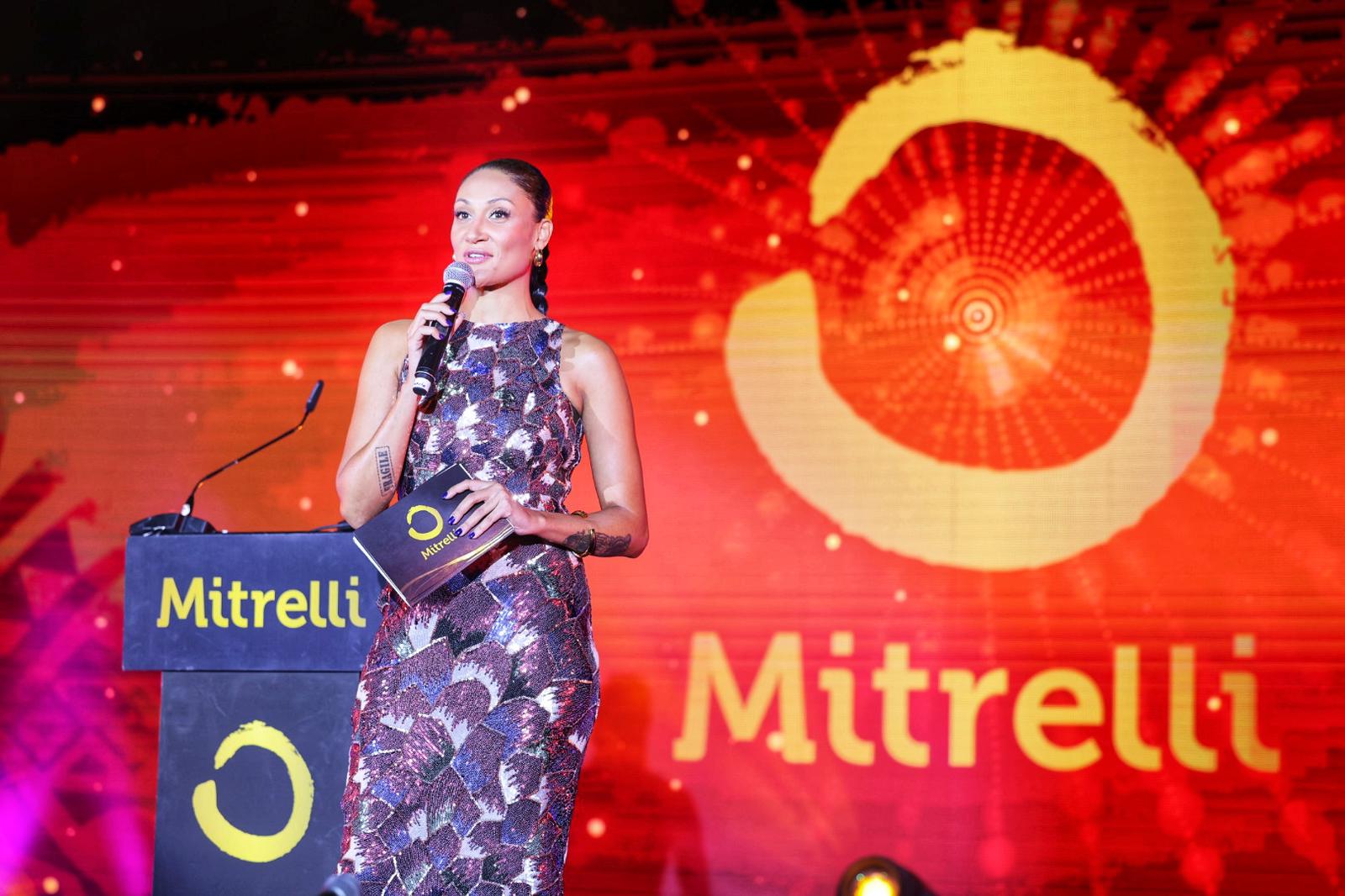
While marking 10 years of the Group’s work in Africa, the event celebrated the depth of the relationship between Israel and Africa focusing on cooperation in innovation as the driving force impacting growth in Africa, and the incredible human and economic potential of the continent’s people. The evening was hosted by recognized Angolan actress, activist and digital influencer Bruna Sousa.


Addressing the attendees, Haim Taib, Founder and President of Mitrelli Group and Menomadin Foundation noted, “Mitrelli Group is the fusion of multinational leadership and teams, and an important bridge for Africa. Investment in education and local talent is what will enable the next generation to grow the local economy, create new jobs, and establish the next technology companies in Africa. In the next decade we will provide vocational and technology training to one million people on the continent. Together, with the Israeli tech ecosystem, we can develop innovative solutions to address this.”


As part of the Group’s long-term vision and commitment to the social and economic prosperity of people and communities in Africa, founder and president Haim Taib announced “The Mitrelli Impact Prize”, a $100,000 annual grant awarded to an individual or team that introduce innovative initiatives aimed at creating employment opportunities in tech, health and education in Africa.”


Mitrelli Group is the fusion of multinational leadership and teams, and an important bridge for Africa

Since 2013, the Mitrelli Group has been committed to Africa and its people, with 2,500 employees, of which more than 80% are in Africa, manage mega-projects in Angola, Senegal, Côte d’Ivoire, Mozambique and beyond. Already today, close to half a million people enjoy access to potable water and are connected to electricity, and hundreds of thousands have access to healthcare, as well as education and training projects as part of Mitrelli Group’s impact in the region.


João Baptista Borges, Minister of Energy and Water of Angola said: “Populations’ access to drinking water and basic sanitation is a fundamental human right. Thus, there must be an equitable and rational management of this important natural resource, among the different users, in a perspective of justice, intergenerational balance, and international harmony. Likewise, the path to development and well-being for Angola and its populations is based on programs linked to energy resources and power transmission networks.”


Dr. Serigne Gueye Diop, Minister, and Advisor to the President of Senegal for Agriculture and Industry said: “Israeli innovation in agri-tech and food-tech have an important role in addressing the world’s needs. We need to develop new technologies that improve food processing, preservation, and distribution. I am confident that, with the support of our president and government, and together with Mitrelli Group and Israeli innovative technology, we can overcome the challenges that we face and build a world where everyone has access to food, education, and innovation.”


Dr. Vaflahi Meite, Director General of Economic Diplomacy, Ministry of Foreign Affairs, Regional Integration and Diaspora, Republic of Cote d’Ivoire said: “We hope to have more companies like Mitrelli join us in playing a vital role in fostering sustainable development, job creation, and economic growth in the region. By leveraging their expertise and resources, together we can unlock the immense potential that lies within Côte d’Ivoire’s National Development Plan. We invite Israeli businessmen and companies to seize this opportunity and contribute to the prosperity of Côte d’Ivoire.


Yaron Tchwella, CEO, Mitrelli Group: “In just a few decades, Africa will be home to over 50% of the world’s young population under the age of 15, which requires attention now. We have set aggressive goals for the next decade with the overarching theme to establish Mitrelli as the bridge between the African market and the innovative solutions that can drive forward food security, education, healthcare, energy, technology, housing and employment to foster economic growth and social stability across Africa.”


Next month, Mitrelli Group will be participating at the upcoming AFRICA CEO FORUM, June 5-6 in Abidjan, Côte d’Ivoire, where it has been selected as one of the finalists for the “Local Impact Champion” award, recognizing for-profit companies that have made a significant positive impact on local communities and economies. And on June 20, they will take part in the Africa Business Day in Baden, Switzerland, the Annual Platform for Business between Switzerland and Africa
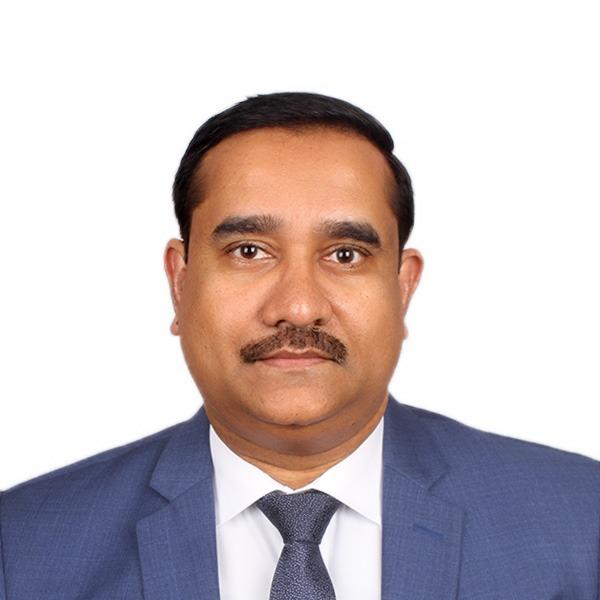


CommunicationsWeek Media Limited, a certified global ICT company with over two million online subscribers, is delighted and proud to announce Dr Krishnan Ranganath, Regional Director, Africa Data Centres FZE Nigeria as the keynote speaker at Africa’s Beacon of ICT Merit and Leadership Distinguished Lecture series.

Ranganath, will be speaking on the theme “Digital Transformation and Cloud Services as New Order.” Cloud services play a critical role in accelerating digital transformation and delivering essential public services.

To achieve the next stage of digital transformation and enable countries to reap the benefits of the global digital economy, governments must prioritize adoption of cloud services where feasible. Cloud technologies offer cost savings, the ability to scale rapidly, access to advanced cybersecurity features and big data processing using AI.

This year’s rebranded Africa’s Beacon of ICT Merit and Leadership Distinguished Lecture/Awards Series is slated for Saturday, May 27, 2022, at the Oriental Hotels, Lekki, Lagos.

According to Ken Nwogbo, CEO, Communication Week Media Ltd, organisers of the ABoICT Distinguished Lecture/Awards Series, “the choice of Dr Krishnan Ranganath, Regional Director, Africa Data Centres is deliberate because of his exceptional career in data centre operations.”

Dr. Ranganath is instrumental and a key stakeholder in the initiation and management of multiple networks & data centres across geographies with a proven track record of monitoring the inflow & outflow of funds, and ensuring optimum utilisation of available resources towards the attainment of organizational goals

Krish is a senior executive with over (two) 2 decades of experience in global markets mechanics with diverse Multinationals across Emerging Markets. Worked with numerous IT/ITES and Telecommunications players for a range of large and very elaborate projects. Managed multi-million dollar projects, land large and disparate teams across various regions and time zones. A seasoned player in start-up and business re-engineering.

He is also involved in various activities in promoting and enabling local content in Africa and preparing long term ICT strategies and roadmaps for various emerging economies within Africa as well as in West Africa Telecom infrastructural development.

Past speakers include Dr. Ernest Ndukwe, then executive vice-chairman, Nigeria Communications Commission (NCC); Engr. Yomi Bolarinwa, former Director-General of National Broadcasting Commission (NBC); Biodu Omoniyi, Managing Director/CEO, VDT Communications; Ayotunde Coker, Managing Director, Rack Centre Limited; and Peter Adedayo Arogundade, managing director and chief executive officer, Sidmach Technologies Nigeria Limited, among others.

The events drew top politicians and government functionaries as well captains in the ICT industry as well financial institutions.

Tizeti (www.Tizeti.com), a leading internet service provider in West Africa, announced an expanded collaboration with Microsoft to address the issue of broadband underdevelopment in Cote d’Ívoire and bring internet access to almost five million people.


The partnership aims to provide affordable and reliable high-speed internet access to underserved communities and people in the country, addressing the significant broadband gap that has hindered economic development and social progress in the region and empowering more Ivorians to participate in the digital economy.

Cote d’Ívoire is believed to have less than 40% internet penetration, with fixed internet around 2%. The fixed internet and broadband sectors remain underdeveloped in Cote d’Ívoire, due to a legacy of poor international connectivity, which resulted in high wholesale prices, limited bandwidth, and a lack of access for alternative operators to international infrastructure. Operators such as MainOne, and Africa Coast to Europe have subsea infrastructure, with 2Africa expected to land in 2023. While the submarine cable vertical is more competitive, Cote d’Ívoire has limited last-mile providers who pull the internet capacity and distribute it to homes, offices, schools, hospitals, and other public institutions.

Through our expanded partnership with Tizeti, we are committed to providing high-speed internet access to five million people in Cote d’Ivoire by the end of 2025

Tizeti will roll out high-speed internet infrastructure with Microsoft’s Airband Initiative, leveraging Tizeti’s low-cost wireless technologies. This will help make it easier and cheaper for people to access the internet and connect to the digital economy. These shared efforts are part of the Microsoft Airband Initiative’s commitment to bring internet access to 100 million Africans by the end of 2025, which aligns with Tizeti’s goal of connecting more people to the internet in a cost-efficient way.

“We are thrilled to partner with Microsoft to bring reliable and affordable high-speed internet access to underserved communities in Cote d’Ívoire,” said Kendall Ananyi, Chief Executive Officer of Tizeti. “Our mission at Tizeti is to bring affordable and reliable internet to more Africans outside the digital envelope, and this partnership is a significant step forward in achieving that goal. This work with Microsoft continues our joint efforts to deliver world-class internet connectivity to the people of Africa, starting with Nigeria and now Cote d’Ívoire.”

Microsoft’s Airband Initiative is focused on advancing digital equity—access to affordable internet, affordable devices, and digital skills—as a platform for empowerment and digital transformation across the world.

“Through our expanded partnership with Tizeti, we are committed to providing high-speed internet access to five million people in Cote d’Ivoire by the end of 2025,” said Vickie Robinson, General Manager of Microsoft’s Airband Initiative. “Partners such as Tizeti are vital to the Airband ecosystem, which relies on local expertise along with public and private organizations of every size to tailor regional solutions. The expansion to Cote d’Ivoire will help build sustainable infrastructure that strengthens local development and reduces barriers to connectivity.”

For many countries in Africa, there is still a huge digital divide. This boundary between connected and unconnected translates into clear consequences for employment, education, family and social life, and access to information. Collaborations such as this play a significant role in addressing the digital infrastructure deficits in emerging economies, leveraging innovative technology and capabilities, to improve development outcomes for millions of people.

ChatGPT has had more airtime than the world’s most renowned celebrity. Its arrival has sparked questions and concerns that some did not even think to ask, including if it is a threat to our critical thinking skills.


Write this essay. Complete this analysis. Unpack the meaning behind this excerpt. These are all sentences that bring horror to those who do homework – lengthy essays about things that students are not sure they care about, and that many do not see the point in doing in the first place. This homework is not designed to be terrifying; it is designed to ignite the mind and critical thinking; to challenge students to form their own opinions and then using research and cognitive thinking to back them up. Currently, this is being threatened by tools like ChatGPT.


Yet, artificial intelligence (AI) tools are here to stay so instead of seeing it as a threat, it should be seen as an asset, but one that supports cognitive growth and memory function rather than replacing it, says Anna Collard, SVP Content Strategy & Evangelist at KnowBe4 AFRICA.


“Research by George Millar in 1956 found that the average person can only keep around seven items in their working memory,” she explains. “Miller’s Law of seven plus-minus two means up to nine or as little as five items are the limit of a human’s processing abilities. Today, that number has gone down to four (https://apo-opa.info/3MIOCHD). This research, along with other academic papers and analyses (https://apo-opa.info/3BvXPMQ), points to reduced memory due to an over reliance on technology also called the Google effect,” explains Collard.


This is a concern, one that has grown increasingly vocal over the past year as educators and researchers have pondered the impact of technology, and now AI, on cognitive behaviour and memory retention. However, it is also balanced by research that has pointed out that actually, human beings have been outsourcing their memory to various materials and solutions for centuries. Paper, parchment, papyrus and wood are some prime examples. Modern technology is no different. It can be a tool to bolster memory and make it far easier for humans to manage lives that are deluged by information, noise and digital clutter.

Do not ban it, rather teach students how to use it within practical guidelines and policies that help them to enhance their understanding of AI and this type of tool


“The research goes in both directions, suggesting that technology is both an enabler and an inhibitor of human memory,” says Collard. “This points to the fact that actually, the impact does not lie in using it, but in how it is used or, in the case of ChatGPT, abused. The latter can be an immensely useful tool that supports students in their research and studies, but if it becomes the sole source of information and does all the writing for them, that is where the problems start.”


Nowadays, remembering where you found a fact has become more important than remembering the fact itself. This translates directly into the biggest challenge with ChatGPT – it is vague on its sources and often out of date, which means that it rarely is as accurate as it needs to be.


“ChatGPT uses machine learning to infer information and this introduces inaccuracies,” says Collard. “If you ask ChatGPT what happens if you break a mirror, it replies with ‘You will have seven years of bad luck’. This is not a fact; it is based on superstition. If users do not constantly check the factual accuracy of ChatGPT, they run the risk of sharing fake news, inaccurate information and even conspiracy theories.”


The TruthfulQA benchmark test has found that most generative models are only truthful 25% of the time, according to the  2022 Stanford University (https://apo-opa.info/3o0ZCGJ) Artificial Intelligence Index Report. This means over reliance on technology such as ChatGPT is simply going to make the student’s work look stupid. However, that is not enough to stop people from turning to tech when they are tired, overwhelmed or lazy, which means that the best approach is to embrace it.


“Do not ban it, rather teach students how to use it within practical guidelines and policies that help them to enhance their understanding of AI and this type of tool,” concludes Collard. “This will enhance their own critical thinking skills by asking them to question the sources, content, truthfulness and accuracy of the content that the platform serves up to them, and it will turn the threat into an opportunity.”


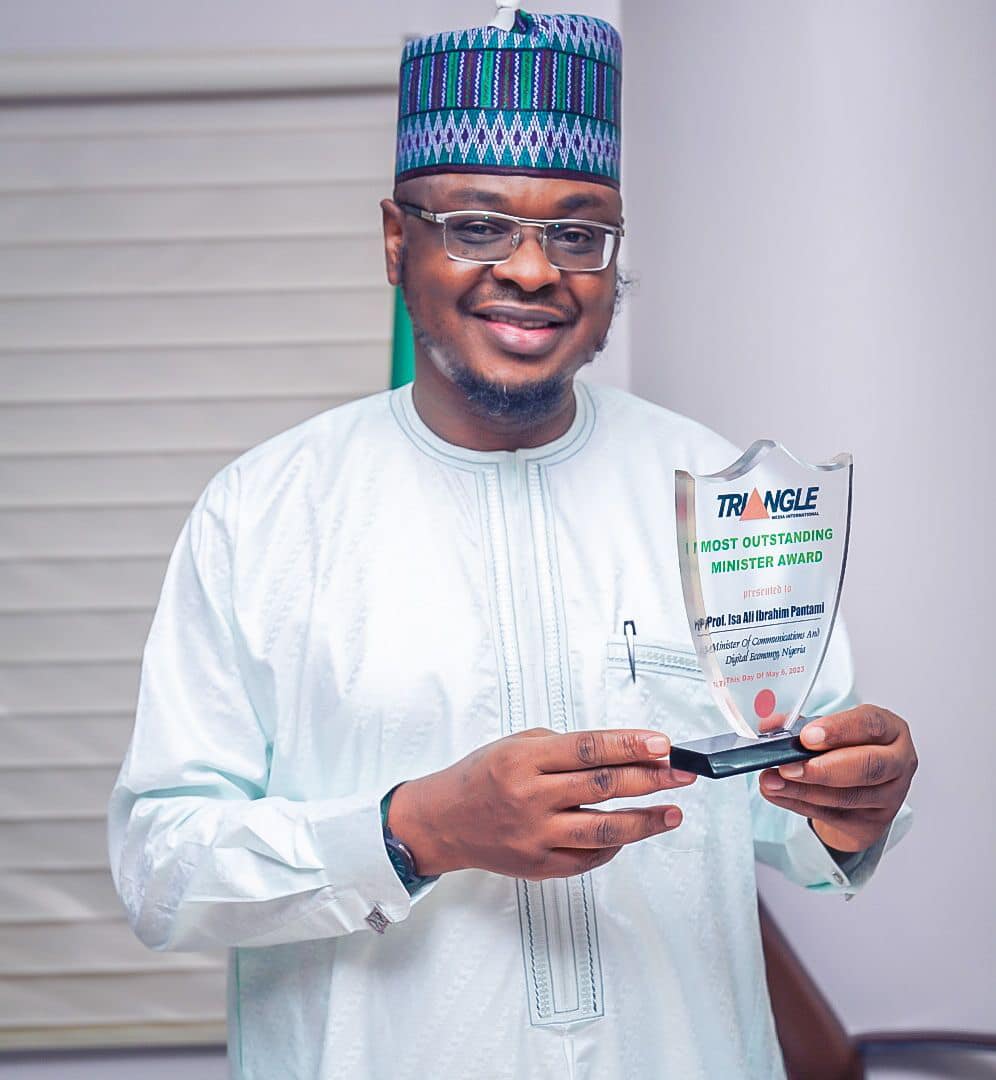
On the 6th of May 2023, in London, the United Kingdom, the Minister of Communications and Digital Economy, Professor Isa Ali Ibrahim (Pantami) FCIIS, FBCS, FNCS, was conferred with the prestigious “Most Outstanding Minister” Award by Triangle News Magazine. The award was given in recognition of the dedication, hard work, outstanding leadership and deep commitment to duty displayed by Prof. Pantami, which seeks to position Nigeria’s digital economy sector on the path of progressive development.

Under the stewardship of Professor Pantami, the digital economy sector has recorded unprecedented achievements in areas of broadband penetration, digital innovations and entrepreneurship, digital inclusion, developmental regulation, data protection and privacy, and digital skills, among others.

Minister Pantami personally championed the formulation of two important bills for Nigeria’s digital economy sector, Nigeria Startup Act 2022, a piece of legislation that provides a safe haven for innovation to thrive and the Nigeria Data Protection Bureau Bill 2022, which provides guidelines for the protection of personal data in Nigeria, promoting trust in the digital economy and ensuring the privacy of individuals are protected.

The initiatives and policies championed by Minister Pantami, such as the National Digital Economy Policy and Strategy for a Digital Nigeria, have ensured that ICT becoming the fastest growing sector in Nigeria, superseding oil and gas in contribution to GDP and contributing immensely to the growth and diversification of the Nigerian economy.

Prof. Pantami is an epitome of impactful leadership and it was no surprise that the World Summit on the Information Society (WSIS), under the International Telecommunication Union (ITU), found it worthy to appoint the Nigerian Minister as the Chairman of the Forum for the year 2022. Prof. Pantami’s impact was so significant that the leadership of the Forum changed the tenure of the Chairman from the traditional 5-day period of the Forum to a whole year and even institutionalised this new tenure for all WSIS Forum Chairpersons at the ITU Plenipotentiary in Bucharest, Romania on the 12th of October 2022, through Resolution 140. Similarly, Minister Pantami remains the first and only African to be conferred with the revered fellowship of the Chartered Institute of Information Security (FCIIS).

The personality of Professor Pantami has attracted global and regional bodies to woo Nigeria into alliances and these include the Digital Cooperation Organization (DCO), and Smart Africa Alliance. Similarly, his courageous leadership ensured that Africa won the election as the Director of ITU Telecommunication Development Bureau (BDT). In the same vein, Nigeria unanimously emerged as Chairman of the West Africa Telecommunications Regulators Assembly (WATRA) for 2021.

In a congratulatory message on the occasion of the 50th Birthday of Professor Isa Pantami, His Excellency, President Muhammadu Buhari stated that appointing Professor Pantami to supervise the digital economy sector remains one of the best decisions he has made, as the minister has added tremendous value to good governance.

The digital identity ecosystem in Nigeria will forever remain grateful to Minister Pantami for an unprecedented transformation resulting in massive enrolment of citizens and legal residents, data interoperability, and implementation of an improved welfare package for staff of the identity commission, among others. The enrolments rose from less than 40 million in 14 years of the existence of the National Identity Management Commission (NIMC), to close to 100 million in 3 years, under the leadership of Prof. Pantami.

To further enhance digital communication, education and commerce, under the leadership of Pantami, the Federal Government has provided free unlimited broadband services to public and private higher institutions of learning aimed at enhancing the quality of research and learning. Similar free broadband services have also been made available to markets and airports.


Auwal Mohammed


As payment fraud remains an area of concern for South African businesses, there is debate about what more can be done to tackle the problem and whose responsibility it is. There are layers of complexity that make what appears to be a deceptively easy question to answer much more nuanced. Businesses, banks, as well as individuals all have a role to play, says Ryan Mer, CEO of eftsure Africa, a Know Your Payee™ (KYP) platform provider. “Banks have, in general, implemented decent security measures when it comes to accessing bank accounts and initiating payments, such as two-factor authentication. There are also systems in place to flag suspicious transactions.”


But several challenges often thwart these systems, he says. “Banks are dealing with the challenge of legacy systems in a constantly changing dynamic business landscape. Not only do banks have a responsibility to pick up fraudulent transactions, but they also have to ensure that robust KYC and KYB processes and identity checks are followed when accounts are opened.”


The problem is certainly also not unique to South Africa; it’s global. “One of the biggest challenges is that account numbers are not matched with names when a payment is made. So, fraudsters can use a legitimate name with an incorrect account number, and the funds would go to the specified account number. It’s very difficult for a bank to protect against this when the person making the payment uses incorrect details. It’s akin to handing over goods to someone claiming to be from a courier company without verifying their identity. If those goods are lost or stolen, you would have a very hard time claiming from an insurance company. There is a shared responsibility for security.”


And it’s not as straightforward as setting up checks that match names and account numbers, because a person can link an account to their own name or to a registered business entity but still trade under a different name.


At the same time, he says, banks do have a responsibility to check suspicious activity in an account, such as a sudden large transaction in an otherwise near-dormant account. “Identity theft is also a big challenge that needs to be addressed. At this stage, it’s very possible for a criminal to copy legitimate documents and open an account using those documents. A payment could then be made to the correct name even if a bank were to match names and account numbers, but still go to a fraudulent account.”


There are some solutions available to businesses who wish to safeguard themselves, such as banks’ account verification services. But these processes are still manual because someone has to request the verification every time a payment is made, with a fee charged every time. This means that even businesses that do these checks tend to do them only once – leaving future payments at risk.


“Currently, it is still possible to stop incorrect payments between different banks if a mistake is spotted soon enough, because of the delay in that transfer. But instant payments would mean that as soon as a payment clears one account, it would be too late to stop it – and you can bet those fraudsters will be taking advantage of that,” says Mer.


Businesses also have a crucial role to play by having the right internal controls in place to combat payment fraud. “In the same way that banks carry out KYC checks, organisations should take their own KYB checks seriously. If you are doing business with another company, you have every right to ask them for their company documentation to do an internal verification that the company exists. There should be strict internal mechanisms that ensure a business is dealing with a legitimate entity at the point of onboarding them as a supplier, and that approval processes are consistent enough to make it very difficult for payment fraud to happen at all,” explains Mer.


He adds that leaving the full responsibility for verification checks and KYC as the sole responsibility of banks is a massive risk simply not worth taking. “It’s essential that an organisation’s accounts payable team has measures in place to verify account names with numbers, and that there’s collaborative oversight between a business’s procurement and accounts payable teams.”


Automatic account verification systems, such as those offered by eftsure, give users the ability to run account verification on every single line item before payment – as well as safeguard incoming payments.


The National Information Technology Development Agency, (NITDA) has expressed its willingness to collaborate with engineering professionals in Africa in order to infuse emerging technological tools, services and knowledge into engineering processes for enhanced productivity and customer satisfaction.

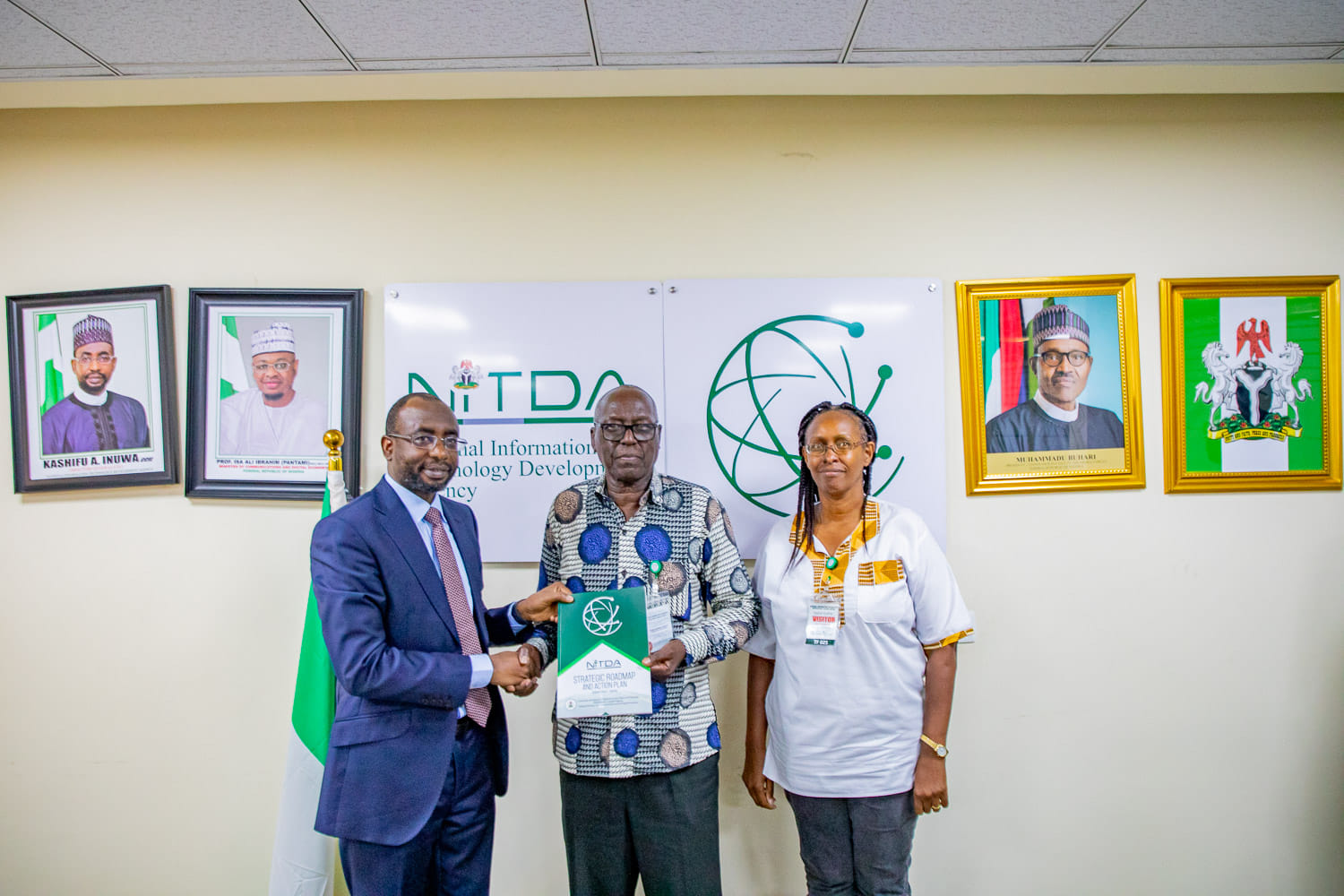
The Director General of NITDA, Kashifu Inuwa CCIE made this known when he played host to a team of the Council for the Regulation of Engineering in Nigeria (COREN), led by its Registrar, Engr. Prof. Adisa A. Bello and a team from the Engineers Board of Kenya, led by its chairman, Engr Erastus K. Mwongera at the Corporate Headquarters of the Agency in Abuja.

The NITDA Director General stated that emerging technologies are reshaping the way engineers design and develop their equipment globally and it is a necessary step in the right direction that Africa adopts it for optimal productivity in its engineering processes.

According to Inuwa, there is need for a convergence between information technology and engineering because it would reduce cost of research and development as well as enhance innovations in real-time to achieve desired results.

“Today we are talking about data and in mechanical engineering for example, there are no longer machines on the field, there are smart and connected machines that are able to generate data for predictive maintainers and predictive analytics”, he buttressed.

While expressing his excitement at the interest in collaboration shown by the visitors, he stated that it would give room to a plethora of opportunities where ideas and expertise can be collectively harnessed to drive Africa to an enviable position.
“I am glad that Africa is now looking inward to see how to put our energies together to develop African countries. Engineers are problem solvers and as long as the solutions are local, it will require local initiative as well,” he stated.

Reiterating that information technology is pervasive and believing that Africa has all it takes to be a global superpower in the fourth Industrial Revolution, Inuwa urged the two visiting engineering bodies to develop existential capabilities and flexibility to survive and thrive.

Reaffirming that technology has been disrupting processes including engineering processes globally; Inuwa disclosed that NITDA has developed various initiatives and strategies in fortifying the innovative ecosystem within and beyond the country.
He said, “At NITDA, we are promoting innovation-driven enterprises and the target is to take it to the global market. We have initiatives that bring the youths together, build ecosystems and build solutions to our problems.”

Eulogizing the impact of information technology on the status quo of existing traditional processes, the NITDA boss stated that information technology has been phenomenally inspirational by enabling creative ideas for enhanced business value propositions and creating new approaches to solving problems.

Inuwa accentuated the need to leverage digital technologies in boosting engineering processes and urged the visitors to fully exploit the three capabilities of Ubiquitous Data where information is collected, analyzed and commercialized, Connectivity, where existential flexibility can be used in harnessing resources from the physical, digital and biological worlds and lastly, Processing Power, where trending devices can be used in enhancing job processes.

“So, if you can use these three capabilities, nothing is impossible in this world and anything you want to do, you can achieve with it,” he assured.

In his earlier remark, Prof. Bello commended NITDA for their milestone achievements over the years and appreciated the Agency for their willingness in collaborating with COREN in deploying Information Technology into engineering processes for enhanced productivity.

In the same vein, Engr. Mwongera in his remark marveled at the extraordinary work being done at the Agency’s National Centre for Artificial Intelligence and Robotics (NCAIR).

He expressed his delight at collaborating with NITDA while using its achievements as benchmarks for up-scaling engineering processes in Kenya and the continent as a whole.


With more than 2 billion users globally and 23 million users in South Africa, WhatsApp continues to dominate as one of the world’s most popular social messaging platforms. It’s also a popular platform for scammers looking to cash in quickly by using social engineering tactics to trick users into revealing personal information, downloading malware, or making payments to fraudulent accounts, says Carey van Vlaanderen, CEO of ESET Southern Africa.


Built-in security measures vs social engineering

WhatsApp offers various security measures to reduce the risks associated with using the platform, including end-to-end encryption, two-step verification, user reporting and blocking, and biometric lock and unlock. However, it’s important to note that these measures are not 100% foolproof which means it cannot guarantee protection against user error. As a result, there are some threats which can still pose a risk to users.


WhatsApp scams are usually social engineering scams, which can be difficult for users to detect as they often rely on exploiting human vulnerabilities rather than technical vulnerabilities. This makes it important for users to be skeptical of unsolicited messages or requests for personal information, and to verify the authenticity of any communication or offer before doing anything else.


What do users need to look out for, to avoid getting scammed? What are the most common types of WhatsApp scams?


Phishing scams: Fraudsters send messages that appear to be from a legitimate source, like a WhatsApp business account of a retailer, insurer or bank, and ask the victim to click on a link or provide personal information.


Pretexting scams: Scammers spin a false narrative or use a pretext to gain the victim’s trust, such as pretending to be a customer service representative or a co-worker, and then asking for sensitive information.


Baiting scams: Users are offered something of value, such as a free gift, discount or prize, in exchange for personal information or actions, such as clicking on a link or downloading a file. Recently a major retailer published a scam alert of a fake WhatsApp message and website notifying customers that they could win R4000 in cash.


Scareware scams: Attackers create a sense of urgency or fear to manipulate the victim into taking immediate action, such as downloading fake antivirus software or paying a ransom to avoid legal consequences. Scammers have even posed as SARS employees, creating the impression that urgent action is required to avoid tax penalties or to claim a tax refund. Clicking the link in the message usually downloads a Trojan, which the scammer can use to hijack your mobile device.


Fake job offers: Scammers send messages claiming to offer job opportunities and ask users to pay a fee or provide personal information to secure the job.


Investment scams: Scammers send messages offering high returns on investment and ask users to transfer money to fraudulent accounts.


Romance scams: Con artists create fake profiles on WhatsApp and other dating apps to establish a relationship with users and then ask for money or personal information.


It’s important to be aware of these scams and take necessary precautions to protect yourself from them. It’s just as important to make sure your friends and loved ones are informed about the dangers of communicating with unknown numbers.


Here are some tips to protect yourself from WhatsApp scams:


  1. Be wary of unsolicited messages: If you receive a message from an unknown number or a group you didn’t join, be cautious. Don’t click on any links or download any attachments in such messages.
  2. Verify the source: If you receive a message from a known contact, but it seems suspicious, verify (either by a phone call or using another social platform) with the person before clicking on any links or downloading any attachments. Scammers often use other people’s hacked accounts to send fraudulent messages to their contacts.
  3. Don’t share personal information: Don’t share any personal information like bank account details, passwords, or other sensitive information on WhatsApp, even if the request appears to be coming from a trusted source.
  4. Enable two-step verification: Two-step verification adds an extra layer of security to your account. Enable this feature in WhatsApp by going to Settings > Account > Two-step verification.
  5. Keep your WhatsApp app updated: Make sure you have the latest version of WhatsApp installed on your device. Updates often include security fixes and other enhancements that can help protect you from scams.
  6. Be vigilant: If something seems too good to be true, it probably is. Don’t fall for scams that promise you free gifts or money in exchange for personal information.
  7. Use trusted antivirus software: Install reputable antivirus software on your device to protect yourself from malware and other security threats.


No such thing as ‘too cautious’

By following these tips and always erring on the side of caution, you can protect yourself from WhatsApp scams and keep your personal information safe from scammers and swindlers. As the saying goes ‘better safe, than sorry’.

 Lexar, a leading global brand in memory and storage solutions, will be showcasing its next-generation product portfolio at GITEX Africa 2023, one of the most important events in the African technology industry. The event will be held from May 31st to June 2nd, 2023 in Marrakech, and Lexar will be exhibiting at their stand on Central Aisle, Booth 4C-35

“Lexar has been a trusted leading global brand of memory solutions for more than 25 years. Our participation at GITEX Africa 2023, is a part of our long-term strategic vision, to meet the growing demand for technology across the continent. The company is actively present in Morocco, as the country is certainly playing a crucial role to assist and support Africa’s rapidly expanding digital economy,” said Fissal Oubida, General Manager – Middle East, Africa, CIS and Indian subcontinent, Lexar.

GITEX Africa 2023 is a perfect opportunity for Lexar to showcase its award-winning portfolio designed to specifically meet the unique needs of African consumers that are focused on quality, performance, and reliability. Lexar’s state-of-the-art photography, videography, and gaming portfolio of memory and storage solutions, which includes, SDXC™, SDHC™, microSD™, CFExpress™ cards, card readers, DRAMs, internal SSDs, portable SSDs, and USB flash drives.
“We foresee many opportunities for Lexar, as there is an increasingly rapid technology adoption and growing demand by the urban African population. We are looking forward to developing strategic engagements, building connections, and meeting with key stakeholders from the African tech ecosystem,” concluded Oubida


The Guinness World Records is named after the Guinness Brewery in Ireland. In the 1950s, Sir Hugh Beaver, the managing director of the Guinness Brewery, was on a hunting trip and became involved in an argument about the fastest game bird in Europe. He realized that there were no reference books that could settle such disputes and thought that a book containing facts and figures could be useful and entertaining.

Beaver then contacted Norris and Ross McWhirter, who had compiled a book called The McWhirter Guide to the World’s Records in 1951, and they were hired to create the first Guinness Book of Records. The first edition of the book was published in 1955, and it quickly became a bestseller. The book was renamed the Guinness World Records in 2000 to reflect its global reach and popularity.

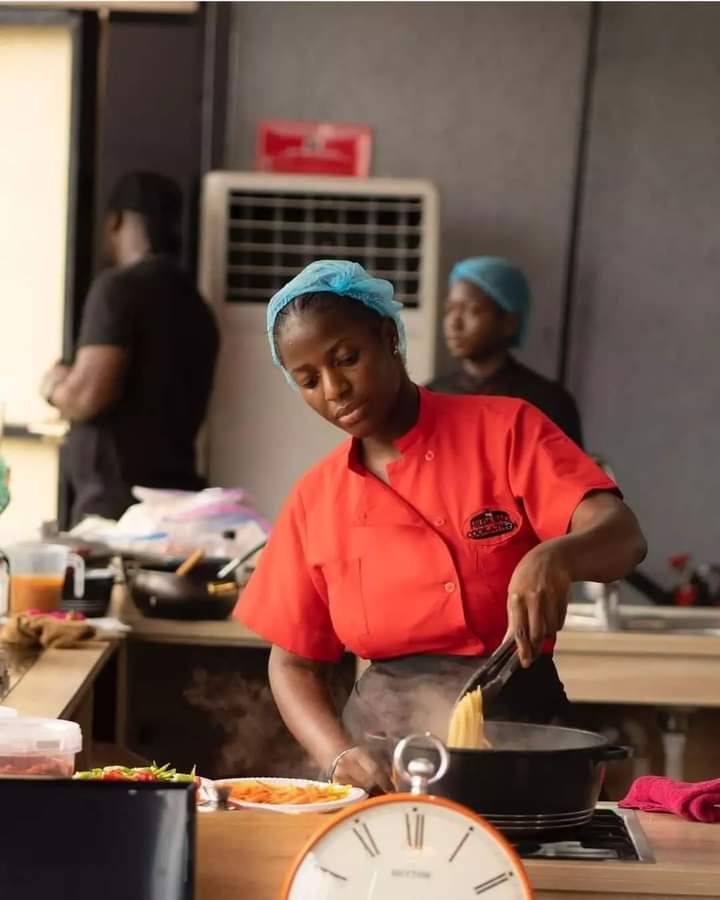
Meanwhile Hilda Bassey Effiong, young chef from Nsit Ubium LGA in Akwa Ibom State is set to break the Guinness World Record for the longest time spent cooking by an individual.

#Hildabacicooks
#HildaBaci
#AkwaIbomToTheWorld


Hilda recently won the Guinness World Records for the longest cocking hours which exceeded 100 hour making her the first in Africa. She hails from Cross River in Southern part of Nigeria