President Bola Tinubu has approved the nomination of Dr. Jamila Bio Ibrahim to serve as the Minister of Youth, pending her confirmation by the Senate of the Federal Republic of Nigeria.

The President has further approved the nomination of Mr. Ayodele Olawande to serve as the Minister of State for Youth, pending his confirmation by the Senate of the Federal Republic of Nigeria.

Dr. Jamila Bio Ibrahim is a young medical doctor and most recently served as the President of the Progressive Young Women Forum (PYWF). She has also served as the Senior Special Assistant to the Kwara State Governor on Sustainable Development Goals (SDGs).

Mr. Ayodele Olawande is a community development expert and youth leader in the governing All Progressives’ Congress (APC). He most recently served in the Office of the Special Adviser to the President on Innovation from 2019 to 2023.

President Tinubu charges the above-mentioned nominees to ensure that they consistently reflect the dynamism, innovative zeal, and unyielding productivity that are synonymous with the young people of Nigeria as they discharge their duties.

CJN Pronounces NCC Worthy Telecom Regulator


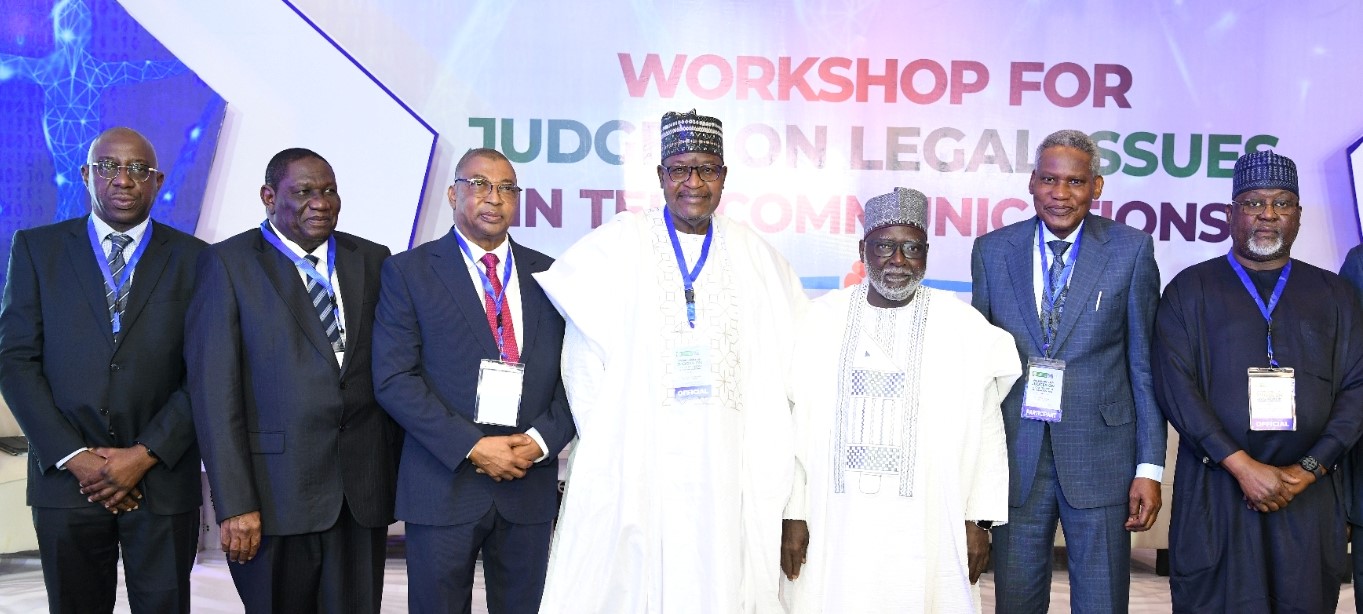
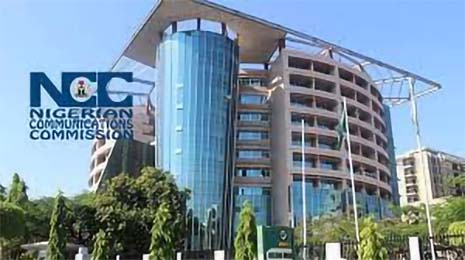
The Chief Justice of Nigeria (CJN), Hon. Justice Olukayode Ariwoola has pronounced the Nigerian Communications Commission (NCC), a worthy telecom regulator in Nigeria for its dedicated efforts in promoting awareness and knowledge of Information Communications Technologies (ICT), among the judiciary in particular, and the Nigerian public.


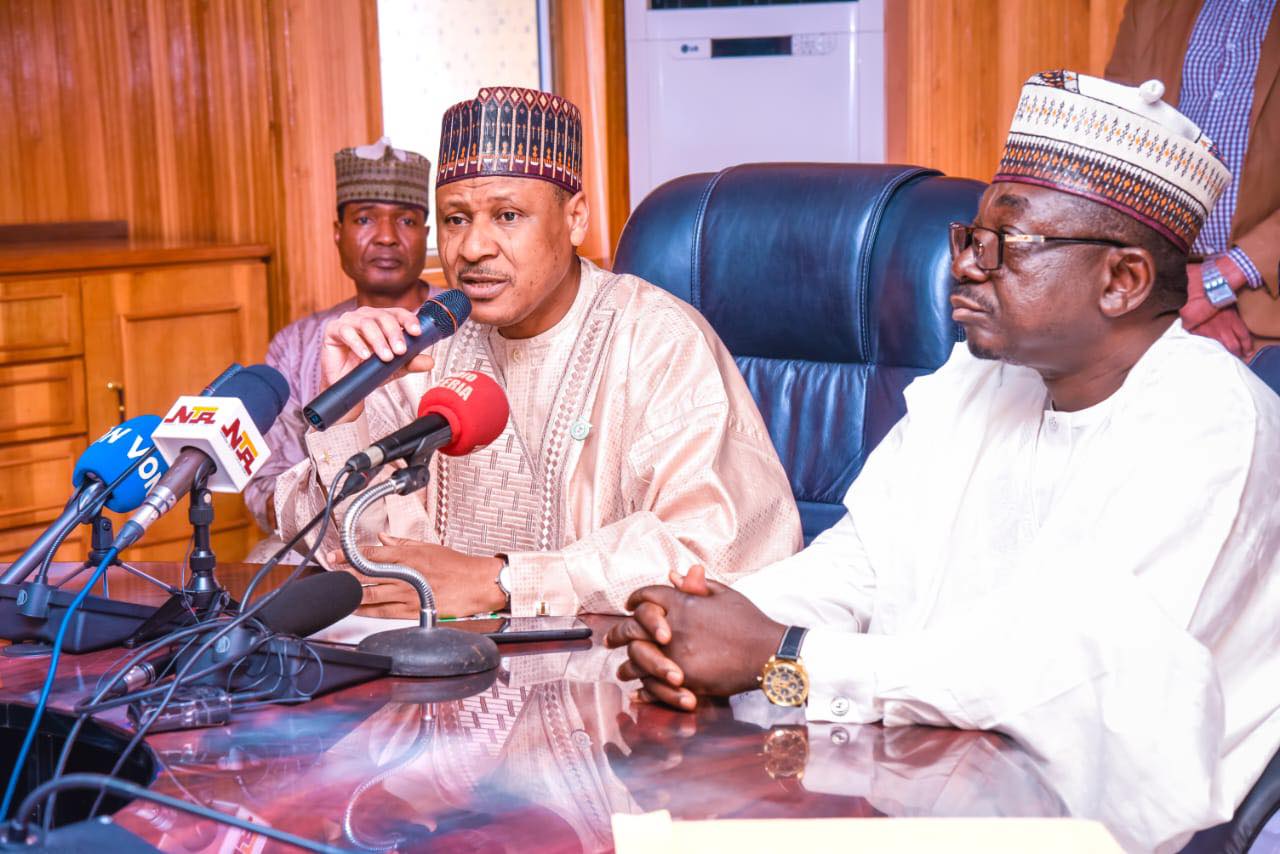
The CJN who is the Chairman, Board of Governors of the NJI, spoke in an opening remark at the 2023 edition of NCC-hosted annual workshop for judges on telecommunications issues, which began in Kano on Monday (today).


Justice Ariwoola said that information technology and telecommunication services have surpassed the conventional method of court service delivery, as the use of the Internet is becoming a prominent feature of this era with innovative and interactive influences on the public, hence the crucial nature of the workshop.


Addressing the theme of the workshop, “The Adjudication Path in a Digital Era,” the CJN said it strikes a chord with the current realities that judicial officers face technologies that has fundamentally transformed how they communicate, access information and conduct legal proceedings.


“We are obliged to embrace this transformation while ensuring that doing justice remains at the forefront of our efforts,” he said.


The CJN and other Honourable Justices of the Supreme Court, Appeal Court, Federal High and States High Courts, and the NJI, were welcomed to the workshop by the Executive Vice Chairman of the NCC, Prof. Umar Danbatta, who greeted them with the news that  the Nigerian Communications Act,(NCA) 2003, is currently undergoing a fundamental review to update its provisions.


The nation’s number one judiciary officer explained that the workshop presents a platform where the challenges facing the judiciary by the digital revolution would be effectively discussed and that it is also an opportunity to equip the judiciary with the necessary information to deal with the digital era.


“It is also crucial to prioritize the examination of the convergence of data privacy and information security law. The enormous amount of data generated and collated in the digital realm raises critical questions regarding privacy, security, and the protection of individual rights.


“As Judicial Officers, you are responsible for carefully assessing the legal implications of data collation, storage, and utilization and by striking a harmonious balance between fostering innovation and safeguarding privacy, your Lordships would cultivate trust in the digital ecosystem while upholding individual rights” Ariwoola said.


The EVC/CEO of NCC, in his welcome address, expressed gratitude to the CJN and the top echelon of the judiciary for finding time to attend the workshop and promised the Commission’s resolve to deepen knowledge of the digital future on the judiciary as a very critical and indispensable arm of government.


Danbatta said the Commission is responsive to the rapid changes in the telecommunications and technology space and that NCC has taken steps to start the review of its enabling legislation, the Nigerian Communications Act 2003 (NCA, 2003) while assuring that stakeholders will get the opportunity to make input to the amendment.


Speaking on the importance of the workshop, Danbatta noted that the telecommunications sector has evolved since the NCA 2003 came into existence hence the need to be responsive in readiness to keep pace with the dynamics of technologies that will come.


The EVC noted that the workshop afforded the Commission ample opportunity to engage the Judiciary on how to adopt digital technologies in advancing the course of justice.


He said, “The communications sector, through infrastructure deployment, has continually ensured that the digital economy agenda of the Federal Government is established on a solid foundation. It has also proven to be the catalyst for entrenching the activities of both the public and private sectors in the digital space, seamlessly.


“However, we recognise that in any digital economy, the development of a complex web of commercial transactions and social interactions is inevitable. Thus, to instill societal confidence in the digital economy, at least, two things are required: a safe and effective backbone infrastructure, as well as an efficient adjudicatory mechanism, which is easily accessible in the digital space,” he stated.


The EVC said this reality informs the NCC’s steadfast partnership with the NJI to develop capacity for judges in this area, saying this would ensure that the Court, being the last hope of the common man, is firmly woven into the fabric of the digital economy.


In an interview on the sidelines of the workshop, Danbatta further stated, “We have the Nigerian Communications Act, which established the NCC in 2003, more than 20 years ago. At one time, the Chief Justice of the Federation said this Act is anachronistic, which means it is old and therefore, has to be reviewed and I assured members of the judiciary that this review is going on as we speak.


“At the appropriate time, members of the media will be invited to witness the public presentation of the reviewed NCC Act to an engagement forum with critical members of the industry as well as Nigerians, who subscribe to telecommunications services. They will have a say during the presentation of the reviewed Act to the Public.”


The NCC hosted the 2023 National Workshop for Justices and Judges on Legal Issues in Telecommunication Matters in collaboration with the National Judicial Institute (NJI).


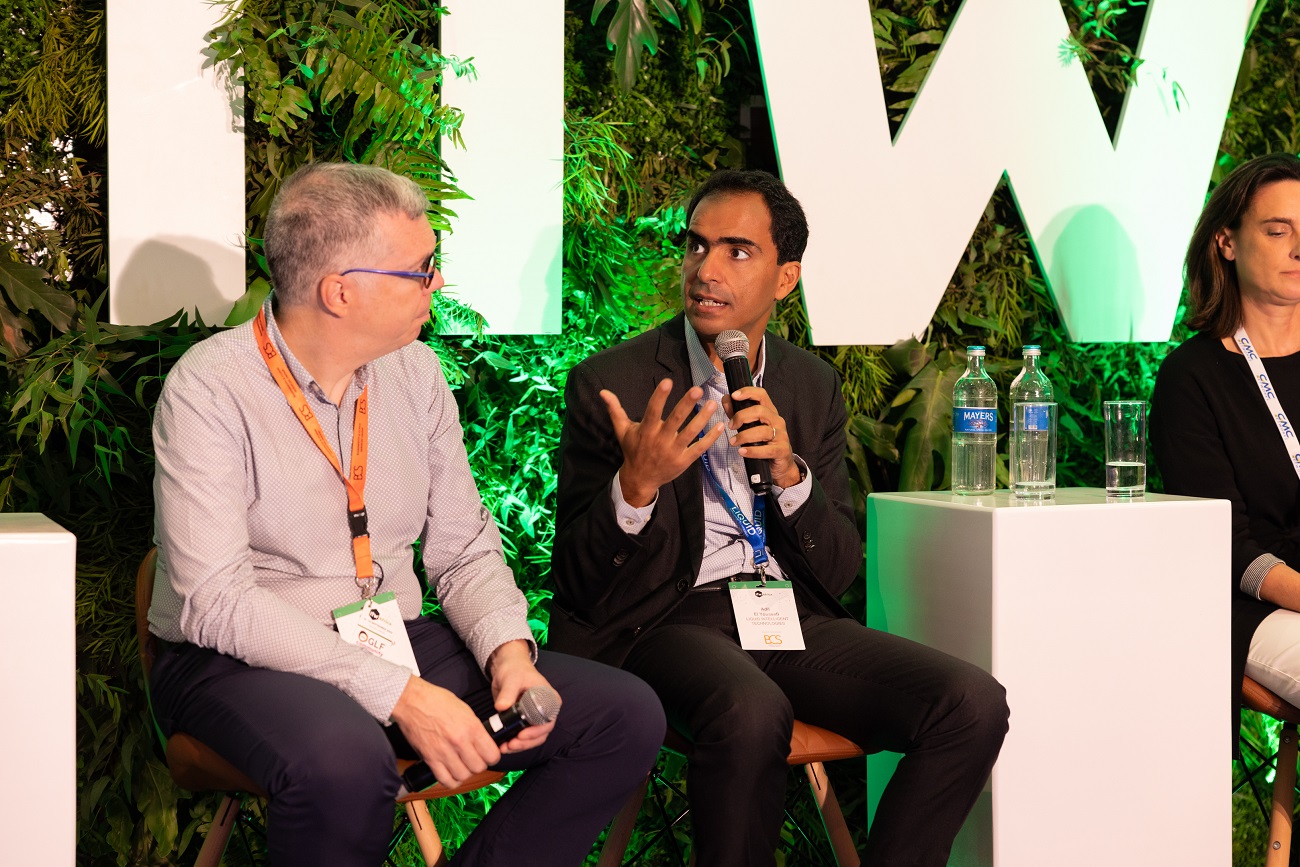
ITW Africa 2023 (InternationalTelecomsWeek.com), the continent’s premier digital infrastructure event, has successfully concluded, leaving a significant impact on the industry and paving the way for a future of connectivity and innovation across Africa.


This year’s event, held in the bustling metropolis of Nairobi, brought together over 800 delegates from over 55 countries, exceeding expectations and solidifying ITW Africa’s reputation as a vital hub for the industry.

Key Event Highlights:

Global Participation: Over 800 attendees from 59 countries, showcasing the event’s truly international reach.

Industry Leadership: More than 350 leading companies and organisations showcased their latest technologies, services, and solutions.

We wish the connectivity issue can be solved, and we are always looking for new technologies to help us

Networking Powerhouse: Thousands of pre-scheduled and spontaneous on-site meetings, fostering countless new partnerships and collaborations.

Influential Voices: 90+ esteemed speakers and thought leaders who shared profound insights into the industry’s future.

Lucenildo Lins, CTO of Angola Cables, emphasized the industry’s positive trajectory, stating, “We have increased our revenues with open topology, with the new cables we will increase revenues,” underlining the event’s forward-looking focus.

Ronald Philip, Senior Director at Agility Data Center Campuses, touched on the intricacies of infrastructure development, stating, “Land acquisition can be unpredictably long, and if the clock is ticking that can be a challenge… You need to have many horses running the race,” highlighting the multifaceted nature of telecom growth.

David Eurin, CEO of Liquid Dataport, Liquid Intelligent Technologies, spoke to the industry’s adaptability, saying, “We are one of the largest distributors of Microsoft services across Africa. People find a way to use the cloud. We wish the connectivity issue can be solved, and we are always looking for new technologies to help us, such as LEOsat.”

Beyond the knowledge exchange, ITW Africa 2023 fostered invaluable networking opportunities, with connections made poised to drive future innovations and partnerships that will accelerate the telecom sector’s growth.

As ITW Africa 2023 came to a close, the overriding message was clear: Africa’s connectivity sector is poised for unprecedented growth, driven by innovation, collaboration, and a collective dedication to connectivity excellence.

One of Japan’s largest investment firms with more than US$500 billion in assets under management (AUM) is spearheading an indomitable presence of Asian capital power at a UAE conference next month transforming a new global economy.


The inaugural SuperBridge Summit, taking place from 16-17 October 2023 at Dubai’s iconic Museum of the Future is a unique platform converging more than 500 investors, business, government, policy and cultural leaders from 20 countries to accelerate investment and co-creation opportunities in hitherto untapped and under-explored markets.


Channelled through future-focused outcomes, it will intensify collaborations in the world’s largest and rapidly expanding economies, including China, India, Indonesia, Vietnam, Brazil, UAE, Saudi Arabia, South Africa, and Nigeria, which, according to estimates, will collectively contribute over 45 percent of the world’s GDP by 2050.


The powerful two-day forum has confirmed a diverse international line-up of influential speakers seen for the first time in the Middle East, including Dr. Tuan Le Anh, Chief Investment Officer of Dragon Capital in Vietnam, and Takashi Maruyama, Chief Investment Officer, Asset Management One, Japan’s second largest asset management fund with half a trillion USD in AUM.


Joining more than 60 speakers from across the globe, Dr. Tuan and Mr. Maruyama will unlock the multifaceted investment value of cross-border capital allocation for the world’s estimated US$11.3 trillion worth of sovereign wealth funds.


Mr. Maruyama said cross-regional investments can play a beneficial role when building an investment portfolio, mitigating risk while offering the chance of superior returns. “However, they do expose investors to divergent regulatory frameworks, cultural nuances, and geopolitical dynamics,” he said. “Japan’s equity market has long been neglected by global investors despite the rally this year that captured wide attention.”


“I am looking forward to presenting the case of investing in Japan at SuperBridge Summit in Dubai, and doing a deep dive into the due diligence and strategic considerations that investors need to look at before embarking on the cross-regional journey.”

AI foundation models to advance research around cancer and other diseases


I am looking forward to presenting the case of investing in Japan at SuperBridge Summit in Dubai

Reconciling future missions with today’s realities, SuperBridge Summit Dubai will connect the world’s new leaders, accelerating growth and prosperity via the most pertinent topics and issues under the overarching theme of Connectivity, Liveability, Sustainability, and Investments in a New Global Economy.


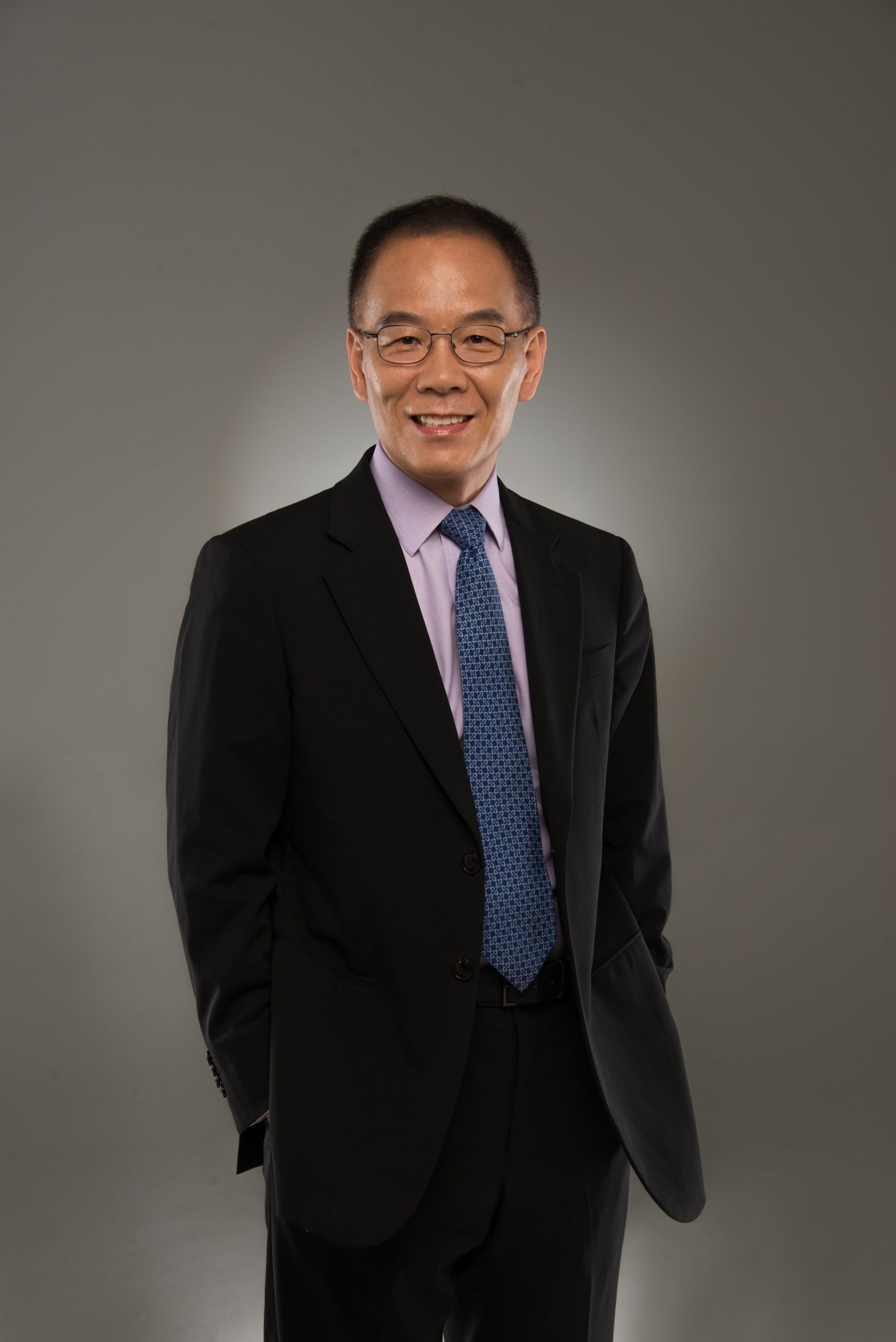
Dr. Hongjiang Zhang, Advisor to the Beijing Academy of AI in China, an award-winning computer scientist, holder of more than 150 patents, a Chinese AI guru, and author of numerous books, will sit on an executive panel unleashing AI for practical purposes in the real world.


Joined by prominent global AI leaders, Dr. Zhang’s session arrives as new research suggests generative AI, the type that powers LLM (large-language-model) technology, will generate $4.4 trillion (https://apo-opa.info/3Pq9zqV) in new value annually, unleashing a new wave of AI diffused productivity.


Dr. Zhang said the huge technological breakthrough in AI foundation models has catalysed a new turning point in the third wave of this cutting-edge tool: “As a fundamental platform, the AI foundation model will become the next generation of super entrance, systematically promoting industries into new paradigms, and making critical contributions to the efficiency revolution in various industries,” said Dr. Zhang, pointing to pharmaceuticals as a prime beneficiary.


“The Beijing Academy of Artificial Intelligence has made significant progress in using foundation models to reduce the design complexity of macromolecular drugs, and is expected to be applied in new treatment plans for diseases such as cancer.


“The foundation model will also greatly improve the production efficiency of traditional industries, such as finance, education, agriculture, manufacturing, and other fields, and will change the manufacturing process, production mode, and business model of these traditional industries.”


A pioneering initiative by KAOUN International, a subsidiary of Dubai World Trade Centre (DWTC), and the SuperBridge Council, the SuperBridge Summit Dubai is held in partnership with the 43rd edition of GITEX Global, the world’s largest and most influential tech event hosted in Dubai, attracting tech executives and investors from 170 countries.


Other headline speakers confirmed for the visionary programme include Dr. Jun Ma, Founder and President of China’s Institute of Finance and Sustainability, and Asia’s number one economist according to Institutional Investor; Noor Sweid, General Partner at Global Ventures, and ranked among the Forbes 100 most powerful Middle East businesswomen in 2023; and Lionel Zinsou, Founder and Managing Partner of SouthBridge Group, a financial advisory service company dedicated to Africa.


The Nigerian Communications Commission (NCC) has kicked off activities for the third edition of its Talent Hunt Research through Hackathon as part of giving expression to its Strategic Vision Plan 2023-2025, which is to encourage the development of new technologies and indigenous content through cutting-edge research. The goal of this initiative is to stimulate sustainable economic growth and development in Nigeria.


Therefore, the Commission has invited Tech Hubs, and Innovation-Driven Enterprises (IDEs) in Nigeria to enrol their start-ups and their solutions in the Talent Hunt Research through a Hackathon organised by NCC. The Hackathon focuses on Blockchain-enabled Data Protection Solutions for Enhancing Regulatory Compliance; Assistive Technology Solutions for the Elderly and People with Disabilities; and Technology Solutions for Renewable Energy in Rural Areas.


The NCC Talent Hunt Research Through Hackathon leverages Emerging Digital Technologies to facilitate the development of home-grown innovative solutions and local content development in the telecommunications sector while fostering economic growth and social advancement in Nigeria.


The competition enables the translation of novel ideas into the development of hardware/software solutions that address industry and societal challenges. The best three solutions, one from each of the three areas listed above will receive grants of N10 million each for the development of the solutions.


The Commission has set out eligibility criteria for those seeking to participate in the competition, which include that the Enterprise must provide a certificate of registration with the Corporate Affairs Commission (CAC), the Enterprise must not have previously received support from the Commission, the project should have clear relevance to one of the three thematic areas above, it must provide a clear problem statement, proposed solution, and roadmap to deployment.


Other requirements include a proof of concept (which may also include technical feasibility of the idea with diagram, algorithm, existing models, or case studies; the solution must be novel with the applicant making a declarative statement on ownership of the intellectual property, the solution including prototype development shall be concluded within 6 months of receipt of the Grant and must propose a detailed commercialization plan of the prototype.


The Entry Submission format indicated that the proposal must include ideation,

Minimum Viable Product (MVP) and solution, Current Sweat Equity Investment, Product-Market Fit status, Verifiable Go-to-Market status, Growth Feasibility Assurances, Maturity Model and Timeliness and existing time: Disaster Recovery, where applicable


All applications should be made online and must follow the stipulated entry format and there is no financial cost to participating in the competition while full control and ownership of the intellectual property of the developed solutions remain with the Commission.


The entries must be made by a Tech Hub/Innovation-Driven Enterprise that must show evidence of the relationship with the Start-up/solution being entered, a 4-page Executive summary of the project concept, a 3-5 minute video of the pilot project, names, age, contact details, passport photos and profile of all team members and the website (if available) as well as an E-mail address of the applicant.


All interested and qualified enterprises should submit requested documents in a zip folder to https://ncc.gov.ng/talenthuntresearchhackathon2023 with the subject of the mail titled “Submission from <business name>” and the zipped file named after the business.


The Commission has run an advertorial on the Hackathon for 3 weeks and hereby requests those in the startups ecosystem to note that the application closes by Friday, 22nd September 2023.


The African Export-Import Bank (Afreximbank) (www.Afreximbank.com) has signed a memorandum of understanding (MOU) with Nigeria’s Anambra State Government to collaborate on state development efforts through the provision of project preparation and advisory services, including a potential debt financing programme of up to US $200 million.


Under the terms of the MOU signed by Mrs. Kanayo Awani, Afreximbank’s Executive Vice President, Intra-African Trade Bank, and Prof. Charles Soludo, Governor of Anambra State, during the Anambra Investment Summit, Afreximbank and the state government will jointly prioritize strategic projects for preparation and funding, collaboratively evaluating each project to formulate a time-bound work programme for effective execution.

Afreximbank will work with the state government to establish bankability for key projects, including the Ikenga Mixed-Use Industrial City, the Anambra Export Emporium and the Akwaihedi Unubi Uga Automotive Industrial Park, as well as any other project agreed upon by the parties.

Afreximbank and the Anambra State Government will also conclude all prerequisite actions necessary for securing a financing programme of up to $200 million from Afreximbank and its affiliated entities for the projects contingent upon conclusion of a substantive agreement between the parties.

In addition, the MOU provides for the parties to collaborate on trade and investment promotion in Anambra State through the African Sub-Sovereign Governments Network (AfSNET) and facilitate the implementation of the African Continental Free Trade Agreement. The Bank will work with the Anambra State Investment Promotion and Protection Agency to provide training and capacity building on trade and investment, undertake investment forums, identify, and prepare strategic trade and investment projects and foster collaboration between sub-sovereign governments in Africa. The AfSNET network is expected to facilitate direct exchange of information and peer learning from sub-sovereign governments in Africa.

Other areas of collaboration covered in the MOU include the provision of transaction advisory services aimed at facilitating the procurement of debt and equity capital. It will also focus on export development advisory, twinning services, and senior debt structuring.

Afreximbank is ready to support Anambra State, as it is doing in Ogun and Abia States (Enyimba Industrial City), to promote similar projects here

In an address to the summit, Mrs. Awani, speaking on behalf of His Excellency Prof Benedict Oramah, President and Chairman of the Board of Directors, said that Afreximbank’s mission aligned seamlessly with Anambra’s industrialization objectives, including its vision for a smart mega city, noting that the Bank had identified the emergence of industrial parks and special economic zones as a strategic priority to accelerate Africa’s industrial infrastructure development.

“These facilities do not only optimize capital deployment but also drive economies of scale and nurture ecosystem development,” she said. “They also enable the use of otherwise inaccessible technologies and cutting-edge infrastructure”.

Noting that such projects required substantial funding, she said that innovative partnerships, including public-private partnerships, had emerged as instrumental bridges capable of closing the infrastructure gap that spanned the African continent, adding that the African private sector held immense potential to bolster a wide spectrum of public sector endeavours.

“Just as we have championed the transformative potential of industrial parks and special economic zones across Africa through public and private sector collaboration, committing over US$1.5 billion so far to the realization of these projects, Afreximbank is ready to support Anambra State, as it is doing in Ogun and Abia States (Enyimba Industrial City), to promote similar projects here,” Mrs. Awani continued. “With peace and security gradually returning to the state, with our youth beginning to realize that their future cannot thrive in an environment of widespread insecurity, we can look forward to a similar US$400 million industrial park project in collaboration with the State. It makes business sense to do so, and we have advanced discussions with Anambra State Investment Promotion and Protection Agency (ANSIPPA) to implement creating over 10,000 jobs while bringing export-oriented businesses to Anambra state.

The Bank, leveraging its fundraising capabilities in Africa’s capital markets, could also raise funds that could be deployed into impactful infrastructure projects in the state using various financing instruments and mechanisms which could be explored with the state government, she added.

Ms. Awani announced that Afreximbank’s broader collaboration with Nigeria had been fruitful over the years and had seen the Bank invest over US$36 billion into the Nigerian economy since its creation in 1993. Afreximbank flagship projects currently underway in Nigeria include the US$300-million 500-bed Africa Medical Centre of Excellence in Abuja in partnership with King’s College, London, the Afreximbank Africa Trade Centre, also in Abuja, and the Africa Quality Assurance Centre in Shagamu, Ogun State, which is already operational.

She announced that the Bank was implementing AfSNET, a platform for sub-sovereign governments throughout Africa to promote economic development and encourage intra-African trade and investment by allowing collaboration between the public and private sectors, facilitating peer learning, and allowing Afreximbank to take its products and services to the grassroots, where trade and investment actually take place.

The 2023 Anambra Investment Summit  held under the theme “Laying the Foundation for a Prosperous and Smart Mega City.”

Accompanying Mrs. Awani to the summit was Eric Intong Monchu, Afreximbank Regional Chief Operating Officer, Anglophone West Africa, and a number of other senior Afreximbank officials.

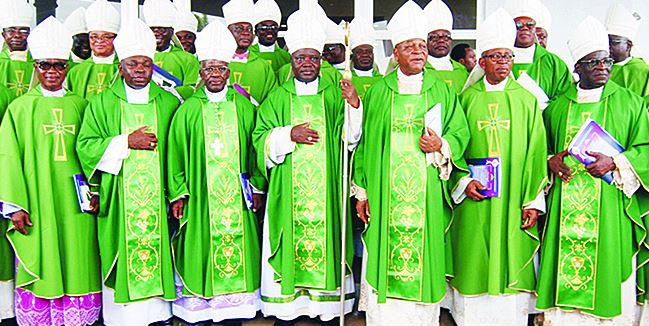
A Communiqué issued at the end of the Second Plenary Meeting of the Catholic Bishops Conference of Nigeria (CBCN) at Chida International Hotel, Utako District, Abuja, 7 to 15 September 2023.


  1. PREAMBLE

We, the Catholic Bishops of Nigeria, held our Second Plenary Meeting for the year at Chida International Hotel, Utako, Abuja, from 7 to 15 September 2023. Having prayerfully reflected on issues affecting the Church and the Nigerian State, we issue this Communiqué:


  1. RELIGION AS AN INSTRUMENT FOR NATION BUILDING

From the beginning of time, Religion has contributed immensely to the building and sustaining of nations and empires. It has done this through socialization processes, both formal and informal, societal integration and social control. Religion, as it were, brings to focus the inalienable place of God in human history. In Nigeria, we have three main religions: Christianity, Islam and African Traditional Religion. These religions have enjoyed mutual co-existence over time and agree on the sacredness of human life, moral uprightness, justice for all, especially for the poor and the vulnerable, respect for elders and those in authority, and many other common values.  True as the above is, religion has had its share of negative impact on some nations, especially in multi-ethnic and diverse cultures. In our country, religion is sometimes unfortunately used as a tool and justification for violence, oppression, division and manipulation. It has been instrumentalized. We call for a return to the true value of religion as a positive force in rebuilding our nation. We invite all Christians, and indeed all people of good will, to be salt of the earth (Cf. Matthew 5:13-16), in the quest for rebuilding our nation through political participation, contribution to sustainable development, promotion of the common good, social justice, the rule of law, and shunning primordial interests that inhibit peace and development of the society.


  1. THE 2023 GENERAL ELECTIONS AND THE ROLE OF THE JUDICIARY

The 2023 General Elections have come and gone. However, the process is not fully over as many of the announced outcomes are still being challenged in the tribunals and courts. In the Communiqué issued after our First Plenary Assembly in February this year, we urged the Independent National Electoral Commission (INEC) and its officials to ensure transparency, honesty and fairness in the conduct of the elections. We also thanked the Federal Government for enacting the Electoral Act 2022 and the Commission for introducing the Bimodal Voter Accreditation System (BVAS) and the INEC Result Viewing Portal (IReV) as well as for repeated assurances that the results of the elections would be transmitted electronically in real time from the polling units. On the strength of these, we enjoined all eligible citizens to come out en masse to vote in the elections as a fulfilment of their civic responsibility. Nigerians trooped out and voted during the elections, looking forward to a free, fair and credible process.  For this we congratulate them.


In spite of the above, the conduct of the elections was marred by many pitfalls and irregularities. As reported by many of our commissioned observers all over the country, there were threats, intimidation, violence, poor logistics, inducement, impunity, manipulation of results as well as lack of transparency. We fear that the effects of these irregularities may engender voter apathy and adversely affect the confidence of citizens in future elections. Nevertheless, we still encourage the electorate to always hope in God and not to despair in the exercise of their civic duties. We are pleased to note that many of the aggrieved persons opted to seek redress through the courts rather than inciting people to violence.  As the judicial determination of the election petitions is ongoing, we continue to call on the tribunals and the courts to be fair, just and credible in their judgements. This will inspire confidence in the process and encourage every citizen to work for the common good. By so doing, the people will have more confidence in the electoral process. Furthermore, we urge civil societies to put more pressure on government to initiate further reforms in which all election petitions would be determined before the swearing-in and inauguration of new administrations.


  1. SOME CHALLENGES FACING OUR NATION


i)  Escalating Insecurity in our Country and the sub-region

Insecurity has remained a persisting problem in our country as insurgents, herdsmen militia, bandits, and the so-called unknown gunmen have continued to unleash terror in different parts of the country. Kidnapping for ransom has continued. Some of our communities have been completely taken over by criminals. The result is that many have fled their homes, abandoned their farms, shops, businesses and other sources of livelihood. The throng of internally-displaced persons in our country is ever-growing, with many children out of school, making them easy prey to human traffickers. This state of affairs has been compounded by the incessant sit-at-home orders in the South-East issued by non-state actors. Many have lost their lives for failing to adhere to such illegal directives. We vehemently condemn the killing of the young seminarian, Stephen Na’aman Ngofe Danladi, of Kafanchan Diocese and all the other victims of such violence in all parts of the country. We condole with all the bereaved and pray for the eternal repose of the dead. We continue to call on governments at all levels to stand up to their primary responsibility of safeguarding the lives and property of Nigerians. The blood of the innocent continues to cry out to God for vengeance like Abel’s (Cf Genesis 4:10).


We equally encourage the leadership of the Economic Community of West African States (ECOWAS) and the African Union (AU) to continue to embrace dialogue and negotiation as a solution to the crises of leadership in some African countries. We note that good governance and the pursuit of the common good are antidotes to the frustration that leads to conflicts and violence.


ii) Our Nation’s Economy and Citizens’ Increased Suffering

Our failing and worsening economy has continued to make living difficult and hard for our people. Nigerians have been subjected to a life of poverty, hunger, hardship and suffering. The condition has been aggravated by the removal of fuel subsidy which has led to high cost of food items, transportation and meeting up with other essential needs. As if these are not enough, the hike in school fees has made it difficult for the children of the poor to continue their education.

We note that good governance and the pursuit of the common good are antidotes to the frustration that leads to conflicts and violence


Based on past experience, we consider the resort to palliative measures as a treatment of the symptom rather than the cure for the disease. We, therefore, urge government to address the fundamental defective structures that deepened inequality and poverty. We call on governments to provide the enabling environment for the creation of more jobs for our teeming unemployed youths. We equally encourage government to put in place measures that will curb the persistence of theft of oil and other minerals. At the same time, we enjoin the government to radically review programmes aimed at alleviating the suffering of the Youths. We equally advise the youth not to resort to violence and crime as a substitute for hard work.


We reject the ever increasing scandalous comfort and remuneration of elected leaders to the detriment of the poor. We therefore demand that the governments cut the increasing cost of running government in our country and that the money saved be used to provide essential amenities and services.


  1. BUILDING A BETTER NIGERIA IN THE SPIRIT OF SYNODALITY

Synodality is a way of life. It means journeying together as a people of God by way of communion, participation and mission. It fosters collaboration, forgiveness and reconciliation. Synodality is facilitated by listening, a deeper form of hearing, shared responsibility and dialogue. To listen is to seek to understand; to understand is to seek reconciliation. Reconciliation brings forgiveness; forgiveness brings collaboration which promotes growth and development. We, the Catholic Bishops, wish to share with the nation the principles of Synodality as a true path to rebuilding our country. As we seek to do this, the different ethnic components, political affiliations and religio-cultural diversities should be helped to come together to work for peace, progress and development. In effect, Synodality has the power to break all artificial barriers through cordiality and right relationships.


  1. MORAL REGENERATION OF THE CITIZENRY

The moral integrity of any nation is paramount to its growth and development. One who has moral integrity does the right thing always, takes responsibility for his or her actions, treats others with respect, and is honest. These qualities are necessary for rebuilding a strong and cohesive society. Unfortunately, our country is in serious deficit of moral rectitude which is demonstrated in increasing corruption, cyber-crime and other forms of criminality, blatant lies, and dishonesty. As Bishops, we are concerned that moral education is not given adequate attention in the families, schools, formation programmes and public institutions.


The media have not been of great benefit in the fight against moral decadence as it has been abused for fraudulent and self-serving purposes. To reverse moral decline in our country, we call for integral formation. We urge parents to be alive to their responsibilities by word and example in raising their children according to ethical values. As Church, we are committed, more than ever before, to the catechetical formation of all our faithful. We enjoin individuals, families, institutions, and the government at all levels to put integrity and moral rectitude as a priority in their relationships and operations. We equally call on our youth to have renewed faith in God and abide by good moral principles in their daily life, since they are the driving force that determines the future and hope of the nation.


  1. TOWARDS A BETTER DEMOCRATIC POLITICS

Politics is inevitable in nation building. It serves the purpose of harnessing human potentials and structures for the organization and distribution of resources for the benefit of the people. We reaffirm the teaching of the Church to the effect that those with a talent for the difficult yet noble art of politics should prepare themselves for it and engage in political activity forgetting their own convenience (GS 75). This teaching is addressed not only to Catholics, but also to the political community at large. We observe that the attitudes, objectives, and behaviour of our political class at all levels are far from the ideal. To attain a better and stronger nation a radical change of heart among all politicians is urgently needed. We renew our call on our Catholic Lay Faithful with talent for politics to make themselves available for this moral political duty. In this regard, we remind all the Clergy and Consecrated Persons that partisan political activities and holding of public offices are, by Church Law, primarily the roles reserved to the Lay Faithful. We the Catholic Bishops of Nigeria, forbid the participation of our priests and consecrated persons in partisan politics. We, therefore, remind them that there are grave consequences should any of them disobey their Bishop or Superior on this matter.


  1. NEWS FROM THE CHURCH

We are grateful to God for the successful celebration of the World Youth Day (WYD), which held in Lisbon, Portugal. Seventy-two Nigerians including Four Bishops participated in the exercise. We pray that we continue to harvest the fruits of the event. We look forward eagerly to the celebration of the 16th Ordinary General Assembly of the Synod of Bishops on Synodality, from 4 to 23 October, 2023. We pray for a fruitful dialogue that would promote faith and animate the evangelizing mission of the Church. We look forward to the 5th National Mission Congress (NAMICON-V) holding from 24 to 27 October, 2023 in Owerri, Imo State. This Congress is a collaboration with Pontifical Mission Societies (PMS).


We sympathise with the people of Libya and Morocco for the devastating effects of the flooding and earthquake respectively. We pray for the repose of those who lost their lives in the incidents. We pray that the world continue to hearken to the voice of the Holy Father regarding the care of the earth our common home.


To the glory of God, the Church in Nigeria has continued to grow and expand, resulting in the creation of new jurisdictions and the appointment of new Bishops. We rejoice with the faithful of Aguleri Diocese for the successful inauguration of their Diocese and congratulate Most Rev. Denis Chidi Isizoh on his installation as its pioneer Bishop on 17 March 2023. We thank God for the newly created Diocese of Wukari and the ordination and installation of its first Bishop, Most Rev. Mark Maigida Nzukwein, which occurred on 13 April, 2023. Similarly, we are grateful to God for the appointment of Most Rev. Christopher Naseri as the Auxiliary Bishop of Calabar Archdiocese. He was ordained on 22 July, 2023. We are grateful to God for the celebration of the 60th Anniversary of the Diocese of Oyo on 23 June, 2023 and thank God for the Bishop Emeritus, Most Rev. Julius Adelakun, who marked the Golden Jubilee of his episcopal ordination on the same day. Furthermore, we felicitate with Archbishop Patrick Ebosele Ekpu of Archdiocese of Benin city for his episcopal Golden Jubilee.  We are grateful to Most Rev. Antonio Guido Filipazzi, the former Papal Nuncio to Nigeria (2017-2023), for his outstanding work among us. We wish him every grace and blessing in his new assignment.


With firm hope in the resurrection of all who die in the Lord, we commiserate with the Archdiocese of Calabar on the death of their Archbishop Emeritus, Most Rev. Joseph Edra Ukpo, who was called to the Lord on 1 March, 2023 and was buried on 23 March, 2023. May he sleep in the peace of Christ and rise in his glory. Amen.


  1. CONCLUSION: MOVING FORWARD WITH HOPE

As Christians, our faith teaches us not to be discouraged or despondent (Cf Rom. 5: 5). Though the story might not be positive, we should move away from the precipice. The task before us as a nation is great. Greater, however, is our trust in God and in His power to deliver us from our afflictions and tribulations. We must not be afraid to confront the issues facing us as a nation nor fall into cynicism borne out of resignation to fate.  Our hope in a better Nigeria stems from the emergence of altruistic and patriotic Nigerians across the different strata of the society. We are indeed confident that a better Nigeria is possible, but surely not without us.  It calls for belief in our country Nigeria, generous and selfless disposition to serve the common cause, enthronement of strong ethical values and a renewed vigour in rebuilding a nation founded on truth, justice, fairness and peace. We call on our young people, the not so young, the elderly and indeed all cadres of society, to adjust their belt for a good run into a better, united and strong Nigeria. Through the powerful intercession of the Blessed Virgin Mary, Mother of hope and all consolation, Queen of Nigeria, we shall overcome.

+ Lucius Iwejuru Ugorji
Archbishop of Owerri Archdiocese
President, CBCN

REA to Deploy NASENI Renewable Technologies To Light Up Rural Areas in Nigeria 

.. To Partner NITDA On Local Content Development


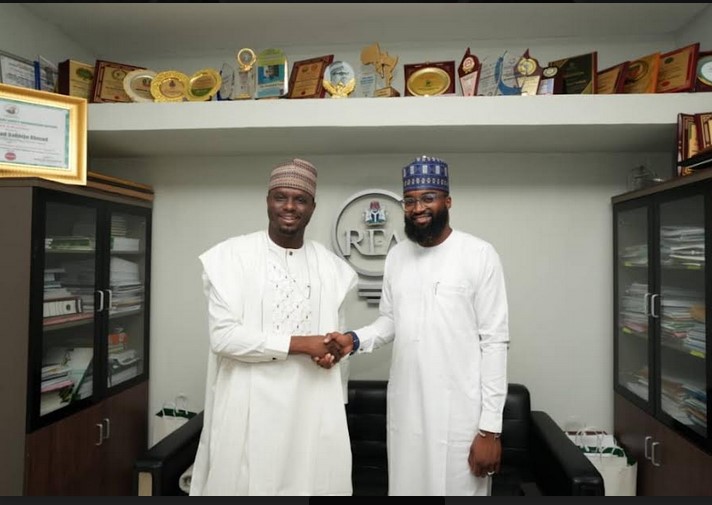
The Executive Vice Chairman/CEO of the National Agency for Science and Engineering Infrastructure (NASENI), Mr Khalil Halilu and the Managing Director/CEO of the Rural Electrification Agency (REA), Mr. Ahmad Salihijo Ahmad have agreed to work together to deploy NASENI Solar resources and other renewable energy technologies, to increase electricity supply to Nigeria’s rural areas.


This commitment was the outcome of discussions between the two chief executives in Abuja on Friday September 15, 2023, when the EVC/CEO of NASENI visited the Rural Electrification Agency (REA) office as part of his efforts to engage with stakeholders to promote the adoption of NASENI’s technologies.


Mr. Halilu, who assumed office two weeks ago as NASENI’s chief executive, said, “The focus is to hit the ground running by nurturing effective collaborations with the right stakeholders who will assist NASENI to fulfil its mandate of providing the science and engineering infrastructure base for Nigeria’s businesses and economy to thrive.”


According to him, “The strategy, going forward, for NASENI includes knocking on the doors of potential end-users of the Agency’s technology and engineering products, making off-take of our Research & Development (R&D) easy, while also bringing the direct impact of our work to bear on the Nigerian economy.”


The two chief executives pledged to work together to bring down the cost of solar power installation in rural areas, through efforts such as increased local production of solar panels by NASENI. The overall goal, according to the REA MD, Ahmad Salihijo, is to facilitate the Federal Government’s ambition to achieve the electrification of Nigeria’s rural areas in record time.


Earlier in the day, Mr. Halilu visited the Director General/CEO of the National Information Technology Development Agency (NITDA) Mr. Kashifu Inuwa Abdullahi, on a similar mission. The two CEOs emphasized the need to look inward and develop local content (human and material) capacity to transform the economy.


Halilu sought to leverage on the long-standing relationship between himself and the NITDA boss, and also between the two organisations, to share experiences and best practices in management and in resource optimization.


Abdullahi disclosed that NITDA’s strategy of focusing on changing both the mind-sets and skill-sets of its staff are two critical factors that have helped the Agency achieve up to 62 percent of its goals and objectives within two (2) years, ahead of its four (4) year projection. He noted that the same approach would work for NASENI, as long as there was a well-thought-out strategic plan, and clarity of vision and goals.


The Honourable Minister of Information and National Orientation, Alhaji Muhammed Idris, has called for collective unity amongst people to achieve the dividend of democracy. He said democracy is nothing if it doesn’t bring progress, development, and unity among the people. The Minister stated this during a courtesy visit by the APC North-Central Zone on Thursday, September 14, 2023.

“It was for this reason that President Bola Ahmed Tinubu is constantly promoting the dual concepts of unity and economic prosperity to our people; as the chief image maker of Nigeria, that is the message I am also disseminating.” He said this, noting the need for Nigerians to conduct some soul-searching.

“National re-orientation is at the heart of the change and hope that we all desire for this country; each one of us has the responsibility to recover his steps and do the right thing,” he said, calling on the party members to unite and engage more so that they can achieve great things for the country.

The Minister disclosed the need for the party to galvanize people towards a common understanding and shared vision for what our country should be, and this could be achieved through the party machinery across all levels.

In his speech, the National Vice Chairman of the APC North Central, Alh. Bawa Rijau, on behalf of the National Working Committee of the APC, and Zonal Executives, congratulated the Minister on his well-deserved appointment.

He also thanked President Bola Ahmed Tinubu for appointing one of their own to this important position, noting this as a clear indication that the president appreciated the role Alhaji Idris played during the campaign.

The delegation assured the Minister of their support at all times, charging him to work with his colleagues in the cabinet to fast-track development in the zone.
“The North Central zone did very well in the last election, and because of this, we expect you and your cabinet colleagues to work together to ensure that the interests of the North Central are protected,” he stated.

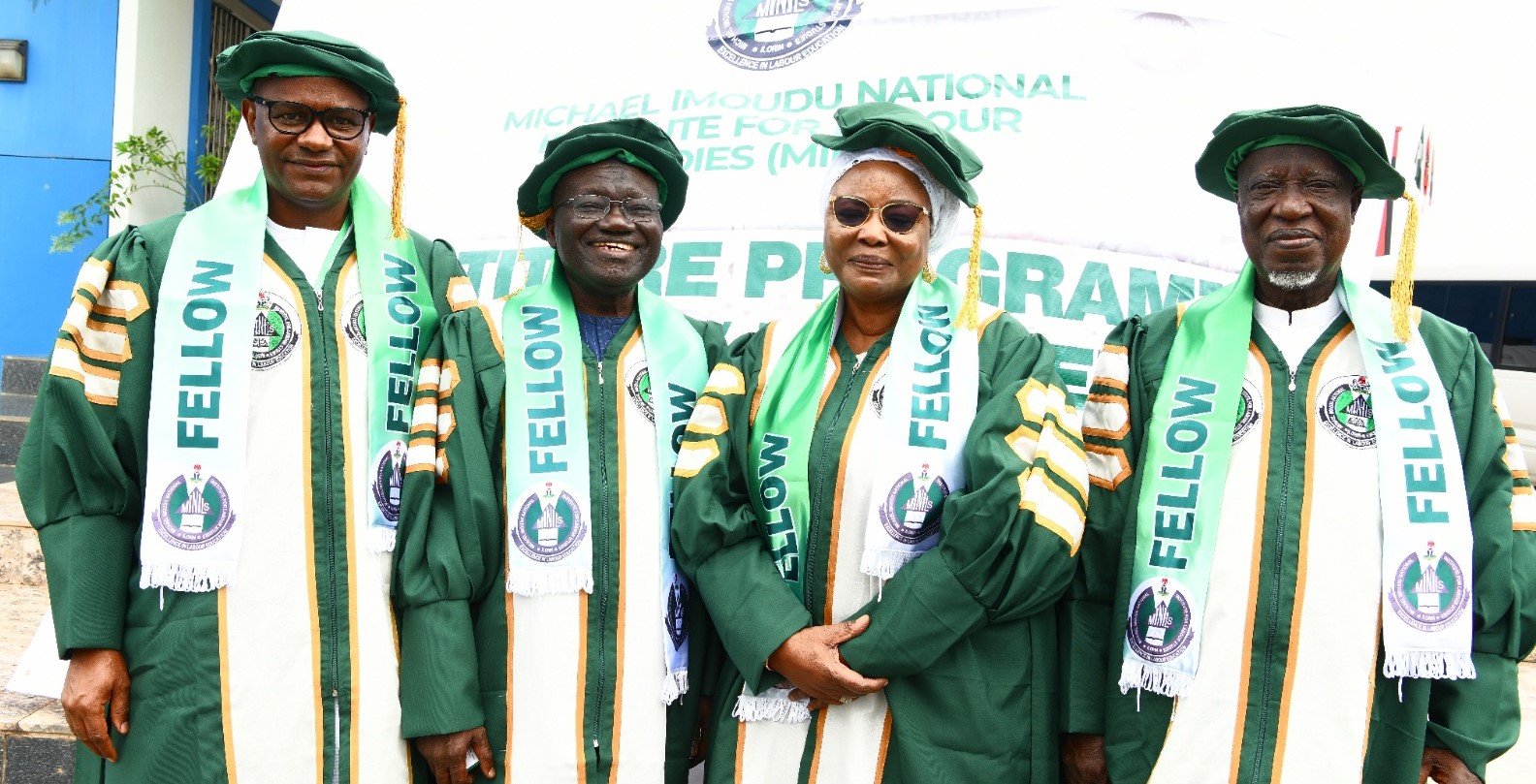
The Michael Imoudu National Institute of Labour Studies (MINILS) has decorated the Executive Vice Chairman of the Nigerian Communications Commission, Prof. Umar Danbatta, with the award of Fellowship of the Nigeria Institute of Labour (NIL) under the Federal Ministry of Labour and Employment.

At the conferment ceremony in Abuja recently, which was part of the series of events marking the 40 Anniversary/Founders Day of the Institute, the Director-General of the Institute, Isa Aremu, said Danbatta was being recognised for his exemplary contributions and that of his team to the betterment of the Commission and national workforce.

Alongside Danbatta, the Director, Human Capital and Administration of the Commission, Usman Malah, who is driving the effectiveness of the workforce at NCC was also honoured with a fellowship.

Speaking at the event, Danbatta, who represented by Malah, at the event, underscored the significance of collectively supporting initiatives that enhance the well-being of Nigerian workers through increased access to affordable telecom services.

The EVC stated that only through a digitally skilled and informed workforce can Nigeria fast-track national productivity and development, alongside other initiatives being put in place by the Federal Government. Danbatta said the Commission would ensure affordable and ubiquitous telecom services to improve Nigerian workers’ daily activities.

While expressing gratitude for the recognition to him and Malah, Danbatta assured of his continued support to empowering NCC staff in improving skills, education and sundry capacity-building activities as well as stimulating the deployment of robust broadband infrastructure for bolstering job creation for Nigerians and improving national productivity.

Meanwhile, MINILS DG, Aremu, commended the Commission for promoting the deployment of telecommunications services to improve productivity and efficiency across different sectors of the economy.

“We have witnessed the amazing transformation in terms of broadband penetration, Internet subscribers and many other achievements recorded under the leadership of Prof. Danbatta as the Executive Vice Chairman of NCC and how the telecom sector, regulated by the Commission he leads, have improved national productivity,” Aremu said.

The DG of MINILS stated that the EVC has played a pivotal role in transforming and advancing the nation’s digital space and acknowledged that Danbatta’s commitment to bridging the digital divide and creating employment opportunities in the telecommunications sector has earned him accolades nationwide.

The anniversary, which featured conferment of Fellowship of the NIL on other Chief Executives and Heads of Human Resources divisions of some government agencies alongside the NCC Management executives, not only celebrated the events of the past but also set the stage for a brighter future, showcasing the importance of fair labour practices, knowledge and continued collaboration between various government agencies.

Aside from the new Fellowship of NIL, Danbatta is a Fellow of the Nigerian Society of Engineers, the Renewable and Alternative Energy Society; the Nigerian Academy of Engineering, and the Nigerian Institute of Electrical and Electronic Engineers.