
For centuries gone by, it was a usual practice to hold the head of a conquered victim up as a priceless possession to the people. In such feat went with the feeling of unconquerable tribe and people, as a disdainful showboat of doing away with your enemy, as a collection of skull prizes, evidence of the heroes that have gone under your sword. These were not skulls of ordinary soldiers, bandits or tribesmen. These were of renowned warriors and heads of tribes almost equating a king. Such skulls were usually kept as priceless possessions. Other times, they were used as skull cups, symbolically as badge of honour showing one’s royalty and unrivalled status. So Jay Z drank Cognac with his won Grammy trophy!

Doing the last Grammy ceremony, Jay Z was duly honoured with a Grammy. However, during his acceptance speech, he took a frigid dig at Grammy for always passing his wife by with the Album of the Year prize. “My wife Beyoncé has the highest number of Grammys (32) but has never won the Album of the Year award or any of the big awards at the ceremony. The Grammys need to do the right thing. But you know in life, you’ve got to keep showing up until you get the recognition you deserve. Until everyone looks at you and recognizes how great you are”

When Davido didn’t win a Grammy, Nigerians were devastated; hey never spared the organizers of some brutal dressing down. You would think it was losing out of the Holy Grails of Grammy. But no. Davido, like thousands of musicians, “just give me a Grammy, enough to be content with.” But there are Grammys there are Grammys. That was what Jay Z was harping on with unmistaken discontent and dismay.

The four Holy Grails of Grammy are: Album of the Year, Record of the Year, Song of the Year and Best New Artist. So even in Grammy trophies, there’s discrimination, a kind of a classy, more prized category. Of these four, Beyonce has only won one – there is Jay Z’s distrust of the whole process as rigged or compromised. But did he stop there?

Jay Z would go home, like a warrior disdainfully standing on the neck of a defeated enemy or drinking with the skull of a conquered enemy, bring out his Cognac and have more than a mouthful swig as a middle finger to the organizers of Grammy from the Big Boss.


Amede Isaac
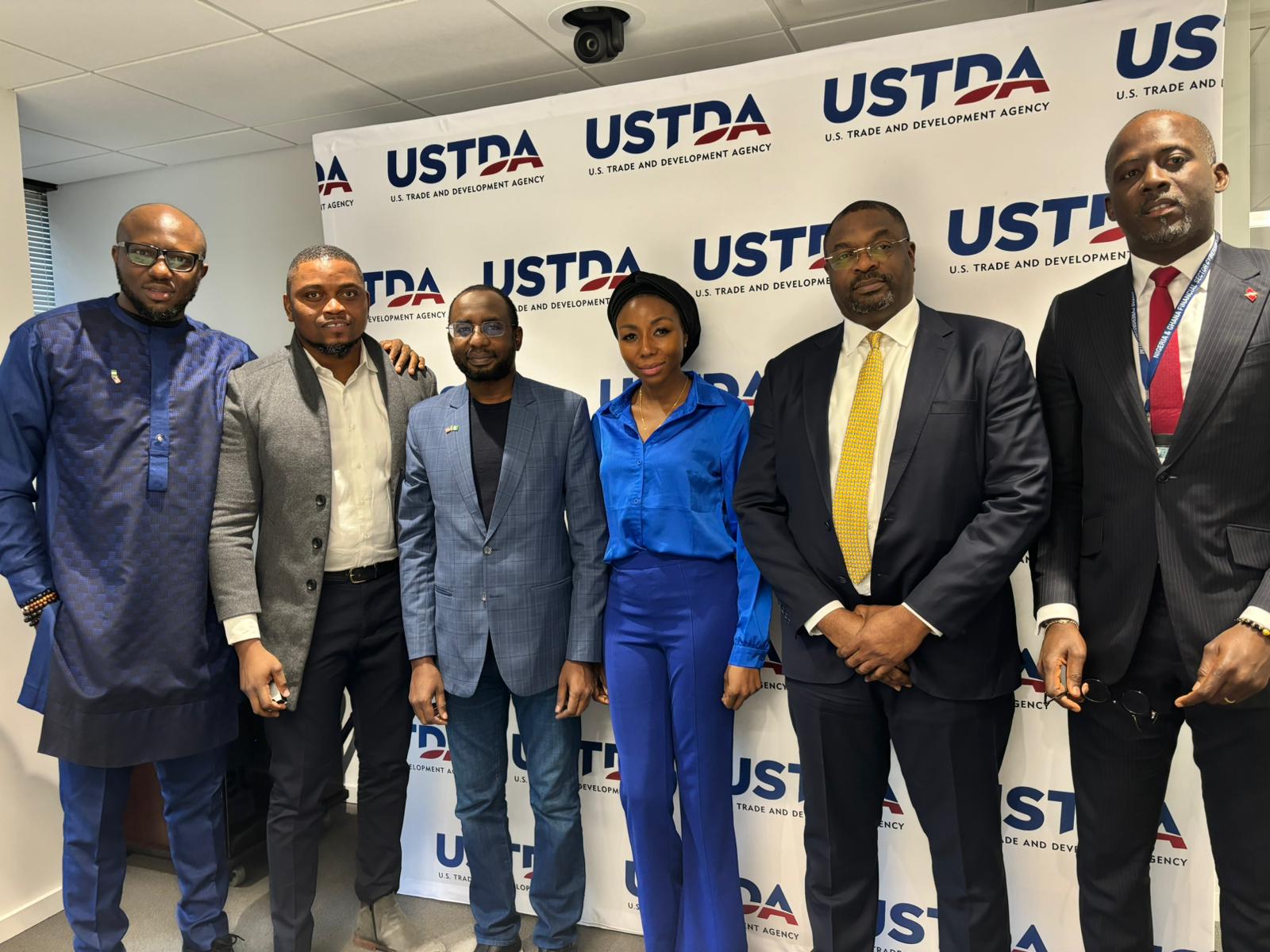
 

Anambra State Government, led by Governor Charles Chukwuma Soludo, CFR, continues to make giant and groundbreaking strides in the realm of technology. In recognition of Anambra’s commitment to a digital future, the MD/CEO of Anambra State ICT Agency was selected by the US Consulate Lagos as part of the Reverse Trade Mission (RTM) Delegates on Cybersecurity, underscoring the Soludo’s administration’s commitment to delivering a digital Anambra, attracting collaborators and global attention.

The MD/CEO of Anambra State ICT Agency, Chukwuemeka Fred Agbata (CFA), is part of a 9-man Nigerian delegation invited to the Access Africa: Nigeria and Ghana Financial Sector Cybersecurity Reverse Trade Mission (RTM) organized by the U.S. Trade and Development Agency (USTDA).

The U.S. Trade and Development Agency (USTDA) is an independent U.S. government agency that promotes economic development and U.S. commercial interests in developing and middle-income countries. One of its key objectives is to link U.S. businesses to export opportunities by facilitating partnerships and connections with overseas projects. USTDA is organizing the Reverse Trade Mission to foster collaboration between the United States and Nigeria/Ghana in financial sector cybersecurity.

From February 4th to 15th, 2024, Chukwuemeka Fred Agbata, CFA, will represent the state government in engagements across Washington DC, New York, NY, and Silicon Valley, CA. The focus is on exploring groundbreaking opportunities in the cybersecurity and finance sectors.

During this mission, Agbata will collaborate globally with U.S. companies, presenting the Anambra State Government’s cybersecurity objectives, initiatives, and avenues for collaboration. Beyond presentations, the initiative offers networking opportunities for Agbata and other participants to connect, exchange ideas, and explore partnerships, showcasing Anambra’s commitment to fostering international relationships and ICT innovation.

The mission involves visits to over a dozen organizations in multiple cities of New York, DC, and Silicon Valley, CA, respectively. Other members of the 9-man delegation from Nigeria include Mr. Kashifu Inuwa Abdullahi, CCIE, Director General, National Information Technology Development Agency, (NITDA), Dr. Olufemi Adeluyi from, National Talent Export Programme, NATEP, Mr. Tunbosun Alake, Commissioner, Lagos State Ministry of Innovation, Science, and Technology, Mr. Chibuzo Efobi, Director at Central Bank of Nigeria, Mr. John Mago, Sterling bank, Mr. Oladejo Olawunmi, Director, Infrastructure Solutions and Mr. Romaric Sia, Chief Security Officer, United Bank for Africa, PLC.

Anambra State’s active role in shaping the future of cybersecurity and finance on the global stage is indeed commendable. Stay tuned for more updates on this impactful journey! #ReverseTradeMission2024 #USTDA #AnambraStateGovernment #GlobalCollaboration #Cybersecurity #Innovation

New Dawn Centre, a Christian organization dedicated to bringing souls to God and illuminating lives through intervention, assistance, and upliftment, will be the venue for this significant event.


Archbishop Isaac Idahosa Designate, the esteemed General Overseer of God First Ministry Inc., is set to host the Annual Thanksgiving Service at the New Dawn Centre, a beacon of spiritual enlightenment. This event is specially dedicated to honoring the Executive Governor of Kano State, Engr. Abba Kabir Yusuf.He will also be celebrating his 59th birthday with lots of interventions  in the lives of the needy and full scholarships for indigent students.

Speaking with the media, Archbishop Isaac Idahosa expressed profound gratitude and joy for the Thanksgiving Service. He highlighted its purpose as a moment to thank God for the extraordinary mercies and goodness, particularly in the life of Engr. Abba Kabir Yusuf, following his recent victory at the apex court, known as the Supreme Court.

“This victory is a demonstration that God is with him,” remarked Archbishop Isaac Idahosa. “He is the anointed one destined to lead Kano State out of the doldrums of misgovernment and maladministration, akin to the biblical narrative of David leading Israel to victory.”

Beyond the celebration for Kano State, the event on this Sunday, 11th February 2024, will be a day of thanksgiving for other milestones. Archbishop Isaac Idahosa will personally express gratitude for his 59th birthday, coupled with heartfelt interventions for the lives of the needy. Emphasizing the biblical injunction to reach out to the poor, the Archbishop announced palliatives for those in need. Additionally, indigent students will receive full scholarships from his foundation, ensuring that no student is left behind due to financial constraints.

The distinguished guest list includes notable figures such as Archbishop John Osa-Oni, Archbishop Joseph Ojo, and other dignitaries, including Engr. Abba Kabir Yusuf, the Governor of Kano State. The event will take place at the church’s auditorium at the New Dawn Centre, located opposite the White House on Gedegede, Mobil Road, Lekki Epe Expressway.

Beyond the celebration for Kano State, the event on this Sunday, 11th February 2024, will be a day of thanksgiving for other milestones. Archbishop Isaac Idahosa will personally express gratitude for his 59th birthday, coupled with heartfelt interventions for the lives of the needy.


USD 9.63 billion spent on international transfer fees, an increase of 48.1% compared to 2022, according to Global Transfer Report; 2023 also saw a new all-time high number of transfers with a transfer fee (3,279), 14.7% more than in 2022; Women’s football continues to grow, with international transfers increasing by more than 20% compared to 2022.


FIFA has today published the 2023 edition of the Global Transfer Report (https://apo-opa.co/48UUHsP), according to which an all-time record of 74,836 cross-border transfers were made in 2023. Some 23,689 (31.7%) of these moves involved professionals (men and women), with the other 51,147 (68.3%) transfers being those of amateurs.

Following falls in spending in both 2020 and 2021 due to the COVID-19 pandemic, clubs spent a new record high amount on international transfer fees in 2023, with their combined outlay reaching a total of USD 9.63 billion – an increase of 48.1% compared to 2022 and surpassing the former record, set in 2019, by more than USD 2 billion.

The top ten player transfers alone generated more than 10% of the entire amount spent on transfer fees in 2023. Similarly, of the 3,279 transfers that included fees, the top 100 were responsible for more than 45% of all money spent on transfer fees, with English clubs once again topping the list with USD 2.96 billion.

German clubs topped the list for transfer fees received from outgoing transfers with a total of more than USD 1.2 billion. Just as in the previous year, Portuguese clubs completed more incoming transfers than clubs from any other association (1,017). Brazilian clubs, on the other hand, released the highest number of players (1,217). A total of 1,024 clubs spent money on international transfers in 2023, the first-ever time that more than 1,000 clubs invested in transfer fees for new players from abroad. The number of clubs that received transfer fees, 1,241, was also another new high.

The impressive growth of women’s professional football also showed no sign of letting up in 2023, with more than 20% more transfers last year compared to 2022

Impressive growth of women’s football continues

The impressive growth of women’s professional football also showed no sign of letting up in 2023, with more than 20% more transfers last year compared to 2022. The number of clubs involved in international transfers also rose from 507 in 2022 to 623 in 2023, a 22.9% increase.

All of these numbers reflect the huge strides being taken in the women’s game, with more and more female players turning professional. Some 1,888 international transfers of professional players were recorded in 2023, while a new high of 131 associations (+7.4% compared to 2022) were involved in these transfers.

International transfers of amateurs

In 2023, more than 50,000 amateur players moved across borders to join a club in a new association. Some 91.7% of these players were male. The global reach of amateur football is striking as 207 of FIFA’s 211 member associations were involved in at least one amateur transfer last year. The number-one association in terms of the number of incoming amateur transfers was Germany with a total of 7,825.

The Global Transfer Report 2023 (https://apo-opa.co/48UUHsP) also includes analyses on player nationalities, ages and movement between confederations and associations, in addition to the list of top transfers in both the men’s and women’s game.

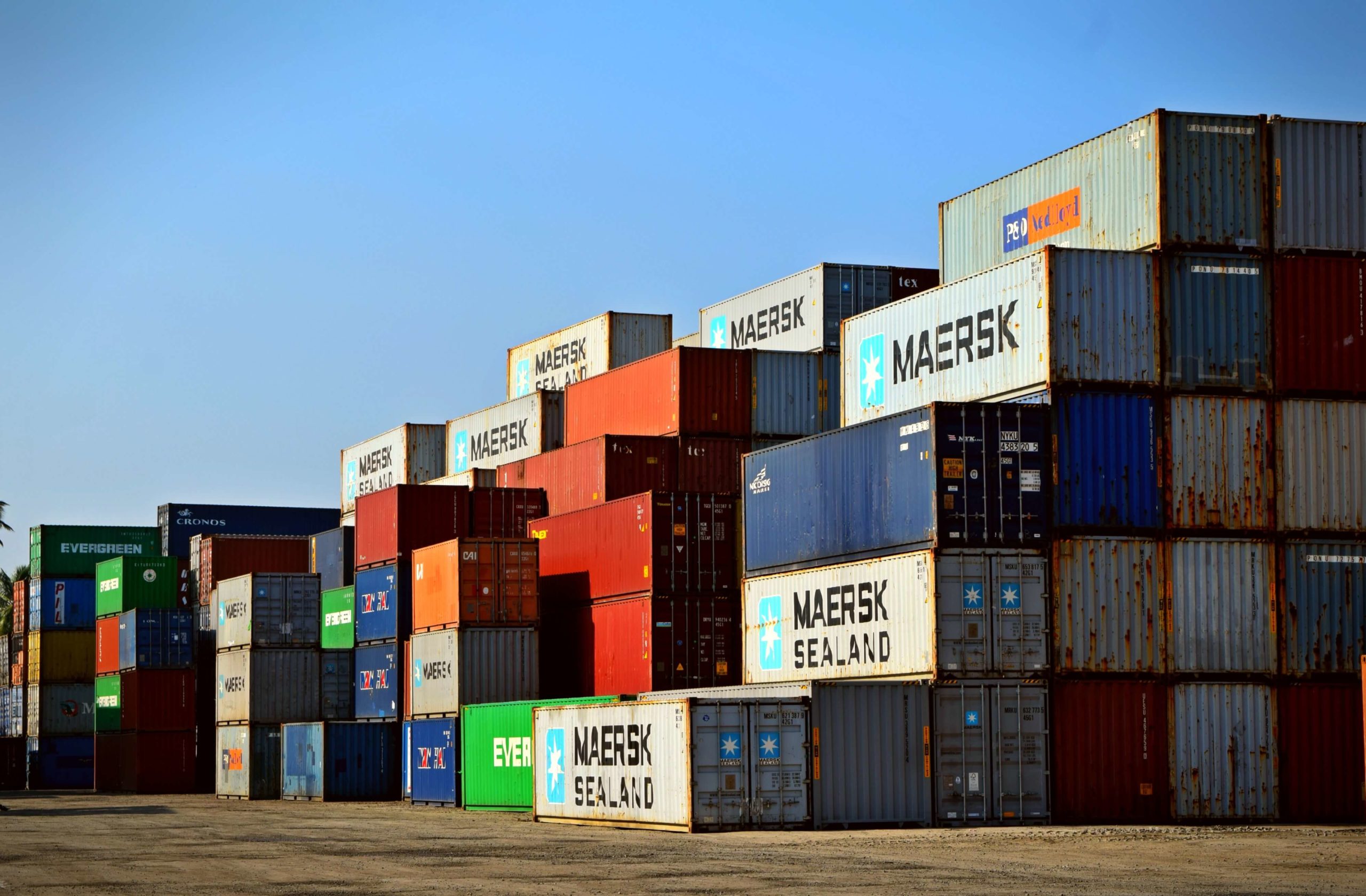
Reload Logistics (ReloadLogistics.com), a leading provider of end-to-end supply chain solutions in Africa, has recently acquired a 50,000 sqm Sulphur Bulk Terminal in Richards Bay and now performs record-setting discharging at this strategic location.


Reloads latest acquisition has an indoor storage of 20,000 sqm, a loading area of 10,000 sqm, and has operations for simultaneous offloading, bagging, and loading for both rail and trucks of containerized or break-bulk cargo. The latest in a series of acquisitions, this is a strategic asset for Reload Logistics, empowering the company to deliver reliable and efficient services for the handling, storage, and distribution of sulphur and other dry bulk commodities to clients.

This acquisition and upgrade underscore our commitment to providing the best logistics solutions for our clients and the industry

Since taking over the facility in November 2023, Reload Logistics has made significant upgrades to the complex, equipment, and related systems, enhancing the discharge rate of sulphur vessels, and increasing the holding capacity of the undercover warehousing.

These enhancements have already made an impact, with Reload Logistics achieving the record for tonnage unloaded from a vessel in a 24-hour period. Now operating the facility under the name ‘Reload Dry Bulk Richards Bay Facility,’ this asset joins Reload Logistics’ extensive portfolio, covering all of Sub-Saharan Africa, and has the capacity to move 200,000 MT per month to and from 7 ports and provides clients with true multi-modal solutions.


“We are thrilled to share this news with our clients and the public. This acquisition and upgrade underscore our commitment to providing the best logistics solutions for our clients and the industry. We take pride in our team and the remarkable results they have achieved thus far,” stated Michael-John Saunders, Managing Director of Reload Logistics.

Nearly 62% of global logistics professionals say their companies are planning additional or first-time investments in Africa, according to a closely watched yearly industry survey.


The survey of 830 logistics executives is part of the 15th annual Agility Emerging Markets Logistics Index (https://apo-opa.co/4bD4lSW), a snapshot of industry sentiment and ranking of the world’s 50 leading emerging markets.


The Index ranks countries for overall competitiveness based on their logistics strengths, business climates and digital readiness — factors that make them attractive to logistics providers, freight forwarders, air and ocean carriers, distributors and investors. In the 2024 Index, the rankings of most African economies changed little from a year earlier, but businesses indicate they are looking ahead at massive population growth and trade expansion spurred by the African Continental Free Trade Area (AfCFTA).


“This is the most optimism we’ve seen about Africa in the 15 years of the Index,” says Agility Vice Chairman Tarek Sultan. “Africa’s population will double by 2050, when one in four people on the planet will be African. International businesses realize that the time is now for Africa — they need to invest, establish their brands, and develop the next generation of African talent if they’re going to ride the coming wave of growth.”


China and India were 1 and 2 in the 50-country Index rankings. In Africa, Egypt (20), Morocco (22), South Africa (24) and Kenya (25) were the top performers, followed by Ghana (31), Nigeria (36), Tunisia (37), Tanzania (41), Algeria (42), Uganda (43), Ethiopia (45), Mozambique (46), Angola (47), Libya (50).


Egypt has Africa’s highest-ranked domestic logistics opportunities — 13th in that category; South Africa (15) was tops in Africa for international logistics; Morocco (12) has Africa’s best business fundamentals; Kenya (9) is Africa’s most digitally ready – and the continent’s highest-ranked country in any category.


More than 63% of survey respondents say their companies continue overhauling supply chains by spreading production to multiple locations or relocating it to home markets and nearby countries. China, the world’s leading producer, stands to be most affected: 37.4% of industry professionals say they plan move production/sourcing out of China or reduce investment there.


This is the most optimism we’ve seen about Africa in the 15 years of the Index

Shipping and logistics costs that soared during the COVID pandemic and its aftermath are still climbing but at a slower rate, the survey found. One way shippers expect to cope is by increasing use of digital freight forwarding from 37.8% today to 52% in five years.


2024 Index Highlights


SURVEY

  • Supply chain restructuring – India, Europe and North America rank ahead of China as destinations executives expect to move production to in 2024 and onwards.
  • China – 40% expect their businesses to be less reliant on China in five years. Leading factors in decisions to de-risk in China: difficulty of doing business; U.S.-China trade friction; a slowing economy; the harshness of China’s COVID restrictions.
  • Climate change – 66% say climate change is something they’re planning for or already affecting their businesses.
  • Emerging markets – the largest percentage sees increased risk/decreased rewards in emerging markets.
  • India – many see India growing in importance as a producer and market, but cite inadequate infrastructure and corruption as the biggest obstacles there.


COUNTRY RANKINGS

  • In the Middle East and North Africa, overall rankings were: UAE (3); Saudi Arabia (6); Qatar (7); Turkey (11); Oman (15); Bahrain (16); Jordan (17); Egypt (20); Kuwait (21); Morocco (22); Tunisia (37); Lebanon (38); Iran (40); Algeria (42); Libya (50).
  • Rankings in Sub-Saharan Africa: South Africa (24); Kenya (25); Ghana (31); Nigeria (36); Tanzania (41); Uganda (43); Ethiopia (45); Mozambique (46); Angola (47).
  • Index rankings in Asia: China (1); India (2); Malaysia (4); Indonesia (5); Vietnam (8); Thailand (10); Philippines (18); Kazakhstan (23); Sri Lanka (26); Pakistan (29); Cambodia (32); Bangladesh (33); Myanmar (49).
  • Rankings for Latin America: Mexico (9); Chile (12); Brazil (14); Uruguay (19); Peru (28); Colombia (27); Argentina (30); Ecuador (35); Paraguay (39); Bolivia (44); Venezuela (48).
  • In Europe: Russia (13); Ukraine (34).


Transport Intelligence (https://apo-opa.co/4bp0Ijf) (Ti), a leading analysis and research firm for the logistics industry, has compiled the Index since it was launched in 2009.


John Manners-Bell, Chief Executive of Ti, said: “Supply chain managers are still coming to terms with the political and economic instability characterising the post-COVID global economy. Geopolitical relationships are changing rapidly, and this is having a major impact on international trade and risk profiles. Businesses need to be alive to the opportunities and threats that exist in emerging markets and use data, such as that the Agility Emerging Market Logistics Index, to inform agile decision-making.”


2024 Agility Emerging Markets Logistics Index: https://apo-opa.co/3SlOmzK


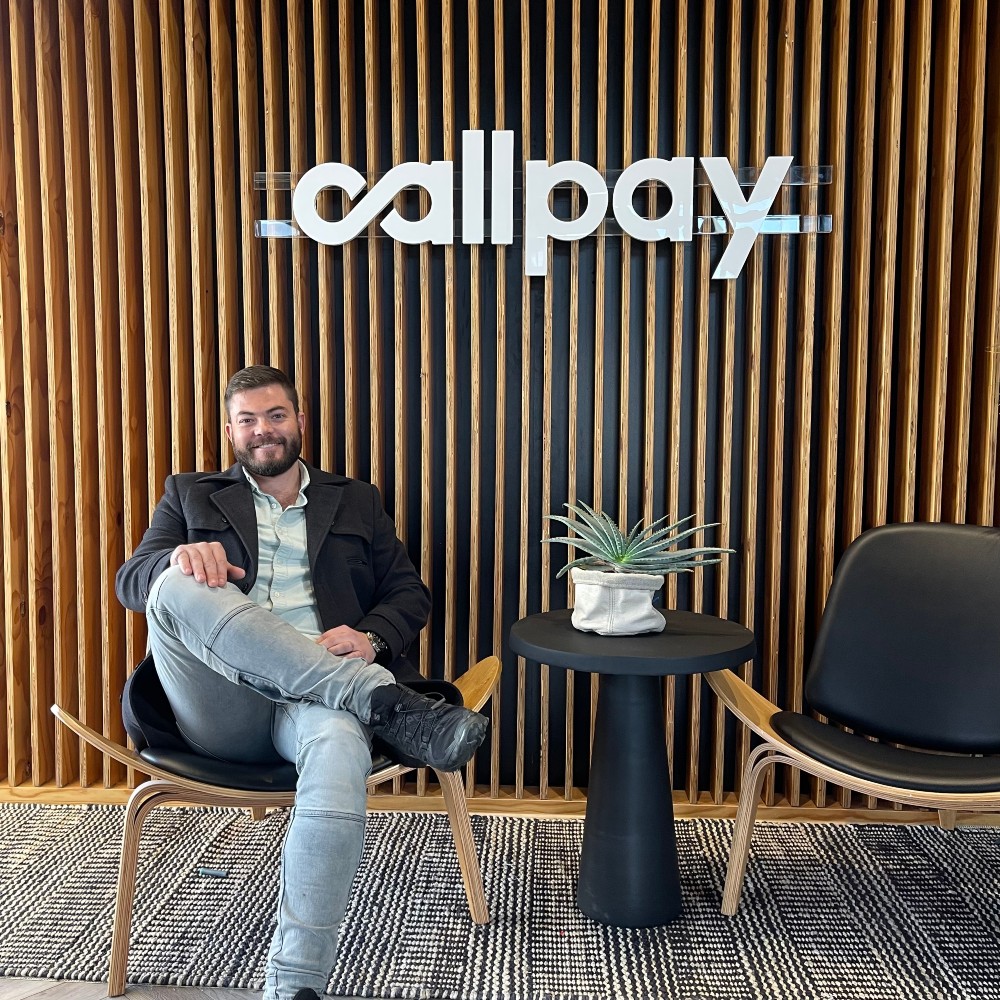
Xion Global, a Web3 payments provider, has announced a strategic partnership with Callpay, a major player in South Africa’s payments industry. This alliance aims to boost Web3 payments adoption in South Africa, blending Xion’s innovative technology with Callpay’s strong market presence.


This partnership broadens payment options for customers, providing the convenience of Xion’s one-click crypto checkout that combines ease of use with cost savings, enabling quick, secure transactions.


Merchants also stand to benefit from reduced transaction fees and the elimination of chargebacks, enhancing efficiency and giving them a competitive edge. This positions them to attract new customers and create customized payment options, all while reducing fraud risk and enjoying quicker settlement of payments.


“We are thrilled to partner with Callpay to bring our cutting-edge Web3 payment solutions to the South African market,” said Ronan Quarmby, CEO of Xion Global. “This partnership will allow us to leverage our technology to support Callpay in expanding their reach in Web3 payment abilities and delivering further innovative payment solutions to their client base.


Phased Roll-Out Strategy Approach

  • Phase 1: Introduction of gasless USDT (Polygon) transactions, offering stability and lower fees.
  • Phase 2: Expansion to multi-chain payments, enhancing flexibility and choice for users.
  • Phase 3: Introduction of cashback rewards, loyalty programs, and discounts, incentivizing regular payments.


Expanding Reach and Shared Innovation

The partnership between Xion Global and Callpay is set to transform South Africa’s payments landscape by integrating Xion’s Web3 technology with Callpay’s established market presence. Xion Global brings an easy-to-use crypto payment method, allowing consumers to select crypto as their payment method, link their MetaMask wallet, and complete transactions with just a click. This user-friendly approach will offer both convenience and lower fees to consumers.


Additionally, Xion Global will be utilizing Callpay APIs to enhance its service offerings, providing clients with additional payment features. This integration is part of a phased rollout plan, starting with gasless USDT transactions and later expanding to multi-chain payments and cashback rewards. The partnership aims to broaden Callpay’s reach into new African markets, leveraging Xion’s infrastructure to diversify the African payments ecosystem and co-develop tailored payment solutions for the South African market.


A Step Towards Inclusive, Efficient, and Secure Payments

This collaboration highlights the growing importance of innovative fintech solutions, aiming to make payments more inclusive, efficient, and secure. With over 6 million people in South Africa currently owning cryptocurrency, this partnership is timely and aligns with the increasing adoption of cryptocurrency payments in the region.


Both Callpay and Xion Global are committed to providing secure and reliable payment solutions, with Callpay being a trusted partner for many South African businesses and Xion Global dedicated to superior Web3 payment solutions globally.


“This partnership is a significant step forward for Callpay as we continue to expand our market leadership,” said Arthur Peace, CEO of Callpay. “Xions technology will be invaluable in helping us reach new customers and deliver the best possible Web3 payment experiences to them.


Key Statistics SA Crypto Market:

  • It is estimated that over 6 million people, 10% of South Africa’s total population, currently own cryptocurrency.
  • 81% of South African crypto respondents agree that businesses would stand to benefit from adopting cryptocurrency payments.
  • Around 40% of crypto spenders are spending more than ZAR10,000 of cryptocurrency for purchases monthly, with a significant amount (12%) being large spenders of more than ZAR100,000 monthly.
  • People are increasingly seeing cryptocurrency as a safe asset and alternative to national currencies, with more than 46% of crypto owners having more than ZAR10,000 in crypto assets. A significant number of crypto owners (12%) also have more than ZAR100,000 in cryptocurrency.


 The National Agency for Science and Engineering Infrastructure (NASENI) has expressed its commitment to refurbish and revamp redundant operational assets of the Nigerian Police Force (NPF) such as vehicles, helicopters, confiscated and forfeited vehicles.
 
This is part of moves to support the Police Force in boosting its operational capacity to improve the security situation in the country in line with President Bola Ahmed Tinubu’s Agenda on Security. 
 
The Executive Vice Chairman and Chief Executive Officer (EVC/CEO) of NASENI, Mr. Khalil Suleiman Halilu made the pledge during a meeting with the Inspector General of Police, (IGP) Mr. Kayode Egbetokun when he paid him a visit at the Force Headquarters on Friday February 2, 2024. 
 
The NASENI boss said the Agency would mobilise and deploy financial and technical resources needed to retool, upgrade and modernize the NPF Vehicle Maintenance Workshops nationwide as well as recover, repair and reactivate all police vehicles that are not functional.
 
In so doing, he mentioned some of the benefits to be achieved to include: Improved security; Compliance to climate change action as NPF vehicles are converted from petrol and diesel to electric and compressed natural gas (CNG). 
 
Other benefits to be derived are that the project would support local content efforts by prioritising the use of locally manufactured materials; Opportunities for skill acquisition and job creation and; Commercial returns to sustain ongoing maintenance of Police assets.
 
In his remarks the Inspector General of Police, said the collaboration between NASENI and the NPF will go a long way in impacting positively on the operations of the Police Force , its security architecture and overall service delivery. 
 
Mr. Egbetokun further assured of the cooperation of the Nigeria Police Force towards providing the necessary support to NASENI to deliver on its mandate.


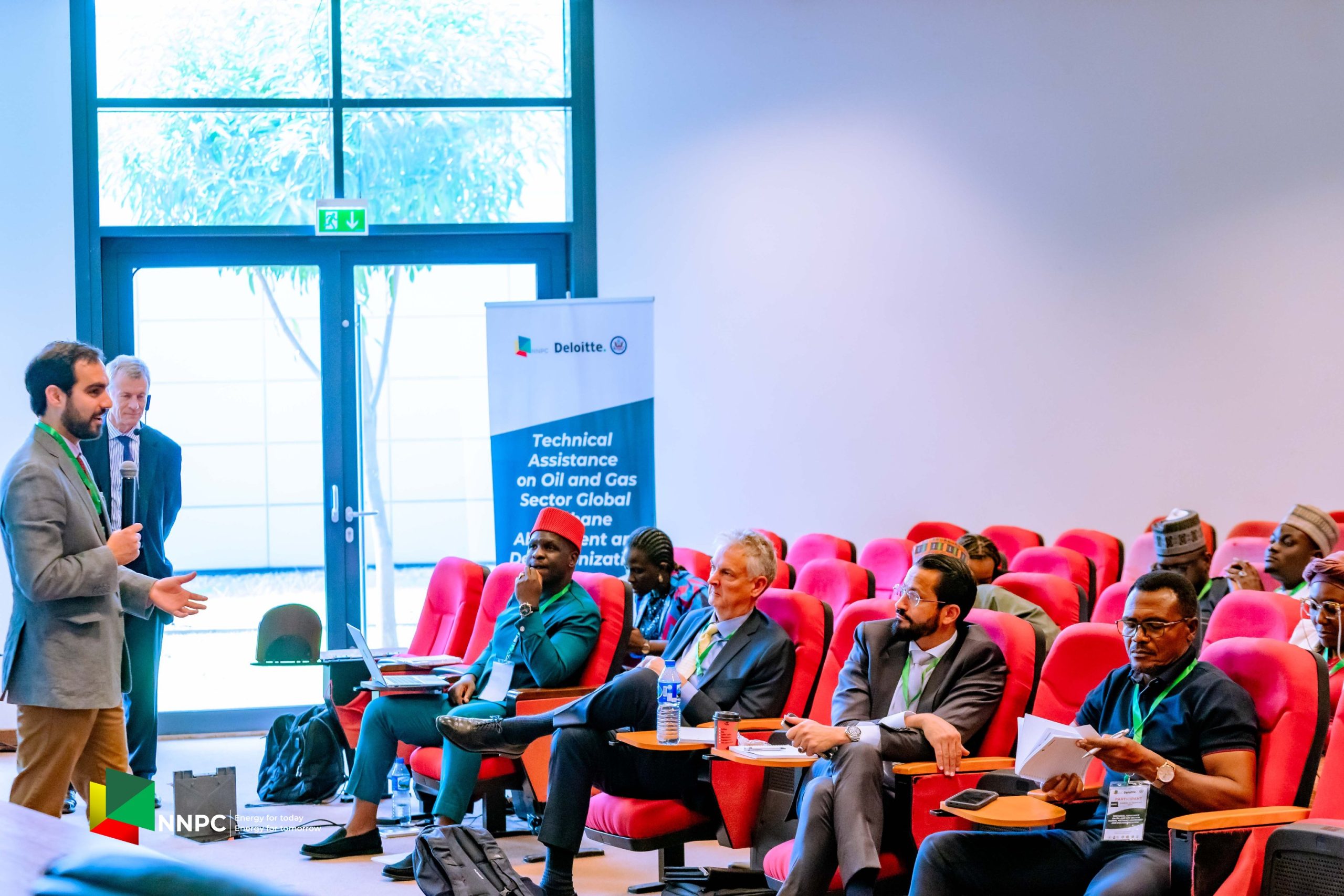
The Nigerian National Petroleum Company Limited (NNPC Ltd.) is forging a strategic partnership with the U.S. Department of State Bureau of Energy Resources (DOS-ENR) through the Energy and Mineral Governance Program (EMGP), in conjunction with Deloitte, to drive efforts towards achieving net-zero carbon goals. The collaborative project focuses on reducing greenhouse gas (GHG) emissions, specifically through methane abatement plans and strategies aligned with international best practices.

At the conceptual stage, the pilot project took center stage during a three-day Technical Assistance on Oil & Gas Sector Global Methane Abatement and Decarbonisation Workshop, commencing at the PTDF Tower in Abuja on Monday.Image

Building on the capacity developed in the July 2023 Methane Baselining and Organisational Design Training and the creation of a Methane Technology Evaluation Framework, this workshop aims to delineate the critical success elements for the implementation, scaling, and financing of the Methane Abatement Pilot Project.

Key aspects of the project discussed at the workshop include defining the project scope, establishing baselines for methane and carbon emissions at selected operation sites, collecting pertinent data, and facilitating a comprehensive understanding of NNPC Ltd.’s operations and expectations by Deloitte consultants.

OML 34, situated onshore in the Western Niger Delta with the Utorogu and Ughelli Fields, emerged as the unanimous choice for the pilot stage of the project, as agreed upon by participants representing various NNPC Ltd. subsidiaries and departments, including Exploration & Production, New Energy, Gas Infrastructure, Health, Safety, and Environment. The Ministry of Petroleum Resources and federal government agencies like the National Council on Climate Change were also represented.

This collaborative effort underscores the commitment to addressing climate change concerns and advancing sustainable practices within the oil and gas sector. The technical training for the project is generously sponsored by the United States Department of State’s Bureau of Energy Resources through its Energy and Mineral Governance Programme (EMGP).


Vice President Shettima Urges Swift Action for Food Security

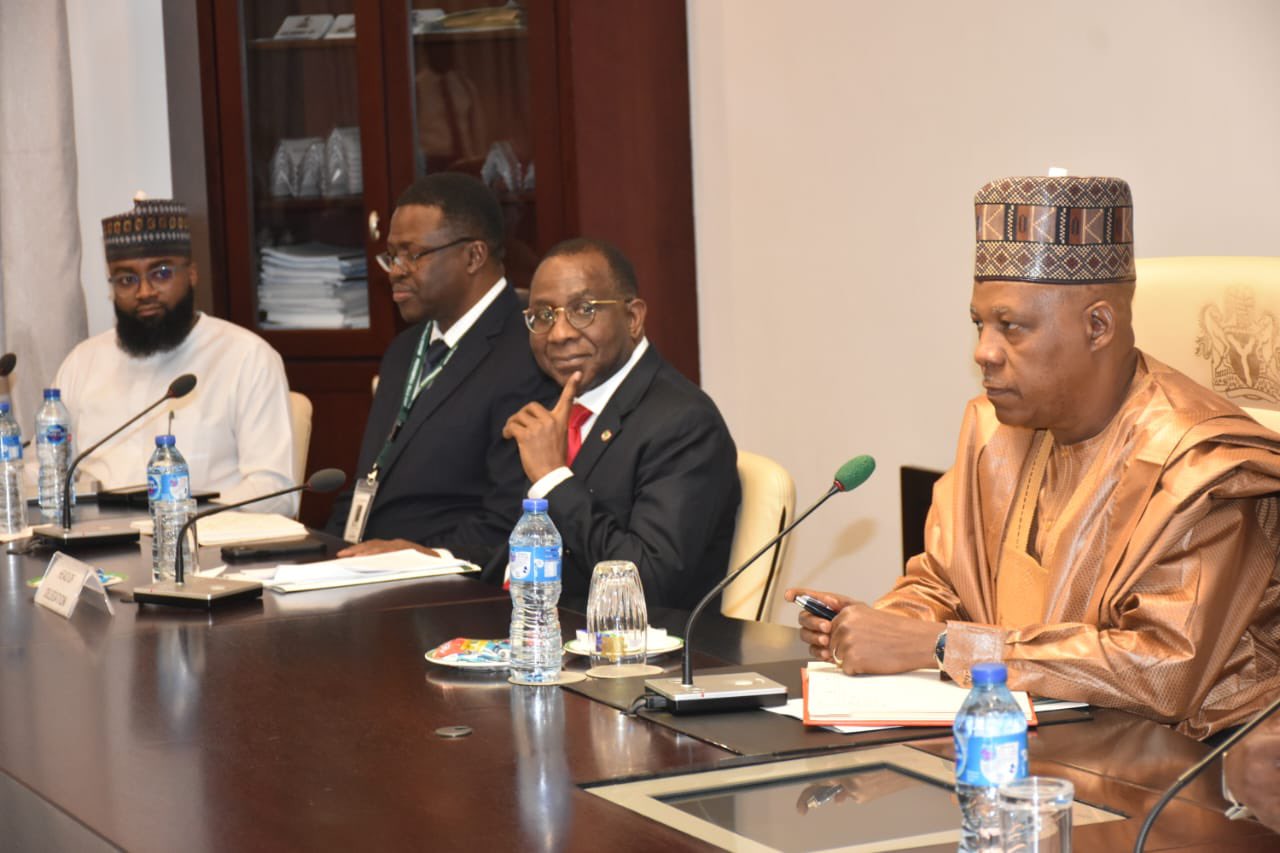
[City, Date] – The African Development Bank (AfDB) is set to initiate the disbursement of $540 million to the first phase of states in Nigeria, marking a significant step towards the development of Special Agro-Industrial Processing Zones (SAPZs). This move, aimed at enhancing food security, has received strong support from Vice President Kashim Shettima, who emphasized the need for immediate action by the government and its development partners.

As part of the collaborative efforts between the Nigerian government and the AfDB, three states are set to benefit from the first phase of SAPZ development. The selected states include Oyo, Kaduna, and Cross River, with other states expected to follow suit as they complete the necessary documentation.

During a presentation at the Presidential Villa, Senior Special Adviser on Industrialization to the AfDB President, Prof. Banji Oyelaran-Oyeyinka, provided insights into the SAPZ initiative. He highlighted the project’s overarching goal of transforming rural landscapes into economic zones of prosperity by leveraging the potential of commercial agriculture and food production.

Oyelaran-Oyeyinka stated, “The Special Agro-Industrial Processing Zones (SAPZ) is an initiative of the African Development Bank that is aimed at turning the rural landscape into economic zones of prosperity and harnessing the power of commercial agriculture and food.” He further emphasized that the primary objective is to support inclusive and sustainable agro-industrial development in Nigeria.

The first phase of SAPZ implementation will cover seven states, namely Cross River, Imo, Kaduna, Kano, Kwara, Ogun, Oyo, and the Federal Capital Territory (FCT). Ogun state, having found a partner for the project, opted not to take the loan, allowing the funds to be redistributed among the other states.

Oyelaran-Oyeyinka outlined the plan for the next phase, involving 27 states, and stressed the importance of prioritizing states that demonstrate swift progress. Eligibility criteria, including feasibility reports, environmental impact studies, and a commitment to counterpart funding, have been established to guide the selection process.

In a related report on the visit to the Ajaokuta Steel Company Limited, Abimbola Olufore Wycliffe, Head of Investment and Technology Promotion Office at the United Nations Industrial Development Organization (UNIDO), presented a recovery plan for the company. The plan involves revitalization through rehabilitation, modernization, and expansion, with a focus on transforming the integrated steel plant into strategic business units (SBUs) to serve as profit centers.

Wycliffe recommended conducting opportunity studies for each SBU, prioritizing those with lower investments and quicker positive cash flows. She also advocated for the reinvestment of profits from each SBU into Ajaokuta Steel Company to alleviate the burden of incremental investment on the Nigerian economy and enhance foreign exchange earnings.