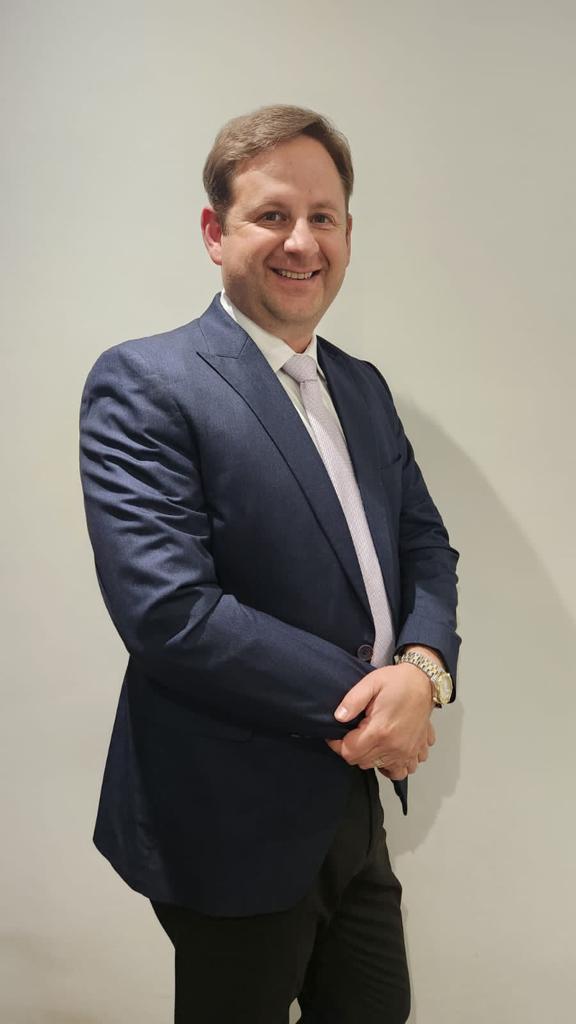
The African SAP User Group (AFSUG) Board has unanimously appointed Louise Steenekamp as its new Vice-Chair, effective 15 February 2024.


Having served on the AFSUG Board since January 2020, Steenekamp brings with her over two decades of extensive experience within the SAP ecosystem. Her expertise spans various aspects of SAP, including implementation, support, service management, sales, and SAP customer perspectives. Louise is renowned for her deep understanding of the SAP landscape, coupled with her strategic leadership and a relentless drive for innovation.


She holds a Master of Science (MSc) degree in International Management, highlighting her commitment to excellence and continuous learning in technology and business management. Currently playing a key role in Aspen’s Global Digital Technology Enablement function, Steenekamp’s tenure at Aspen underscores her ability to drive innovation, foster collaboration, and achieve tangible results in complex organizational environments.


Duke Mathebula, Chairman of AFSUG, expressed excitement about Louise’s appointment, stating, “This is a significant milestone for AFSUG as we embark on the next phase of growth and transformation. In her new role, Louise will form part of the Board’s core leadership team and represent AFSUG at the global stage as an executive member of the SAP User Group Executive Network (SUGEN).”


“I am honoured to be appointed as the Vice-Chair and am eager to contribute to its mission of empowering SAP users across Africa. I look forward to further collaborating with the AFSUG team and its members to drive innovation, facilitate learning, and create value-driven solutions that address the evolving needs of the SAP community.” said Louise Steenekamp.

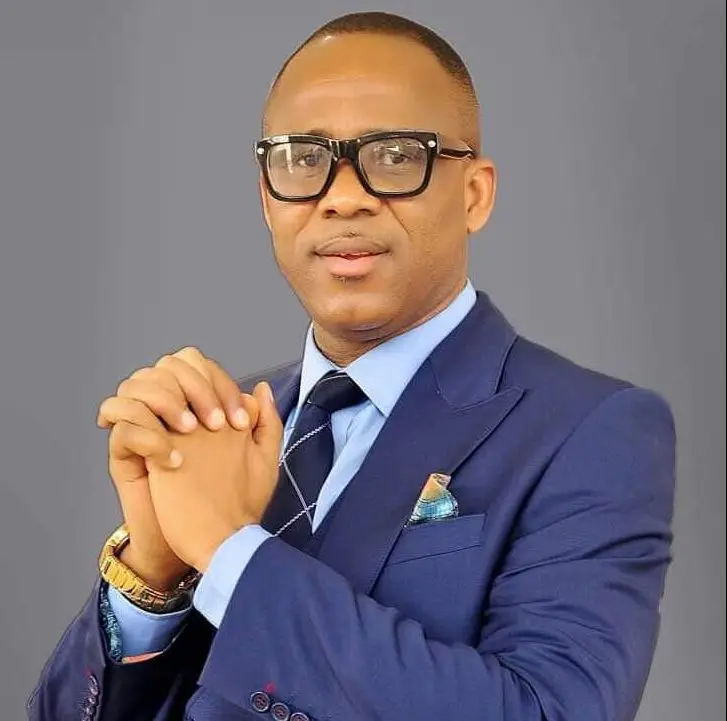
God First Ministry Inc’s New Down center witnessed a joyous double celebration as Excellency Archbishop Designate Isaac Idahosa marked his 59th birthday alongside the triumph at the Supreme Court for his party mate, NNPP Engr Abba Kabir Yusuf. The legal and political battle culminated in confirming Kabir’s rightful ownership of the political mandate.

In a recent media interaction, Archbishop Idahosa expressed gratitude, stating, “We are thrilled by this election victory, and I am personally elated to celebrate my 59th birthday. Life is a gift, and I thank God not only for my birthday but also for my brother Kabir’s vindication and the restoration of his mandate.”

Acknowledging the President’s diligent efforts, Archbishop Idahosa urged citizens to exercise patience, emphasizing the necessity of wisdom to revive the nation’s economy and transform it into a strong, developed entity.

Mojisola Okonkwo, expressing joy over the victory, remarked, “We have prayed for this success, and we are grateful that God answered our prayers. We also celebrate Archbishop Idahosa’s 59th birthday, thanking God for using him as a vessel to impact both the congregation and society at large.”

Additionally, God First Ministry is actively involved in a building project, constructing a five-thousand-capacity hall to enhance worship experiences. The ministry also contributes to community welfare through scholarships and support for orphanages, embodying a commitment to charitable service.

Archbishop John Osa Oni, General Overseer of Vineyard Christian Ministries Inc, presided over the cake-cutting ceremony, and NNPP Edo State Governorship aspirant, Peter Oghegbuele, praised Archbishop Idahosa as a mentor and diligent gentleman.

Archbishop Joseph Ojo, present at the celebration, deemed it a privilege and prayed for Archbishop Idahosa’s continued well-being, recognizing his pivotal role as a leader.

In conclusion, the celebration united a diverse group of well-wishers, including Barr David Edward, who hailed the victory as a triumph for democracy and Nigerians, extending heartfelt congratulations to Archbishop Idahosa for another year of existence and exemplary leadership.

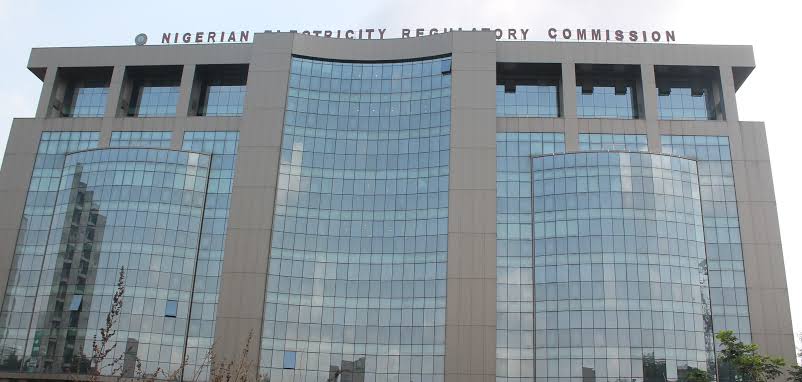
 In response to the challenges posed by limited resources and foreign exchange constraints within the country, the Nigerian Electricity Regulatory Commission (NERC) is currently examining the possibility of implementing adjustments to the prices of prepaid meters.

Acknowledging the prevailing economic realities, the Commission is deliberating potential price increases to ensure sustainability and viability within the electricity metering sector. This initiative aims to address the intricacies associated with meter pricing in light of evolving market dynamics.

In line with this effort, Meter Asset Providers (MAPs) have temporarily suspended the sale of new meters, pending NERC’s approval of revised pricing structures. Consequently, the processing of new meter applications has been put on hold until the anticipated price adjustments come into effect.

Moreover, in response to foreign exchange challenges, meter manufacturers have temporarily halted the issuance of invoices until the revised meter prices are finalized. This strategic pause underscores the industry’s concerted effort to navigate prevailing economic constraints while maintaining operational continuity.

A reliable source familiar with the matter conveyed to TECH AND BIZ NEWS , “The cost of prepaid meters is going to go up soon. Meter Asset Providers have stopped selling new meters as they await NERC to approve new prices. New meter applications are not being processed until the price changes are reflected. So due to FX issues, the meter manufacturers have stopped sending invoices until the meter price is reviewed.”

NERC remains committed to fostering a sustainable and resilient electricity metering ecosystem that aligns with national developmental objectives. The Commission continues to engage stakeholders and industry players to ensure transparent and equitable solutions that benefit all stakeholders.

The Nigerian Electricity Regulatory Commission (NERC) is an independent regulatory body established by the Electric Power Sector Reform Act (EPSRA) 2005 to regulate the Nigerian Electricity Supply Industry (NESI). NERC’s mandate includes promoting competition, efficiency, and ensuring fair market practices within the electricity sector.

ANTHONY NWOSU

President Bola Tinubu says Nigeria is ready to host the African Central Bank in line with the vision of the Abuja Treaty.

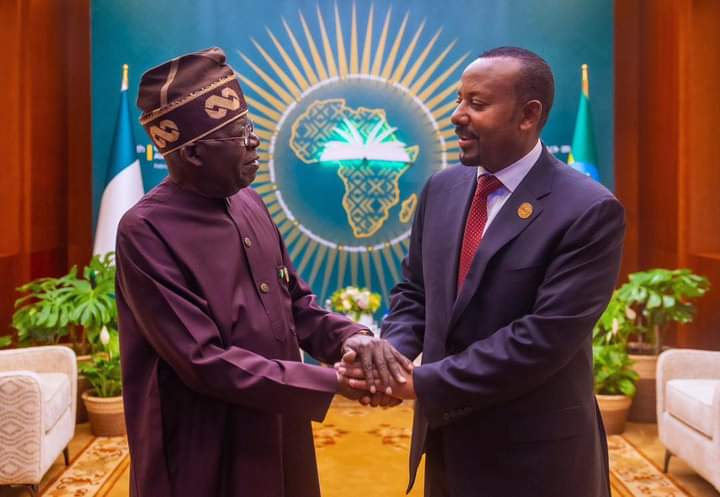
Addressing leaders at the 37th Ordinary Session of the Assembly of Heads of State and Government of the African Union (AU) in Addis Ababa, Ethiopia, on Saturday, President Tinubu said his administration will engage the African Union Commission in collaboration with member states to ensure that the bank takes off as scheduled in 2028.

The President affirmed that Africa’s success in conclusively addressing its challenges hinges on the firmness of its resolution, built on a foundation of deep-rooted solidarity, if it is to avoid perpetuating existing problems and creating new ones.

“As a continent and as individual nations, we face strong headwinds and difficult hurdles threatening to complicate our mission to bring qualitative democratic governance and economic development to our people. Many of these obstacles, such as climate change and unfair patterns of global trade, are largely not of our making. However, some of the pitfalls, including coup-birthed autocracies and the deleterious tinkering with constitutional tenure provisions, are developmental cancers we as Africans are giving to ourselves,” he stated.

Speaking on the military takeovers in the Republics of Guinea, Burkina Faso, Mali, and Niger, and the exit of three of these nations from ECOWAS, the President said disagreements over the unconstitutional changes of government should not mean a permanent rupture of the abiding lines of regional affinity and cooperation.

“The drive for a peaceful, strong, and united West Africa is bigger than any one person or group of people. The bonds of history, culture, commerce, geography, and brotherhood hold deep meaning for our people. Thus, out of the dust and fog of misunderstanding and acrimony, we must seize the chance to create a new people-centric era of trust and accord.

“To all who care to listen, I declare that if you come to the table to discuss important matters in good faith, you will find Nigeria and ECOWAS already sitting there waiting to greet you as the brother that you are,” President Tinubu said.

On education, which is the theme of this year’s summit, the President said education is the core ingredient in the process of evolving creative solutions to the unique challenges long confronting the continent.

“In helping to achieve the Agenda 2063 objective of a peaceful, united and prosperous Africa, I consider African education, not only in the narrow context of the benign use of science and technology to improve the material standards of our people, but also in the nuanced appreciation of the fact that Africa must also become better educated in the humane art of democratic practice, diplomacy, and conflict resolution without violence.

“This year’s theme encourages us to remodel our educational systems to fit these goals. In Nigeria, my administration is devoting ample resources to education at all levels. From redesigning our school feeding programmes and academic curricula to making ourselves an Information and Communication Technology hub, through which we shall bring more youths into the classroom and furnish them with the tools required to flourish in the global economy of the 21st century,” he said.

The President used the occasion to extend invitation to the Africa Counter-Terrorism Summit scheduled to take place in April 2024, in Abuja, stating that the summit aims to expand discussions beyond military and law enforcement remedies to comprehensively tackle the root causes of violent extremism, such as poverty, inadequate political access, and the propagation of hateful ideologies.


LG Electronics continues to set new standards in consumer electronics with the unveiling of its latest lineup featuring sleek, minimalist designs tailored to enhance the modern lifestyle.


In a world where technology seamlessly integrates into daily routines, LG Electronics understands the importance of design that not only complements living spaces but also elevates them. With a commitment to innovation and aesthetics, LG’s new range of products embodies the perfect balance of form and function. From cutting-edge Televisions to state-of-the-art home appliances, LG’s minimalist design ethos shines through in every product. With clean lines, premium materials, and intuitive interfaces, consumers can enjoy both sophistication and simplicity in their everyday interactions.


“We believe that great design should enhance the user experience, not distract from it,” said Mr. Hari Elluru, Head, Corporate Marketing, LG Electronics, West African Operations. “Our latest lineup embodies our dedication to creating products that seamlessly integrate into modern lifestyles, providing both style and substance.”

At LG, we have the latest designs, very durable and innovative products for every household, and it’s for this reason that, to prevent the incidence of the paradox of choice, we curated some budget-friendly home appliances we believe will make living comfortable for you.


Smart TV

Why go to the cinema when you can create a cinematic experience in your home? When friends and family visit you, you can entertain them either by watching content together on an LG TV or by connecting your game with the LG TV so you can have an immersive experience. As far as picture and sound quality goes, LG TVs deliver only the best. So, immerse yourself and treat your guests to unforgettable TV experiences by investing in any of LG’s range of smart TVs. And what is more? Its ThinQ app feature is there to help maximize your TV experience in such a way you can’t imagine. You get to choose your favorite voice assistant and control your TV with your voice with an all new home screen to provide more convenience and control. https://www.lg.com/africa/tvs


Portable Bluetooth Speaker & Soundbar

Whether you are the indoor type or outdoor type, there is that speaker that helps whatever vibe you are in. And regardless of what your taste is, you can get a premium audio experience no matter the size of the speaker. Take, for instance, our portable speakers that allow you to carry your fun with you with or without the absence of power or our soundbars that serve as the perfect companion to your LG TVs. The good thing about these speakers is that even with their sleek design, there’s no compromise on sound quality. 

Enjoy sound the way it’s meant to be enjoyed where all your movies and music are brought to life with sound that’s clearer and more immersive; thereby, giving you a more realistic audio experience. And not only that, with this sound bar, there is dimensionality to your sound as well as a greater sense of space and depth which all culminates in you discovering hidden audio details with unparalleled clarity, hearing every emotion just as the creator of the sound intended for you to hear. You can check all our audio speakers at https://www.lg.com/africa/audio/lg-rp4

Refrigerator

Want a fridge that keeps your food items and drinks cool and fresh for a long period without drilling a hole in your pocket? Well, you don’t have to think too far. This fridge is the perfect addition to your household gadgets. One amazing feature of this LG Instaview fridge is that when you knock twice on the door, you can see the contents of the fridge without opening the door. This helps to save time while saving the air inside the fridge. Cool, isn’t it? See more on https://www.lg.com/africa/refrigerators


Microwave Oven


Who says you have to retire to the kitchen after a stressful day at work? And who says you need a massive cooking gadget just to create little wonders that delight your tummy? LG NeoChef microwave is the go-to appliance for quick and easy meals. Whether it is to heat the food, bake, fry, or even ferment your homemade yogurt, LG NeoChef has the bells and whistles you need for gastronomy. 

For more on LG microwave oven, please visit https://www.lg.com/africa/cooking-appliances

Air Conditioner

 There is air and there is cool refreshing air that’s void of impurities. The latter is the kind of air that comes from the LG ArtCool air conditioner. LG’s ArtCool AC not only fills your space with the right kind of air for your lungs and skin, its design allows it to harmonise perfectly with your wall, adding to the beauty and style of your interior in a way most air-conditioners were not designed to. In addition to that, it is more energy saving and thanks to its inverter compressor, it expels air farther and faster. And not only that, you can access your air-conditioner at any time and from anywhere with a Wi-Fi equipped device and LG’s exclusive home appliances control app – ThinQ.

Visit https://www.lg.com/africa/air-conditioners for more information.


Discover a world of convenience and style with our latest offerings. Visit our showroom https://www.lg.com/africa/blog/lg-shop-address or website https://www.lg.com/africa to browse our impressive collection. 


On Valentine’s Day in 2014, I got the biggest surprise of my life.My boss at the big pharma where I worked called me after a meeting and told me I had to move to Kenya.

I was like, “huh?”

A few months earlier, during my end-of-the-year performance review, my boss had said that my department was evolving. I had a future there, they assured me. However, my new role could be based abroad.

Although I got this heads-up, it never occurred to me, not even for a second, that I’d be relocating. I hadn’t considered leaving the country since I was 16 when I thought of going abroad for uni, a decision my parents vetoed.

“All my kids are going to get their first degree in Nigeria,” my father had said. By the time I finished my university degree, I had no intention of returning to school. Then, I got into the workforce almost immediately.

Growing up, I had an idea of the life and family I wanted, driven by the Nigerian Dream: Live in Nigeria, go abroad for holidays and come back. The critical thing is I always have to come back. I’ll admit this: it takes privilege to believe in the Nigerian dream. And I was protected. I was privileged.

So, imagine how I felt when my boss called me aside and said: “Irene, I’ve been unsuccessful in keeping your role in Nigeria. The higher-ups in the Global office say it has to be Kenya.”

My biggest dilemma was the potential complication: I was in a serious relationship. My boyfriend, unlike me, had always wanted to Japa. He had a green card and a good job. But I always told him, “Listen, we have an opportunity to start a life here before considering relocation. Why do you want to leave now?”

Naturally, he was one of the two people I called immediately. I told him I’d say no to Kenya if he was with me. We could stay here for a bit and build a family first.

Now, listen; according to my boss, the consequence of not moving would be that I would have a vague role within the company. They could either phase me out of the business or find another Nigerian-based role. But I was happy to stay back so we could start our lives together.

Do you want to hear what this guy said? He told me, “Don’t make any decisions based on me. Whatever you decide is fine.”

That wasn’t what I wanted to hear.

In my mind, the only interpretation of what I heard was, “You’re on your own. Do what’s best for you.” I was so mad the relationship ended that day. Years later, he told me he meant he’d be okay with whatever I decided.

My father was the other person I called that morning. He thought it was a fantastic career move, but it would be difficult if I wanted to settle down. In the following days, I convinced myself that moving could be good. To be fair, I’ve always moved in the direction of an opportunity. Between 2008 and 2014, I worked in Zamfara, Rivers and Enugu states and sold healthcare products in more than 20 states in Nigeria.

It was time to be on the move again.

On April 27, 2014, I landed in Nairobi with nine bags, for which I paid ₦148k in excess luggage fees. I started work the following morning.

When you move to a new country for work, two things are paramount: Settling in at work and finding your community. When a company is paying for your keep and your work permit in a foreign country, they expect you to work harder than others, and if you don’t meet that, it causes internal dissent. Professionally, my first few months in Kenya were intense and gruelling.

But you know, I had to also find time for social connections. I’ll tell you one thing about working as an expat abroad — people treat you as temporary. They interact with you like they know you’re leaving. It’s a lonely life, and [the quality of] your relationships are its biggest manifestation.

So, in my first few months in Kenya, all I did was pretty much google “Nigerians in Kenya” to figure out how to build my community. It led me to InterNations — an expat community. I reached out to the first person, then the second, and started expanding my network one person at a time.

Two years in, I had built a semblance of a community. There was Mo, my first friend at work. She was energetic and feisty and had a lot of good vibes. Her parents loved me, too, and her home became the place I spent my Christmas holidays. There were also the friends I hosted for dinners and house parties when I fully settled in.

After two years, Kenya had started to feel like home, but it wasn’t home. The friends I made got me through a lot, but it still got lonely from time to time in the five years that followed.

Then, 2020 came with Covid. For the first time in years, there was a possibility of returning home for good. The country I left in 2014 had changed, though. Everyone I knew was desperate to get out.

I was undeterred by this for two reasons: I desperately wanted to see my family and loved ones after Covid. It didn’t help that it coincided with a tough year at work. The African business was less attractive to my organisation, so they were winding down operations in several locations. The possibility of another relocation elsewhere loomed, and I didn’t want to go through that again. At that point, I was starting to feel like I had reached a ceiling at work and wanted change or something close to it.

When people ask me why I came back, I tell them that Covid was tough and my parents were really ill. There was also an opportunity to cash out at work and return home. Both reasons were valid.

But did I intend to stay back? To be honest, I don’t know. When I moved back in March 2021, the Nigeria I returned to was difficult to recognise. For example, my parents were very comfortable when I left in 2014. In 2021, they weren’t as comfortable, and I was almost as good as the breadwinner. Also, people and businesses were leaving in droves.

So, why did I stay back? Short answer: Conviction. This is where it gets interesting.

When I sorted out business at home, nursed my parents back to health and decided to return to work, I got two offers in Kenya and another in Nigeria. The Kenya roles offered more money, but the Nigerian role drew me in. I believed so strongly in the problem they were trying to solve — a problem I’d been thinking about — that it’s hard to invest in healthcare because we don’t have the data. I loved the vision. There was no way I wouldn’t be a part of it. It was a pursuit of conviction and purpose. So, I stayed to help solve this problem.

Conviction is an exciting thing. I say this because the company eventually closed down, and when it did, I found another reason to stick around. First, the companies that made living and working in Nigeria, and by extension Africa, attractive were exiting the continent.

I work in healthcare, so let me put this in context: We saw people and businesses leave the country in the 80s and 90s. But those businesses that left paid heavily to come back. A time will come when big pharma companies will need to buy the small businesses that filled the void they left to return to Africa. It’s happened before — Neimeth Pharmaceuticals today resulted from Pfizer downsizing in the country in the 90s.

Because of that, I told myself that I’ll be here when those businesses return and, in that time, do the business that allows people to come back. The result of that is Infinity Health, a healthcare and life sciences business I started.

Infinity Health is leveraging technology to give healthcare businesses springing up now a route to the market by taking regulatory services and simplifying them for them in the way they can afford, making data available in small chunks they can afford. I intend that in five years, they will tell how someone paid billions of dollars because Infinity Health is the easiest way to access the African healthcare market.

That’s the conviction. That’s the reason I stayed.

It’s been almost three years since I made this decision, and let me not lie to you: It’s singularly the hardest thing I’ve done. I’ve paid very dearly for it, and I haven’t even won yet.

I’ve gone from being very comfortable, earning about $80k/year, to earning nothing. Last year, I didn’t make any personal income because I spent all that time building a business. But hey, I’m here already.

In that time, I’ve learned a few things, too. People want to stay in the country. It’s the country discouraging and demotivating young people. And I get it; people leave because they have nothing to aspire to. The fact that I’m still here and dreaming is because of my privilege. I’ll always acknowledge that.

I no longer speak with the same finality I spoke with in 2021. It’s getting harder to insulate myself from the challenges in this country, and by extension, I’ve lost some of the conviction and belief I had three years ago. In my head, I’m still here for the long haul. But do I also regret moving back sometimes? Absolutely.

But as long as I have my mum, dad and family, I’ll continue to find the strength to stay and do what I must. The last time I left the country, I came back to meet my sick parents. I can’t do that again.

In my heart, I know I might have to leave again if this business thing doesn’t work out. It’s now about self-preservation, not about clinging on to the remnant of the Nigerian dream. I don’t think that exists anymore.

That said, will there be winners when this dust settles? Yes, and I want to be one of them. That, my friend, is the reason I stayed back.



We are delighted to announce a strategic collaboration between the Lagos State Information Technology Agency and the Anambra State ICT Agency, signaling a pivotal move towards advancing digital innovation and development in both states.

In this partnership, our objectives include:

  1. Collaborating on capacity-building initiatives, joint projects, and knowledge exchange programs to harness each other’s expertise, expediting digital transformation efforts.
  2. Cultivating a dynamic technology ecosystem that nurtures startups, attracts investments, and generates employment opportunities within the realms of both Lagos and Anambra.
  3. Coordinating efforts on digital solutions and infrastructure development to enhance government service delivery for citizens in both states.

This collaboration underscores our unwavering commitment to leveraging technology for the collective benefit of our communities. We firmly believe that through joint efforts, we can unlock substantial potential and propel inclusive growth across Anambra and Lagos.


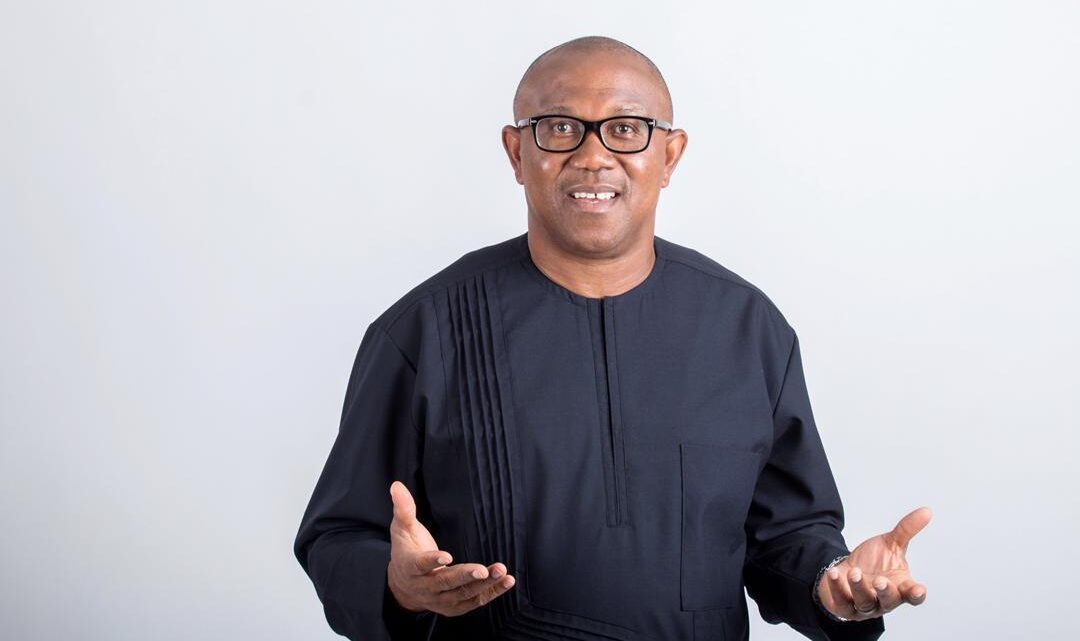
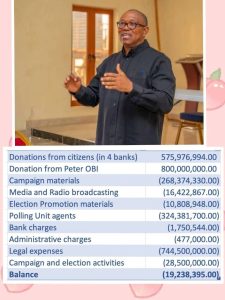
In a historic move today, Mr. Peter Obi, a prominent presidential candidate in the Nigerian democratic landscape, has taken the remarkable step of publicly disclosing the details of his campaign funding. This marks the first instance of such transparency by a major presidential candidate in the country’s history.

Mr. Obi, known for his steadfast commitment to integrity, accountability, and responsibility, has consistently championed these values throughout his political career. For those unfamiliar with his dynamic personality, a visual representation of a similar act during his tenure as the executive governor of Anambra State is provided in the attached image.

The transparency demonstrated by Mr. Obi sets him apart as a leader true to his word. Following a comprehensive financial audit, he encourages his various support groups to undertake similar accountability measures. This commitment to openness and responsible financial management reinforces his dedication to the principles that have defined his public service.

In the next phase of his post-campaign activities, Mr. Obi plans to embark on a thank-you tour to express gratitude to his supporters. This initiative reflects his appreciation for the collective efforts that contributed to his campaign.

This groundbreaking approach to campaign financing and accountability reaffirms Mr. Peter Obi’s commitment to redefining leadership in Nigeria. As he leads by example, he sets a new standard that challenges others to follow suit.

The Nigeria Data Protection Commission has issued a Guidance Notice (NDPC/HQ/GN/VOL.02/24) to data controllers and processors of major importance in order to clarify the categories of organizations that are required to register with the Commission in line with the Nigeria Data Protection Act (NDPA) 2023. Relying on sections 5(d), 44 and 65 of the NDPA, organizations that are of “particular value or significance to the economy, society or security of Nigeria” are designated by the Commission as data controllers and processors of major importance.
According to the Guidance Notice dated 14th of February and signed by the Commission’s Head of Legal Enforcement and Regulations, Babatunde Bamigboye, Esq., “A data controller or data processor shall be deemed to have particular value or significance to the economy, society or security of Nigeria and hence designated to be of major importance if it keeps or has access to a filing system (whether analogue or digital) for the processing of personal data”. In addition to this, the Commission also identified specific data processing such as those involving sensitive personal data, cloud computing, transborder data transfers, processing the personal data of over 200 data subjects and access to data storage platform of third parties in commercial transactions as necessary factors in considering organizations that are data controllers or processors of major importance.
In order to foster ease of doing business, particularly for small organizations involved in potentially high-risk data processing, the Commission varies the payable fees according to the level of Major Data Processing (MDP) involved. Major Data Processing (MDP) is classified into 3 levels, namely: Ultra High Level (UHL), Extra High Level (EHL) and Ordinary High Level (OHL) of Major Data Processing. The fees payable are N250,000, N100,000 and N10,000 respectively.

Organizations in the MDP-UHL categories include but are not limited to the following are:

i. Commercial banks operating at national or regional level,
ii. Merchant Banks
iii. Telecommunication companies,
iv. Insurance companies,
v. Multinational companies,
vi. Payment gateway service providers;

Similarly, the following organizations, among others are Organizations within MDP-EHL category:
i. Ministries, Departments and Agencies of government,
ii. Micro finance Banks,
iii. Higher Institutions,
iv. Hospitals providing tertiary or secondary medical services, and
v. Mortgage banks;
Lastly, at the MDP-EHL category we have organizations such as:
i. Small and Medium Scale Enterprises (it must be such that have access to personal data which they may share, transfer, analyze, copy, compute or store in the course of carrying out their individual businesses)
ii. Primary and Secondary Schools
iii. Primary Health Centres
iv. Agents, contractors and vendors who engage with data-subjects on behalf of other organizations.
The breakdown of the categories are contained in the Guidance Notice posted on the Commissions website www.ndpc.gov.ng.

The NDPC’s National Commissioner and CEO, Dr Vincent Olatunji, urged data controllers to eschew activities that may put citizens at risk especially when millions of Nigerians are sharing their personal data such as bank details, pictures, health and academic records online. According to Dr. Olatunji, “The risks are getting higher even as the opportunities are also increasing, we are reminded of the warning by those in the frontiers of the 4th Industrial Revolution that we have a price to pay for liberty. The price is eternal vigilance. It is therefore important to properly and functionally identify the persons and the data processing to which we must direct the torch of vigilance. Registration is one in a continuum of measures we are taking in this regard. It is, however, the entry point of accountability going forward.”


In an age marked by an unprecedented surge in cyberthreats and data breaches, the importance of cybersecurity has reached new heights. Organisations worldwide are grappling with a mounting tide of cybercrime, with estimates from Cybersecurity Ventures projecting that cybercrime would cost the world a staggering $8 trillion in 2023; a number expected to soar to $10.5 trillion by 2025.

It’s a daunting reality that no one can afford to ignore, regardless of their geographic location. The fact that businesses in Africa are not immune to this cybercrime deluge was a point under discussion at a recent joint Higher Education Information Technology South Africa (HEITSA) event with Datacentrix, a leading hybrid ICT systems integrator and managed services provider.

The organisation looked at the controls, processes, and technologies that African businesses can put in place to help mitigate this risk as we move into a new era, in particular exploring the Zero Trust model as a transformative approach.

The evolution of Zero Trust

“Zero Trust has evolved into a comprehensive framework, with identity as its central pillar,” explained Francois Jacobs, Business Unit Manager at Datacentrix. “That is, knowing who someone is, where they are coming from, and how they are attempting to access data. Within the context of higher education and other sectors, the management of identities can present unique challenges and opportunities.”

The concept of Zero Trust originated in 2004 when the notion of ‘access control’ was introduced. This initial approach focused on device health and the origins of network traffic to segregate and grant access. However, it was a very network-focused approach, he stated. “It wasn’t until around 2010 that the model expanded to encompass identity and data, moving beyond the network as the sole vector of trust.”

By 2014, the first real vendor solutions emerged, encompassing the core pillars of Zero Trust: identity, network and device, and data. Major companies like Google and Microsoft played pivotal roles in shaping the Zero Trust landscape. In the late 2020s, assessment models and practical guidelines – such as ZTX, the Zero Trust security framework from Forrester – further fuelled Zero Trust adoption.

“These steps provided the guidance that businesses needed on how to practically implement Zero Trust, as well as empowering the vendors in building the tools for organisations to use,” Jacobs continued, adding that the last big push for Zero Trust adoption was during the COVID period, driven by remote and hybrid working.

Zero Trust, as we know it today

According to Jacobs, many of these key Zero Trust principles have their foundations in identity. “However, in today’s context, considering the concept of assumed breach and trusting no-one until they have verified themselves in some authoritative way, it must be extended to include other important areas.”

Thus, Zero Trust, as we know it today, revolves around five core pillars:

· Identity: Knowing an individual’s identity beyond a shadow of a doubt is the first pillar. This encompasses authentication and authorisation practices that apply token-based or multi-factor authentication methods.

· Telemetry and analysis: It is crucial to understand where an individual is coming from, the type of device they’re using, the data they are trying to access, and the workload they are attempting to access. This provides the foundation for trust decisions.

· Data access: Zero Trust requires a comprehensive view of who is trying to access data and under what conditions. This ensures that data remains protected against unauthorised access.

· Automation and orchestration: These technologies enable real-time or near-real-time trust decisions and actions, ensuring that the security posture remains robust, and adequate action can be taken when needed.

· Governance: Maintaining detailed records of who had access to what resources, and for what reasons, is essential for Zero Trust.

Challenges and opportunities in higher education

Implementing Zero Trust in higher education can present unique challenges, but can also be fruitful in many ways, said Jacobs. “Firstly, the scale and diversity of identities within higher education can be complex when compared to enterprises in other sectors, where you would typically find full-time employees and contractors, as well as long-term vendors and so on. Higher education institutions have a diverse array of identities, including students, faculty, administrators, and even visiting professors and examiners. Managing the lifecycles and verifying the identities of individuals that don’t exist in strong, authoritative sources of identity can be a significant challenge.”

Adoption resistance with regards to new technologies can be another hurdle, particularly in a setting where connectivity issues and remote learning can be commonplace.

“We also see, quite often, that legacy platforms are still in use within these environments, which may not support these newer methods of authentication and analysis and identity management systems, or the required telemetry to support the Zero Trust framework.”

On the flip side, the shift towards cloud-based learning platforms and hybrid education has provided a unique opportunity for the adoption of Zero Trust within higher education, as it allows for better validation and verification of users, like those visiting professors, who fall outside the network perimeter.

The landscape of cybersecurity is rapidly evolving, and Zero Trust has emerged as a powerful model to protect against the rising tide of cyber threats. It places identity at its core, necessitating robust identity verification, strong authentication, access controls, and governance practices. In higher education, where diverse identities and hybrid learning have become the norm, the adoption of Zero Trust presents both challenges and opportunities.

The fundamental shift in perspective is clear, added Jacobs, namely that trust can no longer rely solely on network parameters or application-centric thinking. “The Zero Trust framework provides a comprehensive approach that empowers organisations, including those in higher education, to manage access through a lens of trust that extends to identity, context, and data.”