
At the 9th annual Cyber Security Weekend – META conference held recently in Kuala Lumpur, Malaysia, Kaspersky (www.Kaspersky.co.za) presented an industrial cybersecurity review for the countries in the region and outlined the key cybersecurity challenges for industrial enterprises in the year ahead.


According to Kaspersky Security Network (KSN) statistics, in the second half of 2023, 32.6% of ICS computers globally had been attacked with malware. In the Middle East, Turkiye, and Africa (META) region the figure is 36.5% for Turkiye, 36.8% for Africa (27.5% in South Africa, 34.55% in Kenya, 28.8% in Nigeria, 33.17% in Ghana), and 33.5% for the Middle East region. There is a slight decrease in this figure in the region compared to 2022 which can be the result of industrial organisations paying more attention to cybersecurity.

African countries are undergoing rapid digitalisation and integration into the world’s economy, while at the same time facing a significant cybersecurity under-investment problem. In the second half of 2023, 7.55% of Operational Technology computers in Africa were exposed to threats via USBs (that is 20 times more than the figure of Western Europe); 7.2% faced threat by worms (that is 28 times more than in Australia & New Zealand); and 9.1% of OT computers were exposed to spyware (that is 7.7 times more than the figure for North America).

Kaspersky Industrial Control Systems Cyber Emergency Response Team (ICS CERT) predictions for 2024 highlight the persistence of ransomware threats, rise of cosmopolitical hacktivism, an outlook on the state of “offensive cybersecurity”, and transformative shifts in logistics and transport threats.

Looking back at 2023 (https://apo-opa.co/3OXrfus), Kaspersky predicted the industrial cybersecurity landscape continuing to evolve, with several key trends emerging. The pursuit of efficiency in IIoT and SmartXXX systems fueled an expanded attack surface, while the surge in energy carrier prices led to heightened hardware costs, prompting a strategic shift towards cloud services. The growing government involvement in industrial processes also introduced fresh risks, including concerns about data leaks due to underqualified employees and insufficient practices for responsible disclosure.

To protect themselves, organisations need to prioritise cybersecurity and keep improving their defenses

This retrospective analysis lays the groundwork for understanding the cybersecurity landscape faced by industrial enterprises in 2024, such as:

  • Ransomware targeting high-value entities

Ransomware is projected to persist as the primary concern for industrial enterprises in 2024. Large organisations, unique product suppliers, and major logistics companies face increased risks, with potential severe economic and social consequences. Cybercriminals are expected to target entities capable of substantial ransom payments, causing disruptions in production and delivery

  • Cosmopolitical protest hacktivism

Geopolitically motivated hacktivism is forecasted to intensify, presenting more destructive consequences. In addition to country-specific protest movements, the rise of cosmopolitical hacktivism is expected, driven by socio-cultural and macro-economic agendas such as eco-hacktivism. This diversification of motives may contribute to a more complex and challenging threat landscape.

  • Subtler threats and detection challenges

The use of “offensive cybersecurity” for gathering cyberthreat intelligence is anticipated to have controversial consequences. While it may improve corporate security by providing early signs of potential compromises, the thin line between the grey zone and the shadows may be breached. Profit-driven cyber activities, armed with commercial and open-source tools, could operate more discreetly, making detection and investigation challenging.

  • Shifts in threats related to logistics and transport connected to automation and digitisation challenges


The rapid automation and digitisation of logistics and transport are introducing new challenges, intertwining cyber and traditional crimes. This includes theft of vehicles and goods, maritime piracy, and smuggling. Non-targeted cyberattacks may lead to physical consequences, especially in river, sea, truck, and special-purpose vehicles.

“The industrial sector’s cybersecurity is continuously going through significant changes, with both new types of attacks and more sophisticated versions of old ones. Ransomware attacks are still a big problem, and hackers are getting better at targeting large, profitable companies with more advanced methods. Hacktivists who are motivated by social issues are also becoming more active, adding another layer of complexity to the threats. The transportation and logistics industry is especially vulnerable to these changes because its systems are becoming more and more digital. This combination of cyber and traditional crime is a serious threat to global supply chains. To protect themselves, organisations need to prioritise cybersecurity and keep improving their defenses,” commented Evgeny Goncharov, head of Kaspersky ICS CERT.


Radisson Hotel Group (https://www.RadissonHotels.com) is targeting a 50% expansion of its West and Central African portfolio, consisting of 29 hotels and over 5,000 rooms in operation and under development, building on the success of its expansion strategy in 2023. Within the past 12 months, the Group signed five new hotels, adding over 1,000 rooms to the region’s portfolio.


These hotel signings included new market entries into The Gambia with Radisson Blu Beach Resort & Spa, Banjul and Radisson Hotel Benin City in Nigeria. In addition to the Radisson hotel in Benin City, the signing of Radisson Collection Hotel & Conference Center, Abuja; Radisson Blu Hotel, Abuja CBD and Radisson RED Lagos VI further strengthened the Group’s position as the market leaders in Nigeria, doubling the Group’s development pipeline in a year and expanding the portfolio in Nigeria to 12 hotels and over 1700 rooms.

2023 was a strong year for our expansion in the region and allowed us to further strengthen our leading position in Nigeria as well as enter a new market

Defining Radisson Hotel Group’s expansion strategy for West and Central Africa, Erwan Garnier, Senior Director, Development, Africa at Radisson Hotel Group said,West and Central Africa has become increasingly important markets for our development across the continent. 2023 was a strong year for our expansion in the region and allowed us to further strengthen our leading position in Nigeria as well as enter a new market, The Gambia with our core brand Radisson Blu. It further demonstrates our ability to consistently deliver in key focus market while focusing on materializing the signing. Indeed 4 out 5 of the signings are already under active construction.”

Garnier added, “Nigeria, Ghana, Ivory Coast, Senegal, Cameroon, and the Democratic Republic of Congo (DRC) remain the six countries to develop this region with a clear strategy for city-wide growth in major African capitals, financial centers, and tourist destinations. In addition, we are focusing our efforts on large-scale expansion in eight proactive cities in West and Central Africa. These destinations are Abuja, Lagos, Accra, Abidjan, Dakar, Yaoundé, Douala, and Kinshasa. Our development strategy for West and Central Africa focuses on business hotels, resorts, serviced apartments, and mixed-use projects.”

In 2023, the Radisson Hotel Group maintained its expansion momentum in Africa with eight new hotel signings, adding more than 1,600 rooms to its already robust portfolio on the continent. With this progress, the Group is well on track to achieving its objective of reaching 150 hotels in Africa over the next five years, up from its current count of 100 hotels.

Furthermore, over the past three years, Radisson Hotel Group has emerged as the fastest-growing hotel group in Africa, with 20 hotel openings across the continent. This remarkable achievement has set a record for the Group in terms of the realization of its pipeline into openings and has resulted in an impressive 15 percent annual growth on its African portfolio.

MainOne (www.MainOne.net), an Equinix Company, is delighted to announce its pivotal role in the historic landing in Akwa Ibom State of the first and only submarine cable system in Nigeria outside of Lagos. This collaboration marks a significant milestone in enhancing broadband connectivity and driving economic development in the South-South, South-East and North-Central regions of Nigeria.


MainOne is dedicated to improving internet capacity and driving various aspects of development

Spanning 45,000km in length, 2Africa will be one of the world’s largest subsea cable projects and will interconnect Europe, Asia, and Africa, with a design capacity of up to 180Tbps. The significance of 2Africa lies in its capacity to address critical internet needs and enhance reliability across vast expanses of Africa. Furthermore, 2Africa serves as a catalyst for the advancement of 4G, 5G and fixed broadband accessibility, extending its impact to billions of people. Akwa Ibom’s selection as a landing site underscores its strategic importance in Nigeria’s digital transformation journey. By offering cable diversity and resiliency, 2Africa contributes significantly to the country’s digital infrastructure resilience and MainOne’s role as the landing partner solidifies this endeavour. Notably, MainOne will facilitate the establishment of a terrestrial metro fiber network in Akwa Ibom State and the entire South-South Nigeria, seamlessly connecting enterprises and people in the region to the submarine cable system.

“With a commitment to consistently deploy financial capital and project resources towards infrastructure investments, MainOne is dedicated to improving internet capacity and driving various aspects of development, including economic growth, digital transformation, healthcare, security, agriculture, and increased state revenue in South-South Nigeria,” stated Abayomi Adebanjo, Regional Business Head, MainOne, an Equinix Company.

The terrestrial metro fiber network will address internet distribution constraints across the Southern and North-Central region of Nigeria, bridging the gap in unserved and underserved areas. By hosting the submarine cable system landing and the fiber cable interconnection, Akwa Ibom State, the South-South Region and Nigeria will unlock numerous economic and social benefits, fostering innovation, entrepreneurship, job creation, and improved public service delivery.


In the wake of the recent acquisition of “Marvin Records” by Universal Music Group (UMG), there’s an undercurrent of excitement echoing across the industry. However, one voice stands out in a contemplative tone, urging a pause for reflection on the broader implications.

Nigerian entrepreneur and commentator, [Your Name], acknowledges the micro-level celebration surrounding Don Jazzy and his team’s impressive achievement. Undoubtedly, the sale marks a significant milestone for their dream. Yet, [Your Name] directs attention to the macro level – the realm where nations play and govern – urging a moment of introspection.

The concern raised is not against the success of individuals or entities but a call to consider the long-term impact on national heritage. [Your Name] draws parallels to other nations whose corporate entities serve as cultural dominances and symbols of pride. Icons such as McDonald’s, HP, Coca Cola, Disney, CNN, Samsung, Siemens, Sony, Armani, and Woolworths are highlighted as corporate heritages reflecting the cultural identity of their respective nations.

The question posed to the Nigerian generation is whether they are creating similar corporate heritages for the future or merely focusing on building, cashing out, and celebrating financial success. The analogy of nations taking pride in owning companies of heritage, likened to military might, reinforces the idea that it accords power and strengthens a nation’s standing in the global community.

The concern is not an outright dismissal of individual successes or financial gains but a broader contemplation of the strategic importance of building lasting corporate legacies. [Your Name] raises the question of whether, with UMG now in control, the name “Marvin Records” will endure on the door in 15 years.

In the spirit of constructive dialogue, [Your Name] extends congratulations to Don Jazzy for this remarkable achievement, emphasizing that the discourse is not a critique but a call for a collective examination of the path being carved for the future of Nigerian corporate legacies.

Chinonso Ogbogu


Highnet Resources Limited, a leading financial consultancy firm, highlights the growing concerns among borrowers in Nigeria amidst rising interest rates. As the Central Bank of Nigeria (CBN) aggressively raises its Monetary Policy Rate (MPR) to 22.75% to curb inflation, many businesses and individuals face the prospect of higher borrowing costs.

In light of this challenging environment, Highnet Resources Limited emphasizes the resilience of Bank of Industry (BOI) loans, providing five compelling reasons why they remain the preferred choice for borrowers:

  1. Competitive Interest Rates: BOI offers loans at a remarkably low interest rate of 10% per annum, a rate unmatched by any Nigerian bank. This competitive rate provides borrowers with significant cost savings over the loan tenure.
  2. Expert Guidance: BOI engages registered consultants known as Business Development Services Providers (BDSPs) to assist prospective borrowers. These carefully vetted experts work closely with borrowers to navigate the loan application process, ensuring compliance with BOI’s requirements and alleviating the burden on borrowers.
  3. Proactive Support: During times of economic uncertainty or crisis, BOI demonstrates proactive measures to support borrowers. In response to the COVID-19 pandemic, BOI implemented loan restructuring initiatives, including interest rate reductions and repayment suspensions, to ease the financial challenges faced by borrowers.
  4. Business Development Impact: BOI loan requirements drive informal and disorganized businesses to adopt formalized operational structures, implement corporate governance practices, and develop sound business plans. This process fosters business growth and sustainability, aligning borrowers with best practices in their respective industries.
  5. Transparency and Efficiency: BOI loans are characterized by transparency, with no hidden charges or fees. Additionally, the loan application process is streamlined and expedited, provided borrowers meet the necessary requirements and select a BDSP aligned with their sector.

Vivian Ngozi Ani, Loans at 9%p.a, Equity & Grants Facilitation; Business Plans, extensively comments, “Amidst the prevailing economic landscape, Bank of Industry (BOI) loans stand out as a beacon of stability for borrowers in Nigeria. With competitive interest rates, expert guidance, proactive support measures, and transparent processes, BOI remains the preferred choice for businesses and individuals seeking financial assistance.”

For businesses interested in applying for a BOI loan or learning more about the benefits offered, Highnet Resources Limited encourages them to share their comments and reach out via direct message for personalized assistance.

About Highnet Resources Limited: Highnet Resources Limited is a reputable financial consultancy firm based in Nigeria, specializing in loans at 9% per annum, equity and grants facilitation, and comprehensive business planning services. With a commitment to excellence and client satisfaction, Highnet Resources Limited delivers tailored financial solutions to businesses across various sectors in Nigeria.


Radisson Blu, Ikeja hosts the maiden edition of the Telecoms Industry Risk Management Conference on February 20-21, 2024

In a significant gathering of distinguished guests, industry leaders, and esteemed participants, Mr. Kelechi Nwankwo, Head of Corporate Planning, Strategy & Risk Management (HCPSRM), extended a warm welcome at the Telecoms Industry Risk Management Conference held at Radisson Blu, Ikeja, Lagos on February 20-21, 2024.

The conference, organized by the Nigerian Communications Commission (NCC), aligns with the Commission’s commitment to review operating standards, introducing new ones in line with international best practices, fostering resilience in the communications industry. Dr. Aminu Maida, Executive Vice Chairman/CEO, reiterated this objective in consultations with industry and media executives.

Under the theme “Evolution and Future Risk Management in the Telecoms Industry: Harnessing Emerging Technologies and Trends,” the conference initiated an exploration of the rapidly evolving landscape of the telecoms industry. The need to analyze, adapt, and effectively manage the risks accompanying innovation and development took center stage.

The telecoms industry, amid technological advancements such as 5G networks, the Internet of Things (IoT), Artificial Intelligence (AI), and Cloud Computing, faces immense opportunities coupled with significant risks. The conference emphasized the collective responsibility to address these risks to safeguard industry growth and sustainability.

Citing a World Economic Forum (WEF) survey, Mr. Nwankwo highlighted AI-generated misinformation/disinformation as the second most likely risk and cyberattacks as the fifth most likely global crisis in 2024. The conference underscored the importance of collective engagement, discussions, insights from industry experts, and the development of strategies to navigate the evolving landscape.

Over the course of the conference, participants engaged in discussions, shared experiences, and collaborated on strategies to mitigate technological risks. The focus extended beyond technological risks to harnessing technological innovations to address environmental, societal, economic, and geopolitical challenges.

Mr. Nwankwo urged participants to actively engage in sessions, openly dialogue, and contribute to fruitful discussions. The conference aimed to unlock new approaches to risk management, shaping the future of the telecom industry. As the industry undergoes remarkable transformations, the responsibility lies with its stakeholders to stay informed, prepared, and proactive in managing potential risks.

In concluding his address, Mr. Nwankwo once again welcomed all distinguished guests and participants, encouraging them to embark on the journey of exploring the evolution and future of risk management in the telecom industry while harnessing the benefits from emerging technologies and trends.


Protect your online gaming and gambling experience


The recent wave of cyberattacks targeting the global casino and hospitality industries has raised alarm bells. Carey van Vlaanderen, CEO of ESET South Africa, says smaller chains, online gaming sites and their customers are equally susceptible. Fortunately, there are steps individuals can take to reduce the risk of their personal details being compromised.


Sophisticated cyberattacks, like the one reported by MGM Resorts in the United States, in which digital room keys stopped working and manual payouts were required for slot machines, are a stark reminder that cybercriminals are organised and highly skilled. However, it’s not only major international brands that have been compromised. Smaller entities have faced security breaches too. Another case in 2023 involved a ransomware attack on a small US-based casino chain. According to reports, hackers spent four months exploring systems after breaching the company network, via a targeted phishing email sent months before. Van Vlaanderen says cyberattacks can occur at any time, with increased likelihood during periods of heightened activity. “People tend to be much more relaxed, when engaging in leisure activities, including visiting casinos and online gaming. Cybercriminals are well aware of this, and will often target individuals when they’re less vigilant, or choose to attack businesses during busy periods for maximum impact.”


“Casinos are complex ecosystems, often interlinked with hospitality services. This interconnectedness exposes them to a range of cyber risks, from customer data breaches to operational disruptions. This means that customer data available to hackers could include personal details of customers as well as sensitive financial information linked to the booking and rewards programme information for the hotels and dining establishments associated with casinos,” explains van Vlaanderen.


The popularity of online betting platforms and immersive gaming casinos has also become an attractive target for fraudsters. “Cyberattackers are well aware of the lucrative opportunities in online gaming. The integration of financial services, like credit cards and banks, into gaming accounts means there is a risk not only for the businesses themselves, but their customers too,” van Vlaanderen notes.


In light of the risks, robust cybersecurity measures are critical for individuals and businesses to safeguard their digital presence. “There are a number of steps and helpful guidelines to follow to safeguard personal and financial information in the gaming and hospitality sectors,” adds van Vlaanderen.


  1. Choose reputable and licensed casinos: Look for casinos regulated by established gaming authorities. Their compliance with strict regulations offers a layer of protection.
  2. Only use secure internet connections: Using private, encrypted networks rather than public Wi-Fi, can significantly reduce the risk of data breaches.
  3. Manage passwords carefully: Implementing complex passwords that vary across different platforms can prevent unauthorised access.
  4. Two-Factor Authentication (2FA): This security feature adds a critical second layer of defence, making it harder for attackers to gain access.
  5. Vet reputations: For businesses, choose a cybersecurity provider with a solid track record in managing enterprise environments. Individuals should also opt for reputable products that can protect the security of personal devices.
  6. Choose secure payment methods: Opt for casinos and online platforms that partner with reliable payment providers that are known for their security measures.
  7. Be vigilant against phishing: Be cautious when clicking on links in emails or text messages, as they may lead to phishing websites or other types of malicious content.
  8. Maintain updated systems: Regularly update operating systems, web browsers, and any other software so that the latest security patches and features are enabled.
  9. Responsible gaming practices: Set limits and monitoring your gaming habits can protect both your financial and personal well-being.
  • Ongoing education: Staying informed about cybersecurity and researching the safety of online platforms before signing up can help individuals make safer choices.


“Although absolute security is challenging to achieve, these practices can significantly mitigate risks. Industry-wide cooperation and the sharing of best practices is another method of combatting threats more,” says van Vlaanderen.


The Senate Committee on National Agency for Science and Engineering Infrastructure (NASENI) has commended the Agency for championing local content development of Solar-Powered smart irrigation, tricycles, electric motorbikes and others with accelerated technology transfer.

The Chairman, Senate Committee on NASENI Senator Ezenwa Francis Onyewuchi who led other members of the Committee on oversight function visit to NASENI Headquarters, Abuja on Monday February 26, 2024, expressed satisfaction, while being conducted by the Executive Vice Chairman/CEO of NASENI, Mr. Khalil Suleiman Halilu round some of the NASENI products and facilities.

Other products inspected include animal feed processing machines and NASENI transformers, electric motorcycles and tricycles as well as the NASENI home and irrigation solar systems.

According to Senator Onyewuchi, “The committee is quite pleased with the level of progress and we want to assure NASENI of the support of the National Assembly to make sure that agency drives effectively the vision of the President Bola Ahmed Tinubu in this area and I want to also thank them for making Nigeria go green, moving from fuel to non-fossil products, it is quite commendable. We are quite pleased and we want to encourage them to do more.”

According to the committee members who spoke separately, with the NASENI home solar and the electric bikes, local businesses will be enhanced, the economy of the country will improve, adding that urban and rural areas power challenges would be overcome if NASENI solar system is mass produced.

The EVC/CEO of NASENI, Mr. Khalil Suleiman Halilu said some NASENI products would be ready in the second quarter of this year, adding that the Agency is establishing a Technology Transfer Hub within its headquarters to bring eco-friendly technologies closer to people and to make it affordable both on short and long term basis.

“We promised Nigerians that by the first quarter of this year, they are going to be seeing NASENI products and today, you have witnessed three products-the solar irrigation system, which is like a generator, but completely solar and batteries and the second one is our electronic motorcycle and tricycle (Keke) and the last one being the solar home system where you can power your entire house off-grid,” Halilu said.  

“You will soon start seeing NASENI branded products in our efforts to build a national brand for the country and of course, if you are doing commercial viable products, they have to be affordable to the common man and very soon, you will start seeing them in the market,” he added.

Other lawmakers who made the trip include Chairman, Senate Committee on Science and Technology, Senator Aminu Iya Abbas; Deputy Chairman, Senate Committee on NASENI, Sen. Mohammed Ogoshi Onawo; Member, Senate Committee on NASENI, Sen. David  Jimkura; Chairman, Senate Committee on NASENI, Sen. Ezenwa Francis Onyewuchi; Member, Senate Committee on NASENI, Sen. Sharafadeen Abiodun Alli; and Sen. Abdullaziz Musa Yar’Adua.


Dr. Aminu Maida, representing the Nigerian Communications Commission (NCC), addressed the audience at the 45th Kaduna International Trade Fair, highlighting the importance of this year’s theme, “Sustaining Economic Recovery through Deepening Local Content Value Chain.”

The NCC, as an Independent National Regulatory Authority overseeing Telecommunication Services in Nigeria, is dedicated to creating a dynamic regulatory environment ensuring universal access to affordable and equitable service to support the nation’s economic growth.

The theme aligns with the NCC’s core principles and objectives regarding the promotion of local content development in the telecoms industry. The Commission recognizes the significance of deepening the local content value chain as a crucial driver for economic sustainability and growth.

In fostering an enabling environment for the telecommunications industry, the NCC remains committed to advancing local content and overall Nigerian economic development. Acknowledging the potential economic opportunities, technological advancement, job creation, and skills development, the NCC actively supports initiatives such as the Nigerian Office for Development of Indigenous Telecommunications Sector (NODITS).

To promote indigenous participation, the NCC has implemented various initiatives, including the sponsorship of Hackathons, encouraging innovation and expanding the digital economy. The Commission’s commitment extends to prioritizing consumer protection and empowerment.

The NCC has taken steps to safeguard consumer rights, implementing measures such as the establishment of the Telecom Consumer Assistance, Resolution, and Enquiries (TELCARE) Desk at the Nnamdi Azikiwe International Airport Abuja, consumer education outreach programs, and a Consumer Complaints Management (CCM) system.

Furthermore, the NCC encourages stakeholders, including telecommunications operators, equipment manufacturers, software developers, and consumers, to collaborate in promoting local content. Dr. Aminu Maida urged participants to visit the NCC Pavilion at the exhibition ground for more information and direct engagement with service providers.

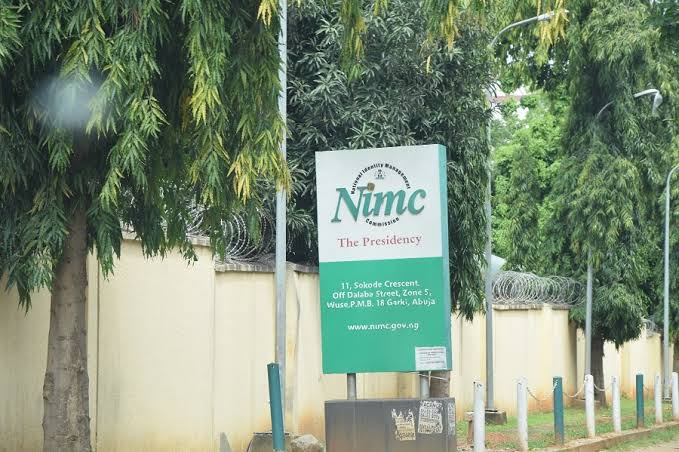
The NCC, with a keen interest in consumer protection, continues to implement measures for transparency, quality of service, and fair competition. As a matter of national security, the Commission has directed all telecommunication operators to ensure the linkage of National Identification Numbers (NIN) to Subscriber Identification Modules (SIM) by February 28, 2024.

Dr. Aminu Maida expressed gratitude to the organizers of the 45th Kaduna International Trade Fair and encouraged participants to leverage the platform for fruitful engagement and collaboration. The NCC Pavilion provides an opportunity for attendees to learn more about the Commission’s activities and engage with representatives of service providers.

In a recent turn of events, Nigerian banks have come under scrutiny for their stringent National Identity Number (NIN) and Bank Verification Number (BVN) linkage policies, threatening to block accounts by March 1, 2024. The process, likened to navigating the early days of online portals, has left customers frustrated and discontent.

Users report significant challenges with the online portal, reminiscent of the late ’90s and early 2000s, citing delays in receiving One-Time Passwords (OTPs) and system glitches. Complaints about the lack of consideration for the elderly or those without internet access have further fueled discontent.

Despite the banks possessing comprehensive BVN and NIN databases, the handling of customer complaints has raised eyebrows. Live WhatsApp support is marred by extensive delays in message delivery and response times, pushing wait times beyond acceptable standards.

Email communication, touted as an alternative, is criticized for taking a staggering 72 hours for acknowledgment, with response timelines even less predictable. Questions are raised about the purpose of collected NINs and the handling of customer information amassed over the past year.

The frustration extends beyond digital hitches to customer service experiences. Calls to customer care units often result in dropped calls, lack of case records, and repetition of complaints to different representatives. Email trails are neglected, leading to redundant requests for issue clarification.

Critics argue that while Nigerian banks boast sophisticated digital technologies, their operational mindset remains stuck in the 19th century. The call for banks to prioritize relationships over transactions gains traction, emphasizing the need for a customer-centric approach.

Notably, the discontent echoes a broader sentiment of societal dissatisfaction with inefficiencies and individualistic trends. The critique extends beyond banking to encompass the broader challenges faced in daily life, from utilities to infrastructure and societal systems.

As Nigeria navigates these challenges, the call for a shift from individualism to collective solutions reverberates, urging institutions to address customer grievances promptly and adopt a more holistic approach to service delivery.