
When it comes to the world of Nigerian cinema, the names Zubby Micheal and Timini Egbuson often spark debates among enthusiasts. As someone who doesn’t necessarily consider themselves a movie buff, especially in the realm of Nigerian films, it’s important to acknowledge and respect the opinions of passionate movie lovers and critics. However, my preferences tend to lean towards lighter, comedic undertones rather than serious dramas.

Zubby Micheal embodies the essence of comedic relief with a hint of hardliner and machismo. His performances resonate with audiences seeking entertainment laced with humor and a touch of street-smart charm. For someone like me who enjoys films with a lighter tone, Zubby’s portrayal fits the bill perfectly.

On the other hand, Timini Egbuson delivers performances that are equally captivating. His talent shines through in various roles, showcasing his versatility and depth as an actor. While Zubby may cater more to the unrefined and street-oriented demographic, Timini appeals to a broader audience with his nuanced portrayals.

Both actors boast a loyal fan base, each attracting different demographics. Zubby’s fanbase tends to skew towards a more masculine audience, drawn to his rugged charm and comedic flair. In contrast, Timini’s appeal extends to a wider spectrum, garnering admiration from both male and female viewers alike.

Drawing a comparison between Zubby Micheal and Timini Egbuson is akin to offering a football and a teddy bear to male and female twins. Just as natural instincts would dictate their preferences, audiences gravitate towards the actor whose persona resonates with them on a deeper level.

In this analogy, Zubby Micheal embodies the football – bold, energetic, and appealing to a more masculine audience. Meanwhile, Timini Egbuson represents the teddy bear – charming, versatile, and embraced by a broader demographic, particularly the female audience.

Ultimately, the choice between Zubby Micheal and Timini Egbuson boils down to personal preferences and natural instincts. While both actors bring their unique flair to the screen, it’s their ability to connect with audiences on an emotional level that sets them apart in the realm of Nigerian cinema.

Kelly Hassino

Geometric Power, an indigenous power generation and distribution firm spearheaded by patriotic Igbo entrepreneur Barth Nnaji, has ushered in a new era of prosperity in Abia State with round-the-clock electricity supply, a feat unprecedented in Nigeria.

The restoration of stable power supply by Geometric Power in Aba North has triggered a surge of investor interest in the region, leading to the establishment of various manufacturing facilities, including a full-scale tyre production plant by Taiwan’s Maxxis Tyres.

Maxxis Tyres, a renowned brand under Cheng Shin Rubber Industry Co. in Taiwan, plans to set up its production plant in Aba, contributing to the city’s economic growth. The plant will manufacture a wide range of tires, including those for motorcycles, tricycles, cars, light trucks, ATVs, and trailers.

The recent visit by Taiwanese Directors of Maxxis Tyres, facilitated by Apostle Chibuzo of OPM church, to Ukanku Community for land inspection marks a significant milestone in the revitalization of Abia State’s commercial landscape.

Geometric Power’s commitment to expanding its services to eight other Local Government Areas by next week underscores its dedication to transforming the region’s economic landscape and attracting further investment opportunities.

Abia State, under the visionary leadership of Alex C. Otti, is poised to reclaim its status as the leading economic powerhouse in Nigeria, fueled by the groundbreaking initiatives of Geometric Power.

Anthony Emeka Nwosu

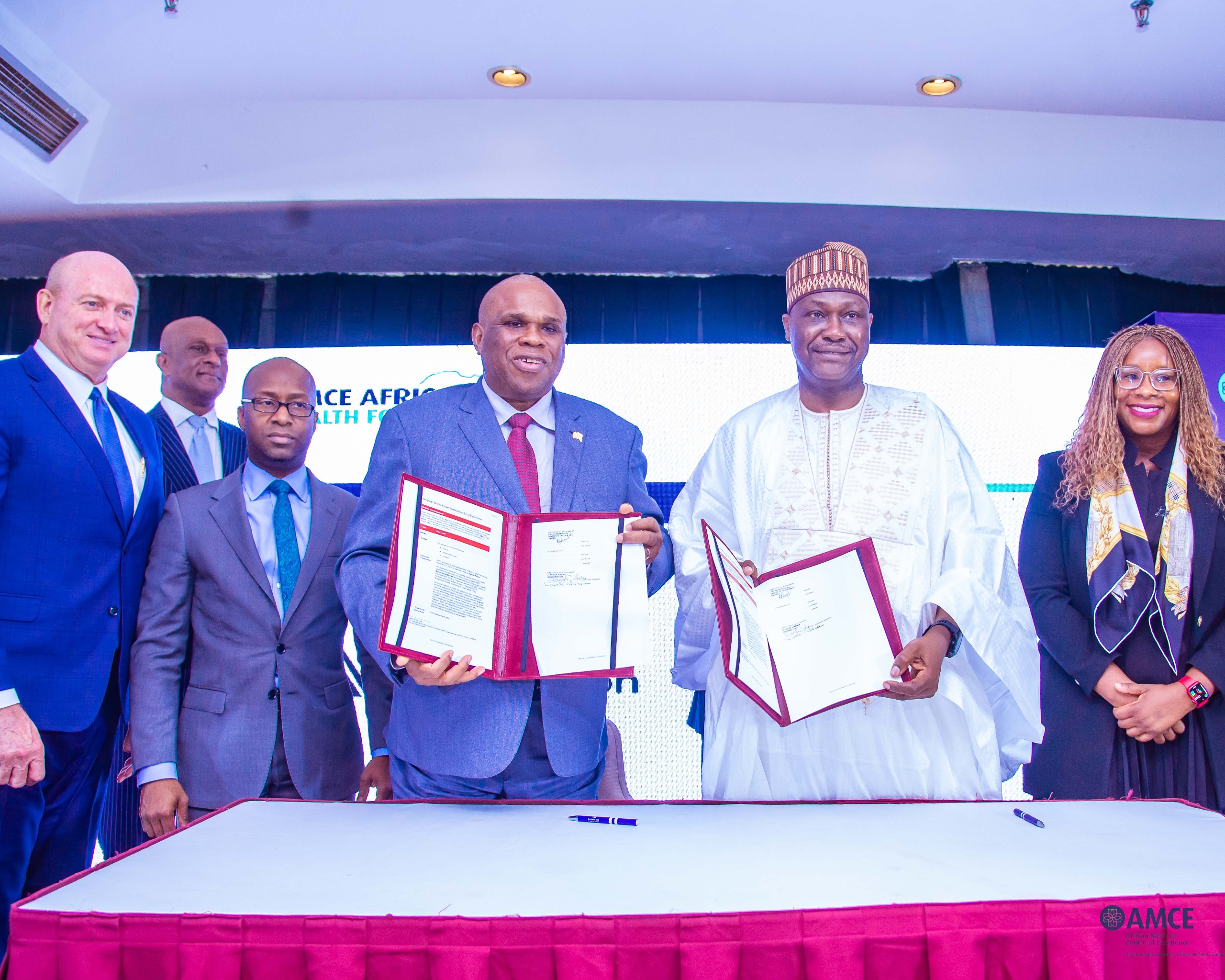
Africa Finance Corporation (AFC) (www.AfricaFC.org), the continent’s leading instrumental infrastructure solutions provider, today signed an equity investment term sheet, pledging up to US$40 million towards the construction of the African Medical Centre of Excellence (AMCE) Abuja hospital. The visionary 500-bed medical health facility is currently being developed by Africa Export-Import Bank (Afreximbank), the leading trade finance bank for Africa, in partnership with King’s College Hospital, London (KCH). The agreement was signed at the inaugural AMCE African Health Forum in Abuja.


The project will strategically harness KCH’s unparalleled diagnostic, clinical, and capacity-building expertise and specialise in three core non-communicable diseases – oncology, cardiology, and haematology – with a commitment to world-class research, education, and development capabilities to establish itself as a leader in clinical services.

The AMCE initiative heralds a revolution in healthcare in West Africa. It aims to turn the tide of medical tourism away from the continent by building the first in a series of world-class medical centres of excellence in Africa, thus providing widespread access to critical health care in the region.

A first-of-its-kind medical treatment and research centre, AMCE Abuja will be executed in four phases over six years. As a new shareholder, AFC will play a pivotal role in the first phase that involves building an initial 170-bed specialist hospital, set to expand to 500 beds by the third phase. With construction over halfway complete, the facility is on track to commence operations in the first quarter of 2025.

We are delighted that AFC have joined us as strategic partners on this important initiative aimed at addressing Africa’s healthcare infrastructure challenges

The African healthcare sector faces a severe infrastructure deficit and an equally chronic shortage of qualified medical practitioners. Government-owned health facilities are stretched to their limits due to inadequate capacity, leading to a reliance on medical tourism and its associated burdens. Hospitals across West Africa struggle with funding, lack of essential resources, and limited access in rural areas.

The AMCE aims to reduce this gap by creating approximately 3,000 jobs during construction and operational phases, employing over 200 people, and offering training opportunities for doctors and nurses. The facility is projected to provide state of the art care to over 350,000 patients in Nigeria and other African countries within its first five years of operation. Additionally, it aims to attract talent back to the ecosystem on the continent, providing better access to much needed healthcare.

AFC President & CEO, Samaila Zubairu, said: “Africa’s healthcare sector suffers a severe and alarming infrastructure gap and a shortage of qualified medical practitioners. We are therefore pleased to partner alongside Afreximbank and King’s College Hospital, London, on this epoch-making project that will transform healthcare in Africa and contribute to a reversal in medical tourism. Building a world-class facility that captures medical spend in Africa, promotes specialist skills development, retains and, most importantly, attracts healthcare practitioners in our local communities, aligns well with AFC’s import substitution strategy and we look forward to working with all partners to establish the AMCE as a beacon of medical excellence on the continent.”

President and Chairman of the Board of Directors of Afreximbank, Benedict Oramah, said: “We are delighted that AFC have joined us as strategic partners on this important initiative aimed at addressing Africa’s healthcare infrastructure challenges. This collaboration exemplifies the power of cooperation among African Development Finance Institutions in driving impactful projects that benefit our communities and promote sustainable growth. By investing in AMCE Abuja, we are not only supporting the establishment of world-class healthcare infrastructure but also creating opportunities for job creation, skills development, and knowledge transfer. We invite more partners to join us in this crucial endeavour to revolutionise healthcare in Africa and make a lasting impact on the well-being of our communities.”

The collaboration sets a powerful precedent for African Development Finance Institutions (DFIs) to address infrastructure challenges across the continent. Through the establishment of a world-class medical and health facility in West Africa, these institutions reaffirm their dedication to shaping a healthier and more sustainable future for Africa.


The National Information Technology Development Agency (NITDA) and the Small and Medium Enterprises Development Agency (SMEDAN) have officially sealed a collaborative pact to implement the Startup Act, focusing on fostering Small and Medium Enterprises (SMEs) growth in Nigeria. This landmark Memorandum of Understanding (MOU) was inked during a ceremony attended by the Director General of NITDA, Kashifu Inuwa Abdullahi CCIE, and the Director General of SMEDAN, Charles Odii, alongside their respective management teams.

The MOU underscores a strategic partnership aimed at realizing the President’s vision of diversifying Nigeria’s economy by leveraging technological innovation to enhance productivity. Through this alliance, NITDA and SMEDAN are committed to providing a conducive environment for the growth and sustainability of SMEs, which are integral to the economic development of the nation.

Key components of the collaboration include facilitating access to funding, mentorship programs, and other forms of support tailored to empower SMEs. This initiative aligns with the broader national agenda to create an enabling ecosystem for entrepreneurship and innovation, driving economic diversification and job creation.

Speaking at the signing ceremony, DG-NITDA, Kashifu Inuwa Abdullahi CCIE, emphasized the transformative potential of technology in catalyzing SME development. He expressed confidence that the partnership with SMEDAN would play a pivotal role in realizing the objectives outlined in the Startup Act.

DG-SMEDAN, Charles Odii, echoed similar sentiments, highlighting the collaborative effort as a significant step towards unlocking the full potential of SMEs in Nigeria. The joint commitment of both agencies signifies a concerted effort to create an innovation-driven landscape that propels the growth of small and medium enterprises


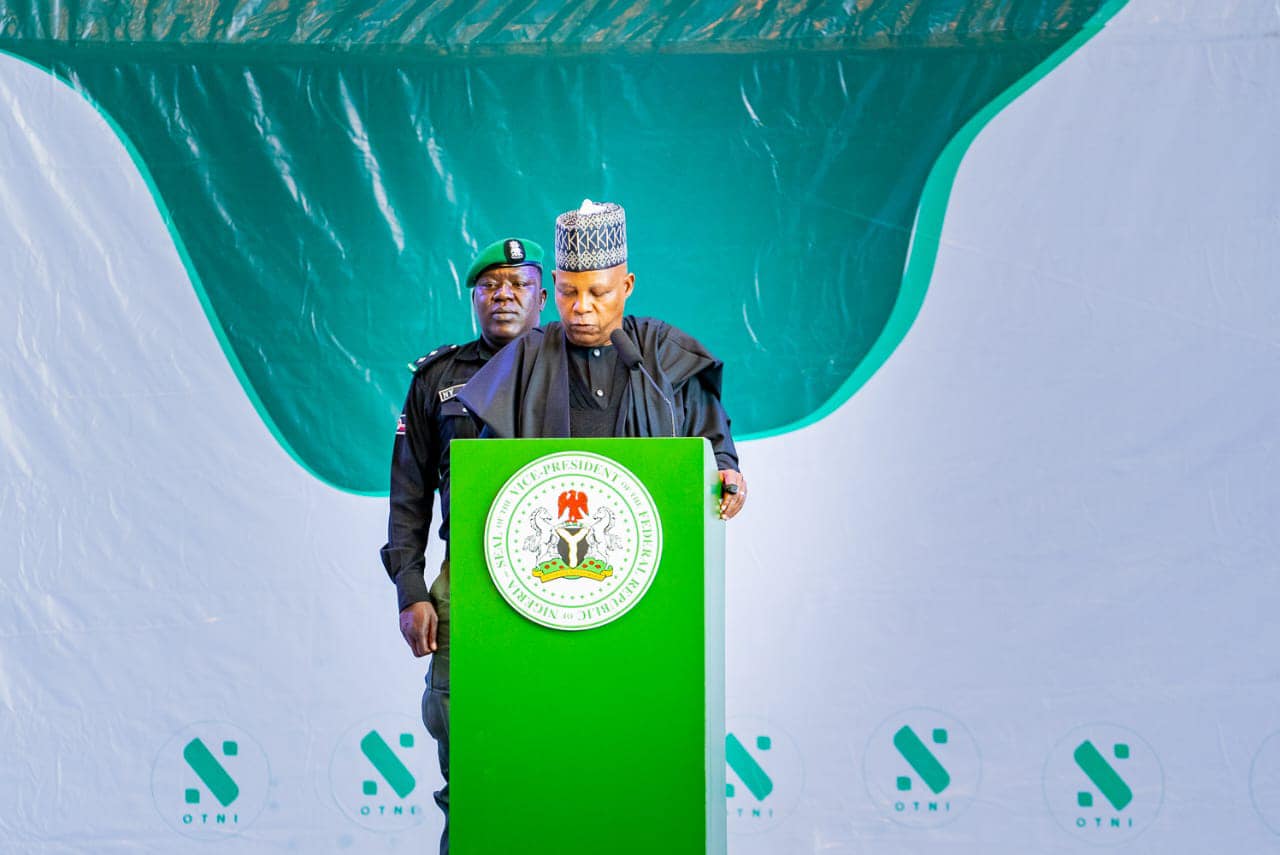
In a significant move aimed at fostering job creation in the Business Processes and Information Technology-Enabled Outsourcing sectors, Vice President Sen. Kashim Shettima officially launched the Outsource To Nigeria Initiative (OTNI). This groundbreaking Public-Private Partnership program was introduced during a momentous event held at the prestigious Gombe International Conference Centre.

The initiative, a pivotal component of the ongoing efforts to realize the Renewed Hope Agenda of the Tinubu administration, is poised to be a game-changer in addressing unemployment challenges. Sen. Kashim Shettima, in his role as Vice President, highlighted the strategic importance of OTNI in creating sustainable job opportunities for Nigeria’s youth.

Accompanying the Vice President was the Director General of the National Information Technology Development Agency (NITDA), Kashifu Inuwa CCIE, who expressed the agency’s strong support for OTNI. Inuwa underscored the initiative’s alignment with NITDA’s overarching goal to enhance the digital skills of the nation’s youth, emphasizing the importance of fostering talent development in the rapidly evolving digital landscape.

Outsource To Nigeria Initiative, once successfully implemented nationwide, is poised to become the most expedient pathway to ensuring job security for the vast population of Nigerian youth. The launch event marked a pivotal moment in the nation’s commitment to leveraging technology and private-sector collaboration for socio-economic development.

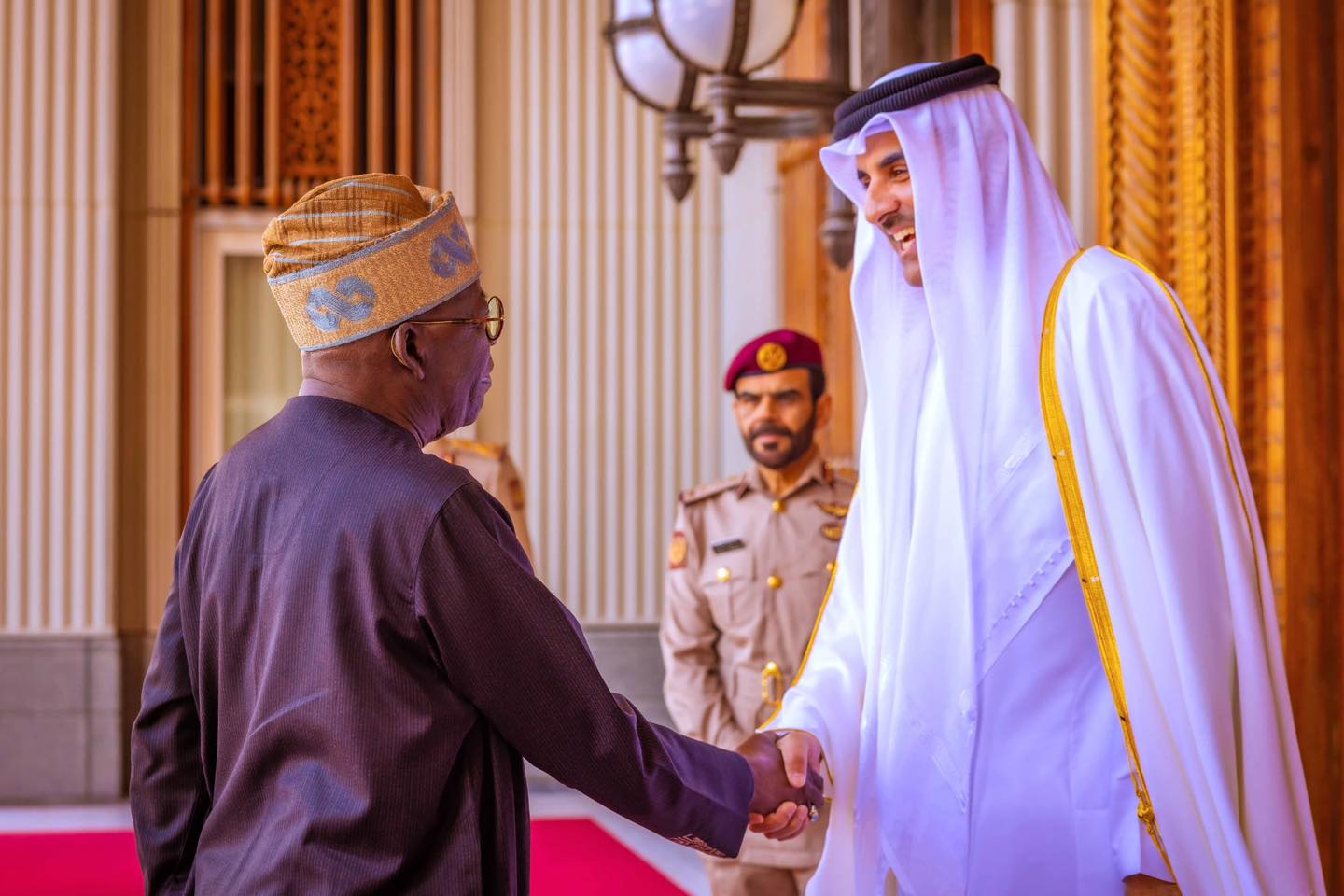
President Bola Ahmed Tinubu, and His Highness, Sheikh Tamim bin Hamad Al Thani, Emir of the State of Qatar, on Sunday in Doha, witnessed the signing of historic agreements between both nations, opening a gateway for leveraging the potential of mutual cooperation in pivotal sectors of education, enterprise development, investment promotion, youth empowerment, mining, tourism, and sports.
Before the signing ceremony at the Qatar Presidential Palace, President Tinubu assured his host of Nigeria’s preparedness to welcome investors into the country, noting the ongoing reforms that favour innovation, return on investments, and multiculturalism.
“Our greatest strength is our people. Our strength lies in the capacity of Nigerian youths. They have energy, talent, and self-belief. They are quality partners for Qatari industry. They are educated and reliable, and they are proactively seeking to add value wherever they are. A few cannot give a bad name to the many. Nigerian youths are ready to be unleashed for the mutual benefit of both nations.
“We have seen clearly the rapid pace and thorough quality of Qatar’s development process. It is impossible not to be moved by what you have accomplished. The leadership in the country has proven its mettle, and we are here to gain deeper insight.May be an image of 4 people and dais
“There is nowhere in the world where you will find return on investment at the level of what you will see in Nigeria. A massive market of over 200 million skilled Nigerians, always industrious and ready to work.
“We face some short-term turbulence at the moment, but we have a government today that reflects the dynamism and talent of the Nigerian people. We are implementing the right solutions. This team works collaboratively with each other and our partners. Nigeria is ready for serious business,” the President stated.
The Emir of the State of Qatar, His Highness, Sheikh Tamim bin Hamad Al Thani, emphasized that Qatar is open to President Tinubu’s investment push, recalling that he traveled to Nigeria in 2019 owing to his belief that Nigeria is an important and strategic ally on its own and within the context of its role in regional affairs.
“I have no doubt about the great capacity of the Nigerian people. Everywhere in the world, they are known for their brilliance and hard work. We only need to ensure that this is happening inside of Nigeria rather than outside. The investments we have made around the world have been very fruitful. This is because we take our time and study opportunities before we invest the common wealth of our people. It is not my money. The money we invest belongs to the future generations of Qatar.
“Mr. President, I am very encouraged by your actions and your passion to create new opportunities. We are very open to this, and follow-up is everything at this point. The will is there for both of us, but we must follow up. I will send a team of officials to Nigeria after Ramadan, and we will advance discussions on what some of the actionable investment opportunities are,” the Qatari leader said.
President Tinubu immediately named the Coordinating Minister of the Economy and Minister of Finance, Mr. Wale Edun as the team leader of the government team that will interface with Qatari authorities in investment identification and implementation moving forward.
Furthermore, during the bilateral deliberations, President Tinubu enabled a brief presentation to the Emir by the Minister of Solid Minerals Development, Dr. Dele Alake, who spoke in detail about the high-grade of several minerals, including lithium, immediately derivable across the country with an emphasis on imminent opportunities for local mineral processing and value-additive industry in the sector.
The bilateral engagement was followed by a closed-door meeting between the two Heads of State before they proceeded to the signing ceremony for seven bilateral agreeements across multiple sectors.
The seven agreements signed are: cooperation agreement in the field of education; regulation of employment of workers with the Government of Qatar; establishment of a joint business council (JBC) between the Qatar Chamber of Commerce and Industry and the Nigerian Association of Chambers of Commerce, Industry, Mines, and Agriculture (NACCIMA); in addition to a cooperation agreement in the field of youths and sports.
The other agreements are: cooperation in the field of tourism and business events, and a memorandum of understanding combating illicit trade in narcotic drugs and psychotropic substances.
The documents were signed by the Minister of Foreign Affairs, Ambassador Yusuf Tuggar, and relevant officials in the Government of the State of Qatar, Buthaina bint Ali Al Jabr Al Nuaimi, Minister of Education and Higher Education; Dr. Ahmad Hassen Al-Hammadi, Secretary General at the Ministry of Foreign Affairs; Sheikh Khalifa Bin Jassim Al Thani, Chairman of Qatar Chamber of Commerce & Industry (QCCI), and Abdullah bin Khalaf bin Hattab Al Kaabi, Undersecretary of the Ministry of Interior (MOI).
Nigerian ministers who were present at the ceremony were: Coordinating Minister of the Economy and Minister of Finance, Mr. Wale Edun; Minister of Solid Minerals Development, Dr. Dele Alake; Coordinating Minister of Health and Social Welfare, Professor Muhammad Ali Pate; Minister of Trade, Industry and Investment, Dr. Doris Uzoka-Anite; and the Minister of State for Petroleum Resources (Gas), Mr. Ekperipe Ekpo.
Also at the meeting were the National Security Adviser, Mallam Nuhu Ribadu, and Special Adviser on Energy, Mrs. Olu Verheijen.


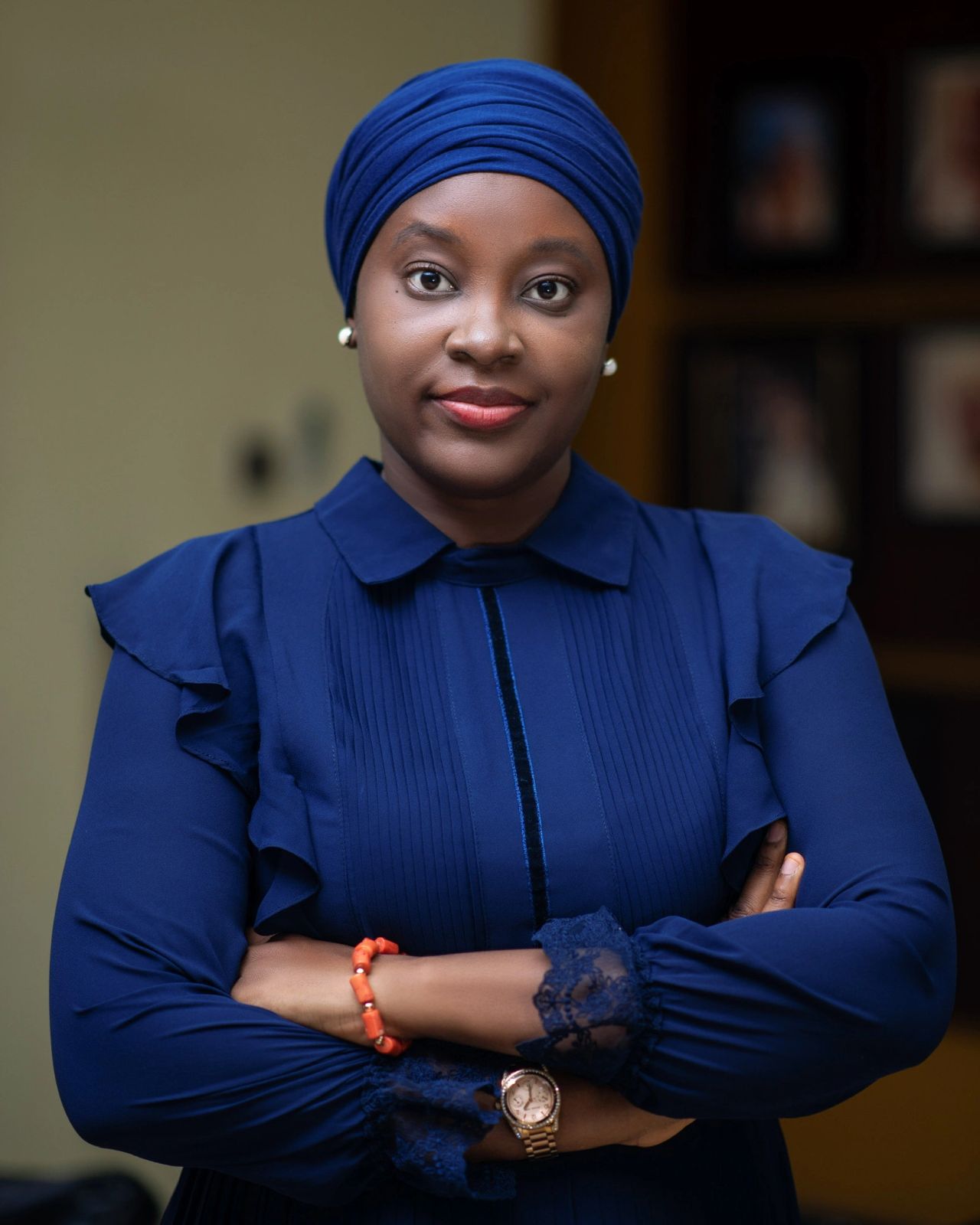
Khadijat, a prominent economist hailing from Nigeria, recently shared insights into her academic journey, research endeavors, and contributions to addressing economic challenges in Nigeria. In an interview with the International Economic Association (IEA), Khadijat discussed her upbringing, academic pursuits, and the motivation behind her research interests.

Growing up in Nigeria, Khadijat was inspired by her father, a lecturer, to pursue an academic career. Her fascination with economics stemmed from observing the collective efforts of her community towards development and the provision of public goods. With a determination to contribute to her country’s progress, she pursued a career in agricultural economics, focusing on development, food security, and rural digitalization.

In her recent research, Khadijat collaborated with colleagues at Cornell University to study the relationship between food price volatility and household food security in Nigeria. Their findings shed light on the impact of unexpected increases in food prices on household welfare, particularly concerning rice consumption and production dynamics. The research highlighted the need for policymakers to stabilize the macroeconomic environment and implement cautious policies to mitigate food price volatility.

Khadijat’s contributions extend beyond academic research. She also authored a chapter in the book “Socioeconomic Shocks and Africa’s Development Agenda,” which examines the cumulative effects of various economic shocks on Nigerian households’ welfare. The chapter emphasizes the importance of investing in policies that enhance the adaptive capacity of resource-poor households, particularly concerning agricultural and weather-related shocks.

Reflecting on the relevance of her research, Khadijat emphasized the escalating poverty rates and food security issues in Nigeria. She highlighted the necessity for evidence-based policies that support vulnerable populations, reinforce the social safety net, and invest in the agricultural sector to mitigate the adverse effects of economic shocks.

Khadijat also addressed the importance of racial diversity and inclusivity in economic research. She emphasized the benefits of collaborative efforts between researchers from the Global South and the Global North, noting that inclusivity enriches the field and leads to more comprehensive and innovative approaches to economic challenges.

As a leading voice in economic research, Khadijat continues to advocate for evidence-based policies and inclusive research practices to address socioeconomic challenges in Nigeria and beyond.

The World Bank is partnering with Smart Africa (www.SmartAfrica.org), to scale up the Smart Africa Digital Academy (SADA) initiative from a national to a regional focus as part of the Western Africa Regional Digital Integration Program (WARDIP), in a bid to advance regional integration of digital markets through a USD 20 million grant for 5 years.


This scale up will leverage on the existing SADA implementation and AReg4DT program to establish a new generation of policymakers and regulators across Africa, who are individually knowledgeable on how to harness the potential of green and inclusive digital transformation through new approaches to policy and regulation, and who collectively contribute to the establishment of a Single Digital Market in Africa.

With this aim, the scale-up will reach 30,000 unique policymakers and decision makers from all countries in Africa, with a targeted participation level of females at 40%.

Given the World Bank’s commitment to digital transformation in Africa, the grant will significantly contribute to regional integration and rapid adoption of the Single Digital Market for Africa.

Today, I am pleased to announce that SADA, our capacity building vehicle, is geared to reach a new milestone thanks to our key development partner, The World Bank

Launched by the Smart Africa Alliance from a seed money of about thirty thousand US dollars which saw the first implementation of an online training for policy and decision makers in August 2020, the Smart Africa Digital Academy (SADA) has made significant strides in advancing digital skills and fostering a dynamic learning ecosystem across Africa with initial grant support from Norwegian Agency for Development Cooperation (NORAD), the German Federal Ministry for Corporation and Development and Deutsche Gesellschaft für Internationale Zusammenarbeit (GIZ) GmbH (BMZ /GIZ).

SADA aims to bridge the digital skills gap in African countries, improving employability and meeting the emerging talent needs of African citizens. Since its inception, SADA has trained over 7000 beneficiaries across 35 countries in Africa on various digital transformation topics.

Commenting on the partnership with the World Bank, the CEO of Smart Africa, Mr. Lacina Koné highlighted “At the heart of the digital transformation lies the need to bridge the digital skills gap of our continent’s future and present workforce. Today, I am pleased to announce that SADA, our capacity building vehicle, is geared to reach a new milestone thanks to our key development partner, The World Bank”.

“DTfA/ WARDIP is a crucial step toward an interconnected, innovative, and inclusive future for West Africa. Beyond shaping a digital landscape, it aims to foster regional integration through collaboration and strategic investments”, said Boutheina Guermazi, World Bank Director for Regional Integration for Africa and the Middle East. “It will break down barriers, cultivate a dynamic digital ecosystem, and empower local communities and businesses to thrive in the digital age”.

As the implementation progresses, SADA will focus on competency-based skills training that allows a pipeline of talents to be created for the job market in Africa and beyond. Additionally, the COVID-19 pandemic, advocated the need to mainstream ICT and digital into Africa’s educational system, and this will be achieved through the training portfolio for teachers and children, which focuses on Science Technology Engineering Arts and Mathematics.

SADA acknowledges the need for a tiered approach to digital skilling in Africa and has five main target groups with a multifaceted approach of interventions to these target groups, namely: Policy and Decision Makers, Youth and Entrepreneurs, Teachers and Students, Digital Experts and the General public. It federates existing initiatives and leverages on the convening power of the Smart Africa Alliance to implement solutions that are co-created with the countries and in collaboration with prominent international and private sector organizations, including the World Bank, ITU, BMZ, GIZ, IEEE, GSMA, USTTI and major tech companies.

Canon EMEA (www.Canon-CNA.com), the world’s leading imaging company, continues its sponsorship of the Canon Young Champion of the Year category at the Global Good Awards for the fifth year running to highlight the achievements of young campaigners. Entries for the Canon Young Champion of the Year category open today, closing on 3 May.

The Canon Young Champion of the Year Award recognises young leaders who are driving positive change across any area of sustainability and use their examples to encourage others to take action. The award started as an extension of Canon EMEA’s Young People Programme (https://apo-opa.co/3P2mks8), which gives young people the knowledge, skills and confidence to tackle sustainability issues that matter to them using creativity and critical thinking.


Last year, Raheen Fatima and Manyasiri ‘Pear’ Chotbunwong were named the winners of the under 16s and under 21s categories. The judges praised Raheen’s work as an activist, which has seen her help to educate young people around the world on a range of topics, using the Sustainable Development Goals as a basis. To date, Raheen has taught more than 5,000 young people from 20 different countries.

Meanwhile, Manyasiri ‘Pear’ Chotbunwong, founder of feminine health non-profit organisation H.E.R. (Health. Equity. Respect) was recognised for her efforts in supporting women’s access to period products, education, healthcare and employment. Through her organisation, she has helped to distribute over 10,000 reusable and FDA-approved sugarcane fibre pads to women in five countries through partnerships with 30+ schools and NGOs.


Previous winners of the Canon category have gone on to represent Canon at global events including Expo 2020 Dubai and some of last year’s finalists featured in a TV and social media global video campaign with Warner Brothers Discovery brand, Cartoon Network

This is an important time to recognise young sustainability champions making a real difference in their communities


Peter Bragg, Canon EMEA Sustainability & Government Affairs Director said: “We’re delighted to be sponsoring the Global Good Awards for the fifth year running. I look forward to seeing applications over the next months highlighting the hard work and achievements of young sustainability campaigners. This is an important time to recognise young sustainability champions making a real difference in their communities”.

To determine this year’s Canon Young Champion of the Year Award winner, an inspiring bench of judges have been announced including Executive Director at UN Global Compact Network UK, Steve Kenzie, Sustainability advisor and author of Be the Change Books, Georgina Stevens, 2023 Canon Young Champion of the Year finalist Jodie Bailey-Ho, and photographer and Canon Ambassador, Laura El Tantawy.

Details on the Canon Young Champion of the Year category

The award is open in two categories – under 17s and under 25s – both of which are free to enter and welcome entries from participants of Canon Youth Programmes and for external youth activists. Judges will consider applications from more than one candidate per entry, for example where groups or siblings have worked together to campaign for a good cause. Entries are open now (https://apo-opa.co/3V2lzTB) and will close on 3 May 2024.

To apply, entrants must submit up to 1250 words, a personal video statement and as many as six captioned images that tell their story and the change they’ve been working towards. Using the United Nation’s Sustainable Development Goals (https://apo-opa.co/3P6nX82) as a guide, entries may focus on any form of social and environmental sustainability activism, whether it’s a local community project or a large, global initiative.

Winners of the Young Champion Award will receive a Canon EOS R50 Content Creator Kit and will be invited to a masterclass with a Canon Ambassador. Shortlisted finalists will also receive a certificate, sustainably made medal and a joint masterclass with a Canon Ambassador.

Entrants may submit an entry for themselves if they are over 18, or alternatively they can be nominated by a parent, guardian, company, or the charity or organisation which they are working with but must be an integral part of the application process.