


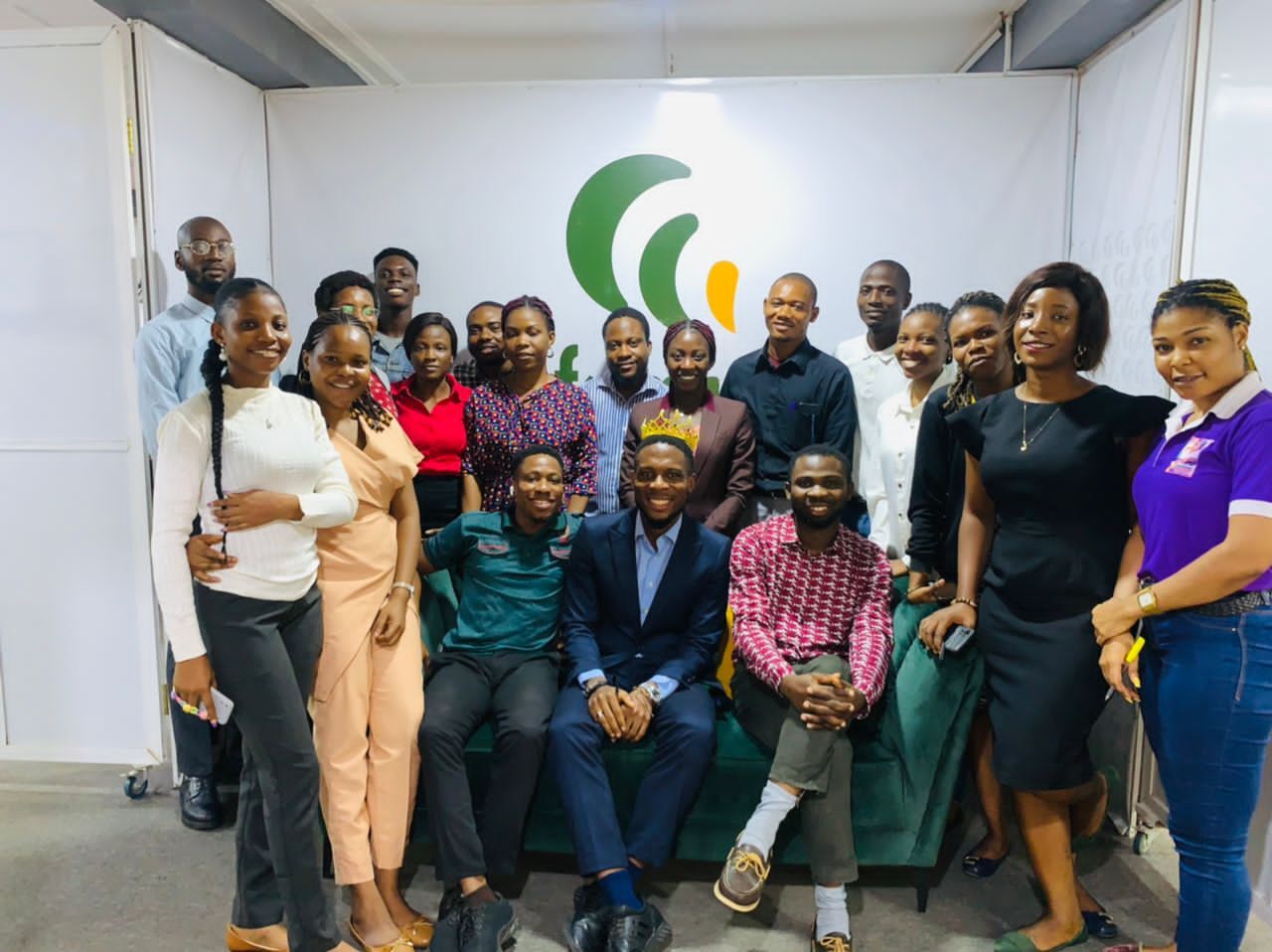
Nigeria’s agritech space continues to evolve, and one of the platforms consistently shaping how farmers access markets, inputs, and knowledge is Afrimash. What started as a focused effort to simplify access to agricultural products has grown into a full digital ecosystem that now touches multiple layers of the agricultural value chain—from input procurement to advisory services and market access.
At its core, Afrimash has been addressing a long-standing challenge in agriculture: fragmentation. For many farmers, especially smallholders, the process of sourcing quality inputs like seeds, fertilizers, equipment, or veterinary products has traditionally been slow, unreliable, and often dependent on informal networks. Afrimash’s digital marketplace changes this by connecting farmers directly with verified suppliers and manufacturers, helping reduce uncertainty and improving trust in the supply chain. The result is not just convenience, but better productivity outcomes because farmers can access the right inputs at the right time.
Beyond procurement, the platform has also expanded into advisory support, recognizing that access to inputs alone is not enough. Through digital channels and structured learning sessions such as webinars, farmers are able to receive practical guidance on farm management, productivity improvement, and best practices tailored to their specific needs. This layer of knowledge support helps bridge the gap between modern agricultural science and real-world farming conditions, particularly in rural communities where extension services are often limited.
Afrimash has also made a significant impact in market connectivity, which remains one of the most difficult challenges in African agriculture. Many farmers struggle not just with production, but with finding reliable buyers at fair prices. By building a digital linkage between farmers and off-takers, Afrimash improves visibility for farm produce and reduces post-harvest losses caused by market inefficiencies. This market-facing component strengthens income stability for farmers and encourages more investment in agricultural production.
Over time, the platform has evolved from a niche poultry-focused solution into a multi-category agribusiness ecosystem covering crops, aquaculture, and agricultural equipment. This expansion reflects a deeper understanding of the interconnected nature of the agricultural value chain, where improvements in one segment—such as input distribution—directly influence outcomes in production, logistics, and trade.

Afrimash’s growth has also been reinforced by partnerships with major development and sustainability organizations. Projects co-funded with institutions such as the World Bank and the Rocky Mountain Institute demonstrate its engagement with broader efforts to improve infrastructure and sustainability in agriculture, including the integration of energy solutions like minigrids that can support productive rural economies.
Similarly, collaboration with agencies such as USAID and GIZ through the Agent Network Programme highlights a practical approach to inclusion. By creating physical access points in remote areas, Afrimash ensures that farmers who may not be fully digitally connected are still able to benefit from modern agricultural services. This hybrid model—combining digital tools with on-the-ground presence—has been key to extending reach across underserved communities.
The platform’s scale also reflects its growing influence in Nigeria’s agribusiness ecosystem, with millions of items delivered, thousands of registered users and suppliers, and a steadily expanding network of farmers who rely on it for daily agricultural needs. Behind these numbers is a more human story: farmers who can now plan better, reduce waste, access markets more efficiently, and make more informed decisions about their farms.
From the perspective of its leadership, Afrimash has always been about simplifying agriculture through connectivity—bringing together producers, suppliers, and buyers in a way that reduces friction and builds trust. Over time, this vision has positioned the platform not just as a marketplace, but as a critical infrastructure layer within Nigeria’s agricultural value chain.
As digital agriculture continues to grow across Africa, Afrimash stands out as an example of how technology, when paired with partnerships and local understanding, can create meaningful value across every stage of the farming journey—from input supply to final market access.