The Honourable Minister of State for Defence, Dr. Bello Mohammed Matawalle, has provided President Bola Ahmed Tinubu with a comprehensive update on the security situation in the North-West region, following two operational tours in Sokoto State.

During the briefing at the Presidential Villa, Dr. Matawalle emphasized the successes of the Nigerian Military in tackling banditry and insurgency in the region. He praised the professionalism and commitment of the Armed Forces, noting that their efforts are pivotal to safeguarding the country.

Dr. Matawalle also commended President Tinubu’s administration for its consistent support in providing the military with essential resources. He reaffirmed the government’s commitment to strengthening the Nigerian Air Force (NAF) as a key component of its strategy to counter insecurity.

The Defence Minister’s visit to Sokoto was aimed at reassuring the public of the Federal Government’s efforts to restore peace. Alongside the Chief of Defence Staff and other military leaders, the tour resulted in the neutralization of several high-profile bandit leaders, including Halilu Buzu Sububu, demonstrating the government’s resolve to eliminate threats in the North-West.

Dr. Matawalle called on residents in Sokoto, Zamfara, Katsina, and Kebbi states to remain vigilant and cooperate with security agencies to ensure the continued success of ongoing operations.

In response, President Tinubu expressed satisfaction with the progress reported and lauded the military’s renewed drive to eliminate insecurity across the region and the nation at large.


The Honourable Minister of Defence, H.E. Mohammed Badaru Abubakar, CON, mni, held a high-level meeting with critical stakeholders, including opinion leaders, traditional rulers, security agencies, and local government chairmen from the areas most affected by insecurity in Plateau State. The meeting, which aimed to address ongoing security concerns in the region, focused on fostering peaceful coexistence and exploring solutions to the crisis.

During the engagement, the Minister expressed his satisfaction with the existing peace in several areas and called for its continued sustenance, particularly in Barkin Ladi, Riyom, Bokkos, Wase, and Bassa Local Government Areas. He urged farmers and herders to maintain peaceful relations and avoid resorting to violence, emphasizing the importance of harmonious coexistence for long-term stability.

Addressing Root Causes of Insecurity

Minister Badaru identified several factors contributing to the prolonged insecurity in the region, including the negligence of some local leaders, the exploitation of tensions by criminals, and ethno-religious conflicts. He stressed that overcoming these challenges requires proactive community engagement, credible intelligence gathering, and concerted efforts from all parties involved.

“The Federal Government is committed to deploying all available resources to ensure our people can sleep with their eyes closed,” the Minister assured the gathering, reinforcing the government’s dedication to restoring peace and security in Plateau State.

The Minister also welcomed suggestions from the stakeholders and reaffirmed the government’s commitment to implementing effective measures that will bring about lasting peace in the region. His call for collective action resonated with the stakeholders, who expressed readiness to collaborate with the government in ensuring stability.

Commendation for Security Personnel

Earlier in the day, Minister Badaru addressed senior officers, officers, and soldiers involved in the fight against insecurity in Plateau State. He conveyed the appreciation of President Bola Ahmed Tinubu and the entire Federal Government for their unwavering dedication and tireless efforts in restoring normalcy to the region.

“I am honoured to be here with you today to express gratitude for your tireless efforts in combating insecurity in Plateau State. The President has sent me to thank you and encourage you to continue doing more,” he said, applauding the military for their significant progress.

The Minister highlighted several key achievements in the fight against insecurity, including the recovery of large caches of weapons, ammunition, and the dismantling of local arms-producing factories. He urged the officers and soldiers to maintain their momentum and increase their efforts until the threat of insecurity is fully eradicated.

“Are you ready to end insecurity in Plateau? Your dedication is crucial. I will inform the President of your commitment,” he said, motivating the troops to stay focused on their mission.

State Government’s Support and Optimism

Representing the Executive Governor of Plateau State, H.E. Barr. Caleb Mutfwang, Brig. Gen. Gakji Shipi, the Special Adviser on Security and Homeland Safety, expressed optimism about the outcomes of the stakeholders’ meeting. He highlighted the positive developments that emerged from the discussions and reaffirmed the state government’s commitment to working closely with the military in their efforts to secure the region.

Brig. Gen. Shipi praised the significance of such dialogues in addressing the ongoing security challenges and reiterated the state’s support for the officers and men of the Nigerian Military.

The engagement between the Minister of Defence and stakeholders marks another step towards addressing the security challenges facing Plateau State, with a renewed focus on collaboration, dialogue, and the implementation of strategic solutions to ensure long-lasting peace and stability in the region.


The Director General of the National Information Technology Development Agency (NITDA), Kashifu Inuwa, was represented by Engr. Salisu Kaka, Director of the Digital Economy Development Department, at the National Summit organized by the National Secretariat of the Association of Local Government Service Commissions (ALGSC). The event, which took place at the Women Development Centre in Abuja, brought together key stakeholders from across Nigeria to discuss the pressing security and operational challenges confronting Local Government Councils (LGCs).

The summit, themed “Building Resilient Local Governments to Address Security and Contemporary Challenges,” sought to engage policymakers, local government administrators, and other key players in the local government ecosystem on innovative ways to tackle the growing issues of insecurity, inefficiency, and developmental roadblocks that impede the effectiveness of local governance across the country.

Engr. Kaka, in his capacity as a representative of NITDA, delivered a comprehensive paper titled “Digital Transformation: A Panacea to Digital Economy Inclusion at the Grass-Root Level.” In his presentation, Kaka emphasized the pivotal role that digital transformation can play in revolutionizing local government operations, particularly in strengthening local security mechanisms and enhancing service delivery to citizens at the grassroots level.

Digital Transformation as a Key to Local Government Resilience

Addressing the audience, Kaka underscored that digital transformation is no longer a luxury but a necessity in today’s world, especially in the public sector. He noted that integrating digital technologies into local government operations can bridge the gap between the federal government’s digital economy initiatives and the grassroots, ensuring that even the most remote local government areas (LGAs) are not left behind in Nigeria’s quest for a fully digital economy.

“Local Government Councils are the closest arm of government to the people, and they are critical to fostering inclusiveness, security, and development at the grassroots,” Kaka said. “By embracing digital transformation, we can enhance transparency, improve service delivery, and ultimately, build more resilient local governments capable of addressing the contemporary challenges they face today.”

Kaka further outlined that digital tools and platforms can serve as vital resources in the fight against insecurity at the local level. By leveraging advanced technologies such as data analytics, artificial intelligence (AI), and digital surveillance systems, local governments can better monitor and respond to security threats, thereby safeguarding their communities more effectively.

NITDA’s Commitment to Digital Economy Inclusion

Engr. Kaka reiterated NITDA’s commitment to supporting local governments in their digital transformation journey. Through various capacity-building programs, infrastructure support, and policy guidance, NITDA aims to ensure that local governments have the tools and knowledge necessary to fully participate in Nigeria’s growing digital economy.

He explained that NITDA’s mandate is closely aligned with the federal government’s broader vision of creating a fully digitized Nigeria where all citizens, irrespective of their geographical location, can benefit from the opportunities presented by the digital economy. Kaka assured the summit attendees that NITDA is ready to collaborate with local governments across the country to foster a seamless digital transformation process.

“Our goal is to ensure that no one is left behind as we transition into a digital economy. NITDA is actively working to support local governments by providing the infrastructure, training, and policy frameworks needed to integrate digital technologies into their day-to-day operations,” Kaka stated.

Stakeholder Engagement and the Way Forward

The summit also featured robust discussions and breakout sessions where stakeholders explored various challenges currently facing local government councils, including inadequate infrastructure, poor service delivery, and rising insecurity. Participants noted that while digital transformation holds immense potential for addressing these issues, a strong commitment to policy implementation and collaboration between federal, state, and local governments is essential for success.

Kaka’s presentation received widespread commendation from attendees, many of whom expressed their support for the initiative and pledged to work closely with NITDA to bring the vision of a digitally inclusive local government system to reality.

In his closing remarks, Kaka urged local government administrators to take proactive steps in adopting digital solutions, stressing that the future of effective governance at the grassroots lies in the ability to adapt to the digital age.

Conclusion

The National Summit on Local Government Service Commissions was a significant step towards addressing the multi-faceted challenges confronting local governments in Nigeria. With the focus now shifting towards digital transformation as a tool for achieving resilience, NITDA’s advocacy for digital economy inclusion at the grassroots has set the stage for further engagement between local governments and digital economy stakeholders.

As the country moves forward in its digital transformation agenda, the role of local governments will be pivotal in ensuring that the benefits of a digital economy are felt at every level of society. Through partnerships with agencies like NITDA, local governments are poised to not only improve service delivery but also contribute to national efforts to build a secure, inclusive, and economically vibrant Nigeria.


 

In a remarkable display of agricultural innovation, Iloabuchi Mbah, an Enugu-based farmer, has successfully cultivated a variety of vegetables once thought unsuitable for the Southeastern region of Nigeria. His achievements, including the cultivation of Purple and White Cabbages, Red Carrots, Broccoli, and Cauliflower, challenge the long-standing belief that the Southeast lacks the conditions necessary to grow such crops. This successful harvest not only proves the viability of vegetable farming in the region but also offers new hope for boosting food security across the country.

Mbah’s farm pilot, carried out in the fertile plains of Enugu, has garnered widespread attention for its unprecedented results. Despite the misconception that certain vegetables require cooler climates or soil conditions not typically found in the Southeast, Mbah demonstrated that with the right techniques and commitment, farmers in the region can cultivate a broad spectrum of vegetables. His experience has reignited discussions about the potential of agriculture as a key driver of economic growth in a region where food production has often been overshadowed by commerce and industry.

In a social media post showcasing his harvest, Mbah expressed his excitement over the thriving crops and shared his vision of inspiring others to explore local food production. “This isn’t about sales—everything is already sold out,” Mbah remarked, highlighting that the success of his pilot project had gone beyond financial gains. His primary goal was to encourage others to believe in the power of self-sustenance through agriculture. He emphasized the importance of taking small but impactful steps toward sustainable farming, even for those without large plots of land.

His message, posted on World Food Day, resonated deeply, especially given the increasing importance of food security in Nigeria. Mbah’s call to action focused on empowering individuals to take control of their food supply by starting small—whether by planting a home garden, growing a few crops, or even raising livestock. “To free ourselves, we must feed ourselves,” Mbah stated, urging Nigerians to embrace farming as a way of fostering resilience and reducing dependence on external food sources. This sentiment speaks to the growing recognition that agricultural self-sufficiency is a critical factor in tackling hunger, especially in times of global uncertainty.

Mbah’s success story comes at a time when Nigeria, like many other countries, is grappling with the challenge of ensuring food security in the face of fluctuating global food prices, climate change, and population growth. His project in Enugu not only demonstrates the adaptability of crops to the Southeastern environment but also sets a precedent for other farmers in the region. It offers practical evidence that agricultural diversification is possible, even in areas not traditionally known for such farming practices.

Moreover, Mbah’s achievements are part of a larger movement within Nigeria to promote food independence and encourage citizens to embrace agriculture as a viable and sustainable livelihood. His experience challenges both local and national narratives, proving that with the right agricultural practices, Nigeria’s Southeastern region can play a crucial role in the nation’s food production landscape.

In addition to his success, Mbah urged his peers and community members to come together in a collective effort to build a sustainable food system. He called for more support for farmers, including access to resources, training, and investment, so that more people can follow in his footsteps. His farming experiment underscores the fact that while the road to food independence may be challenging, it is a journey worth pursuing for the betterment of the nation.

Mbah’s message stands as a powerful reminder that agriculture, when approached with determination and the right techniques, can thrive in any part of Nigeria. His success in Enugu is proof that the Southeast can—and should—become a hub for vegetable farming, contributing to the nation’s broader goals of food security and agricultural sustainability.

By Nwosu Anthony Emeka

#NgwoRocks #Ngwo #Enugu #EnuguState #Nigeria #FoodSecurity #SoutheastAgriculture #WorldFoodDay

Nigerian-American actress Ayo Edebiri, who traces her roots to the Edo tribe of Nigeria, has taken the Hollywood awards season by storm, securing four prestigious honors in just two weeks. Her meteoric rise to stardom was highlighted by an unprecedented streak, where she clinched three major awards in the span of just seven days.

Edebiri first garnered widespread recognition by winning an Emmy Award for Supporting Actress in a Comedy, a testament to her outstanding performance and comedic talent. Days later, she was honored with a Golden Globe Award for Best Television Actor in a Comedy or Musical, further solidifying her status as a versatile and beloved actress in the television world.

Capping off an extraordinary week, Edebiri also claimed the Critics’ Choice Award for Best Actress in a Comedy, affirming her position as one of the most sought-after talents in the entertainment industry.

Not resting on her laurels, the actress went on to add another prestigious accolade to her collection just days later. She was awarded the Screen Actors Guild (SAG) Award for Outstanding Performance by a Female Actress, crowning an impressive two-week run that has left Hollywood and fans worldwide in awe.

Edebiri’s achievements not only highlight her exceptional talent but also underscore her impact as a rising star of African heritage in Hollywood, representing a new wave of global recognition for Nigerian talent in the film and television industry.


Engr. Roberta Edu, tech enthusiast and founder of Moppet Baby Formula, a leading indigenous baby food company, has spoken on the importance of digitization in modern business practices. In a recent discussion, Edu highlighted how even small neighborhood businesses can benefit from integrating digital tools, emphasizing that digitization is not only for large enterprises or those targeting global markets.

Edu shared an inspiring example of a woman in her neighborhood who sold high-quality stockfish, pepper, egusi, and other foodstuffs part-time. The seller, a young mother balancing her career and family life, initially struggled with theft by sales assistants and eventually had to stop using them, managing the shop herself whenever possible. However, this approach severely limited her operating hours, leaving her customers waiting and her business stagnant.

“One day, while we were out for an early morning walk, she told me she had to stop the business because she couldn’t find trustworthy help and her schedule didn’t allow her time to manage it. I laughed and asked her, ‘Why not digitize it?’” Edu recalled.

Initially, the businesswoman dismissed the idea, believing that digitization was only relevant for larger, more complex businesses. However, Edu offered a simple and cost-effective solution that didn’t require a website or expensive infrastructure – just optimizing her business through WhatsApp for Business, aided by AI tools.

Edu set up an automated system where the seller’s customers could view a list of products, complete with images, through WhatsApp. Payments could be made via bank transfers or linked to Paystack for card payments. Delivery details were added, and once orders were placed, customers received confirmation and could pick up their goods from a neighboring shop where the packages had been sealed and prepared for collection.

With this system, the shop operated more efficiently without requiring full-time supervision. The business owner could manage orders, track inventory, and ensure deliveries without having to be physically present, allowing her to balance her business and personal life.

Now, the once-struggling businesswoman is seeing a surge in orders and is considering hiring a sales assistant to manage deliveries and customer pick-ups.

Edu concluded, “Stop doing business like it’s 1970. Innovate or give excuses. Digitization is real, and it’s here to stay.”

Her success story demonstrates that even the simplest digital tools can revolutionize small, local businesses, enabling growth and sustainability without compromising on personal time. Edu’s approach is a powerful reminder that digitization is not limited to the global market; it can transform even neighborhood-based enterprises.

Anthony Emeka Nwosu


Ethnos Cyber, a prominent indigenous cybersecurity firm based in Lagos, marked this year’s Cybersecurity Awareness Month with an extensive capacity-building initiative aimed at fostering a robust cybersecurity culture both within and outside the organization. The event underscored Ethnos Cyber’s commitment to enhancing cybersecurity knowledge and preparing individuals and organizations to defend themselves against growing cyber threats in the digital landscape.

Held throughout the month of October, globally recognized as Cybersecurity Awareness Month, the initiative was centered on empowering people to adopt best practices for online security. The highlight of Ethnos Cyber’s engagement was a comprehensive Knowledge Sharing Session (KSS), which saw employees and stakeholders participate in an immersive learning experience designed to bolster internal cybersecurity practices.

Speaking at the event, Peter Ejiofor, the Chief Executive Officer of Ethnos Cyber, reiterated the importance of investing in people when it comes to building strong cybersecurity defenses. “In the spirit of Cybersecurity Awareness Month, we understand the immense value of educating individuals and equipping them with the right knowledge to stay secure online. However, our greatest priority is our people,” Ejiofor said. “As cybersecurity experts, we know that an organization’s security is only as strong as its weakest link. That’s why we designed this KSS to be an informative, engaging, and fun experience for everyone involved.”

The Knowledge Sharing Session was an integral part of the month-long celebration, where Ethnos Cyber’s employees gathered to share insights on current cybersecurity trends, best practices, and cutting-edge solutions. The session was not limited to presentations; it also featured interactive segments, including a cybersecurity quiz that added a competitive and enjoyable element to the learning experience. This approach highlighted the company’s innovative take on internal training, blending education with engagement to ensure long-term retention of critical knowledge.

“Cybersecurity is not just about the technology we deploy but about the people who implement and use it,” Ejiofor noted. “Our internal KSS was a testament to the fact that investing in our team’s knowledge is paramount to maintaining the highest level of security for our clients. It was eye-opening, exciting, and laid the groundwork for more collaborative learning initiatives moving forward.”

In addition to the internal initiatives, Ejiofor pointed out the broader impact of Ethnos Cyber’s expertise on the African cybersecurity landscape. “We provide some of the best cybersecurity solutions available, and our clients trust us for our deep expertise in areas like information security, risk management, compliance, and threat monitoring. Our team’s wealth of experience in security architecture and operations is unparalleled, and we are proud to extend these solutions to clients across Africa.”

Ethnos Cyber’s influence goes beyond its headquarters in Lagos, with the firm’s partnerships and collaborations extending across several countries. The company has a growing international footprint, thanks to its partnerships with global technology leaders and its consistent delivery of excellence in cybersecurity solutions.

“As a leader in cybersecurity in Africa, we take our role very seriously,” Ejiofor added. “We understand the industry’s problems, and we are proactive in delivering solutions that not only meet but exceed global standards. Our reputation as a trusted partner in the fight against cyber threats speaks for itself.”

Ethnos Cyber’s commitment to cybersecurity is evident in its unwavering focus on building long-term relationships with its clients by delivering tailored solutions that address their unique needs. The firm’s ongoing efforts to create awareness about cybersecurity threats and best practices also extend to the larger public, with plans for more outreach programs in the near future.

The Cybersecurity Awareness Month celebration at Ethnos Cyber marks another milestone in the company’s journey towards creating a safer digital environment for businesses across Africa. With increasing cyber threats globally, initiatives like these are crucial in reinforcing the importance of cybersecurity at both organizational and individual levels.

Ethnos Cyber is Africa’s leading cybersecurity and compliance management firm, providing cutting-edge solutions in information security, risk management, cybersecurity, and compliance management. With an extensive footprint across the continent and partnerships with global technology leaders, Ethnos Cyber delivers industry-leading services to protect organizations from the most sophisticated cyber threats. The company’s team of experts brings deep, diverse experience in security architecture, design, operations, and threat monitoring, making Ethnos Cyber a trusted partner in safeguarding digital assets across multiple sectors.

Anthony Emeka Nwosu

“As a leader in cybersecurity in Africa, we take our role very seriously,” Ejiofor added. “We understand the industry’s problems, and we are proactive in delivering solutions that not only meet but exceed global standards. Our reputation as a trusted partner in the fight against cyber threats speaks for itself.”


Cloudera unveils AI-powered innovations and hybrid cloud advancements to accelerate digital transformation across the Middle East

Cloudera, the only true hybrid platform for data, analytics, and AI, will showcase its latest advancements at GITEX Global Dubai 2024, the Middle East’s premier technology event. With enterprises in the region rapidly embracing cloud and AI technologies, Cloudera is set to spotlight innovations designed to meet the unique demands of Middle Eastern businesses seeking scalable, secure, and efficient solutions for data management and AI-driven digital transformation.


As the region’s digital economy continues to grow, organisations are leveraging hybrid cloud environments to enhance productivity, ensure regulatory compliance, and unlock the value of their data. According to a recent study by Cloudera, 71% of organisations in the Middle East already use the public cloud, and 86% plan to move more data to the cloud in the next few years, driven by the need for flexibility, data sovereignty, and security.


At GITEX Global 2024, Cloudera will present its cutting-edge solutions, including the newly launched Cloudera AI Inference Service, as part of the NVIDIA AI Enterprise platform. This service accelerates the deployment and management of large-scale AI models by up to 36x, providing enterprises with a secure, scalable, and high-performance foundation to advance GenAI from pilot stages to full-scale production.


Key innovations that Cloudera will highlight at GITEX include:


  • Cloudera AI Inference: Leveraging NVIDIA’s Tensor Core GPUs and embedded NIM microservices, Cloudera AI Inference provides 4x throughput over traditional CPUs for large language models (LLMs) and AI applications, enabling the rapid development of virtual assistants, AI-driven chatbots, and natural language processing solutions.
  • True Hybrid Cloud Vision: Cloudera continues to drive its vision of true hybrid cloud environments with a unified data, analytics, and AI platform. This platform allows seamless movement of data and workloads across on-premises and cloud environments, ensuring security, scalability, and compliance with local data regulations.
  • Open Data Lakehouse Architecture: Combining the flexibility of data lakes with the high performance of data warehouses, Cloudera’s data lakehouse supports hybrid and multi-cloud environments, making it easier for enterprises to manage their complete data estate.
  • Enhanced Security and Governance: With a focus on privacy and governance, Cloudera offers enterprise-grade features like access control, service accounts, auditing, and lineage management, ensuring that data and AI models are deployed securely and efficiently.

Karim Azar, Regional Vice President of Middle East, Turkey & Africa at Cloudera, said, “The Middle East is undergoing a tremendous digital transformation, with hybrid cloud playing a key role in unlocking new business models and driving efficiency. Our participation in GITEX 2024 underlines our commitment to helping regional enterprises harness the full potential of their data with our hybrid data platform, AI capabilities, and scalable cloud technologies.”


As industries in the region accelerate their AI and cloud adoption, Cloudera is positioned to address key challenges like data sovereignty, compliance risks, and AI governance. Deloitte’s recent findings show that while GenAI adoption is advancing, with over two-thirds of organisations increasing their GenAI budgets, compliance risks and governance are significant barriers. Cloudera’s platform mitigates these concerns, providing businesses with a trusted, private AI deployment solution.


In addition to AI-driven innovations, Cloudera’s Hybrid Control Plane will be on display, showcasing how businesses can gain a “single pane of glass” view for monitoring, governing, and optimising deployments across hybrid environments. This unified approach helps Middle Eastern enterprises navigate the complexities of hybrid cloud management, ensuring operational continuity and enhanced business agility.


GITEX attendees can experience live demos, attend thought leadership sessions, and interact with Cloudera experts, gaining insights into how Cloudera’s solutions transform data into actionable insights.


Join Cloudera at GITEX Global 2024 at Stand No. H9-A10 in Hall 9 and explore how the company’s innovations power the future of AI and hybrid cloud across the Middle East.


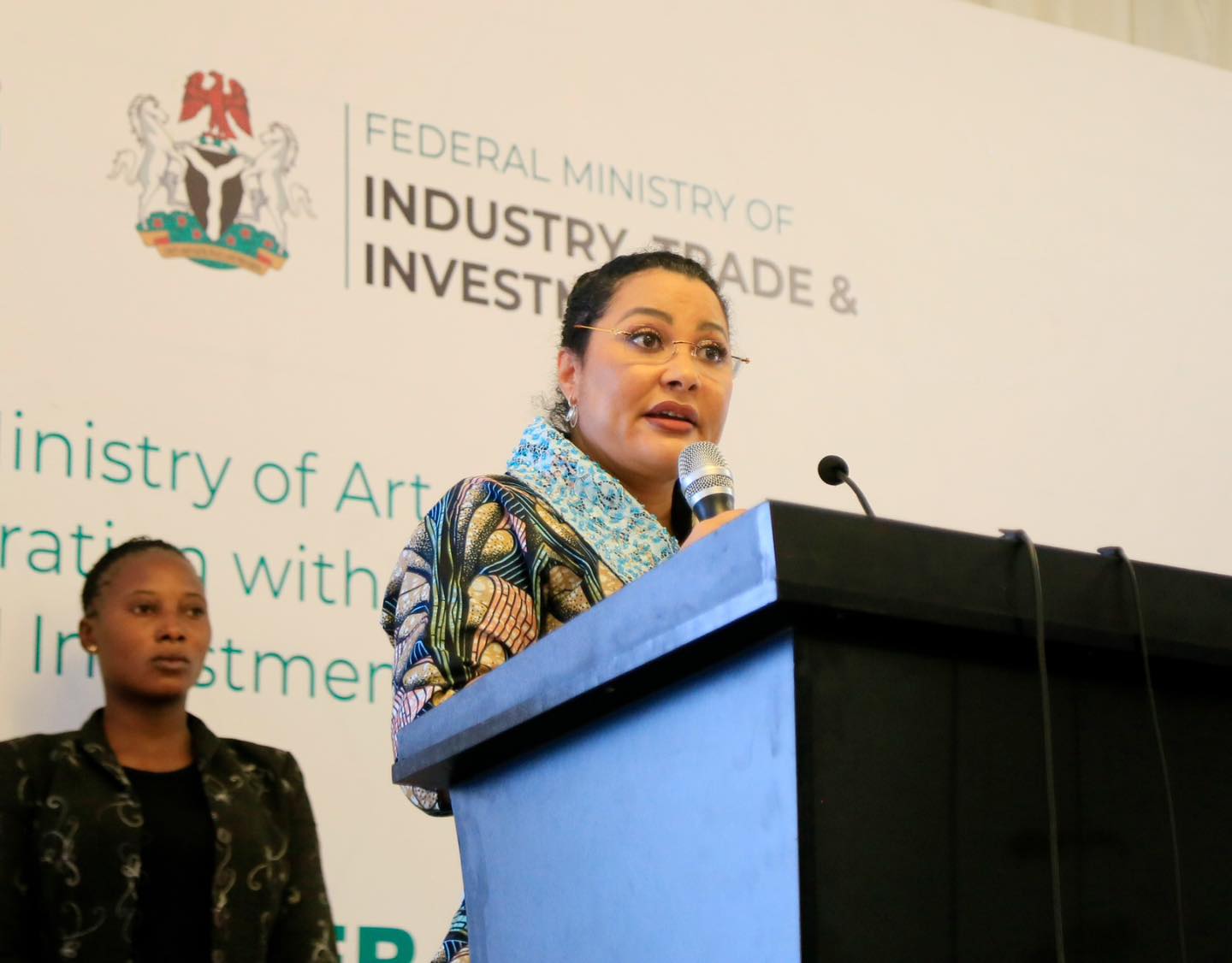
The Federal Government of Nigeria is intensifying its efforts to protect intellectual property rights with the revalidation of the National Intellectual Property Policy and Strategy Paper. Spearheaded by the Federal Ministries of Industry, Trade and Investment, Culture and Creative Economy, in collaboration with the Federal Ministry of Justice and the Federal Ministry of Health and Social Welfare, this initiative aims to produce a comprehensive policy document that will effectively safeguard the intellectual assets of Nigerians.

At a one-day workshop organized to discuss the policy, Dr. Doris Anite, Minister of Industry, Trade and Investment, emphasized the importance of this revalidation process. “Although the document was finalized in 2022, revalidation is necessary to address grey areas and incorporate emerging trends in intellectual property rights, ensuring alignment with global best practices,” Dr. Anite remarked during her opening speech. She further underscored the significance of intellectual property (IP) protection for the nation’s economic growth and development, highlighting that such a policy provides clear direction on ownership rights to original inventions, innovations, and creative works. “This mitigates financial risks while maximizing the benefits of commercialization,” she added.

Dr. Anite also assured that President Bola Ahmed Tinubu’s administration is fully committed to upholding the intellectual property rights of Nigerians, underscoring the administration’s dedication to protecting and promoting local innovations.

In support of this sentiment, Hanatu Musawa, the Minister of Culture and Creative Economy, stressed the timeliness of the revalidation and the imminent launch of the updated policy. “Nigeria is globally recognized for its intellectual prowess across various fields. It is crucial to establish a solid national intellectual property policy that protects our innovations,” she said. Musawa also pointed to the wide array of Nigerian contributions, from new medicines and industrial processes to music compositions and literary works, as key pillars that enrich society. “Our culture, traditions, food, and produce need protection and marketing, which requires robust policy support,” she affirmed.

Ambassador Nura Rimi, Permanent Secretary of the Federal Ministry of Industry, Trade and Investment, praised the dedication of all stakeholders involved in the revitalization of the policy. He noted that the revised policy framework would address pressing issues such as piracy and intellectual property theft, both of which have long plagued various sectors of Nigeria’s economy. “It is essential for Nigeria to have a comprehensive and effective policy to protect and promote our intellectual assets,” Rimi said.

The workshop also served as a platform to validate the review conducted by inter-ministerial committees established by the Ministers of Industry, Trade and Investment, and Culture and Creative Economy. The final version of the policy will be presented to the Federal Executive Council for approval.

Development partners who attended the workshop’s opening session unanimously supported the revalidation effort. They highlighted the importance of a formidable intellectual property protection policy for a country like Nigeria, which is widely recognized for its talent and innovations on the global stage. The new policy document is expected to be launched in the third week of October, marking a significant milestone in Nigeria’s journey towards safeguarding its intellectual capital.

Dr. Adebayo Thomas, Director of Press and Public Relations for the Federal Ministry of Industry, Trade and Investment, confirmed the commitment to advancing Nigeria’s intellectual property framework as a key driver for economic growth and sustainable development.


In a bid to advance the implementation of the international cooperation and collaboration pillar of the Nigeria Data Protection Roadmap, Dr. Vincent Olatunji, the National Commissioner and CEO of the Nigeria Data Protection Commission (NDPC), held a strategic meeting with Lori Baker, Vice President of Data Protection and Regulatory Compliance at the Dubai Data Privacy Body. The meeting took place at the Dubai International Financial Centre (DIFC), one of the world’s most renowned financial hubs.

The discussions centered on fostering closer ties between Nigeria and Dubai in the areas of data protection and privacy, with a focus on knowledge exchange, capacity building, and raising awareness of data privacy regulations. Both parties acknowledged the rapid evolution of the data privacy landscape and the critical need for collaborative efforts to enhance regulatory frameworks and operational standards in their respective jurisdictions.

Dr. Olatunji and Baker explored various ways their organizations could cooperate to promote a secure and compliant data privacy ecosystem. This includes initiatives for sharing expertise, training professionals, and building technical capacity to drive data protection efforts at all levels of governance and business operations.

The meeting culminated in a productive outcome, as both parties agreed to develop a Memorandum of Understanding (MoU) to formalize their cooperation. This MoU will outline specific actions and initiatives aimed at kickstarting collaborative activities between the NDPC and Dubai’s Data Privacy Body. The partnership is expected to not only strengthen Nigeria’s data protection efforts but also position it as a key player in the global data privacy community.

The meeting marks a significant step forward in Nigeria’s efforts to align its data protection strategies with global standards, as international collaboration becomes increasingly essential in an interconnected world.


ANTHONY EMEKA NWOSU