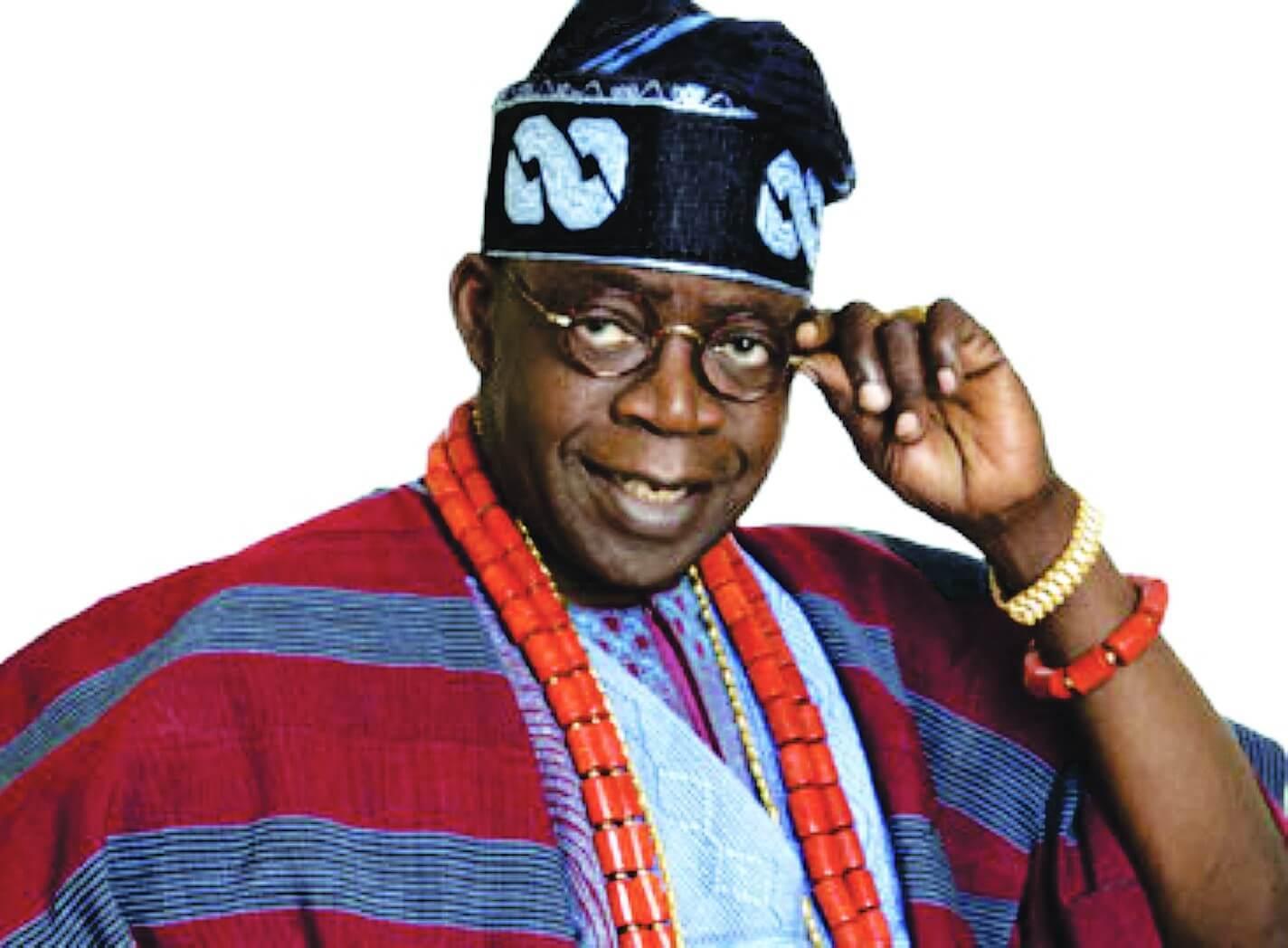
In response to the National Economic Council’s (NEC) recommendation for further consultation on tax reform bills, President Bola Tinubu has chosen to uphold the legislative process. He believes the National Assembly, currently reviewing the bills, provides ample room for public contributions and modifications without retracting the bills. President Tinubu expressed appreciation for the NEC’s advice, especially acknowledging Vice President Kashim Shettima and the state governors’ role.

President Tinubu encourages the NEC to allow the legislative process to progress fully while welcoming stakeholder engagement to address any reservations during the bill’s consideration. He emphasized that his goal since establishing the Presidential Committee on Tax and Fiscal Policy Reform in August 2023 has been to create a more productive and investment-friendly economy, a mission that remains essential.

Following over a year of extensive research and public input, including contributions from various sectors, the Committee presented four major tax bills to streamline and modernize Nigeria’s tax administration, with objectives aligned to global standards. Here are the bills’ key highlights:

1. The Nigeria Tax Bill aims to reduce multiple taxation and foster economic competitiveness by simplifying tax obligations.

2. The Nigeria Tax Administration Bill (NTAB) proposes a standardized approach to tax administration, simplifying compliance and enhancing revenue collection across federal, state, and local governments.

3. The Nigeria Revenue Service (Establishment) Bill intends to restructure the Federal Inland Revenue Service (FIRS) as the Nigeria Revenue Service (NRS), reflecting its national mandate.

4. The Joint Revenue Board Establishment Bill aims to create a Joint Revenue Board, replacing the Joint Tax Board, with federal and state tax authorities unified. The bill also introduces an Office of Tax Ombudsman under the Joint Revenue Board to protect taxpayer rights and streamline dispute resolution.


These reforms aim to coordinate Nigeria’s federal, state, and local tax operations, addressing long-standing inefficiencies and overlapping functions. By consolidating major taxes, including Corporate Income Tax, Personal Income Tax, Capital Gains Tax, Petroleum Profits Tax, Value-Added Tax, and excise duties, the bills propose an integrated structure to simplify tax administration.

While specific aspects of these reforms may be subject to debate, there is broad agreement on the need for updates to support Nigeria’s development goals. President Tinubu reiterates his respect for the NEC’s guidance and its vital role in shaping Nigeria’s economic policies.


Akwa Ibom State has launched a notable development initiative outside its borders, breaking ground on an 18-story building, the Ibom Towers, in Lagos. The project has stirred discussions around its location, with some questioning why the state would invest in infrastructure outside Akwa Ibom. Governor Umo Eno clarified the motivation behind the decision, describing it as a strategic move aimed at diversifying Akwa Ibom’s economy and establishing new revenue sources.

Speaking at the groundbreaking event, Governor Eno stated, “Today, as part of our efforts to diversify Akwa Ibom’s economy, we marked the groundbreaking of the 18-story Ibom Towers in Lagos. This project, expected to be completed in 24 months, will drive substantial revenue growth and economic ties between Akwa Ibom and Lagos States.”

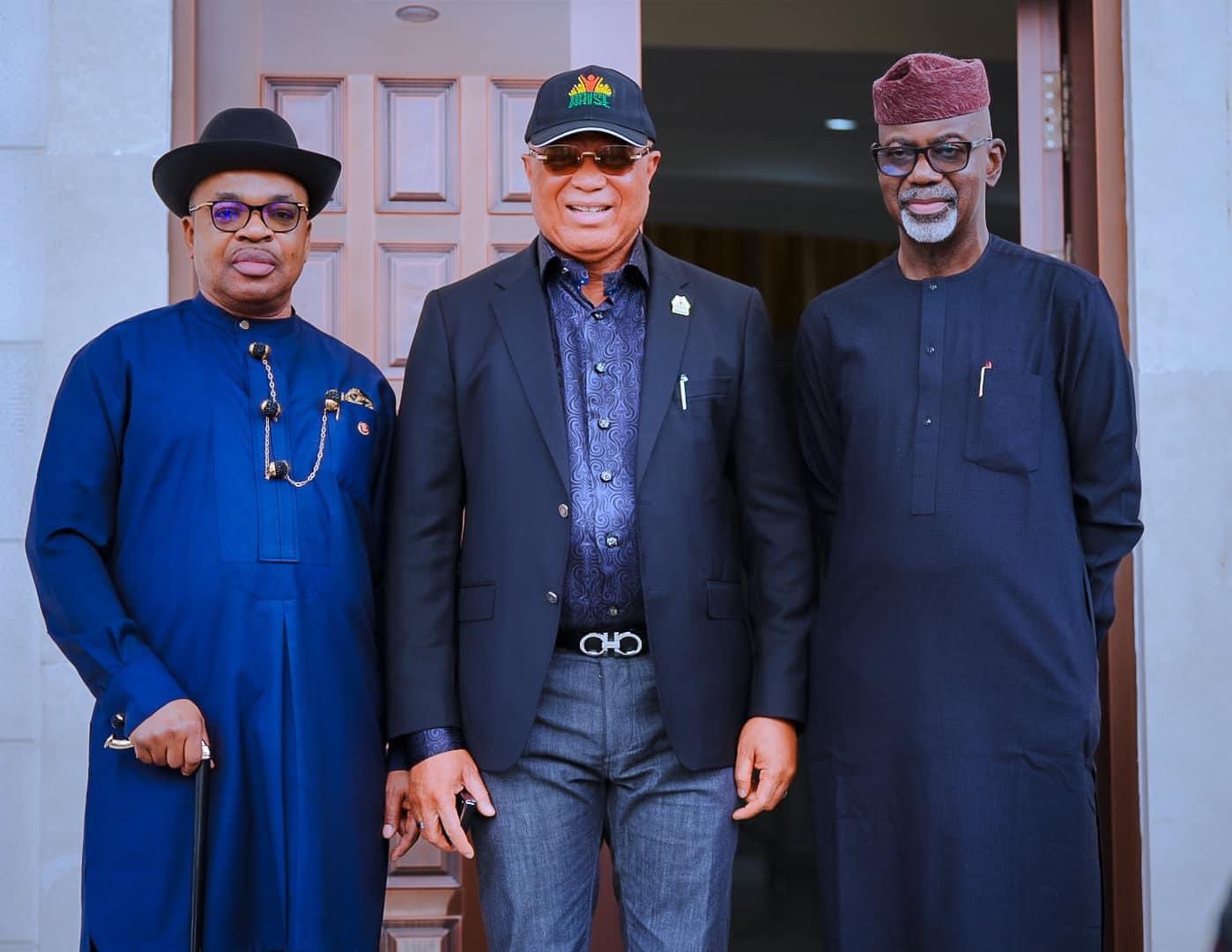
The governor extended gratitude to Lagos State Governor Babajide Sanwo-Olu, who led the ceremony, as well as to former Akwa Ibom Governors Udom Emmanuel, CON, and Obong Victor Attah for their support. Positioned as a high-tech, income-generating venture, Ibom Towers will include luxury apartments, gyms, pools, and smart building technology, aimed at drawing urban professionals and generating revenue through property leases and tourism. This project is also anticipated to boost the GDP of both Akwa Ibom and Lagos States.

Among the esteemed guests at the ceremony were the Oba of Oniru, HRM Oba Abdulwasiu Omogbolahan Lawal, His Eminence Ntenyin Solomon Etuk, Speaker Udeme Otong, AKICORP MD Imo-Abasi Jacob, and several traditional rulers, all showing support for the landmark project.

In closing, Governor Eno described the Ibom Towers as a forward-thinking investment for both states, aimed at laying the groundwork for a thriving and diversified economy.


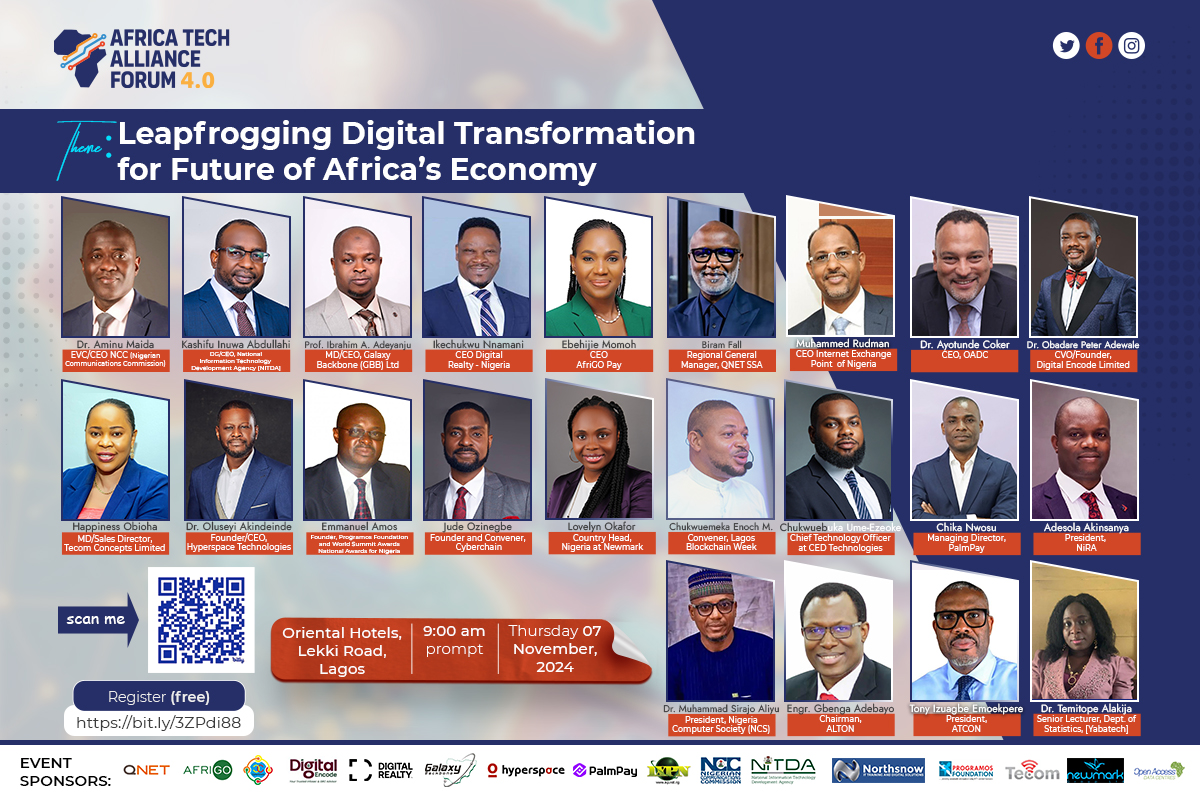
The organizers of Africa Tech Alliance Forum [AfriTECH 4.0] have announced the distinguished lineup of speakers for this year’s Forum themed: “Leapfrogging Digital Transformation for Future of Africa’s Economy”.


Scheduled to hold on Thursday, November 07, 2024 at Oriental Hotels, Lekki, Lagos, Nigeria, AfriTECH 4.0 [https://africatechallianceforum.africa/] will bring together leading voices in technology, telecommunications, ecommerce, software, finance, emerging technologies and government to explore key innovations and challenges shaping Africa’s digital transformation.


AfriTECH has become one of Africa’s most anticipated technology events, and the 2024 edition will feature a stellar lineup of industry experts, innovators, and policymakers who will provide insights into how emerging technologies are propelling Africa’s digital economy.


Special Guests:

Dr. Aminu Maida, a distinguished leader in telecommunications and digital transformation, serves as the Executive Vice Chairman of the Nigerian Communications Commission (NCC).


With over two decades of experience in the ICT sector, Maida has become a pivotal figure in driving Nigeria’s digital economy, overseeing regulatory frameworks and initiatives that foster innovation, investment, and inclusivity in Nigeria’s telecom industry.


Kashifu Inuwa Abdullahi, CCIE, is a transformative leader in Nigeria’s technology landscape, currently serving as the Director General of the National Information Technology Development Agency (NITDA).


Under his guidance, NITDA has driven impactful initiatives supporting Nigeria’s digital economy, fostering innovation, digital skills development, and creating an enabling environment for tech startups and entrepreneurship.


He will deliver the keynote address at AfriTECH 4.0.


Professor Ibrahim Adepoju Adeyanju is the CEO of Galaxy Backbone, a key government-owned technology and digital infrastructure company. Under his leadership, Galaxy Backbone focuses on strengthening Nigeria’s digital ecosystem by providing secure and innovative ICT infrastructure to government agencies and businesses, supporting national development and e-governance initiatives.


Biram Fall, the Regional Managing Director, QNET, a leading e-commerce-based direct selling company.


In his role, Mr. Fall oversees QNET’s operations and growth strategies across several markets, focusing on enhancing regional reach and ensuring the company aligns with local business needs.


Known for his expertise in direct-selling and his commitment to sustainable business practices, Fall has been instrumental in expanding QNET’s footprint in Africa and other emerging markets.


Ebehijie Momoh is a renowned financial services leader with over 20 years of experience in banking and payment technology, currently serving as CEO of AfrigoPay Financial Services Limited, where she leads the company’s mission to provide innovative payment solutions across Africa.


With a background in financial services and a deep understanding of digital payments, Momoh brings extensive experience to her role, focusing on transforming the financial landscape through accessible, secure, and efficient payment systems.


Her leadership emphasizes financial inclusion, driving AfrigoPay’s efforts to reach underserved communities and promote economic empowerment across the continent.


Dr. Muhammed Sirajo Aliyu is a visionary leader in Nigeria’s information technology sector. He is the incumbent President of the Nigeria Computer Society (NCS), the foremost association of IT professionals in Nigeria.


With an extensive background in computer science, IT governance, and digital innovation, Dr. Aliyu brings over 25 years of experience to his role, where he champions the advancement of technology and professional development within Nigeria’s IT ecosystem.


Dr. Temitope Alakija, a renowned academic and statistician, is a Senior Lecturer in the Department of Statistics at Yaba College of Technology [Yabatech] Lagos. With a deep expertise in data science, statistical analysis, and quantitative research, Dr. Alakija is dedicated to advancing the field of statistics and training future leaders in data-driven decision-making.


Holding a PhD in statistics and with numerous publications, Dr. Alakija’s research contributions have significantly influenced both academia and industry, particularly within Africa. Her commitment to academic excellence and her role in fostering a data-literate society make her a highly respected figure in the statistical community.


Adesola Akinsanya – President, Nigeria Computer Society (NCS). He is a distinguished leader in Nigeria’s technology sector and the President of the Nigeria Computer Society (NCS), the premier organization for IT professionals in the country. With a robust background in computer science, information technology, and digital strategy, Akinsanya brings decades of expertise to his role, where he advocates for technological innovation, professional growth, and policy advancement in Nigeria’s IT landscape.


Engr. Gbenga Adebayo, Chairman, Association of Licensed Telecommunications Operators of Nigeria (ALTON). Engr. Adebayo is a prominent figure in Nigeria’s telecommunications industry, with over 25 years of experience in telecom and ICT. He is known for his advocacy for industry development, regulatory reform, and the provision of accessible telecommunications services across Nigeria.


Tony Izuagbe Emoekpere – President, Association of Telecommunications Companies of Nigeria (ATCON). With an extensive background in telecom management, digital strategy, and regulatory advocacy, Emoekpere is dedicated to advancing Nigeria’s telecom industry and fostering an environment that promotes innovation, investment, and inclusivity.


Key Speakers for AfriTECH 4.0:


Engineer Ikechukwu Nnamani – CEO, Digital Realty (Nigeria). In his keynote presentation at AfriTECH 4.0, Engr. Nnamani is expected to share his expertise on building resilient telecommunications infrastructure to support Africa’s digital future.


For over 16 years under his leadership the Digital Realty datacenter in Lagos is rated the most interconnected facility in the West African sub-region being the number 1 peering point for the region and boosting all submarine cables in the region, long distance providers, metro fiber providers, mobile services providers, fixed services providers, OTT providers, Internet Exchange, VAS providers, and global Tier1 service providers, amongst others.


Other outstanding personalities confirmed as speakers include – Dr. Obadare Peter Adewale, Chief Visionary Officer, Digital Encode Limited; Mr. Emmanuel Amos, Founder – Programos Foundation/InnovationBed Africa; Chukwuebuka Ume-Ezeoke, Chief Technology Officer at CED Technologies; Dr. Oluseyi Akindeinde, Founder, Hyperspace Technologies; Happiness Obioha, Managing Director, Tecom Concepts Limited; Chukwuemeka Mbaebie, Convener, Lagos Blockchain Week; Akeem Ajisafe, Managing Director, Transblue Limited; Chika Nwosu, Managing Director, PalmPay; Jude Ozinegbe, Founder/Convener at Cyberchain; Mohammed Rudman, CEO, Internet Exchange Point of Nigeria [IXPN]; Dr. Ayotunde Coker, CEO Open Access Data Centres (OADC); Kehinde Ogundare, country manager, ZOHO [Nigeria]; Ayodeji Ogunmola, Director, Products Management at Northsnow Ltd; Oluwakayode Durodola, founder, Otuntech Limited; Lovelyn Okafor, Country Head, Nigeria at Newmark; Olaniyi Ibraheem, Business Development Manager (Africa) at UBankConnect; Adedamola Bowale, Co-founder & Technical Lead at Avancee Pinnacle, and Moniade Adeniyi, Product Innovation & Business Growth Strategist, Northsnow Ltd.


Meanwhile, innovationbed Africa is set to host “Startup Showcase” at AfriTECH, a session dedicating to startup finalists for this year’s United Nations World Summit Awards. Discussants include – David-Bobola Ojoawo, the Producer for Compas.AI; Stephen Adeyemo of Expertplug; Siro Collins, CEO of Advanced Engineering Center (AEC), WSA Winner 2023; Elijah Moses, Producer for VerionX; Rasheed Aliu Producer for LOOPBOX; Musami Umar Musam, founder of RollMal; David Ezeonyekwere, the founder of CheapMarketDeal, and Sule Wisdom David, the founder of CyclexAfrica.


QNET is the gold sponsor of AfriTECH 40. Silver Sponsors – Galaxy Backbone, Digital Realty, Digital Encode Ltd. Bronze Sponsors – CED Technologies, AfriGoPay, Tecom, Northsnow UK, Hyperspace Technologies, Palmpay, OADC.


Ecosystem Partners: NCC, NITDA,, InnovationBed Africa, ALTON, ATCON, NCS, IXPN, NiRA, Lagos Blockchain Week, Newmark Group, all are supporting AfriTECH 4.0.


Media Partners include; Techeconomy, NigeriaCommunicationsWeek, ITPulse, Ravenews, TechTrends.Africa, TechBuild.Africa, GrassRoots, DigiVation Network, TechLifewithUgo, BusinessMetrics, BusinessRemarks, SwiftReporters, TechTV, Africa Hyperscalers Media, CyberEra, ITRealms, DigitalTimes, TechnologyMirror, TechandBizNews, ITNewsNigeria.


“AfriTECH 4.0 will also feature interactive panel discussions, workshops, and exhibitions that will explore other critical topics such as artificial intelligence (AI), blockchain, fintech, smart cities, and sustainable innovation”, said Chike Onwuegbuchi, co-convener of AfriTECH. “We are grateful to the sponsors and partners”.


“Attendees will have the opportunity to engage directly with the speakers, as well as network with other industry leaders, innovators, and investors”, he added.


Participation

Participation is free, but you are required to pre-register: https://bit.ly/3ZPdi88



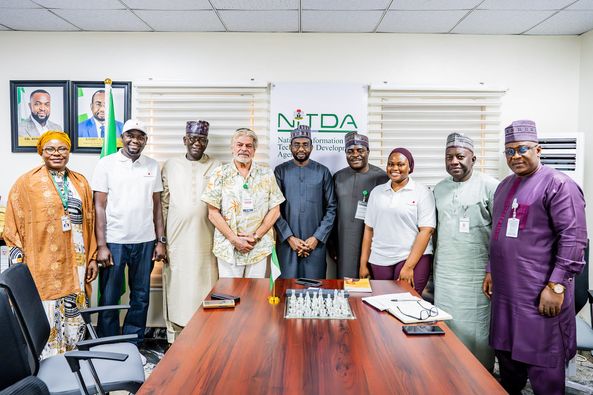
In a strategic initiative to promote indigenous technology production and enhance digital literacy across Nigeria, Kashifu Inuwa Abdullahi, CCIE, the Director General of the National Information Technology Development Agency (NITDA), welcomed a delegation from the National Agency for Science and Engineering Infrastructure (NASENI) and Imose Technologies Limited at the agency’s Corporate Headquarters in Abuja.

During this meeting, the team presented locally produced laptops and tablets manufactured by Imose Technologies in partnership with NASENI. This collaboration aims to ensure the availability of affordable digital devices for Nigerians, aligning with President Bola Ahmed Tinubu’s priority areas of accelerating diversification through industrialization, digitization, creative arts, manufacturing, and innovation.May be an image of 7 people and text

Furthermore, Director General Abdullahi met with the management team of Strengths Africa to discuss collaborative strategies aimed at advancing capacity building within NITDA. This partnership seeks to enhance the skills, knowledge, and resources of the NITDA team, equipping them to meet the dynamic demands of the digital economy.

As a key player in Nigeria’s digital transformation, this proposed collaboration is aligned with NITDA’s Strategic Roadmap and Action Plan (SRAP 2.0), particularly the pillar focused on cultivating a vibrant organizational structure and an agile workforce.


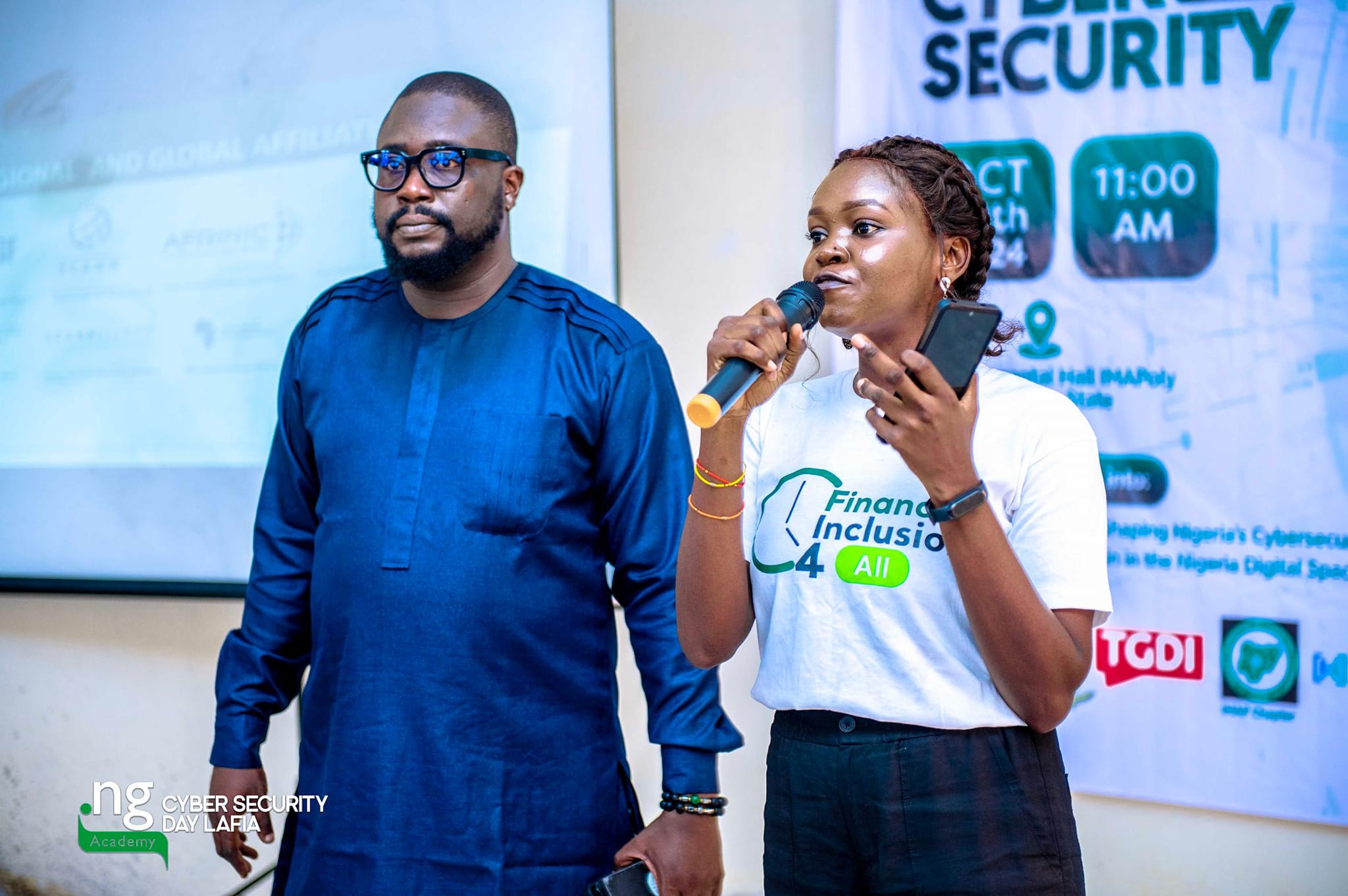
I had the pleasure of hosting a successful Cybersecurity Day event organized by the Nigeria Internet Registration Association (NiRA) in collaboration with Women Techmakers Lafia. This gathering brought together a diverse group of attendees, including young individuals, cybersecurity experts, industry leaders, and technology enthusiasts, all united in exploring the latest cybersecurity threats, trends, and best practices to safeguard our digital landscape.

A key highlight was the significant participation of young attendees. As digital natives, they are uniquely positioned to play a pivotal role in shaping the future of cybersecurity. By fostering a culture of cyber awareness from an early age, we can empower the next generation to tackle emerging threats and protect our digital infrastructure.May be an image of 1 person and text

The event featured a keynote address by Maryam Gajere Zinariyan Akurba, former SSA on ICT in Nasarawa State. Additionally, we had two insightful presentations:

  • “The Role of Youth in Shaping Nigeria’s Cyber Security Future” by Solomon Kershima Yateghtegh, Founder of Skyhub Nigeria.
  • “The Role of .ng Domain in the Nigeria Digital Space” by Coker Olumide Ayodele, Head of Administration and Marketing at .ng Academy.

Networking opportunities, refreshments, and exciting giveaways further enhanced the overall experience.

I would like to express my sincere gratitude to all attendees and contributors for making Cybersecurity Day a resounding success. Your participation and enthusiasm were instrumental in making this event memorable.


  • “The Role of Youth in Shaping Nigeria’s Cyber Security Future” by Solomon Kershima Yateghtegh, Founder of Skyhub Nigeria.“The Role of .ng Domain in the Nigeria Digital Space” by Coker Olumide Ayodele, Head of Administration and Marketing at .ng Academy.

CODEFEST and WAOCARD are proud to host the inaugural Ebonyi Hackathon, set for November 22nd and 23rd, and are inviting 20 dedicated volunteers to join in making this groundbreaking event a memorable success. As the first Hackathon of its kind in Ebonyi State, this event is anticipated to be a vibrant convergence of tech enthusiasts, developers, innovators, and industry leaders, all coming together to showcase the power of technology and creativity in solving real-world problems.

A Vital Role for Volunteers

The Ebonyi Hackathon is an ambitious event with a commitment to providing a seamless and inspiring experience for participants, audience members, judges, and partners alike. Volunteers will be at the heart of the action, playing essential roles that will shape the event’s success. The host organizations seek individuals who are enthusiastic, dedicated, and ready to contribute their talents, whether through event logistics, audience support, or enhancing the event’s social media reach. Volunteers will be integral from the pre-event preparations to the wrap-up, ensuring everything runs smoothly and efficiently.

In the lead-up to the hackathon, volunteers will assist in raising awareness and excitement by managing social media content. Beginning November 1st, the social media team will post engaging updates three times daily across multiple platforms, including TikTok, Facebook, Instagram, Twitter, and WhatsApp. This pre-event activity aims to foster a strong online presence and draw attention to the innovative spirit that Ebonyi Hackathon represents.

On the main event days, November 22nd and 23rd, volunteers will step into critical roles to manage and coordinate various aspects of the event. The registration and welcome team will set the tone by ensuring a warm and organized arrival experience for all attendees. The logistics and operations team will handle essential functions, making sure the venue is ready, materials are in place, and each session proceeds smoothly. A technical support team will be available to address any technical needs participants may encounter, while a group of mentors will provide guidance to help participants stay on track with their projects and meet their goals.

Additionally, event photographers and videographers will document key moments, capturing the excitement and breakthroughs that unfold. Volunteers will also assist in judging and awards distribution, helping to facilitate a fair and celebratory conclusion to the competition.

Benefits and Opportunities for Volunteers

In return for their valuable contributions, volunteers will receive a certificate of recognition, a testament to their dedication and service. This experience will also allow volunteers to network and build connections with innovators, developers, and experts in the tech industry. Beyond networking, this role offers a chance to gain hands-on experience in event management, organizational skills, and logistical coordination, all of which are transferable skills that enhance employability and leadership potential. Volunteers will receive complimentary food, drinks, and exclusive event-themed items, creating a rewarding experience and fostering a strong sense of camaraderie among the team.

Volunteer Commitment and How to Join

Prospective volunteers should be ready to devote a few minutes each day for pre-event social media tasks and ensure their full availability for the entire event, from the setup through to the closing moments. Those interested in becoming part of this dynamic team are encouraged to register their interest promptly to secure a place.

Volunteers can sign up by sending a message on WhatsApp at (09061817858) or using the following link: WhatsApp Link.

About CODEFEST and WAOCARD

CODEFEST and WAOCARD are leading platforms for innovation and digital transformation in Nigeria, dedicated to nurturing the next generation of tech leaders and problem-solvers. Through events like the Ebonyi Hackathon, they strive to unlock the region’s technological potential and inspire local talent to pursue careers in tech and innovation.

The Ebonyi Hackathon promises to be an impactful experience, and CODEFEST and WAOCARD are excited to welcome enthusiastic volunteers who are eager to contribute to this significant event. Together, let’s make history in Ebonyi State. Join us, and be part of the journey!


It’s time to stop translating our food into names that don’t even begin to capture their essence. Akara is not “bean cake.” Moin Moin isn’t “bean pudding,” and Abacha is much more than “African salad.” When we label our foods with simplified, Westernized terms, we strip away the richness, history, and culture embedded in each dish. These translations do a disservice not only to the food itself but to the legacy that our culinary heritage carries.

Imagine if Italians had felt pressured to translate “pizza” as “cheesy flatbread.” Or if the French decided to call “croissants” simply “flaky bread rolls.” These names are respected globally because they carry the authenticity of their origins. We shouldn’t be shy to expect the same respect for our own traditional foods. When we call a dish by its true name, we’re making a powerful statement that this food is ours. It originated here, was perfected here, and belongs to a unique culture that deserves recognition on its own terms.

Why should we try to explain away our foods by renaming them into English terms that simply don’t fit? If we truly want to promote Nigerian culture and cuisine on the world stage, we must give our dishes the respect they deserve by calling them by their real names. Let’s take pride in “Akara,” “Garri,” and “Eba” and push to make these names known globally. When foreigners come across Nigerian cuisine, they should encounter these original names, just as we encounter words like “sushi” from Japan or “tapas” from Spain.

Next time you’re talking to a friend from the UK or the US about what you had for dinner, say proudly, “I had Akara and Akamu.” If they’re curious, they can Google it. That curiosity opens a door to understanding and appreciating our culture. The internet and social media give us a platform to showcase Nigerian cuisine and export our food culture far beyond our borders.

Promoting Nigerian dishes with their authentic names is more than just a cultural preference. It’s an imperative. We’re at a time when food is one of the most powerful ways to promote national identity. Just as the world has embraced Japanese ramen and Italian pasta, the time has come for Nigerian dishes to stand proudly in their own right. Let’s show the world the depth, flavor, and history of Nigerian cuisine by letting Akara be Akara, by letting Eba be Eba. It’s time to respect our heritage and take our place on the global culinary stage.

By calling our foods by their true names and celebrating them as they are, we’re doing more than just preserving tradition—we’re exporting Nigeria’s identity.




Air fryers have become the darling of health-conscious home cooks, offering the promise of crispy foods with less oil and, presumably, fewer calories. But are they as healthy as they seem? Let’s take a closer look, as these trendy kitchen gadgets might not be as worry-free as the hype suggests.

First off, air frying does come with one big advantage—reduced oil. By using hot air instead of deep-frying in a vat of oil, you’re cutting down on calories and fat, which is certainly a plus. But there’s more to consider. Like any cooking method that heats food at high temperatures, air frying can trigger the formation of acrylamide, a chemical that’s been linked to potential cancer risks in animal studies. When we cook foods like potatoes or other carb-rich items at high temperatures, this compound is created, and while research is still evolving, it’s something to keep in mind.

Then there’s the issue of inflammation. When we cook at high temperatures, we may also produce advanced glycation end products (AGEs). These compounds, when consumed in excess, can lead to oxidative stress and inflammation, which could contribute to health issues like heart disease and diabetes. It’s the same risk you’d get with grilling or baking at high temperatures, so it’s not unique to air fryers, but it’s something to be aware of if you’re using one daily.

Let’s talk about the quality of the fryer itself. Some models may be made with materials that release harmful chemicals, such as BPA, when they’re heated. There’s a growing awareness around these issues, so it’s wise to go with high-quality, BPA-free appliances when choosing an air fryer.

Another consideration is what people are cooking in these fryers. Sure, you can make some deliciously crisp veggie chips, but the convenience of air fryers also makes it easy to cook pre-packaged, frozen foods. These tend to be high in sodium, preservatives, and unhealthy fats, which can quickly take away from the “healthy” benefits air fryers promise.

And lastly, there’s the risk of falling into a rut. Because air fryers make certain foods so accessible, it’s easy to get caught in a cycle of cooking the same types of meals. But eating a wide variety of foods is key to getting a balanced diet, and an air fryer—convenient as it is—may inadvertently limit that diversity.

In the end, I think air fryers can be a great addition to the kitchen, as long as we’re mindful of these potential downsides. Avoid overcooking to reduce acrylamide, use whole foods instead of processed options, and select a model with safe materials. It’s a handy tool, but let’s not lose sight of balance and moderation in our diet. For those who use air fryers responsibly, they’re probably a net positive—just maybe not the ultimate health solution they’re marketed as.


Governor Charles Soludo’s administration has unveiled a series of landmark projects aimed at boosting Anambra State’s infrastructure and healthcare landscape. Under the initiative known as the “Soludo Solution,” these projects represent a commitment to improving road connectivity, enhancing healthcare services, and creating a vibrant identity for Anambra State. From road dualization to iconic architectural landmarks and healthcare facility upgrades, here is a detailed look at the scope, timeline, and anticipated impact of each project.

The first major undertaking is the dualization and construction of the Nwagu Agulu – Nnobi – Nnewi Road, a critical thoroughfare linking major communities in the region. Awarded to Lebtech Constructions Ltd, this contract has a 12-month completion target. The project aims to ease congestion along this heavily trafficked route, ensuring smoother access for residents and facilitating trade across towns. Improved connectivity along this corridor is expected to spur local economic growth, attract investments, and enhance the overall quality of life for residents.

Equally ambitious is the dualization and construction of the Nnewi-Ozubulu-Okija Road, which covers a 16.51-kilometer stretch with a 370-meter spur, including a three-span bridge across the Ulasi River in Okija. This project, designed to last 18 months, addresses both connectivity and safety, particularly during rainy seasons when the Ulasi River can become impassable. The bridge will provide a stable crossing, reducing travel times and fostering seamless movement across communities. By making Nnewi, Ozubulu, and Okija more accessible, the project aims to bolster commerce and integration among these key towns, aligning with the state’s vision for sustainable development.

In Ekwulobia, Aguata Local Government Area (LGA), the administration has launched the construction of the “Light of the Nation Tower and Fountain,” a symbolic structure set to be a beacon of pride for the people of Anambra. This project, awarded to IDC Construction Ltd at a contract value of 980 million Naira, is designed as an architectural landmark, blending modern aesthetics with cultural significance. Expected to be completed in just four months, the “Light of the Nation Tower” will feature a fountain and is poised to become a tourist attraction and a source of revenue for the local economy. It is intended to reflect Anambra’s progressive spirit and highlight the state’s dedication to celebrating its heritage while looking toward a brighter future.

Further enhancing the state’s development, the administration has prioritized the healthcare sector with the procurement and installation of specialized medical equipment for the Chukwuemeka Odumegwu Ojukwu University Teaching Hospital (COOUTH) in Amaku, Awka. This project, awarded to De Jotlims Medical Ltd, has a two-month timeline and is pivotal for the accreditation of COOUTH’s clinical departments as a tertiary health training and service delivery center. By equipping COOUTH with advanced technology and tools, the state is enhancing its capacity to train medical professionals locally, reduce dependency on healthcare services outside the region, and elevate the standard of care available to residents. This healthcare upgrade reinforces Governor Soludo’s vision for a robust healthcare system that caters effectively to the population’s needs and positions Anambra as a hub for medical education and research.

Together, these projects signify a transformative era for Anambra State under the “Soludo Solution.” With the slogan #SolutionIsHere, the administration is not only addressing immediate infrastructural and healthcare needs but also laying the foundation for long-term socio-economic growth. These strategic initiatives reflect a dedicated push to revitalize the state’s infrastructure, healthcare, and cultural identity, setting a high standard for public service delivery and progress in Anambra State.


Many countries worldwide celebrate Youth Day in some form or another. However, this day is observed in Nigeria on November 1, highlighting the country’s youth population.

As a tribute to tomorrow’s leaders, this annual salute to the youth aims to highlight the challenges faced by the youth and find potential solutions for these issues. According to a paper published by Cambridge University Press, young Nigerians have to navigate numerous problems, including unemployment, poverty, and a lack of access to education.¹

At Aleph Group, we believe quality education is essential for equipping young Africans with the skills they need to enter the global workforce. This includes practical training in suitable industries and technology, said Stanislaus Martins, Aleph’s Managing Director for West Africa.

To that end, Nigerian youth have embraced technology with open arms. A recent study by Aleph Group examines how tech is being used globally, providing insights into how young Nigerians use the internet and technology.

Most popular social media platforms 

Between the 16-26-year-old age group, Facebook appears to be the most successful social media platform, with 72% of respondents claiming to use the network. Interestingly, this is the smallest population, with the other age groups all using Facebook in higher numbers.

Several reports indicate that Gen Z is less interested in Facebook and prefers apps like Instagram, X (formerly Twitter), and Snapchat. 69% of users aged 16-26 claim to use Instagram, second only to the 27-42 age group. The youth lead the field regarding Snapchat, with 48% of respondents aged 16-26 claiming to use the platform. Fielding Graduate University says younger people prefer Snapchat because their parents don’t use it.²

Over 20% spend 5+ hours on social media daily 

Regarding media consumption, 20.6% of respondents aged 16-26 say they spend more than five hours daily using social media, second only to the 27-42 age group (22.6%). The 16-26 age group prefers streaming services like Spotify or Apple Music, with 10.6% noting that they use audio streaming for more than five hours daily.

The rise of audio-streaming services 

Streaming services have fewer advertisements and interruptions and enable individuals to tailor the listening experience to their preferences. The popularity of audio streaming services among the 16-26 age group is highlighted in how the youth engage with advertisements. 28% of respondents using audio streaming services claim they hear advertisements while listening, which is higher than other age groups.

Advertising to capture the attention of the youth

It’s not the most influential platform for companies to use when marketing; social media posts (81%) and ads posted before online videos, such as YouTube (62%), are the most effective. This also showcases how younger Nigerians are less susceptible to conventional advertising than other age groups.

Interestingly, social media posts significantly impact the purchasing decisions of Nigeria’s 16-26-year-old age group, with 49% claiming it influences them the most.These current trends highlight the importance of technology and the internet to the Nigerian youth. Based on this, it’s safe to assume that this age group will continue to go against the grain and adopt new forms of social media and online apps.