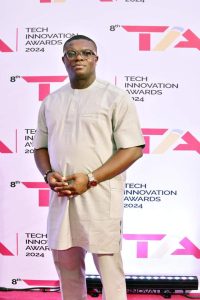
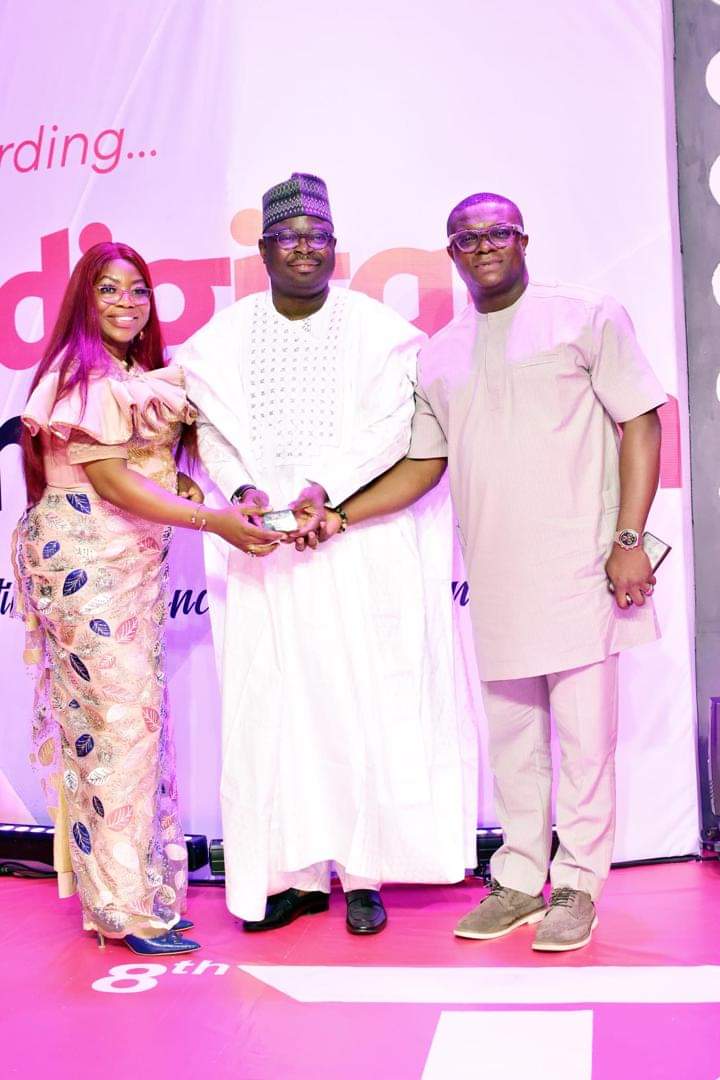
In an era where cyber threats are growing increasingly complex and sophisticated, Nigeria has found an invaluable ally in Zoracom Nigeria—a company dedicated to safeguarding the nation’s digital borders. At the recent Tech Innovation Awards 2024, Zoracom was celebrated for its extraordinary efforts in cybersecurity and telecom infrastructure, receiving the prestigious title of Auxiliary Telecom Infrastructure Support Provider of the Year.

The award comes as a recognition of Zoracom’s relentless pursuit of quality, innovation, and transformative solutions in an industry that is central to Nigeria’s technological advancement. The company’s state-of-the-art facility, the National Security Operations Center (NSOC), stands as a testament to its commitment to combating cyber threats at a national scale. Established with cutting-edge technology and staffed by a team of skilled professionals, the NSOC is one of the country’s most advanced operations centers, providing real-time monitoring and proactive threat management to mitigate potential cyber incidents.

Speaking at the award ceremony, Zoracom’s Chief, John Nwachukwu, expressed his pride in the company’s achievements and its commitment to advancing Nigeria’s digital future. “Zoracom has been honored as the Auxiliary Telecom Infrastructure Support Provider of the Year at the Tech Innovation Awards 2024,” he shared. “This recognition reflects our dedication to quality, innovation, and transformative solutions. We are proud to be at the forefront of empowering reliable, seamless connectivity and driving the future of telecom infrastructure.”

For Nwachukwu, Zoracom’s mission goes beyond business; it’s about ensuring that Nigerian organizations and citizens can rely on a secure digital environment. The NSOC plays a pivotal role in monitoring and responding to threats, protecting critical infrastructures, and ensuring that telecom and digital networks remain resilient against cyberattacks. Through this facility, Zoracom aims to build a safer cyberspace in which Nigerian businesses, institutions, and individuals can thrive.

The Tech Innovation Awards is one of the most respected platforms in the technology and telecom sectors, honoring companies that push boundaries and set new standards of excellence. For Zoracom, this award is not only an acknowledgment of its current achievements but also an encouragement to continue leading the charge in addressing Nigeria’s cybersecurity needs.

As Zoracom looks to the future, it remains deeply committed to advancing the nation’s capacity to combat cyber threats, pioneering infrastructure improvements, and creating a digital environment where innovation can flourish. This dedication positions Zoracom as an essential player in securing Nigeria’s place within the global digital economy—a mission that, for the team at Zoracom, is as personal as it is professional.


Anthony Emeka Nwosu

#TIA2024 #Zoracom #CybersecurityExcellence #InnovationInTech #ConnectivitySolutions #TelecomInfrastructure


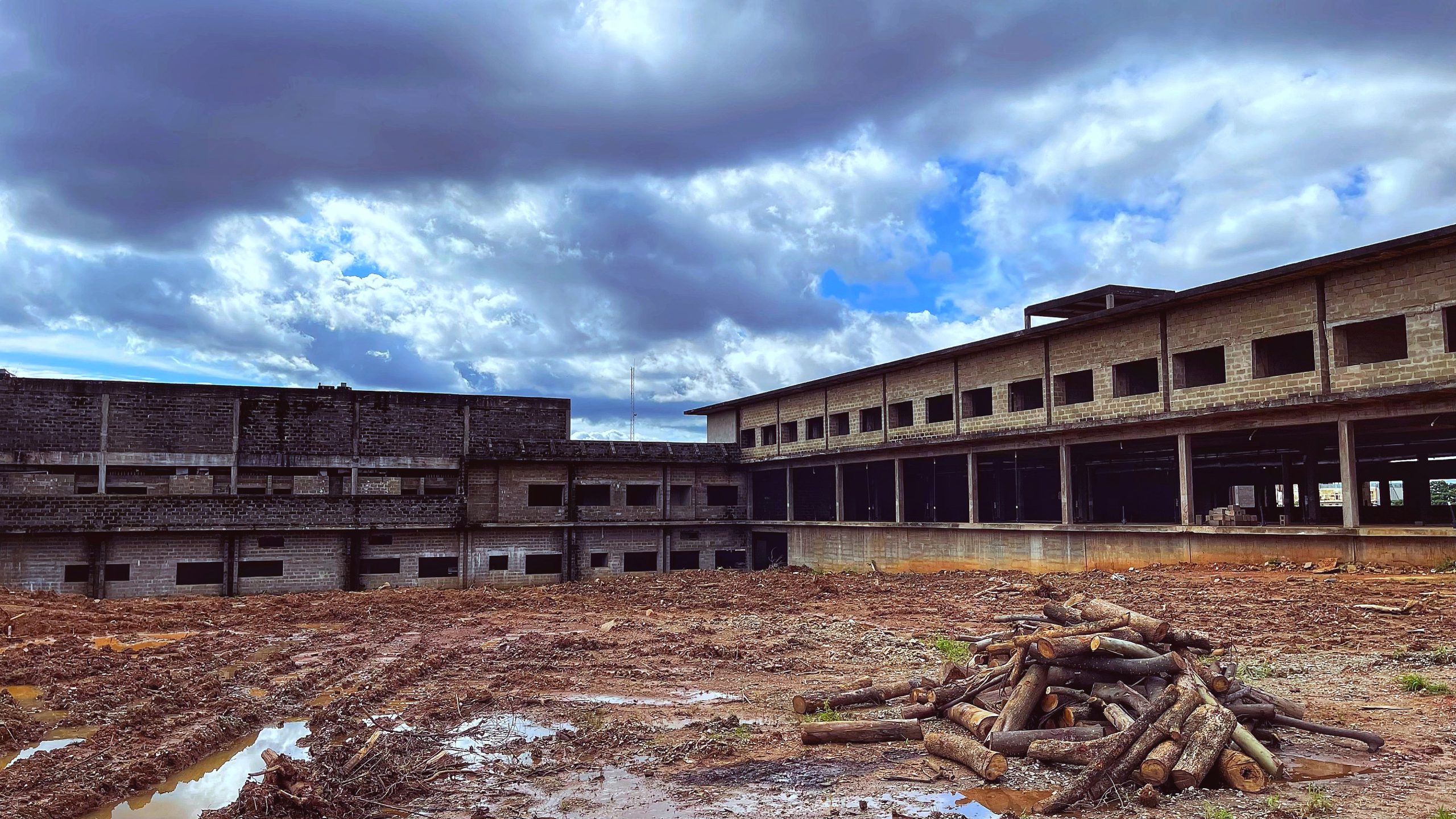
Governor Peter Mbah has officially launched the revitalization of the long-abandoned Enugu International Hospital, a visionary project originally initiated by former Governor Chimaroke Nnamani nearly 20 years ago. The ambitious 300-bed quaternary healthcare facility, located on Rangers Avenue in Enugu city, is set to provide cutting-edge medical services and serve as a beacon for health tourism, investment, and economic growth in Enugu State.

The project, spearheaded by the Commissioner for Health, Prof. Emmanuel Obi, aims to reverse the trend of medical tourism by offering advanced medical care locally. Governor Mbah has outlined a clear 13-month timeline for the hospital’s completion, with construction already underway. The facility’s proximity to the international airport makes it easily accessible, further enhancing its appeal as a regional healthcare destination.

Transformative Impact on Enugu State

The Enugu International Hospital is expected to have a far-reaching impact on the state’s economy and healthcare landscape, bringing substantial benefits to residents and businesses alike.

1. Job Creation: The hospital will generate employment for a wide range of medical professionals, administrative staff, and support personnel. Additionally, related sectors, such as pharmaceuticals, facility maintenance, and local businesses, are anticipated to see increased demand, creating a ripple effect of job opportunities across Enugu State.

2. Healthcare Hub: Positioned as a top-tier facility, the hospital is expected to attract patients from neighboring states and beyond, transforming Enugu into a major healthcare hub. This influx of visitors will boost the local economy as patients and their families spend on accommodation, dining, and other services during their stay.

3. Investment Magnet: The establishment of a high-quality healthcare institution will enhance Enugu’s image as a center for progress and development, likely drawing further investments in real estate, infrastructure, and other key sectors. Such growth can stimulate the overall economy, positioning Enugu as a desirable location for business, residency, and tourism.


Governor Mbah’s commitment to this project reflects his administration’s focus on elevating Enugu’s infrastructure and quality of life. As construction progresses, residents anticipate the hospital’s opening will mark a new era of healthcare and economic prosperity for the state.

This ambitious development signals a promising future for Enugu, positioning it on the national and international map as a thriving, modern destination for healthcare and investment.

Anthony Emeka Nwosu


By Ngozi Akinyele, Chief Marketing and Communications Officer, Coronation Group (www.Coronation.ng)


A diversified portfolio is one of the key metrics of investment success. The greater this diversity, the more likely it will outperform the market, and the savviest investors are often looking for new opportunities: the rising stars among new asset classes. Investment in art is certainly not a new concept, but what makes it unique is that it often has low correlation with other major asset classes, meaning lower overall price volatility (https://apo-opa.co/3UpJknE). It’s the sure bet, sometimes with incredible escalating value, especially for those opting to invest in blue-chip artists (https://apo-opa.co/3Uq6YQQ) renowned artists whose work demands high prices in the art market).

However, not all of us can afford to invest in the works of Picasso, Van Gogh, or Warhol, with many blue-chip pieces only accessible as a luxury asset class – creating the perception that all art investment is only for the extremely wealthy.

However, a new trend is emerging, where investors of all types are finally escaping the confines of Western Art, triggering a surge of interest in non-Western artists (https://apo-opa.co/3Uq6YQQ). Collectors are recognising the cultural significance and artistic quality, leading to a rise in the prices in the work of artists from China, India, Brazil, and of course, Nigeria – receiving the international recognition they deserve.

African art is gaining traction across the world. Consider the meteoric trajectory of El Anatsui, the Ghanaian sculptor who is rising through the world-rankings of best-selling artists at auction (https://apo-opa.co/48m9XzJ), with his shimmering tapestries and sculptures selling for $5000 to $2.2 million USD (https://apo-opa.co/40h6ala). Similarly, Nigerian sculptor, Yinka Shonibare’s diverse array of works have sold for hundreds of thousands of US dollars (https://apo-opa.co/3Asmox8) at auction.

Early investors in their work have been greatly rewarded, which is why many passionate collectors are looking for similarly talented African artists, whose work is both culturally significant and affordable.

In 2019, the Nigerian art market reached a ten year high, reaching sales of N400 million (https://apo-opa.co/4eV8jHE) across the country’s numerous action houses. However, recent economic volatility has shaken the progress of the sector. Yet even in the face of the recent currency crisis, the art market held firm, performing better than the overall market (https://apo-opa.co/4dZQ56t). Some international auction houses, such as Bonhams, even saw a significant increase in purchases of African art between 2022 and 2023 – from $8.9m in 2022 to $10.3m in 2023.

To maintain any sort of forward trajectory – to ensure our art remains highly valued locally and internationally – it is of vital importance that we, as the private sector, continue to support the collectors and the artists who are helping to grow interest in the sector, while also making art more accessible.

Democratisation – of wealth, of investment, of art – has been a key focus for the Coronation Group since its establishment. Our founder, Aigboje Aig-Imoukhuede, is a consummate lover of art, and believes in the transformative power of artistic expression. While he is widely recognised for his achievements as an investor, banker, and philanthropist, his passion for art predates his career in finance. His mother, a curator and gallerist, and his father, a civil servant in Nigeria’s cultural ministry inspired his love of art in its many mediums, laying the foundation for the Coronation Art Gallery that opened to the public in 2022.

In September (2024), we opened a new exhibit honouring the distinguished women art collectors of our country, whose incredible private collections highlight the extraordinary power of Nigerian art.

In 2019, the Nigerian art market reached a ten year high, reaching sales of N400 million across the country’s numerous action houses

These collectors include business consultant, Adia Sowho, lawyer and wealth advisor, Bimpe Nkontchou, psychologist and human development advisor, Dudun Peterside, and 10 others who have understand the power of investing in our Nigerian masters.

We are incredibly proud to have collaborated with such extraordinary women for this exhibition, and hope to inspire future generations of art lovers, collectors, and creators to engage with African art and its powerful role in shaping our collective future.

Featuring the works of Victor Ehikhamenor, Ndidi Emefiele, Tony Nsofor, and dozens of other examples of Nigeria’s artistic excellence, the overall value of the works on display totalled N451 million, a clear indication of their growing investment potential.

The gallery opening attracted the attention – and attendance – of the Minister of Finance and Coordinating Minister of the Economy, Mr. Wale Edun, Chairman of Aluko & Oyebode, Gbenga Oyebode; Chairman of Eko Electricity Distribution Company, Dere Otubu, and Chairman, First Ally Capital, Femi Okunsanya.

The presence of these dignitaries underscored the cultural significance that art plays in our society, but also that it must be recognised as a multidimensional asset class that can drive wealth creation and socio-economic development.

However, to create genuine access to this cultural wealth, we must find ways in which we can make art affordable to those outside of the HNWI (high-net-worth individual) bracket. Yet we have to be cautious in how we do this.

It is this desire to democratise art that spurred the development of the NFT (non-fungible token) market, with these tokens becoming an entirely new cryptocurrency asset (https://apo-opa.co/3AdQl48). NFTs are a digital representation of an asset, such as a work of art, recorded on a blockchain to allegedly ensure authenticity. While certainly more affordable than a Picasso, like any cryptocurrency, they are considered a very high-risk investment, and one crypto investment research company has alleged (https://apo-opa.co/4f3wcNs) that almost 96% of NFTs are “dead”, or no longer have any value – lending credence to the idea that the tokens are a fad.

Thankfully, there are safer ways of investing in art. A recent trend towards fractional ownership has been gaining traction since last year (https://apo-opa.co/3Yp2nzv), where buyers can purchase fractional shares of a given artwork for partial ownership. The London based market research firm, ArtTactic, conducted a survey earlier this year revealing that more buyers in the art market were cautiously partaking in the practice of fractional ownership – from 9% in 2023 to 16% in May this year.

The largest firm in the fractional ownership art business, New York’s Masterworks, has been able to secure more than $1 billion (USD) in capital since it was established in 2017, purchasing more than 415 major artworks to fractionalise and sell to investors.

Similarly, blockchain technology has been used to tokenise physical art pieces – yet another way to enable fractional ownership.

It remains to be seen if this trend is yet another bubble waiting to burst, but it is impossible to deny this is an innovative way to democratise access to (partial) art ownership.

It will likely be the fintech innovators who will be central to lowering the barriers to art collection (https://apo-opa.co/3UmsFl2) and investment, and considering Nigeria remains in the top five African countries for fintech investment (https://apo-opa.co/3AgxIwk), I suspect we may see such innovative investment platforms sooner rather than later.

As the Coronation Group, however, we will continue to promote the art itself, the collectors, artists, and the capabilities of Nigerian art to diversify investment portfolios. Because when we invest in local art, we don’t just enrich ourselves, we enrich our culture.

The Special Adviser to the President on Energy, Olu Verheijen, has expressed confidence in the ability and commitment of the Nigerian Upstream Petroleum Regulatory Commission (NUPRC) to resolve outstanding issues surrounding Shell’s proposed sale of its onshore assets to the Renaissance consortium.


Verheijen noted that President Bola Ahmed Tinubu’s administration is dedicated to accelerating the strategic shift of international oil companies (IOCs) from onshore operations to a focus on deep offshore and gas businesses.

At the recent launch of the ‘1mmbopd’ project to mark NUPRC’s third anniversary, Commission Chief Executive Engr. Gbenga Komolafe disclosed the government’s approval of four divestment deals, including the ExxonMobil sale of Mobil Producing Nigeria Unlimited to Seplat Energy.

Our objective is to accelerate exits for IOCs who wish to refocus on other areas, particularly the deep offshore and gas businesses

In a virtual interview with journalists and analysts from 54 African nations, under the auspices of the African Association of Energy Journalists and Publishers (AJERAP), Verheijen stated, “Many divestment deals have been closed. There has been an accelerated rate of approvals for some of these deals. There is an improvement from what it used to be in the past. If you look at the level of approvals that have occurred and the speed at which they transpired, you will see that there is an improvement.”

She added, “There is one outstanding issue, and we remain confident in NUPRC’s regulatory process. Our objective is to accelerate exits for IOCs who wish to refocus on other areas, particularly the deep offshore and gas businesses.”

According to Verheijen, IOCs possess significant capital and technical expertise that can help unlock value in the complex deep offshore and gas sectors. For onshore players, she emphasized the need for independents to align with the goal of rapidly increasing production, ensuring they have the technical and financial capacity to do so.

She highlighted that President Tinubu has made substantial efforts to attract and retain investors in the energy sector through sound policies and appealing incentives.

Verheijen remarked, “When we took office, we noted a decline in investment, partly due to security challenges. The low investment was also influenced by fiscal incentives. We needed to reassess these aspects, including the revenue or profit share between the government and investors.”

She explained, “We aimed to rebalance and become more competitive compared to other investment destinations. We considered all operators, including international businesses, still interested in investing in Nigeria and advocated for ways to enhance our competitiveness.”

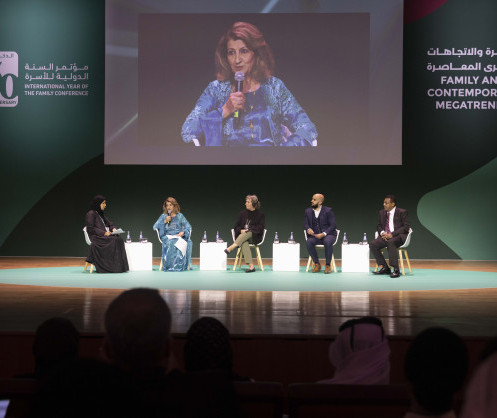
Policies to protect families in countries affected by conflict, the global impact of population decline, and striking a balance between work and family life were placed in focus at the 30th Anniversary of the International Year of the Family Conference on Family and Contemporary Megatrends.


Organized by Qatar Foundations Doha International Family Institute (DIFI), in partnership with the Ministry of Social Development and Family, the Ministry of Foreign Affairs, and the United Nations Department of Economic and Social Affairs (UNDESA), the conference brought together more than 2,000 experts and policymakers from around the world to explore key trends affecting families, and policies and programs that strengthen the familys place at the heart of society.


The conference was attended by eminent figures from across the Arab world including Her Excellency Shanaz Ibrahim Ahmed, First Lady of Iraq; Her Excellency Maya Morsi, Minister of Social Solidarity, Egypt; Her Excellency Dr. Amthal Hadi Hayef Al Huwailah, Minister of Social Affairs and Family and Childhood Affairs, Kuwait; Dr. Hector Hajjar, Minister of Social Affairs, Republic of Lebanon; as well as other international ministers and dignitaries.


Her Highness Sheikha Moza bint Nasser, Chairperson of Qatar Foundation, opened the conference by saying: There is no doubt that the problems facing families are similar in all societies, but they differ in character from one country to the next.  Families from the global North and families from the global South share many concerns. The most prominent are the negative impacts of technology and the issue of preserving mother tongues and cultural identities in an increasingly globalized world.”


According to new groundbreaking research reports (https://apo-opa.co/48DlFpD) published by Duke University and DIFI, 84% of parents in the region are concerned about the impact of screen time on family relationships, while 67% worry about the potential loss of traditional values in this digital age.


The United Nations General Assembly declared the creation of the International Year of the Family in 1994, underscoring the familys pivotal role in society and the need for protecting and assisting families. Held every decade, the conference plays a pivotal role in developing policies and programs that empower families.


Deputy Secretary-General of the United Nations and Chair of the United Nations Sustainable Development Group, Her Excellency Amina J. Mohammed, stressed the importance of global action to protect families, saying: Often the burden is on our women and our children – from Gaza to Sudan, Sudan to Ukraine, Ukraine to Myanmar, and so many more places. It is incumbent on us, in this forum, that we seek to ensure family is about everyone, and leaves no one behind.”


Over the course of two days, participants explored the four major global megatrends – technological change, demographic change, migration and urbanization, and climate change – that affect families in Qatar, the region, and across the world.

There is no doubt that the problems facing families are similar in all societies, but they differ in character from one country to the next


Speaking in a discussion on Work-Family Reimagined, Dr. Maimoonah Khalil Al Khalil, Secretary General, Family Affairs Council, Saudi Arabia, highlighted the challenges facing working families: Research has shown that when both parents are working and away from home for long hours, it affects fertility, marriage age, and divorce rates, so initiatives must be introduced to ensure that women are active in the workforce, but also to ensure that we are practicing the role of parenting well.


“While encouraging families to provide a better life for their children, we must support them with flexible work, active parenting, and early childhood resources. Employers need to realize that these policies will make working women more productive and focused at work, and consequently contribute better to national development.”


In a session titled Shattered Lives: The Impact of War and Conflict, Palestinian researcher and academic Dr. Nour Naim, Executive Director of AI Minds Academy, spoke about the targeted destruction of the middle class and education in Gaza.


“The strength of the Gazan community lies in these tight family ties. Families are moving into each others homes, living together as if they were one family. These values are the foundation of society in Gaza. Unlike what typically happens in wars, there is a strong civil society with youth volunteers working to support poor families and assist with nursing care.


“The solidarity in Gaza should be studied in sociology textbooks worldwide. The primary driver is the understanding that we are all equal under the shadow of death, facing it at any moment. We dont have the luxury of mourning – our only option is to stay strong and patient.”


The panel Saving the Earth, Securing the Familyexplored the impact of climate change on families, focusing on the effects of climate-induced migration, food security, water scarcity, and eco-anxiety. Her Excellency Mahinur Özdemir Göktaş, Minister of Family and Social Services, Türkiye, said: What is most important is that we bear collective responsibility. Government institutions globally require qualified human personnel, as well as financial support. We need cooperation between different countries to exchange our experiences and engage in environment coalition through effective and sustainable policies to address climate change challenges.”


Dr. Mohammed Behnassi, Senior Environmental Expert at the Economic, Social and Environmental Council in Rabat, Morocco, highlighted three interconnected climate change phenomena affecting families. First is climate-induced displacement; second is food insecurity, which is worsened by climate change; and finally, war insecurity,” he said. These interrelated challenges are triggering what we call climate migration – migration that is triggered by environment issues and is amplified by water stress, flooding, desertification, and deforestation.”


The conference concluded with the ‘Doha Call to Action’, a series of recommendations emphasizing the importance of designing family-oriented policies and empowering and enabling families to contribute to development, which will now be discussed with governments and policymakers.


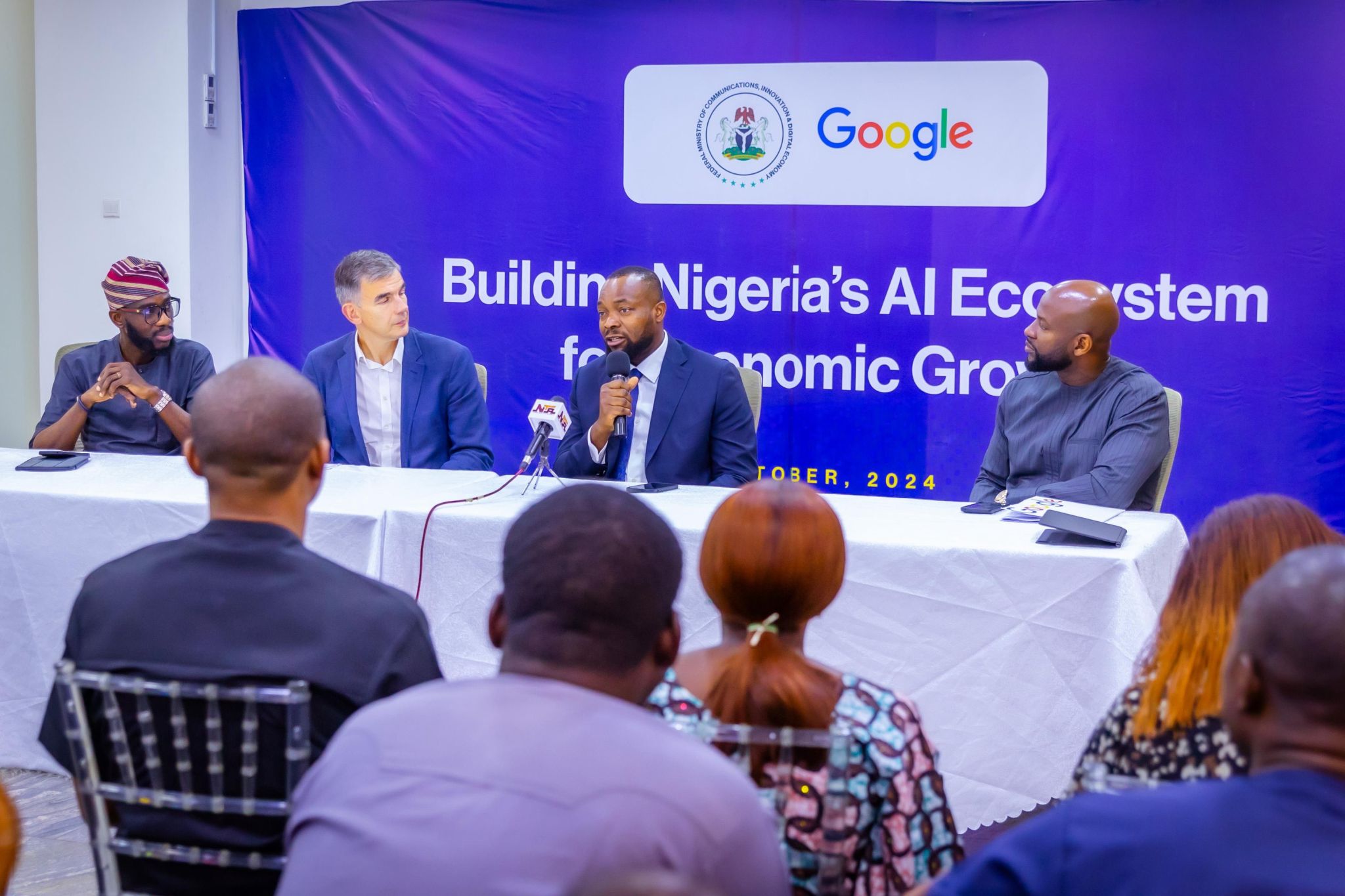
Dr. ‘Bosun Tijani, the Minister of Communications, Innovation, and Digital Economy, announced a significant N2.8 billion commitment from Google, aimed at accelerating Nigeria’s digital economy through strategic initiatives outlined in the ministry’s Strategic Blueprint. The announcement was made alongside Google’s President of EMEA Business & Operations, Matt Brittin, as the tech giant pledged to support Nigeria’s technological transformation.

Dr. Tijani highlighted four major initiatives that Google’s investment will fuel:No alternative text description for this image

  1. DeepTech Ready Upskilling Programme: Designed to enhance advanced technical skills, this program aligns with Nigeria’s 3MTT initiative, aiming to equip 20,000 Nigerians with expertise in Data Science and Artificial Intelligence (AI).
  2. Experience AI Programme: Targeting young learners aged 11-14, this initiative, co-developed with the Raspberry Pi Foundation and Google DeepMind, seeks to introduce AI fundamentals across Nigerian schools. Through this program, Google will train 25,000 educators to engage and inspire 125,000 students in AI.
  3. Apolitical Government AI Campus Programme: Aimed at equipping Nigerian public servants with critical AI governance skills, this virtual platform will provide training and resources to 100 senior-level and 1,000 practitioner-level government officials, promoting informed AI policy and governance.
  4. N100 Million AI Fund: In collaboration with NCAIR Nigeria, Google will support promising AI startups in Nigeria, each receiving N10 million in funding. Selected startups will also gain access to Google’s extensive AI resources, including up to $3.5 million in Google Cloud credits, mentorship, and technical support.

Expressing gratitude for Google’s commitment to Nigeria’s tech ecosystem, Dr. Tijani emphasized the impact of these initiatives on Nigeria’s digital transformation journey. “I appreciate the entire Google team for betting big on our technology ecosystem and their continued support,” he stated, underscoring his vision for a robust, innovative digital economy.


Washington, D.C. – Tariye Gbadegesin, Chief Executive Officer of the Climate Investment Funds (CIF), described the dynamic and impactful first days of the International Monetary Fund (IMF) and World Bank Annual Meetings in Washington, D.C., where leaders from 191 nations are gathered.

Reflecting on the high-energy sessions, Gbadegesin shared insights into discussions that ranged from innovative clean energy developments to reshaping global climate finance strategies. “The energy in the room has been palpable,” she noted, emphasizing the inspiration and collaborative spirit that defined the initial days of the meetings.

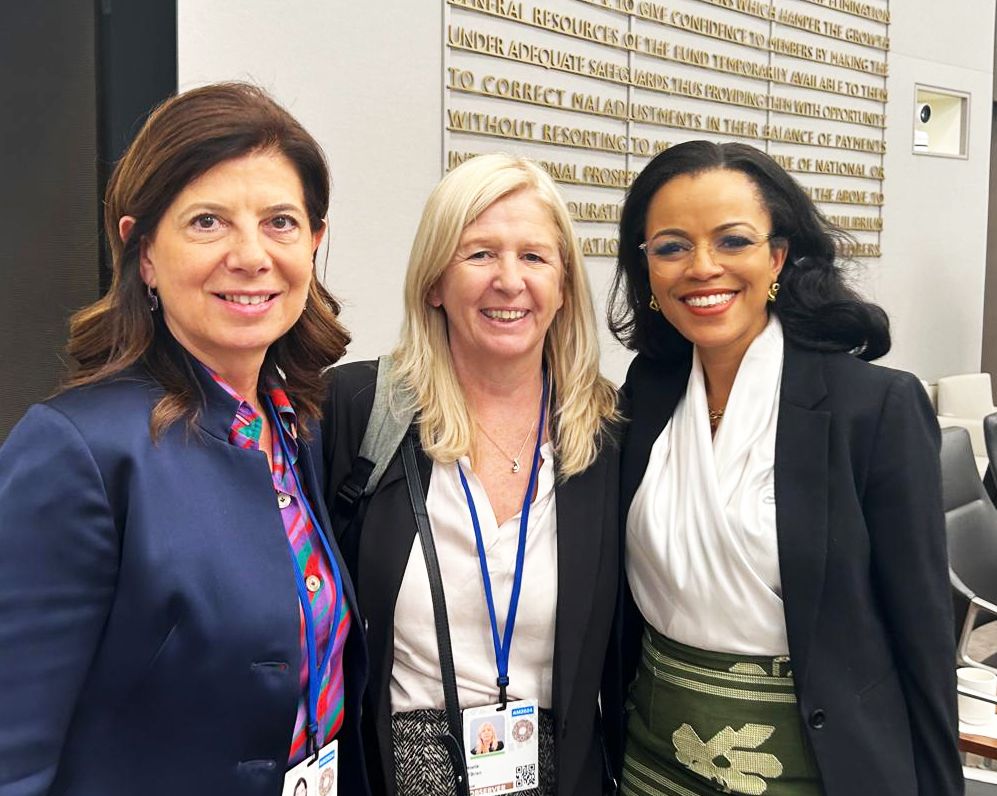
A key highlight of the opening sessions was IMF Managing Director Kristalina Georgieva’s address, in which she underscored climate change as a defining challenge that demands intensified cooperation and unwavering dedication. Gbadegesin echoed this sentiment, lauding her CIF colleagues for their consistent commitment to transformative climate action.No alt text provided for this image

Gbadegesin also participated in a notable White House roundtable on green supply chains, sharing best practices with prominent leaders including John Podesta, Jake Levine, and Alexia Latortue. She described the session as an invaluable opportunity to showcase CIF’s work with its six partner multilateral development banks.

In a series of influential meetings, Gbadegesin engaged with Egyptian Minister Rania A. Al-Mashat and Canadian Ambassador Bob Rae on advancing green ambitions and climate action. She also reconnected with key figures like Juergen Voegele and Demetrios Papathanasiou of the World Bank, along with Roberta Casali and Noelle O’Brien from the Asian Development Bank (ADB).

As the sessions continue, Gbadegesin remains optimistic about the collective potential to achieve meaningful progress. “There’s much more to come,” she stated, expressing enthusiasm for the path ahead in climate finance and action.


Artificial Intelligence (AI) is one of the most talked about topics today, with sentiments running the gamut from concern to excitement, and wild speculation the order of the day.


Some believe it could cure the most dreaded diseases and halt climate change, while others imagine the worst – that it could cause the oceans to boil and kill off the human race.


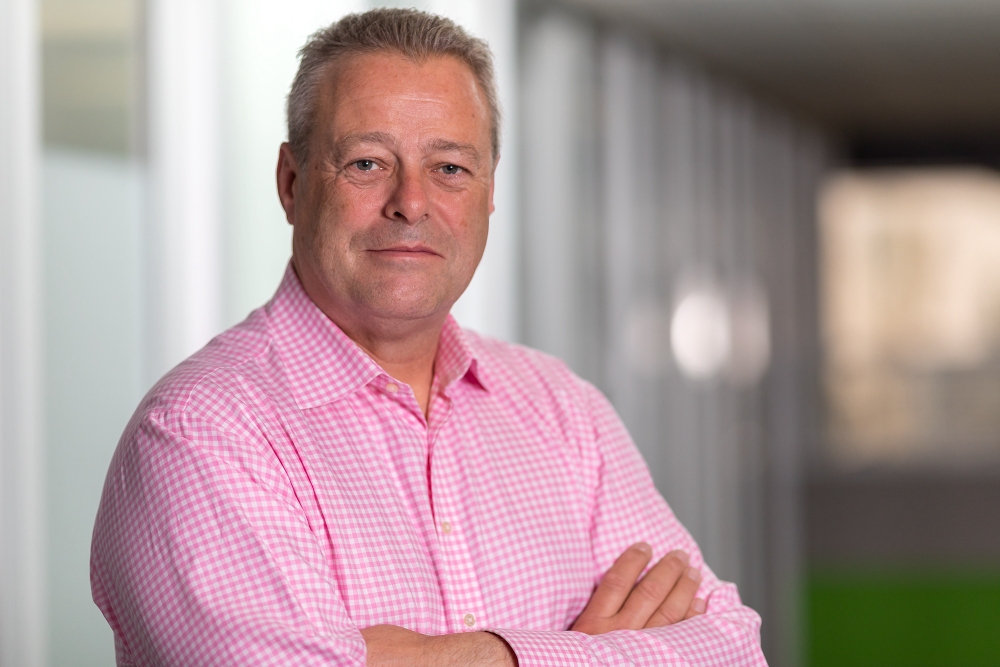
The truth is likely to be none of these extremes and rather a mixture of what lies in-between – and if harnessed correctly, that presents immense opportunity in many spheres, believes Tony Anscombe, Chief Security Evangelist at ESET.


Reframing fear

“Fear of new technology is not unusual,” says Anscombe. “If we go back in history to the industrial revolution, there was a huge fear that technology such as steam engines and industrial automation would remove the need for people in manual jobs – and, of course, it did to some extent. But we also evolved; we started doing more interesting things or other jobs related to the new technology. While it changed some jobs, it also created new opportunities.”


The case is much the same for AI. Some jobs will be automated, others will be partially automated and still need a human touch afterwards, others will go in the opposite direction entirely. For example, there was a huge movement to outsource phone-in support services and replace them with cheaper services or automate parts of the process. But companies have realised it can cause more problems than the savings were worth – customers want to speak to someone local, with a local accent, and local knowledge. Now, there’s a movement to localise these services again. “So, while there will be some automation in many fields, I don’t think it will be as bad as most people think right now.”


Anscombe, who has more than 25 years of cybersecurity industry experience and is part of ESET’s global team based in the UK, will be joining a panel discussion on ‘How to harness AI instead of fear it’ at the Africa Tech Festival in November. There, he and other experts will explore the evolving role of AI, with a focus on the importance of embracing AI-driven strategies rather than fearing them.


Employing AI in cybersecurity

When it comes to cybersecurity, the role of Artificial Intelligence (AI) has become indispensable, particularly with regards to threat detection, investigation, and response. ESET has been harnessing the power of AI alongside human expertise for several decades to provide real-world solutions that meet the dynamic challenges of cybersecurity.


“AI can play a pivotal role in fortifying threat detection and prevention by analysing vast datasets in real time, quickly identifying patterns and anomalies that indicate new threats and security vulnerabilities. Integrated into protective solutions, AI can enhance threat detection and response capabilities, improve threat awareness and the accessibility of services such as threat intelligence and threat hunting, all contributing to better protection, thus preventing advanced attacks,” says Anscombe.


But even with its advanced capabilities, AI still needs – and is possibly both limited and enhanced by – the humans pulling the strings, he adds. “High-quality training translates into high-quality AI models. AI-powered security, without expert human oversight could potentially deteriorate over time or be manipulated by bad actors. Frequent updates and expert human oversight are essential.”


And the same principle applies on the other side of the coin. AI can be used very effectively by bad actors who leverage this technology to generate convincing spam and scam campaigns, improve their social engineering, evade detection and monitoring, and even debug and optimise malware.


But then, too, AI isn’t capable of fully replacing an intelligent human adversary, especially when it comes to carrying out complex accompanying tasks such as imagining an effective attack chain or generating new and sophisticated malicious code.


“It’s clear that AI can and will change the world, but as the domain of cybersecurity has shown, understanding AI is the best way to leverage it. Don’t fear AI – instead, empower yourself with knowledge by learning about its benefits and how to use it, but also its limitations and potential risks. As with most things in life, a balanced approach is key,” says Anscombe.


Join Tony Anscombe and other experts for a more in-depth discussion of this topic at the Africa Tech Festival on 13 November 2024 from 12:15 PM to 1:15 PM.


The attention of All Progressive Congress APC Jigawa state chapter has been drown to the activities of the party enemies who are desperate to engender crisis in the party by embarking on smear campaign against party leaders in the state.

The party has been meticulously monitoring some write-up on social media and main stream media of the calculated attempt by some unscrupulous element to create disturbances and sow seed of disharmony in our great party.

These elements who are not even card carrying members of our party are using some few narrow-minded party members in promoting their sinister agenda against party peace and stability.

The led APC Jigawa state government under the leadership of Governor Malam Umar Namadi is a reflection and continuation of the immediate past state government led by H.E Alhaji Muhammad Badaru Abubakar CON mni.

The two Leaders have the party confidence and regards to the higher esteem, their reputation is sacrosanct to us and must be guarded jealously.

The Jigawa APC will never allow any misguided element to create discomfort or a scenario that may deter or interrupt the led APC Government from delivering it’s campaign promises in Jigawa state and Nigeria in general.

One of the such flabbergasted sponsored report against our leader the Hon minister of Defence Muhammed Badaru Abubakar CON mni will be verified and an appropriate sanction will be applied.

The faceless group that is not in any record of the APC headquarters Jigawa state had in their campaign of calumny labeled so many false allegations against the minister including anti-party.

It is imperative to ask that where was this group when The Minister was APC Northern Region Campaign Coordinator, and successfully delivered Jigawa state and the Northern region to president Bola Ahmed Tinibu GCFR during the 2023 general election.

Other childish and silly accusations against the Minister by the unknown group does not even worth to be mentioned.

However for the record and public clarification , Jigawa APC will use all necessary avenue within the ambit of law to fish out the group and the sponsor for appropriate political and legal action that will be a deterrent to others with mischief intentions.


.

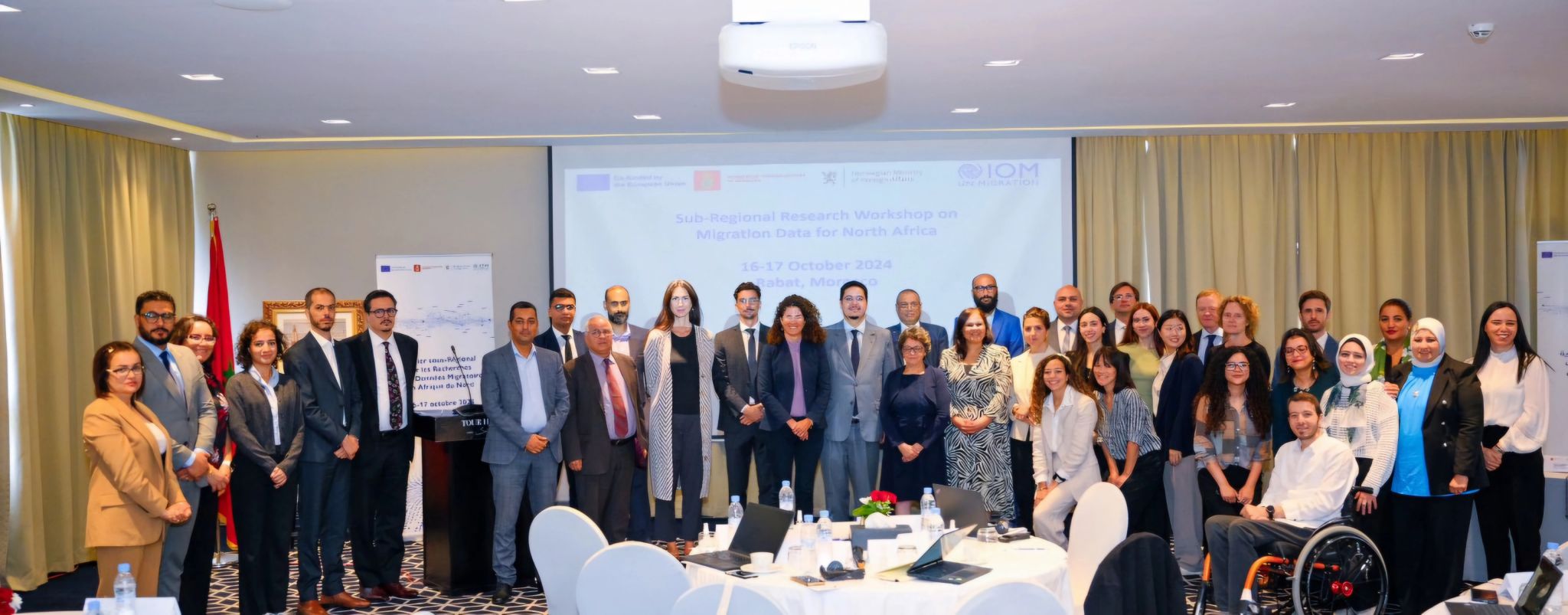
Sanâa Kiadi, a distinguished Global Strategist and International Executive, recently had the honor of representing the African Migration Observatory (AMO) at the Sub-Regional Workshop on Migration Data and Research, which took place on October 16th and 17th in Rabat, Morocco. This significant event was organized by the International Organization for Migration (IOM) in collaboration with the Government of Morocco, bringing together key stakeholders dedicated to advancing the understanding of migration dynamics in the region.

During her participation, Kiadi presented AMO’s mission, which is focused on enhancing migration data collection and analysis across Africa. Her presentation underscored the importance of establishing robust data systems that inform evidence-based migration policies. “Accurate and comprehensive migration data is essential for shaping policies that address the realities faced by migrants and host communities alike,” Kiadi emphasized, highlighting the urgent need for effective data strategies in an increasingly mobile world.

The workshop attracted a diverse array of participants, including representatives from national authorities, research institutions, universities, and various international organizations such as UNICEF and UNHCR, the UN Refugee Agency. This collaborative environment fostered valuable discussions and knowledge-sharing among stakeholders from Morocco, Tunisia, Libya, and Egypt, all of whom are grappling with complex migration issues.No alt text provided for this image

Kiadi remarked on the collaborative spirit of the workshop, noting that it provided a vital platform for stakeholders to exchange insights and best practices related to migration data collection and policy formulation. “The diversity of perspectives represented at the workshop enriched our discussions and illuminated the shared challenges and opportunities we face in managing migration effectively,” she said.

Furthermore, the event served as a critical opportunity to strengthen partnerships among the various entities involved. Kiadi expressed her appreciation for the commitment shown by participants to work together towards common goals in migration management. “Collective action is crucial in addressing the challenges of migration, and I am encouraged by the willingness of stakeholders to collaborate,” she stated.

In her closing remarks, Kiadi extended her sincere gratitude to IOM for their warm hospitality and for hosting such an important gathering. She emphasized the significance of continued dialogue and collaboration in advancing the agenda for migration data and research across Africa, affirming her commitment to this vital work.

As migration continues to shape global and regional landscapes, Kiadi’s insights and the connections made during the workshop will play a pivotal role in influencing future migration policies that are both humane and effective. The outcomes of this workshop are expected to contribute to more informed decision-making processes and ultimately improve the lives of migrants across the African continent.