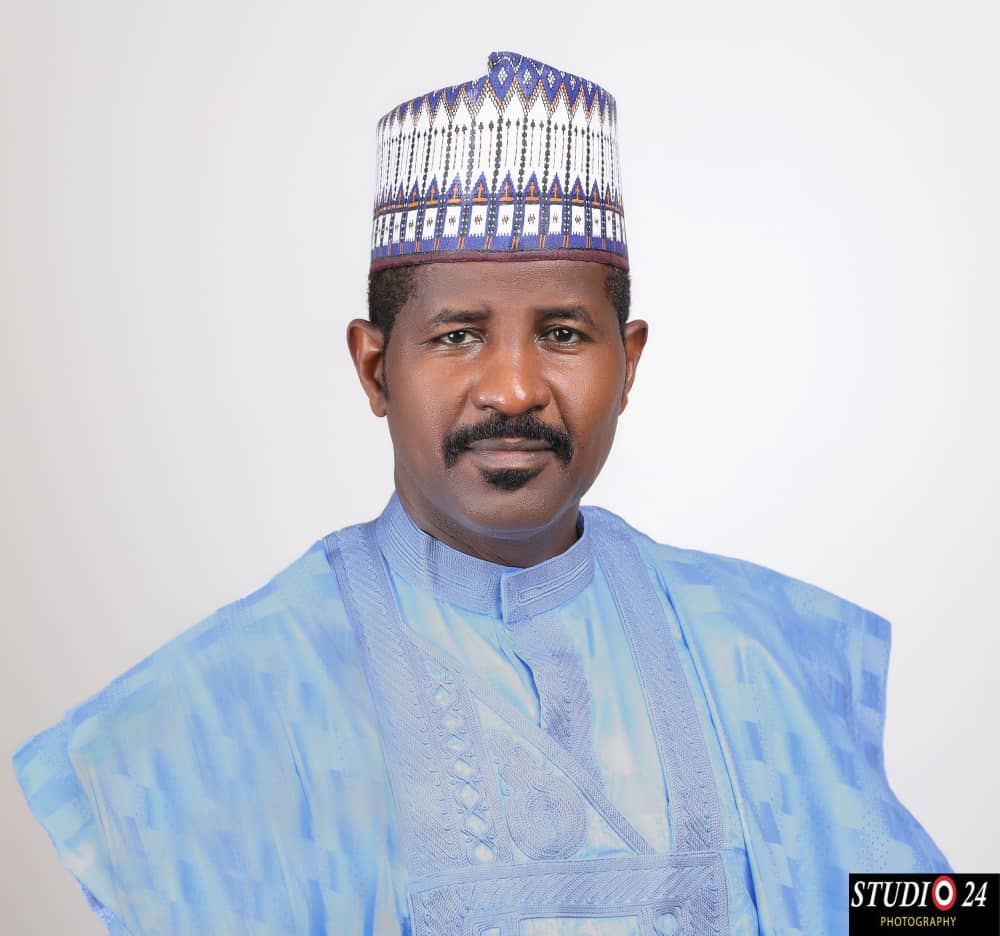
Dr. Bashir Gwandu, former Acting Executive Vice Chairman and CEO, Nigerian Communications Commission (NCC) and former EVC/CEO, National Agency for Science and Engineering Infrastructure (NASENI), has urged African countries to unite and work  together to secure 600 megahertz (MHz) band mobile spectrum allocations.

 The independent telecom expert stated this at the just concluded 9th Sub-Sahara Spectrum Management Conference 2024, held in Nairobi, Kenya on 6-7 November, organised by Forum Global on the third theme: “From WRC-23 to WRC-27- Emerging Landscapes  & Technologies and the Path Ahead.”

Dr. Gwandu who held various chairmanship positions at the both the ITU and Commonwealth including the ITU Radiocommunications Advisory Group (the RAG), The Joint Task Group, and Commonwealth ITU Group (CIG), made the call during his opening remarks on the 600MHz spectrum discussions.

While making a presentation on the session: “The shape of Post-WRC spectrum ecosystems”, he called for cooperation among African countries at the forthcoming World Radiocommunications Conference 2027 (WRC-27) to enter Footnote 5.307A, which are radio regulations used to make spectrum allocation for a country or some countries.

Dr. Gwandu who played a key role in founding the ATU (African Telecommunications Union) WRC coordination meetings had expressed disappointment that the continent’s focus on collaborative efforts was waning.

At the core of the discussions was the 600MHz (3GGP n71) band, a key frequency range that many countries worldwide are increasingly allocating for IMT to support 4G and 5G networks.  While several nations in Regions 2 and 3, as well as some in ITU Region 1, have designated this band for mobile, some African countries are not yet ready to make the switch to co-primary allocation.

Eleven African countries had sought request at the WRC-23 for primary mobile allocation of spectrum and IMT identification in the 614-694MHz band, but only Egypt was granted while countries like Rwanda, Guinea, Benin Republic, and Cameroon, blocked requests from 10 other African nations with similar aspirations.

The 10 countries that were blocked include Nigeria, Senegal, Mauritania, Libya, Chad, Gambia, Sudan, Namibia, Somalia, and Tanzania.  Dr Gwandu posited that fighting for status quo to remain or ‘No Change’ in this case is akin to refusing an available front seat and fighting for a back seat.

“Therefore, colleagues, something clearly went wrong at WRC23, and we as Africans need to address it. We must work together, have positive dialogue on challenges, and optimize the use of opportunities. Reasonable countries have always found solutions to accommodate the needs of their neighbours instead of blocking them,” he said, urging African Telecommunication Union (ATU) to remain effective by following its rules.

He said the 600MHz band issue is clear: the world is moving towards IMT in this band, with some countries ready now and others later. “Eventually, most of us will adopt it. Many region 2 and Region 3 countries have taken primary allocation to mobile in the band, and even in region 1, a number of countries have already changed the use status of this band to include either primary or secondary mobile,” he said.

Dr. Gwandu urged those not ready not to obstruct others that are prepared to move forward. Countries develop at different rates, and the ITU Resolution 26 that requires consent before amending footnotes is intended to promote harmonization, not to delay a clear direction, or block progress, he said, adding that there is need to provide regulatory certainty to different industries.

According to him, if many countries in other regions and Africa have not taken the steps to upgrade the mobile service in the band, “then yes, we can try to convince colleagues in Africa to hold, but, this is not the case. The direction is now clear – 600MHz band will be allocated on a primary basis to mobile. It is almost black and white,” he added.

“When we meet as a family, we must be honest with ourselves. Some of us who helped to initiate the ATU WRC coordination meetings are disheartened by how we, as Africans, continue to fight each other in order to win the occupancy of the back seat, whilst neglecting each other’s interests.

“When making decisions, we must consider the unique circumstances of each country, such as geographical size, population and data demand, the capital expenditure required for coverage, the dispersed nature of our rural settlements, the 50 per cent urban to rural connectivity-divide in Africa and the energy costs to power the high throughput systems in rural areas,” he added.

The telecom guru said these factors differ for each country, and thus the frequency allocation solution for a smaller country like Rwanda or Benin cannot be the same for larger nations like Nigeria or Namibia.
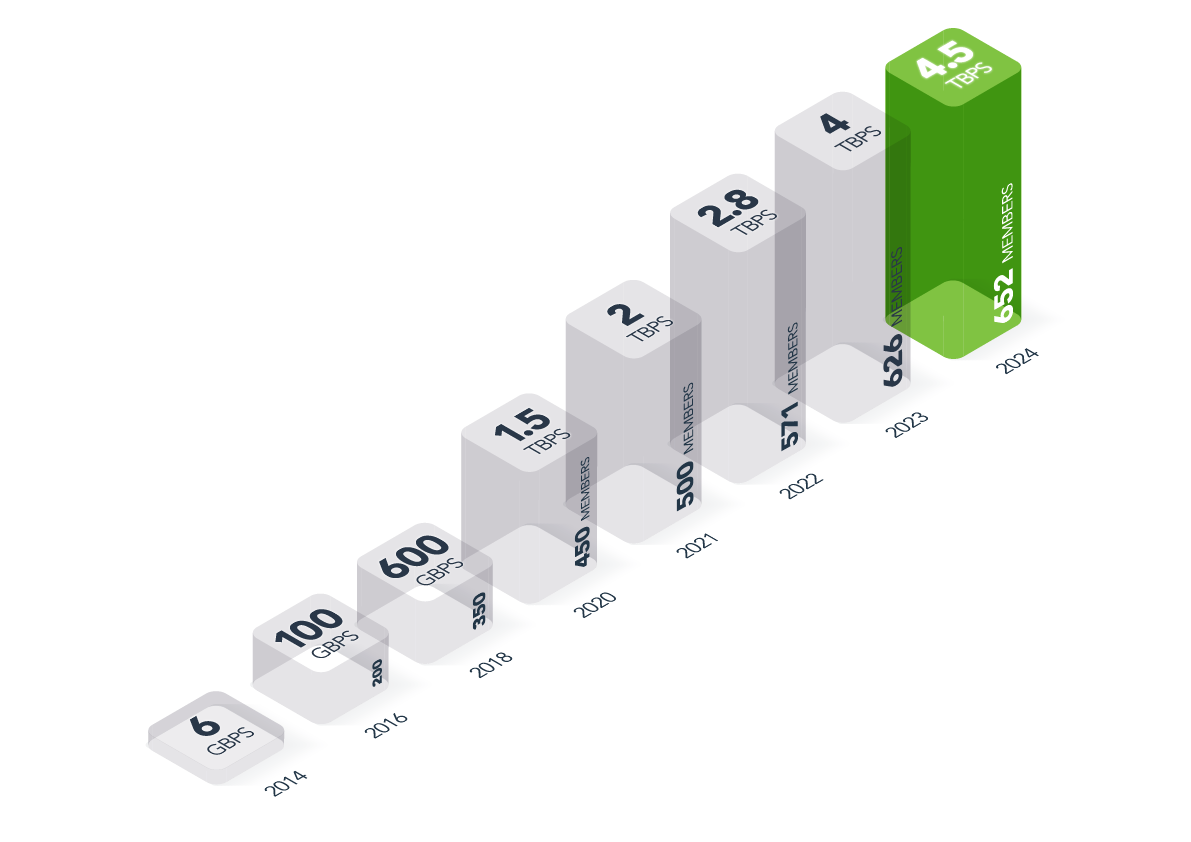

NAPAfrica, Africa’s leading Internet Exchange Point (IXP) and the seventh largest IXP globally, has reached a significant milestone, driving 4.5Tbps of traffic as its peering community continues to grow. Adding to its existing members, including Akamai, Amazon, Apple, ByteDance (TikTok), CDN77, Cloudflare, Facebook (Meta), Google, Microsoft, and Netflix, are Mimecast, Fortinet and Tencent, cementing NAPAfrica’s position as a critical digital infrastructure hub for Africa’s internet.

NAPAfrica has expanded its peering community by over 40 peers over the last year to 652 unique organisations, solidifying its role as the heartbeat of African internet traffic. Based in Teraco’s data centres in Cape Town, Durban, and Johannesburg, serving the peering needs of internet operators across Africa, the exchange crossed the 4Tbps mark in November 2023 and has since expanded to support a diverse and ever-growing network of local and global peers.

Peering’s role in driving African digital growth

“This ongoing growth is a testament to Africa’s vibrant internet community, which has embraced peering, data-intensive applications, cloud adoption, and the rising demand for video, content, and gaming services,” says Andrew Owens, Interconnection and Peering Lead at Teraco.

“Higher traffic levels between cloud providers, enterprises, and end users highlight how essential peering is in accelerating digital transformation across the continent. Our mission is to equip our clients with a seamless, reliable infrastructure to serve their communities effectively across Africa,” he adds.

Peering is the bedrock of this success, offering a cost-effective, high-performance way for content providers and businesses to deliver content to end users efficiently. By interconnecting directly with other networks, NAPAfrica members benefit from reduced latency, faster delivery speeds, and significant cost savings, all critical factors for companies as demand for cloud and entertainment services in Africa skyrockets.

400Gbps interconnection options

On the back of growth in traffic volumes, NAPAfrica continues to evolve its service offerings. In a significant technology leap, NAPAfrica is now the first Internet Exchange in Africa to offer 400Gbps interconnect options, catering to the needs of large-scale content providers and cloud service providers.

Enhanced network visibility with Kentik

NAPAfrica is also empowering its members by introducing the Kentik Network Observability platform, a state-of-the-art tool that provides critical insights into network performance. With Kentik, peering managers, network engineers, and security teams can better manage traffic, optimise performance, and predict capacity needs, which results in even smoother content delivery and improved network resilience.

More regional caching

NAPAfrica is now hosting regional cache servers, significantly enhancing regional content delivery. NAPAfrica now also hosts Netflix Open Connect cache servers in Cape Town and Durban. By reducing the distance data must travel, this initiative enables faster load times for local audiences, enriching the local user experience while making participation even more attractive for new members.

Backbone of African digital transformation

As global cloud providers and enterprises accelerate their African expansion plans, NAPAfrica supports these ambitions. Michele McCann, Head of Platforms at Teraco, says, “The presence of hundreds of carriers and networks, key content providers and cloud services underscores a vibrant peering community that drives affordable, effective content distribution, enabling businesses to meet rising demands for cloud-based and entertainment services.”

With critical infrastructure in place, NAPAfrica is fuelling Africa’s digital future, providing the backbone for internet services and cloud adoption. It’s a partnership-driven model that ensures organisations can support internet communication, cloud strategies, and enhanced connectivity, all crucial as Africa’s demand for digital services continues to climb.


In a significant milestone for Moppets Baby Food, Engr. Roberta Edu, CEO of the popular children’s food brand, recently announced their achievement of HACCP certification—a globally recognized food safety standard. Moppets, a subsidiary of Frills by Roberta, achieved this certification after rigorous assessments and audits, underscoring their commitment to quality and safety.

Edu shared the journey behind this accomplishment: “If you follow our Moppet Foods story closely, one thing you’re going to take away is how daring we’ve been over the years and how committed we are to excellence.” She recalled that upon learning the brand needed HACCP certification to supply to a specific NGO, the challenge initially appeared daunting. However, her determination turned that challenge into a goal, setting the company on a path toward stringent safety compliance.


Moppet Foods undertook comprehensive audits and systems assessments conducted by Americo Standards Registech Inc., based in Wyoming, USA. As of today, Moppets Baby Food proudly holds the HACCP certification (Hazard Analysis and Critical Control Points), a testament to their rigorous standards and dedication to delivering safe, nutritious meals for families.

The HACCP certification ensures that every step of Moppet’s production process, from farm partnerships to the final product, adheres to high safety standards. Edu expressed her gratitude to her team and partners, stating, “Thank you to everyone. We’re setting new standards and working toward healthier futures for all! A healthier world is possible.”

Through this certification, Moppets Baby Food not only reinforces its place in the industry but also serves as an inspiring example of how a small business can achieve international standards. Edu encourages others to pursue greatness and embrace challenges, believing that dedication to quality can lead to extraordinary achievements.

#MoppetFoods #HACCP #FoodSafety #SmallBusinessSuccess #NaturalNutrition


Tinubu has granted full oversight responsibilities to Ministers of State over agencies under them amongst whom are Minister of State for Defence Dr. Matawalle, Water Resources and Sanitation, Minister of State for Agriculture and others will henceforth enjoy full oversight responsibilities over such agencies.

President Bola Tinubu at FEC Meeting has approved that ministers of state be given full powers to supervise the agencies under them, the cable reported.

Until now, files pertaining to departments and agencies under their supervision were sent by their permanent secretaries to the senior ministers.

With the new dispensation, ministers of state can now grant all necessary administrative approvals on the governance process of these agencies and departments.

According to a source in the office of the head of service of the federation, “the president was not pleased with the prevailing governing framework in which ministers of states were just ministers in name”.

This, Tinubu reportedly said, led to the “underutilisation of the expertise and capabilities” of most ministers of state.

“The president believes ministers of state should have the right to make decisions and direct action within their areas of responsibility,” the official added.

According to the Cable report, the source said the idea, first mooted by Hadiza Bala Usman, special adviser to the President on policy coordination and head, central delivery coordination unit got an instant buy-in from the President.

With the new directive, the administration hopes “to unleash” the potential of all the ministers, the source added.


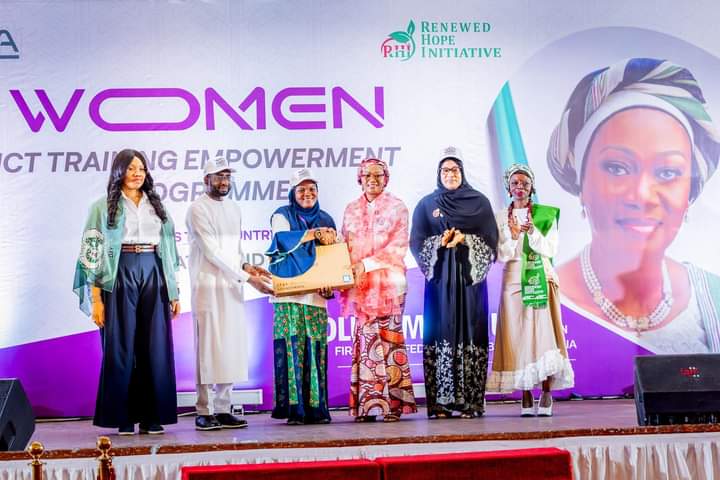
In a significant boost for women in technology, beneficiaries of the Women ICT Training Empowerment Programme, organized in collaboration with the Renewed Hope Initiative, received brand new laptops and financial support from Her Excellency, Senator Oluremi Tinubu, CON, First Lady of the Federal Republic of Nigeria.

This initiative aligns with the National Information Technology Development Agency’s (NITDA) Digital4All (#DL4ALL) program, a strategic part of Nigeria’s broader mission to foster digital literacy and skill acquisition across the nation. NITDA’s ambitious Digital4All plan is geared toward achieving 70% digital literacy by 2027, a goal expected to drive Nigeria toward a more inclusive and digitally empowered society.

Her Excellency’s support underscores the federal government’s commitment to empowering women with the necessary tools and resources to thrive in an increasingly digital world. As beneficiaries received their laptops and cheques, this initiative highlighted the transformative potential of digital skills in enhancing economic opportunity and self-sufficiency among Nigerian women.

By investing in digital literacy, Nigeria seeks to leverage technology as a means of social and economic advancement, creating a pathway toward a future where digital empowerment is accessible to all.


In recent years, discussions about the evolution of Igbo music have sparked intense debate within the community. While some fans argue that contemporary Igbo music—especially from Anambra State—has become overly focused on praise-singing and themes of wealth, others believe this view is an oversimplification that overlooks the genre’s depth and diversity. One voice in this ongoing conversation is Okechukwu Croft Ugwu, an Igbo culture enthusiast who argues that there is still a strong legacy of meaningful, culturally rich music within the Igbo musical landscape.

Ugwu responded passionately to what he feels is a narrow portrayal of Anambra’s music scene. “Yes, I understand that people feel Anambra music leans toward money and praise-singing,” he acknowledged. “But to say that it’s all like that is a hasty conclusion. Anambra has a wealth of musical history and artists who deliver real substance. There are so many examples of this,” he added, urging people to consider the wider picture.

To support his perspective, Ugwu referenced some of the most celebrated figures in Igbo music, like Ozoemena Nsugbe and Goddy Ezike from Anambra. Ozoemena Nsugbe, he argued, has a unique lyrical depth that, in Ugwu’s words, “has no equal in Imo State.” According to him, Goddy Ezike is another artist who stands out for his masterful use of Igbo proverbs and traditional wisdom, weaving proverbs throughout his songs in a way that few can replicate. “Ezike’s entire songs are built on proverbs alone,” he explained, “a feat only the great Mike Ejeagha of Enugu could match.”

Ugwu’s appreciation also extended to the legendary Osita Osadebe and Oliver De Coque, two pioneers often credited with introducing praise-singing into Igbo music. While he acknowledged their use of praise themes, he emphasized that both Osadebe and De Coque produced numerous songs rich in philosophy and reflection. “Yes, they praised people,” Ugwu said, “but they also crafted songs with deep messages, sometimes without mentioning a single name. Their music wasn’t just about fame or money—it carried cultural and moral insights.”

Ugwu highlighted that even in Imo State, where musical legends like Oriental Brothers and Peacock are revered, there was still an element of praise in their music. However, he stressed that it didn’t take away from their value or integrity as cultural artists.

Shifting his focus to modern Igbo musicians, Ugwu praised Ayaka Ozubulu and Chika Obi as examples of contemporary artists who carry on the tradition of meaningful music. He described Ayaka’s storytelling and Chika’s wisdom-packed songs as valuable additions to Igbo music, bringing intricate narratives and moral messages that resonate with listeners on a deeper level. “Compared to others, like Ababa Nna, Ayaka and Chika are far more serious and sophisticated in their approach,” he noted, adding that their use of elaborate instrumentation and more intense lyrical focus sets them apart.

For Ugwu, these artists are a testament to the diversity and resilience of Anambra’s musical heritage. “To say Anambra music is 99 percent without substance is a monumental falsity,” he argued. He believes that while certain musicians may focus more on praise-singing, there is still a significant number producing songs filled with cultural wisdom, morality, and rich storytelling that honor Igbo tradition.

This debate, though passionate, underscores a broader concern within the Igbo community about preserving cultural authenticity in an age of evolving musical trends. As Igbo music continues to grow in popularity, both at home and in the diaspora, many hope that future artists will find ways to balance contemporary appeal with the traditional values that define their heritage.

Anthony Emeka Nwosu


Tariye Gbadegesin, CEO of the Climate Investment Funds (CIF), reflected on the strides in climate action showcased at this year’s World Bank Group Meetings, emphasizing the power of partnerships in advancing global climate goals. She highlighted key initiatives, from climate-smart agriculture projects aimed at supporting food security through the Global Agriculture and Food Security Program (GAFSP) to the launch of Brazil’s new Climate and Ecological Transformation Investment Platform.

“[This year’s meetings were inspiring,]” Gbadegesin shared, “whether it’s how climate-smart agriculture can help us hit #GAFSP food security goals or the launch of Brazil’s new Climate and Ecological Transformation Investment Platform.”

Gbadegesin underlined the essential role of CIF’s partnerships with countries worldwide. She recounted recent discussions with several global leaders, such as Burkina Faso’s Minister Yacouba Gouba, with whom CIF has collaborated on a 325MW solar park, and Japan’s Deputy Vice Minister Kazuki Watanabe, a founding member of CIF and supporter of the Clean Technology Fund.

Further, she acknowledged the contributions of UK Minister Anneliese Dodds, instrumental in CIF’s Accelerating Coal Transition Program and the newly launched Global Clean Power Alliance, as well as Assistant Deputy Minister Patricia Pena from Global Affairs Canada, a supporter of CIF’s women leadership initiative in coal transition. Germany’s Director-General Dirk Meyer from the Federal Ministry for Economic Cooperation and Development (BMZ) was also commended for CIF’s collaboration on integrating social protection into climate finance.

“Our work at CIF would not be possible without the commitment of these partner countries,” Gbadegesin said, adding that these alliances are essential to advancing sustainable climate solutions globally.

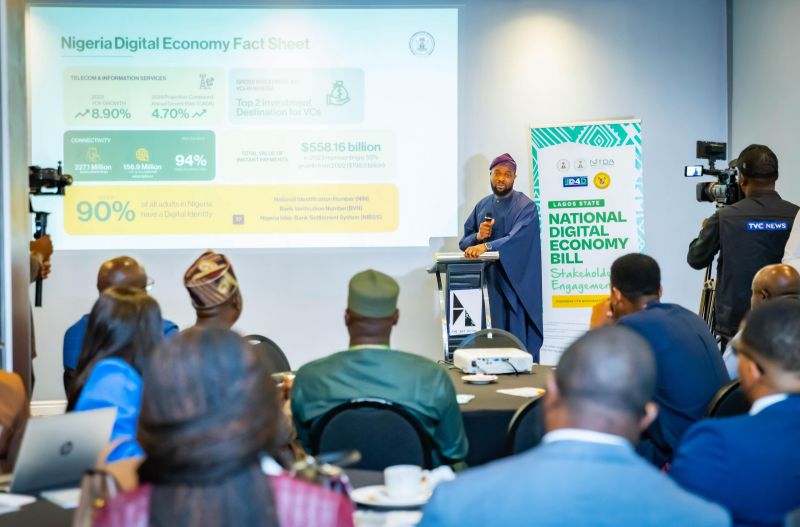
Dr. Bosun Tijani, Nigeria’s Minister of Communications, Innovation, and Digital Economy, today led a significant stakeholder engagement on the proposed Digital Economy and e-Governance Bill. Held in Lagos, this meeting is part of an extensive consultation initiative that spans Nigeria’s 36 states and the Federal Capital Territory (FCT), aimed at shaping legislation to catalyze the growth of Nigeria’s digital economy.

“Today in Lagos, we held a stakeholder engagement on the Digital Economy & e-Governance Bill as part of our wide-ranging consultation across the 36 states and FCT of Nigeria,” stated Dr. Tijani. “With no current overarching law to back the digital economy in Nigeria, we are keen to collectively craft a piece of legislation that can help us accelerate the growth of the sector.”

The consultation seeks to create a law to support digital economy initiatives, prioritizing data interoperability and technological innovation that not only empower the government but also enable the private sector to utilize government services and data to achieve their business objectives. The process is being funded by The World Bank, which has supported Nigeria’s goal of ensuring that the Bill reflects insights from across sectors.

Dr. Tijani emphasized the importance of stakeholder input in drafting an inclusive bill: “This process of bringing stakeholders together…to get proper feedback on the Bill is critical,” he said. “I am grateful for the collaboration of both chambers of the National Assembly, led by Senator Shuaib Afolabi Salisu, Chair of the Senate Committee on ICT & Cybersecurity, and Hon. Adedeji Stanley Olajide, House Committee Chair on ICT & Cybersecurity, in making sure that this process is inclusive as we work together to deliver the benefits of a stronger digital economy for our people.”

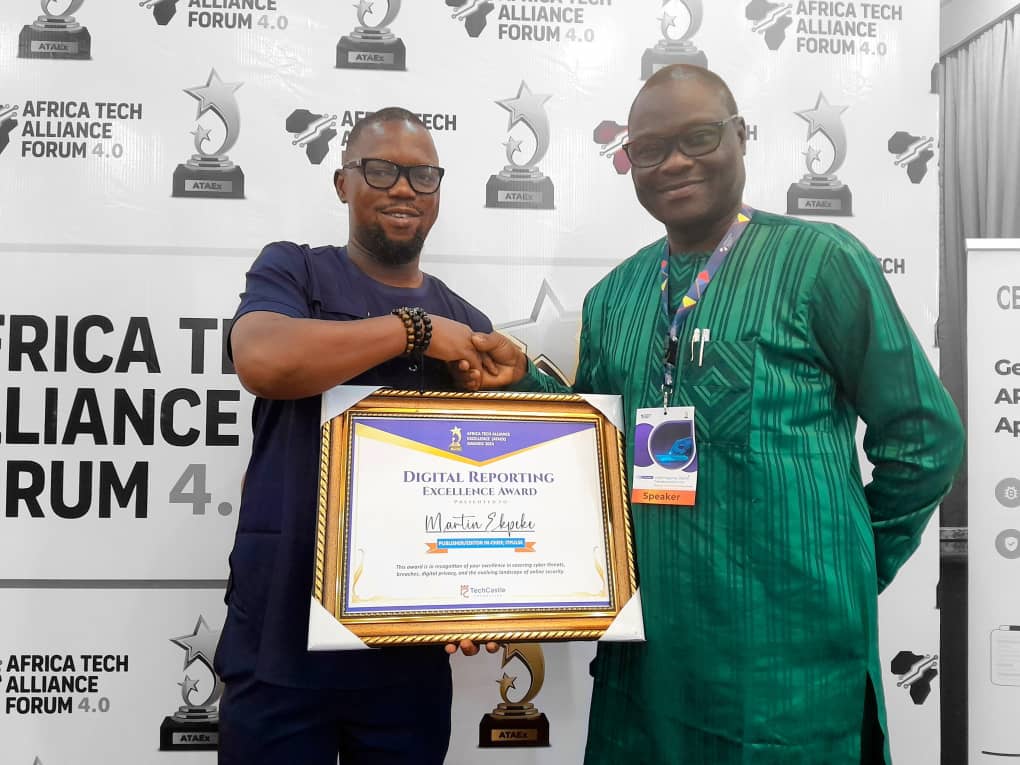
Martin Ekpeke, the Managing Editor of ITPulse, a leading Nigerian online Information and Communications Technology (ICT) news platform, was awarded the prestigious Digital Reporting Excellence Award at the Africa Tech Alliance Excellence (ATAEx) Awards.

The award, presented by Tech Castle Foundation, recognizes Ekpeke’s exceptional coverage of cyber threats, digital privacy, and the evolving online security landscape.

“We are thrilled to honor Martin Ekpeke with the Digital Reporting Excellence Award. His insightful reporting has been instrumental in raising awareness about critical digital issues and empowering individuals and organizations to stay informed and protected,” said Chike Onwuegbuchi from Tech Castle Foundation. “His

Ekpeke expressed his gratitude for the recognition, stating, “I am deeply honored to receive this award. It is a testament to the hard work and dedication of the entire ITPulse team. We are committed to delivering high-quality, informative content that empowers our readers to navigate the complex digital world.”

The Africa Tech Alliance Excellence (ATAEx) Awards celebrate individuals, businesses, and institutions driving digital transformation in Africa. This year’s event brought together tech enthusiasts, regulators, and other key stakeholders in the Nigerian ICT ecosystem.

The event showcases latest AI-ready infrastructure solutions, including key innovations in power and cooling
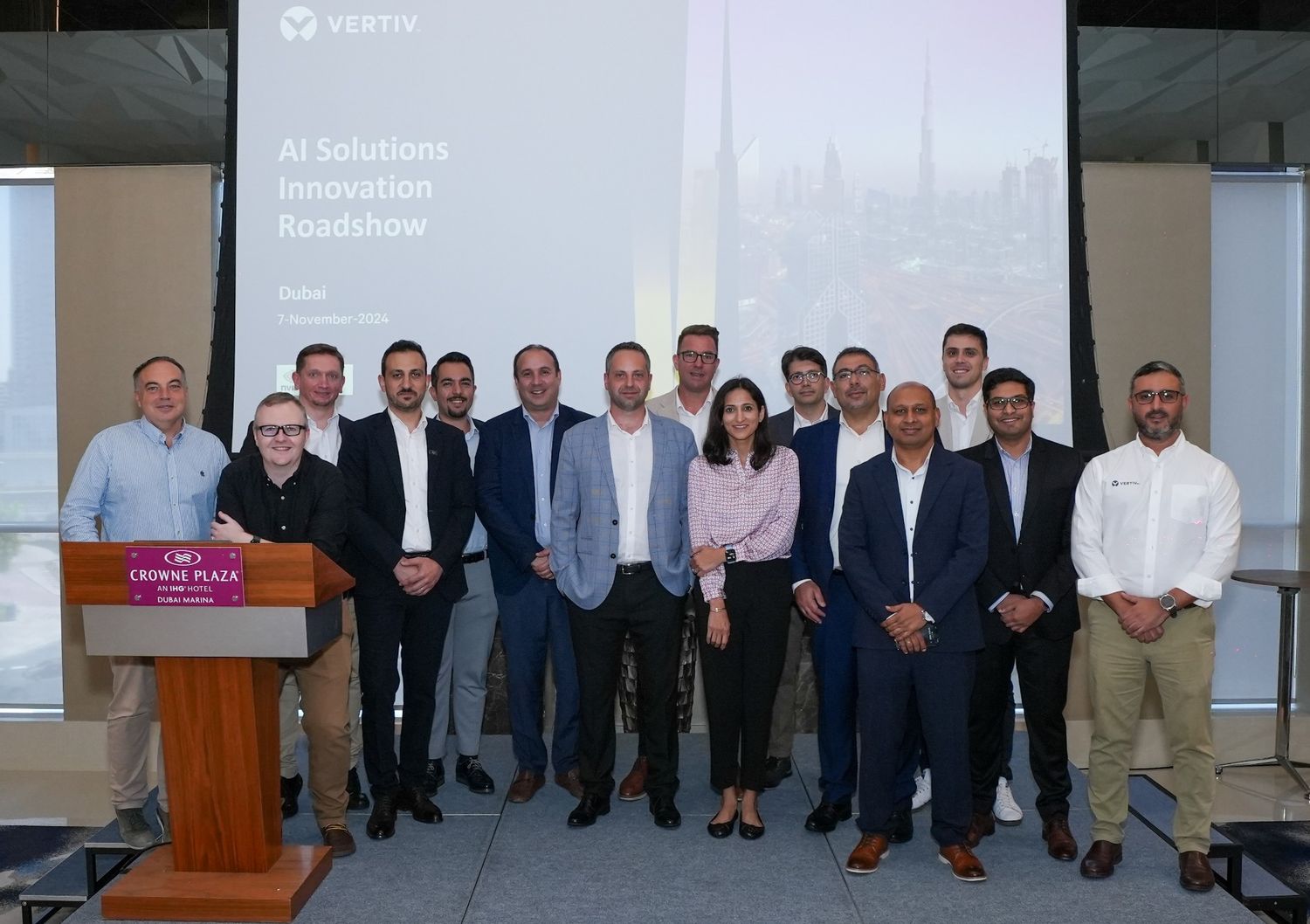
 (NYSE: VRT), a global leader in critical digital infrastructure and continuity solutions, recently concluded its highly anticipated AI Solutions Innovation Roadshow in Dubai, UAE.
Held at Crowne Plaza – Dubai Marina, the event was part of a global series aimed at educating and equipping customers and consultants with essential expertise for deploying high-performance computing (HPC) and artificial intelligence (AI) infrastructure. During the roadshow, Vertiv experts introduced the eight infrastructure imperatives to enable AI, shared insights on key challenges and opportunities and provided participants with a deep understanding of the latest innovations supporting HPC infrastructure, as well as the impact on data center power and cooling systems.
Tassos Peppas, Regional Director for Middle East, Turkey and Central Asia (METCA) region at Vertiv, said: “Dubai stands at the forefront of high-performance computing and AI innovation, setting a powerful example for the region and beyond. With our AI Solutions Innovation Roadshow, we are bringing the latest advancements directly to industry leaders, empowering them to explore transformative infrastructure that is critical for tomorrow’s digital landscape. We were thrilled to engage with our customers in Dubai, demonstrating how Vertiv’s solutions not only optimize current operations but also position them to lead confidently into the future of AI-driven possibilities.”
The Vertiv AI Solutions Innovation Roadshow emphasized the essential aspects for adopting AI-compatible infrastructure and service to maintain operational excellence. Discussions explored power optimization for AI workloads, alternative energy solutions, and readiness for liquid and hybrid cooling technologies.
During the roadshow, Vertiv showcased the Vertiv™ Liebert® XDU 450 Coolant Distribution Unit (CDU), the latest liquid cooling solution designed to enhance the performance and efficiency of HPC systems and modern data center applications.

2 / 2
Speakers from Vertiv for the Dubai event included Tassos Peppas – Regional Director METCA, Mahmoud Abdelmoneim – Sales Director Middle East, Ian Paul – Hyper & Colo Strategic Segments Director METCA, Majid Eid – Account Manager Thermal METCA, Russel Payne – Senior Manager Application Engineering EMEA, Slawomir Dziedziula – Director of Application engineers EMEA, and Nikola Petkovic – Senior Solutions Architect EMEA.
For more information, visit Vertiv.com/METCA.
# # #
About Vertiv
Vertiv (NYSE: VRT) brings together hardware, software, analytics and ongoing services to enable its customers’ vital applications to run continuously, perform optimally and grow with their business needs. Vertiv solves the most important challenges facing today’s data centers, communication networks and commercial and industrial facilities with a portfolio of power, cooling and IT infrastructure solutions and services that extends from the cloud to the edge of the network. Headquartered in Westerville, Ohio, USA, Vertiv does business in more than 130 countries. For more information, and for the latest news and content from Vertiv, visit Vertiv.com.
 
Forward-Looking Statements
This release contains forward-looking statements within the meaning of the Private Securities Litigation Reform Act of 1995, Section 27 of the Securities Act, and Section 21E of the Securities Exchange Act. These statements are only a prediction. Actual events or results may differ materially from those in the forward-looking statements set forth herein. Readers are referred to Vertiv’s filings with the Securities and Exchange Commission, including its most recent Annual Report on Form 10-K and any subsequent Quarterly Reports on Form 10-Q for a discussion of these and other important risk factors concerning Vertiv and its operations. Vertiv is under no obligation to, and expressly disclaims any obligation to, update or alter its forward-looking statements, whether as a result of new information, future events or otherwise.