Nigeria’s journey towards a digitally connected future is facing a serious, yet often overlooked, obstacle: access denial to critical telecom facilities. At the Critical National Information Infrastructure (CNII) Protection and Resilience Workshop Series held on October 28, 2024, Dr. Aminu Maida painted a vivid picture of how this issue is stifling progress.

Organized by the National Cybersecurity Coordination Centre (NCCC) under the Office of the National Security Adviser, the workshop brought together policymakers and regulators to discuss challenges and strategies for securing the country’s digital backbone. Dr. Maida’s speech, however, turned the spotlight on an issue that goes beyond infrastructure damage or theft—one rooted in human actions and decisions.

“In 2023 alone, we faced over 20,000 cases of site access denial,” Dr. Maida disclosed. He explained that these cases arise when property owners, communities, or even government entities block telecom operators from accessing critical sites to install, repair, or upgrade equipment. “Every single denial is more than just a statistic—it’s a barrier preventing millions of Nigerians from experiencing improved connectivity, stalling our progress towards a robust digital economy.”

The Human Cost of Access Denial

The consequences of these actions ripple far and wide. For urban residents, it might mean dropped calls or slower internet speeds. But in rural areas, where connectivity often hangs by a thread, access denial can mean isolation from crucial services like online education, telemedicine, or emergency communications.

Consider the story of a remote community in northern Nigeria where students rely on internet connectivity to participate in e-learning programs. When the telecom operator’s engineers were denied access to repair damaged equipment, the network remained down for weeks, cutting students off from their lessons. “These denials don’t just hinder infrastructure; they rob communities of opportunities,” Dr. Maida stressed.

A Shared Responsibility

Dr. Maida urged Nigerians to rethink their approach to telecom facilities. While some cases of access denial stem from legitimate concerns—such as fears about radiation or disputes over compensation—he argued that these challenges can be addressed through dialogue and collaboration. “We need a collective mindset shift. The digital economy doesn’t belong to telecom operators alone; it belongs to all of us.”

He also called on the government at all levels to play a more active role in mediating disputes and ensuring that telecom operators have the necessary support to expand and maintain their networks. “If we are to achieve the ambitious targets for Nigeria’s digital economy, protecting and granting access to telecom facilities must become a priority.”

A Call to Action

The CNII Protection and Resilience Workshop concluded with a renewed commitment to safeguarding Nigeria’s critical digital infrastructure. Attendees agreed that while cybersecurity remains a top concern, addressing access denial is equally vital to ensuring the country’s digital future.

Dr. Maida’s message was clear: “Every Nigerian deserves to be connected. But for that to happen, we must break down the barriers—literal and figurative—that are holding us back.” His passionate appeal struck a chord with participants, highlighting the human impact of decisions made at every level of society.

As Nigeria races toward becoming a digital leader in Africa, the challenge of access denial reminds us that progress isn’t just about technology; it’s about the people and communities who depend on it.


Anthony Emeka Nwosu


The Office of the National Security Adviser (ONSA), in collaboration with key government stakeholders, information infrastructure operators, and private sector organizations, has announced plans to establish a Trusted Information Sharing Network (TISN). This initiative aims to enhance information sharing, risk assessment, and the resilience of Nigeria’s Critical National Information Infrastructure (CNII).

The announcement was made by Dr. Aminu Maida during the opening session of the Critical National Information Infrastructure (CNII) Protection and Resilience Workshop Series for policymakers and sector regulators. The workshop, organized by the National Cybersecurity Coordination Centre (NCCC) under the Office of the National Security Adviser, took place on October 28, 2024.

Dr. Maida emphasized that the TISN would serve as a vital communication channel for exchanging threat intelligence and identifying vulnerabilities. He highlighted its potential to promote decentralized risk assessment and strengthen the nation’s capacity to implement effective security measures across critical sectors.

The network is expected to play a pivotal role in safeguarding Nigeria’s information infrastructure by fostering collaboration between the public and private sectors, ultimately ensuring the security and resilience of the country’s digital ecosystem.

The workshop brought together key policymakers, sector regulators, and cybersecurity experts to discuss strategies for enhancing the protection of national infrastructure in the face of growing cyber threats.


Hope Nwosu, a Nigerian writer based in Helsinki, Finland, recently attended the annual Gender Equality Days event, held for the tenth time this year. The event, focused on the theme “Change,” was organized to address critical issues surrounding gender equality, including the persistent wage gap and violence against women. The occasion kicked off with a powerful speech by Finland’s Minister for Gender Equality, Sanni Grahn-Laasonen, who emphasized the importance of closing salary disparities and tackling gender-based violence.May be an image of 3 people and text

Reflecting on the discussions, Nwosu shared her key takeaways, which included the reaffirmation that “women’s rights are human rights.” She also stressed the significance of intersectionality in addressing gender issues and highlighted the unchanged reality of violence against women, noting that it remains as prevalent as it was three decades ago. Nwosu further pointed out that gender equality should be a shared responsibility, urging the inclusion of men and boys in efforts to combat inequality

She also discussed how poverty threatens gender equality, particularly for immigrant women, those with physical disabilities, and single-parent families. Nwosu emphasized that poverty can perpetuate generational cycles, forcing women into difficult choices and dependency on social services. “Empowerment is the key,” she concluded, calling for stronger initiatives to integrate and support immigrant women in Finland’s workforce and society.

In addition to her reflections on gender equality, Nwosu also shared her excitement for the upcoming Integration 2024 event in Turku, Finland. This will be her first time attending the renowned event after following it from afar. She will participate in the elevator speech competition, presenting her topic on “Two-way Integration for a Smoother Integration” at Teatro from 12:00 to 13:30. Following that, she will be at the City of Vantaa stand from 14:00, alongside colleagues, to promote Vantaa as a prime location to live and work in Finland.

Looking ahead, Nwosu expressed enthusiasm for the opportunity to hear insightful speeches and engage with both familiar and new faces at the Integration event.


In a significant development for Nigeria’s industrial sector, the Nigerian National Petroleum Company (NNPC) Limited, through its subsidiary, NNPC Gas Marketing Limited (NGML), has successfully executed a Gas Sale and Purchase Agreement (GSPA) with Dangote Petroleum Refinery and Petrochemicals FZE. The agreement, signed by Barr. Justin Ezeala, Managing Director of NGML, and Aliko Dangote, President/CEO of the Dangote Group, took place at Dangote’s Corporate Head Office in Falomo, Lagos State.

The 10-year deal will see NGML supply Dangote Refinery with 100 million standard cubic feet per day (MMSCF/D) of natural gas, which will serve both as power generation fuel and as feedstock for the refinery’s operations in Ibeju-Lekki, Lagos State. The agreement outlines that 50 MMSCF/D will be a firm supply, with the remaining 50 MMSCF/D allocated as interruptible natural gas supply.

This strategic partnership aligns with President Bola Ahmed Tinubu’s policy to harness Nigeria’s vast gas resources to boost industrial growth and contribute to the country’s economic development. The deal is particularly notable for its zero capital expenditure (CAPEX) outlay, marking an unprecedented milestone for NGML and setting a new precedent for gas distribution companies in the country.

The supply of natural gas to the Dangote Refinery is expected to play a key role in ensuring the refinery’s operational success, providing a reliable energy source that will contribute to the country’s long-term industrial goals. This collaboration is also in line with NNPC Ltd.’s broader strategy of promoting domestic gas utilization, supporting industries, and enhancing the local economy.

NNPC Ltd., through NGML, continues to lead the charge in advancing Nigeria’s energy sector by executing strategic projects that not only ensure energy security but also foster business growth and national prosperity. This agreement with Dangote Refinery represents a landmark achievement, reinforcing NGML’s commitment to business excellence and supporting Nigeria’s industrial future.


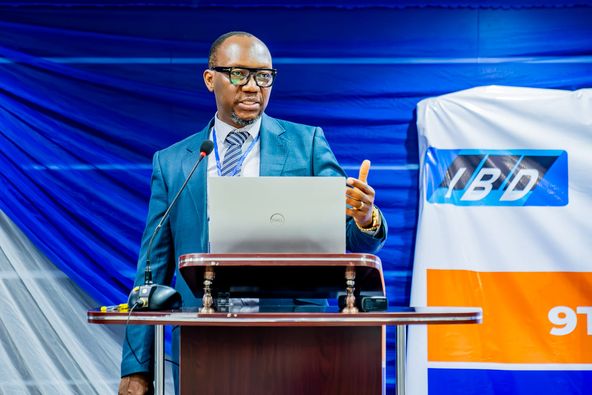
The Director General of the National Information Technology Development Agency (NITDA), Kashifu Inuwa Abdullahi, represented by Dr. Ayo Bakare, delivered a compelling keynote address at the Institute for Business Development’s 9th Annual Conference, which took place at the Abuja Continental Hotel.

In his speech, Inuwa underscored the pivotal role of digital transformation in Nigeria’s industrial future, highlighting it as a critical bridge to achieving a diversified economy, enhanced global competitiveness, and an improved quality of life for Nigerians. He emphasized that digital transformation is not merely an option but a vital necessity for the country’s economic and industrial advancement.

The keynote address centered on the need for businesses, industries, and government agencies to embrace digital tools and technologies in order to stay competitive in an increasingly digital global market. Inuwa stressed that the acceleration of digital transformation would drive economic growth, open up new opportunities, and foster innovation across various sectors, contributing to the broader vision of transforming Nigeria into a digital economy powerhouse.May be an image of 5 people, table, lighting, dais and text

Dr. Bakare, speaking on behalf of Inuwa, called on all stakeholders to prioritize digital strategies as part of their long-term development plans, urging industries to not only adopt new technologies but also focus on building a robust digital infrastructure. The speech also reinforced NITDA’s commitment to supporting digital initiatives that align with national development goals, thereby ensuring that Nigeria remains at the forefront of the digital revolution.

The 9th Annual Conference provided a platform for thought leaders, policymakers, and industry experts to discuss the pressing issues and opportunities surrounding digital transformation in Nigeria, with a focus on leveraging technology to propel the nation’s industrialization agenda.


In response to growing global cyber threats, Kashifu Inuwa Abdullahi, Director General of the National Information Technology Development Agency (NITDA), delivered an essential presentation on cybersecurity to the Board of Directors at Jaiz Bank’s headquarters in Abuja. Addressing the board’s role in strengthening cybersecurity governance, Abdullahi focused on critical areas such as risk management, resource allocation, and readiness to counter cyber attacks within the financial sector.

During his presentation, Abdullahi highlighted the Nigerian government’s ongoing efforts to secure digital assets through the National Cybersecurity Architecture, overseen by the Office of the National Security Adviser. This initiative underscores a national commitment to fortifying the country’s cyber defenses in the face of increasing threats.

Quoting renowned investor Warren Buffett, Abdullahi emphasized the value of a bank’s reputation, warning, “It takes 20 years to build a reputation and only a few minutes of cyber-incident to ruin it.” He urged the board to prioritize cybersecurity as a means of protecting customer data and assets, underscoring the importance of proactive measures to secure the bank’s digital infrastructure.


As technology continues to reshape industries and societies across Nigeria, CodeFest International is stepping up to bring this transformation to Ebonyi State with the launch of the Ebonyi Hackathon. This groundbreaking event is designed to spark innovation, cultivate talent, and address local challenges by fostering a tech-forward ecosystem in the region. We spoke with the organizers to gain insight into what inspired this initiative, their goals, and the future of the Ebonyi Hackathon.

Inspiring Innovation and Economic Growth

According to the organizers, the Ebonyi Hackathon is driven by a clear vision: to nurture a culture of innovation and entrepreneurship in Ebonyi State. “The hackathon was inspired by the need to foster technological advancement, enhance skill development, and support economic growth within the region,” they explained. By bringing together developers, designers, and entrepreneurs, the event aims to tackle real-world problems while creating opportunities for tech-savvy youths to contribute solutions that impact their communities.

A Growing Tech Scene in Ebonyi

While Ebonyi may not yet be on par with Nigeria’s larger tech hubs, a budding community of young tech enthusiasts is eager to make their mark. “The tech scene here is emerging, with a lot of talented individuals looking to innovate and apply digital solutions to address local challenges,” organizers shared. Initiatives like the Ebonyi Hackathon play a crucial role in accelerating this growth, providing a collaborative space where ideas can flourish, and nurturing a tech ecosystem that’s ready to tackle pressing issues.

Targeting Local Issues Through Technology

The Ebonyi Hackathon has chosen themes that are highly relevant to the state’s needs: E-Governance, Agriculture, and Smart City solutions. Organizers hope the event will generate impactful solutions, such as e-government tools to streamline citizen services, agricultural apps to aid farmers with weather forecasts and pest control advice, and smart city technologies to improve traffic management and urban planning. Each solution is envisioned to bring practical benefits, enhancing transparency, supporting local farmers, and making the urban environment safer and more efficient.

Addressing Broader Real-World Challenges

Beyond the primary themes, the Ebonyi Hackathon also encourages participants to address broader issues like healthcare, education, environmental sustainability, and youth unemployment. For instance, organizers hope to see healthcare solutions that use telemedicine to improve access in rural areas, digital platforms for remote learning, waste recycling innovations, and skills-training apps that connect young people with job opportunities. “We want these projects to solve everyday problems for Ebonyi’s residents and contribute to long-term development,” they emphasized.

Support Beyond the Hackathon

The Ebonyi Hackathon is designed not only to generate ideas but also to help bring those ideas to life. Organizers have arranged for ongoing support to develop the most promising projects, including mentorship, technical resources, and funding. “Our goal is to turn ideas into real-world applications,” they said, noting that partnerships with local businesses, government agencies, and development organizations will provide avenues for project scaling, with a focus on sustainability and lasting impact.

Mentorship from Industry Experts

Throughout the event, participants will benefit from mentorship by industry professionals, tech experts, and successful entrepreneurs. This guidance covers various aspects of project development, from technical advice to business strategy and implementation. Organizers believe this experience will be invaluable for participants, equipping them with essential skills in problem-solving, teamwork, and pitching ideas. Moreover, the hackathon will serve as a networking platform, creating connections that can lead to future collaborations and opportunities in the tech ecosystem.

Government Support and Recognition

The Ebonyi State government has been a vital partner in making the Ebonyi Hackathon possible. Through endorsement, logistical support, and the establishment of state awards for top-performing teams, the government is demonstrating its commitment to innovation and technological growth in the region. This support underscores the event’s alignment with state development priorities and the potential it has to make a positive impact on Ebonyi’s economy and quality of life.

CodeFest’s Long-Term Vision

The Ebonyi Hackathon is just one part of CodeFest International’s broader vision for a thriving tech ecosystem in Ebonyi State. By developing a community of skilled developers, entrepreneurs, and investors, CodeFest aims to drive innovation, digital literacy, and economic growth. “Our long-term vision is to position Ebonyi as a leader in technology and innovation within Nigeria,” the organizers stated, with the hackathon serving as a platform to discover local talent, foster tech-driven solutions, and encourage entrepreneurship.

Looking to the Future

Organizers envision the Ebonyi Hackathon evolving into an annual event that grows in both scale and impact. Future editions are expected to introduce emerging technologies like AI, blockchain, and IoT, keeping pace with global tech trends. Plans to enhance post-hackathon support, establish long-term incubation programs, and attract national and international participants are already on the horizon, promising a dynamic event that continuously enriches the tech landscape in Ebonyi.

With the inaugural Ebonyi Hackathon, CodeFest International is paving the way for a brighter, tech-driven future in Ebonyi State. By fostering collaboration, innovation, and practical solutions, the event is poised to make a significant impact on the region and inspire the next generation of tech leaders.


In an open letter shared on social media, Nigerian entrepreneur and philanthropist Dr. Stephen Akintayo commended U.S. Vice President Kamala Harris for her remarkable campaign efforts. Though he did not support her candidacy, Dr. Akintayo acknowledged the impressive progress Harris made within a limited campaign timeframe, describing her as a charismatic leader with an “infectious laugh.”

Reflecting on his political stance, Dr. Akintayo explained that he had previously expressed willingness to support former First Lady Michelle Obama as a potential candidate due to her moderate and balanced approach, despite her affiliation with the Democratic Party. He noted that Michelle Obama’s appeal as a Washington outsider, coupled with her pragmatic approach to governance, aligns with the qualities he believes resonate with many voters. Drawing a comparison to former President Obama’s appeal, Dr. Akintayo suggested that Harris’s established career in politics, spanning from state positions to the U.S. Senate and ultimately the Vice Presidency, may have hindered her appeal among voters looking for fresh perspectives outside career politics.

Dr. Akintayo further analyzed Harris’s approach to policy, noting that her campaign might have benefited from a more moderate stance on certain issues. He pointed out that while progressive policies remain essential, a focus on economic concerns—such as rising grocery prices and energy costs—might have helped broaden her appeal among working-class voters. Akintayo suggested that Harris could have addressed these issues more directly by outlining clear, actionable economic policies, noting that national leadership often calls for balancing social progress with economic stability.

In his open letter, Dr. Akintayo drew parallels to his own business practices, emphasizing his commitment to competence over personal or ethnic affiliation. He shared that his decisions in business and politics are rooted in merit, citing an example where he supported a candidate from a different ethnic group because he believed they were better suited for the role. “I don’t make decisions based on ethnicity or sentiments; it’s always about who is most competent for the task,” he wrote.

Dr. Akintayo’s perspective highlights a broader call for competence-based leadership, advocating for a societal shift where qualifications and capabilities supersede affiliations or identity in both business and politics. He expressed hope that Nigeria, too, could embrace this approach, asserting that individual commitment to fairness and competence is fundamental to national progress.

In his conclusion, Dr. Akintayo conveyed gratitude to Vice President Harris for her contributions and encouraged continued dedication to public service, emphasizing that leadership qualities like resilience and hard work are essential for impactful governance.


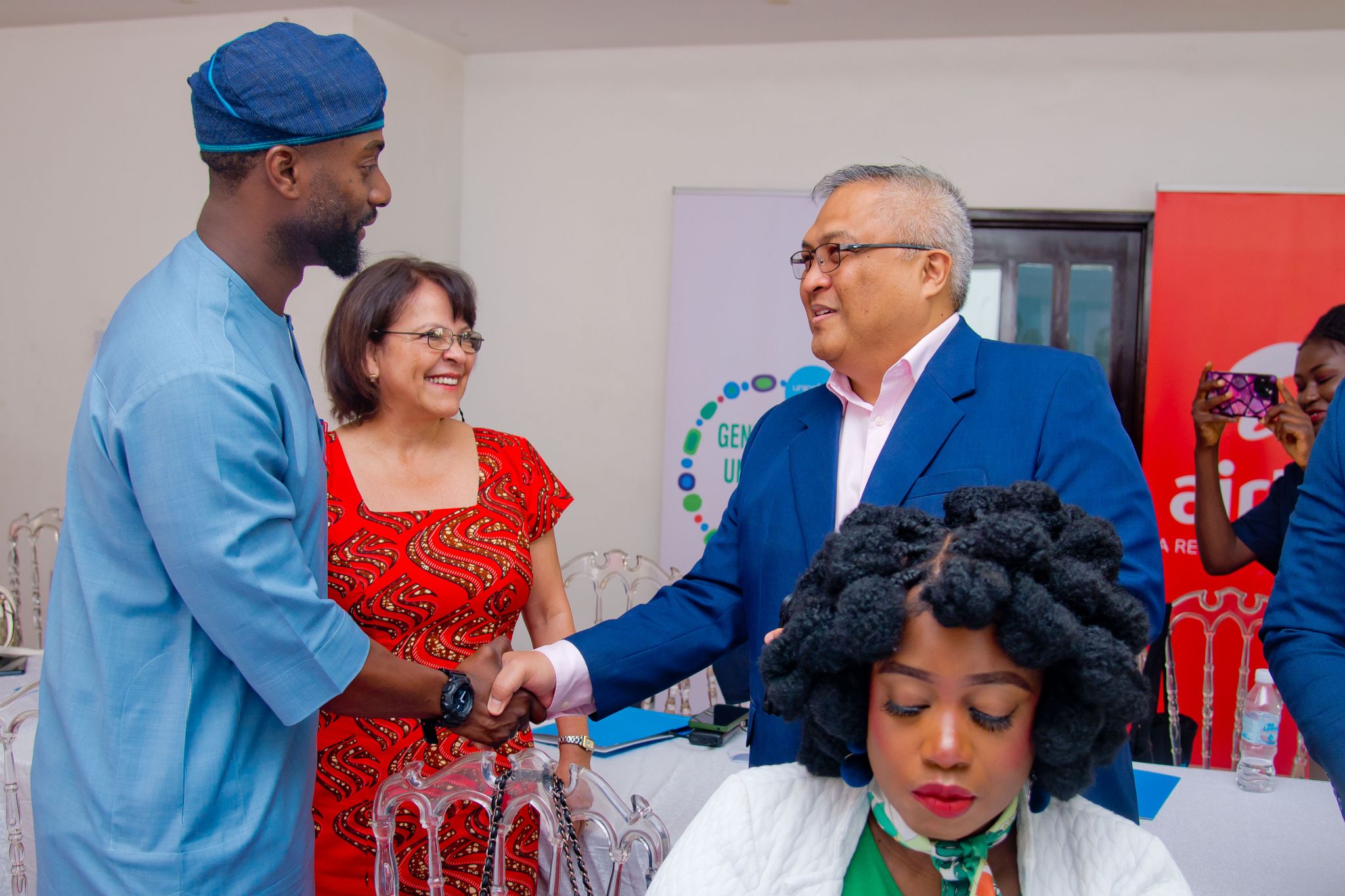
In an ambitious bid to bridge the digital divide and bolster youth empowerment, Airtel Nigeria reaffirmed its commitment to Nigeria’s younger generation by hosting the 2024 GenU 9JA Steering Committee meeting at its Banana Island headquarters this Tuesday. The event, organized in collaboration with UNICEF’s Generation Unlimited (GenU), focused on assessing the progress of initiatives designed to equip Nigerian youth with essential digital skills, increase employment opportunities, and create entrepreneurial pathways.

As part of its broader goals, Airtel Nigeria, in partnership with UNICEF, has embarked on a mission to connect schools across the country to the internet and provide access to open educational platforms. Two key resources, Yoma and the Nigeria Learning Passport (NLP), have emerged as cornerstones of this digital initiative. Both platforms offer access to a variety of learning modules and skill-building exercises, allowing young Nigerians to explore academic subjects, develop professional competencies, and gain exposure to a dynamic digital workforce.

Airtel Nigeria’s partnership with UNICEF aims to reach 20 million young Nigerians by 2030, transforming them into a digitally skilled workforce that can drive Nigeria’s economic growth. This ambitious target reflects the company’s commitment to national development by ensuring that young people not only have the skills to thrive in digital sectors but are also positioned to become innovators and job creators themselves.

In his address to the committee, Airtel Nigeria’s Chief Executive Officer emphasized the importance of this initiative in positioning Nigerian youth as future leaders in a globalized digital economy. “The future of Nigeria lies in the potential of our youth, and at Airtel, we are determined to give them the tools they need to succeed. Through initiatives like GenU, we are working to provide accessible, high-quality digital education that can inspire and empower millions of young Nigerians,” he stated.No alt text provided for this image

The meeting also celebrated the achievements of the Young People’s Action Teams (YPATs), groups of young advocates actively involved in driving awareness and engagement for GenU’s initiatives. Airtel Nigeria praised these youth leaders for their courage, vision, and dedication to uplifting their communities. The YPATs serve as both the face and the heart of this movement, embodying the power of youth-led change and innovation.

Airtel Nigeria and UNICEF’s commitment to youth empowerment is expected to have a transformative impact on Nigeria’s workforce. With millions of young Nigerians poised to gain new skills through this initiative, the country’s digital economy stands to benefit significantly from a new wave of tech-savvy talent, equipped not only for employment but also for entrepreneurship.

UNICEF’s Generation Unlimited, a global initiative active in over 40 countries, partners with governments, private sector companies, and youth organizations to create education and employment opportunities for young people worldwide. Airtel Nigeria’s partnership with GenU reflects its alignment with global goals for sustainable development, focusing on youth empowerment as a cornerstone for economic and social progress.

The 2024 GenU 9JA Steering Committee meeting marks another milestone in the ongoing efforts of Airtel Nigeria and UNICEF to create a digitally inclusive society. By expanding access to digital tools and knowledge, they are not only providing Nigerian youth with practical skills but also fostering resilience, creativity, and independence among the nation’s future leaders.

As the initiative continues to grow, Airtel Nigeria and UNICEF remain dedicated to achieving a shared vision of a more equitable and digitally advanced Nigeria, setting a powerful example of corporate and humanitarian partnership in Africa.

President Bola Tinubu has extended his heartfelt congratulations to Senator Monday Okpebholo on his inauguration today as the Governor of Edo State.

In his message, President Tinubu urged Governor Okpebholo to diligently work to enhance the living standards of the people of Edo State and make a significant impact during his tenure.

Following his triumph in the state governorship election held on September 21, 2024, Okpebholo officially took over from former governor Godwin Obaseki.

Reflecting on the transition, President Tinubu noted that after eight years under Obaseki’s administration, Edo State is rejoining the ranks of the All Progressives Congress.

He emphasised the importance of Governor Okpebholo justifying the confidence placed in him and the APC while fostering true democracy and effective governance in the state.

The President encouraged Okpebholo to empower the Legislature and other vital government institutions throughout his administration, underscoring that a robust and independent legislature is essential for achieving democratic good governance.

Expressing concerns, President Tinubu lamented the previous administration’s attempts to undermine the legislative branch, which hindered its effectiveness for much of its tenure.

Additionally, President Tinubu commended the Independent National Electoral Commission for the successful conduct of the Edo Governorship Election and encouraged the Commission to strive for even greater excellence in the upcoming Ondo Governorship Election, scheduled for November 16, 2024.

The President celebrated this milestone as a new chapter in Edo State’s democratic journey and rejoiced with the people of Edo for this momentous occasion.