In a landmark move that underscores its commitment to environmental sustainability and global climate action, NNPC Limited, Nigeria’s national energy company, has officially joined the Oil and Gas Methane Partnership (OGMP) 2.0. This decision is a significant milestone in the company’s strategy to address methane emissions as part of its decarbonisation agenda and achieve net zero methane intensity by 2030.

As a key player in Africa’s energy sector, NNPC Limited recognises the critical importance of methane mitigation in addressing climate change. Methane, a potent greenhouse gas, has a global warming potential over 80 times that of carbon dioxide over a 20-year period. Its reduction is pivotal to slowing the pace of global warming. NNPC’s decision to join OGMP 2.0 demonstrates its proactive approach to tackling methane emissions at the source while setting a standard for accountability and environmental stewardship in the oil and gas industry.

Global Framework for Local Impact
The OGMP 2.0 is a comprehensive international reporting framework for methane emissions. It enables companies to accurately measure, report, and mitigate their methane output. By adopting this framework, NNPC Limited will strengthen its environmental data integrity, enhance transparency, and ensure the implementation of globally recognised best practices in methane emissions reduction. This move positions the company to not only meet Nigeria’s climate goals but also contribute to international efforts aimed at achieving the Paris Agreement targets.

NNPC’s Leadership Role in Climate Action
Joining OGMP 2.0 solidifies NNPC’s leadership in sustainable energy practices and reinforces its commitment to environmental accountability. This initiative reflects the company’s resolve to embed sustainability into its operations, guided by credible and scientifically robust frameworks. As the company strives to transition toward greener energy solutions, this partnership will serve as a cornerstone in its efforts to reduce methane emissions, foster innovation, and promote cleaner energy production.

A Broader Vision for Sustainability
NNPC’s methane reduction strategy is part of a broader vision to position itself as a responsible energy leader in a rapidly changing global energy landscape. By committing to measurable and verifiable methane reductions, the company supports Nigeria’s climate ambitions, including achieving net zero greenhouse gas emissions by 2060. Furthermore, it aligns with global efforts to limit warming to 1.5 degrees Celsius, as advocated by the United Nations.

This move sends a clear message that NNPC Limited is not only focused on energy provision but also deeply invested in creating a sustainable future for Nigeria and the world. The company’s collaboration with OGMP 2.0 serves as a call to action for other energy stakeholders in Africa to adopt similar measures in addressing methane emissions and advancing sustainability goals.

As the world increasingly prioritises environmental sustainability, NNPC Limited’s commitment to OGMP 2.0 reaffirms its position as a trailblazer in the industry, championing a cleaner, greener, and more sustainable energy future.

#SustainabilityAtNNPC
#EnergyForToday
#EnergyForTomorrow
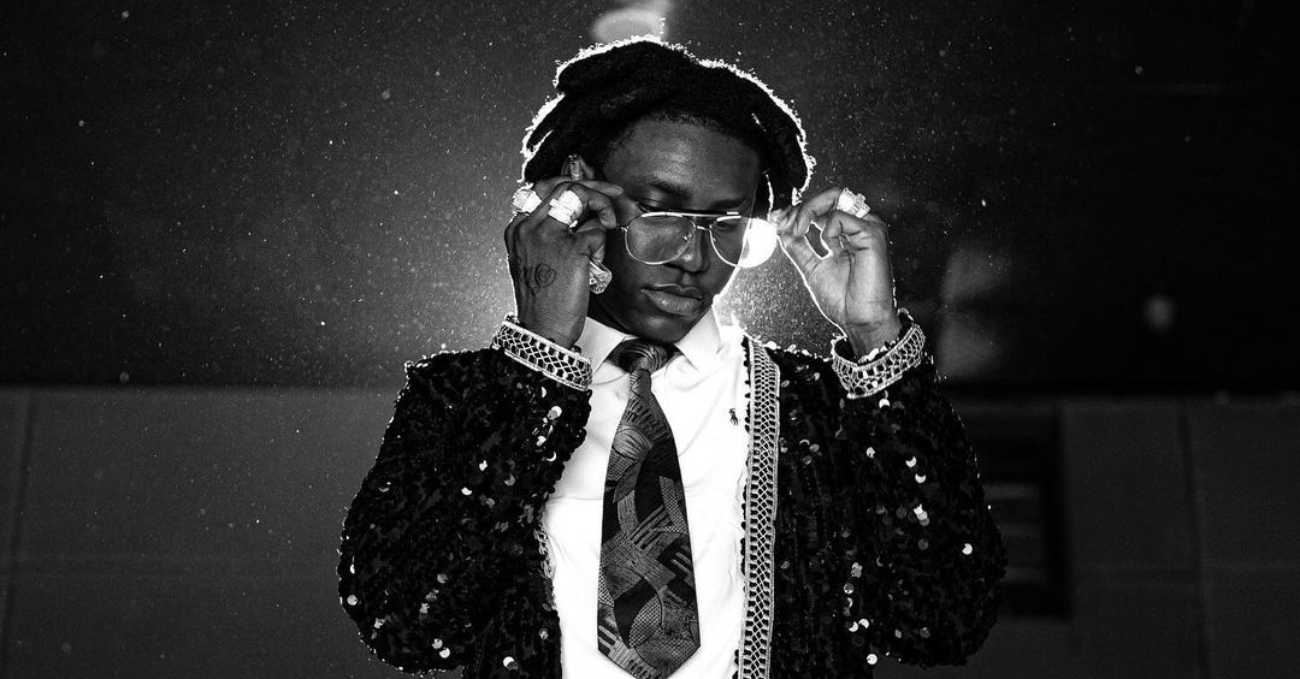
 

The Nigerian music industry is undoubtedly one of the fastest-growing in the world, producing global superstars and chart-topping hits that resonate far beyond the continent. Yet, behind the glitz and glamour lies a dark reality that continues to plague many artists—a cycle of exploitative contracts that rob them of their creativity, autonomy, and, in many cases, financial stability.

The recent ordeals of Seyi Vibez and Shallipopi serve as stark reminders of this grim reality. Seyi Vibez, one of the country’s rising stars, is embroiled in a bitter contractual dispute with Dapper Entertainment. His desire to break free from the label has led to a proposed out-of-court settlement that is nothing short of career-threatening. According to reports, Seyi Vibez would be required to stop releasing music for 13 months—a virtual death sentence in an industry that thrives on consistency and visibility. To compound this, he would also have to forfeit all royalties from music released under the label. This is a staggering price to pay for freedom and one that highlights how punitive these contracts can be.

Shallipopi’s case is equally distressing. The young artist, also signed to Dapper Entertainment, discovered a clause in his contract stipulating that the label would continue to earn 30% royalties from any music he produces, even after his departure. Such clauses, often buried deep within contracts, are indicative of a broader culture of exploitation that prioritizes profit over the artist’s long-term wellbeing. For Shallipopi, the financial ramifications of this clause could follow him for years, potentially stifling his ability to grow and succeed independently.

This isn’t an isolated phenomenon. Even Wizkid, one of the most successful artists to come out of Africa, had to endure similar struggles. In 2016, he parted ways with Banky W’s Empire Mates Entertainment but at a great personal cost. To gain his freedom, Wizkid forfeited royalties from all songs produced under the label—a sacrifice that speaks volumes about the lengths artists are willing to go to escape these binding agreements.

The underlying problem is multifaceted. Many young and aspiring artists are eager to secure a deal that promises fame and fortune. In their desperation to break into the industry, they often sign contracts without fully understanding their terms or seeking legal counsel. These agreements, typically drafted by the label’s lawyers, are riddled with clauses that disproportionately benefit the label, leaving the artist with little to no bargaining power.Why Nigerian music artists are globally recognised more than other African  artists

Moreover, there is a pervasive lack of regulation in the Nigerian music industry. While other entertainment industries globally have established unions and regulatory bodies to protect artists’ rights, the Nigerian music sector remains largely unregulated, allowing exploitative practices to persist unchecked.

To address these challenges, there must be a concerted effort from all industry stakeholders. Artists need to be better informed about their rights and the implications of the contracts they sign. This includes seeking legal and financial counsel before entering any agreement. Education is critical—artists must understand that a poorly negotiated deal can have long-term repercussions that far outweigh the initial benefits.

Record labels also have a role to play. While it is understandable that they need to recoup investments and generate profits, this should not come at the expense of fairness and equity. Labels must adopt ethical practices and foster transparent relationships with their artists. In doing so, they contribute to an ecosystem where creativity and profitability coexist.

Additionally, the government and industry leaders should work toward creating a regulatory framework that protects artists from exploitation. Establishing unions, implementing standard contracts, and providing mediation avenues for disputes could go a long way in leveling the playing field.

The Nigerian music industry is at a crossroads. As it continues to gain global recognition, it must also reckon with the practices that threaten its sustainability. Exploitation of artists cannot be the cost of doing business. If the industry truly values its talent, it must take decisive action to protect them.

The question remains: how many more Seyi Vibezes and Shallipopis must sacrifice their careers before the industry wakes up to the need for accountability and reform? Only time will tell, but the clock is ticking.


Moreover, there is a pervasive lack of regulation in the Nigerian music industry. While other entertainment industries globally have established unions and regulatory bodies to protect artists’ rights, the Nigerian music sector remains largely unregulated, allowing exploitative practices to persist unchecked.


The arrival of a new life is always a reason for joy, and I extend my heartfelt congratulations to Deborah Paul Enenche on the birth of her baby boy! This milestone is as unique as the woman herself, and it’s inspiring to witness how gracefully she navigated this chapter of her life.

One of the things I deeply respect about Deborah is how she chose to keep her pregnancy private, resisting the common temptation to share every moment on social media. Instead, she revealed those precious moments only after safely delivering her baby—a thoughtful decision that speaks to her wisdom and sense of priority. In today’s oversharing culture, it’s refreshing to see someone protect their journey with such intentionality.

If I’m being honest, Deborah, you looked absolutely radiant while pregnant. That special glow made your beauty shine even brighter. And, of course, your signature style remained as bold and unconventional as ever. Pregnancy didn’t hold you back from expressing yourself through fashion—it only added a new layer of creativity to your wardrobe. I was amazed at how even your maternity dresses reflected your unique personality, standing out from the typical styles we often see.

Your absence from the social media space has been felt, Deborah. We’ve missed your playful sense of humor, your boldness, and the way you unapologetically live life on your own terms. Now that you’ve embraced motherhood, I hope we’ll see more of you again, inspiring us with your authenticity and fearless spirit.

It’s no secret that you’re one of the most popular pastor’s daughters in the country—if not the most. While many in your position might shy away from public scrutiny or struggle to define their individuality, you’ve faced it head-on. Your choice to embrace what makes you happy, even when it’s unconventional, has set you apart. Your eccentric fashion sense—what some call “weird”—has become your trademark, and no one else has dared to replicate it. It’s not just a style; it’s a statement of courage and self-expression.

I often wonder if you’re your father’s only child because the love and pride he has for you is so evident. You share a bond that’s not just about familial love but mutual respect and understanding. It’s beautiful to see how he supports you in being yourself, no matter what the world thinks.

Once again, Deborah, congratulations on this incredible new chapter in your life. Motherhood is a journey filled with its own challenges and rewards, and knowing you, I’m certain you’ll embrace it with the same uniqueness and strength that define everything you do. Here’s to celebrating you—a bold inspiration, a trailblazer, and now, a loving mother.

#ChukwumaNdiogolu
#Chucappella
#DeborahPaulEnenche
#CelebrateUniqueness


Calls for Love and Peaceful Coexistence

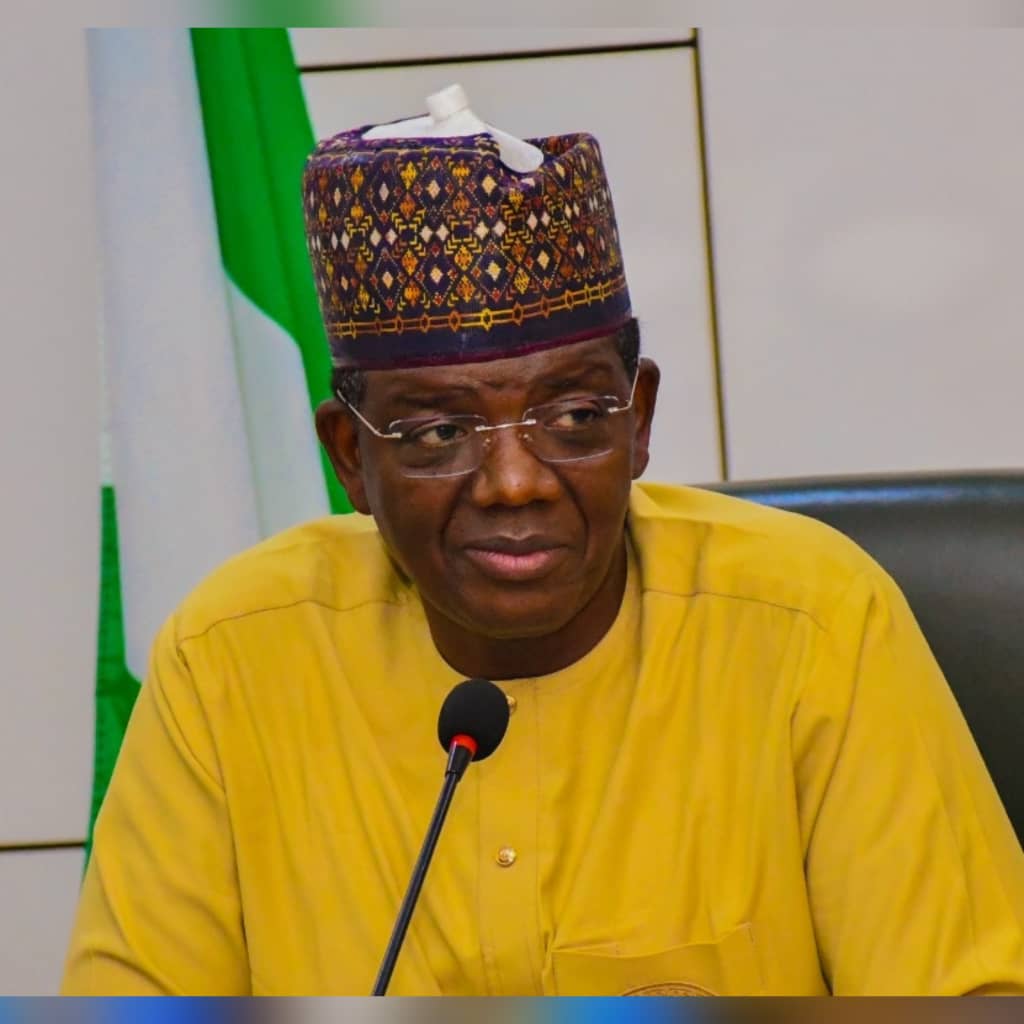
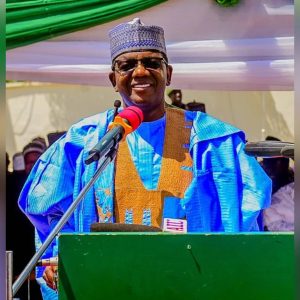
The Honourable Minister of State for Defence, H.E. Dr. Bello Mohammad Matawalle, MON, has extended his warmest Christmas greetings to the Nigerian military and all citizens, emphasizing the need for love and unity during the festive season.

In his goodwill message, the Minister lauded the bravery and dedication of the Nigerian Armed Forces, commending their relentless efforts in protecting the nation’s sovereignty. He also called on citizens—Christians and non-Christians alike—to embrace the spirit of the season by fostering peace, love, and harmonious coexistence.

“This season serves as a poignant reminder of the enduring principles of peace, unity, love, and sacrifice that bind us as a nation,” Dr. Matawalle remarked.

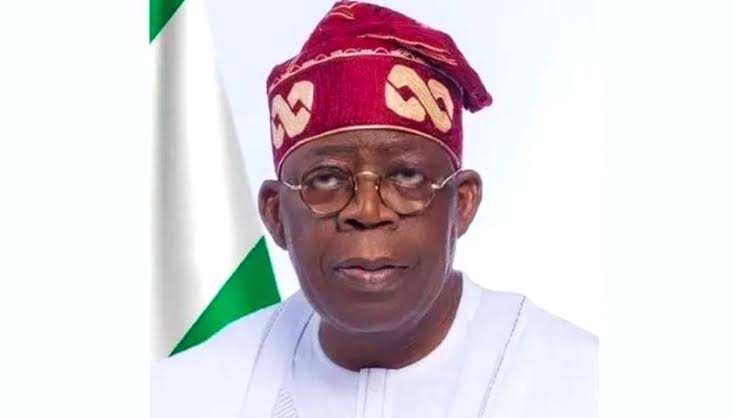
The Minister urged Nigerians to honor President Bola Ahmed Tinubu, GCFR, and recognize the sacrifices of the military personnel who continue to safeguard the nation’s safety and security.

Reflecting on the essence of the yuletide season, Dr. Matawalle noted that it offers a unique opportunity to strengthen the bonds of unity and inspire acts of compassion and camaraderie among citizens. He appealed for collective efforts in building a secure and prosperous Nigeria, stressing that these values must resonate beyond the festive period.

Concluding his message, the Minister wished all Nigerians a Merry Christmas and a Happy New Year, encouraging everyone to carry the spirit of the season into the year ahead.


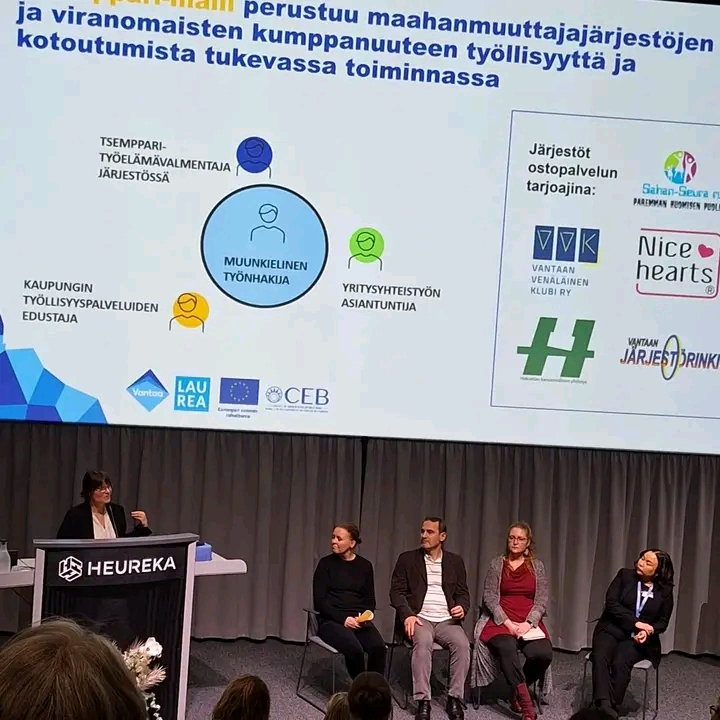
Hope Nwosu, a Nigerian author and writer based in Finland, recently shared her insights on the integration of immigrant families into European society at the final seminar of the Smile Project. As an advocate for active citizenship, Nwosu emphasized the importance of immigrants participating in and contributing to their new communities. She explained that true integration goes beyond mere assimilation—it requires immigrants to feel that they belong and are actively involved in the society that receives them.

At the seminar, which showcased the outcomes and successes of the Smile Project, Nwosu reflected on the project’s objectives, which were focused on strengthening migrant family integration. The project sought to improve service development and foster new ways of dialogue between communities, schools, and services in the Vantaa neighborhoods of Finland. One of the core messages Nwosu took from the seminar was that family plays an essential role in the integration process. She stressed that any integration services should be designed with the unique needs of families in mind, as they are often the bedrock of a successful transition into a new life.

Nwosu also highlighted how the living conditions of immigrants can either support or hinder their integration. She noted that living in segregated areas, where immigrant communities are isolated from the broader society, often leads to negative outcomes, making it harder for families to establish connections and thrive. She further emphasized that integration is a two-way street, where both immigrants and the receiving society must actively engage in the process. It’s not just about immigrants adapting; it’s equally important for the host society to create an environment that is welcoming and inclusive.

Another key point Nwosu raised was the importance of employment in the integration process. Many immigrants are eager to contribute to society and have skills to offer, yet they often face barriers to accessing meaningful work. Nwosu emphasized that providing opportunities for employment not only allows immigrants to showcase their talents but also promotes their overall wellbeing and that of their families. Work, she pointed out, is a critical element in building a sense of purpose, stability, and connection to the society they are now a part of.

Beyond employment and language skills, Nwosu stressed that integration is a holistic process that requires immigrants to feel comfortable navigating their new environment. Integration, she argued, isn’t just about learning the language or finding a job—it’s about feeling that you belong and are part of the community. It’s about knowing where to go, how to access services, and building relationships that contribute to a deeper sense of belonging.

Reflecting on the successes of the Smile Project, Nwosu celebrated the positive outcomes, such as the successful employment of immigrants and the strengthened cooperation with organizations that support people from immigrant backgrounds. She was particularly heartened by the fact that the work started by the project would continue, ensuring that the momentum for meaningful integration remains.

In closing, Nwosu expressed her appreciation for the dedicated team behind the Smile Project, including Suvi Törrönen, Jenni Tahvanainen, Petra Pulli, and Mustafe Hirsi. Their hard work and commitment to improving the lives of immigrant families were clearly evident in the project’s achievements, and Nwosu commended them for their exceptional contributions to fostering a more inclusive society.

#Migration #Integration #Employment #Belonging #StrengthInDiversity #Smile #Multiculturalism


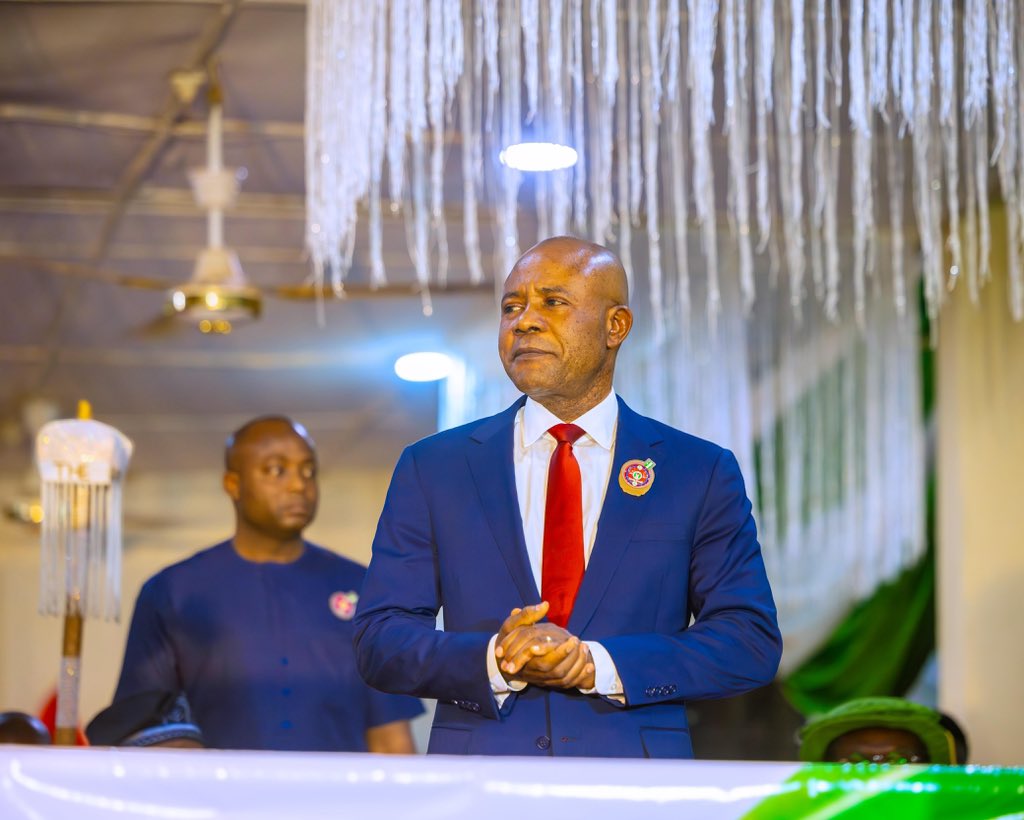
Enugu State Governor, Peter Mbah, officially inaugurated the state-of-the-art Oranto International Airport Hotel on December 22, 2024. The hotel, owned by prominent business mogul Prince Arthur Eze, marks a significant milestone in the state’s efforts to enhance its tourism and aviation infrastructure.

Governor Mbah highlighted the hotel’s importance in the broader strategy to operationalize the Akanu Ibiam International Airport, set to launch Enugu Air in the coming days, and attract over 3 million visitors annually. “Enugu is on track to becoming a major hub, and the introduction of an international airport hotel underscores our growing ambitions,” Mbah remarked during the inauguration ceremony.

The governor expressed deep appreciation to Prince Arthur Eze for his unwavering commitment to the project, despite facing numerous challenges. “His resilience and determination have been key in bringing this vision to life and ensuring the hotel’s timely completion, perfectly in line with our transformative agenda for the state.”

Governor Mbah also extended a message to investors, emphasizing that Enugu State remains a prime destination for business opportunities, further solidified by this new landmark development.


The former Governor of Zamfara State and current Minister of State for Defense, Hon. Bello Mohammed Matawalle, has assured Nigerians that President Bola Ahmed Tinubu’s policies are not against northern interests. He emphasized the administration’s commitment to fostering unity across the country and urged northerners to disregard divisive rhetoric from individuals opposing national cohesion.

Matawalle made these remarks during an address to his supporters in Gusau, the Zamfara State capital, during his six-day visit to the state. He announced plans to visit Zamfara every three months to stay engaged with the people and their concerns.

Speaking on the current economic challenges, the minister reassured Nigerians that relief is on the horizon, as the federal government is making concerted efforts to reposition the country’s economy. “The federal government’s economic policies will yield positive results. There is light at the end of the tunnel,” he stated confidently.

He acknowledged the enormity of the challenges inherited by the Tinubu administration but highlighted ongoing welfare initiatives. He disclosed that the federal government had already sent several trailers of rice to Gusau for distribution to citizens as part of measures to alleviate hardship.

Matawalle called on Nigerians to remain steadfast in their prayers for divine intervention to help overcome the country’s challenges. “The federal government is not happy with the current economic hardships facing Nigerians. We are working tirelessly to address the situation,” he added.

The minister’s remarks serve to bolster public confidence in the administration’s efforts to address economic difficulties while emphasizing unity and collaboration as essential pillars for Nigeria’s progress.

Anthony Emeka Nwosu

The Director General of the National Information Technology Development Agency (NITDA), Kashifu Inuwa Abdullahi, has called for ethical and responsible governance of digital technology in Africa during the 19th Internet Governance Forum (IGF). The high-profile event, themed “Building Our Multi-stakeholder Digital Future,” gathered global leaders to address critical issues surrounding the digital ecosystem.

  • Speaking at the forum, Inuwa emphasized the need for stricter oversight in the wake of rising challenges posed by unregulated social media platforms. Citing the Cambridge Analytica scandal as a cautionary tale, he underscored the dangers of unchecked digital influence and its potential to harm societal structures.

Highlighting Nigeria’s proactive stance, the NITDA boss outlined the nation’s Code of Practice (COP) for social media platforms. This framework ensures compliance with Nigerian laws and cultural values, facilitating a safer digital space. Inuwa revealed that the COP had achieved significant milestones in 2024, including the removal of over 60 million harmful posts and the reinstatement of wrongly flagged content, demonstrating the framework’s efficiency in content moderation.

The COP’s impact extends beyond governance. Inuwa disclosed that the digital economy has seen remarkable growth, with tech companies contributing over 2.5 trillion naira in Value Added Tax (VAT) within the past six months, reinforcing the economic potential of a well-regulated digital environment.

Inuwa urged African nations to collaborate in shaping global technology governance. He highlighted the need for building digital sovereignty, strengthening regional capacities, and ensuring the continent’s active participation in the evolving digital future.

As discussions continue at IGF 2024, Inuwa’s address serves as a clarion call for Africa to take a unified and strategic approach to ethical digital governance.


The Nigerian Communications Commission (NCC) has solidified its position as a key pillar of growth, innovation, and stability in Nigeria’s telecommunications industry. Through consistent publication of factual reports and detailed statistics, the NCC has fostered trust, enabled informed decision-making, and empowered stakeholders, including Nigerians, investors, and operators. Its role as an exceptional regulator continues to serve as a benchmark for transparency and efficiency, driving the telecom industry to unparalleled heights.

Empowering Nigerians with Accurate and Actionable Data

The NCC has consistently delivered on its mandate to provide Nigerians with critical insights into the telecommunications sector. Through its quarterly and annual reports, the Commission ensures that Nigerians, whether consumers or businesses, are equipped with reliable data to understand the state of the sector.

The most recent NCC reports highlight remarkable statistics, demonstrating the sector’s growth trajectory:

  • Active Subscribers: Over 157.6 million active telephony subscriptions reflect the significant connectivity within Nigeria’s population.
  • Teledensity: With a teledensity of 72.7%, calculated on a population estimate of 216 million, the sector shows robust penetration across urban and rural areas.
  • Internet Penetration: Nigeria has one of the largest internet user bases in Africa, with over 123 million active internet subscriptions, enabling the digital economy to flourish.

These statistics underline the Commission’s commitment to ensuring that the telecoms sector is not only vibrant but also serves as a catalyst for economic and social development.

Securing Consumer Confidence Through Regulatory Excellence

The NCC’s proactive measures to delink unverified SIM cards from the National Identification Number (NIN) database stand as a testament to its commitment to consumer safety and data security. This bold move ensures a secure telecommunications ecosystem, mitigating risks associated with identity fraud, cyber threats, and financial crimes.

By upholding stringent compliance standards, the NCC has bolstered consumer trust, paving the way for broader adoption of telecommunications services and products.

A Magnet for Investment and Economic Growth

Nigeria’s telecommunications market continues to attract significant investment, both locally and internationally, thanks to the NCC’s transparency and investor-friendly policies. The recent market share statistics provide a clear picture of the industry landscape:

  • MTN Nigeria: Commands a dominant 51.09% market share with 80.37 million subscribers.
  • Airtel Nigeria: Holds 34.61% market share, serving 54.45 million subscribers.
  • Globacom: Controls 12.15% market share, catering to 19.11 million subscribers.
  • 9mobile: Serves 3.39 million subscribers, representing 2.15% of the market.

This level of market transparency instills confidence in investors, enabling them to make informed decisions while fueling innovation and competition within the sector.

Championing Technological Advancements

The NCC’s regulatory efforts have been instrumental in the rapid adoption of advanced technologies across the telecom landscape:

  • 2G, 3G, and 4G Expansion: Nigeria boasts one of the most extensive mobile broadband networks in Africa, catering to diverse consumer needs and supporting the digital economy.
  • 5G Rollout: The Commission’s licensing of 5G technology promises to revolutionize connectivity, offering faster speeds, lower latency, and enhanced network reliability.

These advancements position Nigeria as a leader in telecommunications innovation on the continent, attracting global attention and investment.

Supporting the Economy Through Job Creation and SME Growth

The telecommunications sector, driven by the NCC’s visionary leadership, has emerged as a critical contributor to Nigeria’s Gross Domestic Product (GDP). The sector accounted for 15.5% of Nigeria’s GDP in Q2 2024, showcasing its impact on economic growth and job creation.

Small and Medium Enterprises (SMEs), which form the backbone of the Nigerian economy, have particularly benefited from improved telecommunications infrastructure. Enhanced internet penetration and mobile technology have enabled SMEs to scale operations, access new markets, and drive e-commerce adoption.

NCC’s Commitment to Transparency and Accountability

The NCC’s approach to regulation is anchored in transparency and accountability. By regularly publishing comprehensive reports on network performance, subscriber data, and industry trends, the Commission ensures that stakeholders are informed and empowered.

These reports not only provide clarity to Nigerians but also serve as valuable resources for government agencies, research institutions, and international organizations seeking to understand the dynamics of Nigeria’s telecommunications sector.

Lauding NCC’s Role as a Global Standard Regulator

The NCC has earned accolades for its leadership and adherence to global best practices in regulation. Its efforts to:

  • Promote competition among operators, ensuring affordable and high-quality services.
  • Expand rural connectivity through initiatives like the Universal Service Provision Fund (USPF).
  • Facilitate digital inclusion by advocating for broadband penetration targets.

These achievements have positioned the NCC as a model regulator in Africa, fostering a telecom industry that meets the needs of over 200 million Nigerians while setting the stage for sustainable development.

A Bright Future for Nigeria’s Telecom Sector

Looking ahead, the NCC’s strategic focus includes:

  • Enhancing broadband penetration to meet the National Broadband Plan 2020-2025 targets.
  • Driving 5G deployment to unlock new opportunities in IoT, AI, and smart cities.
  • Strengthening cybersecurity frameworks to protect consumers and businesses.

The NCC’s unwavering dedication ensures that Nigeria’s telecom sector will continue to thrive as a key driver of the nation’s economic and technological advancement.

Investors, consumers, and industry players are encouraged to engage with the NCC’s resources and initiatives as Nigeria solidifies its position as a telecommunications powerhouse in Africa.


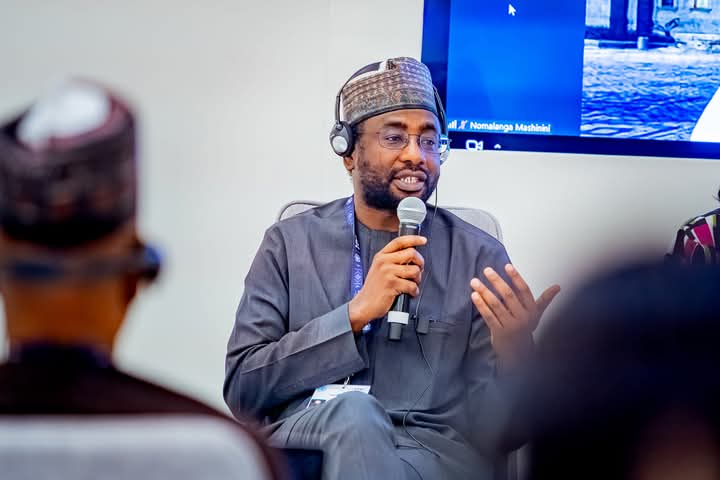
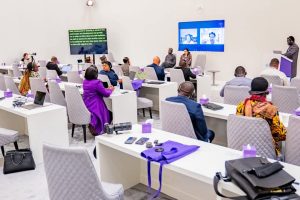
The Nigerian Communications Commission (NCC) has reiterated its commitment to fostering a fair, secure, and competitive telecommunications ecosystem within Nigeria and the broader ECOWAS region. This commitment was underscored during the Virtual Stakeholders’ Forum on the Draft A2P Licensing Framework, where Mrs. Chizua Whyte, Acting Head of Legal & Regulatory Services at the NCC, delivered the welcome address on behalf of the Executive Vice Chairman/CEO, Dr. Aminu Maida.

The forum brought together stakeholders from across the telecommunications value chain to deliberate on the proposed framework for regulating Application-to-Person (A2P) messaging services. A2P messaging is a cornerstone of modern communication, enabling businesses, governments, and organizations to send SMS notifications directly to consumers. It is widely used for transactional alerts, promotional campaigns, and essential public service updates.

A2P Messaging: The Backbone of Digital Transformation

In her address, Mrs. Whyte highlighted the critical role A2P messaging plays in the digital landscape. She described it as “a powerful tool for businesses, governments, and service providers to enhance communication efficiency, support socio-economic development, and deliver value to consumers.” However, the sector faces significant challenges, including fraud, spam, data privacy breaches, and revenue leakage, which threaten its sustainability.

A Regulatory Milestone for Nigeria and ECOWAS

The NCC’s Draft A2P Licensing Framework is a pivotal initiative aimed at addressing these challenges. The framework seeks to establish a centralized system for routing international A2P messages, ensuring compliance with stringent security protocols and standardized tariffs. It also aims to create a level playing field for all stakeholders while safeguarding consumer data and fostering innovation.

Mrs. Whyte emphasized the participatory approach adopted by the NCC, stating, “Effective regulation stems from inclusivity and collaboration. This forum is an opportunity for all stakeholders—operators, aggregators, businesses, service providers, and consumers—to contribute their perspectives and help refine the framework for the benefit of the entire ecosystem.”

Key Highlights of the Framework

During the forum, Mrs. Truddy Tony-Awusaku, Assistant Director at the Licensing and Authorization Department of the NCC, provided a detailed overview of the proposed framework. Key features include:

  • Centralized Routing: Establishing a unified platform for international A2P message termination.
  • Licensing Standards: Introducing a five-year renewable license with clear eligibility criteria and compliance obligations.
  • Enhanced Security: Mandating encryption, fraud detection systems, and compliance with data protection regulations.
  • Revenue Assurance: Ensuring transparency in operations and retaining local economic benefits through taxation.

Strengthening Nigeria’s Role in ECOWAS Telecom Regulation

As the telecommunications leader in West Africa, Nigeria’s strides in A2P messaging regulation set a benchmark for the region. The NCC’s framework aligns with ECOWAS’s broader goals of harmonizing telecom regulations, fostering cross-border cooperation, and driving economic integration.

A Collaborative Path Forward

The forum marks the beginning of a multi-stakeholder engagement process. The NCC assured participants of its commitment to refining the draft framework based on the valuable feedback received. Mrs. Whyte concluded by urging stakeholders to actively contribute, stating, “Together, we can create a sustainable A2P messaging ecosystem that protects consumers, promotes fair competition, and unlocks new growth opportunities.”

The NCC remains steadfast in its mission to drive innovation, protect stakeholders, and position Nigeria as a telecom regulatory powerhouse in ECOWAS and beyond.

For more information, visit www.ncc.gov.ng.


Anthony Nwosu
Principal Partner, CONN8 MEDIA SOLUTIONS NG
Email: anthony@techandbiz.com.ng
Phone: 08038187914