
ChamsAccess Limited, a leading subsidiary of Chams HoldCo. Plc and a key player in the digital technology and biometric solutions industry, has announced the appointment of Olayemi Odufeso as its new Managing Director. The appointment signals a new era for the company, which has consistently delivered cutting-edge solutions in identity management, financial technology, and digital security.

In her acceptance statement, Odufeso reflected on the responsibility and opportunity the role brings. “I am delighted to assume this position, which not only represents a significant milestone in my career but also offers a platform to drive impactful change and innovation,” she said.

She expressed heartfelt gratitude to the leadership of Chams HoldCo. Plc, acknowledging the instrumental roles of Sir Demola Aladekomo, Founder of Chams HoldCo. Plc, and Mrs. Mayowa Olaniyan, fWIMBOARD, Group Managing Director of Chams HoldCo. Plc. “Their unwavering belief in my abilities and consistent mentorship have been pivotal to my journey,” Odufeso noted. She also thanked Sir Ayobola Abiola, Chairman of the Board of Directors at ChamsAccess Ltd., and the entire board for creating an enabling environment that fosters growth and impactful contributions.

A special mention was reserved for her predecessor, Dumebi Obodo, whose guidance and support ensured a seamless leadership transition. Odufeso further commended the team at ChamsAccess Limited, describing them as “a dynamic force of zeal, dedication, and passion, whose contributions fuel the company’s collective achievements.”

Odufeso also highlighted the company’s partnerships with global technology giants such as DERMALOG Identification Systems GmbH, Zebra Technologies, and Giesecke+Devrient, along with numerous other collaborators. These partnerships, she emphasized, have been instrumental in achieving the company’s strategic objectives and maintaining its leadership in the biometric and digital technology space.

Reflecting on the journey so far, Odufeso shared valuable insights into her leadership philosophy. “The past year has been one of immense growth, productive partnerships, and transformative collaborations,” she said. “It has reinforced my belief in the power of optimism, resilience, and perseverance in overcoming challenges.” She acknowledged the complexities of navigating the business landscape but underscored the rewards of trusting the process and staying true to the mission.

Looking ahead, Odufeso envisions a future defined by growth, innovation, and impact. Under her leadership, ChamsAccess Limited aims to expand its portfolio, strengthen its partnerships, and continue delivering world-class solutions to its clients. She called for collective effort and collaboration, stating, “The journey ahead is one we must embark on together—our combined efforts will shape the success of ChamsAccess Limited and redefine our contributions to the industry.”

Odufeso concluded her remarks with a message of inspiration for those pursuing their dreams. “The challenges may seem daunting, but with resilience, faith, and determination, even the most intimidating goals can be achieved. Today, I celebrate not just a personal milestone, but also the promise of what lies ahead for our organization and the industry as a whole.”

With Odufeso at the helm, ChamsAccess Limited is poised to enhance its legacy of excellence, foster innovation, and maintain its standing as a leader in the digital solutions and biometrics industry.




The Honourable Minister of State for Defence, H.E. Dr. Bello Mohammed Matawalle MON, has expressed profound appreciation for the unwavering commitment and exemplary efforts of the Commander, officers, and personnel of the Guards Brigade in safeguarding the Federal Capital Territory and its environs.

In his remarks as the Special Guest of Honour at the 2024 West African Social Activity (WASA 2024) held in Abuja, the Minister stated, “Your loyalty, sacrifice, and dedication in executing your Presidential security duties, coordinating ceremonial parades, and managing operational challenges are commendable. Your proactive approach in addressing security threats has ensured the safety of the Presidency as well as that of citizens, visitors, and diplomats alike. I urge you to continue embodying compassion and empathy in your operations, striving for excellence in all your responsibilities.”

The Minister highlighted that the WASA event serves as a vibrant testament to the rich cultural heritage of Nigeria, as showcased by the personnel and families of the Guards Brigade. “The traditional dances and local delicacies on display tonight not only enhance our appreciation of our diverse cultures but also play a crucial role in preserving our cultural heritage and distinct identity,” he added.

In conclusion, the Minister called upon the Guards Brigade to uphold the trust placed in them by consistently meeting the challenges of their duties and ensuring that the flag of the Nigerian Armed Forces continues to fly high.

Earlier, Major General Adebisi Onosayan, Commander of the Guards Brigade, delivered a welcome address expressing gratitude to the President for his unwavering support of the Brigade’s operations, training, and welfare. “Thank you, Your Excellency. I also wish to extend my sincere appreciation to the Chief of Defence Staff and the Chief of Army Staff for their relentless guidance and support. We pledge our unwavering loyalty and readiness to contribute effectively to the security of lives and property in the Federal Capital Territory and its surroundings,” he emphasized.

General Onosayan further noted that the 2024 WASA highlights the social diversity, cultural identity, values, beliefs, and rich heritage of the Nigerian people, resonating with the ethos of the Nigerian Army. “This event provides an opportunity to showcase various cultural dances, traditional cuisines, languages, attire, and ethnic groups of our great nation in a relaxed atmosphere,” he stated, adding that today’s event marks the Brigade’s Grand Finale.


ThinkCyber Nigeria Ltd, one of Nigeria’s foremost capacity-building firms specializing in cybersecurity solutions for individuals, institutions, and corporations, has announced a major upgrade to its certification programs. Through its newly established partnership with the prestigious City & Guilds organization in Europe, ThinkCyber’s certificates are now globally recognized, offering trainees enhanced career prospects worldwide.

Speaking on the development, Ikem Michael Uche, Country Director of ThinkCyber Nigeria, emphasized the organization’s commitment to delivering cutting-edge training. He revealed that ThinkCyber has introduced advanced modules on AI Fundamentals and Security Maturity, equipping participants with the expertise to navigate the growing integration of artificial intelligence in cybersecurity and to tackle emerging threats effectively.

In addition, ThinkCyber’s proprietary Specto platform has undergone significant upgrades, offering a more immersive and practical learning experience. These enhancements are designed to sharpen participants’ skills in areas such as penetration testing, Security Operations Center (SOC) analysis, and Windows forensics, ensuring they are well-prepared for industry challenges.

Uche also noted that the integration of City & Guilds certification underscores the value of ThinkCyber’s programs, granting graduates access to global career opportunities and cementing the firm’s reputation as a leader in cybersecurity education.

This milestone reaffirms ThinkCyber’s dedication to equipping professionals with world-class skills and certifications, solidifying its position as a driving force in the global cybersecurity landscape.


In a landmark development that could reshape the future of cancer treatment, researchers in Korea have unveiled a revolutionary approach to combating the disease. Moving away from traditional methods that focus on killing cancer cells—often leading to severe side effects—the scientists have devised a technique to revert malignant cells back to their healthy state. This breakthrough promises to transform not only cancer therapy but also the broader medical landscape.

A Revolutionary Shift in Cancer Treatment

Cancer treatments have historically relied on methods such as chemotherapy, radiation, and immunotherapy to destroy cancer cells. While these techniques have saved lives, they often come at a significant cost to healthy tissues, causing debilitating side effects and reducing patients’ quality of life. The new discovery offers a paradigm shift: instead of targeting cancer cells for destruction, the focus is on restoring their normal, healthy function.

The researchers achieved this by creating a digital model of the gene network in normal cells. This model allowed them to identify key molecular regulators responsible for cellular differentiation—the process by which cells develop into specialized types. By suppressing these critical molecules in colon cancer cells, the team succeeded in reprogramming the malignant cells into a normal-like state.

This method effectively eliminates the cancerous properties of the cells without destroying them, offering a less invasive and potentially safer alternative to conventional therapies.

Tested and Proven in Multiple Stages

The researchers conducted rigorous testing at multiple levels:

1. Digital Simulations: The team utilized advanced computational models to identify molecular targets and predict outcomes.

2. Molecular Experiments: Laboratory studies validated the findings by demonstrating the ability to suppress specific molecules and restore normal cell behavior.

3. Animal Trials: In mice, the technique showed promising results, reinforcing its potential for broader application in humans.


Potential Applications Beyond Colon Cancer

While the initial focus was on colon cancer, the researchers extended their digital modeling program to study similar molecular pathways in mouse brain cells. This suggests that the technique could be adapted for other cancer types, significantly broadening its impact.

The implications of this discovery reach far beyond oncology. By unraveling the mechanisms of cell differentiation and reprogramming, the research could pave the way for advances in regenerative medicine and other fields that rely on cellular manipulation.

A New Era of Cancer Therapy

This groundbreaking approach offers several advantages over traditional methods. By focusing on restoring the health of cancer cells rather than eradicating them, the technique could lead to treatments with fewer side effects and improved patient outcomes.

“This discovery opens up a new horizon in cancer therapy,” the research team stated. “Our goal is not just to eliminate the disease but to restore health, offering a better quality of life for patients.”

Although the research is still in its early stages, the findings are being hailed as a significant step forward in the fight against cancer. The team is optimistic that their innovative approach will lead to a new generation of therapies that prioritize healing over destruction.

Future Prospects

With further development and clinical trials, this method could revolutionize how cancer is treated globally. It holds the promise of more effective, less harmful treatments that could dramatically improve outcomes for millions of patients.

The research not only signals a new direction in oncology but also serves as a reminder of the potential of science and technology to address humanity’s most pressing health challenges.

For more details on the study, visit: Advanced Science Study.


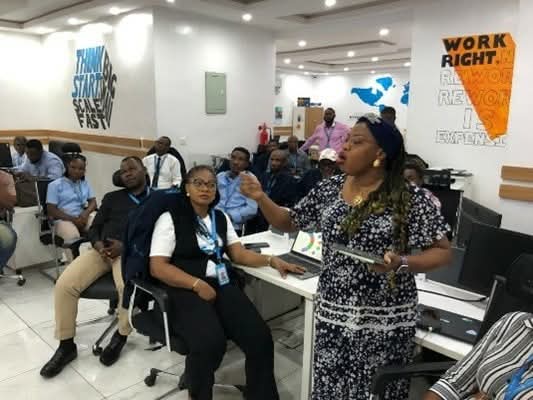
Zoracom recently held a Policy Sensitization Workshop designed to strengthen staff understanding of the organization’s core policies and operational values. The event provided an in-depth overview of the company’s essential guidelines, equipping employees with the knowledge to align with Zoracom’s principles in their daily tasks.

The workshop emphasized the importance of adhering to policies as a foundation for delivering reliable and secure services to clients. This initiative reflects Zoracom’s unwavering commitment to excellence, particularly in the precise monitoring and management of its network infrastructure.

With a focus on professional growth and team alignment, the workshop underscored the company’s dedication to empowering its workforce to uphold its reputation for superior service delivery.

For businesses seeking to enhance their network infrastructure, Zoracom invites you to book a demo and experience the difference its expertise can make.

#Zoracom #PolicySensitization #ProfessionalDevelopment #TeamExcellence


Yam, one of Africa’s most revered staple crops, continues to hold a central role in the agricultural and cultural fabric of Nigeria. The recently released General Household Survey (GHS) report from the National Bureau of Statistics (NBS) highlights the distribution of farming households engaged in yam cultivation across the country, revealing significant regional disparities in its production for the 2023/24 farming season.

Regional Analysis of Yam Farming

The report shows that the South East dominates yam farming activities in Nigeria, with 41.9% of households engaged in cultivation. This high percentage underscores the region’s historical and cultural ties to yam farming, particularly in Igbo land, where yam holds immense socio-cultural and economic significance.

The South West follows with 28.9%, reflecting its robust agricultural base and a growing interest in diversifying staple crop production. The South South region also records a strong showing, with 27% of households involved in yam farming, emphasizing its adaptability across various soil types and climates.

In the North Central zone, which forms a significant part of Nigeria’s “food basket,” 25.2% of households cultivate yams. This region has long been known for its large-scale yam production, catering to both local consumption and export markets.

In contrast, yam farming is less prominent in the northern regions due to unfavorable climatic conditions. The North East accounts for only 1.8% of yam-producing households, while the North West registers an almost negligible 0.1%. This disparity highlights the reliance of these zones on alternative crops better suited to their arid environments.

The Significance of Yam in Africa and Igbo Land

Yam is not just a crop in Nigeria; it is a symbol of cultural identity, economic sustenance, and food security. As one of the oldest cultivated crops in Africa, yam serves as a staple food for millions, offering a rich source of carbohydrates, vitamins, and minerals.

In Igbo land, yam occupies a revered status, often referred to as the “king of crops.” The annual New Yam Festival (Iri Ji) celebrated across Igbo communities is a testament to its cultural importance. This festival marks the beginning of the harvest season and serves as an occasion for thanksgiving, unity, and the reaffirmation of traditional values. Yam is also central to traditional ceremonies, marriages, and communal feasts, further highlighting its role as more than just a source of nourishment.

Economically, yam is a vital cash crop, contributing significantly to rural livelihoods and national GDP. Nigeria remains the world’s largest producer of yams, with its farmers supplying both domestic and international markets. The crop’s potential for export also makes it a critical player in the country’s agricultural development strategy.

Conclusion and Policy Implications

The GHS report underscores the need for region-specific agricultural policies to harness the potential of yam cultivation. For regions like the South East, South West, and North Central, government intervention in providing modern farming tools, improved yam varieties, and storage facilities could further boost productivity. Meanwhile, promoting irrigation and soil management practices in the northern regions could expand yam cultivation into new territories.

As a crop that is deeply intertwined with Nigeria’s culture and economy, yam holds the potential to drive food security and economic diversification. Preserving its legacy and enhancing its production remains crucial not just for Nigeria but for Africa as a whole.


By Anthony Nwosu

Source: Statisense (GHS Report, NBS)


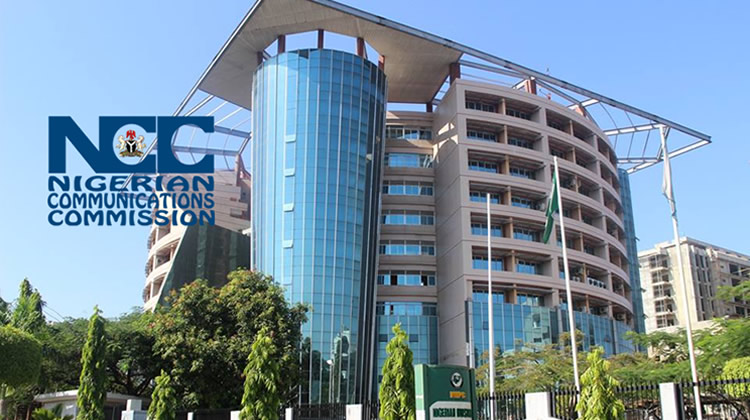
In a decisive move aimed at enforcing compliance within the telecommunications sector, the Nigerian Communications Commission (NCC) has approved the disconnection of Exchange Telecommunications Limited (Exchange) by MTN Nigeria Communications Limited (MTN). The decision, announced on Friday, December 27, 2024, follows Exchange’s failure to settle outstanding interconnect charges owed to MTN despite being given multiple opportunities to address the issue.

The NCC stated that its approval is in accordance with the Nigerian Communications Act 2003 and the Guidelines for Procedure for Granting Approval to Disconnect Telecommunications Operators, 2012. These regulatory frameworks empower the Commission to safeguard the industry’s financial ecosystem and ensure operators meet their obligations to one another.

Exchange Telecommunications Limited had been notified of MTN’s application for disconnection and was afforded the opportunity to respond and present its case. However, after a detailed review of the circumstances, including the nature of the debt and Exchange’s explanations, the Commission determined that Exchange failed to provide sufficient justification for its non-payment of the interconnect charges.

Interconnect charges are critical payments exchanged between telecommunications operators for handling calls and data traffic across their networks. Failure to meet these financial obligations not only disrupts business relationships but also threatens the operational stability of the industry.

The NCC’s public notice highlights key measures that will take effect as part of this decision:

  1. Cessation of Traffic: Five days after the notice (by January 1, 2025), MTN will stop routing voice and data traffic through Exchange. This means Exchange customers may experience disruptions in connectivity and will need to rely on alternative service providers for communication services.
  2. Use of Alternative Channels: MTN will redirect interconnect traffic through alternative network service providers, ensuring minimal disruption to its operations and maintaining communication flows for its subscribers.

The disconnection will remain in effect indefinitely until further directives are issued by the NCC.

The Commission has emphasized the importance of this action as a regulatory measure to enforce accountability and financial discipline in the telecommunications sector. It also serves as a warning to other operators to prioritize compliance with interconnect agreements and obligations.

This decision reflects the NCC’s firm commitment to upholding the integrity of Nigeria’s telecommunications landscape. By holding operators accountable for their obligations, the Commission aims to sustain the trust and functionality of the sector, which serves as a backbone for the nation’s economy and communication infrastructure.

Industry stakeholders and the public are advised to monitor further updates from the NCC regarding the status of the disconnection and any potential resolutions.


By Anthony Emeka Nwosu

For many Nigerians, the Christmas season is more than just a holiday—it is a time to reconnect with family, community, and culture. This is especially true for the Igbo people, who have maintained a long-standing tradition of traveling home to their towns and villages during the festive season. Their journey is often marked by celebration, nostalgia, and the joy of homecoming. Yet, this age-old tradition has become a source of frustration and financial strain due to the skyrocketing cost of road transport.

The South-East region, known for its rich cultural heritage and communal celebrations, sees a massive influx of travelers in December. However, the lack of an efficient mass transport system has placed an undue burden on Nigerians making this annual pilgrimage.

The Cost of Homecoming

For many families, traveling from Lagos to key towns in the South-East has become a financial ordeal. As of December 2024, the average transport fares for road trips from Lagos to South-East towns are as follows:

Lagos to Aba: ₦56,900 (605km)

Lagos to Abakaliki: ₦56,400 (629km)

Lagos to Enugu: ₦55,400 (556km)

Lagos to Owerri: ₦56,400 (538km)

Lagos to Awka: ₦51,900 (492km)

Lagos to Umuahia: ₦55,200 (576km)

Lagos to Nsukka: ₦54,400 (609km)

Lagos to Onitsha: ₦50,500 (452km)

These figures represent average fares charged by standard transport companies, with some operators offering marginally lower or higher prices depending on the quality of service.

“Home is Calling, But the Fare is Alarming”

Chinwe, a Lagos-based entrepreneur, shared her frustration: “Every year, it gets harder to travel home. Last December, I paid ₦40,000 to travel to Enugu. Now it’s over ₦55,000! For a family of five, it’s almost impossible to afford.”

Similarly, Uche, a civil servant, lamented the strain these prices put on middle-class earners. “It’s not just the fare; we still have to budget for gifts, family contributions, and festivities. Traveling home shouldn’t feel like a punishment.”

Why Are Prices So High?

The steep fares are a symptom of larger systemic issues:

1. Demand Overload: December’s travel rush leads to a shortage of buses, allowing transport companies to hike prices.

2. Fuel Price Volatility: Rising fuel costs have drastically increased operational expenses for transporters.

3. Poor Infrastructure: Dilapidated roads, traffic congestion, and longer travel times force operators to factor in higher vehicle maintenance costs.

4. No Viable Alternatives: The absence of a functional rail system or affordable air travel leaves many Nigerians reliant on road transport.


A Call for Intervention

The Ministry of Transport has been criticized for failing to address these challenges. Despite calls for intervention, there have been no concrete efforts to introduce palliative measures, such as subsidized fares or temporary mass transit solutions during the festive season.

Emeka, a regular traveler, suggested: “The government should collaborate with transport companies to regulate prices or offer temporary solutions like affordable buses for December travelers.”

Beyond December: The Bigger Picture

This annual struggle highlights the urgent need for a sustainable transport strategy in Nigeria. An efficient rail network, improved road infrastructure, and better regulatory oversight could significantly alleviate the burden on travelers and boost economic activity in the region.

As the Christmas bells ring louder, many Nigerians are left wondering: Will going home ever become easier?

This season, while families across the South-East gear up for joyful reunions, the cost of getting there is a sobering reminder of the gaps in Nigeria’s transportation system.

#Nigeria #TourNigeria #SoutheastTravel #TransportChallenges


Renowned lawyer, speaker, and advocate for women’s empowerment, Chinyere Okorocha, has once again demonstrated her commitment to fostering global connections and championing impactful causes. The former Chair of the Nigerian Bar Association (NBA) Women Forum, known for elevating the organization to international recognition and advocating for women’s career mentorship and empowerment, recently attended the International Health Ministers Summit in Rwanda.

In her reflections, Okorocha described her visit as not only a platform for engaging in meaningful discussions but also an opportunity to foster relationships with fellow trailblazers in the healthcare sector. She shared highlights of a delightful dinner with powerful women in healthcare, including Dr. Funmi Adewara and Dr. Oge Ilegbune, where the atmosphere was one of camaraderie and shared vision.

“The dinner was the perfect opportunity to reflect on the day’s discussions, while deepening relationships with fellow attendees,” Okorocha said. “I am grateful for the opportunity to be part of such a prestigious event and for the chance to connect with trailblazers working tirelessly to shape the future of global healthcare.”

Okorocha’s participation underscores her dedication to advancing conversations that impact lives on a global scale. As a lawyer, women executive career acceleration coach, mentor, and board member, she continues to leverage her platforms to advocate for gender equity and the empowerment of women in leadership roles.

The International Health Ministers Summit in Rwanda brought together leaders and innovators committed to tackling pressing global health challenges. Okorocha’s presence and contributions further highlight her versatility and passion for making a difference in diverse spheres.

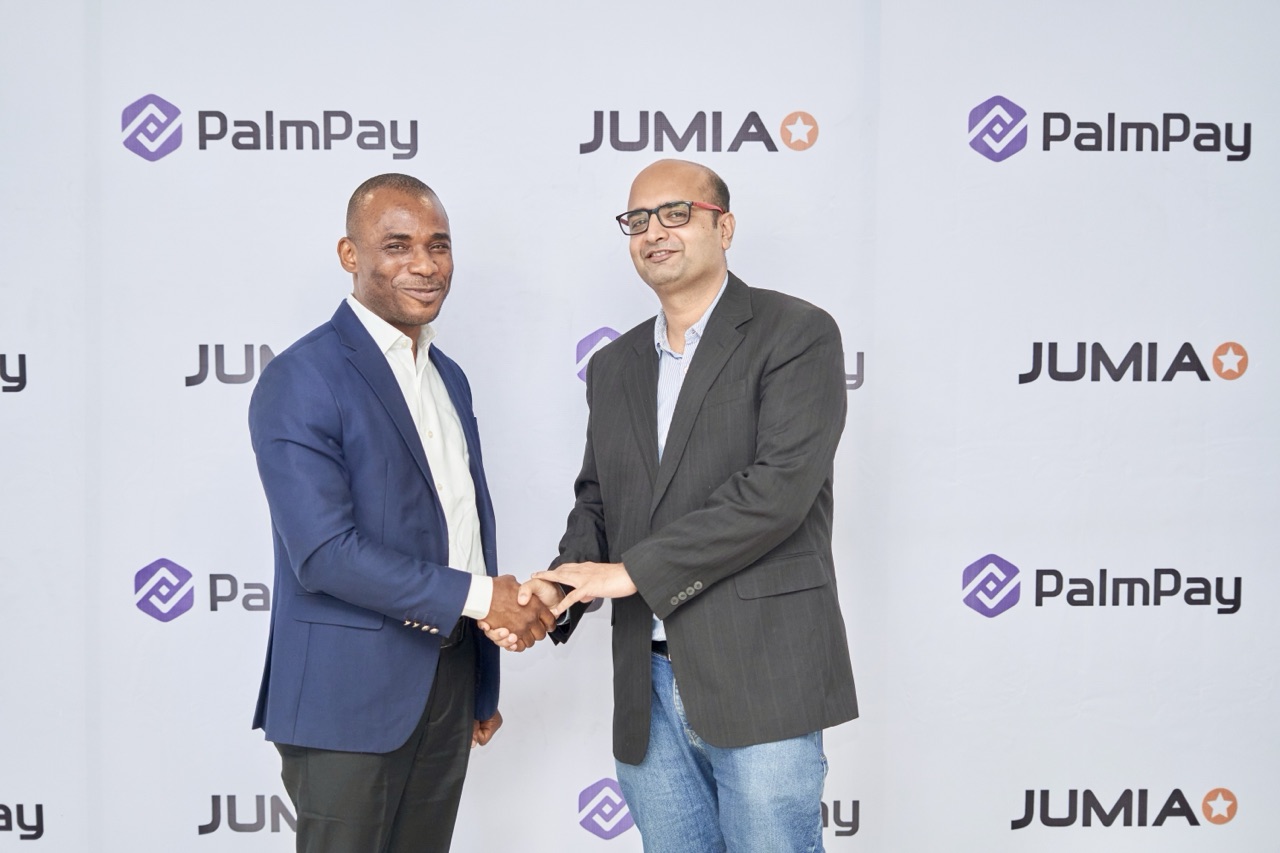
PalmPay (www.PalmPay.com), a leading Africa-focused fintech operating Nigeria’s most used mobile wallet, and Jumia, Africa’s e-commerce giant, today announce a strategic partnership to enhance the digital payment ecosystem on the continent, starting with payment integrations and co-marketing efforts in Nigeria.


This partnership underscores both parties’ commitment to developing the digital payment ecosystem in Nigeria and grow the use of the cashless economy. WIth PalmPay now available as a payment method, shoppers on Jumia will now be able to pay for their purchases with the option to check out with their PalmPay wallet, ensuring a seamless user experience and transaction reliability through the direct integration.

We are proud to partner with Jumia as we bring together the best of fintech and e-commerce to redefine the online shopping experience

“We are proud to partner with Jumia as we bring together the best of fintech and e-commerce to redefine the online shopping experience,” said Sofia Zab, Chief Marketing Officer, PalmPay. “This strategic alliance aligns perfectly with our shared commitment to delivering a superior user experience and exceptional value to our customers.”

Speaking on the partnership, Sunil Natraj, CEO, Jumia Nigeria added: “At Jumia, we are dedicated to creating value for our customers by ensuring a convenient, reliable, and secure shopping experience. This partnership with PalmPay strengthens our commitment to enhancing the digital payments within our platform. By integrating PalmPay, we are providing more options for customers to access affordable and quality goods with the convenience of cashless transactions.”

This alliance marks the beginning of a long-term collaboration between two industry giants, aiming to drive innovation, increase convenience for consumers, and foster the adoption of digital payments across Africa.

To celebrate the launch of the partnership, PalmPay and Jumia are launching a special Christmas campaign, running from December 11th to 30th. During this period, customers who make purchases on Jumia using the PalmPay payment method will stand a chance to win exciting cash rewards. More details can be found on the brands’ respective social media pages. @ palmpay_ng (http://apo-opa.co/4iKE34t) and @ JumiaNigeria (http://apo-opa.co/3BDMEpa).