
In its 10th year, the MTN Business App of the Year Awards 2021, awarded South African technology company, iiDENTIFii, the Best Enterprise Solution for its biometric digital authentication and automated onboarding solution. Speaking after receiving the prestigious award, co-founder and chief strategy officer, Lance Fanaroff, said that iiDENTIFii felt honoured to win after entering the awards for the very first time.

“It was humbling to see iiDENTIFii in such an impressive line-up. We were happy to be a finalist, so winning was just an incredible feeling. The past three years have been exhilarating as we worked to develop what is now one of the world’s leading digital authentication and onboarding solutions. The credibility gained from this award is almost priceless, and will greatly assist us to further implement our growth across the African continent,” said Fanaroff.

The rigorous process of the MTN Business App of the Year competition was a valuable opportunity for iiDENTIFii to revisit and perfect its market offering: “As an entrant we were expected to deliver significant content, including a demo app, as well as participate in panel interviews. All of this was within a tight timeframe and certainly challenged us to produce our best responses. It was also a great opportunity to be measured against our peers and be awarded for what others also believe to be a game-changing solution.”

Fanaroff says iiDENTIFii offers an end-to-end digital authentication that delivers in under thirty seconds and meets the highest standards of security and data protection. While it is technically complex, the solution simply assures that an individual is a real person and present at the time of transaction or verification, and that the person’s online identity, in a digital world, is who the person claims to be. In essence, we wanted to make sure we could offer a secure and user-friendly technology platform that authenticates physical identities in a connected world. iiDENTIFii strives to be a trusted partner for businesses when it comes to remote biometric identity authentication.  It is very relevant in a world that is almost dominated by digitalisation: “It is well known that the Covid-19 pandemic has elevated the role of digital solutions, almost forcing businesses of all types to conduct business online. With the exponentially increasing online digital penetration almost all businesses need solutions that minimise their risk and make online business models convenient and safe to use.”

He says that iiDENTIFii believes that it is for these reasons that the company was bestowed the honour of winning the Best Enterprise Solution category: “It is imperative that technology solutions solve real world problems. We believe that innovation has to solve some of the significant challenges we have as a continent, and as a world. We already have some incredible examples locally and we are so proud to now stand among them too.”

Fanaroff says the award will assist the company to not only extend its footprint, but to also increase its scale and traction with clients, while working tirelessly to ensure the solution remains relevant and is constantly improved and updated, retaining the high standards that the company is known to achieve.
Ransomware attacks have massively increased since the start of lockdown. Here’s what you need to know to protect your company.

When hackers targeted Transnet’s computer systems in late July this year, logistics at major ports ground to a near-halt for the second time in a month (following the protests and looting) as the company was forced to switch to manual cargo processing. “The IT industry has seen a massive increase in ransomware attacks since the start of lockdown, when companies’ digital footprints increased as remote work became the norm,” says Marilyn Moodley, Country Leader for South Africa and WECA (West, East, Central Africa) at SoftwareONE. Problematically, many organisations unfortunately only realise too late that ransomware protection is a business issue and not an IT issue.”

This past year, JBS SA, PPS and Life Health Care group’s hospitals were just some of the companies that made headlines after similar attacks – at massive cost not only from a financial perspective, but also in terms of downtime and job losses. Sophos’ State of Ransomware 2021 global report showed that the average cost of remediating a ransomware attack in South Africa is R6.4bn.

In the first 100 days of the lockdown alone, Mimecast researchers detected huge increases in spam attacks (up 46%), impersonation attacks (up 75%) and malware, which spiked by 385%. Nearly half (45%) of the South African respondents said ransomware attacks had impacted their organisation. “And not only large corporates are at risk – but attackers also see SMBs as an ideal target because they are unlikely to have sophisticated defences,” says Moodley.

How it works

Ransomware is a type of malware that infects a computer or device and attempts to force a victim to pay a ransom to regain access to files – or to prevent sensitive information from being leaked.

In most cases, the malware is installed on a system after a user clicks on a link or downloads an attachment. “By now, most users know not to click on the link in an email congratulating them on a massive inheritance from some unknown uncle – which would likely lead to a system infection. But the attacks are more sophisticated than ever. Now, an email could seemingly come from your boss sending you an employee appreciation gift card or could feature a dangerous attachment posing as an invoice from a client. Just clicking on a link, without installing anything, can download a ransomware code,” says Moodley. Despite 99% of South African respondents in the study having received IT security awareness training, half still admitted to opening emails they considered suspicious.

Protecting your business

“Today, the question isn’t if you will get hit by a ransomware attack, but when,” says Moodley. She offers these essential tips to protect your business:

  • Awareness is key. The  stats show that since the onset of the pandemic, employees worldwide have been clicking on malicious URLs embedded in emails three times as often as before. Training employees is an essential step in preventing ransomware attacks.
  • Antivirus is non-negotiable. Newer software using AI can predict new malware signatures and should be installed on all endpoints, including servers.
  • Run regular tests. Malicious code generally needs to engage in a pattern of behaviour as part of a ransomware attack, so it’s important that companies test for these attack patterns and ensure their security controls’ effectiveness.
  • Plan for the worst. Specialised cybersecurity insurance, or at least insured protection against business downtime due to cyber attacks, should form part of your bottom line.
  • Back it all up. “The attack on Transnet highlighted the importance of having a backup solution in place. In the wake of a ransomware attack, the immediate priorities for most organisations are to uncover the cause, communicate with leadership and customers, and restore corrupted files. But most organisations simply don’t have the manpower to conduct all three. That’s why a service like SoftwareONE’s BackupSimple powered by Metallic is so beneficial. We conduct the restore so customers can focus on the rest. Our new partnership with Commvault also means our cloud-based managed service offering gives businesses, big and small, the confidence they need to know they’re protected,” says Moodley.

The Minister of Police Affairs Mohammed Maigari Dingyadi has stated that The Nigerian Police Force will strengthen its business relationship and continue to patronize Innoson Vehicles.

The Minister made this declaration during his tour of the facilities of Innoson Vehicle Manufacturing plant in Nnewi Anambra State with the Inspector General of Police Usman Alkali Baba.

Speaking further after the facility tour, the Minister stated “We are pleased to see the facilities on ground today at the factory and we are now further assured that Innoson Vehicles have the capacity to manufacture vehicles both that will serve our operational needs. Based on this visit today, we shall strengthen our relationship with Innoson and this will also help in strengthening our economy”.

In his reaction after the tour, The IGP stated that the Nigerian Police Force has always been a customer to Innoson Vehicles and today’s visit has made them to appreciate the effort Innoson Vehicles has been making to produce durable vehicles for the Nigerian market and therefore they will continually support and encourage the company to succeed.

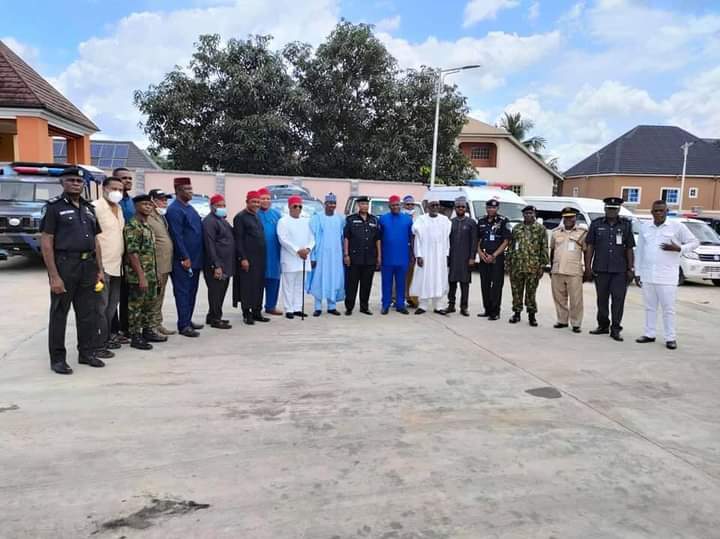
The Minister and the IGP was equally accompanied by the, Assistant Inspector General of police zone 13, AIG Umar Musa Muri, Commissioner of Police Anambra State Command CP Tony Olofu, Deputy Commissioner Of Police in charge of Operations Anambra State Command DCP Salam Dogo, Assistant Commissioner of Police Operations ACP Emmauel Ugwuanya and Assistant Commissioner of police in charge of Nnewi area command ACP Emenike.

The Chairman of Innoson Vehicles, Chief Dr Innocent Chukwuma OFR used the opportunity of the visit to showcase to the Minister and his delegation the new automated plant section that is currently being installed for the production of Big Buses. Dr Chukwuma also appreciated the Minister and the IGP for the visit and equally assured them of IVM continuous improvement on its quality, availability of spare parts and after sales services.

Innoson Vehicles is Nigeria first indigenous vehicle manufacturing company. At the completion of the ongoing installation of automated plant, it will see an increase capacity of 10,000 annual units to 60,000 units annually.

The vehicle manufacturing company which was commissioned in 2009 is located in Nnewi, Anambra State.

Cornel Osigwe
Head Corporate Communications and Affairs Innoson Vehicles

  • “A mark of cohesion” – Danbatta
  • “We thank the Nigerian Government for hosting WATRA Secretariat” – Ndiaye
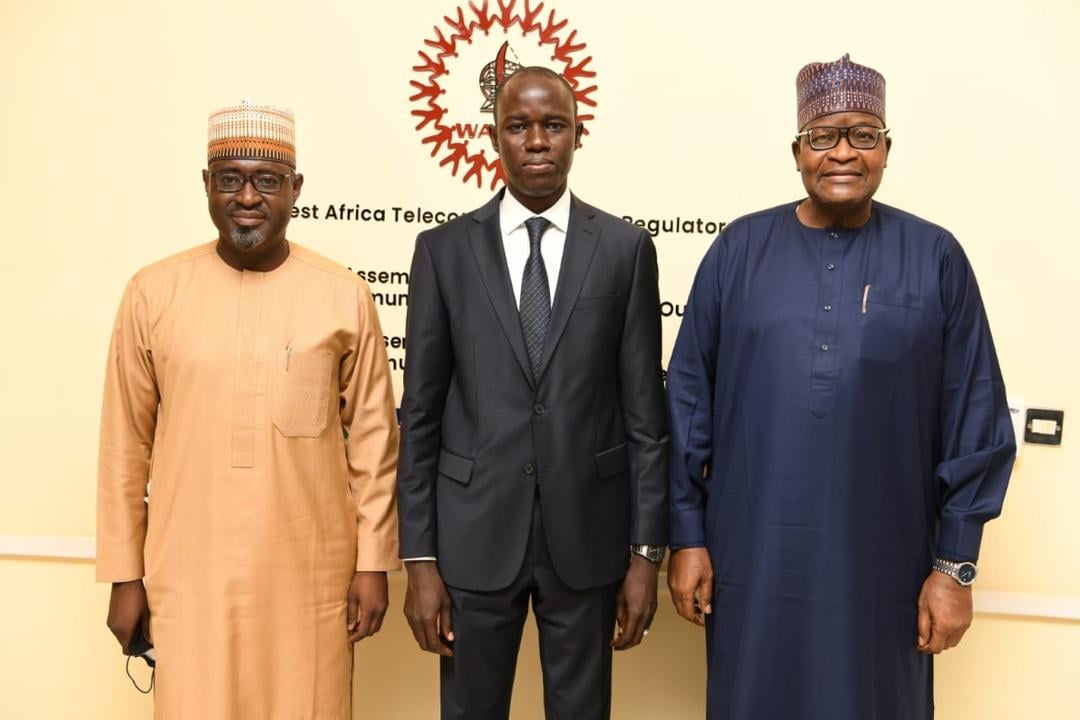
    An event of historical significance took place in Maitama, Abuja on 16th September 2021, as the Executive Vice Chairman and Chief Executive Officer (EVC/CEO) of the Nigerian Communications Commission (NCC), Prof. Umar Garba Danbatta, joined His Excellency, Babacar Matar Ndiaye, the Ambassador of the Republic of Senegal to Nigeria, to hoist the flag of Senegal at the Secretariat of West Africa Telecommunications Regulators Assembly (WATRA).

Danbatta, who is also the Chairman of the Executive Council of WATRA, stated that the event was of such profound significance that it transcends the physical hoisting of the flag, noting that “it symbolises the cohesion taking place in WATRA” and giving concrete and louder expression to collaboration and cooperation among members states of the regional telecom regulatory body.

Prof. Danbatta also said that the increasing demonstration of cooperation and cohesion by WATRA member states signifies unflinching commitment to harnessing ICT resources to improve the quality of life of the people of the sub-region, noting that ICT remains an enabler for bridging the gaps in the pathway to development.

Strengthening Danbatta’s position, Ambassador Ndiaye, who is also Senegal’s Permanent Representative to ECOWAS, described the ceremony as a happy occasion, noting that it was gratifying to gather at WATRA Secretariat to hoist the flag of Senegal alongside those of other member states.

He said Senegal has never relented in making remarkable contributions to ECOWAS and other regional bodies and indicated his country’s readiness to work within the political and economic framework of ECOWAS to streamline challenges facing regulators like WATRA.


Ambassador Ndiaye further stated that among the key challenges regulators face are the emergent Internet of Things, Artificial Intelligence, the convergence of networks and applications, the imperative of infrastructure sharing and the increasing needs of telecom consumers, dynamics of financial services, and electronic commerce in general. Ndiaye asserted that the telecom regulator is central to the acceleration of growth in other sectors of the economy and therefore occupies a significant place in the socioeconomic space.


He looked forward to continued collaboration to address the myriads of challenges in the telecom sector, and noted that the outbreak of COVID-19 and the envisioned post-COVID-19 relations have compounded the challenges of telecom regulation.

The Senegalese envoy seized the opportunity of the occasion to convey the gratitude of the Government and people of Senegal to the Federal Government of Nigeria for hosting WATRA, and thanked the NCC for the support it has continued to offer WATRA and for promoting greater cooperation among member states towards harnessing the benefits of the Fourth Industrial Revolution.

Aliyu Yusuf Aboki, the Executive Secretary of WATRA, in his welcome address, expressed extreme delight at having the ambassador and the chairman of WATRA at the flag presentation and hoisting ceremony. Aboki noted that the presence of the duo underscored the importance that “policymakers and political authorities in Africa attach to the digital economy as a means of promoting investment, jobs and growth”, even as the meeting also signifies the sub-regional determination to work together in order to improve telecommunications regulations in a manner that enables “operators and investors to deliver more affordable, higher quality and more innovative services” to the people of West Africa.

Aboki who also recalled the rare strides made by the Government of Senegal in promoting digital economy amplified the voice of Ndiaye by expressing the gratitude of the 16 member countries of WATRA to the Nigerian Government, which, through the NCC, has continued to support “the Assembly and for hosting WATRA.”

The West African Regulators Assembly (WATRA) is made up of ECOWAS member states and Mauritania. The hoisting of the flag of member states of WATRA at the Secretariat, an initiative of the Danbatta-led Executive Council, commenced after the last AGM where Aboki and Danbatta emerged, respectively, as Executive Secretary and Chairman of the Executive Council.

Thirteen member states had their respective flags hoisted at the AGM while Mauritania later sent a representative to perform the flag hoisting ceremony. With Senegal’s symbolic presentation of its flag and its hoisting today, WATRA looks forward very excitedly to The Republic of Ghana to present and hoist its flag soon, in order to complete that process to further consummate the bonding among members of the Assembly.

President Muhammadu Buhari, in his capacity as Minister of Petroleum Resources, has directed the incorporation of the Nigerian National Petroleum Company Limited.
This is in consonance with Section 53(1) of the Petroleum Industry Act 2021, which requires the Minister of Petroleum Resources to cause for the incorporation of the NNPC Limited within six months of commencement of the Act in consultation with the Minister of Finance on the nominal shares of the Company.

The Group Managing Director of the NNPC, Mr Mele Kolo Kyari, has, therefore, been directed to take necessary steps to ensure that the incorporation of the NNPC Limited is consistent with the provisions of the PIA 2021.

Also, by the power vested in him under Section 59(2) of the PIA 2021, President Buhari has approved the appointment of the Board and Management of the NNPC Limited, with effect from the date of incorporation of the Company.

Chairman of the Board is Senator Ifeanyi Ararume, while Mele Kolo Kyari and Umar I. Ajiya are Chief Executive Officer, and Chief Financial Officer, respectively.


Other Board Members are; Dr Tajudeen Umar (North East), Mrs Lami O. Ahmed (North Central), Mallam Mohammed Lawal (North West), Senator Margaret Chuba Okadigbo (South East), Barrister Constance Harry Marshal (South South), and Chief Pius Akinyelure (South West).

The Federal Government has approved the deployment of the Fifth Generation Network, otherwise called 5G in Nigeria.

The Honourable Minister of Communications and Digital Economy, Prof. Isa Ali Ibrahim (Pantami) announced the approval after the Federal Executive Council (FEC) meeting in Abuja on Wednesday, September 8, 2021.

Following the approval, the Minister has directed the Nigerian Communications Commission (NCC) to commence immediate implementation of the 5G plan for the country. The roll-out of the 5G will be carried out in phases beginning with major cities in the country “where there is need for high quality broadband,” the Honourable Minister has said.

The NCC will publish an implementation roadmap for the deployment of 5G across the country with service roll-out obligations. In addition, the Commission has been directed to commence the development of relevant regulatory instruments to address issues related to health, safety and others to drive effective implementation of the roll-out of 5G by Mobile Network Operators (MNOs).

The National Frequency Management Council (NFMC), chaired by the Honourable Minister of Communications and Digital Economy, will, in no distant time, release the 5G Spectrum to the NCC for auction to MNOs that will need the spectrum for 5G deployment.

The approval of the 5G Plan by the President and Commander-in-Chief of the Armed Forces, President Muhammadu Buhari, GCFR, and the FEC is a major boost to Nigeria’s promising 5G Plan, which has the objectives of ensuring efficient assignment of spectrum for 5G deployment, creating an enabling environment for investment in the telecom industry, ensuring effective deployment of 5G to cover major urban cities by 2025, among others.

In line with the objectives of the National Digital Economy Policy and Strategy (NDEPS) 2020-2030 for a Digital Nigeria, and the positioning of Nigeria as an early adopter of digital technology in the growing global digital economy, the successful and timely deployment of 5G is crucial. 5G is expected to facilitate several emerging technologies, generate innovative use cases, spur significant socio-economic growth and create jobs.

The Minister appreciated President Muhammadu Buhari, the entire FEC members, the National Assembly, as well as other industry stakeholders for their roles and contributions in the journey that culminated in the approval of the 5G implementation for the country.

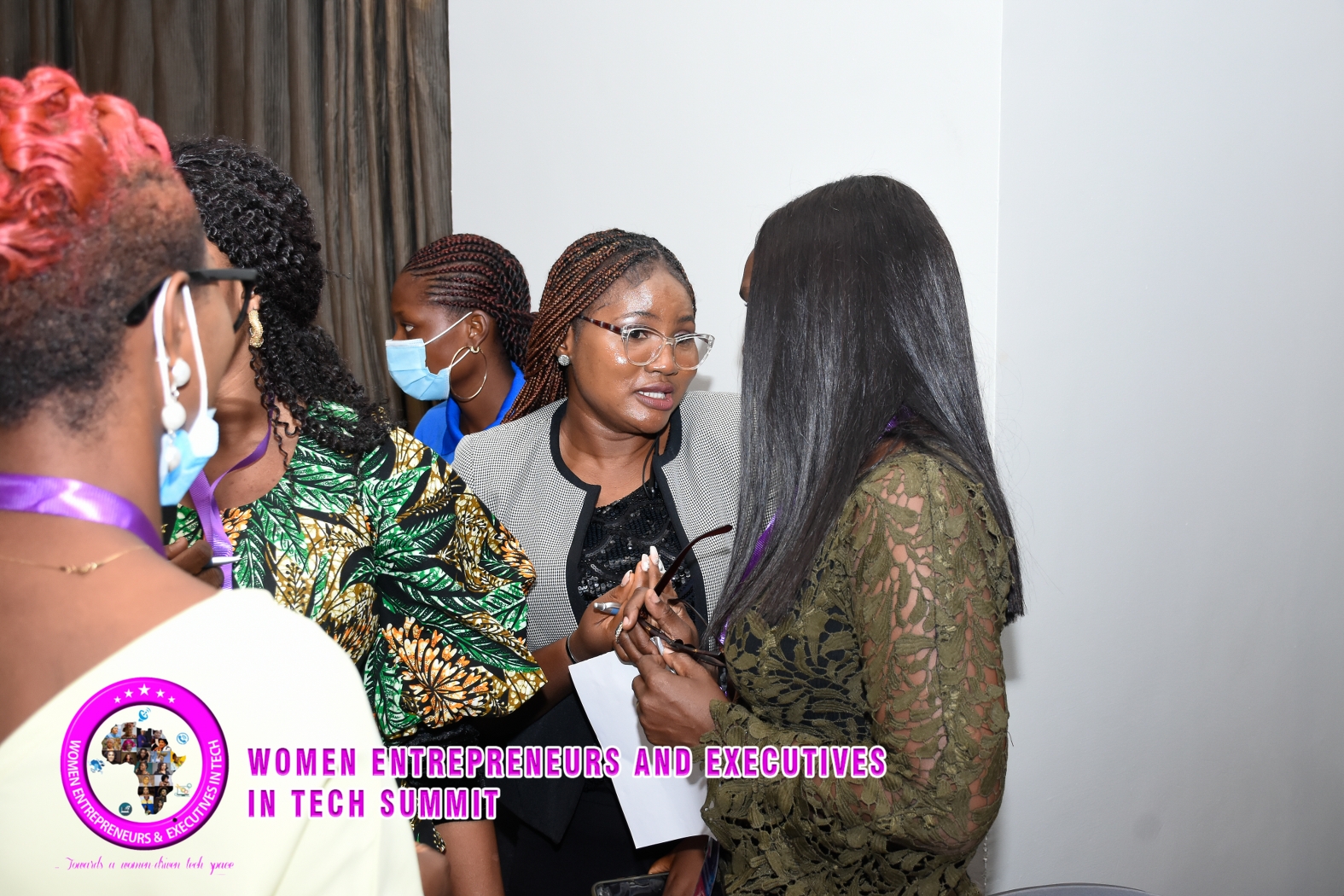
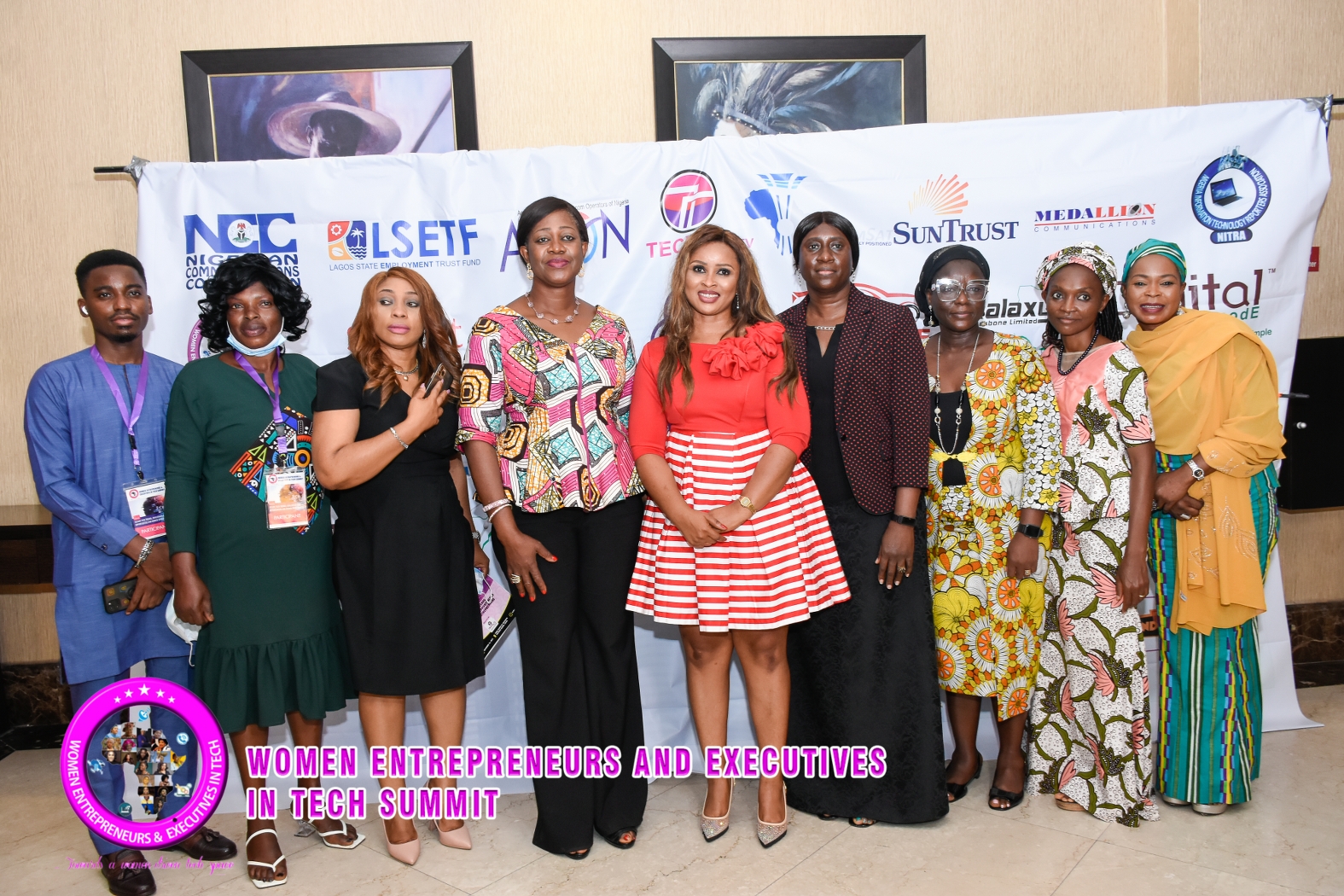
The maiden of the Women Entrepreneurs & Executives in Tech Summit was held yesterday at the Four Points by Sheraton Hotel, Victoria Island, with key stakeholders and experts drawing up 14 key recommendations. 

These recommendations, according to the experts will alter the perception that roles of Information and Communications Technology are majorly for men, adding when implemented by the government and private sector players, women’s ego will be boosted to take up ICT roles. 

The Women Entrepreneurs & Executives in Tech Summit…. Touching a Woman Driven Tech Space, with the Theme: Future Tech Trends, Challenges and Opportunities for Women Entrepreneurs was organized by TechLife Media and Communications Limited and powered by TechLife with Ugo. 

The essence of the Summit, according to the organiser is to brainstorm on the place of Nigerian women in the emerging world of technology and how they have fared in the recent time while expanding new ideas in ICT and Telecoms. 

  •  The Recommendations:
  •  Government needs to provide definite policy direction on digital agenda pursuit that carries women along.
  •  The banks (Bank of Industry) need to give more support to start-ups, especially women entrepreneurs. When funding is available, there should be a mechanism to communicate their availability to women and how to access them.
  •  Government and telecom regulators must identify gaps in capacity building for women. The establishment of the Digital Bridge Institute (DBI) and Innovation Fund for universities should be a veritable platform to empower women in Nigeria.
  •  The government and the Ministry of Communications and Digital Economy should identify initiatives to support women.
  •  Women should be encouraged to participate in ICT skill training. This will help them to appreciate the benefits of networking.
  •  Women should build their skillsets very often so that they can meet up with their male counterparts.
  •  Women are encouraged to build their personal and business brand so they can stand out. They should take risks and see challenges as part of life.
  •  They should also support themselves by going into partnership, even with their male counterparts.
  •  Spot the opportunity and be inspired…. Think Big X10 the idea and take action.
  •  No sympathy and sentiments – Women should create value for them to be recognized.
  •  Government needs to encourage capacity building in sciences by supporting female students and university lecturers majoring in technical courses through innovation funding.
  •  To build a pool of tech entrepreneurs in Nigeria, each established women entrepreneur must mentor at least 10 women entrepreneurs.
  •  Becoming and entrepreneur is all about problem-solving. Women should not go into entrepreneurship if they are not ready to solve societal challenges.
  •  Women must begin to take up roles and responsibilities in society. They should show up and be known. That is the only way they can contribute to policies that can grow and change society.
  •  

Be bold and take up ICT related roles, experts charge Nigerian women

Nigerian women have been charged to equip themselves and take up roles and responsibilities in the country’s Information and Communications Technology both in government and private sector. 


The experts, who gave the charge yesterday at the maiden edition of the Women Entrepreneurs & Executives in Tech Summit’ with the Theme: Future Tech Trends, Challenges and Opportunities for Women Entrepreneurs, also argued that women can only take up roles by participating in ICT skill training and retraining. 

First to give the charge is the Executive Vice Chairman of the Nigerian Communications Commission (NCC), Dr. Umar Danbatta. According to him, women should upskill themselves as it is critical to removing social and economic barriers. 

“Women should be bold enough to take on entrepreneurship opportunities as well as a leadership position in other to play active roles in the evolving Digital Economy,” Danbatta, who represented by Olatokunbo Oyeleye, Director, New Media and Information Security at NCC said. 

He noted that for women to get the empowerment needed to compete favorably among their global peers, they must invest in digital skills, stressing that digital literacy improves family incomes, trade and creates job opportunities for mothers. “Investing and supporting the younger generations digital development is critical, especially since females face disproportionate social impediment,” he added. 


Also speaking at the Summit, the Google Nigeria Country Manager, Ms. Juliet Ehimuan, charged women to be inspired, think big and spot the opportunity, insisting that no sympathy and sentiments – Women should create value for them to be recognized. 

“The point is becoming an entrepreneur is all about problem-solving. Women should not go into entrepreneurship if they are not ready to solve societal challenges,” she argued. Be bold and take up ICT related roles, experts charge Nigerian women


While charging established women entrepreneurs to take up mentorship roles and mentor at least 10 other women entrepreneurs in order to build a pool of tech entrepreneurs in Nigeria, the Google Nigeria Boss urged women to show up and be known, stressing that is the only way they can contribute to policies that can grow and change society. 
She gave examples of several women in Nigeria and indeed across the world who are leveraging ICT skills to build businesses that are in turn making a lot of money and ultimately, contributing to the economy of their homes and countries. 

The ‘Women Entrepreneurs & Executives in Tech Summit, which was organized by TechLife Media and Communications Limited and powered by TechLife with Ugo, was well-attended by several stakeholders from both the government and the private sector. 

The Summit, according to the organizer was put together to brainstorm on the place of Nigerian women in the emerging world of technology and how they have fared in the recent time while expanding new ideas in ICT and Telecoms.

Petroleum marketers in Imo State had recently embarked on a protest strike over a judgment debt inherited by the Gov. Hope Uzodimma administration from its predecessors, leading to the artificial scarcity of the Premium Motor Spirit (PMS) otherwise known as petrol in the state.

Expectedly, there were grumblings, groans, and murmurs. And while some people had pointed accusing fingers at the Uzodimma administration for a problem it did not create, others who reasoned deeper held the view that the petroleum marketers had not approached the issue with a human face. Some said there was politics to it.

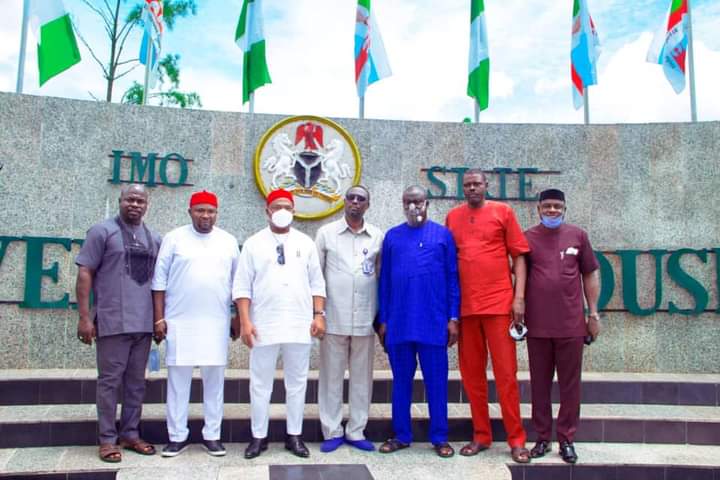
For the Governor, how the people conceived the issue does not matter, really. Being a father [the father of Imo State], what was important to him was to figure out a solution to the imbroglio so that frayed nerves could be placated and the people could be happy once again. It was on this premise that Gov. Hope Uzodimma met with the Independent Petroleum Marketers Association of Nigeria (IPMAN) on Wednesday, September 15th, 2021. The meeting birthed a 15-man committee saddled with bringing a lasting solution to the problem. And PMS is now available all over the state, and at the normal pump price.

Imo people are delighted to have the burden of the grueling petrol crisis that brought hardship upon them relieved. The Governor’s action has attracted plaudits to him. His meeting with IPMAN also had him reveal that he had instructed that Imolites whose monthly incomes are below Seventy Thousand Naira (N70,000) be exempted from tax. By this, many believe that he has proved himself empathetic to the plights of the masses, as a father would do his children’s.

“I do not also believe in the over-taxation of the people”, Gov. Uzodimma said.

“Last week, I signed an instruction that those whose incomes are less than seventy thousand Naira in a month should no longer pay tax in Imo State.”

In the meeting, the Governor acknowledged that the petroleum marketers may not have handled their agitation in the best possible way but extended his hands of cooperation. His words were soothing, to the admiration of the lmo public.

“I want to thank the Almighty God that this opportunity of meeting with you presented itself today and sincerely welcome you to Imo State. All we want is peace in our state. It’s impossible that I will hear that tanker drivers and petroleum marketers in our state are not happy and refuse to invite them,” the Governor added.

“But it is also of you to give me my first right which is to hear you out. You did not allow me to hear you out. You made no effort to meet with your Governor. It is only when you meet with your Governor and he is not able to keep agreements that you can begin to take action. Fair hearing is necessary and it is a right for all of us. So whatever are the grievances, we would set up a committee of government officials and members of the union. This is how it is done even at the national level. Any issues you are not able to resolve, you can bring to my attention. I would either overrule you or the government team and make sure that everybody is happy and that progress is made.

“Let us not take part in the destruction of this house [the office I occupy] which you all contributed to the building. So you must continue the partnership that would make your businesses grow, and also make our government work. Feel free at any time to call on me. When people are buying from the black market and there is trouble everywhere, it does not make me happy. If the people are not happy, I cannot be happy. And the people cannot be happy by my efforts alone. It would take mine and your efforts to make the people happy”, he said.

Imo people are knowledgeable of the fact that there were many judgment orders obtained by citizens against the State Government under the watch of former Governor, Rochas Okorocha, whose administration did nothing about them.

Gov. Hope Uzodimma, being kind-hearted and in obedience to the rule of law went a long way to settle the debts. He explained: “When we assumed office, to be honest, we met a lot of court judgments, garnishee orders here and there, that if we had to pay all of them, we may not have been able to pay salaries. What we did was to call the affected person and listen to them. For most of them, we returned their lands and other affected properties so that government can move forward. So if we could do that, what about you that are strategic stakeholders very necessary for development in Imo State. Why can’t I seat down and discuss this with you?

“I want to thank you for coming. Let’s not begin to dot the Is and cross the Ts. But you need to understand that I am not your enemy. I am cooperating with you so that we can move forward. We have to work out something implementable and affordable. Please bring back your tanker drivers to supply our people with fuel because they are suffering. I plead with you to join my government in serving the people and making them happy. I would not disappoint you,” he promised.

By Lancelot Obiaku

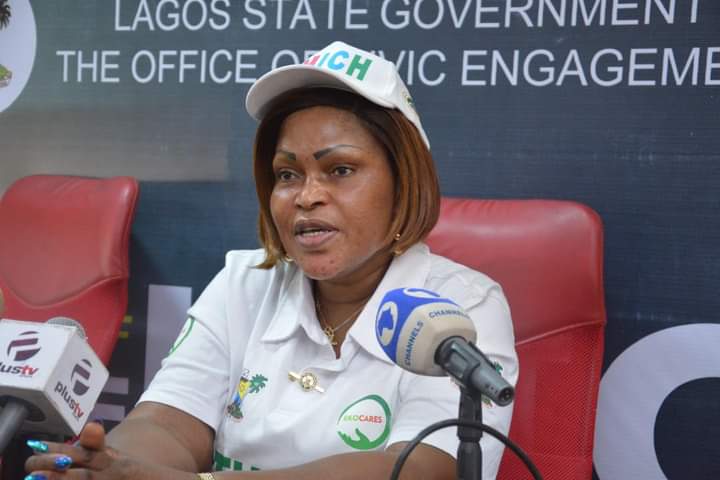
As part of plans to further enhance the accessibility of Lagosians, especially mothers and children, to quality medicare, the Lagos State Government, through Office of Civic Engagement, is set to launch the Mother, Infant and Child (MICH) programme.

Speaking on Friday at a media briefing in Alausa, the Special Adviser to the Governor on Civic Engagement, Princess Aderemi Adebowale, said the programme was designed to take care of indigent pregnant women and their unborn children.

She revealed that the initiative came into being to help pregnant mothers feed properly right from conception, which is essential for the overall development and well-being of the child.

Emphasising that a threat to nutrition is a threat to the country, Adebowale asserted that the initiative is targeted at improving the nutrition of pregnant women across the State’s 20 Local Governments and 37 Local Community Development Areas (LCDAs).

She also informed that that the initiative is in four stages, stressing that all the stages are geared towards ensuring that indigent expectant mothers have access to free weekly nutritional meal plans from the State government.

“Our main focus is to ensure that the programme continues to provide free food packs for indigent pregnant women throughout pregnancy. This is to prevent malnutrition, which could cause stunted growth in children”, she noted.

Mrs. Adebowale urged stakeholders, including the Local Government Areas (LGAs) as well as wives of LGAs Chairmen, to support the initiative to help stop the emerging threat to society due to the unhealthy mental development of the child from conception.

Also speaking, Doctor Japhet Olugbogi, Medical Officer of Health at Ifelodun LCDA, said the initial two phases of the programme had prevented a lot of women from giving birth at home.

Olugbogi pleaded with Non-Governmental Organisations (NGOs), private organisations and corporate bodies, among others, to support the initiative in order to expand its scope.

.