The world trashes more and more electronics every year. A new ITC workshop shows African tech companies how handling e-waste better can save money and create new exports


Esther Yeboah uses a lot of devices. She works for 365 Impact Ltd, a company in Ghana that uses tracking devices to monitor trucks and tractors, and to gather humidity data for farms.

Her office was filling up with computers and other tech that they no longer used, devices that could end up in a landfill if not disposed of properly.

Known as electronic waste, or e-waste, from old devices accounts for 70% of the world’s toxic waste. That poses a severe risk to human health, and to the environment.

During the pandemic, the world moved online, using more and more digital devices. The environmental cost of information and communication technology (ICT) also grew – contributing to the climate crisis that is more obvious every year.

As the world uses more devices, e-waste is expected to grow by 8% a year. But old electronics don’t have to end up that way. They can also be upcycled — stripped down to their most basic components, which then become a resource to make new electronics.

In the southern Ghanaian city of Kumasi, old computers get dismantled so that the metallic parts can be reused. Iron, copper and gold get separated out and then exported to countries like Belgium and Germany, said e-waste specialist Raldwin Richard Asiedu.

No wasted devices

“There is never a waste appliance, whether it works well or it’s completely dead,” he said. “You can still use the device, depending on the components.”

Going forward, when considering whether to buy any other gadgets, we’ll consider if it’s necessary to buy a new one or a used one

“For example, a laptop, it has to be properly dismantled,” he said. “A laptop screen is always useful. You can use it for making picture frames, mini tables or coffee tables. Keyboards can be used for learning materials in school for children in kindergarten or nursery.”

“If you go into the motherboards, there are printed circuit boards that can be recycled,” he added.

Doing that requires connecting with companies that have the know-how. That kind of knowledge sharing was one of the most important outcomes of a workshop in December, where Esther and Raldwin were among a group of IT companies and tech start-ups who learned how to reduce technology’s environmental impact.

The recent Greening ICT workshop, run by the Netherlands Trust Fund V’s Ghana Tech project, also looked at how to reduce the energy consumed by electronics and ICT sustainability certification.

“It was an opportunity for us to learn how to save energy as managers of offices,” Raldwin said. “For me it was more like a dual knowledge, where you learn more about energy saving, and how to save the environment, with what you do with your electronic devices when they’re at their end of life.”

The workshop does not just aim to increase tech companies score on operating in an environmentally friendly way. It also aims to lay out tangible benefits, such as attracting clients, talent, investors – while saving on costs.

In 2021, during the pandemic, the workshop was held virtually. In 2022, it continued in person.

Some energy-saving tips are surprisingly easy to implement. For example, using cloud databases saves energy compared to installing new servers. And reducing the brightness of screens from 100% to 70% can save one-fifth of the energy used by the monitor.

That saves companies on their energy bills as well. Other strategies are also good for budgets. For example, after the training, Esther said she now realizes that new devices aren’t required for every project.

“Going forward, when considering whether to buy any other gadgets, we’ll consider if it’s necessary to buy a new one or a used one,” Yeboah said. “If not for that training, I don’t think that we would have thought about a second-hand device.”

The Netherlands Trust Fund V (NTF) (July 2021 – June 2025) is based on a partnership between the Ministry of Foreign Affairs of The Netherlands and the International Trade Centre. The programme supports MSMEs in the digital technologies and agribusiness sectors. Its ambition is two-fold: to contribute to an inclusive and sustainable transformation of food systems, partially through digital solutions, and drive the internationalisation of tech start-ups and export of IT&BPO companies in selected Sub-Saharan African countries.

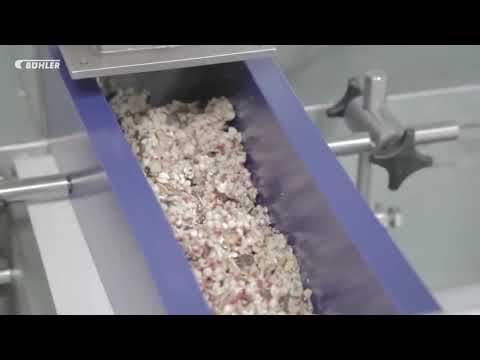
The SnackFix small-scale cereal bar production system from Swiss technology group Bühler (https://www.BuhlerGroup.com/) is the ideal solution for small and medium enterprises (SMEs) to add value to locally produced grains in Nigeria and assist the country to address food security, says Manuel Murrenhoff, Managing Director, Bühler Nigeria.

VIDEO
Bühler SnackFix Bar Production


On-the-go snacking consumption in Nigeria is rising steadily, presenting opportunities for SMEs to enter the market. “In terms of bars, fruit, and sweet snacks alone, this market segment is expected to exceed half a million tonnes by 2025,” says Murrenhoff. The main driver is the burgeoning population, estimated at 223.8 million in 2023, a 2.41% increase over 2022, and expected to grow to 377 million by 2050.

“The economically active part of the Nigerian population is quite sizeable and very mobile, which is boosting on-the-go snacking consumption,” says Murrenhoff. In addition, with half of the population living below the poverty line, there is more than ever the need to drive consumption of the full range of locally grown grains to keep final product prices in check.

“With the price of wheat projected to rise to record heights, Nigeria cannot possibly feed the growing population by importing wheat and other products. On the one hand, there is a shortage of forex and on the other hand, prices are escalating globally. That is where innovation, using local grains, plays an important role in food security, especially as these can be successfully incorporated into ready-to-eat foods,” says Murrenhoff.

Iyore Amadasun, Sales and Channel Business Manager at Bühler Nigeria, says that Bühler’s Snackfix, designed for food producers seeking a share from the on-the-go snack segment, promotes the processing of locally sourced grains for snacks while maintaining the highest food safety standards.

The combination allows SMEs to manufacture a huge variety of cereal bars at a volume of up to 130 kg per hour

SnackFix is a multi-grain solution that allows SMEs to innovate across the spectrum of locally produced grains in Nigeria. The technology presents an entry-level, plug-and-play solution that is compact, cost-effective, and easy to commission and operate.

SnackFix includes a continuous mixer, a cooling tunnel, and a cutting system, all in one – everything needed for quality production. The combination allows SMEs to manufacture a huge variety of cereal bars at a volume of up to 130 kg per hour.

Customers benefit from Bühler’s experience in product development using a wide range of locally produced grains including, for example, sesame seeds, cashews, and peanuts. “We can help newcomers in the market achieve the best recipe to satisfy functional and indulgence consumer requirements in this segment and then supply them with a customised solution,” says Amadasun. In addition, Bühler has an innovation centre and laboratory in Switzerland to assist with different formulations and product development.

“The ready-to-eat market is of strategic importance to Nigeria, as it can adapt local grains for snacking consumption, promote healthy eating habits, and at the same time assist with Food Security,” says Amadasun.

With offices in Lagos and Kano, Bühler Nigeria is a leader in grain and food processing and offers solutions for grain drying and storage, flour milling, rice milling, cacao and chocolate processing, wafer and biscuit, pasta and noodles, feed, and aqua feed milling. Bühler Nigeria also provides support in the form of solutions for ink and coating applications and flexible packaging systems.

Amine Djouahra, B2C BU Director, Canon Central & North Africa (www.Canon-CNA.com)


Canon’s new report, The Future of Filmmaking, notes four shifts in the industry that go beyond tech. Amine Djouahra, B2C BU Director, Canon Central & North Africa explores these four fundamental forces driving change in the industry.

As we are nearing the end of the first half of 2023, we have all become more comfortable with change and disruption. Whether it is the pandemic, environmental factors, unstable global economic conditions, or tech evolution, we have learned to bounce back quickly. One industry that has had to be particularly agile during the past few years is the filmmaking industry.

Canon’s new report (written in conjunction with The Future Laboratory) – The Future of Filmmaking, reveals the industry’s efforts to be a catalyst of change that inspires the creative industry to transform its narrative and to shine its spotlight on topics that will be significant in shaping the future of our world, and that of the African continent.

Interestingly, the report sheds light on the human landscape and its power to create, cultivate, and drive change. The power of people ultimately makes things happen and pushes us toward progress and advancement in any industry. The report highlights four crucial aspects that may be driven by tech but not necessarily led by tech. In my view, these are significant factors directly proportional to the content creation and filmmaking industries and will undoubtedly shape the future of these industries.


Rise of the Creative Class

According to the UNESCO report (https://apo-opa.info/3J1EffH), global cultural and creative industries (CCIs) are estimated to generate about $2.25 trillion annually, which accounts for 3% of the global GDP and employment of around 30 million people worldwide. It is fascinating to see the rise of this creator economy, which the report identifies as the “New Creative Class”. As we witnessed an unprecedented boom in digitalisation over the last 10 years, this creative class sprang into action using technologies to deliver a fresh and novel take on content creation.

If we lens in on the African continent, which is closer to home and more interesting to me, we see some remarkable trends in the creative economy. In Nigeria, as this report (https://apo-opa.info/3IZjYHw) shows, the sector employs 4.2 million people and is expected to employ a further 2.7 million by 2025, an increase of more than 50% in the next two years.

Despite the significant contribution made by the new creative class toward societal and economic progress, there still seems to be a gap in recognition compared to other industries. The emerging community of content creators is striving to achieve fair working conditions, equitable payment models, and new standards in the industry that reflect their value and contributions. This is a positive development for the creative sector in its rightful plea to be recognised and treated fairly compared to other industries.

The report tells me that this is an exciting time to be a creator, with the industry opening its doors to new opportunities that reflect change, growth, development, and progress

Stay Local

The explosion of digital technologies may have given us the power to do anything from anywhere, but like all things, too much of anything is not always good and has its own consequences. With the plethora of content choices that suddenly became available for audiences to consume worldwide, an interesting trend emerged. People slowly started taking their eyes off the global stage and shifted their gaze towards local and home-made content that told stories of their land and their people.

Given our natural desire as humans to find meaning, connectivity, and relatability, the narrative of authentic stories led independent storytellers, documentary-makers, content creators, and filmmakers to explore topics that local people resonate with. So, it’s no surprise that global streaming giants like Netflix and Disney are investing in Africa to tap the unexplored potential and talent. The report encapsulates the essence of the ‘Stay global, go local’ movement and asserts that media organisations and creative firms will progressively be compelled to shift sight closer to home when it comes to entertainment and content production.

Conscious Consumption

The current climate crisis affects us all, no matter which industry or walk of life we come from. The severity of climate change needs to be taken seriously globally, and genuine efforts must be made for scaled initiatives to reduce our carbon footprints. The streaming industry is no exception to this; the carbon impact of the industry drastically needs to be reduced by adopting a more sustainable approach towards this issue.

The report underpins the significance of consumer demand as a key driver toward adopting sustainable practices and better industry standards. With people gaining more awareness about the environmental impact of their consumption choices, they are likely to demand pro-environmental practices, thus compelling the industry to adopt a pro-active approach towards sustainability.

Inclusive Innovation

The Future of Filmmaking report highlights the positive development of inclusivity and diversity. It emphasises that the new creative class is at the forefront of inclusivity and is not afraid to challenge the already-established broadcasters. This new generation of creators identifies technology to harness change and propel social progress. Decentralisation will be a key trend touching every area of the industry, from financing to licensing and distribution and more, creating new opportunities for the underrepresented creators and bringing them closer to their fans.

Continuing the Legacy of Storytelling

These trends are a wake-up call to many in the industry to pay attention to the changing needs of people and to evolve with them. However, we must always return to the basics and remember the importance of telling stories. While these trends affect the industry by and large, the shifts create more freedom for storytellers to come forth and tell their stories in unique and inspiring ways, enabling them to create content that is responsive to the tastes, locations, and ethics of their audiences in a way that has never been possible before.

All in all, the report tells me that this is an exciting time to be a creator, with the industry opening its doors to new opportunities that reflect change, growth, development, and progress.


The Future of Filmmaking is a Canon x The Future Laboratory report and is available to read in full at The Future Laboratory website (https://apo-opa.info/3J2bCiu).


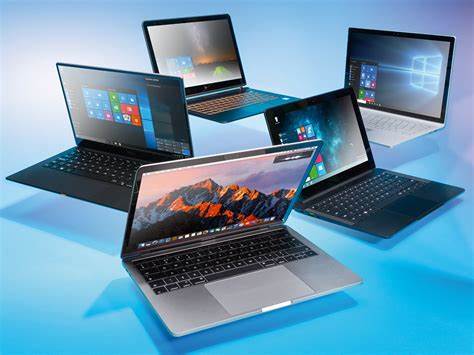
Often, people, especially those who want to join our Tech Community do ask me the best laptop to buy. When it comes to laptops, especially business laptops, there are several models that are widely regarded as top choices due to their performance, reliability, and business-focused features. And the factors below are to be considered before you purchase one:

1. CPU: There are two big players in this area – Intel and AMD. Intel’s core processors include Corei3, Corei5, Corei7, Corei9 & n-generation (evo, vPro), while AMD’s Ryzen processors are Ryzen3, Ryzen5, Ryzen7, Ryzen9 and the Ryzen Threadripper. Corei5 & Ryzen5 upwards should do your work.

2. RAM: 8-16 GB RAM should do any kind of work thrown at it.

3. Storage: Hard disk drives (HDD) or Solid-state drives (SSD)? HDD has a larger capacity, slower, cheaper, and easy to crash, while solid-state drives (SSD) are faster, last longer, smaller, and expensive.

4. Display: OLED anyday.

5. Battery life: Laptops that last minimum of 8 hours+ on first charge should do.
6. Ports & connectivity: USB, HDMI, Ethernet, Webcam, and Wi-Fi, etc are a must have.

7. Operating System: The big players are Windows, MacOS, ChromeOS, and Linux. Choose the one you’re familiar with. Of course, it is Windows.
8. Graphics: Any of Intel UHD/Iris XE, NVIDIA GeForce or AMD Radeon Integrated should serve.

5 Best Business Laptops:

1. Lenovo ThinkPad X1 Carbon G11: This laptop is highly regarded for its exceptional build quality, durability, robust security features, and outstanding keyboard. It offers a sleek design, powerful performance, and long battery life (17 hours), making it an excellent choice for business professionals.

In terms of durability, ThinkPads are built to perform and engineered to endure, and have you covered in the office, out in the field, and everywhere in between. They are tested against 12 military-grade requirements and more than 200 quality checks to ensure they run in extreme conditions. From the arctic wilderness to desert dust storms, from zero-gravity to spills and drops, you can trust your ThinkPad device to handle whatever life throws your way.

This is evidence, as ThinkPad has been to the top of Mount Everest, the depths of the ocean, and the canopies of rain forests. NASA embraced the ThinkPad on both the International and the Mir Space Stations. It’s even in the permanent collection at the Museum of Modern Art in NY. No small wonder then, that over 100 million and counting of these reliable devices have been sold.

2. Dell Latitude 9420: The Latitude 9420 is a premium business laptop with a focus on productivity and collaboration. It features a spacious and comfortable keyboard, a bright and vibrant display, and strong performance. It also offers advanced security features and a variety of configuration options.

3. HP EliteBook 840 G8: The EliteBook 840 G8 is a reliable and versatile business laptop with a sleek design and impressive performance. It offers a range of security features, excellent audio quality, and a variety of connectivity options. It also boasts long battery life and a comfortable keyboard.

4. Apple MacBook Pro (M1 Chip): For those who prefer macOS, the MacBook Pro with Apple’s M1 chip delivers exceptional performance and energy efficiency. It features a stunning Retina display, a comfortable keyboard, and a premium build quality. The M1 chip provides remarkable speed and responsiveness for demanding business tasks.

5. Microsoft Surface Laptop 4: The Surface Laptop 4 combines elegance, portability, and performance. It offers a sleek design, a vibrant touchscreen display, and a comfortable keyboard. The laptop provides solid performance for business tasks and delivers a seamless Windows 11 experience.

On a final thought, the “best laptop” depends on your budget, as na your money ki/ll am. Lol However, you can always buy a fairly used model.

Slik Agha


Nigeria, currently ranked 50th worldwide for online threats, South Africa at 82nd, and Kenya at 35th, have increasingly become focal points for cyber threats, as per the latest data from the Kaspersky Security Network (KSN). Kaspersky (www.Kaspersky.co.za) presented on the reality of cyber threats in Africa at the recent inaugural GITEX Africa conference, held in Morocco.


Dr Amin Hasbini, Head of the Global Research & Analysis Team (GReAT) for META at Kaspersky, expanded on several cyberthreat trends, cautioning business and technology leaders about two primary forms of cyberattacks – criminal and advanced.

“Criminal attacks are mainly driven by the pursuit of financial profit, whereas advanced attacks indicate how cyber threat actors continually adapt their tactics and tools to breach security measures. A significant portion of the attacks witnessed across Africa are shaped by the rapidly changing geopolitical landscape. However, a growing concern is that cybercriminals are learning from successful advanced attacks to refine their craft,” said Dr Hasbini.

It is vital to understand that cyber security measures are an ongoing endeavour – and that there is no universal solution to secure a corporate network or data

In the first quarter of 2023, Kaspersky reported that backdoor and spyware attacks were the most common threat types in South Africa, amassing to 106,000 attack attempts. Similar attacks attempts were observed in Nigeria, totalling 46,000, while the same type of attacks peaked at 143,000 in Kenya. However, in Kenya, exploits emerged as the most dominant form of attack with 177,000 incidents blocked.

Kaspersky also highlighted the growing surge of zombie machines – a connected device that becomes part of a botnet. Examples include legacy, old and forgotten devices, IoT devices, network equipment, printers, cameras, even coffee machines. In the year to date, 1.6 million zombie machines have been detected in South Africa and 300,000 in Kenya.

Dr Hasbini’s presentation flagged several ransomware groups setting their sights on African targets. “Threats to critical infrastructure, financial institutions, government entities, and service providers have predominated the cyber threat landscape over the past year. We have witnessed different threat actors target various businesses across industries.”

In response to these increasingly sophisticated cyber threats, businesses are advised to adopt a multi-layered defensive strategy. This is where extended detection and response (XDR) solutions become essential – they analyse data not only from endpoints, but also from other sources. XDR introduces another layer of protection as attacks on infrastructure can occur through any entry point. XDR also adds analytical and automation functions for the detection and elimination of current and potential threats. Furthermore, continuous security awareness training for employees and real-time access to intelligence on the latest attack methods should supplement any cybersecurity strategy.

Dr Hasbini added; “Businesses should consider leveraging advanced technologies such as threat feeds, security information and event management systems, endpoint detection and response solutions, and tools with digital forensics and incident response features. It is vital to understand that cyber security measures are an ongoing endeavour – and that there is no universal solution to secure a corporate network or data.”


Breaches are one thing that any modern company must be wary of and invest to protect. As we are getting more exposed in the virtual world, the 21st century company is digitally savvy and the need to be online is critical, protecting these online credentials and assets becomes imminent and imperative. Zoracom, an indigenous IT firm located in the upscale are of Lagos has one of the best facilities in the sub- Saharan Africa to protect your assets against any breach of any kind. Known as NSOC Centre (Network Security Operations Centre), this facility has been described as one of a kind in ECOWAS region.

The ZORACOM NSOC Centre holds significant importance for Nigerian businesses in the realm of cybersecurity and safeguarding their digital infrastructure. In today’s interconnected world, where businesses heavily rely on technology and data, the need for robust cybersecurity measures is paramount. The ZORACOM NSOC Centre plays a crucial role in addressing this need by providing advanced security services, proactive monitoring, and incident response capabilities.

First and foremost, the ZORACOM NSOC Centre serves as a centralized hub for monitoring and protecting the networks and systems of Nigerian businesses. It employs cutting-edge technologies, sophisticated tools, and a team of skilled cybersecurity professionals to continuously monitor network traffic, detect any suspicious activities or potential threats, and respond swiftly to mitigate risks. This proactive approach helps in identifying and neutralizing security breaches before they can cause significant harm to businesses.Zoracom

By leveraging advanced threat intelligence and analytics, the ZORACOM NSOC Centre can identify emerging threats, vulnerabilities, and attack patterns. This allows them to stay one step ahead of cybercriminals and implement effective countermeasures. Nigerian businesses can benefit from this intelligence-driven approach as it enhances their ability to protect sensitive data, intellectual property, and customer information, thus fostering trust and reliability.

Moreover, the ZORACOM NSOC Centre offers real-time incident response capabilities. In the event of a security incident or breach, the NSOC team promptly responds to contain the threat, minimize the impact, and restore normal operations. This rapid response is crucial for businesses as it reduces downtime, prevents financial losses, and protects their reputation.

Additionally, the ZORACOM NSOC Centre provides round-the-clock support, ensuring that Nigerian businesses have constant access to cybersecurity expertise. This support extends beyond incident response to include proactive advice, best practices, and security awareness training. Such guidance helps organizations develop robust security policies, implement effective security controls, and educate their employees about potential risks, thereby strengthening their overall security posture.

Furthermore, the ZORACOM NSOC Centre plays a vital role in compliance management. It assists businesses in meeting regulatory requirements and industry standards related to data protection and cybersecurity. This is particularly crucial for sectors such as finance, healthcare, and telecommunications, where compliance is highly regulated and non-compliance can result in severe penalties. The NSOC Centre helps Nigerian businesses navigate these complex compliance landscapes, ensuring they adhere to the necessary security protocols.

In summary, the ZORACOM NSOC Centre is of utmost importance to Nigerian businesses due to its role in enhancing cybersecurity, providing real-time monitoring and incident response, offering expert support, and ensuring compliance. By leveraging the services of the NSOC Centre, Nigerian businesses can safeguard their digital assets, mitigate cyber threats, and foster a secure environment that enables growth, innovation, and sustained success in the ever-evolving digital landscape.

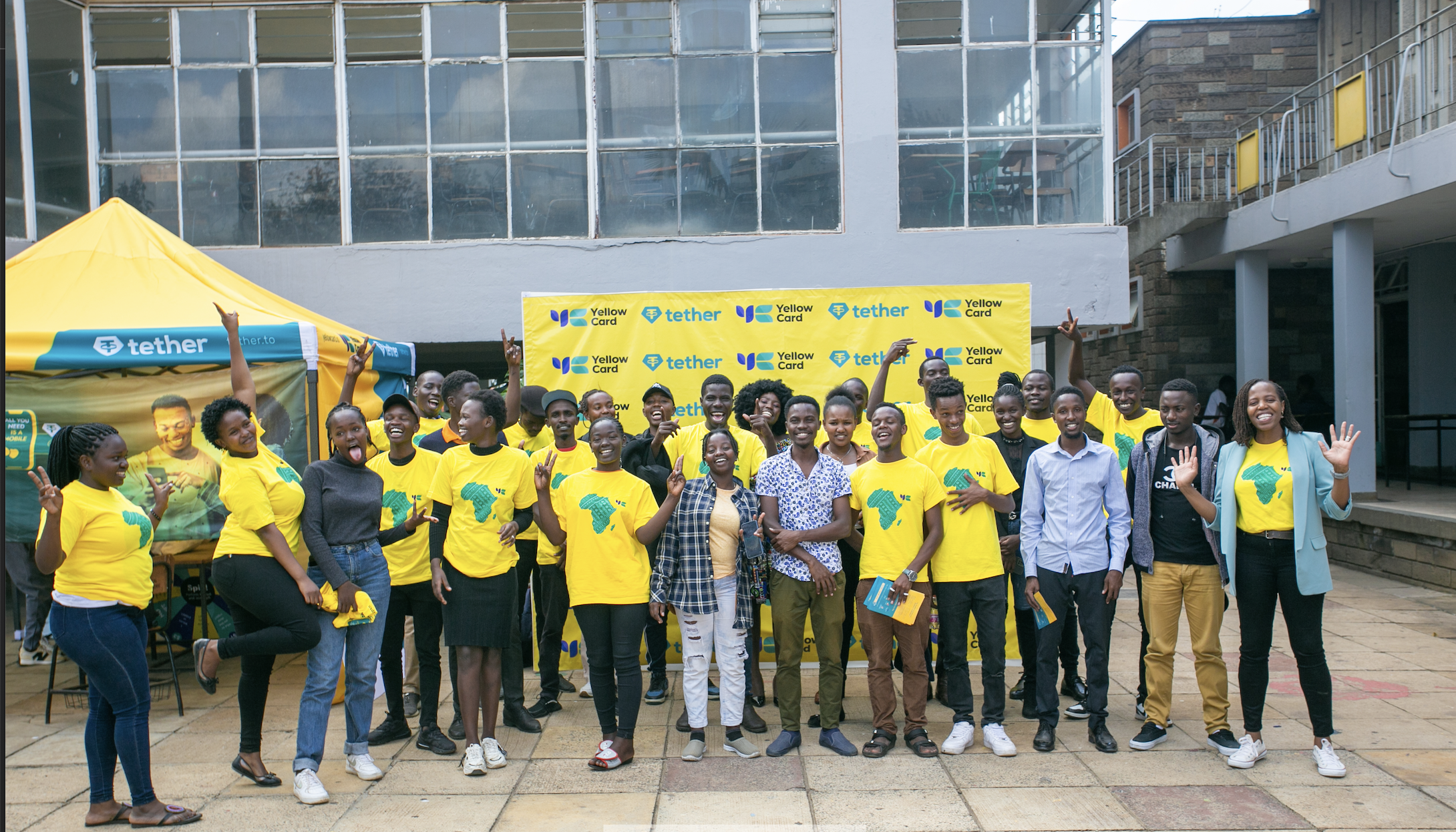
Yellow Card (https://YellowCard.io/), a leading pan-African fintech and cryptocurrency exchange, and Tether, the world’s largest stablecoin provider, are pleased to announce the successful completion of Phase 1 of their strategic collaboration across three key African markets. The two-month collaboration focused on raising awareness, providing education and driving adoption of USD₮, Tether’s stablecoin, among students and young professionals in Nigeria, Kenya and Ghana.


Activities included Financial Literacy Tours in universities and a canvassing campaign which involved Yellow Cards Brand Ambassadors engaging with individuals across major cities in the three countries.


Over 10,000 young people were reached – including students drawn from the six universities where the Financial Literacy Tour events were held among them University of Nairobi in Kenya, University of Benin in Nigeria and Kwame Nkrumah University of Science and Technology in Ghana. Those who attended the events received insights into the mechanics of stablecoins, gained a deeper understanding of the blockchain technology and also learned about the importance of responsible financial decision-making. In addition, they each received their first USD₮ (https://usdt.YellowCard.io/) on the Yellow Card platform.


We recognize Africa as a pivotal player in the cryptocurrency and stablecoin market

“Our collaboration with Tether has provided us with a remarkable opportunity to witness the profound impact that financial education has on the youth. This collaboration aligns seamlessly with our overarching mission to promote financial freedom for all, which encompasses our other initiatives like the Financial Literacy Tour (https://apo-opa.info/43nIgDq) and the YC Academy. As crypto adoption grows in Africa so does the need for financial education,” said Peter Mureu, Director of Marketing at Yellow Card.


Between 2021 and 2022, cryptocurrency adoption in Africa surged by 1200% (https://apo-opa.info/43txWcI), necessitating a rapid increase in education. Despite the potential for cryptocurrencies to play a vital role in the future, there remains considerable hesitancy among companies and individuals to embrace this emerging currency. This reluctance can be attributed to a widespread lack of awareness and understanding of cryptocurrencies and blockchain technology. The Yellow Card and Tether collaboration aims to play a pivotal role in bridging this knowledge gap.

Stablecoins, such as USD₮, address unique challenges in Africa by offering practical solutions. Given the substantial remittances African countries receive from the diaspora populations working abroad, Tether provides a convenient and cost-effective method for cross-border payments, reducing reliance on traditional channels with high fees and delays. Moreover, USD₮ empowers gig economy workers to receive fast and secure payments instantly across borders, bypassing intermediaries like banks or payment processors.


“We recognize Africa as a pivotal player in the cryptocurrency and stablecoin market,” said Paolo Ardoino, CTO of Tether. “The continent has demonstrated remarkable potential for growth and innovation in the digital currency space. Africa’s increasing cryptocurrency adoption and the demand for stablecoins highlight the need for accessible and efficient financial solutions. Tether is committed to addressing the unique challenges faced by African communities through our collaboration with Yellow Card. Our stablecoin, USD₮, provides practical solutions for cross-border payments and empowers individuals, including gig economy workers, to receive fast and secure transactions, bypassing traditional intermediaries.”


MENXTT TECHNOLOGIES NG, a digital solution/technology provider, is proud to announce its suite of cost-effective solutions tailored specifically for small and medium enterprises (SMEs) in Nigeria. Recognizing the paramount importance of a strong virtual and online presence for businesses in today’s digital age, MENXTT TECHNOLOGIES NG aims to empower SMEs with the tools and expertise required to thrive in the digital landscape.

In a world where digital content, social media management, content development, website hosting, and building play an instrumental role in the success of any brand, SMEs often struggle to navigate these intricate domains due to limited resources and technical know-how. MENXTT TECHNOLOGIES NG has positioned itself as a strategic partner for SMEs, bridging the gap by offering comprehensive and affordable solutions.

With its team of highly skilled professionals and cutting-edge technology, MENXTT TECHNOLOGIES NG specializes in delivering digital content services that engage target audiences, generate leads, and drive conversions. By creating compelling and tailored content, MENXTT TECHNOLOGIES NG helps SMEs effectively communicate their brand message and establish a distinct online identity.

Social media management is another crucial aspect of building a strong online presence, and MENXTT TECHNOLOGIES NG offers comprehensive solutions that encompass social media strategy, content creation, scheduling, and community engagement. By harnessing the power of social media platforms, SMEs can enhance their brand visibility, foster customer loyalty, and ultimately grow their business.

MENXTT TECHNOLOGIES NG understands the importance of high-quality and relevant content in attracting and retaining customers. By crafting engaging and informative content, MENXTT TECHNOLOGIES NG empowers SMEs to establish themselves as industry thought leaders and nurture meaningful connections with their target audience.

Recognizing the significance of a well-designed website, MENXTT TECHNOLOGIES NG offers website hosting and building services that are both user-friendly and visually appealing. With a focus on responsive design and seamless functionality, the company ensures that SMEs can showcase their products and services effectively while providing visitors with an exceptional online experience.

“Today, having a strong virtual and online presence is non-negotiable for SMEs,” said Mr. Nwokedi Darricks, Partner of MENXTT TECHNOLOGIES NG. “We understand the challenges faced by small and medium enterprises, and our mission is to empower them with cost-effective solutions that enable them to compete in the digital arena. By offering comprehensive services encompassing digital content, social media management, content development, and website hosting and building, we aim to be the go-to partner for SMEs seeking to establish a strong online presence.”

The cost-effectiveness of MENXTT TECHNOLOGIES NG’s solutions is a key differentiator. SMEs can access premium services without straining their budgets, allowing them to allocate resources to other critical areas of their business. Furthermore, MENXTT TECHNOLOGIES NG offers flexible packages that can be tailored to the specific needs and goals of each SME, ensuring a personalized and optimized approach.

About MENXTT TECHNOLOGIES NG:

MENXTT TECHNOLOGIES NG is a digital solution/technology solutions provider based Oregun, Lagos. With a focus on empowering small and medium enterprises (SMEs), MENXTT TECHNOLOGIES NG offers cost-effective and comprehensive solutions for digital content, social media management, content development, and website hosting and building. By leveraging cutting-edge technology and a team of skilled professionals, MENXTT TECHNOLOGIES NG aims to help SMEs leverage on tech.

Email: menxtt.ng@gmail.com
Call : 0802893 1940


TrueConf, an award-winning video conferencing developer, introduces a new security-focused technology at GITEX Africa 2023 (https://GITEXAfrica.com/), one of the largest tech & startup events that took place in Morocco on May 31 — June 2 2023. TrueConf Border Controller is a software solution that hides IP addresses of TrueConf on-premises team collaboration platforms, blocks unwanted connections of external users, and provides additional protection against DDoS attacks.


Communications within large enterprises and government organizations are becoming increasingly exposed to data breaches, cyber attacks, and other security threats that can compromise sensitive information. According to Cloudflare, in the last quarter of 2022, the amount of DDoS attack traffic increased by 79%. Such attacks constituted 35% of all traffic to Aviation and Aerospace Internet properties, and over a third of all traffic to the Finance industries.

With TrueConf Border Controller, it is possible to additionally encrypt data transmitted via the Internet with subsequent decryption on each separate TrueConf Server instance

In response to strong demand for enterprise IT security, TrueConf developed TrueConf Border Controller, a software solution that safeguards self-hosted team collaboration systems against potential external network threats. With TrueConf Border Controller, IT departments can hide a real IP address of TrueConf Server deployed in a private network.

The solution protects on-premises video conferencing platforms from unwanted external connections. It is achieved thanks to the protocol verification algorithm that allows external users to connect to TrueConf Server via the secure proprietary protocol used by TrueConf client applications for Windows, Linux, macOS, iOS, and Android. If any third-party protocol is used, the connection will not be established.

Border Controller is a valuable addition for organizations that use federated TrueConf Server instances. Federation allows users registered on independent TrueConf Server platforms to communicate with each other. With TrueConf Border Controller, it is possible to additionally encrypt data transmitted via the Internet with subsequent decryption on each separate TrueConf Server instance.

In case attackers try to send multiple connection requests via third-party protocols to conduct an attack, their attempts will be immediately blocked by TrueConf Border Controller. In its turn, TrueConf Server will remain invulnerable and continue its stable and secure operation in the private network, and its IP address will not be revealed even if TrueConf Border Controller is damaged. The company can also set up backup Border Controllers with other external IP addresses, which will be activated if the primary one is inaccessible.

Cyber resilience is about much more than just cybersecurity. It’s about preventing operational disruptions of all kinds, that may impact your profitability, productivity, and reputation, says Patrick Evans, CEO of SLVA Cybersecurity.

South Africans are renowned for their resilience when facing a multitude of problems – from the high cost of living to rolling blackouts. However, the resilience of the average South African citizen is not always matched by the resilience of the businesses they run.

Your business – small or an enterprise – needs to be able to deal with things like power disruptions, unpredictable weather or civil disobedience, and for these you have plans and contingencies ready and are designed to cater for such disruptions. So when organisations are ‘secure by design’, they are more than just cyber secure, they are cyber resilient.

The problem is that too often, board members think of cyber as mainly a compliance scenario, rather than an enabler of the business. Moreover, while companies today often have a chief information security officer (CISO), they seldom receive the privilege of being part of the C-suite, and typically report to the CIO.

The reality is that cyber resilience requires a shift in the mindset and culture of the organisation. The first shift is that one needs to work from the assumption that your business operations will be interrupted at some point due to a cyberattack. This change in mindset is required by business leaders and executives, who need to start thinking about what resilient measures they can put in place across the company’s people, processes, and technology.

Until the board accepts that cybersecurity can serve as a business enabler, they won’t achieve this mind shift. And the reason it is an enabler is simple: a cyberattack will inevitably create operational disruption, which in turn impacts profitability, productivity, and even your company’s reputation in the market.

If you are a national or international business, the impact of such a disruption may be measured in millions of rands. To prevent this, business leaders have to engage in careful planning to ensure their organisations are able to withstand whatever the world throws at them.

Implementing a cyber resilience programme is imperative because cyber is more than IT, it is something that literally touches every part of your business. A robust programme will help you to understand which are your critical environments, the benefits they bring to the business, and the risk they pose to the company should they fail.

Such a programme views the business holistically, so for example you may need to make sure your supply chain is resilient, and that everybody you’re dealing with – whether they’re online or not – has the same, or similar, measures in place. You should come at this from a risk management point of view, seeking to understand the business risk first, before worrying about the cyber risk.

Of course, in order to help make the business more resilient, it is crucial that the right behaviour is inculcated in employees: How should they react in the event of a disaster? Does everybody know what the playbook looks like? How do they know what they need to do?

The question, then, is how to implement true cyber resilience. Part of the answer is to use a methodology that begins with communicating to everybody what the business is doing. You need to discover the current state of things and analyse those findings accordingly.

You also need to understand what your business-critical data are and business-critical processes. In other words, which applications are crucial to business operations? A good example is that your business may run SAP, but you still need to understand which aspects of SAP are the most critical to keep operational in a disaster.

Then you need to ensure that all the people that need to know the details and play a part in the plan are empowered to do that. Lastly, you need to continuously test and update the plan, because businesses aren’t static, they change continuously.

Of course, being able to anticipate cyberattacks remains a key aspect of staying resilient, and there are mechanisms available to help businesses understand whether they’re going to be targeted or not.

Ultimately, the best way to build cyber resilience is to first make sure that everybody understands what the business objectives are. From there, you build backwards from these objectives, determining the risks inherent in the objectives, and crafting a cybersecurity plan that has technology resilience built into it – by ensuring that the business priorities align with your people, processes and technologies and that the plan aligns to and supports the business effectively.

We call this secure by design.