
With almost 88% of data breaches being caused by an employee mistake, a strong human risk management programme with regular employee training and cybersecurity awareness is critical, says Carey van Vlaanderen, CEO of ESET Southern Africa.
Ask any cybersecurity specialist about their biggest network safety concern, and it’s likely that they’ll answer: the human element. No matter how resilient or intelligent the cybersecurity solution, it can only be as effective as its weakest link, and people are always a risk. Whether it’s recycling passwords, a company laptop being stolen or lost with confidential client information, or intentionally overriding company security policies – humans are the biggest threat in the cybersecurity space. Chief Security Officers, CIOs and individuals in similar positions of responsibility spend a lot of their time worrying not about technology, but about people.
Humans make mistakes. These mistakes range from failure to properly delete data from devices to preventable errors like clicking on links in phishing emails, to misconfigured network devices and servers. Humans are also capable of negligence, unfortunately. Data leaks that arise because of human error, such as failure to update security patches or correctly configure servers with known vulnerabilities, are on the rise and now occur almost as frequently as direct security attacks. Then there’s insider threats, which are unimaginably difficult to detect. From malicious employees, or an employee whose credentials have been compromised, all of these vulnerabilities share a common root: humans.
Managing human risk from the inside
An effective programme for managing human risk involves several key components. These include providing regular training and increasing employee awareness, establishing clear policies and procedures, maintaining efficient communication channels, developing plans to respond to security incidents, and conducting regular security assessments to identify and minimise potential risks.
Other necessary steps include implementing robust access controls, monitoring network activity, reviewing and updating security policies while fostering a culture that prioritises security. Cybersecurity awareness and training work hand-in-hand to address the human element of risk in a number of ways:
- Prevention of human error: Awareness and training can help employees understand their role in maintaining security integrity and avoid common mistakes that can lead to breaches. For example, they can learn how to create strong passwords, how to identify phishing emails, and how to properly handle sensitive data.
- Early detection: Cybersecurity awareness and training can teach employees how to recognise and report suspicious activity. This can help identify security incidents early, allowing for a quicker response and minimising the impact of an attack.
- Improved incident response: Employees who have received cybersecurity training are more likely to know how to respond to security incidents by following established procedures and protocols to minimise the damage caused by an attack.
- Creating a culture of security: Cybersecurity awareness and training can help create a culture of security within the enterprise. When employees understand the importance of security and their role in maintaining it, they are more likely to take it seriously and make it a priority.
Focusing on managing human risk and security training requires strong leadership from within. Leadership commitment is a key ingredient in achieving the organisational momentum needed to create an ongoing culture of learning and growth. With executive buy-in, sustained investment is possible in the necessary training and development resources such as courses, workshops and mentorship programs.
Balancing security training and production
With the increasing tech talent shortage in Africa, CIOs are scrambling to ensure that employees brush up on skills and technologies that facilitate business agility and resilience, with cybersecurity knowledge topping the list, despite competing priorities.
Training and upskilling needs to be a deliberate exercise, but small teams are often vulnerable to the delivery pressure created by the current needs of the business. This means that critical training (such as cybersecurity training) takes second place behind current projects, which results in a short-term productivity gain at the expense of long-term skills progress. Creating a balance of short-term project delivery and upskilling/training as outputs to current projects is essential.
Constant vigilance and continuous learning
By providing regular cybersecurity training and increasing employee awareness, organisations can prevent human errors, detect incidents early, improve incident response, and create a deep culture of security. As cyber threats increase in complexity and frequency, investing in security skills training is a critical step towards ensuring the protection of people, assets and data from threats, both internal and external.
The National Information Technology Development Agency (NITDA) has commenced engagements with international bodies in ensuring that a formidable startup ecosystem is built in the country through resources that are harnessed from global tech giants for the sustenance of the country’s digital economy.
In achieving the mandate of President Bola Ahmed Tinubu’s administration towards rejuvenating the country’s tech startup ecosystem with a million tech jobs, NITDA has been proactively socialising with global tech giants by creating platforms for startups where ideas, programs and expertise can be shared.
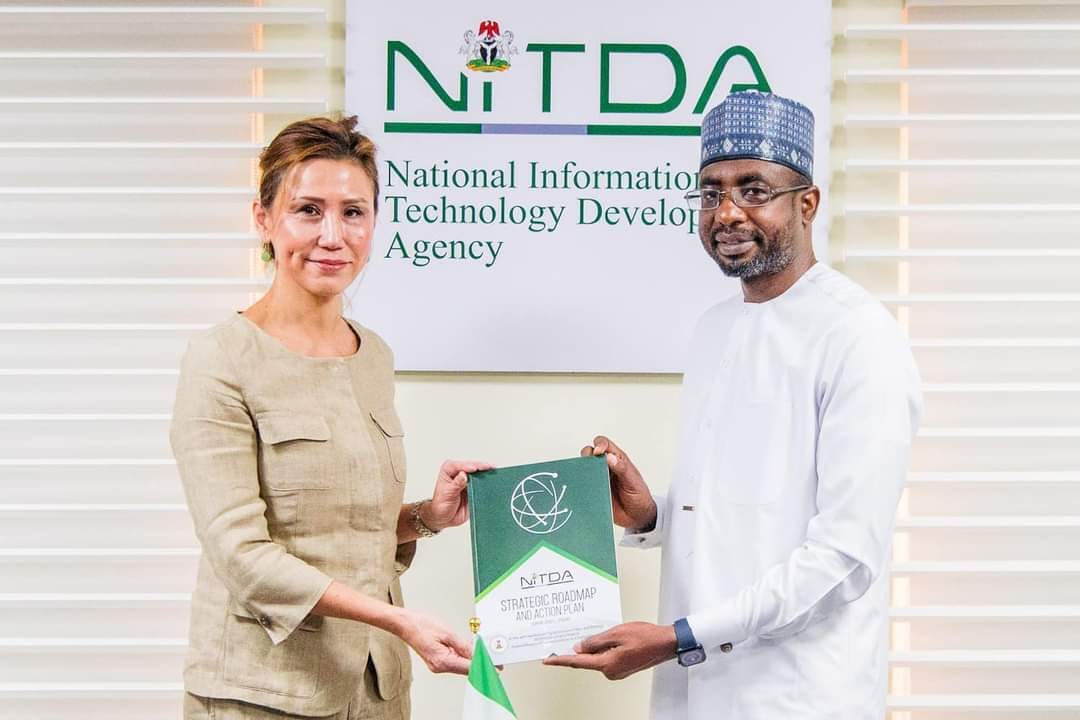
The Director General of NITDA, Kashifu Inuwa CCIE made this known when he received a delegation from the Dubai World Trade Centre (DWTC) led by its Executive Vice President, Trixie Lohmirman to the corporate headquarters of the agency in Abuja.
Welcoming the visitors to Nigeria, the NITDA boss stated that collaboration is highly essential in creating a vibrant tech ecosystem globally. He further noted that big techs in the world need the talents in Africa to survive and thrive.
“When you talk about innovation and talent in the digital economy, Africa is the next frontier in terms of our youthful population. Even the big techs are coming to Nigeria and Africa to open their engineering departments because they need talents to survive”, he averred.
While applauding the visitors for organising the yearly Gulf Information Technology Exhibition in Dubai, Inuwa emphatically called on the Dubai World Trade Centre to consider the hosting of GITEX Africa in Nigeria as was done in Marakech Morocco 2023.
“Apparently, we are moving towards having strong conferences in Nigeria and we also need your participation. You should also come to Nigeria”, he added.
Laying more emphasis, he disclosed that the country would be organising 2 conferences in the year and he thinks it is an opportunity for the visitors to leverage their existing relationship and become core partners at the event.
Asides from the annual Digital Nigeria Conference being organised by NITDA in October, the DG stated that the agency is partnering with the USA consulate general to bring all the USA companies to Nigeria for a Pan-African conference in the country which is the Global Tech Africa in November.
“The doors are still open to partner with us because we already have Business Sweden, the German government and other European countries on board for the summit. So, you can also be a sponsor”, he urged.
Conclusively, while expressing the agency’s enthusiasm in understudying how GITEX was being organised, Inuwa said that “I think we can learn from you and explore how we can build this kind of conference in Africa. If we have it in Nigeria, it is not only for Nigerians but all of Africa”.
In her earlier remark, the Executive Vice President of the DWTC thanked NITDA for their usual support towards the GITEX, Dubai. She stated that Nigeria’s support has remained one of the reasons the conference has recorded tremendous success.
“On the back of your support and the global community, GITEX is now the largest tech show in the world”, she stated.
Giving assurances of their support to Nigeria which she says has the biggest market for startups, Lohmirman sought further collaboration with the agency by providing access to funding for startups in the country.
“This is why we are here to meet up with you as a strategic stakeholder in the Nigerian digital transformation strategy and see how we can extend our collaboration all together to give bigger opportunities and visibility to Nigerians to increase exportation as well as foreign direct investments”, she concluded.
While addressing a team of startups at the National Centre for Artificial Intelligence and Robotics, she declared that “Nigeria possess the secret army that will rule the world global tech ecosystem.”
Stunned by the passion in the young people she met at the centre, the Executive Vice President of the DWTC commended the effort of the Centre and pushed for a startup exchange programme between Nigeria and other countries including UAE.
The meeting provided opportunity for the startup to interact with highest body that manages GITEX global with a view of taking advantage of the opportunity provided by the world largest tech expo.
The highly elated team from DWTC also called for more collaboration and partnership especially in the area of AI, as the centre is poised to make Nigeria the AI Centre of Africa.
A recently updated report unveils the tremendous opportunities for content delivery networks (CDNs), cloud services, and software-as-a-service (SaaS) providers in Africa’s ever-expanding connectivity landscape.
TeleGeography, a leading telecom market intelligence and research provider, highlights significant developments in the African telecommunication network infrastructure landscape and the resultant traffic patterns. This will benefit CDNs, cloud, and SaaS providers’ African deployment strategies.
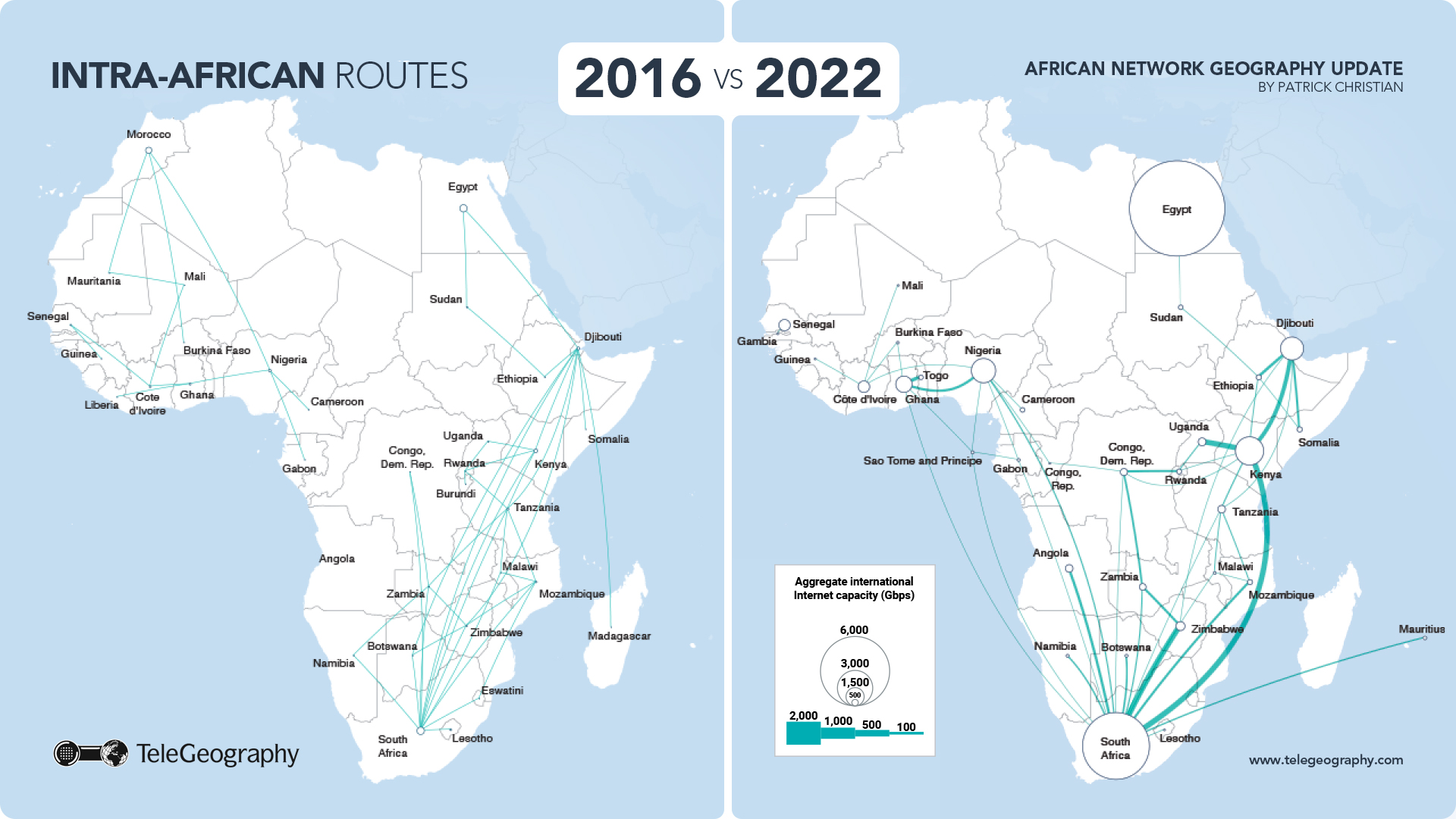
One of the key findings is the substantial increase in transit route capacity across the continent and the growth of intra-Africa traffic. More digital content is being serviced within Africa than ever and at a rapidly growing rate.
The expanded capacity in both subsea cable and terrestrial fibre has translated into large IP bandwidth growth, price declines in bandwidth, growth in localised data centres and, as a result, enhanced connectivity and improved user experiences. In summary, a healthy, growing telecommunication ecosystem which enables CDNs, cloud services, and SaaS providers to serve new customers within sub-Saharan Africa reliably.
Subsea cable, terrestrial fibre and data centre investments are making Africa the top-growing bandwidth market globally, with projected compound growth of 42% between 2022 and 2029, surpassing the global average projections of 32%. Content providers have experienced 80% compound annual growth rates in African bandwidth between 2018 and 2022.
Introducing new submarine cable systems is expected to increase capacity for coastal and landlocked countries, increase the number and size of intra-African routes, decrease transit prices along key African routes, and boost localised digital content growth.
The report highlights that despite the historical internet traffic routes from Europe to Africa, South Africa has become a growing regional hub for intra-Africa internet capacity, with the percentage of traffic servicing sub-Saharan Africa becoming more intra-Africa than traditionally serviced from Europe.
As Internet Exchange Points (IXPs), CDNs, points of presence (PoPs), and data centre construction sparks the growth of new ecosystems within Africa’s shores, the internet edge moves ever closer to African end-users, with significant transit hubs within Africa, assuming prominence over Europe.
Intra-Africa capacity within sub-Saharan Africa being serviced from South Africa has exploded between 2016 and 2022, with compound growth of over 50% per annum, with South Africa entrenching its position as the content hub for Africa.
“Teraco is serving 26 African countries, and as the demand for reliable and scalable digital infrastructure continues to surge, we remain committed to supporting these providers in expanding their presence across the region,” says Michele McCann, Head of Platforms at Teraco.
“With these substantial bandwidth investments, CDNs, cloud services, and SaaS providers can unlock unprecedented growth opportunities in Africa’s evolving digital landscape by leveraging Teraco’s state-of-the-art facilities, deep ecosystems, and our position as the hub of Africa’s digital infrastructure.”
Teraco is strategically positioned with access to subsea cable systems on the East and West coasts of Africa, over 350 telcos, global cloud on-ramps and enterprises, ensuring that Teraco clients have multiple interconnection options and valuable data flows, creating more opportunities for innovation.
“With increased transit route capacity, forecasted bandwidth growth, improving pricing dynamics, a flourishing content ecosystem, and the evolving data centre landscape, service providers need to look no further to extract immense potential and establish a successful presence in the African market,” she adds.
The full African Network Geography Update by TeleGeography can be accessed on the Teraco website.
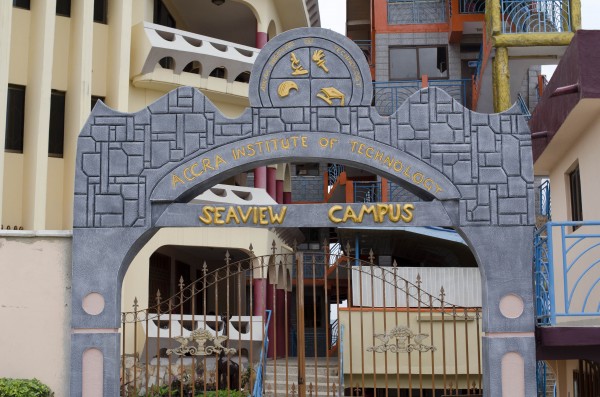
In a dynamic display of cultural affinity and academic excellence, the Accra Institute of Technology (AIT) opens its doors to Nigerian students, creating a bridge that connects the vibrant city of Accra to the bustling metropolis of Lagos. Embarking on a transformative educational journey, Nigerian students are warmly invited to embrace the rich cultural ties that bind Ghana and Nigeria while experiencing world-class education at AIT.
A Shared Legacy of Excellence: Accra and Lagos Unite
As two major hubs of culture and innovation in West Africa, Accra and Lagos share a profound history of trade, collaboration, and mutual respect. At the heart of this cultural bond stands AIT University Ghana, an independent technology-focused institution that mirrors the visionary aspirations of the renowned Massachusetts Institute of Technology (MIT), USA.
Cultural Affiliation at the Helm: AIT’s Board of Trustees
AIT’s Board of Trustees, led by the esteemed Professor Ivan Addai Mensah, former Vice Chancellor of the University of Ghana, embodies the spirit of cultural affiliation between Ghana and Nigeria. With illustrious members like Professor William Otoo Elis and Professor Samuel Adjepong, AIT’s leadership paves the way for an inclusive environment that celebrates the diversity and shared values of both nations.
A Rich Array of Programs: Celebrating Diversity
Reflecting the harmony between Accra and Lagos, AIT offers an extensive range of campus-based Bachelor’s degree programs, including Electrical and Electronic Engineering, Computer Engineering, Civil Engineering, Business Administration, and more. As Nigerian students join their Ghanaian counterparts, AIT becomes a melting pot of cultures and ideas, nurturing a diverse community of learners.
In addition to campus-based programs, AIT’s Open University initiatives provide Nigerian students with an avenue to pursue Bachelor’s, Master’s, and PhD degrees online, seamlessly integrating education with their professional and family commitments.
Cultural Enrichment Through Education: Embracing Open University Programs
At the forefront of promoting cross-cultural learning, AIT’s Open University programs create a unique platform for Nigerian students to embrace the Ghanaian way of life while pursuing higher education. With access to all course materials online, students can enjoy the richness of Ghanaian and Nigerian cultures without leaving their homes.

A Shared Vision for Higher Education: Leadership Perspectives
The commitment to enhance higher education resonates deeply within Ghana and Nigeria alike. As AIT pioneers the Open University approach in Africa, its strategic vision aligns with Ghana’s mission to improve university enrollment and broaden access to tertiary education. Hon. Alex Tettey-Enyo, former Minister of Education, applauds AIT’s pioneering role in transforming Ghana into a higher education hub, fostering a spirit of cooperation between the two nations.
A Diverse Tapestry of Students: Celebrating Unity
AIT’s vibrant campus becomes a tapestry of cultures, as students from all over Africa, including Nigeria, converge to pursue high-value and modern degree courses. Nigerian students studying Business Administration, Information Technology, Hospitality Management, Tourism, Education, and other fields enrich AIT’s academic ecosystem, fostering cross-cultural friendships and collaborations.
Empowering Dreams, Uniting Nations: AIT’s Promise to Nigerian Students
With its doors open wide, AIT extends a heartfelt invitation to Nigerian students to join the ranks of an educational community that cherishes cultural diversity. As the Nigeria High Commissioner to Ghana endorses AIT’s exceptional education, students can embark on a journey that transcends borders and nurtures talents, forging stronger cultural ties that span from Accra to Lagos.
A Shared Future: Accra and Lagos in One Institution
As AIT utilizes modern technologies to run programs online, Nigerian students can stay connected to their homeland while embracing Ghana’s cultural richness. AIT serves as a bridge that unites the aspirations and dreams of both nations, fostering a shared vision for a brighter future through education.
Embrace the Cultural Connect: AIT Welcomes Nigerian Students
For Nigerian students seeking a transformative educational experience that intertwines the cultural heritage of Ghana and Nigeria, AIT University stands as the gateway to a world of boundless possibilities. Embark on this enriching journey from Accra to Lagos and beyond, as AIT celebrates the enduring friendship between two nations and empowers students to become global leaders of tomorrow.
ANTHONY EMEKA NWOSU
The Nigeria Data Protection Commission (NDPC) held a sensitisation workshop on Data Privacy & Protection in Lagos, during which the National Commissioner, Dr. Vincent Olatunji, urged all banks, telecom operators, educational institutions, government parastatals, and other organizations that collect and process data in Nigeria to register with the Commission. This registration is essential for data protection compliance monitoring and must be completed between now and December, 2023.
The registration requirement is in accordance with the provisions of the Data Protection Act, which mandates all data controllers and data processors to register within six months of the enactment of the law. The NDPC emphasizes that compliance is mandatory for all organizations handling personal data, and failure to register within the stipulated timeframe may result in penalties.
Dr. Vincent Olatunji further stated that registered organizations must also file their annual data compliance audit reports with the Commission between January and March each year. This measure is crucial in ensuring transparency and accountability in data processing practices.
The NDPC is committed to increasing awareness among Nigerians about their data rights. By ensuring the registration of all organizations handling data, the Commission aims to preserve and protect individuals’ data rights in Nigeria.
Speaking on the importance of data protection, Dr. Vincent Olatunji said, “Our data protection law is designed to create confidence and trust in the economy, attracting foreign direct investments into Nigeria. With a workable legal framework on data protection and privacy, even children who cannot ordinarily give legitimate consent are protected. Data subjects have the right to give consent or refuse it when their data is being collected, and organizations must exercise care and accountability to ensure data security.”

The NDPC boss also highlighted the significance of the Data Protection Law in enhancing foreign direct investment in the country. Having a robust data protection legal framework reassures potential investors that their data and businesses will be safeguarded.
“The Data Protection Authority plays a critical role in ensuring that data breaches are minimized, and data subjects’ identities remain secure in the digital space,” added Babatunde Bamigboye Esq, the Head of Legal Enforcement & Regulations Department at NDPC.
The Data Protection Act was signed into law by President Bola Ahmed Tinubu on June 12 of this year, transforming the existing National Data Protection Bureau into the Nigeria Data Protection Commission. The Commission is now responsible for driving the implementation of the law and protecting the data rights of all individuals in the country.
The NDPC encourages all relevant organizations to promptly register and comply with the Data Protection Act to secure the data privacy of Nigerian citizens and foster a conducive environment for economic growth and investments.
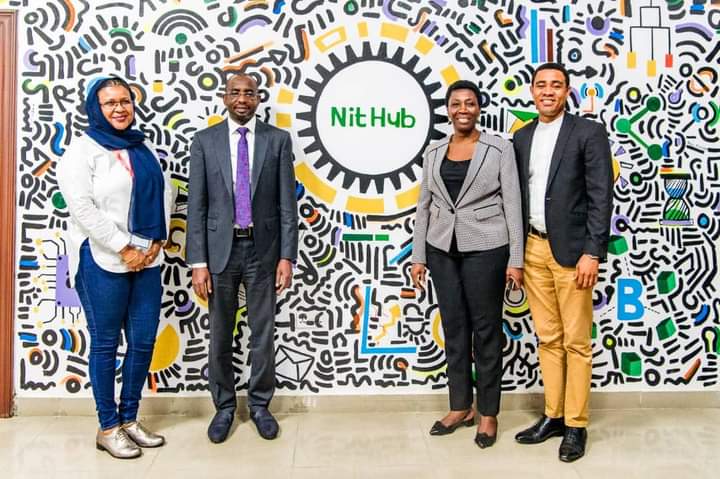
The Director General of the National Information Technology Development Agency (NITDA), Kashifu Inuwa CCIE, has urged universities in the country to emulate the University of Lagos (UNILAG) by adopting effective sustainability models in their IT Innovation hubs to derive the best values of digital technology as well as enhance productivity.
Inuwa made this call when he paid a working visit to NITDA’s IT Innovation Hub at UNILAG where he was received by the Deputy Vice-Chancellor (Development Services) of the institution, Prof. Ayodele Atsenuwa and the Director of the Hub, Dr. Victor Odumuyiwa.
Asserting how much Information Technology has been playing an impactful role in the overall existence of humanity, Inuwa stated that the effective utilisation of IT hubs by universities in collaboration with relevant stakeholders around their environs cannot be overemphasized for optimal leverage on emerging technologies.
Commending UNILAG for making the hub open to everyone with innovative ideas, he maintained that solutions to some of the challenges pervading the country can be achieved with such gestures and collaboration.
“I am super excited when you said the hub is open to everyone. We need to help them take their ideas from inception to impact, build solutions out of it, build solutions that will change the society, that will impact the community and many more”, he noted.
Speaking further on leveraging emerging technologies such as artificial intelligence and robotics in building formidable seamless systems, Inuwa stated that “these systems can be used for social justice, criminal justice, and distribution of services in our society”.
Expressing his delight at the optimal utilisation of the UNILAG IT Innovation Hub which has trained and incubated ideas of over 1,200 people, the NITDA boss enjoined other hubs to which the agency has donated to 5 other universities to scale up their activities and make the best use of the facility given to them.
He however stated that more IT Innovation Hubs are being built by the agency outside universities with the intent of accommodating more innovative minds in creating wealth for the country and an enhanced economic value.
Appreciating NITDA on behalf of the Vice Chancellor and the entire University, Prof. Ayodele Atsenuwa said that the donation of the building facility synced very well with the University’s aspiration of becoming a notable player in the nation’s emerging digital space.
She stated that the donation of the IT Innovation Hub to the university has completely demonstrated that there is a connection between the traditional curriculum and the innovation which the university is trying to steer.
“We have a lot more to do with 62000 students and servicing the community and NITDA is the only Hub in UNILAG which is open to anyone from anywhere”, she averred.
Giving a presentation of the hub’s programmes, activities and achievements earlier, Dr. Odumuyiwa disclosed that a large fraction of the over 1200 people trained in the facility has gone ahead to do commendable things in the country’s digital space.
Stating that the facility has attracted more than 20 million naira from voluntary sponsors, he revealed that “we are open to every willing tech enthusiast of every age category because we are on a mission to raise the critical human resource needed for Nigeria’s emerging technology”.
FG INAUGURATES PROJECT MANAGEMENT TEAM FOR VANDALIZED NPSCS NETWORK
The Permanent Secretary, Ministry of Police Affairs, Mr. Abel Olumuyiwa Enitan on behalf of the Federal Government inaugurated the Project Management Team (PMT) of the National Public Security Communication System (NPSCS) Network for the strict implementation of the agreement with the concessioner responsible to undertake the repair, upgrade, post-implementation operations and management of the Network.
The Project Management Team led by the Ministry of Police Affairs was drawn from the Federal Ministry of Finance; Budget & National Planning; Federal Ministry of Justice; Nigeria Police Force; Office of the National Security Adviser; Office of the Secretary to the Government of the Federation and Infrastructure Concession and Regulatory Commission (ICRC) was inaugurated today at the Headquarters of the Ministry of Police Affairs
The Permanent Secretary charged the team to be committed to the successful implementation of the laudable national project stating that Article 10.8.1 of the signed Agreement stipulates the establishment of a Project Management Team (PMT) to track the performance of the Concession on a quarterly basis.
In his words, “the PMT shall be responsible for monitoring the implementation of the Concession to ensure timely and successful execution of the Implementation plan and establishing priority areas of cooperation for the present and in the future; including all aspects of cooperation with relevant Ministries, Departments, and Agencies (MDAs). The PMT shall be meeting quarterly in Abuja”. Abel stressed.
He said “occasioned by its dormant state, several facilities of the projects were reportedly vandalized and others started experiencing progressive dilapidation. In a move to save the Project, Messrs. MPS Technologies Limited, a Special Purpose Vehicle (SPV) was selected as Concessionaire for the project in strict compliance with the BPP and ICRC regulations”.
Abel recalled that NPSCS Network was awarded on 4 August 2010 to Messrs. ZTE Corporation of the People’s Republic of China at the contract sum of USD 470 million and executed by its subsidiary, Messrs. ZTE Nigeria Limited.
The Permanent Secretary added that the project was jointly funded under counterpart funding with the Federal Government of Nigeria contributing 15%, in the sum of US70.5Million through the Federal Ministry of Finance, Budget, and National Planning, while the China Export-Import (EXIM) Bank provided the 85% balance in the sum of USD399.5Million as a loan with a ten-year moratorium, with repayment commencing in August 2020.
Earlier, the Director , Police Service Department (PSD), Mr. David Awotunde pointed out that the project has been a key project of the Federal Government for the development of the security sector in the country adding that a lot has been put in place since 2010.
In his words, “The Ministry is keen to bring every important MDAs on board for the successful implementation, operations, and management of the (NPSCS) Network.
Bolaji O. Kazeem
Director (Press and Public Relations)
July 13, 2023
Pic: L-R: Mr. Williams I.M ICRC), Mr. Okolo Akwu, Deputy Director,(ICRC); Mr. Steven Ehikhamenor, Director (SGF office); DCP Ayodele R. Adeyemi (NPF);
Permanent Secretary, Mr. Abel Olumuyiwa Enitan; Eneh Ijeoma Judith, (Federal Ministry of Justice); Mr. David Awotunde, Director, Police Service Department (PSD) and Mr. Oni Kayode A. Assistant Director, (ONSA) during the inauguration of the Project Management Team (PMT) of the National Public Security Communication System (NPSCS) Network at the Ministry of Police Headquarters in Abuja. LLC
Golf has been seen as a game of elites and which is true and golf has also been seen as a man’s game which is not that true. With high appreciation of the game in Nigeria , recently in Nigeria there was an event for female golfers tagged “Ladies Innuagural Kitty” 100 days of stewardship
This event is designed to bring awareness of golf game to Nigerian ladies and also showcase their talents and skills. Speaking to the media ,one of the people that participated in the game , Chi Tola said “Golf is a game of life! I hardly think about my challenges on the course, most times I finish with a better approach to life and things that bother me.”
She added that “Golf helps me keep my sanity. It has a way of taking my mind off my challenges at least for 4hrs straight.”
The event was held in Ogun State south western of Nigeria. Designed to bring awareness to women golfers and introduce the game to other Nigeria women irrespective of their status.
Tony Emeka Nwosu

As the world confronts the escalating crisis of climate change, blockchain technology is emerging as a revolutionary tool for managing carbon footprints and fostering sustainability. Nigerian blockchain expert Tunde Ogunyankinnu is leading the charge in advocating for the adoption of this technology to promote environmental responsibility and reduce emissions globally.
“Blockchain has the potential to revolutionize how we address environmental challenges,” Ogunyankinnu stated. “Its transparency and decentralized nature allow businesses to accurately track and reduce their carbon footprints while fostering accountability across industries.”
Blockchain as a Tool for Sustainability
Ogunyankinnu detailed the transformative impact of blockchain in simplifying the monitoring of carbon emissions across supply chains. “Blockchain is not just about recording data; it offers a clear and secure system to track emissions,” he explained. “This empowers companies to identify areas of improvement and adopt sustainable practices. It’s a game-changer for industries committed to environmental responsibility.”
One of the most significant contributions of blockchain technology is its role in creating trusted carbon credit markets. “Tokenizing carbon credits through blockchain ensures transparency and accessibility,” Ogunyankinnu noted. “This innovation encourages businesses to invest in emission reduction projects, paving the way for a low-carbon economy.”
Nigeria’s Role in the Global Sustainability Movement
As Africa’s largest economy, Nigeria plays a critical role in reducing global carbon emissions. However, rapid industrialization and population growth have significantly increased the nation’s carbon footprint. Ogunyankinnu believes blockchain offers a viable solution for sustainable growth.
“By integrating blockchain into environmental strategies, Nigeria can efficiently track emissions and manage resources across sectors like energy, agriculture, and transportation,” he said. “This positions us to achieve climate goals and secure a sustainable future for generations to come.”
Driving Innovation with Blockchain
Citing real-world applications, Ogunyankinnu referenced projects such as IBM Food Trust and Veridium Labs, which leverage blockchain to enhance transparency and encourage sustainable practices. “These projects demonstrate how blockchain can address complex environmental challenges while inspiring its wider adoption,” he remarked.
Ogunyankinnu also highlighted the technology’s potential in creating a circular economy where resources are reused, and waste is minimized. “The integration of blockchain with green technologies like IoT and AI offers limitless opportunities for reducing emissions and optimizing resource utilization,” he added.
Challenges and the Way Forward
While blockchain holds immense promise, challenges such as energy consumption and regulatory uncertainties remain. Ogunyankinnu acknowledged these issues but proposed solutions, including energy-efficient blockchain systems and the adoption of renewable energy initiatives. “We must also focus on digital literacy and establish clear regulatory frameworks to unlock blockchain’s full potential,” he emphasized.
One of the most significant contributions of blockchain technology is its role in creating trusted carbon credit markets. “Tokenizing carbon credits through blockchain ensures transparency and accessibility,” Ogunyankinnu noted. “This innovation encourages businesses to invest in emission reduction projects, paving the way for a low-carbon economy.”
A Call for Collaboration and Innovation
In his closing remarks, Ogunyankinnu called for collective efforts and innovative solutions. “Blockchain has the power to transform how we approach environmental sustainability,” he said. “By embracing this technology, Nigeria and the global community can take meaningful steps toward a greener, more equitable future.”
Tunde Ogunyankinnu’s advocacy underscores blockchain as a catalyst for change, offering practical and innovative solutions to one of the most pressing challenges of our time—climate change. His vision presents a roadmap for leveraging technology to create a sustainable and accountable future.