
By Anthony Emeka Nwosu

New York, USATariye Gbadegesin, Chief Executive Officer of the Climate Investment Funds (CIF), has underscored the urgency of delivering a just and equitable energy transition, stressing that energy remains the driving force for development and inclusive growth.

Speaking during a series of high-level events held in New York as part of Climate Week, Gbadegesin emphasized that unlocking clean, affordable, and reliable energy access for emerging and developing economies requires bold leadership, deep collaboration, and a surge of private investment.

“Energy is the engine of development and growth,” Gbadegesin told the Global Leadership Council of the Global Energy Alliance for People and Planet (GEAPP). “The transition is not just a technical challenge—it’s a leadership opportunity.”

The CIF CEO joined an array of global leaders including H.E. President Daniel Francisco Chapo, Woochong Um, Rajiv J. Shah, Anna Bjerde, Jon Creyts, Vera Songwe, and Francesco La Camera, to deliberate on strategies for scaling energy access and decarbonizing industries to meet net-zero targets.


Focus on Industrial Decarbonization

A key highlight of Gbadegesin’s engagements was her address at the Leadership Group for Industry Transition (LeadIT) event, where she spoke about transforming heavy industries in emerging and developing economies—an area she described as “central to achieving global climate goals.”

The session brought together government representatives and private sector leaders, including Dan Ioschpe, Sibi George, Cédric de Meeûs, Tobias Axerup, and Mattias Frumerie, with moderation by Esther Pan Sloane of the Swedish-American Chamber of Commerce in New York (SACCNY).

Gbadegesin also provided insights into the progress of CIF’s $1 billion Industry Decarbonization Program, during a dialogue hosted by the Mission Possible Partnership (MPP) and the Industrial Transition Accelerator (ITA). Notable speakers at this session included Faustine Delasalle, Bruce Douglas, María Mendiluce, and Nili Gilbert, CFA, CAIA.


Mobilizing Private Finance for Emerging Markets

Recognizing the pivotal role of private capital in accelerating clean energy adoption, Gbadegesin participated in a Climate Policy Initiative (CPI) forum that explored innovative strategies to unlock investments in emerging energy markets.

She further contributed to a high-energy discussion on expanding private finance for renewables alongside UK Secretary Ed Miliband, Special Climate Envoy Rachel Kyte, Brazil’s Vice Minister Tatiana Rosito, Luiza Demôro, Guangzhe Chen, and Justin Wu. The session was co-hosted by the Global Renewables Alliance (GRA), BloombergNEF, and Bloomberg Philanthropies.


Leadership for a Sustainable Future

Gbadegesin’s participation in these engagements highlighted her conviction that the energy transition is not merely about deploying technology but also about fostering global leadership and equitable partnerships.

“This week, we saw just how ready the world is to rise to the challenge,” she said, reflecting on the discussions and commitments shared during Climate Week.

Observers say her interventions at these events underscore the CIF’s growing role in advancing clean technology investments and driving systemic change in high-emission industries while prioritizing the needs of developing economies.
By Anthony Emeka Nwosu

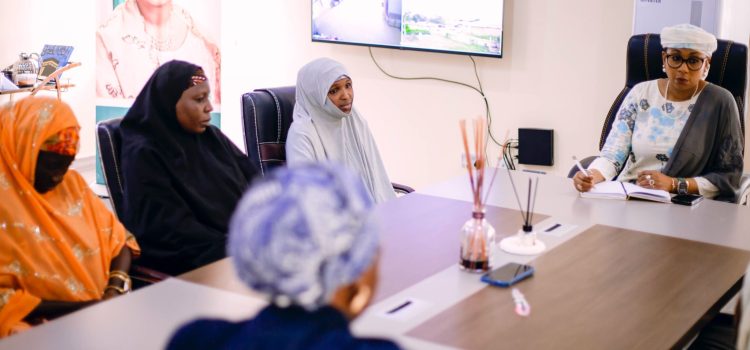
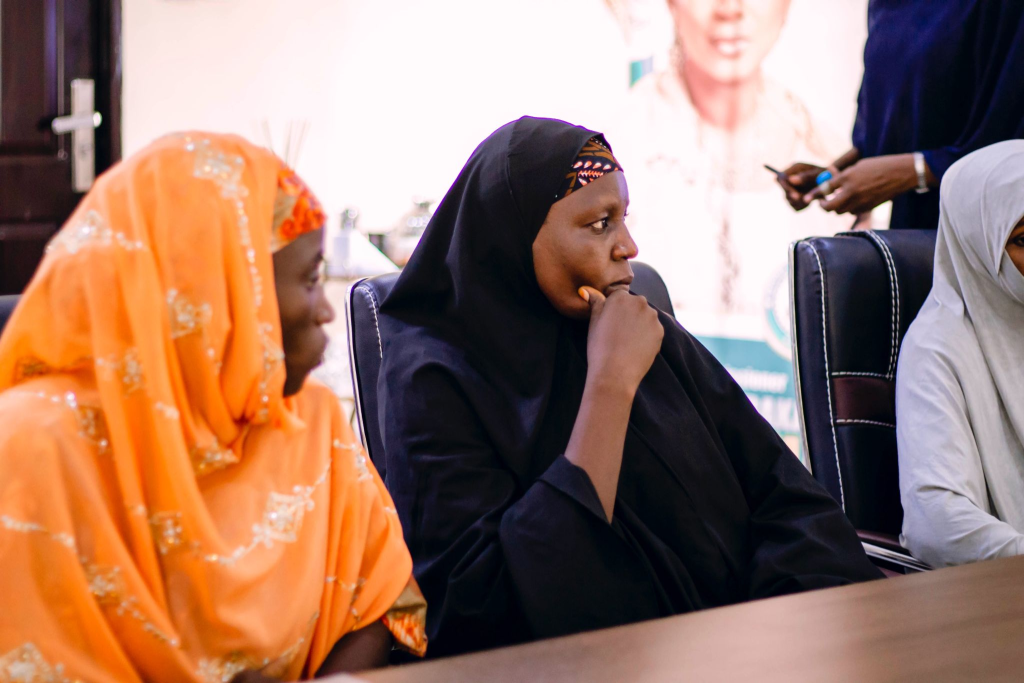
Katsina, Nigeria — In a show of solidarity and commitment to the families of Nigeria’s fallen heroes, the Katsina State Commissioner for Women Affairs, Hon. Hadiza Abubakar Yar’Adua, has lauded the efforts of the Military Widows Association and pledged further government support to enhance their work in empowering widows and the children of military personnel.

The Commissioner gave this assurance on Monday, September 15, when she received a delegation of the Association led by its Chairperson, Mrs. Hafsat Ya’u Usman, during a courtesy visit to her office in Katsina.

The visit, according to the Commissioner, was both inspiring and sobering, as it highlighted the sacrifices made by those who lost their lives defending the nation and the resilience of their families.

“The visit is a reminder of our collective duty to protect, support, and empower the families of those who paid the ultimate price for peace,” Yar’Adua said. “Together, we will continue to build a stronger and more inclusive Katsina State.”

Empowering the Next Generation

Founded more than two years ago, the Military Widows Association has become a lifeline for many families. With over 200 widows under its care, the Association has also successfully trained more than 300 children of fallen military personnel, aged between 16 and 20, in a range of vocational skills including shoemaking, Turaren wuta (traditional incense) production, soap-making, and salon services.

These vocational programs aim to equip the young beneficiaries with practical skills to achieve economic independence. At the end of their training, each participant received ₦10,000 in start-up support and a certificate of completion — a gesture made possible through the support of the Katsina State Government.

Renewed Government Commitment

Hon. Yar’Adua commended the Association’s dedication to uplifting the lives of widows and their children, praising their resilience and determination. She assured them that the Ministry of Women Affairs will integrate the Association and its beneficiaries into the ministry’s broader empowerment programs.

She further pledged that the government will look into providing necessary support to enable the graduation of the second batch of trainees, many of whom are still undergoing their skill-acquisition programs.

“We will ensure that the work of this Association continues to receive the attention it deserves, because the families of our military heroes deserve nothing less,” the Commissioner said.

Building a Stronger, Inclusive Katsina State

Observers say the collaboration between the state government and the Military Widows Association represents a significant step toward inclusive development, particularly in extending opportunities to often-overlooked groups such as the widows and children of fallen soldiers.

For many of the widows and their children, these empowerment initiatives are not only helping to build economic self-reliance but also restoring a sense of dignity and hope for the future.

Hon. Yar’Adua emphasized that the government will continue to prioritize policies and programs that ensure no group is left behind.

The courtesy visit ended on a note of renewed partnership, with both the Ministry of Women Affairs and the Military Widows Association reaffirming their shared commitment to improving the lives of military families in Katsina State.


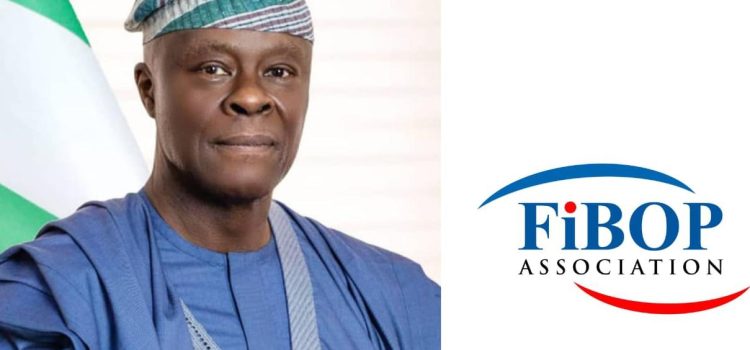
The Honourable Minister of Finance and Coordinating Minister of Nigerian Economy, Mr.Wale Edun will lead robust discussions on how to transform and grow the nation’s economy to one trillion dollars at the 2025 Finance and Business Online Publishers (FiBOP) national annual conference.

The theme of the conference is : ” Achieving $1 Trillion Economy : Leveraging Technology Innovations, Tax Reforms, and Opportunities in Renewable Energy, Agriculture and Financial services.

The FiBOP Conference is bringing together technocrats, leaders of thought, captains of industries, the academia, and key players from across all sectors of the economy to discuss the ways to put the country on the path of accelerated economic growth and development.

The FiBOP 2025 National Annual Conference will hold on October 18th to 19th, 2025 at Orchid Hotels, Lekki, Lagos State.

The 2025 conference which has continued to garner support and sponsorship from some of the most reputable organisations and institutions in the nation’s economy has gotten firm commitments from the Nigerian Deposit Insurance Corporation (NDIC), emPLE Insurance Limited, Nigerian Communications Commission (NCC), Polaris Bank, Zenith Bank, Fidelity Bank , Universal Insurance, and Nestle Nigeria Plc. These organizations alongside others will be joining forces to fast track the process towards achieving the one trillion dollars economy by year 2030.

This conference is pointedly , an integral part of the renewed hope agenda of the President Bola Ahmed administration designed to chart a clear plan for securing successful mutual accountability and investment strategies, crucial for Nigeria’s economic growth and development, particularly in areas of technology innovations, tax reforms, renewable energy, and agriculture .

Specifically,technocrats and speakers from different sectors of the economy, will also identify innovative strategies for diversifying from dependence on oil, adapting technology, fostering innovation, investing in renewable energy, insurance, agriculture, and services.

The conference organizers have expressed optimism that more institutions will join the train to attain the $1 trillion economy by 2030, as a means of ensuring improved living conditions for the citizens of the country.

Edun believes that domestic savings are the engine of sustainable investment. “A trusted and stable financial system, anchored by strong institutions is essential to lifting millions out of poverty and driving Nigeria’s transition to a $1 trillion economy”

Meanwhile, President, Finance and Business Online Publishers FiBOP, Mr. Charles Onwuatogwu has called on more companies and organizations to partner with the association in alignment with federal government’s objective of wealth creation and advancing the dividends of democracy for the betterment of the people
He also assured that partners and sponsors will gain a wide range of benefits including well articulated media hype via press interviews, media publicity promotions, display of their organization’s backdrops and similar publicity initiatives to mention but a few.

FiBOP is a registered body by the Corporate Affairs Commission made up of seasoned online publishers and editors, with wealth of experience in the print and electronic media, who are dedicated to promoting informed and balanced reporting of economic events and activities, wealth creation, and contributing to the growth and development of the Nigerian economy and the continent of Africa.

The association’s annual conference provides the needed platform for experts and stakeholders to contribute to issues of great national importance aimed at fostering inclusive growth, unity, and national prosperity.

Karl Toriola, the Chief Executive Officer of MTN Nigeria, is among the highest-earning corporate executives in the country. Public disclosures show that Toriola, who hails from Modakeke in Osun State, earns over ₦134 million every month, amounting to about ₦1.6 billion annually in salary.

Toriola’s successful corporate career has transformed his fortunes, positioning him as one of Nigeria’s billionaire executives. Beyond his remuneration as CEO, he also holds an equity stake of 0.0201% in MTN Nigeria—equivalent to 4,086,858 ordinary shares—with a current market value of approximately $1.34 million.

His daughter, Damilola Toriola, also benefits from her father’s position as a shareholder in MTN Nigeria. Her stake in the company is currently valued at about ₦15.8 million.

Toriola’s rise underscores the wealth-building potential of corporate careers in Nigeria, countering the popular notion often pushed by motivational speakers that working a traditional 9-to-5 job cannot lead to financial success. Industry observers note that stories like his demonstrate how corporate leadership roles can be a powerful path to wealth creation.

(Culled from the writings of Chukwudi Iwuchukwu.)


“Lagos hides some of its best experiences in the most unexpected places, and Festac is proof of that,” says food critic Opeyemi Famakin after a recent visit to La Belle Lifestyle.

Speaking on the environment, Famakin noted:

“Festac has this calm, suburban energy you don’t get on the Island. The streets are wider, the chaos is dialed down, and there’s a sense of community that makes places like La Belle Lifestyle feel like a hidden retreat. You walk in and it’s modern but unpretentious — warm lights, breezy outdoor spots. It’s the Lagos you go to when you want to breathe.”

On the cuisine, he added:

“I expected the usual Lagos bar menu — wings, fries, and vibes — but La Belle surprised me. The seafood was actually fresh, the plating had intention, and the suya slapped like it should. It’s clear they’re trying to elevate the dining experience without being pretentious.”

Famakin also paid homage to the cultural identity of the neighborhood:

“I wore the Igbo cap as a nod to the Igbo community here. Festac has long been home to some of the wealthiest Igbo businessmen in Lagos, and that heritage shows in the food culture too — hearty meals, bold flavors, no shortcuts.”

Concluding his first impressions, Famakin said:

“There’s a quiet, laid-back luxury in Festac. They don’t shout about it like the Island, but if you know where to look — in the food, the spaces, the people — you realize Festac has been enjoying life lowkey.”

“Festac People Are Enjoying Lowkey” – Opeyemi Famakin

“Lagos hides some of its best experiences in the most unexpected places, and Festac is proof of that,” says food critic Opeyemi Famakin after a recent visit to La Belle Lifestyle.

Speaking on the environment, Famakin noted:

“Festac has this calm, suburban energy you don’t get on the Island. The streets are wider, the chaos is dialed down, and there’s a sense of community that makes places like La Belle Lifestyle feel like a hidden retreat. You walk in and it’s modern but unpretentious — warm lights, breezy outdoor spots. It’s the Lagos you go to when you want to breathe.”

On the cuisine, he added:

“I expected the usual Lagos bar menu — wings, fries, and vibes — but La Belle surprised me. The seafood was actually fresh, the plating had intention, and the suya slapped like it should. It’s clear they’re trying to elevate the dining experience without being pretentious.”

Famakin also paid homage to the cultural identity of the neighborhood:

“I wore the Igbo cap as a nod to the Igbo community here. Festac has long been home to some of the wealthiest Igbo businessmen in Lagos, and that heritage shows in the food culture too — hearty meals, bold flavors, no shortcuts.”

Concluding his first impressions, Famakin said:

“There’s a quiet, laid-back luxury in Festac. They don’t shout about it like the Island, but if you know where to look — in the food, the spaces, the people — you realize Festac has been enjoying life lowkey.”

Governor Alex Otti’s recent public apology for the poor state of education in Abia State was more than just words — it was a pledge to rewrite the story of learning and development in the state. His decision to refurbish the hostels at Abia State University (ABSU) to international standards is a practical demonstration of that commitment. For many students who had endured years of inadequate facilities, this is more than a facelift; it’s an investment in their dignity, productivity, and academic success.

ABSU’s improved hostels are not just about comfort. They create an environment where students can focus on their studies, thrive in research, and develop skills needed in today’s competitive economy. By addressing such fundamental needs, the Otti administration is sending a clear signal that education is a cornerstone for Abia’s transformation.

What is perhaps even more exciting is that this progress in Abia reflects a healthy competition among South-East governors. From Enugu’s new smart schools to Anambra’s infrastructural push, Imo’s road and university upgrades, and Ebonyi’s giant strides in industrial and educational projects, there’s a regional momentum that is reshaping the South-East.

For the first time in a long while, it feels as if the states are engaged in a developmental race — each trying to outdo the other in landmark projects that matter to their people. This competition is good for the region: it raises standards, accelerates progress, and shows that political leadership can be about impact, not just promises.

As Abia positions education at the heart of its development agenda, ABSU’s transformation should serve as a model for other institutions. It reminds us that when government prioritizes the learning environment, it empowers the next generation to drive innovation and growth.

Governor Otti’s apology was an admission of past neglect, but his actions suggest a readiness to move forward. If this spirit of accountability and competitive development continues across the South-East, the region could soon emerge as Nigeria’s leading hub for education, innovation, and inclusive growth.

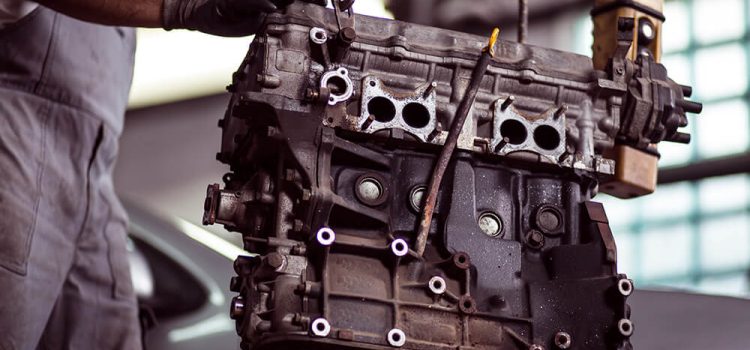
In Nigeria’s often unpredictable business climate, some companies not only survive but thrive, demonstrating resilience and adaptability. One such company is IMPACT CITY NIGERIA, which has spent nearly a decade making its mark in the logistics and haulage sector. Known for its reliability in moving goods and managing fleets, the company is now taking a bold step into an entirely new arena — car repairs, maintenance, and advisory services.

For years, IMPACT CITY NIGERIA has built a reputation for efficiency in keeping its fleet of lorries and cars in top condition. According to the company’s Chief Executive Officer, Mr. Nnamdi Jerry Ozor, the decision to diversify into the automotive repair space was not a sudden one but the natural next chapter in their story.

“We have been in the logistics and haulage ecosystem for years and have gained a deep understanding of everything that comes with it — from procuring vehicles to delivering goods and maintaining them,” Ozor said, speaking at a recent media briefing. “Over time, we built strong internal systems to keep our trucks and cars in good shape. Today, we feel it’s time to share that expertise with the public and contribute to solving some of the pressing issues in car repairs and maintenance.”

Ozor’s remarks touch on a problem familiar to most Nigerian car owners: the struggle to find competent and honest mechanics. He lamented the way a lack of skilled technicians and transparent practices has created frustration and distrust among vehicle owners.

“With the shortage of competent mechanics and the difficulty clients face in getting the truth about their car’s condition, we believe our approach will be a game-changer,” he said. “We’ve always been known for our integrity in the logistics business, and that is exactly what we want to bring into the car repair space.”

IMPACT CITY NIGERIA’s entry into the automotive sector aims to do more than just fix cars. The company wants to change the relationship between car owners and service providers. Ozor explained that their new venture will focus on creating an experience where customers can feel confident about the quality of work done on their vehicles. He emphasized that trust and professionalism will sit at the heart of their operations.

What sets the company apart, he noted, is its willingness to put transparency first. From clear communication about costs to providing customers with reliable updates during the repair process, IMPACT CITY NIGERIA hopes to eliminate the guesswork that often plagues car owners when they hand over their keys.

Beyond repairs, the company also plans to offer advisory services, helping customers make better decisions about vehicle purchases, long-term maintenance plans, and overall fleet management. For Ozor, this is about filling a gap in the market and providing a service that empowers clients, rather than leaving them feeling uncertain or misled.

“This isn’t just about opening another auto repair shop,” he said. “It’s about changing the culture around car maintenance in Nigeria. We want to create a system where honesty and competence go hand in hand — where people know they are getting value for their money.”

As IMPACT CITY NIGERIA takes this new step, industry observers believe its track record in logistics gives it an advantage. Years of keeping heavy-duty trucks and vehicles roadworthy have equipped the company with both the technical expertise and the operational discipline to succeed in the automotive repair business.

For many Nigerian car owners weary of the stress and anxiety that often come with vehicle repairs, IMPACT CITY NIGERIA’s entry into the sector may bring a breath of fresh air. By combining its reputation for integrity with a strong focus on professionalism, the company hopes to build trust and set new standards in an industry that has long been in need of reform.

In the words of Ozor, “Our goal is simple — to make car repairs and maintenance something people can rely on, not something they dread. We’ve built a name for ourselves in logistics by staying true to our values, and we intend to carry that same ethos into this new venture.”

With this move, IMPACT CITY NIGERIA is not merely expanding its business horizons; it is stepping forward to transform an industry that touches millions of lives every day, promising a future where car owners can finally feel at ease when their vehicles need attention.

Experience the wow difference between LG OLED, QNED TV & other brands as LG Instore Gaming takes centre stage

A decade after introducing the world to the first-ever large-screen OLED TV, LG continues to lead the premium TV market. The company’s cutting-edge OLED TVs have been recognized at the CES Innovation Award for 11 years in a row, and have kept evolving over time to deliver ever-greater value to consumers. LG OLED is renowned for its exceptional picture quality, producing vibrant, accurate colors with deep blacks and an infinite contrast ratio for images that are remarkably lifelike.

LG Electronics (LG) is announcing the beginning of its exciting new LG OLED Instore gaming tournament, where players in Lagos, Nigeria, will have the chance to compete in a FIFA tournament in a bid to win the grand prize. The games run from July to August 2024, and the player who wins on each of the Saturdays will qualify for the final. The final match takes qualifiers to the Challenge Arena in Lekki Brandshop on August 18, 2024.

The LG OLED gaming challenge takes places in three designated Fouani Showrooms namely; Omole, Allen and Lekki Brandshop on Saturdays only. For more information and to participate simply register at;  https://www.lg.com/africa/oled-gaming-challenge

LG Electronics (LG) unique OLED technology delivers deep blacks, clean whites and vibrant shades of colors says Mr. Choongbae Seok, General Manager, Home Entertainment, TV Division, LG Electronics. “With cutting-edge self-illuminating pixels, you can experience a more accurate, pure and brighter picture than ever before”.

LG OLED TVs have extremely low input lag with an incredible 1ms response time. This ensures that every move you input on the controller is displayed instantly on screen, giving you a vital edge over opponents and a better chance of winning.

Frame rates can often change throughout a game. If a TV can’t match these changes, you get image tearing. That’s why LG OLED TVs support VRR* and ALLM*, and are certified as HDMI 2.1 — reducing motion blur and ghosting to barely discernible levels, with fast motion transitions and seamless gameplay up to 4K 120fps, and at the highest resolution.

LG continue to work with industry-leader NVIDIA to make LG OLED TV the only G-SYNC compatible TV. LG OLED TVs use the precision and control of individual self-lit pixels to take full advantage of the G-SYNC compatibility, allowing fast response times and smoother gaming, even at high resolution.

Eye Comfort (Safer Viewing)

OLED technology provides a safer and more comfortable viewing experience thanks to its flicker-free technology and certified low blue light levels. This means less fatigue to your eyes during those boxset marathons, nail-biting championship games and intense gaming sessions.

Flicker-free (More comfortable viewing)

You may have noticed the flashing on a monitor before — that’s flicker. If your eyes are exposed to this for too long, it’s inevitable that you’ll feel tired. The flicker effect can be both visible and invisible, and even the invisible flicker can put stress on your eyes. Flicker occurs on LED TVs when they have an operating system that makes backlights blink in order to control brightness, this is compounded by the slow response times of the LED panels. LG OLED TVs don’t have that flicker because they don’t have backlights and the response time of the OLED panel is fast.

Low Blue Light

Blue light comes from many sources and exposure to large amounts of blue light can suppress melatonin and lead to problems such as sleep disturbance. Children and adolescents with underdeveloped irises are particularly vulnerable to retinal damage. So, when you watch TV, it’s important which TV you watch. Tests have found that LG OLED displays emit less blue light than LED displays.

Watching LG OLED relieves eye strain and lets you enjoy TV more comfortably. They’ve been certified by TŰV Rheinland as eye comfort displays that are flicker-free and low-blue light. And verified by UL as no photobiological LED hazard displays that are flicker-free and low-blue light.

This competition is part of LG’s continuous initiative to engage with gamers in Nigeria and demonstrate the innovation behind its premium gaming products

For more information about LG OLED TVs, kindly visit; https://www.lg.com/africa/oled-tvs

Blue light comes from many sources and exposure to large amounts of blue light can suppress melatonin and lead to problems such as sleep disturbance. Children and adolescents with underdeveloped irises are particularly vulnerable to retinal damage. So, when you watch TV, it’s important which TV you watch. Tests have found that LG OLED displays emit less blue light than LED displays.

The Executive Vice Chairman and Chief Executive Officer, National Agency for Science and Engineering Infrastructure (NASENI), Mr. Khalil Suleiman Halilu, has reaffirmed that research commercialization remains central to Nigeria’s economic development.

Speaking at the North-Central Sensitization Programme on the NASENI Research Commercialization Grant Programme (NRCGP), held on Wednesday, 24th September 2025 at the Agency’s headquarters in Abuja, Halilu stressed the importance of addressing financial and administrative setbacks often faced by research projects.

The EVC who was represented by NASENI’s Research Director, Prof. Abdulmalik Ibrahim Onuwe stated that the NRCGP was designed to support viable research and development initiatives in the country, which also propagates NASENI’s mission and vision.

 According to him, the application process is fully digitalized, transparent, and does not require physical presence or long administrative procedures. “This sensitization is not just for personal benefit but also to empower prospective researchers from institutes who may seek guidance about the programme,” Halilu said.

He urged participants, including representatives from universities, the National Institute for Pharmaceutical Research and Development (NIPRD), National Space Research and Development Agency (NSRDA), among others to take full advantage of the opportunities provided by NASENI to foster collaboration and innovation.

Presenting an overview of the NRCGP, Programme Coordinator and Special Adviser to the EVC on Science and Engineering Commercialisation, Engr. Dr. Anas Balarabe Yazid, highlighted the objectives, eligibility criteria, and key assessment tools of the programme.

He emphasized that the grant aligns with NASENI’s mandate to promote local content, noting that under the NASENI principle of Creation, Collaboration and Commercialisation (3Cs), it is being radically prioritized. “Every research project must be noble, clear, market-viable, and align with NASENI’s transformation agenda and Nigeria’s broader development goals,” he said.

In her vote of thanks, Deputy Director, Planning and Policy Analysis, Ms. Joy Elugbe expressed appreciation to the EVC and participants, encouraging researchers to embrace NASENI’s initiatives as a pathway to national progress.

PHOTO NRCGP

L-R: The Overseeing Officer, Agricultural Machinery and Equipment Development Institute (AMEDI), Lafia, Nasarawa State,  Engr. Mustafa Usman;  the Deputy Director, Engineering Infrastructure NASENI, Engr. Dr. Emmanuel Ajani; the Director, Manufacturing Services Department, NASENI, Engr. Dr. Olayode Olasupo; Research Director, NASENI, Engr. Dr. Patrick Okwu; EVC/CEO of NASENI, Mr. Khalil Suleiman Halilu represented by the Research Director, NASENI, Engr. Prof. Abdulmalik Onuwe;  Director, Planning and Policy Analysis Department, Dr. MacDonald Aloko; and Coordinator, NASENI Research Commercialization Grant Programme (NRCGP), Engr. Dr. Anas Yazid  during the Zonal Sensitization Programme, held Wednesday,  September 24, 2025 at the NASENI Headquarters, Abuja.

…As FG Insists on Commercialization of R&D Results to Boost the Economy

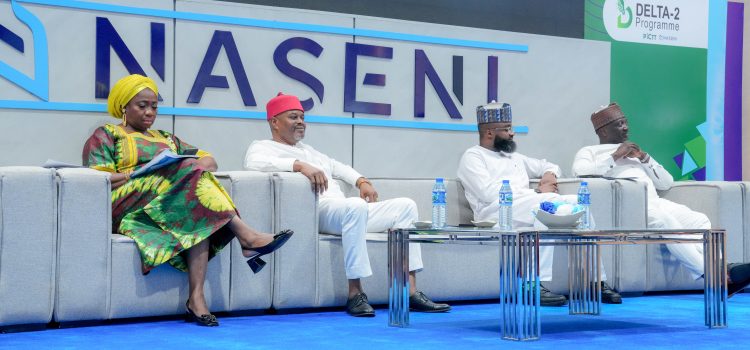
The National Agency for Science and Engineering Infrastructure (NASENI) and the Presidential Implementation Committee on Technology Transfer (PICTT) have launched the second phase of the DELTA-2 Programme-the 2nd Call for Proposals, which will focus on Commercialization of all R&D outcomes in different fields of the economy.

The Delta-2 Project is a bilateral collaboration by the Federal Government of Nigeria through NASENI-PICTT and the Czech Republic through the Technology Agency of the Czech Republic (TA CR) targeting submissions from innovators, technology entrepreneurs and researchers in Nigeria across mining, agriculture, advanced manufacturing, science and engineering, etc. The 1st Call for Proposals under the Delta-2 programme was launched in the year 2022, following which grants were disbursed by NASENI to winners of the approved projects to scale up their enterprises.

In his welcome address, Chairman, Presidential Implementation Committee on Technology Transfer (PICTT), Dr. Dahiru Mohammed, said Delta-2 Project has become a major driver of innovation, economic growth and sustainable development in Nigeria, saying it is aimed at accelerating Nigeria’s technological growth through international collaboration.

 “The DELTA-2 Programme is a catalyst for job creation, enhanced productivity and the growth of small and medium enterprises (SMEs). It will help reduce dependence on imports while boosting Nigeria’s global competitiveness,” he stated.

He highlighted the achievements of the previous call for proposals launched in May 2022, which attracted 285 submissions from Nigerian researchers and companies, out of which 25 projects were funded in 2023, which has resulted in innovative products and services across agriculture, advanced manufacturing, and other strategic sectors which have already created jobs, built capacity and advanced technology transfer.

In his keynote speech, the Executive Vice Chairman/CEO of NASENI, Mr. Khalil Suleiman Halilu, noted that DELTA-2 had the potential to be a catalyst for Nigeria’s innovation ecosystem adding that the decision is already yielding results. “Today, we can point to the stories of 12 beneficiaries from the First Call, Nigerians who are working on diverse projects across our country.

“From renewable energy solutions to advanced materials, from agricultural technologies to manufacturing innovations, these projects testify to the power of applied research to solve real problems, create jobs, and deliver products and services that meet the needs of our people”, he remarked.

Halilu noted that what makes DELTA 2 unique is its focus on outcomes. “It is not research for the sake of research, it is research with purpose and market in mind. It is research that leads to new knowledge, new skills and new products. It is research that bridges the gap between the laboratory and the marketplace, between ideas and impact.

“It is also a bridge between nations — between Czech enterprises and Nigerian innovators, between European expertise and African creativity. Together, we are building partnerships that accelerate progress, foster mutual respect and infinite possibilities for both our countries”, he emphasized.

The NASENI boss further  stated that DELTA-2 projects being supported by NASENI will respond not only to the current needs of the society, but also anticipate the challenges of tomorrow — from climate change to digital transformation. Therefore, he called on researchers, innovators and entrepreneurs in Nigeria to make use of the opportunity once again.

In his remarks, Minister of Innovation, Science and Technology, Chief Uche Geoffrey Nnaji,  said the “The theme is clear, it is to generate research outcomes that will lead to new products, new processes, apply results that directly enhance Nigeria’s competitiveness, create jobs and open new markets at home and abroad”.

He noted that the Delta-2 Projects priority areas range from agriculture and food technology, renewable energy, mining and industrial development, health and health technologies, advanced manufacturing, digital mobility, climate technology and defence innovations which aligns strongly with President Bola Ahmed Tinubu’s Renewed Hope Agenda.

“Let me emphasize, this is not research for shelves. This is research for impact. Every funded project must deliver tangible, scalable and commercially viable outcomes that respond to Nigeria’s real challenges and opportunities”. He called on Nigerian researchers, companies and innovators to seize this opportunity to build a greater Nigeria through innovation and technology transfer.

In her goodwill message, the Chairman/CEO, Nigerians in Diaspora Commission (NiDCOM), Dr. Abike Dabiri-Erewa said the initiative reflects the visionary leadership of President Tinubu’s administration in encouraging fresh ideas and innovations that can move the country forward. “This is another day of success and progress for Nigeria. It shows how much we have achieved in technology and innovation as a nation,” she remarked.

She praised NASENI’s leadership under Halilu for advancing Nigeria’s science, innovation, and technology agenda, while appealing for a similar project to be extended to Nigerians in the diaspora.

 Also speaking, Special Assistant to the President on Trade, Investment and Industry, Mr. John Ugochukwu Uwajumogu commended NASENI and PICTT for aligning their efforts with President Tinubu’s $1 trillion economy agenda, emphasizing that technology transfer is central to achieving industrialization. “We must strengthen our industrial capacity to attract both global and domestic investments and to compete strongly on the global stage,” he added.