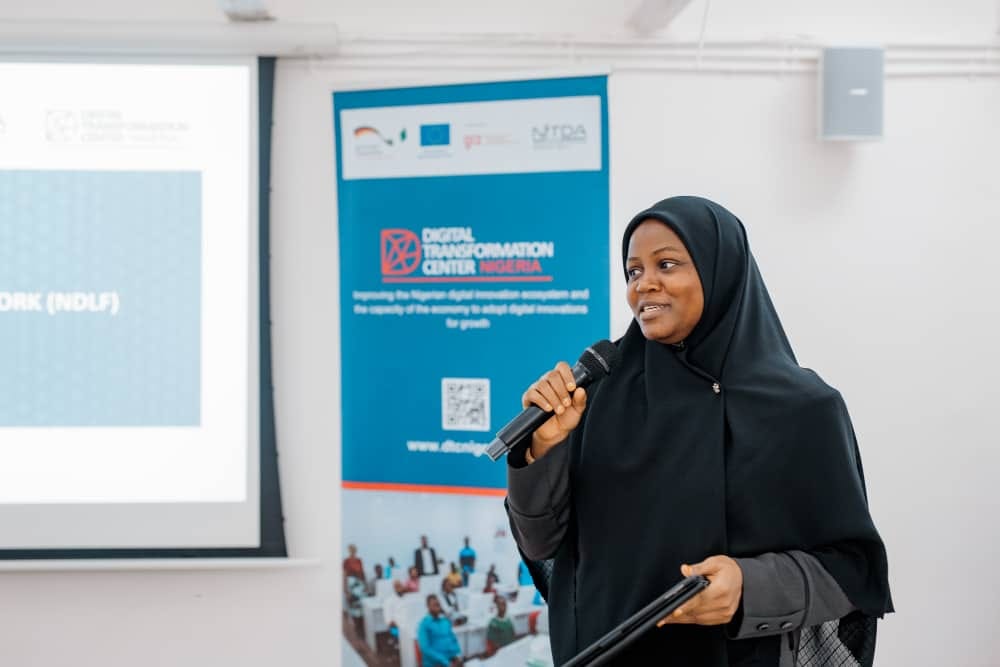
The National Information Technology Development Agency (NITDA) convened a crucial stakeholders awareness session on the National Digital Literacy Framework (NDLF) at the Nordic Hotel, Ikoyi, Lagos. The session, presided over by the Director General of NITDA, Kashifu Inuwa Abdullahi, was aimed at fostering collaboration among stakeholders across various sectors to enhance digital literacy in Nigeria.

Representing the Director General, Dr. Falilat Jimoh, Head of Digital Inclusion at NITDA’s South West Zonal Office in Lagos, delivered the welcome address. Dr. Jimoh emphasized the importance of engaging stakeholders in developing content that aligns with the objectives outlined in the NDLF. She underscored the commitment of the administration of President Bola Ahmed Tinubu towards fostering a digital economy in Nigeria.

The National Digital Literacy Framework (NDLF) sets ambitious mid-term targets, aiming to achieve a digital literacy rate of 70% by 2027 and 95% by 2030 in Nigeria. This framework reflects the government’s dedication to ensuring widespread digital skills development across the nation, paving the way for inclusive growth and economic advancement.

The stakeholders’ awareness session provided a platform for robust discussions and collaborations to drive the implementation of the NDLF effectively. Participants from diverse sectors exchanged insights and ideas to develop engaging and accessible digital literacy content tailored to meet the specific needs outlined in the framework.


Renowned Professor and Entrepreneur, Ndubuisi Ekekwe, has lauded DANGOTE for its recent breakthrough in the energy sector, marking a significant milestone in Nigeria’s economic landscape. In a statement shared on his LinkedIn profile, Professor Ekekwe congratulated DANGOTE Oil Refinery for commencing petroleum product supplies to the domestic market, citing Reuters as a source.

Recognizing the pivotal role played by DANGOTE in Nigeria’s energy sector, Professor Ekekwe emphasized the refinery’s potential to address longstanding challenges in the downstream oil and gas industry. He commended Alhaji Aliko Dangote’s visionary leadership and unwavering commitment to nation-building, attributing the refinery’s success to his dedication and perseverance.

However, Professor Ekekwe also issued a cautionary note regarding the potential impact on European refineries and educational institutions. Drawing parallels with the challenges faced by UK universities due to a decline in overseas student enrollment, he highlighted the broader implications of a vibrant Nigerian and African economy on the global stage.

With Nigeria and Africa poised for economic growth, Professor Ekekwe urged stakeholders to seize the opportunity to contribute to the continent’s development trajectory. He emphasized the need for collaborative efforts to build resilient economies and foster global partnerships.

GITEX Africa (www.GITEXAfrica.com), the continent’s largest and most influential tech and start-up event is on high momentum to welcome the year’s biggest tech conversations and collaborative ventures in Marrakech, Morocco.


Under the High Patronage of His Majesty King Mohammed VI of the Kingdom of Morocco, the 2nd edition of GITEX Africa will take place from 29-31 May 2024, under the authority of the Moroccan Ministry of Digital Transition and Administration Reform and hosted by the Digital Development Agency (ADD).

The 2nd blockbuster edition follows its pioneering debut in 2023, rated by the attending tech community as the world’s best tech launch event. The intense global interest in exploring diverse tech themes is now powering GITEX Africa’s growth, fuelling momentum in a maturing digital ecosystem while turbocharging a big tech rush into one of the world’s most exciting and dynamic markets.

GITEX Africa 2024 shall welcome thousands of attendees from across the continent for large scale discourse and future-focused collaborations, while accelerating tech’s massive advances across diverse industries, from cloud and IOT, cybersecurity, digital health, and future finance, to consumer tech, telecoms, and the great hype of artificial intelligence.

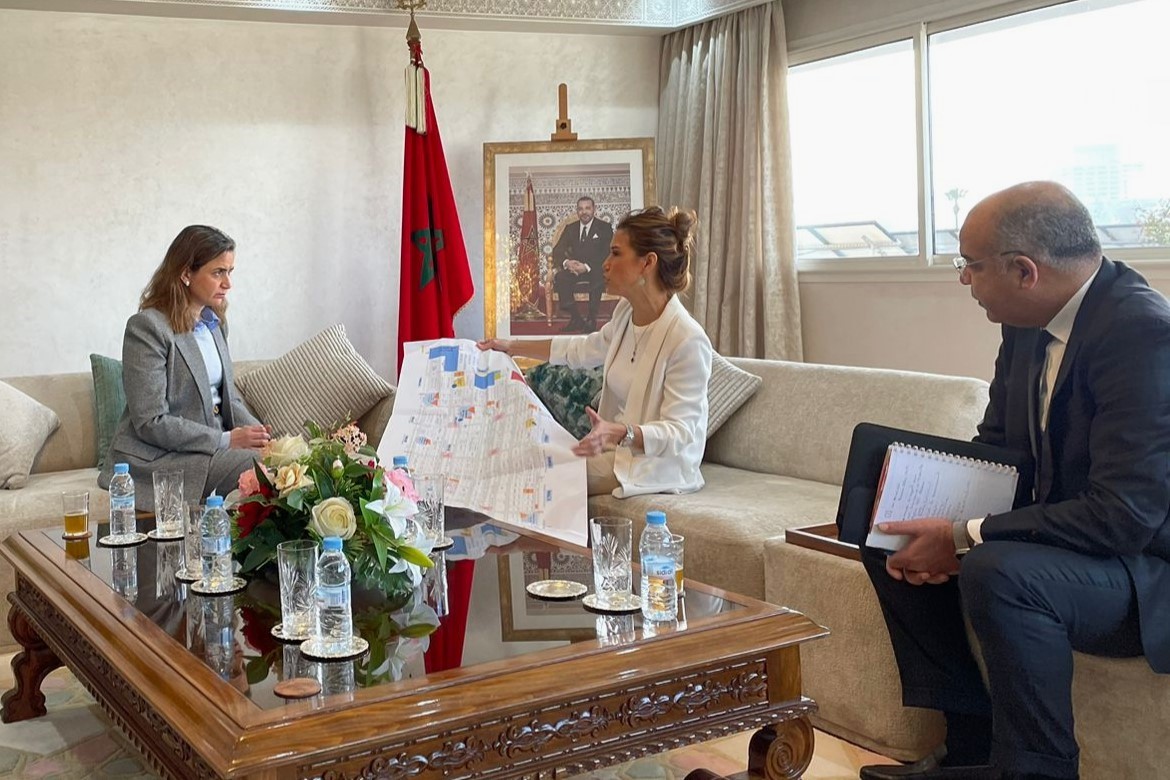
H.E. Dr Ghita Mezzour, the Moroccan Minister of Digital Transition and Administration Reform, met with organisers in Morocco recently as plans ramp up for the development of an expanded purpose-built venue to accommodate the surge in global exhibitor demand.

“The success of the 1st edition of GITEX Africa Morocco highlights our continent’s enthusiastic embrace of the digital revolution and Morocco’s commitment to strengthen South-South cooperation in the digital field, as well as its contribution to the international promotion of the African continent in accordance with the High Royal Vision of His Majesty King Mohammed VI, may God assist Him.” said H.E. Dr Mezzour.

“Our ambitions are growing as we look ahead to the 2nd edition in the beautiful city of Marrakech. We’re excited about making GITEX Africa Morocco even more remarkable and look forward to hosting a diverse and impactful African and international tech presence.”

Mr. Mohammed Drissi Melyani, the General Director of ADD, added: “The Kingdom of Morocco successfully hosted the first edition of GITEX Africa Morocco in 2023, which showcased Africa as an emergent continent in the digital economy. The 2nd edition in 2024 is another opportunity to enhance and support Africa’s digital transformation progress and boost the competitiveness of the continent’s digital ecosystems.”

World Future Health Africa debut accelerates continent’s digital health revolution

GITEX Africa is organised by KAOUN International, the overseas affiliate of Dubai World Trade Centre (DWTC), which organises GITEX GLOBAL in the UAE, the world’s largest and most trusted tech and start-up event. The expansion of Africa’s powerhouse tech showcase is amplified by the debut of the co-located World Future Health Africa, accelerating the continent’s ascending tech-fuelled digital health revolution.

World Future Health Africa is held under the auspices of the Moroccan Ministry of Digital Transition and Public Administration Reform, the Moroccan Ministry of Health and Social Protection, and the Digital Development Agency.

Trixie LohMirmand, CEO of KAOUN International, organiser of GITEX Africa and World Future Health Africa, said: “This sequel of GITEX Africa this year follows the upbeat trend of tech discovery we created last year in its inaugural edition.

“The global community is experiencing the growing energy, curiosity and demand for digital advancement from Africa which is outpacing that of matured developed continents. The depth and breadth of tech showcase, including the much-hyped AI in society and business at GITEX Africa shall be an eye-opening experience fostering great knowledge sharing and collaboration opportunities between the public and private sectors, and amongst businesses across the world.”

Tech titans return intensifying cross-continental tech tussle

The 2nd edition of GITEX Africa will welcome returning exhibitors following their hugely successful participation at the show’s momentous debut in 2023. Multinational majors including Epson, Honeywell, Kaspersky, and Lexar are among those back for a second round of future-focused collaborations reviving a tech-enabled African investment race.

Neil Colquhoun, Vice President of Epson Europe and the Middle East, said: “Epson is delighted to announce its participation for the second consecutive year at GITEX Africa 2024. Epson’s technology offering will focus primarily on a range of sustainable, energy-efficient solutions and products that address the pressing concerns of many industrial sectors, as well as small and medium-sized enterprises in the region.”

UAE-headquartered Presight, the Middle East’s leading big data analytics company powered by generative AI, and part of G42, a global leader in creating visionary AI, will also return: “Africa has been our focus; it’s the newly emerging continent for the digital workforce and digital transformation,” said Thomas Pramotedham, CEO of Presight.

“Presight has multiple digital transformation programmes with several African governments, and in 2024, we aim to contribute even more to the continent’s thriving tech ecosystem. Our goal is to make a positive societal impact using our big data analytics capabilities powered by generative AI. With GITEX Africa playing a key role, we’re excited to be part of discussions shaping the continent’s digital transformation journey.”

Bertrand Trastour, General Manager, France and North, Central and West Africa of global leading Cybersecurity company, Kaspersky, added: “GITEX Africa is a very important platform for Kaspersky as it allows us to inform our customers and partners about our growth strategy and potential.

“Digitalisation is a high priority in African markets, and cybersecurity is the foundation for this successful transformation. Kaspersky provides the most comprehensive cybersecurity for the growth of our customers’ businesses, regardless of their sector, scenario or assets.”

Moroccan trailblazers spotlight ground-breaking innovations

Moroccan headliners advancing tech and innovation across the region are also returning to GITEX Africa 2024, including Maroc Data Centre, Zen Networks, Dataprotect, and Mohammed VI Polytechnic University (UM6P), the show’s official R&D partner.

“UM6P transcends the traditional boundaries of R&D, embodying a powerhouse of innovation and entrepreneurship for Africa and beyond,” said Yassine Laghzioui, CEO of UM6P Ventures and Director of Entrepreneurship and Venturing at UM6P.

“We are excited to elevate our role at GITEX Africa, not merely as a leading R&D collaborator but as a beacon of innovation. Our partnership with GITEX Africa underscores our dedication to driving progress in science, technology, and investment realms.

Added Laghzioui: “We aim to nurture and scale DeepTech ventures across Africa through our targeted entrepreneurship and venturing programs, moving beyond Morocco’s borders. GITEX Africa offers an unparalleled opportunity for UM6P to forge strategic partnerships, showcasing our ground-breaking initiatives in diverse sectors such as HealthTech, BioTech, AgriTech, and GreenTech. These efforts stem from UM6P’s innovation labs and from our extended ecosystem, poised to tackle the continent’s pressing challenges.”

Regional start-up, VC investment surge on high revs at North Star Africa

GITEX Africa 2024 will feature an elevated North Star Africa start-up showcase, converging the largest curation of award-winning start-ups and scale-ups ever seen in the African continent. The most ambitious and forward-thinking entrepreneurs and founders will collaborate with African and global accelerators and investors to scale business opportunity in a region that is tipped to raise US$10 billion in VC funds by 2025.

North Star Africa is extending its far-reaching footprint to all ends of the world’s second largest continent and beyond, spurring investors to seek out and uplift the next potential unicorns solving Africa’s biggest challenges.

There’ll be more awards too, with globe-trotting innovative companies battling for start-up supremacy at the Supernova Challenge, Africa’s most coveted and valuable start-up pitch competition, with a prize pool of US$100,000 up for grabs across six categories.

 

VOLVO announced it to the world at Climate Week NYC in September last year, and now it’s becoming a reality: the company has built its last diesel car.

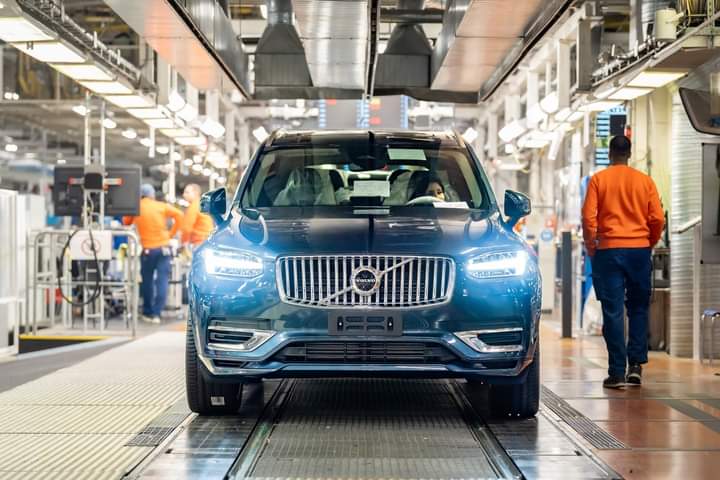
On a cloudy Thursday in early February, the plant in Ghent, Belgium, produced its last diesel-powered car, a V60. And just the other day, the plant in Torslanda, Sweden, saw its last XC90 diesel car roll off the production line.

The events mark a huge milestone in Volvo Cars’ 97-year history. With this move, the brand is taking a big step towards its ambitions of becoming a fully electric car maker, as well as achieving net zero greenhouse gas emissions by 2040.

For a long time, its diesel engines were synonymous with reliability and efficiency, and they meant a great deal to Volvo for many decades. Indeed, the success of its diesel cars played a significant role in its evolution into a premium brand.

In recent years, the electric revolution has evolved quicker than most of us could have imagined – and it’s largely propelled by tightening regulations around tailpipe emissions, as well as customer demand in response to the climate crisis and a desire for cleaner urban air.

Only five years ago, the diesel engine was Volvo’s bread and butter in Europe, just like it was for most other car makers. The majority of the cars we sold in Europe in 2019 ran on diesel, while electric models were just starting to gain traction.

Today, most of its sales on the continent are electrified cars. Last year, it increased sales of fully electric cars by 70 per cent, and its global electric market share by 34 per cent. The figures speak for themselves, underscoring that the all-electric direction Volvo is now heading towards is the right one to take, and it does so with its flag held high.

While Volvo future indeed is fully electric, its mixed portfolio includes some excellent plug-in hybrid and mild-hybrid models, which will act as a perfect bridge towards that future.

Some key milestones in Volvo’s diesel history:

1979. Neither Sweden nor Europe is a diesel market. Those who buy diesel cars tend to be taxi drivers or long-haul travellers. But people have slowly begun to see the benefits of the more efficient diesel engines and demand is on the rise. So, Volvo listens to its customers and introduces its first-ever diesel car: the Volvo 244 GL D6. The engine is powerful, very efficient and the world’s first six-cylinder diesel engine for passenger cars.

2001. The diesel car scene gains momentum. When Volvo launches the Volvo V70, it was also finally time for it to introduce its first self-built diesel engine. This five-cylinder engine, manufactured at the Volvo powertrain plant in Skövde, Sweden, was to become a huge success and powered many Volvo cars across Europe. It’s made in several different versions and was so powerful that it was even being used on the racetrack in a car called the S60 Challenge. Also, colleagues at Volvo Penta even decided to make a marine version of this engine.

Volvo Cars’ last diesel car rolls off the production line

2008. Time for the next big diesel milestone: the launch of the Drive-E lineup – featuring small yet highly efficient 1.6-litre diesel engines. With the sun on your face and the wind at your back, you could go 1,300km on a single tank, and CO2 emission levels were so low that they got classified as ‘green engines’ in Sweden. The Drive-E engines were flexibly built and worked well in different Volvo models. With their balance of efficiency and performance, they marked a big step forward in diesel technology.
2012. Volvo launched the Volvo V60 D6 plug-in hybrid, a unique car: it was the world’s first plug-in hybrid fitted with a diesel engine. At the time, it was Volvo’s most technically advanced model ever – electric, hybrid and a muscle car all at once. And it was truly something of an engineering wonder. Depending on the driving mode, it could go as far as 50 kilometres on electric power, had a total range of up to 1,000 kilometres, and with 215 horsepower from the diesel engine and 70 horsepower from the electric motor, it accelerated from 0 to 100km/h in 6.2 seconds.

2013. For the second time in history, Volvo launches a completely self-built diesel engine family: Volvo Engine Architecture (VEA). The combination of higher injection pressure and the unique i-ART technology was considered revolutionary in the diesel industry.


Volvo customers could enjoy better fuel economy, lower emissions and high output. The new engines were used in a variety of models and become a success in the second-generation XC90. They lived on until the end, powering the very last diesel-powered V60 and XC90 built.

2023. Volvo moved away from combustion engines by selling its stake in Aurobay, the combustion engine joint venture company it had together with Geely Holding.

Steve Grants


Dupe Olusola, Managing Director/CEO of Transcorp Hotels Plc, reflected on her tenure since assuming leadership in March 2020 amidst the unprecedented challenges posed by the global pandemic. In a recent statement shared on her LinkedIn page, Olusola recounted the remarkable journey of the hospitality giant through turbulent times, emphasizing resilience, innovation, and a steadfast commitment to excellence.

“Taking the helm at Transcorp Hotels Plc during the onset of the pandemic was undeniably daunting,” remarked Dupe Olusola. “We faced a drastic drop in occupancy rates, plunging from 70% to a mere 5%. It was a surreal scenario, akin to navigating a ghost town. However, we refused to succumb to adversity. Instead, we embraced creativity, implementing innovative strategies to ensure the continuity of our operations.”

The transformative measures undertaken by Transcorp Hotels Plc under Olusola’s leadership included the introduction of drive-through cinema experiences, the establishment of on-site COVID-19 testing facilities, expansion of takeaway services, and the promotion of domestic tourism initiatives. These initiatives not only sustained the business but also reinforced its position as a vital part of guests’ lives during a period of unprecedented uncertainty.

“The COVID-19 era underscored the importance of disruption in fostering growth and resilience,” Olusola continued. “It reshaped our perspective, highlighting the value of teamwork, collaboration, and a can-do spirit. As a result, we have achieved remarkable performances year after year, consistently breaking profit and revenue records.”

Dupe Olusola expressed gratitude for the unwavering support of Transcorp Hotels’ Board of Directors, fellow CEOs, and the exceptional team whose dedication has propelled the company’s success. Reflecting on her background in Economics and Finance, Olusola emphasized the transformative power of leadership, resilience, and a growth mindset.

“As we celebrate the achievements of the past four years, I am humbled by the opportunity to lead Transcorp Hotels’ hospitality arm,” stated Olusola. “Building upon the legacy of transformation established by my predecessors, we remain committed to delivering unparalleled services to our stakeholders.”

In closing, Dupe Olusola encouraged a spirit of resilience and perseverance, reminding individuals that success is a journey marked by challenges and triumphs. She affirmed her confidence in the Transcorp Hotels team’s ability to continue setting new records and driving growth.

“Every season has its reason, and we must embrace them all,” concluded Olusola. “I am grateful for the journey thus far and eagerly anticipate the growth that lies ahead.”

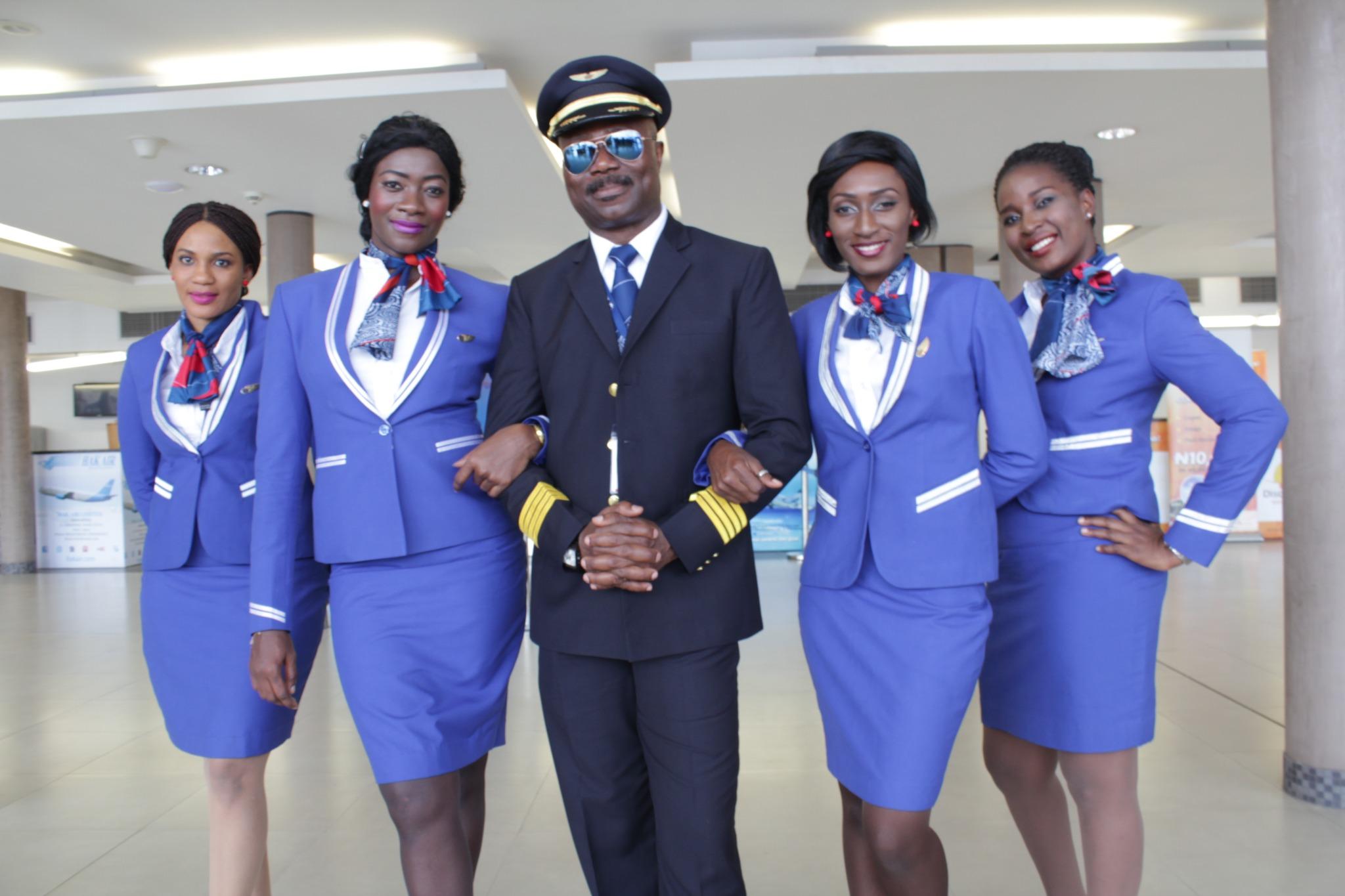
In a celebration of cultural richness and inclusivity, international air hostesses are taking flight in traditional attire, marking a significant stride in the aviation industry towards embracing diversity. This initiative not only adds a vibrant splash of heritage to the skies but also fosters unity and appreciation for different cultures worldwide.

From the graceful folds of saris to the intricate designs of hanboks, air hostesses across the globe are integrating traditional clothing into their professional uniforms, infusing their inflight service with authenticity and cultural pride. By embracing attire that reflects their cultural backgrounds, these dedicated professionals exemplify the spirit of inclusiveness and respect for diverse heritages.

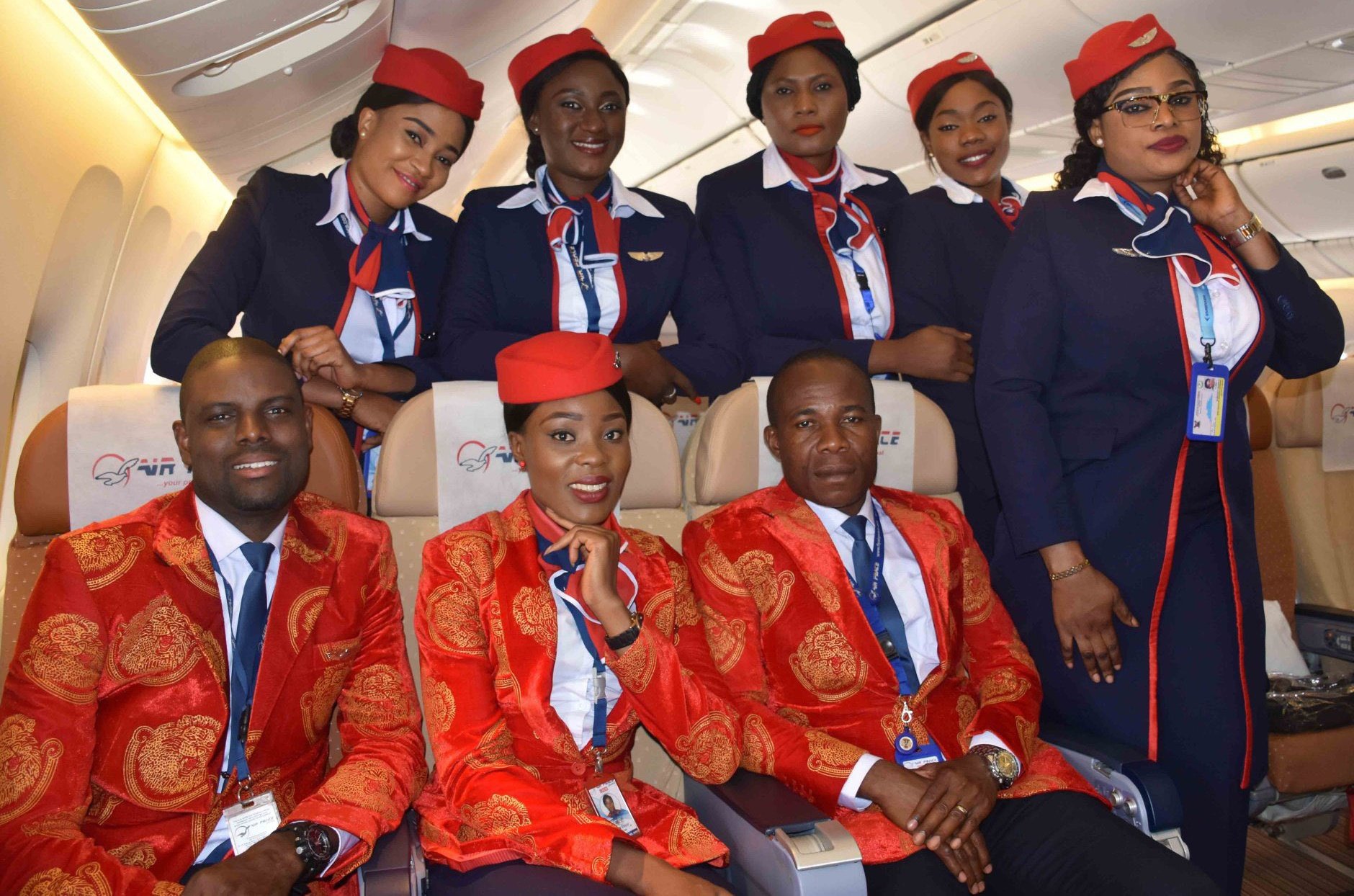
Recently, Air Peace, led by Allen Onyema, an Igbo entrepreneur renowned for his industrious spirit, made headlines with the launch of its pioneering London-Lagos route. The airline, challenging the dominance of foreign carriers in the market, not only asserts its indigenous identity but also showcases Nigerian and specifically Igbo culture to the world.

However, amidst the celebration, questions arose regarding the incorporation of Isi Agu, a traditional Igbo attire, into the airline’s uniform. Critics voiced concerns over ethnic identity and tribalism, but supporters argued that as a privately-owned business, Air Peace has the prerogative to represent its cultural roots. In a diverse nation like Nigeria, where businesses run by individuals from various ethnicities thrive, such expressions of cultural pride should be welcomed rather than criticized.

Air Peace’s commitment to showcasing Nigerian culture doesn’t stop at attire. Inflight entertainment and cuisine offer a taste of Nigeria, featuring delicacies from different ethnic groups, including the Hausa community. While some may question the focus on Igbo culture, supporters commend the airline for promoting diversity within a Nigerian context.

Social media buzzed with praise for Air Peace’s initiative. Users like @Ada_di_ora_mma expressed admiration for the airline’s promotion of Igbo culture, highlighting the significance of hearing pre-flight announcements in the Igbo language. Others, such as @OyediranAM, shared their pride in seeing the Isi Agu uniforms, emphasizing the elegance and cultural significance they represent.

Nevertheless, voices like @IkeGod_ raised concerns about lingering ethnic bigotry in Nigeria, echoing the sentiments of renowned author Chinua Achebe, who once noted the pervasive resentment towards the Igbo people in the nation. Despite such challenges, Air Peace’s embrace of cultural diversity serves as a beacon of hope, signaling a path towards greater unity and understanding.

This move by Air Peace is not unique; several airlines worldwide incorporate elements of traditional dress into their uniforms, reflecting their cultural heritage. From Singapore Airlines’ iconic sarong kebaya to Thai Airways’ Chut Thai dresses, these examples underscore a global trend towards celebrating diversity in the skies.

In essence, Air Peace’s embrace of traditional attire symbolizes more than just a fashion statement; it represents a commitment to inclusivity and unity in an increasingly interconnected world. As air hostesses proudly wear their heritage on their sleeves, they inspire passengers and colleagues alike to embrace cultural diversity and foster mutual respect across borders.


Anthony Emeka Nwosu

tony@techandbiz.com.ng

08038187914


In a significant move towards enhancing consumer affordability and fostering healthy competition within the aviation sector, Air Peace Limited has announced a groundbreaking reduction in ticket prices for its Lagos-London route. This development comes in the wake of strategic governmental support aimed at benefiting consumers and curbing the escalating costs of air travel.

Addressing the pressing issue of escalating prices amid governmental waivers and assistance to private companies, Air Peace’s Chairman reiterated the fundamental principle that such measures should directly translate into tangible price reductions for commodities. Emphasizing the pivotal role of waivers in meeting consumer demands and mitigating price hikes, Air Peace underscored its commitment to ensuring that benefits extend to consumers rather than solely enriching private entities.

In a commendable demonstration of this commitment, Air Peace has introduced an unprecedented reduction in ticket fares, with economy class tickets now priced at N1.2 million, marking a remarkable 66 percent decrease compared to prevailing rates. This significant adjustment positions Air Peace as a beacon of affordability within the industry, particularly when contrasted with foreign carriers charging an average of N3.5 million for economy-class tickets on the same route.

Furthermore, Air Peace has introduced competitive pricing structures, offering a return business class ticket at N4 million and extending a special 15 percent rebate on economy class fares to Nigerian students studying in the UK. This strategic initiative not only enhances accessibility for travelers but also signals the beginning of robust competition aimed at dismantling the exploitative practices of foreign airlines operating under Bilateral Air Service Agreements.

With this pioneering move, Air Peace sets a precedent for Nigerian airlines, catalyzing a paradigm shift towards consumer-centric pricing models and service excellence. By prioritizing affordability and quality, Air Peace and its counterparts are poised to redefine industry standards and elevate Nigeria’s aviation sector on the global stage.

As Air Peace continues to champion affordability and consumer welfare, it remains steadfast in its mission to deliver unparalleled service excellence and foster a competitive landscape that benefits all stakeholders.

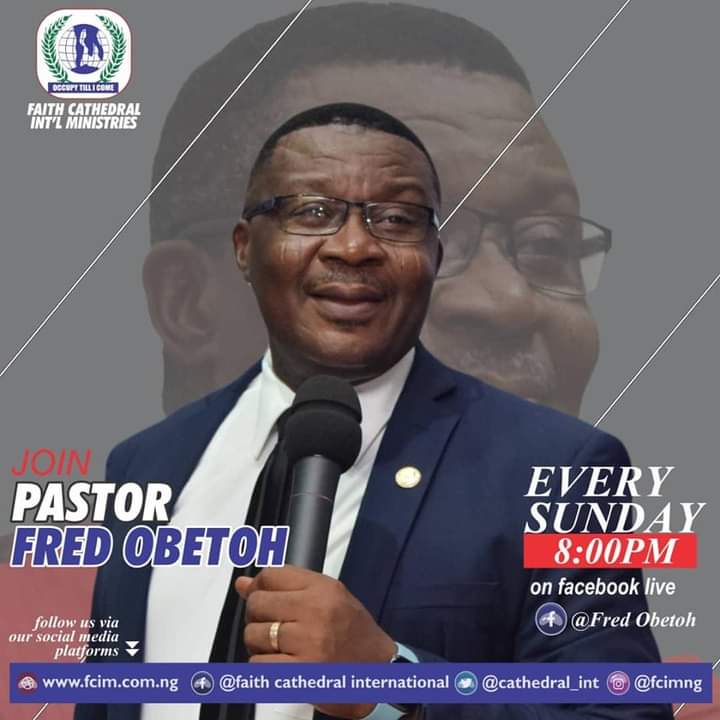
In a unique twist to Easter celebrations, Pastor Fred Obetoh, the General Overseer of Faith Cathedral International in Egbeda, marked the occasion with profound reflections on the life of Jesus Christ. Amidst preparations for the church’s upcoming 32nd anniversary on April 7th, 2024, Pastor Obetoh emphasized the significance of Easter as a cornerstone of the Christian faith.

Drawing parallels between the challenges faced by Jesus Christ and contemporary societal dynamics, Pastor Obetoh urged caution in interpersonal relationships, citing the persecution Christ endured for standing up for truth. He highlighted how Jesus’ message clashed with the prevailing norms of his time, leading to his crucifixion—a cautionary tale for modern society.

Addressing the congregation ahead of the anniversary celebration, Pastor Obetoh expressed gratitude for the church’s journey over the past 32 years, attributing its success not to human effort but to divine grace. He invited everyone to join in the festivities, emphasizing the significance of the milestone year and the opportunity to give glory to God.

Faith Cathedral International Ministry in Egbeda, Lagos, has distinguished itself as a beacon of hope, offering spiritual guidance and tangible support to the community. Through various outreach programs, the church has touched lives beyond the confines of its sanctuary, embodying the principles of Christian charity and compassion.

As anticipation builds for the anniversary event, Faith Cathedral International Ministry extends a warm invitation to the public to participate in the celebration on Sunday, April 7th, 2024, at their premises on Aderele Street, Egbeda, Lagos. With promises of a memorable occasion filled with gratitude and joy, the church anticipates a resounding affirmation of God’s faithfulness and providence.

ANTHONY NWOSU

Faith Cathedral International Ministry in Egbeda, Lagos, has distinguished itself as a beacon of hope, offering spiritual guidance and tangible support to the community. Through various outreach programs, the church has touched lives beyond the confines of its sanctuary, embodying the principles of Christian charity and compassion.


Tariye Gbadegesin, a seasoned leader in climate finance, has recently taken on the role of CEO of the Climate Investment Funds (CIF). With a vision to drive impactful climate action, Gbadegesin expresses excitement and determination as she embarks on her journey at the helm of the organization.

In her inaugural week, Gbadegesin wasted no time, spearheading the approval of an $85 million investment plan for #NorthMacedonia. This groundbreaking initiative, in collaboration with esteemed partners such as the European Bank for Reconstruction and Development (EBRD), the International Finance Corporation (IFC), and The World Bank, marks the launch of the first pilot of a just coal transition in the region. This significant milestone underscores the CIF’s commitment to accelerating coal transition efforts through strategic investment programs.

Reflecting on her appointment, Gbadegesin expressed enthusiasm for working alongside the exceptional team at CIF and highlighted her honor in collaborating closely with the CIF governing board and partners to navigate the organization through its next pivotal phase of growth. She emphasized the collective commitment to championing a collaborative and coordinated response to climate change, particularly in low- and middle-income economies.

Recognizing the urgency of addressing climate change impacts on developing countries, Gbadegesin stressed the importance of deploying large-scale, low-cost, and long-term financial solutions to support communities in achieving their climate objectives. She reaffirmed the CIF’s pivotal role in driving sustainable development that leaves no one behind, positioning the organization at the forefront of global climate action.

As Gbadegesin assumes leadership, she pledges to harness the collective efforts of stakeholders to build upon the CIF’s legacy and create even greater impact in addressing the pressing challenges of climate change.


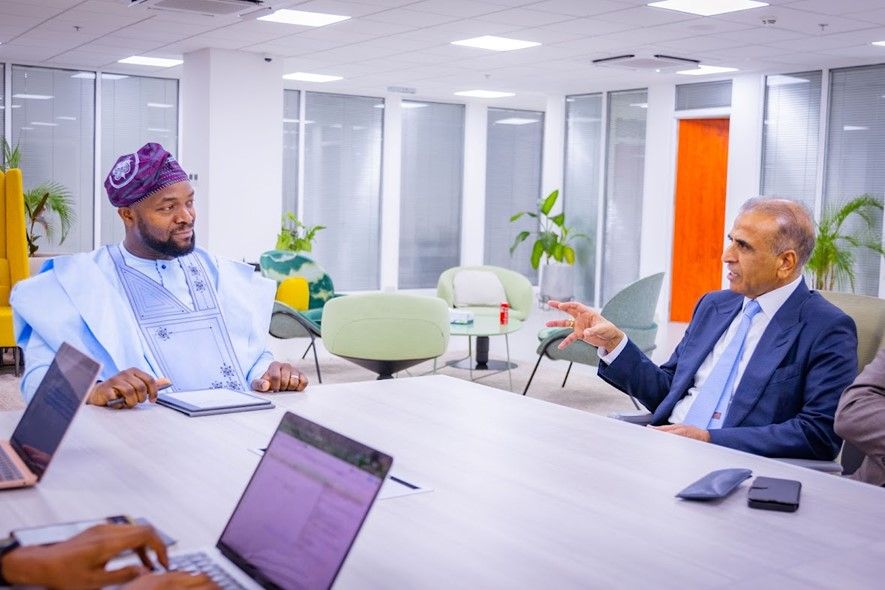
Airtel Africa’s Founder and Chairman, Sunil Bharti Mittal, KBE, led a delegation to Nigeria on Wednesday, March 28, for a series of pivotal meetings aimed at strengthening partnerships and fostering collaborative growth opportunities with the Nigerian government. Joined by Airtel Africa’s Group CEO, Dr. Segun Ogunsanya, and CEO-designate, Sunil Taldar, the delegation embarked on a high-level engagement agenda in Abuja.

The first stop for the esteemed delegation was a meeting with the Minister of Communications, Innovation, and Digital Economy, Dr. Bosun Tijani. This strategic dialogue, attended by Airtel Nigeria CEO, Carl Cruz, provided a platform to discuss potential collaborations between Airtel and the government, particularly in key areas such as data penetration, infrastructure development, and digital inclusion.No alt text provided for this image

Additionally, Carl Cruz, accompanied by Femi Adeniran, Director of Corporate Communications and CSR, and Shola Adeyemi, Chief Legal and Regulatory Affairs Officer, convened a breakfast meeting with the Minister of Finance and Coordinating Minister of the Economy, Mr. Wale Edun. The discussions focused on advancing ongoing engagements and strategic initiatives, with a particular emphasis on enhancing financial inclusion, a core pillar of Airtel’s operations.

Speaking on the engagements, Sunil Bharti Mittal emphasized Airtel’s unwavering commitment to supporting the aspirations of communities across its operational areas. He expressed enthusiasm for partnering with the administration of President Bola Tinubu to drive initiatives related to financial inclusion, data penetration, infrastructure development, and the advancement of a vibrant digital economy.

Airtel Africa remains dedicated to driving socio-economic development in Nigeria and looks forward to further collaborations with the government to unlock shared prosperity and create lasting impact for the Nigerian people.