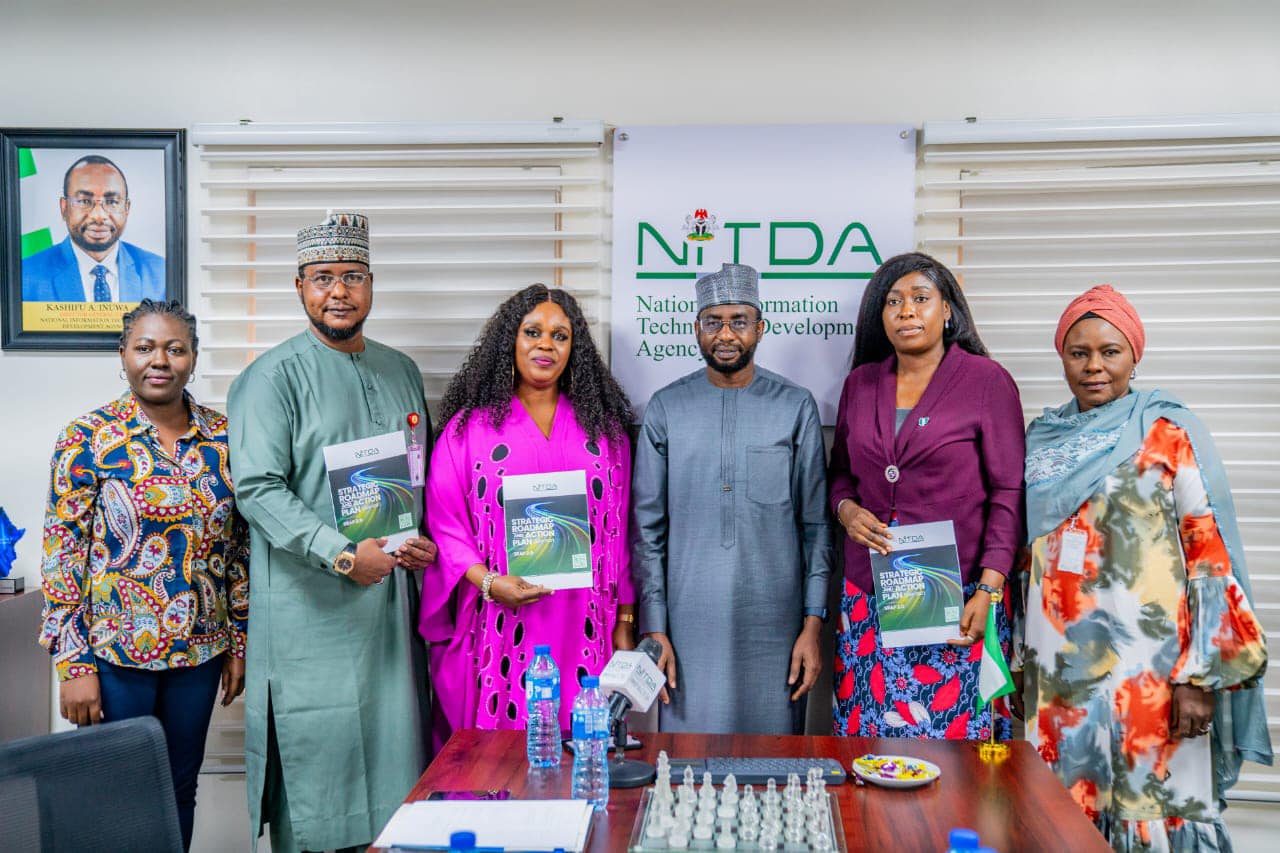
The National Information Technology Development Agency (NITDA) was pleased to host an esteemed delegation comprising the Senior Special Assistants to the President on Community Engagement. The delegation included Hon. Abdullahi Tanko Yakasai (North West), Moremi Ojudu (South West), and Barr. Chioma Naeze (South East), who were received by NITDA’s Director General, Kashifu Inuwa CCIE, at the Agency’s Corporate Headquarters in Abuja.

The meeting underscored the pivotal role of collaborative efforts in leveraging technology and digital innovation to spur socio-economic growth and development across Nigeria, with a particular focus on grassroots communities. This engagement is a testament to the shared commitment towards actualizing the President’s Renewed Hope Agenda, aimed at fostering a vibrant and inclusive digital economy.

Director General Kashifu Inuwa CCIE articulated the importance of harnessing technology to bridge socio-economic divides and enhance the quality of life for all Nigerians. He highlighted NITDA’s ongoing initiatives in digital literacy, capacity building, and infrastructure development, which are designed to empower communities and stimulate economic activities at the grassroots level.May be an image of 8 people, people studying, table and text

“Our discussions today reflect a unified vision to drive Nigeria’s digital transformation. By working closely with the Senior Special Assistants to the President on Community Engagement, we aim to implement strategies that will deliver tangible benefits to our people, especially in underserved areas,” stated Inuwa.

Hon. Abdullahi Tanko Yakasai, representing the North West, emphasized the necessity of integrating technological solutions to address regional challenges and boost local economies. Moremi Ojudu, from the South West, discussed the role of digital innovation in enhancing educational outcomes and creating job opportunities for the youth. Barr. Chioma Naeze, representing the South East, focused on the potential of technology to foster entrepreneurship and drive industrial growth in the region.

The meeting concluded with a shared resolve to enhance collaboration between NITDA and the President’s Community Engagement team. Both parties committed to developing and executing projects that align with the national agenda of a diversified and resilient economy powered by digital technology.

This strategic dialogue sets the stage for future initiatives that will not only support the President’s Renewed Hope Agenda but also position Nigeria as a leader in digital innovation and socio-economic development on the African continent.

ATHONY EMEKA NWOSU


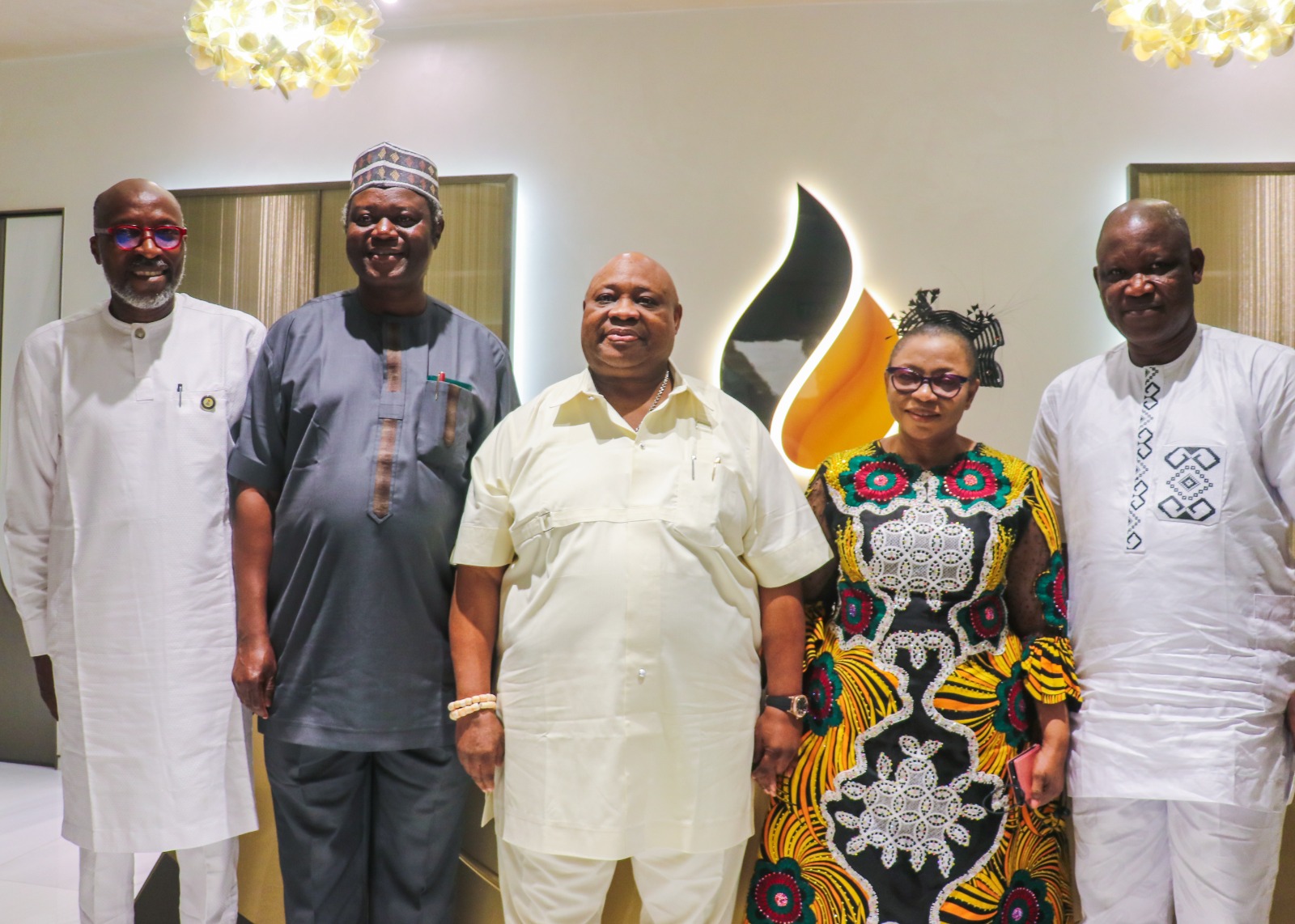
FAMFA Oil Ltd was honored to welcome His Excellency Governor Ademola Adeleke of Osun State, the Asiwaju of Ede, for a courtesy visit at our corporate headquarters. Governor Adeleke was accompanied by the distinguished Vice-Chancellor of Osun State University, Professor Odunayo Clement Adebooye, along with other esteemed state officials.

The visit marks a significant milestone in fostering stronger partnerships between FAMFA Oil Ltd and the government of Osun State. This engagement is pivotal in exploring avenues for collaboration aimed at driving sustainable development and economic growth within the state.

During the visit, the delegation engaged in fruitful discussions with our executive team, focusing on potential initiatives in education, technology, and infrastructure development. Governor Adeleke highlighted the importance of public-private partnerships in achieving the state’s developmental goals and praised FAMFA Oil Ltd for its contributions to Nigeria’s oil and gas industry.

Professor Adebooye emphasized the role of academic institutions in supporting industry advancements and expressed eagerness to collaborate on research and development projects that align with the state’s vision for innovation and progress.


By Progress Oberiko

In today’s interconnected world, relocating to a new country for better opportunities is a common aspiration. However, the reality for many immigrants often involves significant personal and professional upheaval.

Leaving Behind a Lifetime

Immigrants frequently leave behind family, lifelong environments, friends, familiar foods, cultures, homes, and languages. Additionally, they part ways with the careers they have painstakingly built. These changes, often underestimated, become glaringly significant upon arrival in the new country.

A Daunting Job Market

For many immigrants, the job market in their new country proves challenging. Previous work experience from their home country is frequently overlooked. This disregard means that seasoned professionals are often treated as novices, expected to start from scratch in their careers. This situation can be particularly disheartening for individuals who have spent years honing their skills and expertise.

Real-Life Experiences

Numerous stories highlight the struggles faced by immigrants:

A bank manager, after numerous rejections for managerial roles, ends up in customer care.
An individual with a master’s degree and a PhD from Nigeria works as a caregiver in the UK, a role unrelated to their academic and professional background.
A general manager from Nigeria becomes a cleaner in the UK due to an inability to secure a job at a comparable level.

These examples illustrate a reversal in career progression, where immigrants often find themselves regressing rather than advancing in their professional journeys.

Impact on Self-Esteem and Adaptation

Such experiences can significantly impact self-esteem and make adaptation to the new environment difficult. Not everyone can cope with the reality of starting life afresh, which sometimes forces individuals to return to their home countries. This return is not a failure but a move towards finding a place that works for them.

A Call to Employers

This open letter to organizations and employers underscores the need for recognizing the valuable experience immigrants bring. These individuals are not without work experience; many have substantial expertise and leadership roles in their previous countries.

Immigrants should not be relegated to entry-level positions merely because they completed their education or moved recently.
The professional growth and managerial experience gained in their home countries should be acknowledged and valued.

Employers should facilitate a smoother transition for these professionals, enabling them to continue their career progression rather than starting anew. By doing so, they not only support the immigrants’ professional development but also enrich their own organizations with diverse and experienced talent.
Conclusion

As global mobility increases, it is crucial to address the challenges faced by immigrant professionals. Recognizing and valuing their prior experience can help create a more inclusive and supportive job market, benefiting both immigrants and their new communities.


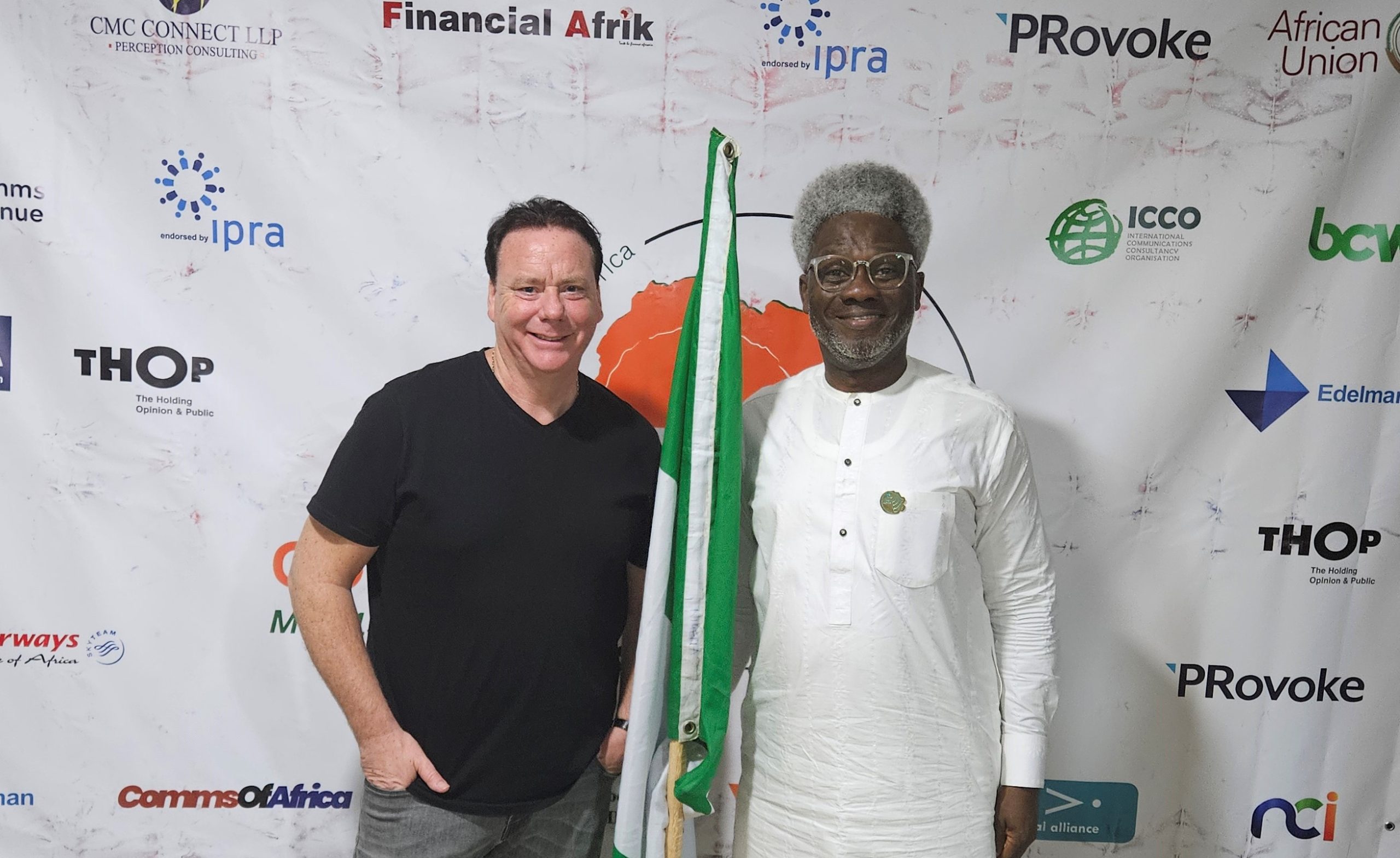
The Head Media Relations at the Nigerian Communications Commission (NCC), Dr. Omoniyi Ibietan, has just been elected the Secretary-General of the African Public Relations Association (APRA) at the ongoing 35th Annual Conference and Annual General Meeting (AGM) taking place in Abidjan, Côte d’Ivoire.

Ibietan was elected into a three-man Executive Council. The other two members are Arik Karani (Kenya), President, and Dr. Michele Mekeme (Cameroon), Vice President.

Ibietan, a fellow of the Nigerian Institute of Public Relations (NIPR) and APRA, has promised to work with other members of the Executive Council to continue the trajectory of reforms in APRA, expand the democratic space by encouraging greater participation of national public relations institutions on the continent.

He has also expressed his readiness and commitment to working more closely with the African Union Commission and Council of Ministers to put public relations at the heart of policy, programmes, and project implementation.

Ibietan, a journalist, writer, and author works at NCC where he oversees aspects of the public communication strategy of the national regulatory authority for telecommunication in Nigeria.

Earlier in Nigeria’s Fourth Republic, he was Special Media Advisor to the Federal Minister of Information and Communication. He has over 20 years of experience in media and communication scholarship and practice, spanning journalism, academia, policy discourse, communication strategy, regulation, and stakeholder relations.

Ibietan earned BA and MA in Communication Arts and Communication & Language Arts from the Universities of Uyo and Ibadan in Nigeria, respectively, graduating atop his classes. Earlier, he obtained a diploma in journalism with distinction from the Moscow-Based International Institute of Journalism.

He holds a Ph.D. in Communication from the North-West University in South Africa, with specialisation in political communication. He is a IP3 certified regulation specialist and holds a mini MBA in telecommunications from NEOTELIS in Paris.

He is also a member of the African Council for Communication Education (ACCE), an Associate Registered Practitioner of Advertising (arpa) and member of the International Institute of Communications (IIC), the world’s only policy debating platform for the converged communications industry.

As a scholar, he focuses on patterns of political communication through new media; media and culture studies; and theoretical & normative foundations of communication in relation to democracy and freedom. He is on the faculty of the Nigerian campus of Italy-based Rome Business School (RBS), where he teaches doctoral students PR & Advertising and Media Management & Communication Strategy. He also facilitates learning to students in the Master of Corporate Communication programme at RBS.

His first book, Social Media, Social Demography, and Voting Behaviour in Nigeria, was published by Premium Times Books in Washington in May 2023. He has travelled extensively in Africa, North America, Europe, and Asia.

At the ongoing conference, Ibietan presented the first paper at the commencement of business sessions titled: Digital Inclusion as Arbiter of Accessible Public Relations: A case of Nigerian Communications Commission.


Using Castells’ Theory of the Network Society and the Knowledge Gap Theory, and based on the actions of the Nigerian government through the activities of the Nigerian Communications Commission (NCC), Ibietan advanced a thesis that digital inclusion is the arbiter of digital public relations.

Through implementation of laws, policies, guidelines, developmental regulation, collaborative partnerships, social investments, operational efficiency and ancillary actions that are consequential and quantifiable, and using copious pictorial evidence, Ibietan discoursed a perspective that NCC’s digital inclusion programmes, projects and activities are foundational to digital economy.

He argued that this is because investment in and coordination of expansion of digital infrastructure, demonstrating their affordances and enhancing people’s access to such resources, constitute the building blocks and raison d’être of digital economy and inherently digital public relations.

APRA, the successor to the Federation of African Public Relations Association (FAPRA), instituted in Nairobi in 1975, exists to foster unity of Africans and their global allies through interactions and exchange of meaning. This year’s theme is ‘One Africa, One Voice: Bridging Africa’s Communication Divide’.

APRA Côte d’Ivoire 2024 is endorsed by the Government of Côte d’Ivoire, the Holding Opinion & Public (THOP), and major global PR associations, namely the International Public Relations Association (IPRA), The International Communications Consultancy Organisation (ICCO), the Global Alliance for Public Relations and Communication Management (GA), the African Union Commission (AUC), and PR national associations across the continent.

Additionally, the conference featured the eight edition of the Innovation Summit (IN2SUMMIT) and included the seventh edition of the SABRE Awards Africa, holding tonight. The APRA secretariat is in Nigeria, and the body maintains an observer status with the African Union.



By Chief Ingram Osigwe( EnyiOh)

Ndewo nu, umunnem!
This piece weighs in on the spike in sudden, tragic death among young Igbo men, especially businessmen in Lagos.

In the past two years I can count more than 30 Igbo men within the age range of 40 & 55 that had suddenly slumped and died in their prime.

Close sources and relatives of these dead men confirmed that prior to slumping and dying, many of them looked physically healthy yet they slumped and died either in their business arena, offices, at home or while exercising.The truth is that causes of the deaths are cardiac arrest and heart attacks.

As an 18 carat Igboman,it saddens me that the life expectancy of Igbo men are short when compared to that of Yoruba, Ijaw, Bini, and Hausa- Fulani men. I can pointedly summarise the triggers and facilitators of these cardiac arrest/ heart attack induced sudden deaths under two headings:

1. Ignorance and Carelessness

2. Lifestyle

* Ignorance and carelessness: I appreciate the tenacity, industry, doggedness and hardwork of Igbo youngmen but a lot of them- mostly from 30 and above- are utterly ignorant of certain health challenges.They are careless and nonchalant about their health. How many of our youngmen know their blood pressure and sugar level status or even what blood pressure and sugar level are all about? Very very few!

Let me state here that it does not cost much to acquire an OMRON or ACCOSON blood pressure and sugar level testing machines.High blood pressure, umunnem, is the black man’s disease, every blackman is prone to it! According to health statistics, over 55% of black men round the world above the age of 40 are prone to High blood pressure.

An uncontrolled high blood pressure can lead to cardiac arrest, heart attack, kidney disease and other organ failures.

The volatility in exchange rates and the arbitrary increase in the prices of commodities as well as other socioeconomic challenges can aggravate pressure on so many men. The onus, however, falls on every active Igboman to always check their blood pressure and sugar levels every morning before setting out or going out for morning exercises.

Yes, blood pressure drugs like EXFORGE are costly due to the high exchange rate but there alot of other cheaper ones like AMLODIPINE which can always come to the rescue. It is frightening to note that alot of our youngmen are walking corpses. Some of them are walking about with blood pressure as high as 180/100 and above and yet look physically strong and healthy.

However, let it be noted that physical looks or seemingly healthy looks does not guarantee wellness .

Is it not an irony that the foreign manufacturers of most goods , foods and drinks we sell and consume live longer while we die prematurely? Something is definitely wrong somewhere!

I hereby urge our people, especially Igbo young men to imbibe the habit of subjecting themselves to comprehensive health checks at the beginning of every year. There are many world class,well equipped Labs in Lagos that we can walk in and check our health status. CLINIX and EL-LAB can come to our rescue . Their branches are dotted over Lagos and are also pocket friendly .
* LIFESTYLE : Unhealthy lifestyle amongst Igbo young men is another sudden death trigger. Our body systems are wired differently hence at a certain age, one should know the kind of drink or food his body tolerates.Some people’s body system tolerate cognac, red wine( semi sweet or dry ),Whisky, Champagne, Rum, Vodka, Gin, Tequila or even beer while others’can’t.

It’s therefore, bad to binge- drink. There are people whose body systems accept certain drinks only but would, out of greed, switch-drink in social functions because the drinks are free.
BINGE – drinking is a very bad drinking habit. It puts pressure on the organs of the body and triggers negative health reactions.
Our brothers who because of greed and the quest to make money quick adultrate these drinks and other consumer items are not also helping matters.

There are unhealthy practices of food vendors and caterers. Some of them, just to impress their clients end up preparing unhealthy foods.
For example,I recently, at a social function tasted salad which was as sweet as sugar! On inquiry, one of the aides of the caterer who prepared it confided in me that her boss used Sprite soft drink and sugar as dressers! Some caterers, I was told, also prepare fried rice with sugar.Quite sad!
How do you explain a situation where, after eating at a social function you go home to start taking doses of Galvus- met and Glucophage to bring down your sugar level?

Another factor that aggravates sugar levels in most of us is small chops served at social events. Most of the small chops are loaded with excess sugar. However, as adults, you can take more of the protein in the small chops- the spring rolls and the samosas and reduce the intake of puff puffs and buns that contain more sugar.

As an event planner, what I do most time is to ask the caterer to reduce to the the barest minimal the sugar content of the small chops considering my target guests, especially if they are more adults than children. As we all know, CANCER feeds on sugar.

Lastly, God has a purpose for making you an African and an Igbo man. For every race, God created and endowed foods that will fit into their flora and fauna. The same God that endowed raw Salmon Sushi for the Japanese, Pizza & Pasta for Italians endowed Ofe Onugbu and Akpu for Ndigbo, Tuwo Masara for Ndi Hausa and Amala and Ewedu for Ndi Yoruba. Try your best to eat healthy organic foods, exercise up to three times every week and leave the rest to God.

May God continue to bless Ndigbo!

Chief Ingram Osigwe,
EnyiOha na Akokwa resides in Lagos.


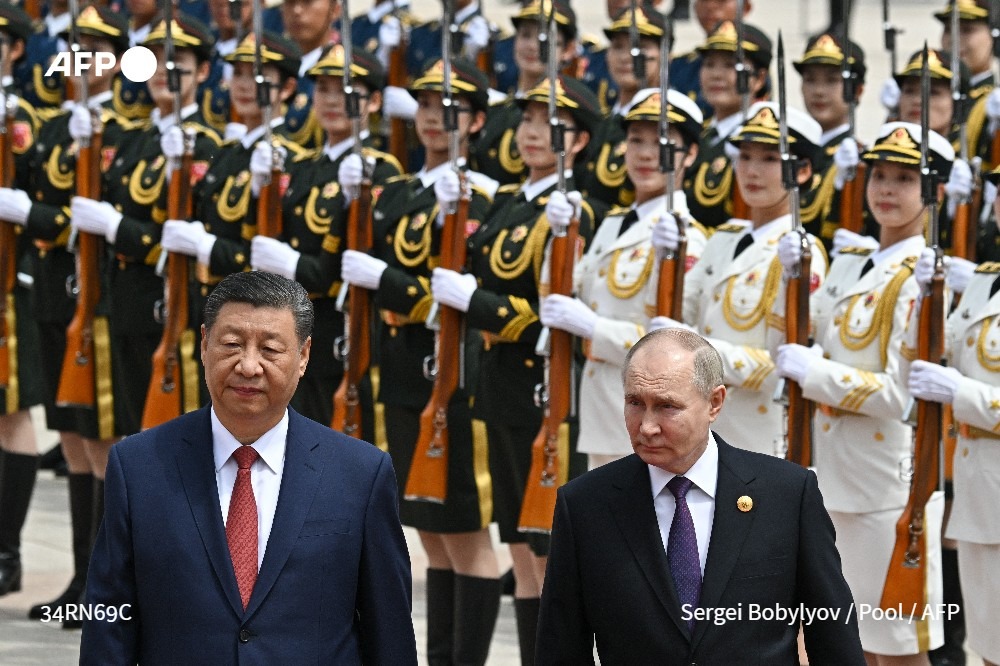
In a significant diplomatic encounter, Russian President Vladimir Putin met with Chinese President Xi Jinping in Beijing, seeking to bolster Chinese support amidst the ongoing conflict in Ukraine.

During his second visit to China in six months, President Putin emphasized the importance of Sino-Russian relations, describing them as “stabilising factors in the international arena.” This visit underscores the deepening ties between the two nations as they navigate complex global dynamics.

China has emerged as a crucial economic partner for Russia, providing essential support as Western nations have imposed unprecedented sanctions in response to Russia’s military actions in Ukraine.


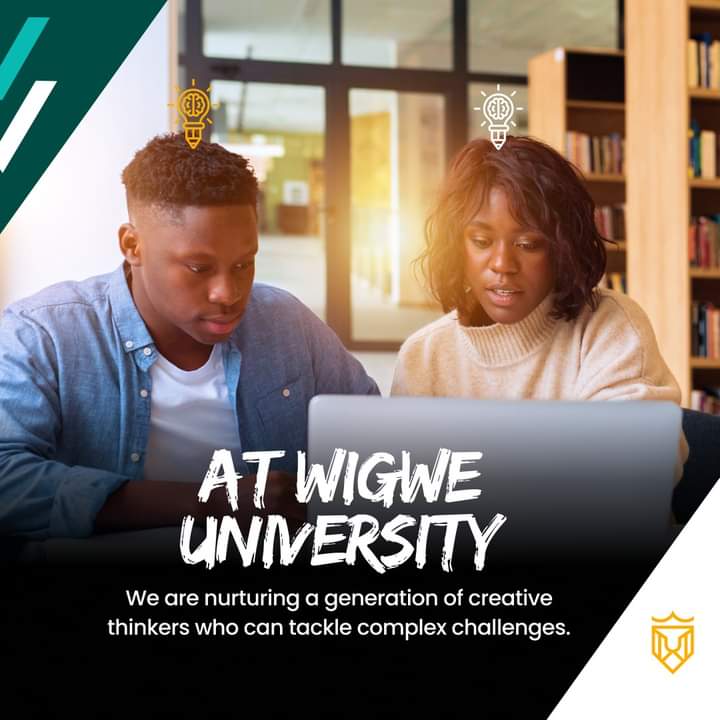
Wigwe University, a new institution in Isiokpo, Rivers State, is poised to offer the most expensive student accommodation in Nigeria, with fees reaching as high as N3,845,000 per session. This announcement comes ahead of the university’s official launch, set to take place in 130 days.

The university, founded by the late Dr. Herbert Wigwe, who tragically passed away in a helicopter accident on February 9, 2024, along with his wife, Mrs. Doreen Wigwe, and son, Mr. Chizi Wigwe, has detailed its accommodation plans on its official website.

The breakdown reveals two primary options for student housing: a luxury single-bedroom apartment at N1 million per month and a premium one-en-suite bedroom plan at N3.8 million per session. Additional plans include the Classic 1 and Classic 2 options, priced at N3,707,000 and N3,500,000 per session, respectively.

Professor Miles Davis from the United States has been appointed as the university’s first vice-chancellor. Under his leadership, Wigwe University aims to set new standards in higher education and student living.

The institution’s tuition fees are also among the highest in the country, approaching N25 million per year, reinforcing its position as the most expensive university in Nigeria.

– Stephen Peters


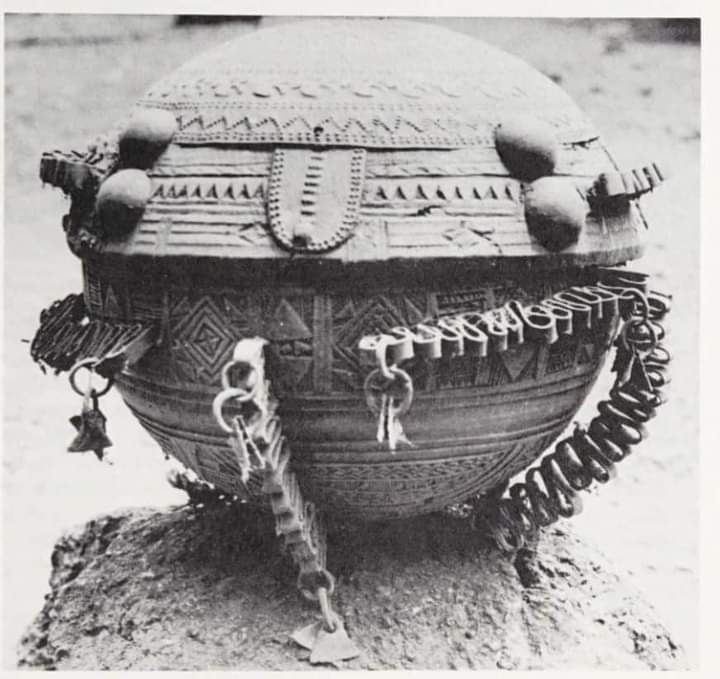
Revisiting history, In a remarkable turn of events in 1938, Nigerian farmer Isaiah Anozie stumbled upon an extraordinary treasure trove while tending to his land. Delving into the earth, Anozie unearthed a collection of exquisite cast bronze artifacts, illuminating the existence of an ancient ceremonial center that thrived over a millennium ago.

Over the subsequent two decades, further excavations revealed a wealth of bronze artifacts, glass beads, and pottery, providing compelling evidence of a sophisticated and affluent society that flourished in what is now Nigeria from the 9th to 11th centuries C.E. Known as Igbo-Ukwu, this civilization left behind a legacy of remarkable artistry characterized by intricate designs laden with symbolic significance. Many scholars speculate that Igbo-Ukwu may have laid the foundation for the Igbo people, a prominent ethnic group in Nigeria.

The inaugural large-scale excavation of Igbo-Ukwu took place in 1959 under the guidance of British archaeologist Thurston Shaw. This endeavor unearthed three distinct sites—dubbed “Igbo Isaiah,” “Igbo Richard,” and “Igbo Jonah”—each offering unique insights into the multifaceted aspects of Igbo-Ukwu society. Igbo Isaiah revealed an array of ornate bronze artifacts including vessels and jewelry, while Igbo Richard yielded evidence of elaborate burials adorned with glass beads, textiles, and bronze articles. Igbo Jonah, on the other hand, appeared to be a repository of discarded ceramics and additional bronze items.

The significance of the bronze artifacts from Igbo-Ukwu lies not only in their aesthetic allure but also in their symbolic connotations. Notable among these treasures is the Vase with Rope, a bronze creation mimicking a ceramic vessel entwined with knotted rope. Similarly, the Shell Vessel with Leopard showcases intricate depictions of leopards, hinting at the societal significance of power and prowess.

While some artifacts, such as those featuring leopard motifs, suggest associations with authority, others, like the enigmatic Double Egg Pendant, evoke themes of fertility and influence, albeit with interpretations still shrouded in mystery.

Dating back to the 9th to 11th centuries C.E., these artifacts stand as the oldest known cast bronze objects in West Africa, underscoring the extent of Igbo-Ukwu’s involvement in local and regional trade networks, possibly extending as far as Egypt and India.

Despite these revelations, questions regarding the organizational structure of Igbo-Ukwu society and the reasons behind its eventual abandonment remain unanswered. Nevertheless, the discovery of Igbo-Ukwu offers a glimpse into a bygone era of opulence and connectivity, predating other renowned Nigerian civilizations such as Ile-Ife and Benin bronze.


Anthony Emeka Nwosu


  • Green hydrogen must be produced efficiently to minimise the costs of production and demand for renewables.
  • Conversion of electricity to hydrogen currently creates an energy loss of roughly 30% but there are technologies available today to reduce this loss.
  • Efficient converters can increase the overall efficiency of green hydrogen production by roughly 1% – enough to power London for almost four years.


A new Danfoss Impact paper reveals that with hydrogen production set to consume more than half of today’s electricity demand by 2050, energy efficiency in its production is paramount. Decisive steps must be taken to scale its production for use in the hard to abate sectors, without putting an unmanageable strain on renewable energy production or financial resources.


Danfoss calls for a nuanced approach to green hydrogen, because it will play a critical role in the transition away from fossil fuels. However more focus needs to be put on how we use and produce green hydrogen in the most efficient way, lowering cost and the demand for renewables.


Crucially, hydrogen production should be recognised as a limited resource that must be strategically allocated to sectors that are otherwise challenging to decarbonise such as heavy industry and long-distance transport.


“The potential of hydrogen as a clean energy carrier is immense,” stated Mika Kulju, President, Danfoss Power Electronics and Drives“But it must be produced efficiently to minimise costs, and we need to deploy it judiciously. To maximise its impact, which is paramount, green hydrogen should be channelled into sectors where alternatives to fossil fuels are limited, ensuring the greatest reduction in greenhouse gas emissions.”


With green hydrogen production requiring immense amounts of electricity, energy efficiency in its production is vital to its sustainability. While current green hydrogen conversion processes incur an energy loss of approximately 30%, existing technology can minimise this loss. For instance, efficient converters converting alternating current (AC) to direct current (DC) for electrolysers can increase overall production efficiency by roughly 1%. Though seemingly small, a saving of 1% of the electricity demand in 2050 for hydrogen is enough to power London for almost four years.

Hydrogen holds significant promise in many countries’ climate strategies, with substantial funding programmes underway globally. However, rapid action is necessary. To realise the goals set by the Paris Agreement, global electrolysis capacity must reach more than 550 GW by 2030. Green hydrogen production can grow massively by 2030, but cost challenges are hampering deployment.

In fact, hydrogen-dedicated renewable energy capacity is expected to grow by 45 GW between 2022 and 2028, some 35% lower than forecast a year ago due to slow progress on real-world implementation, the International Energy Agency (IEA) said in its latest Renewables report.


“Hydrogen is no silver bullet, but we need to speed up cost-efficient, green hydrogen production because there is no doubt that hydrogen will play a crucial part in the green transition,” stated Mika Kulju.


Recovering excess heat from electrolysis is another vital energy efficiency measure. Hydrogen production creates incredible amounts of excess heat. In the EU alone, about 114 TWh can be recovered already by 2030, enough to cover Germany’s current domestic heating more than two times.


Mika Kulju added: “The potential of recovering excess heat from electrolysis is so enormous that it would be a severe policy mistake not to consider it when planning future energy infrastructure. That’s also why it’s so critical to set the right regulatory and economic framework for an efficient large-scale rollout of hydrogen.” 


The new Danfoss Impact paper, “Green hydrogen: A critical balancing act”, presents a balanced approach to hydrogen where efficiency and affordability play a key role.


Key takeaways:

  • By 2050, hydrogen production will require more than half of today’s total electricity demand.
  • Green hydrogen should be considered a limited resource and prioritised for sectors that are otherwise hard to decarbonise.
  • Hydrogen currently remains concentrated in traditional applications, but a rapid upscaling in hard to abate sectors like heavy industry and long-distance transport is necessary.
  • Green hydrogen must be produced efficiently by minimising the cost, energy loss, and energy demand of its production.
  • Conversion of electricity to hydrogen currently creates an energy loss of roughly 30% but there are technologies available today to reduce this loss.


Download the full Danfoss Impact paper here.


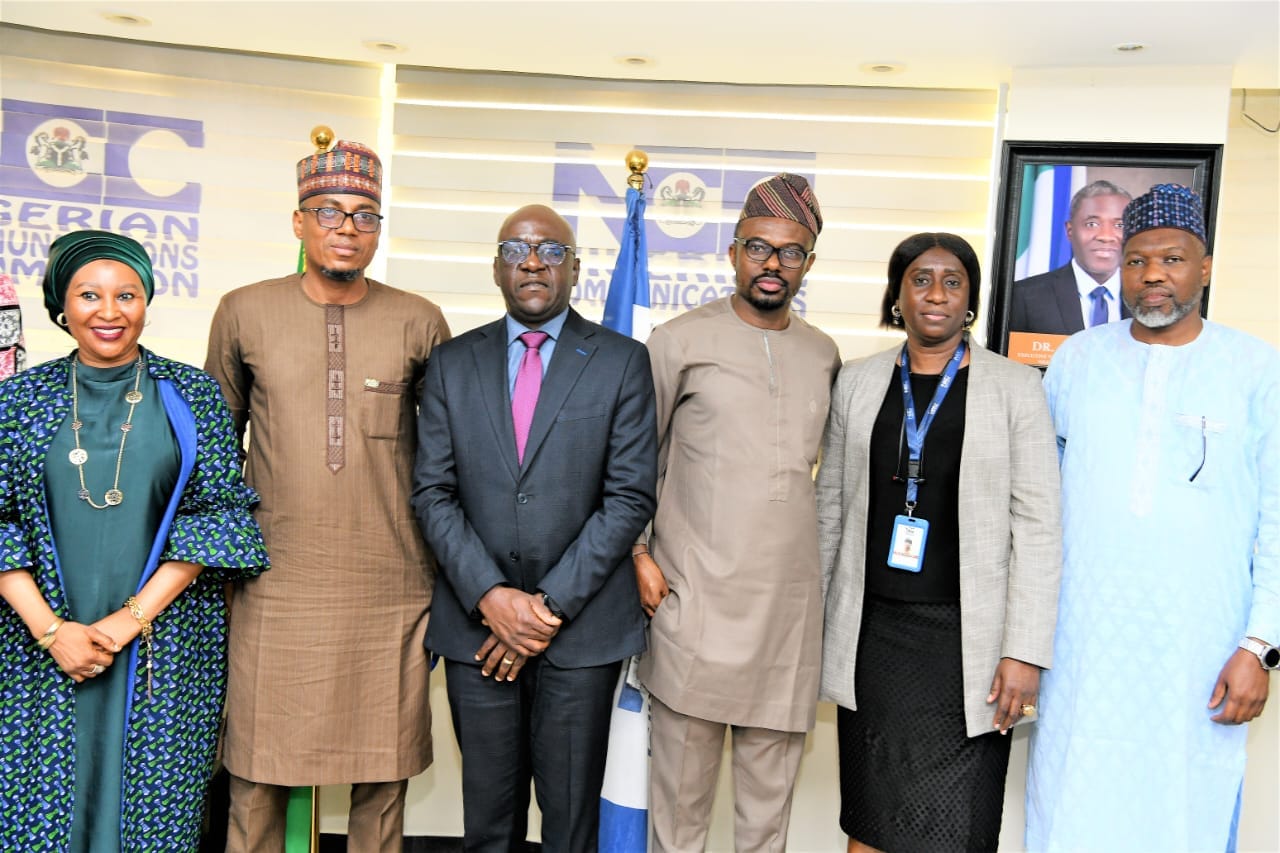
The Nigerian Communications Commission (NCC) welcomed the leadership of the Nigeria Computer Society (NCS) earlier today in a courtesy visit at its headquarters. Representing the Executive Vice Chairman, Dr. Aminu Maida, the Acting Executive Commissioner, Technical Services, Engr. Abraham Oshadami, received the delegation led by the President of NCS, Dr. Muhammad Sirajo Aliyu, FNCS.

The visit provided an opportunity for the NCS leadership to engage with NCC officials, sharing insights into the society’s advocacy initiatives, flagship programs, and ongoing projects. Additionally, the delegation expressed its interest in fostering collaboration between NCS and the Commission to advance mutual goals in the telecommunications and technology sectors.

During the meeting, Engr. Abraham Oshadami reiterated NCC’s commitment to supporting initiatives that promote innovation, digital inclusion, and technological advancement in Nigeria. He welcomed the opportunity for closer cooperation between NCC and NCS, recognizing the potential for synergy in addressing key challenges and driving sustainable development in the ICT ecosystem.

Dr. Muhammad Sirajo Aliyu, FNCS, extended gratitude to NCC for the warm reception and expressed optimism about the prospects of collaboration between the two organizations. He emphasized the importance of partnership in harnessing the transformative power of technology to address societal needs and accelerate national development.

The courtesy visit underscored the shared commitment of NCC and NCS to promoting a vibrant and inclusive digital economy, leveraging technology for the benefit of all Nigerians.

brella organization of all IT professionals, interest groups, and stakeholders in Nigeria. Established in 1978, NCS promotes the use and application of information and communication technology (ICT) for sustainable national development. NCS engages in advocacy, capacity building, and networking activities to advance the ICT profession and industry in Nigeria.