
To fully embrace solar technology, it is simply not enough to install a solar system and stop there. As our lives evolve, to adequately adjust living to successfully exist within an always-on environment, solar installations are just the first step, albeit a critical one. Technology company Versofy SOLAR, who made its entry into the South African market via the solar sector, says that consumers need to look beyond solar when planning their alternate energy approach, recognising that smart technology, and the Internet of Things (IoT), in the home, is where the future of solar is headed.


The Internet of Things is the communication between a network of interoperable devices that can work with each other, as a big information system. According to Ross Mains-Sheard, Co-Founder and CEO of Versofy SOLAR, consumers need to become comfortable with IoT and the critical role it plays in managing the energy generated by solar panels.


“The use of IoT technology can assist in increasing overall household efficiencies, optimising the consumption of resources as well as eliminating waste and making the running of a home as cost effective as possible. Versofy’s aim is to bring these improvements into people’s homes to benefit the environment as well as household budgets,” says Mains-Sheard.


He says that managing a home’s power usage through smart technology is only part of a trend that has seen the Internet of Things increasingly drive and control home appliances and devices remotely. “Using this technology to manage our solar systems is just one step in the process to equip our homes to manage the planet’s, and our own resources better.”


The company has developed their Versofy HOME app, which uses IoT technology and is putting control of the generation, storage and consumption of solar power into the hands of its customers: “For us, it is not about selling panels, rather it is about building a community of solar-empowered consumers that are able to benefit from all that solar technology has to offer.” Going beyond a simple solar installation, he says that Versofy’s systems manage electricity consumption in the home, taking advantage of daylight hours and diverting power usage for optimum performance. The smart system, together with IoT devices, will shift electricity loads when batteries are reaching capacity. Once a battery is full, any power generated by panels is redundant and effectively wasted and so incorporating this kind of technology into the home maximises the utility and cost effectiveness of the system.


Smart technology means that Versofy’s smart solar system considers periods of loadshedding, recognises usage patterns and weather conditions, and can manage inflow and output of electricity accordingly.


“Versofy’s HOME app is the foundation on which other technologies will be integrated in the future, including managing water and related devices such as heat pumps, pool pumps and geysers,” says Mains-Sheard. “We are not just a solar company, rather we are a technology focused, alternate energy company committed to growing a local community of solar-powered consumers.”


He says that intelligent and connected living spaces using IoT are the future for environmentally and budget conscious homeowners. Monitoring and controlling heating and lighting systems, home security, smart entertainment and even environmental factors such as humidity and air quality, using technology via a centralised app, helps people better manage their consumption of the world’s natural resources and to run a home as efficiently and cost effectively as possible, and this starts with a fully integrated solar system.
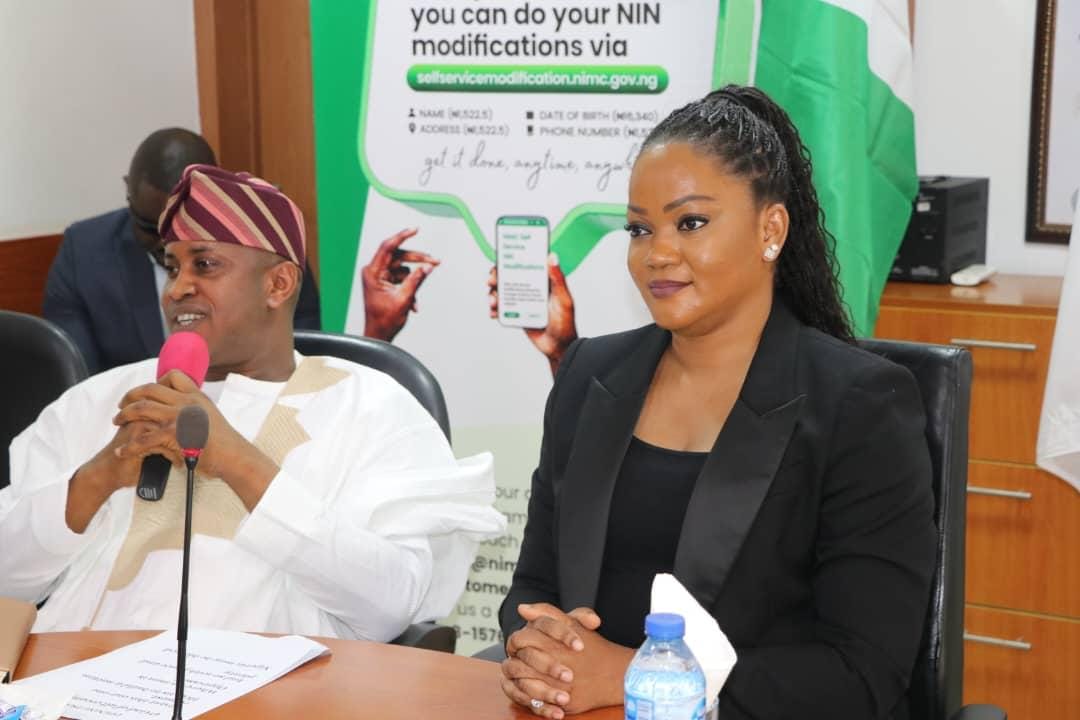
 

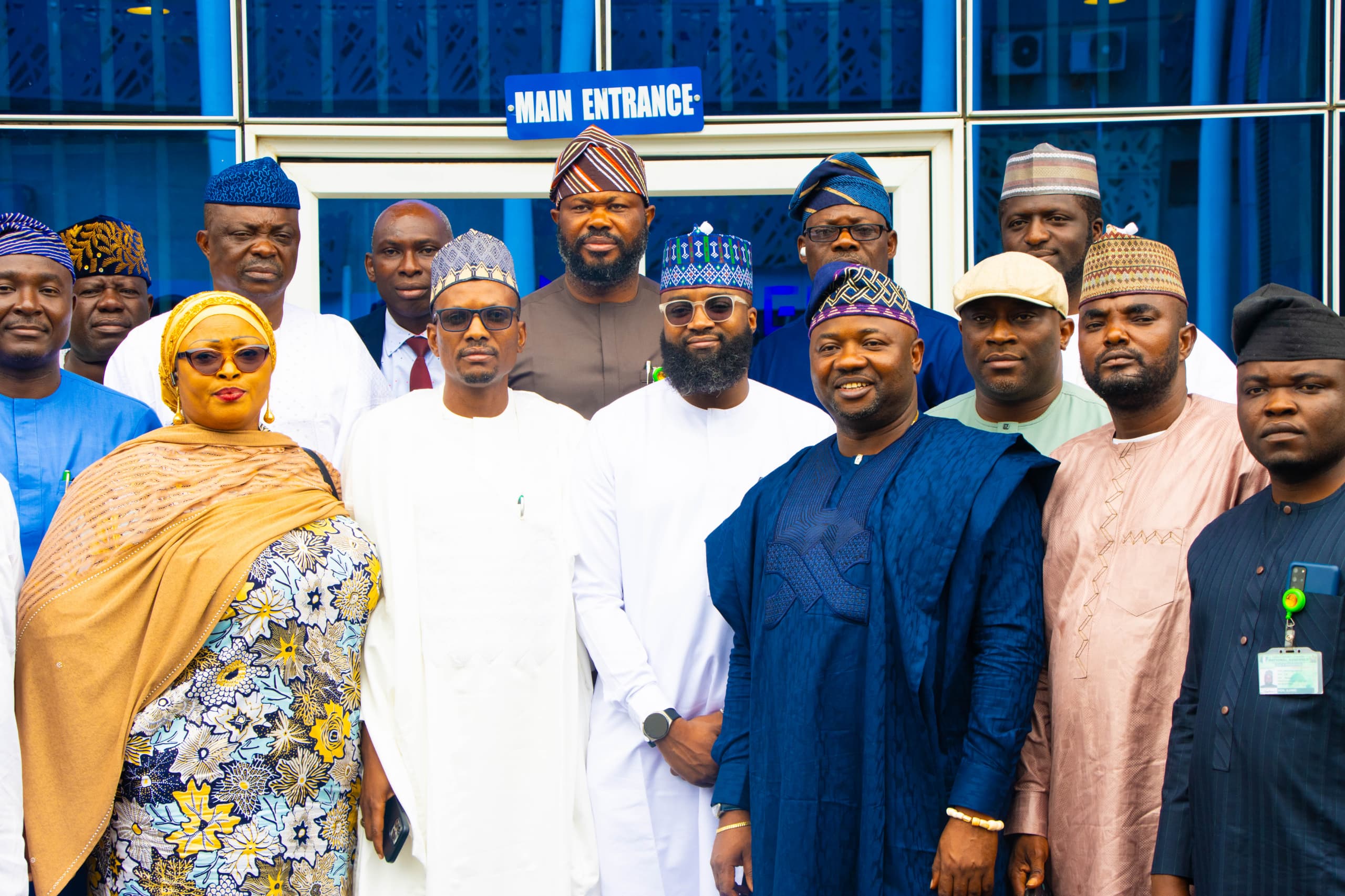
The NIMC Management led by the DG/CEO, Engr. Abisoye Coker-Odusote welcomed the Honourable members of the House of Representatives’ Committee on National Population and Identity led by Honourable Okunjimi John Odumayo on a courtesy visit at the NIMC Corporate Headquarters in Abuja.

Engr Coker-Odusote, in her welcome address, thanked the Chairman of the House of Representatives committee and other members for the courtesy visit. She stated that the commission has enrolled over 107 million Nigerians and legal residents.

Furthermore, Engr Coker-Odusote reiterated the commission’s efforts to extend the NIN enrollment to wards and schools and that the pre-enrollment software will soon be available for Nigerians.

The chairman of the House Committee on National Population, Honourable Odumayo, appreciated the DG/CEO and the NIMC management for the warm reception and the milestones recorded by the NIMC. He noted that the visit was intended to familiarise the Honourable members with the workings of the Commission.

The House of Representatives members were taken on a tour of the National Identity Database.


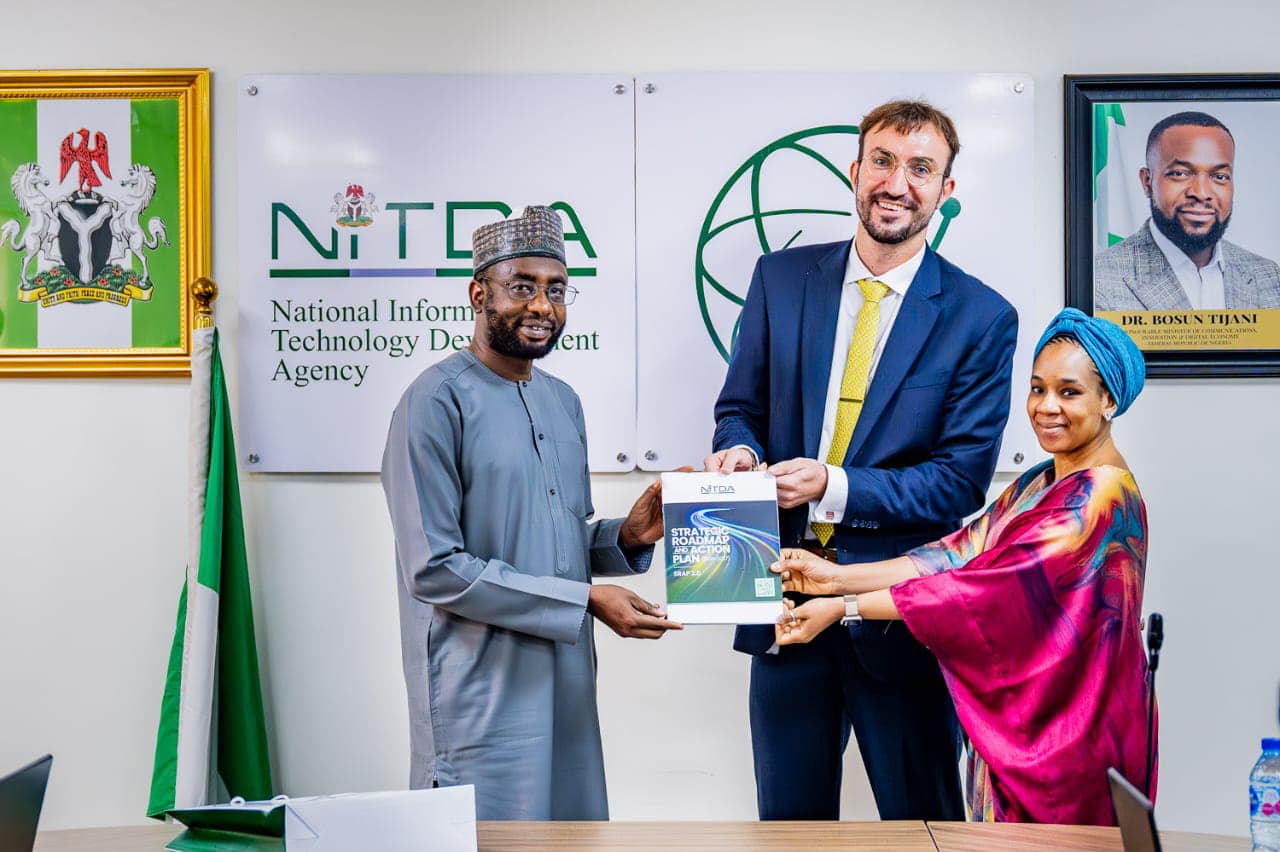
The National Information Technology Development Agency (NITDA) was honored to receive a distinguished delegation from the World Bank and the World Trade Organisation (WTO) for Digital Trade Engagement at its Corporate Headquarters in Abuja. The delegation, led by Aleksandar Stojanov, engaged in a productive meeting with NITDA’s Director General, Kashifu Inuwa Abdullahi, CCIE.

The primary purpose of this visit was to delve into priority areas of digital trade and share initial findings from the recently conducted Digital Trade Regulatory Gap Analysis. The discussion provided an invaluable platform for identifying and addressing regulatory gaps, and exploring avenues for collaboration in the realms of digital trade, cross-border data services, and digital regulations.

“This visit is a significant step towards enhancing Nigeria’s position in the global digital economy,” said Kashifu Inuwa Abdullahi. “By aligning our efforts with international bodies like the World Bank and WTO, we are committed to fostering a robust digital ecosystem that supports economic growth and diversification.”May be an image of 1 person, newsroom and dais

Key topics covered during the meeting included:

– Digital Trade:** Strategies to enhance Nigeria’s digital trade capabilities and integration into the global digital economy.
– Cross-Border Data Services:** Exploring frameworks to facilitate secure and efficient cross-border data flows, which are essential for modern digital trade.
– Digital Regulations:** Identifying regulatory improvements to support innovation and protect digital transactions and data.

The collaborative efforts aim to strengthen Nigeria’s digital trust, drive economic growth, and support the country’s diversification agenda. These objectives are in line with the Renewed Hope Agenda’s focus on accelerating diversification through industrialization, digitization, and innovation.

“The insights shared today will guide our ongoing efforts to create a more conducive environment for digital trade and economic development,” added Aleksandar Stojanov. “We look forward to continued partnership with NITDA to achieve these goals.”


The National Information Technology Development Agency (NITDA) is committed to implementing the National IT Policy to drive the development and regulation of information technology in Nigeria. By fostering a robust IT infrastructure and promoting innovation, NITDA plays a crucial role in enhancing Nigeria’s digital economy.


By Bryan Hamman, Regional Director for Africa at NETSCOUT


Within the constantly-fluid cybersecurity arena, Distributed Denial of Service (DDoS) attacks present a formidable challenge. The staggering frequency and impacts of these attacks are often underestimated, yet they are a relentless threat, disrupting the very fabric of the internet.

NETSCOUT’s ASERT team documented over 10 million DDoS attacks in 2023, averaging over 30,000 attacks daily. This equated to more than 1,000 attacks every hour globally, with a new attack being launched nearly every 2.5 seconds. This sheer volume underscores the critical need for robust and adaptive defences.

The nature and scope of DDoS attacks

DDoS attacks target the capacity and state of applications, services and infrastructure, aiming to disrupt their availability. Attackers exploit compromised online resources, inflicting significant damage, but with minimal cost to themselves. The asymmetry thus lies in the attackers’ access to virtually unlimited resources, while defenders face substantial burdens in mitigating these threats. Telecommunication providers, often the frontline defenders against DDoS attacks, encounter terabit-per-second (Tbps) and hundred million-packets-per-second (Mpps) attacks regularly.

Understanding this imbalance, and knowing how to counteract it, is the key to a successful DDoS defence.

While these statistics are quite sobering by themselves, it is even more concerning that attackers can wreak all this havoc while leveraging only a small percentage of the abusable DDoS attack resources of any given type. ASERT’s global research scanner reveals a potential of around 1.5 million Domain Name System (DNS) reflector amplifiers on any given day, but less than 10 percent are abused by DDoS attackers. This highlights the latent threat of untapped resources that attackers could exploit.

In addition to the global pool of available reflectors/amplifiers, adversaries continue to add to the number of bots capable of launching DDoS attacks, amplifying potential threats even further.

Empowering defenders with adaptive intelligence

However, no matter the amount of attack resources an adversary can wield, organisations can still defend themselves against even the most complex attacks using adaptive, scalable defence strategies. Thanks to strong collaboration, predictive and proactive mitigations, as well as advanced threat intelligence, we’re better equipped to face these challenges head-on, and are able to proactively turn the tables on attackers and mitigate the asymmetric nature of DDoS threats.

The combination of NETSCOUT’s DDoS defence expertise, coupled with its worldwide visibility into the global DDoS attack trends, ensures that organisations can expertly and proficiently mitigate the largest and most complex DDoS attacks at true internet scale, safeguarding the integrity of their digital infrastructure.


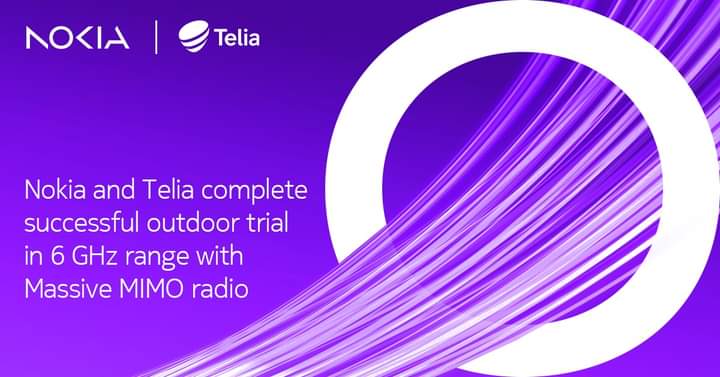
Nokia is proud to announce a groundbreaking deployment solution that promises to revolutionize the way mobile network capacity is expanded. This new method enables faster deployment while significantly reducing environmental impact, resulting in fewer carbon emissions compared to the traditional approach of constructing new sites to add capacity.

Mark Atkinson, Head of RAN at Nokia, emphasized the benefits of this innovative solution: “This field pilot demonstrates that Nokia is fully prepared to assist mobile operators in integrating the bandwidth from new spectrum allocations seamlessly into their existing networks. By leveraging the higher frequency bands, we can enhance coverage efficiently from the current macro cell sites. This approach not only expedites deployment but also aligns with our commitment to sustainability by minimizing environmental impact.”

Nokia’s AirScale portfolio, already recognized as an industry leader, will be further bolstered by enhancements to our Massive MIMO solutions. These advancements are designed to meet future network demands and support our customers’ ongoing network evolution journey. The integration of new spectrum allocations into existing infrastructure ensures that mobile operators can provide improved coverage and capacity without the need for extensive new construction projects.

Atkinson added, “Our customers are facing increasing demands for high-speed, reliable mobile connectivity. Nokia’s advanced solutions are designed to meet these challenges head-on, providing a future-proof path for network evolution. Our commitment to innovation and sustainability drives us to develop solutions that not only deliver superior performance but also contribute to a greener planet.”

This announcement underscores Nokia’s position at the forefront of telecommunications technology, showcasing our dedication to delivering cutting-edge solutions that cater to the evolving needs of mobile operators worldwide. By prioritizing both efficiency and environmental responsibility, Nokia continues to lead the industry towards a more sustainable future.


         …As House C’tte on NASENI Lends Its Support

The Executive Vice Chairman/Chief Executive Officer, National Agency for Science and Engineering Infrastructure (NASENI), Mr. Khalil Suleiman Halilu, has assured the House of Representatives Committee on NASENI that the Agency’s branded commercial products that have been unveiled are market ready and SON certified.

Mr. Halilu disclosed this on Thursday in Abuja when the House Committee on NASENI paid an oversight visit to the Agency’s Headquarters to inspect its products and projects towards robust research in technological advancement in Defense/Security Sector, Agricultural Sector, Infrastructural Sector and others.

Amongst the recently unveiled NASENI products included NASENI Laptop, Android Smartphone, Lithium Battery, LED Solar Street Light, Solar Irrigation System, Electric Bicycle, Electric Keke (passenger and Cargo types). The EVC used the visit to showcase two newly branded NASENI electric vehicles (EV) to the lawmakers.

According to Halilu, NASENI has been at the forefront of driving Nigeria’s technological advancement and industrialization. “Over the past few months, we have implemented several key initiatives aimed at transforming our operations from primarily research-based activities to commercialization of our products and services.”

“This transformation is essential for us to contribute more effectively to the national economy and to achieve sustainable development goals,” he said, adding that 85 per cent of NASENI projects are on counterpart funding. “We don’t want to invest alone in what we do and that is why we work with our 3C’s principle of Collaboration, Creation and Commercialization, thereby engaging the services of private sector by partnering with them to ensure that we deliver on our mandate.

He stated that about 35 products of NASENI under his watch are market ready. “We are ready for Nigerian market and we want the honourable members to be our first ambassadors through patronage and others. Also, we are establishing show-rooms in all the 36-states of the federation for the marketing of our products. Every activity we do, we have commercial plan. We don’t want our products to end up in shelves, but to get to the end users”, he stated.

Highlighting the achievements of NASENI so far, the EVC/CEO listed some of them to include: Innovation and Research Development, Product Commercialization, Renewable Energy Projects and Capacity Building. He called on the lawmakers to keep supporting NASENI to deliver both capital and consumer goods to the nation, including creating jobs for the teeming Nigerian youths.

In his speech, the Chairman, House Committee on NASENI, Hon. Otunba Abimbola Ajilesoro, said the essence of the oversight visit was to have an opportunity to interact with the Agency towards robust research in technological advancement in Defense/Security Sector, Agricultural Sector, Infrastructural Sector and other areas of human endeavours, adding that it will in turn save and bring in much needed foreign exchange that will impact positively on the economy.

He pointed out that the committee has been following the activities of the Agency. “We have been hearing NASENI branded products, NASENI Laptops, NASENI Android Smartphone, NASENI Lithium Battery, NASENI LED Solar Street Light, etc. The Committee deemed it necessary to see for ourselves, these products and other technologies that will enhance Nigeria’s economy.”

Speaking on the mandates of NASENI Development Institutes, he assured NASENI of the Committee’s readiness to support it in the areas of Appropriation and Legislative framework that will strengthen the Establishment Act to enable the Agency deliver effectively.

“However, while the committee will continually give all necessary support periodically, it will demand for accountability and value for money in the implementation of its lofty programmes embedded in the mission and vision of the Agency. This would enable us expand, deepen and create an enduring part for a sustainable technological advancement, thereby enabling the nation to  become an Industrial hub amongst the comity of Nations”, he said.


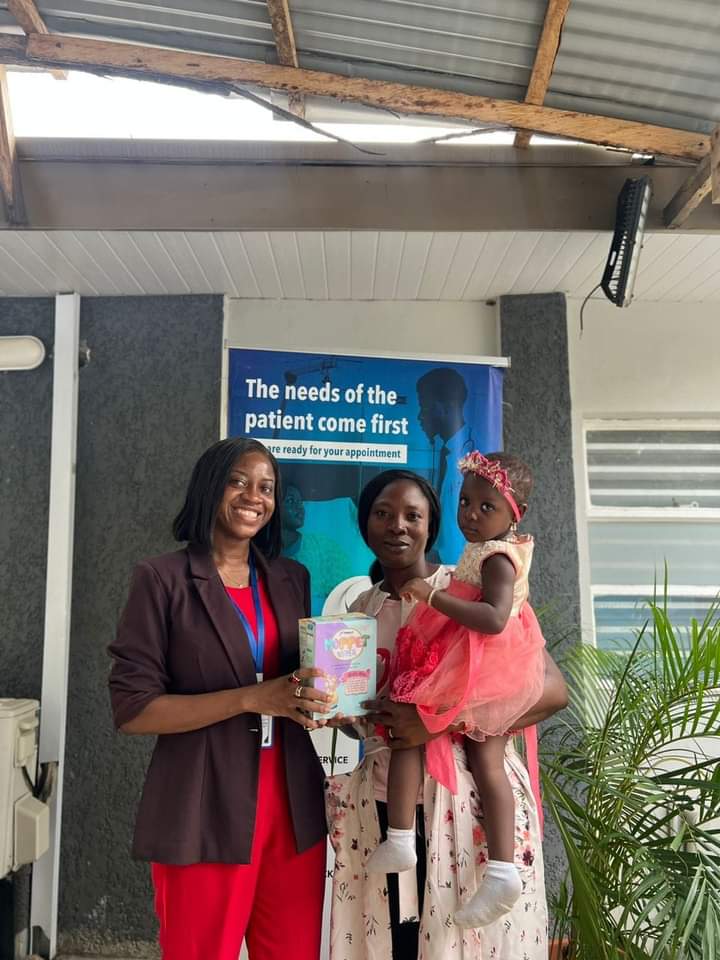
Moppet, the latest wholesome baby formula on the market, proudly announces its recent partnership with Finnih Medical Centre to support infant nutrition and combat malnutrition. This meaningful collaboration marks a significant step in Moppet’s mission to ensure every child has access to nutritious meals.

Engr. Betty Edu, Founder and CEO of Moppet, expressed her enthusiasm for the initiative: “Last week, we partnered with Finnih Medical Centre in a meaningful initiative. Our collaboration allowed us to distribute Moppet packs to many families, providing nutritious meals to those in need and reaching parents seeking healthy alternative meals. This initiative is part of our ongoing mission to end hunger and combat malnutrition, ensuring that every child has access to rich, premium, and 100% natural, healthy food options.”

She continued, “When parents are informed about and have access to healthy alternatives, they are empowered to make better choices for their children’s well-being. We hope that through this initiative, we can inspire more parents to choose nutritious meals and support those who may not have the means to afford them.”

Engr. Edu extended her gratitude to Finnih Medical Centre and the parents involved in this initiative: “A big thank you to Finnih Hospital for their collaboration and to the incredible parents who are making strides towards healthier lifestyles for their children. Together, we are nurturing the future!”

This partnership underscores Moppet’s commitment to addressing hunger and malnutrition among children by providing high-quality, natural food options. The company looks forward to further collaborations and initiatives aimed at improving child health and nutrition.

Moppet is a pioneering baby formula brand dedicated to providing rich, premium, and 100% natural healthy food options for infants. Founded by Engr. Betty Edu, Moppet aims to end hunger and combat malnutrition, ensuring every child has access to nutritious meals.

Finnih Medical Centre is a leading healthcare facility committed to delivering exceptional medical care and services. Their collaboration with Moppet highlights their dedication to community health and well-being.


Dr. Ebenezer Onyeagwu, the outgoing Group Managing Director and Chief Executive Officer of Zenith Bank PLC, was formally inducted into the Chartered Institute of Stockbrokers (CIS). The prestigious induction ceremony was led by the President and Chairman of Council, Mr. Oluropo S. Dada (FCS).

Dr. Onyeagwu was accompanied by his wife, Mrs. Kachi Onyeagwu, and Zenith Bank’s Executive Directors Dr. Adobi Nwapa, Mr. Akin Ogunranti, and Mr. Lawani Adamu. The event marked a significant milestone in Dr. Onyeagwu’s illustrious career, underscoring his contributions to the banking and financial sectors.

Zenith Bank PLC extends its heartfelt congratulations to Dr. Onyeagwu on this well-deserved honor.


**#ZenithBank #CharteredInstituteOfStockbrokers #Excellence**


…As NNPC Plans to Roll Out Six More CNG Stations Nationwide

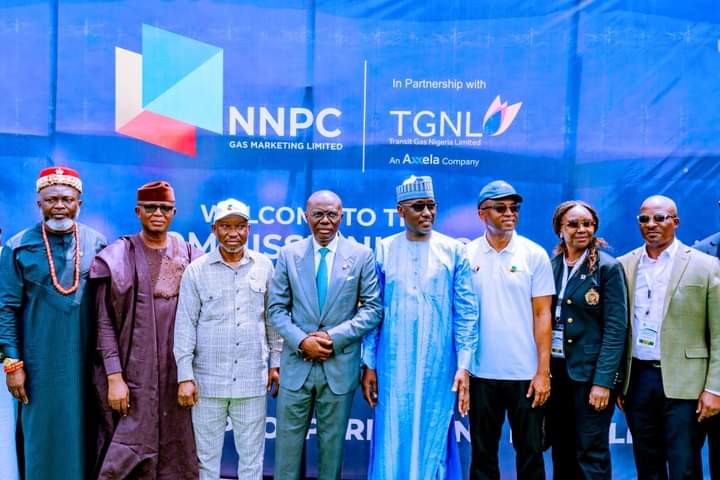
In its continued efforts to provide alternative sources of fuel for Nigerians and lessen the impact of subsidy removal on petrol, the Federal Government has commissioned a 5.2 million standard cubic feet per day (mmscfd) Compressed Natural Gas (CNG) plant in Lagos.

Minister of State for Petroleum Resources (Gas), Rt. Hon. Ekperikpe Ekpo, who commissioned the plant at the Isolo Industrial Area, Ilasamaja in Lagos, on Thursday, said the occasion, under the theme “From Gas to Prosperity: CNG for All,” represents a critical turning point in the development of affordable, sustainable, and secure energy sources in the country.

The Minister described 2024 as a historic year for Nigerians, stressing that through his courageous decision to eliminate fuel subsidies and promote the acceptability and broader use of LPG, President Bola Tinubu has brought about several fresh beginnings in the lives of Nigerians.

“Although the elimination of the Premium Motor Spirit (PMS) subsidy has brought difficulties, it has also given us a once-in-a-lifetime chance to invent and adopt more economical, efficient, and sustainable energy alternatives,” the Minister stated.

Ekpo noted that the use of CNG as a transport fuel is a mature technology used globally, as it is the cleanest burning fuel in terms of Nitro-oxide and soot emissions. While it can be employed to power passenger cars and city buses, CNG passenger vehicles emit 5-10% less CO2 than comparable gasoline-powered passenger vehicles, the Minister added.

Earlier in his remarks, the GCEO NNPC Limited, Mallam Mele Kyari, said that to maintain energy security and provide more access to CNG by the Nigerian populace, NNPC has reached a Final Investment Decision (FID) with Axxela Limited to deliver six CNG mother and service station plants and stations of 5.2 mmscfd capacity each, in selected locations spread across the six geopolitical zones, including the FCT, to ease access to bulk CNG.

He stated that the move was in addition to NNPC Retail’s phased deployment of CNG in over 100 stations across the country as well as other Joint Venture partnerships on CNG.

In particular, Kyari revealed that the commissioning of the NNPC CNG Station in Ilasamaja, Lagos, was part of NNPC’s efforts to grow domestic gas supply and utilization by deploying gas infrastructure nationwide.

He said the Petroleum Industry Act (PIA) explicitly mandated NNPC to promote domestic gas utilisation, thereby strengthening the company’s resolve to deploy critical gas infrastructure projects across the country.

“NNPC will continue to deliver more strategic projects for the benefit of our country. We shall utilise our gas resources for industrialisation, power generation and economic prosperity for all,” Kyari stated.

In his speech, the Lagos State Governor, Babajide Sanwo-Olu, said the establishment of the CNG plant aligns perfectly with his vision for economic development, job creation, and industrialisation, in the State.

He said in demonstration of its resolve to champion CNG utilisation across Lagos State, the State Government has concluded plans to deploy 2,500 conversion kits and over 2,000 new CNG buses, which will commence operations before the end of the year.

The Ogun State Governor, Dapo Abiodun, represented by the State Commissioner of Environment, Mr. Ola Oresanya, said the State is supporting capacity building in CNG conversion to ensure sustainability and promote economic development within the State and beyond.

In his goodwill message, the Chief Executive, Presidential CNG Initiative, Engineer Michael Oluwagbemi, described the plant commissioning as a testament to President Tinubu’s commitment to providing sustainable energy solutions for Nigerians.

The CEO of Axxela, Bolaji Osunsanya, thanked all the stakeholders, especially the NNPC, for its consistent vision towards the delivery of the plant, stressing that his company’s many years of preparation have now met a golden opportunity to deliver cleaner, cheaper energy to Nigerians.

The NNPC CNG Station Ilasamaja is a 5.2 MMscf per day capacity station that can serve vehicles and also supply gas to industries and other companies. The Facility has dispensing points for filling cars, buses, trucks, and tricycles, utilizing CNG, and can fill about 3,700 cars or 600 trucks/buses every day, thereby providing a constant supply of CNG.

The state-of-the-art CNG plant was built through a partnership between NNPC Gas Marketing Limited (NGML) and Transit Gas Nigeria Limited (an Axxela Company).


Supply chain operations form the backbone of business, yet inefficiencies, delays, and a lack of transparency often plague these systems. Tunde Ogunyankinnu, a renowned Blockchain expert, believes that blockchain-powered smart contracts could provide the transformative solution the industry needs.

“Supply chains today are incredibly complex,” Ogunyankinnu explains. “Traditional management methods are no longer sufficient. Blockchain and smart contracts can automate processes, ensure transparency, and build trust among stakeholders, creating a system that is both efficient and resilient.”

At its core, a smart contract leverages blockchain technology to automate and secure transactions. For instance, instead of relying on manual processes, a smart contract can automatically trigger payments when goods are delivered and verified. This ensures accuracy, eliminates disputes, and saves time by cutting out intermediaries. Every transaction is securely recorded on the blockchain, making it virtually tamper-proof.

“Imagine a supplier delivering goods and receiving instant payment without the usual delays,” Ogunyankinnu says. “It’s not just a technological upgrade—it’s a trust-building mechanism that transforms how businesses operate.”

The transparency provided by blockchain is particularly revolutionary. It allows every authorized party to track goods in real-time, from origin to delivery. For industries like agriculture, pharmaceuticals, and logistics—where integrity and traceability are critical—this innovation is a game-changer.

In Nigeria, the potential benefits are immense. Procurement processes could become more secure as suppliers are automatically verified through blockchain systems. By reducing reliance on middlemen, businesses could save significantly on transaction costs. Real-time data insights would also enhance inventory management, while faster payment systems would improve cash flow for suppliers and manufacturers.

However, Ogunyankinnu acknowledges that the journey to widespread adoption in Nigeria won’t be without challenges. He points to the absence of a clear legal and regulatory framework to govern blockchain applications, emphasizing that this gap must be addressed. Additionally, there is a pressing need to enhance digital skills among supply chain stakeholders and implement robust data privacy measures to protect sensitive information.

“The technology is ready,” Ogunyankinnu says. “But the human and regulatory elements need to catch up. If we can address these barriers, Nigeria’s supply chains can become a global benchmark for innovation and efficiency.”

Globally, businesses are increasingly turning to blockchain-powered solutions, and Nigeria cannot afford to lag behind. By embracing smart contracts, the country has an opportunity to build more competitive and resilient supply chains, bolstering its economy in the process.

“Smart contracts are more than just a technological tool—they represent a paradigm shift in how we think about trust, efficiency, and collaboration in business,” Ogunyankinnu concludes. “The future of supply chain management is here, and it’s built on blockchain.”


The transparency provided by blockchain is particularly revolutionary. It allows every authorized party to track goods in real-time, from origin to delivery. For industries like agriculture, pharmaceuticals, and logistics—where integrity and traceability are critical—this innovation is a game-changer.