In an outstanding display of academic excellence, Favour Chigozie Nwadinobi, an Igbo boy from Anambra State, has emerged as the overall best in Chemistry in Anambra State. Chigozie, a student of Premium Breed Secondary School in Nnewichi Nnewi, has achieved this remarkable feat through his dedication and hard work.

As a result of his stellar performance, Chigozie has been selected as one of the six finalists to represent Nigeria at the 2024 International Chemistry Olympiad in Switzerland. This prestigious event will bring together the brightest young minds from around the world to compete and showcase their talents in the field of Chemistry.

Chigozie’s achievement is a source of pride not only for his school and family but also for the entire Igbo community and Nigeria at large. His journey to the International Chemistry Olympiad is a testament to the potential and talent that exists within Nigerian youth.

Congratulations to Favour Chigozie Nwadinobi on this remarkable accomplishment. We wish him the very best as he prepares to represent Nigeria on the global stage.


Nigerian music sensation, Rema, has reportedly been paid a staggering ₹25 crore (approximately N4.7 billion) to perform at the wedding of Indian billionaire Mukesh Ambani’s son, Anant Ambani, and Radhika Merchant.

The high-profile wedding, which took place in Mumbai, attracted celebrities and dignitaries from around the world. Rema, known for his chart-topping hits and electrifying performances, added an international flair to the celebrations, highlighting the growing influence of Afrobeat music on the global stage.

Mukesh Ambani, chairman of Reliance Industries, is one of the richest men in the world, and his son’s wedding was a lavish affair. Rema’s participation underscores the Ambani family’s penchant for grandeur and their appreciation for diverse musical talents.

The payment of ₹25 crore (N4.7 billion) marks one of the highest fees ever received by an African artist for a single performance, setting a new benchmark in the industry. This milestone reflects Rema’s rising global popularity and the increasing demand for Afrobeat artists in international events.

Rema’s management has yet to officially comment on the payment, but the singer expressed his excitement on social media, sharing moments from the event and thanking the Ambani family for the opportunity to perform.

The wedding of Anant Ambani and Radhika Merchant is expected to be one of the most talked-about events of the year, further cementing the Ambani family’s status in global high society.

**About Rema**
Rema, born Divine Ikubor, is a Nigerian singer, songwriter, and rapper. He gained international recognition with his hit single “Dumebi” and has since become one of the leading voices in the Afrobeat genre. Rema is signed to Jonzing World, a subsidiary of Mavin Records, and continues to break new ground with his innovative music and dynamic performances.

Anthony Nwosu
Tech and Biz News


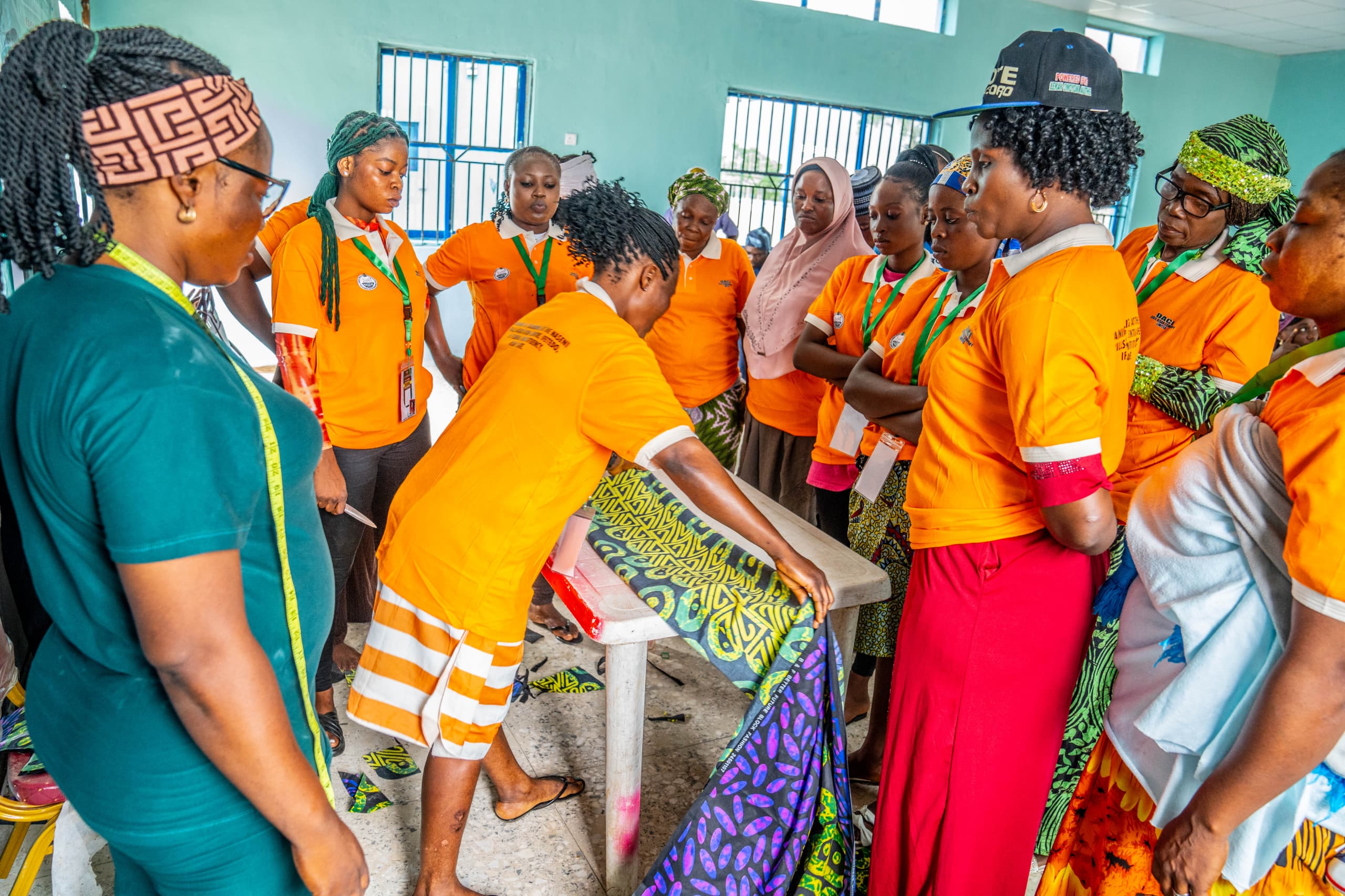
The National Agency for Science and Engineering Infrastructure (NASENI), has launched a skill acquisition training programme on modern shoemaking and tailoring for youths in Ife, Osun State.


The three-day intensive training which began Monday, July 8, 2024 and would end on Wednesday, July 10, 2024, is taking place at the NASENI Skill Acquisition Centre located in Ife Federal Constituency, Osun State.


The Executive Vice Chairman/CEO of NASENI, Mr. Khalil Suleiman Halilu, ably represented by the Director of Manufacturing Services, Engineering Infrastructure Directorate, Engr. Dr. Olayode Adesola Olasupo, while declaring the programme open, said it would equip participants with hands-on experience in modern tailoring and shoe making techniques.


The EVC stated that NASENI as an Agency of the Federal Government under the Presidency, has the mandate to nurture an appropriate and dynamic Science and Engineering infrastructure base for achieving home-initiated and home-sustained industrialisation for Nigeria.


“To achieve this mandate, critical skill development of personnel is required. It is in this direction that we embarked on development of NASENI Skill Acquisition Centres across Nigeria. I am delighted to inform you that this NASENI Skill Acquisition Centre, Ife Federal Constituency where we are today, is the first of its kind in Osun State,” he stated.


Mr. Halilu added that the training being organized at the Centre is a testament of the Renewed Hope Agenda of the Federal Government of Nigeria which includes ending poverty, economic growth and job creation.


Stakeholders in the telecommunications industry have said the Federal Government’s plan to deploy 90,000 kilometers of fibre optic cables across the country will face several obstacles, especially from state governments, that might truncate the project.

According to them, without addressing the current issue of Right of Way charges, multiple taxation, and levies, which are under the control of state governments, the project which is to be implemented through a Special Purpose Vehicle (SPV) would be an exercise in futility.

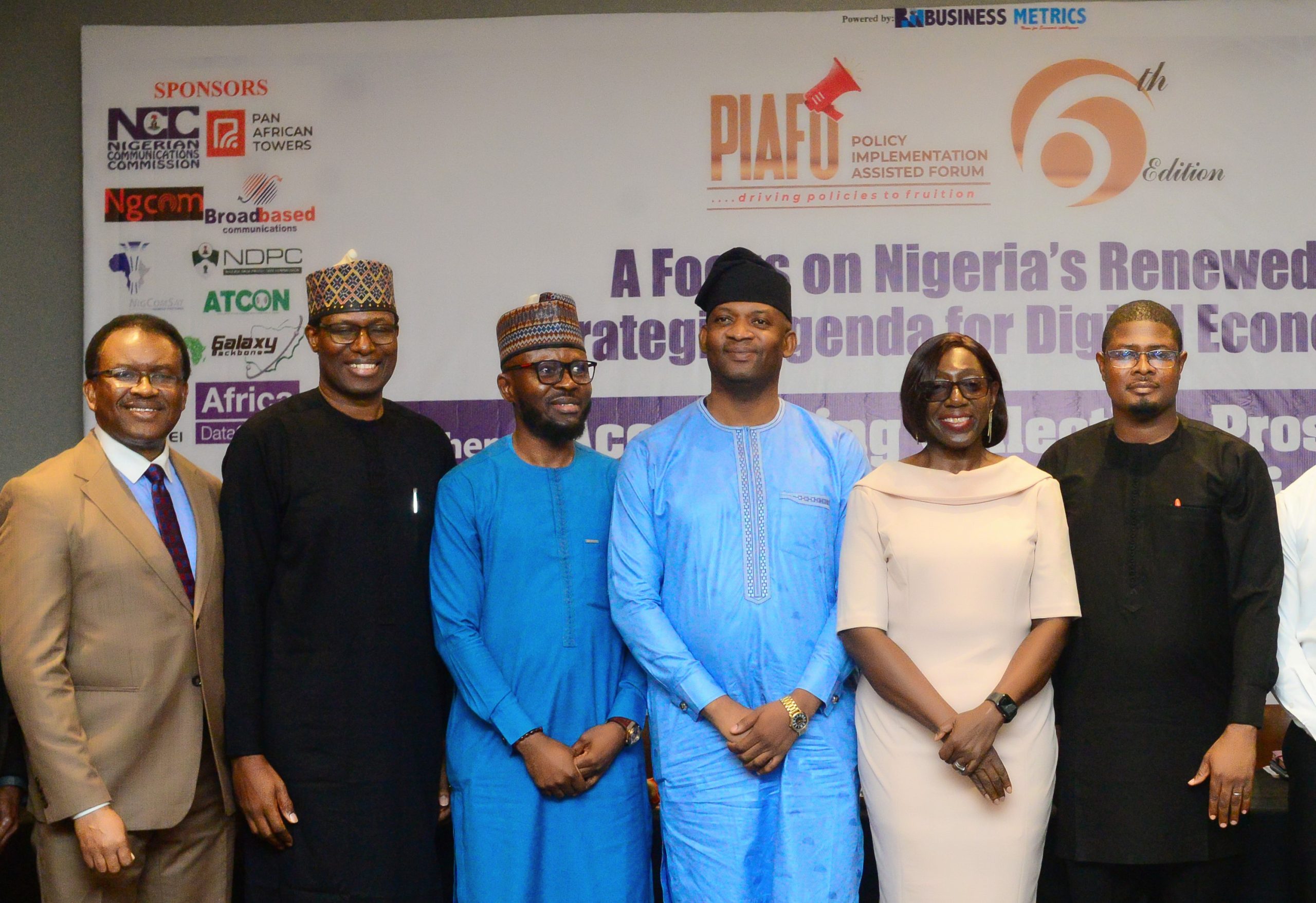
The stakeholders, who spoke during the Sixth Edition of the Policy Implementation Assisted Forum (PIAFO) in Lagos on Wednesday, which was a focus on Nigeria’s renewed strategic agenda for digital economy.

They stressed the need to ensure the successful implementation of the project which was announced recently by the Federal Government to complement existing connectivity for universal access to the internet across Nigeria and provide the Nigerian digital economy with the backbone infrastructure it needed.

Addressing the obstacles 

Presenting a paper on the topic, ‘Harmonizing Nigeria’s Fibre Deployment Strategies for Effective Implementation’, Executive Director of Broadbased Communications, Mr. Chidi Ibisi,  said while the government’s SPV initiative is a good plan that could help the country bridge its current digital infrastructure gap, the government would need to address current challenges.

“The issues of high cost of Right of Way (RoW), destruction of fiber by road construction companies and vandals all need to be addressed for this new SPV initiative to be successful,” he said.

Highlighting some of the challenges telecom operators face when deploying infrastructure, the Group Chief Operating Officer of WTES Projects Limited, Mr. Chidi Ajuzie, said the biggest challenge to fibre cable laying in Nigeria is the informal RoW by hoodlums in states.

“For states, a formal right of way is set and some states are adopting it but the informal side of the right of way is where the complexity has come today.

“If I’m trying to lay fibre in some communities here in Lagos, the first thing that happens is the so-called land owners (omo onile) come out and a different set of people will keep coming from one street to another and they charge you. How do we achieve adequate broadband infrastructure in this kind of situation?” he said.

Role of state governments 

According to the Chairman of the Association of Licensed Telecommunications Operators of Nigeria (ALTON) Engr. Gbenga Adebayo, for the 90,000 kilometres fibre project to succeed, the state governments have to take ownership.

“For the project to succeed, I think the governments at sub-nationals should take ownership. This issue of state governments seeing right of way as IGR should be a thing of the past. We can’t talk about the digital economy on one side and the government is seeing those who provide the services as sources of revenue.

“The government has always come up with good policies, but the implantation, particularly when they are tested far afield, is the biggest problem. Governors will go to Abuja and say ‘in my state, I will give the right of way free of charge.’

“When you go to such a state, they may give you the right of way for zero or one Naira, but they will give you developmental levy, education levy, state impact levy, ecosystem levy. When you add all of these together, it is more than the right of way charges. So, who is playing who?” he said.

Making vital contributions at the forum, Dr. Ayotunde Coker, the Chief Executive Officer of Open Access Data Centre (OADC) stressed the need for the fibre project to be executed by the private sector even as the World Bank is expected to fund it with up to $3 billion.

He said: “the World Bank can put money into the government but it needs private sector partnerships as the execution engine and that’s what we’ve been pushing in Africa.

“The key thing is that when the World Bank puts the money in, it should engage the private sector, figure out the policies that it needs to do and enable the private sector to execute them effectively and make it as open as possible. With that, they can achieve what they are trying to achieve.”

He further stressed that for the success of the project, Nigeria should learn lessons of what didn’t work in the past, to achieve the new broadband penetration targets with the fibre range that is required.

“Meaningful broadband is what we need, rather than just a huge set of megabits per second implementation. We need superhighway fibres. We need the distribution of these backbone that allows us then to fan out.”

He further urged state governors to be part of the project by providing an enabling environment for infrastructure roll-out, adding: “if you are a state governor and didn’t participate in it, the state won’t grow and it’s going to impact your state.”

Earlier in his opening address, the convener of PIAFo, Mr. Omobayo Azeez, said the conference was to create a midpoint dialogue platform for digital economy stakeholders across both the public and private divides to brainstorm, exchange perspectives, clear grey areas, harmonize thoughts and create a sense of collective responsibility towards accelerating our collective prosperity through technical efficiency.

The event focused on Nigeria’s renewed strategic agenda for digital economy. According to him, the new digital economy blueprint of the federal government does not only sustain existing policy directions and targets, “it also challenges us on the possibilities of attaining new frontiers with a view to “Accelerating Our Collective Prosperity through Technical Efficiency” which is the theme of the summit.


 

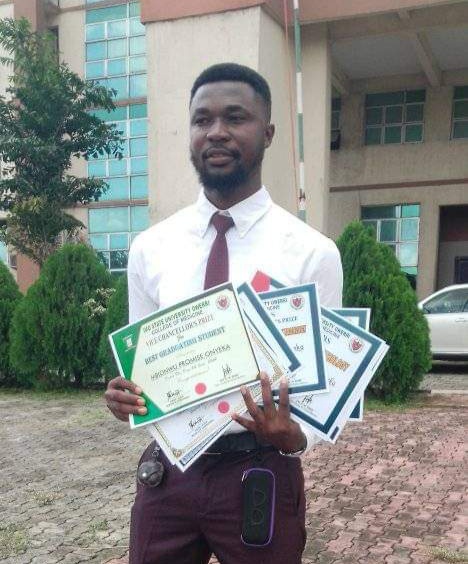
In a remarkable display of academic excellence, Master Mbionwu Promise has been named the overall best graduating student of Imo State University (IMSU) for the year 2024. The prestigious recognition comes as no surprise to those who have followed his academic journey, which has been marked by dedication, hard work, and an unwavering commitment to excellence.

Mbionwu, a graduate of Medicine and Surgery from the Imo State Teaching Hospital, not only clinched the top spot among his peers but also received an impressive eleven additional awards. These accolades were presented in recognition of his outstanding performance throughout his academic career, reflecting his exceptional intellect and dedication to his studies.

The awards, which span various aspects of his medical education, underscore Mbionwu’s mastery in both theoretical knowledge and practical application. His achievements have set a new benchmark for excellence within the university and serve as an inspiration to current and future students.

During the graduation ceremony held at the university’s main campus in Owerri, the Vice-Chancellor lauded Mbionwu’s achievements, highlighting his contributions to the academic community and his potential to make significant impacts in the medical field. “Mbionwu’s dedication and relentless pursuit of excellence have not only brought honor to himself but also to our institution. He exemplifies the qualities we strive to instill in all our students,” the Vice-Chancellor stated.

Mbionwu, in his valedictory speech, expressed gratitude to his family, professors, and peers for their support throughout his educational journey. He emphasized the importance of perseverance and a strong support system in achieving one’s goals. “This achievement is not mine alone. It belongs to everyone who believed in me and supported me along the way. I am deeply honored and grateful,” he said.

The eleven awards received by Mbionwu included recognitions for Best Graduating Student in Clinical Sciences, Excellence in Research and Innovation, and Outstanding Leadership in Student Medical Associations, among others. These awards highlight his well-rounded capabilities and his potential to excel in various facets of the medical profession.

As Mbionwu prepares to embark on the next phase of his career, his story stands as a testament to the power of hard work and determination. His achievements at IMSU have not only earned him accolades but have also positioned him as a promising young professional poised to make significant contributions to the medical field.

The entire IMSU community celebrates Mbionwu Promise’s achievements and looks forward to his future successes. His journey serves as an enduring inspiration to all students, reminding them that with dedication and hard work, extraordinary accomplishments are within reach.


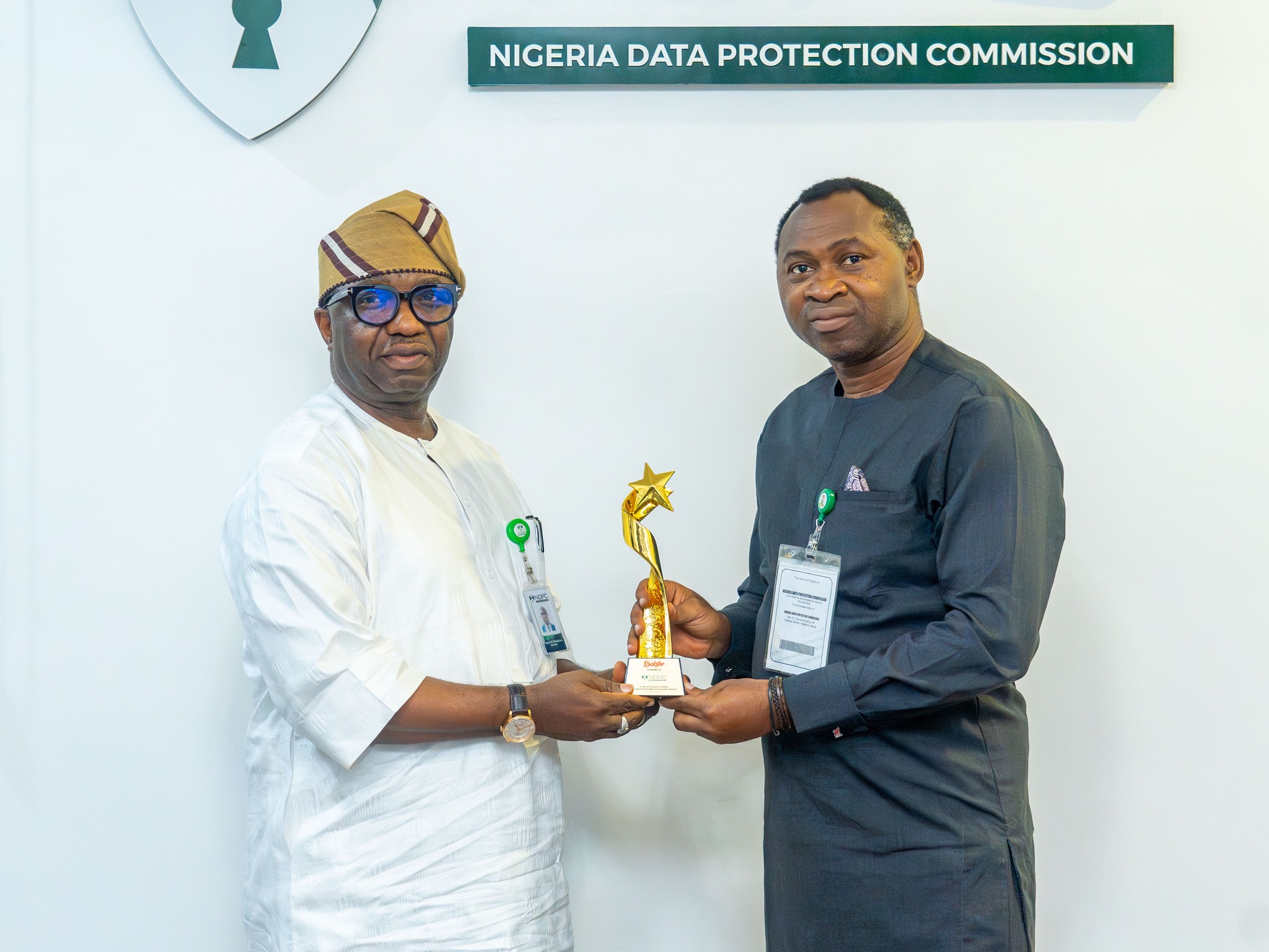
Dr. Vincent Olatunji, the National Commissioner and CEO of the Nigeria Data Protection Commission (NDPC), has been honored with an Award and Certificate of Achievement in the Data Privacy Category for Innovative National Data Privacy Advocate by Reg Tech Africa. The prestigious award was presented by Mr. Cyril Okoroigwe, CEO of Reg Tech Africa.

Dr. Olatunji received this accolade in recognition of his exceptional leadership, innovative approaches, and the significant impact he has made in the data protection and privacy ecosystem within a remarkably short period. His efforts have been pivotal in advancing Nigeria’s data protection framework, setting new standards for privacy and regulatory practices.

Under Dr. Olatunji’s guidance, the NDPC has launched several groundbreaking initiatives aimed at bolstering data privacy regulations and fostering a culture of compliance and transparency across various sectors. His visionary leadership has not only earned him widespread acclaim but also positioned Nigeria as a leading advocate for data privacy in Africa.May be an image of 1 person and dais

During the award presentation, Dr. Olatunji expressed his gratitude, attributing his success to the collective efforts of his team and the support of stakeholders. He emphasized the importance of collaboration and teamwork in achieving significant milestones in data protection.

The recognition by Reg Tech Africa underscores the critical role of effective leadership in driving regulatory innovation and safeguarding data privacy. Dr. Olatunji’s achievements serve as an inspiration for professionals in the field, demonstrating that with dedication and a forward-thinking approach, substantial progress can be made in protecting individuals’ data rights.

As the field of data protection continues to evolve, Dr. Olatunji’s contributions will undoubtedly have a lasting impact, shaping the future of data privacy in Nigeria and setting a benchmark for other nations to follow.


Under Dr. Olatunji’s guidance, the NDPC has launched several groundbreaking initiatives aimed at bolstering data privacy regulations and fostering a culture of compliance and transparency across various sectors. His visionary leadership has not only earned him widespread acclaim but also positioned Nigeria as a leading advocate for data privacy in Africa.


MTN Nigeria has launched its first fully digitized self-service retail store, a pioneering innovation designed to enhance the overall customer experience. This state-of-the-art store, powered by the company’s in-house talents and in collaboration with RightCom as their Customer Experience as a Service (CXaaS) partner, represents a significant leap forward in retail technology.

The fully digitized store aims to provide customers with a seamless and efficient shopping experience. By leveraging advanced digital technologies and the expertise of RightCom, MTN Nigeria is set to transform the way customers interact with their services, making transactions quicker, more convenient, and more personalized.

This innovative approach underscores MTN Nigeria’s commitment to leveraging the skills and creativity of its workforce. By harnessing the talents of its in-house team, MTN has been able to develop and implement cutting-edge solutions that meet the evolving needs of its customers. The partnership with RightCom further ensures that the customer experience is continually optimized, providing a robust framework for future enhancements.

MTN Nigeria’s fully digitized self-service retail store is not just a testament to technological advancement but also a clear indication of the company’s dedication to improving customer satisfaction. As the retail landscape continues to evolve, MTN Nigeria is at the forefront, setting new standards for customer service and operational efficiency.


Kehinde Afolayan, a seasoned Marketing & Communications Strategist, passionately believes in the transformative power of networking. Reflecting on a popular Yoruba adage, “Eniyan Lasho,” which translates to “people are a person’s covering/clothing,” Afolayan emphasizes how vital connections can be in personal and professional growth.

The Transformative Power of Networking

Afolayan has experienced firsthand how networking can open doors to new opportunities, mentorship, and support, significantly altering the trajectory of one’s career and business. She recalls how she landed her first job through a connection she made at an event. A friend she met there introduced her to someone who later helped her secure the job. This opportunity didn’t manifest immediately but came to fruition months later, underscoring the importance of who you know.

The Benefits of a Strong Network

A strong network can provide numerous benefits. It can introduce you to job openings, collaborations, and projects that you might not have discovered otherwise. Networking can offer mentorship, advice, and support during critical career decisions. Being associated with respected professionals can enhance your reputation. Interacting with diverse individuals can broaden your perspectives and knowledge. Networking can fast-track your career progress by connecting you with influential people in your industry.

Building and Sustaining Professional Relationships

To build and sustain valuable professional relationships, Afolayan advises being real and sincere. Authenticity is key; people can sense when you’re being insincere or using them for personal gain. Show genuine interest in individuals, not just in what they can offer you. When meeting someone who could be a valuable connection, listen attentively and show interest in their work. Avoid dominating the conversation with self-promotion. Be proactive in offering assistance, guidance, or resources without expecting immediate returns. Maintain regular contact with your network, not just when you need something. Sporadic communication can come off as self-serving. Embrace opportunities for mutual growth and collaboration.

Gratitude to Mentors

Afolayan expresses her gratitude to her mentors, Nicolas Emane and Adedoyin Jaiyesimi, who have significantly impacted her career. Their valuable guidance, support, and opportunities have profoundly influenced her professional journey.

Conclusion

Networking is not just about meeting people; it’s about building meaningful relationships that can support and propel you forward in your career. As Kehinde Afolayan illustrates through her experiences, people truly are one’s greatest assets. By nurturing genuine connections and being open to collaboration, you can unlock a wealth of opportunities and achieve remarkable growth both personally and professionally.


Professor, entrepreneur, and investor Ndubuisi Ekekwe recently highlighted a critical aspect of Nigeria’s economic landscape: the significant contributions of the Nigerian diaspora. He pointed out that “At close to $20 billion, the Nigerian diaspora group is the largest investor in Nigeria. It sends more money into the Nigerian economy than any organization. Yet, it is also the least consequential ‘group’ before the Nigerian government. If the World Bank plans a $2 billion loan, it will send us a sermon. If the IMF wants to ship a $1 billion loan, it will ask for reforms. Yet, a group of people wire close to $20 billion, and cannot get a simple shift on how the leaders and the governments act or behave. That is unfortunate!”

Ekekwe’s observations underscore the paradox facing Nigeria. Despite the massive inflow of funds from the diaspora, which surpasses the contributions of international financial institutions, the Nigerian government has yet to recognize and leverage this group’s potential effectively.

The Potential for African Development

Ekekwe argues that the funds needed to rebuild Africa are already available. The combined financial capacity of first-generation African diasporas, such as Robert Smith and Tiger Woods, and recent diasporas, is immense. However, the challenge lies in the absence of a structured mechanism to channel these resources effectively.

“We like to quote these ‘monetary figures’ as success. Sure, remittance is great. But it is a limited gain,” Ekekwe noted. He contrasts this with the Chinese model, where the government actively supports and incentivizes its diaspora to return and invest in the country. “About 90% of my Chinese PhD schoolmates in Johns Hopkins are now in China. The government has this secondictor fund which is now worth about $100 billion, and if you have ideas, you can apply, and the government will fund your mission. So, what do they do? You work for AMD, Nvidia, ADI, Intel, etc., for 4-6 years, you send a proposal to the government, and within months, the government will help you relocate with $10 million in the bank to build products!”

A Call for a Structured Framework

Ekekwe calls for a similar approach in Nigeria and across Africa. He emphasizes that while remittances are beneficial, there needs to be a more strategic framework to maximize their impact. “Our continent needs to explore how to build such enablers even as the diasporas drop their leftovers for their homelands. Get me right: remittance is great, but it has to go beyond that. There needs to be a framework around this money in the homelands.”

Conclusion

Ndubuisi Ekekwe’s insights highlight a critical opportunity for Nigeria and other African nations. By recognizing and strategically harnessing the financial power of their diasporas, these countries can drive significant economic development. Establishing supportive structures and frameworks can transform diaspora remittances from mere financial inflows into powerful catalysts for national growth and development. The challenge now is for governments to take proactive steps to engage and empower their diaspora communities effectively.


“We like to quote these ‘monetary figures’ as success. Sure, remittance is great. But it is a limited gain,” Ekekwe noted. He contrasts this with the Chinese model, where the government actively supports and incentivizes its diaspora to return and invest in the country. “About 90% of my Chinese PhD schoolmates in Johns Hopkins are now in China. The government has this secondictor fund which is now worth about $100 billion, and if you have ideas, you can apply, and the government will fund your mission. So, what do they do? You work for AMD, Nvidia, ADI, Intel, etc., for 4-6 years, you send a proposal to the government, and within months, the government will help you relocate with $10 million in the bank to build products!”


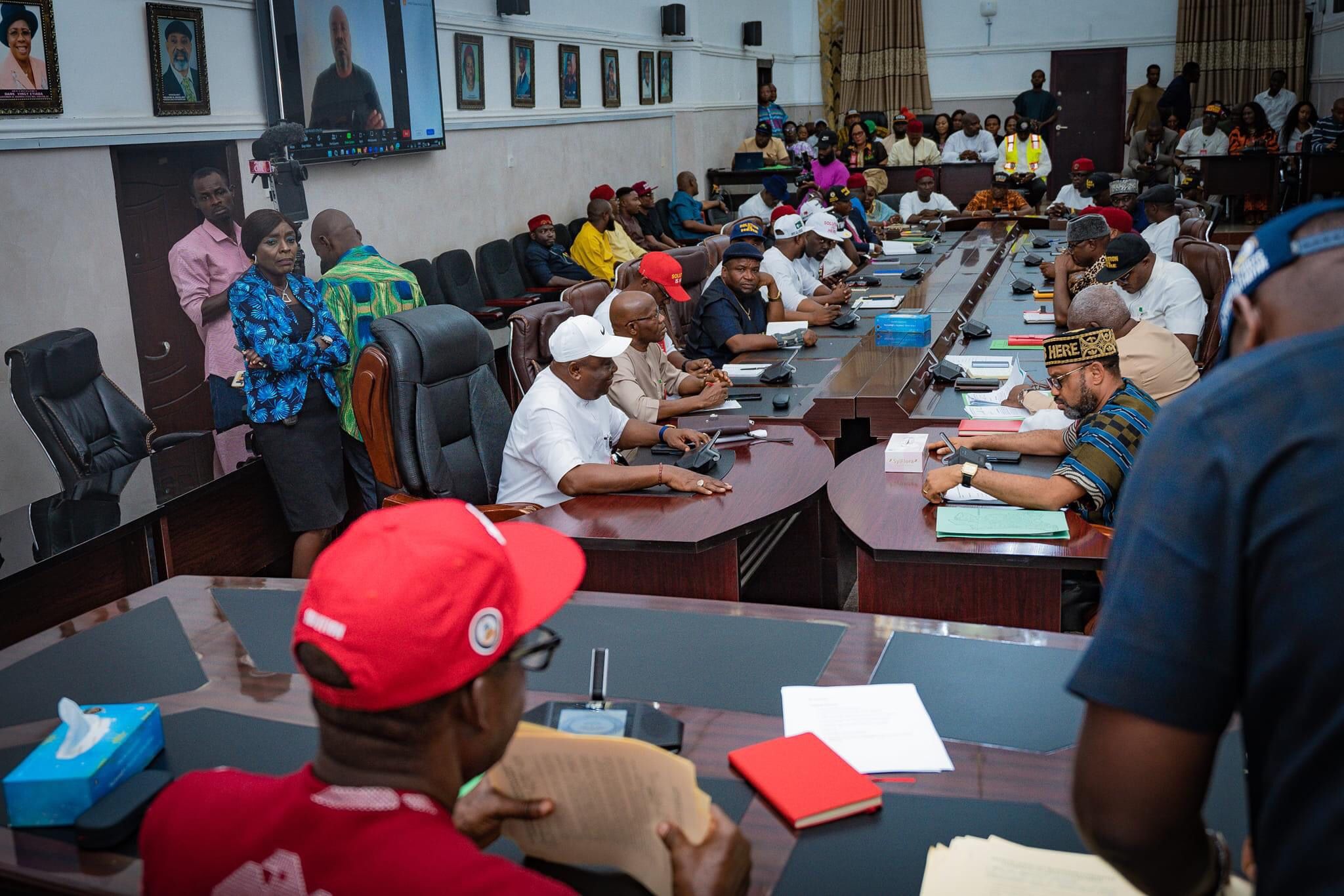
Anambra State Governor, Charles Chukwuma Soludo, presided over the inauguration ceremony of the Transition Committee Chairmen for the 21 Local Government Areas in the state. This event, held today, was not just a ceremonial affair but a significant call to service, emphasizing the commitment to public service with integrity and dedication.

In his address, Governor Soludo highlighted the state government’s aim to build a robust local government system that delivers exceptional services to the citizens of Anambra. He pointed to the recent enactment of the Anambra Electoral Bill into law as a major milestone. Additionally, he announced ongoing efforts to appoint commission members, equip them with the necessary resources, and initiate local government elections in alignment with the current constitutional framework.

“I made this pledge to you, Ndi Anambra, and we are dedicated to honoring it,” Governor Soludo affirmed.

The governor concluded his remarks with a hopeful message for the future, saying, “May Anambra continue to succeed!”