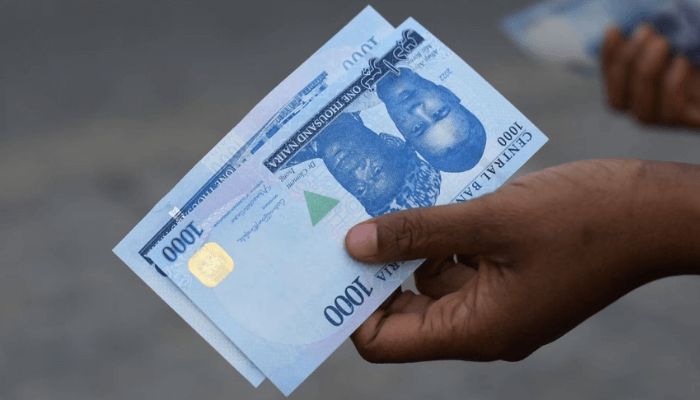
Renowned Nigerian professor, entrepreneur, and investor Ndubuisi Ekekwe has underscored significant economic challenges facing Nigeria in a recent statement. Speaking on the drastic depreciation of the Naira against major currencies, Ekekwe noted that from 1973 to 2015, the exchange rate hovered around N200/$1. However, between 2015 and 2024, this rate soared to N1,600/$1, severely impacting business operations and citizen purchasing power across the country.

Ekekwe highlighted the profound implications for retirees and pensioners, illustrating that delayed payments since 2015 have effectively eroded over 60% of their intended benefits. He emphasized that these economic shifts not only affect individuals but also hinder Nigerian manufacturers’ competitiveness regionally. Ekekwe pointed to the establishment of West Africa’s largest textile factory in Benin Republic’s Cotonou, which threatens the survival of Nigeria’s remaining textile industry due to competitive advantages in neighboring countries.

Moreover, Ekekwe drew attention to logistical challenges, noting that Togo’s Port of Lome has surpassed Nigeria’s ports in efficiency, attracting Nigerian importers seeking faster clearance processes. This shift has led to increased costs for Nigerian businesses, who now face international duties, contrasting with the largely duty-free benefits under ECOWAS agreements.

Reflecting on regional dynamics, Ekekwe highlighted how neighboring countries such as Mali, Niger, and Burkina Faso have redirected their trade routes away from Nigeria towards North African counterparts, citing advantageous currency exchanges with the CFA Franc. He stressed the urgency for Nigeria to pivot towards regional economic strategies amidst growing competition from both neighboring and international markets.

In conclusion, Ekekwe urged Nigerian policymakers and businesses to prioritize regional competitiveness and strategic economic partnerships to mitigate the adverse effects of currency depreciation and regional economic shifts.

Ndubuisi Ekekwe is a distinguished professor, entrepreneur, and investor based in Nigeria, known for his insights into economic trends and business strategy. His work spans across academia, entrepreneurship, and innovation, contributing significantly to Nigeria’s economic discourse.


Millions of Naira won, dreams fulfilled, a spectacular end to a stellar competition.


 K-POP Grand Finale concluded with a flourish, igniting the stage with electrifying performances, jaw-dropping special effects, and the immense talent of the winners. The highly anticipated event, brought to you by LG Electronics, saw some of the biggest names in K-POP compete fervently for the ultimate prize. The energy inside the venue was palpable as an enthusiastic audience cheered on their favorite groups during this unforgettable grand finale.

The competition, held today, showcased a stellar lineup of 80 incredibly talented performers since April who left no stone unturned in their pursuit of glory. This unique event marked a milestone starting from Ibadan, Lagos, Abuja and Port Harcourt where the hearts and souls of the passionate youths went into giving so much to display their innate talents. For LG Electronics, combining the love for cutting-edge technology with the immense popularity of K-POP music was the main gain. The journey culminated in the semi-finals held in these cities, where 18 exceptionally talented teams earned their place in the grand finale.

Expressing his delight at the grand success of the event, the Managing Director, LG Electronics West Africa, Mr. Hyoung Sub Ji, “The LG K-POP Fiesta 2024 is a celebration of not only incredibly talented K-POP enthusiasts but also the rich tapestry of global culture. Building on our brand identity, which transcends generations, we would like to develop deeper relations with Gen Z by making their lives better through innovative products like LG XBOOM for immersive sound experiences and meaningful integrated marketing campaigns. With K-POP, we bring them a great multi-dimensional platform that combines the best of audio-visual entertainment and power-packed performances.”

“We are immensely proud to have brought this exhilarating event to life. It was an incredible showcase of talent, passion, and the harmonious blending of innovation and entertainment. LG Electronics remains committed to supporting the K-POP culture and nurturing the talents of tomorrow, most especially our ability to bring to life the bond between Korea and Nigeria.” He added.

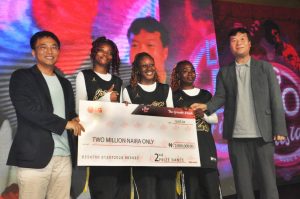
Twelve million naira was awarded to the winners – three million naira apiece for placing first in singing and dance. The first and second runners-up in each category received two and one million naira, respectively.

‘Mamus’ of Port Harcourt won first place in the vocal category, while the dance category was won by the group ‘Limitless Supreme 6’ from Port Harcourt. The finalists in the dance category included ‘Femmeforce’ from Lagos, 1st runner up, and ‘Movematics’ from Lagos 2nd runner up.  “In the vocal category, the 1st runner and 2nd runner up included ‘Kcee’ from Port Harcourt and  ‘Shammah’ from Port Harcourt.

In his remark, Mr. Hari Elluru, Head of Corporate Marketing said, “We are grateful to the youth & Gen Z for making the event a grand success. Through our recent global campaign of Life’s Good, we are encouraging customers to have a positive outlook on life & music certainly plays a significant role in uplifting the human spirit. We are deeply grateful for the tremendous interest and love shown by all the participants in the K-POP contest and the enthusiastic audience who attended. K-POP has transcended boundaries, becoming a powerful means of cultural exchange not only within Korea but also with people around the world. We aspire to offer dreams and hope to the youth of Nigeria through the magic of K-POP.

The event was seamlessly hosted by V J Adams, an emcee with extensive experience, and was graced by the esteemed presence of Nollywood actors Ruth Kadiri and Susan Peters and judging by Nigerian singer and songwriter Ric Hassani and renowned award-winning dancer Kaffy.

The LG K-POP will forever remain etched in the memories of those present, as a testament to the boundless creativity, talent, and technological excellence that LG Electronics consistently delivers.

All the performances were met with thunderous applause and praise from the judges, solidifying their position as one of the most talented and popular K-POP artists right now.


For more information about LG Electronics and products, kindly visit https://www.lg.com/africa


“We are grateful to the youth & Gen Z for making the event a grand success. Through our recent global campaign of Life’s Good, we are encouraging customers to have a positive outlook on life & music certainly plays a significant role in uplifting the human spirit. We are deeply grateful for the tremendous interest and love shown by all the participants in the K-POP contest and the enthusiastic audience who attended. K-POP has transcended boundaries, becoming a powerful means of cultural exchange not only within Korea but also with people around the world. We aspire to offer dreams and hope to the youth of Nigeria through the magic of K-POP.


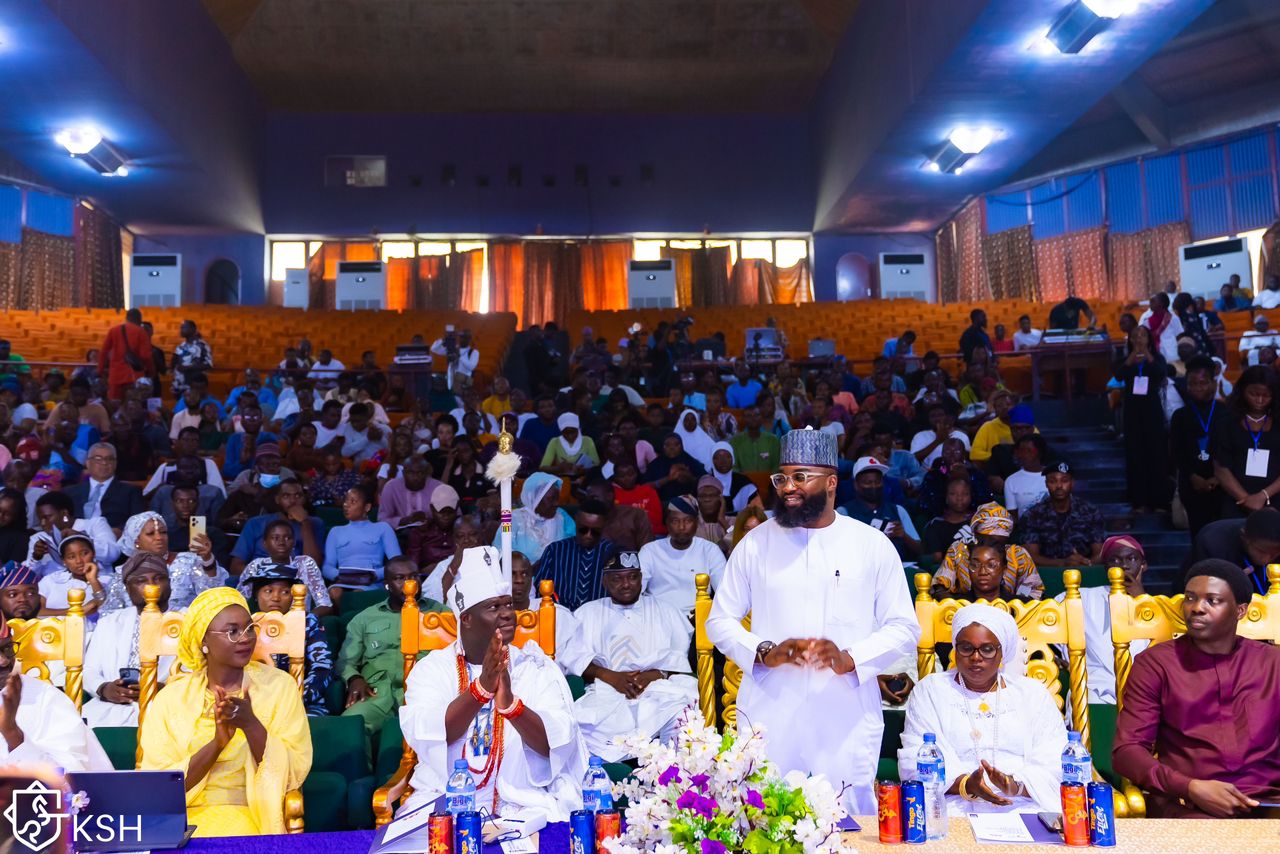
A week after receiving the Engineering and Innovation meritorious award at the Nigerian Excellence Awards in Public Service (NEAPS), the Executive Vice Chairman of the National Agency for Science and Engineering Infrastructure (NASENI), Mr. Khalil Suleiman Halilu, has been honoured with the prestigious ‘Royal African Young Leadership Award’ by the Ooni of Ife, His Imperial Majesty Ooni Adeyeye Babatunde Enitan Ogunwusi, Ojaja II.


The award was presented at the 4th edition of the Royal African Young Leadership Forum held on Saturday, July 13, 2024, in Ile-Ife, Osun State. The event organized by the palace of the progenitor of the Yoruba race, celebrates the achievements of outstanding young African leaders contributions to their communities and industries.


During the presentation, His Majesty, the Ooni of Ife, commended Khalil Halilu’s exemplary leadership at NASENI, emphasizing how his visionary leadership and innovative approaches are propelling Nigeria towards a technologically and industrially advanced nation.


The Ooni noted that Halilu’s outstanding performance is a source of immense pride for the youth of Nigeria and is crucial for the country’s economic prosperity. He also expressed gratitude to President Bola Ahmed Tinubu for recognizing illustrious young Nigerians, mentioning other notable appointees such as the Director-General of SMEDAN, Mr. Charles Odii, the Minister of Youth, Dr. Jamila Bio Ibrahim, and the Minister of Youth (State), Ayodele Olawande Wisdom.


“These young men are part of the government of our dear country. I want to use this opportunity to celebrate you and appreciate the President for putting you into government, thereby making your individual contributions to the development of Nigeria,” Ooni said.


Reacting to the award shortly after the presentation, the EVC/CEO of NASENI expressed gratitude for the recognition, stating, “I am honoured to receive this award from His Majesty, the Ooni of Ife. Previously, I admired the Royal African Young Leadership Forum Award on social media. Being acknowledged in this way underscores His Majesty’s commitment to recognizing and celebrating the positive impact individuals make in their respective endeavours.”


Halilu further emphasized the importance of collaborative efforts in driving technological innovation and industrial growth in Nigeria. He reiterated his commitment to continuing the work that NASENI is doing to advance the country’s technological infrastructure and enhance its global competitiveness.


The Royal African Young Leadership Forum is an annual event that brings together dynamic young leaders from various sectors to discuss and promote sustainable development in Africa. This year’s theme, “Africa of the Future: Better Together,” reflects the forum’s focus on unity and collective progress.


As Halilu continues to make impact in NASENI, his recognition at the Royal African Young Leadership Forum underscores his commitment to Nigeria’s technological and industrial growth. His work greatly inspires the youth of Nigeria and contributes to the nation’s economic development.


Alongside Halilu, other notable Africans, honoured include Dr. Jamila Bio Ibrahim,  Ayodele Olawande Wisdom, and Charles O. Odii, among several young entrepreneurs selected from diverse background for their significant contributions to their fields.


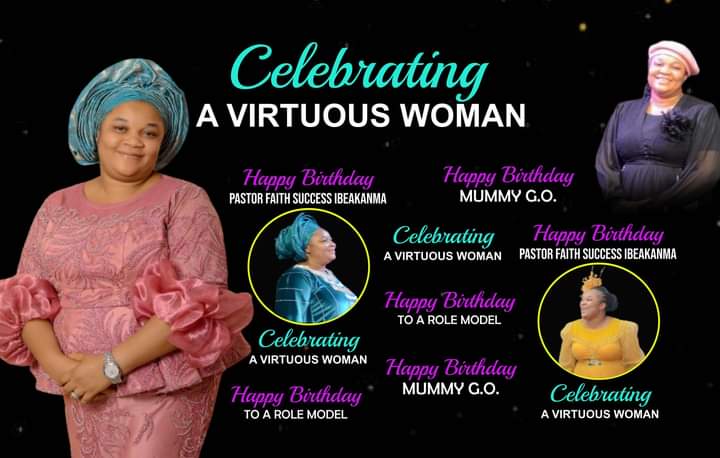
The recent birthday celebrations of Pastor Faith Success Ibeakanma have been widely celebrated as a testament to her virtues and remarkable contributions to her community. As the Convener of Women of Purpose, Pastor Faith is renowned as an intercessor, philanthropist, and great teacher, whose selfless service has inspired many.

The event, meticulously organized and hosted by her husband, Pastor Success Ibeakanma of Royal Choice Ministries Int’l, was filled with accolades from well-wishers, reflecting the deep admiration and respect she commands. Pastor Success, who was elated and proud, ensured every detail of the celebration was perfect, showcasing his deep love and appreciation for his wife.

In her closing remarks, Pastor Faith shared profound insights on life and perseverance, stating, “Everything did not happen at once. Life happens to people that are alive. To him that is joined to the living, there is hope.” Her words encouraged all attendees to remain hopeful and resilient.

Expressing her heartfelt gratitude to her husband, she said, “I want to appreciate what God is using you to do. God uses men to change men. No living without my husband. Many blessings in my life are connected through him. I am humbled to have a father and a husband like him. I count it as a privilege to be married to you, you will not go down.” She also mentioned a touching gesture from her husband, adding, “My husband bought me 10 pairs of shoes. Though this is not the first time nor because it’s my birthday, he is just him, a giver to the core.”

Pastor Faith also prayed for all participants, including residential pastors, leaders, choirs, and everyone in Royal Choice Ministries Int’l, declaring, “Their heads will never go down and they will never die young.”

Pastor Success Ibeakanma, the General Overseer of Royal Choice Ministries Int’l, played a pivotal role in sponsoring and organizing the birthday celebration. His unwavering support and dedication were evident throughout the event, highlighting the deep bond and mutual respect shared between the couple.

The celebration was not just a birthday party but a profound acknowledgment of Pastor Faith Success Ibeakanma’s invaluable contributions to her community and her steadfast support to her husband and their ministry.

Royal Choice Ministries Int’l is a vibrant and dynamic ministry dedicated to spreading the teachings of Christ and supporting community development through various outreach programs. Under the leadership of Pastor Success Ibeakanma, the ministry has touched countless lives with its message of hope and compassion.

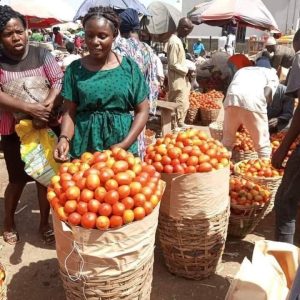
The need to grow food and boost agricultural productivity, the federal government of Nigeria has called on citizens and state governments to significantly invest in the agricultural sector. Heeding this directive, the southeastern region of the country has launched substantial initiatives to enhance food production, aiming to counter the rising costs of food and the economic pressures associated with it.

Nsukka, a vibrant town in Enugu State, is at the forefront of this agricultural revival. Known for its fertile land and conducive farming conditions, Nsukka is quickly transforming into the food basket of Southeast Nigeria. This transformation is vividly reflected in the thriving Ikpa Market, where a diverse array of farm produce is available at competitive prices, symbolizing the region’s commitment to agricultural excellence.

Current Market Prices at Ikpa Market, Nsukka:

– Basket of Tomatoes:₦27,000
– **Bag of Potatoes:** ₦6,000

These prices underscore the efficiency and productivity of local farmers who are dedicated to ensuring that fresh, affordable produce is available to the community. The economic benefits extend beyond affordability, contributing to local employment and fostering a sense of self-reliance within the community.

The surge in agricultural activities in Nsukka is a testament to the collaborative efforts between the government and local farmers. Various agricultural programs and incentives have been introduced to support these initiatives, including access to improved seedlings, modern farming techniques, and financial assistance. These measures aim to sustain and enhance agricultural productivity, ensuring long-term food security for the region and beyond.

Community Engagement:

Residents of Nsukka and neighboring areas are encouraged to take advantage of the abundant farm produce available at Ikpa Market. By supporting local farmers, the community can help maintain the momentum of agricultural growth and contribute to a stable and prosperous food supply chain.

Nsukka’s emergence as an agricultural hub is not only a response to the federal government’s call but also a proactive step towards self-sufficiency and resilience in the face of economic challenges. The town’s success serves as a model for other regions to follow, demonstrating the profound impact of strategic investments in agriculture.

Reported by:
Anthony Emeka Nwosu
Tech and Biz News

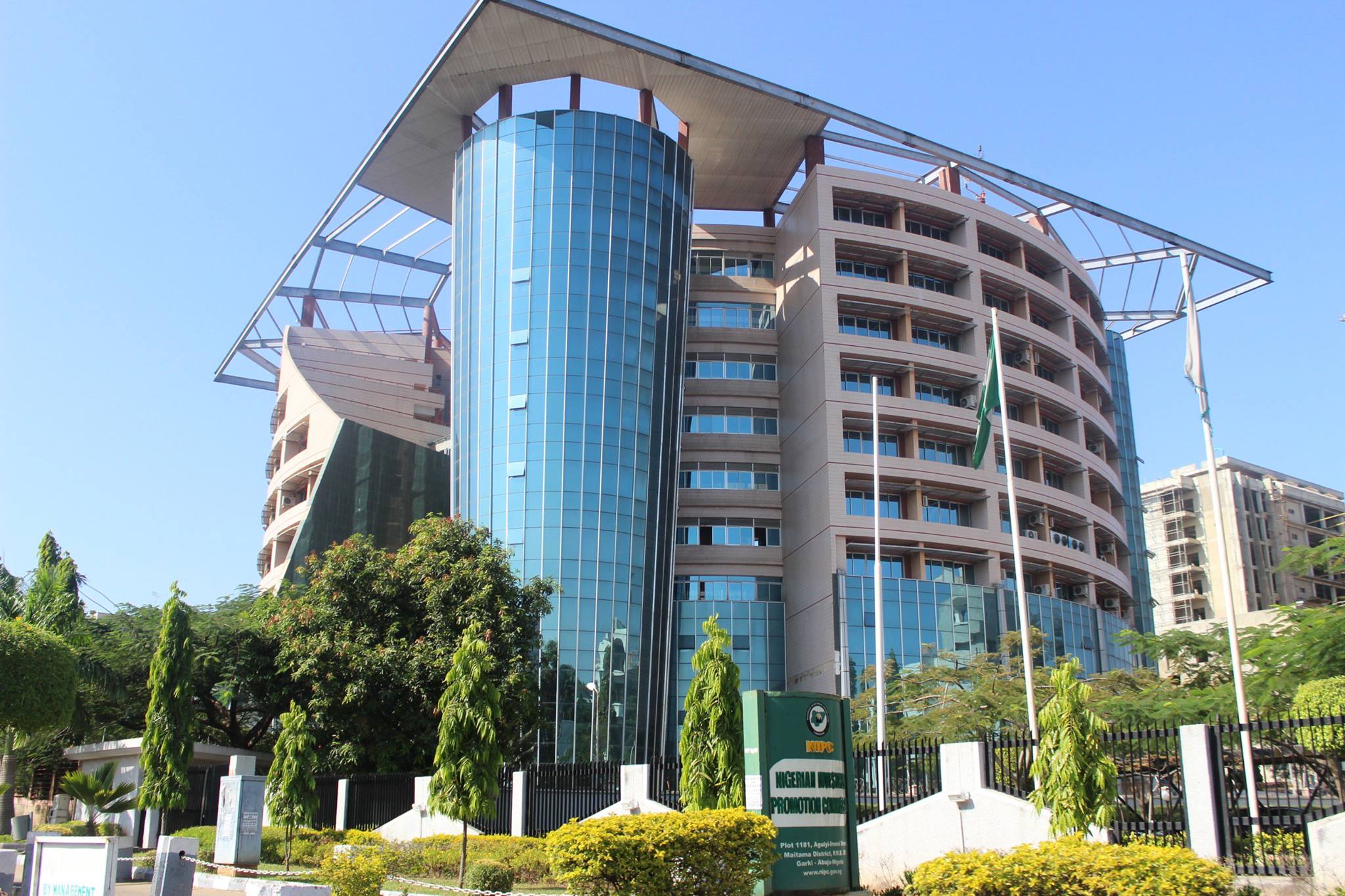
In the past two decades, Nigeria’s telecom industry has undergone a remarkable transformation, evolving from a struggling sector into a globally recognized reference point, thanks to the strategic regulatory interventions of the Nigerian Communications Commission (NCC). The NCC, the nation’s foremost telecom regulatory body, has been instrumental in driving this change through robust regulations, innovative policies, and strategic partnerships that have not only expanded the sector but also improved the quality of services, making Nigeria a leader in telecom in sub-Saharan Africa.

Expanding Access and Connectivity

One of the most significant achievements of the NCC has been the expansion of telecom access across Nigeria. The commission’s regulatory framework facilitated the liberalization of the telecom market, which allowed for the entry of multiple operators, thus increasing competition. This competition led to a dramatic reduction in the cost of telecom services and the widespread availability of mobile phones, making them accessible to millions of Nigerians, including those in rural and underserved areas.

The NCC’s proactive licensing regime has also ensured the rollout of advanced telecom technologies, such as 3G, 4G, and now 5G, across the country. These developments have not only boosted internet penetration but have also positioned Nigeria as a regional leader in broadband infrastructure. The commission’s efforts in ensuring that telecom operators comply with infrastructure sharing guidelines have further driven down costs and accelerated the deployment of networks, thereby increasing connectivity.

Enhancing Quality of Service

Quality of service has been a focal point of the NCC’s regulatory interventions. The commission has consistently enforced standards and guidelines that telecom operators must adhere to, ensuring that consumers receive the best possible service. Through initiatives like the Quality of Service (QoS) monitoring and the introduction of Key Performance Indicators (KPIs), the NCC has held operators accountable, resulting in significant improvements in call quality, data speed, and network reliability.

The NCC’s introduction of the Mobile Number Portability (MNP) scheme in 2013 marked a turning point in consumer empowerment. By allowing subscribers to switch networks without changing their phone numbers, the NCC fostered a competitive environment where service quality became a key differentiator for telecom operators. This has pushed operators to continuously innovate and improve their services to retain customers.

Consumer Protection and Advocacy

The NCC has also made consumer protection a cornerstone of its regulatory framework. The establishment of the NCC’s Toll-Free Call Centre and the introduction of the Do Not Disturb (DND) code are just a few examples of how the commission has empowered consumers to take control of their telecom experience. The commission’s efforts in creating awareness through campaigns and enforcing regulations against unsolicited messages and calls have significantly improved consumer satisfaction.

Furthermore, the NCC’s focus on protecting consumers’ data privacy and combating cybercrime through collaboration with international and local stakeholders has fortified Nigeria’s telecom sector, making it more resilient and secure.

Driving Economic Growth and Innovation

The telecom sector, under the NCC’s regulation, has become a major contributor to Nigeria’s economy, accounting for approximately 12% of the Gross Domestic Product (GDP). The commission’s policies have created a conducive environment for investment, leading to the growth of the digital economy and the rise of tech startups, which are now leveraging telecom infrastructure to innovate and deliver solutions across various sectors.

The NCC’s role in driving financial inclusion through mobile money services is also noteworthy. By providing regulatory support and ensuring the security of mobile financial transactions, the commission has enabled millions of Nigerians to participate in the formal economy, thus contributing to the overall economic development of the country.

A Global Reference Point

Nigeria’s telecom industry, once considered underdeveloped, has now become a reference point for other African nations and emerging markets globally. The NCC’s regulatory excellence has been recognized by various international bodies, earning Nigeria a seat at the table in global telecom discussions and policy-making forums.

In conclusion, the Nigerian Communications Commission has played a pivotal role in transforming Nigeria’s telecom industry from a laggard to a leader. Through strategic regulation, consumer protection, and the promotion of innovation, the NCC has not only expanded access and improved service quality but also positioned Nigeria as a global reference point in telecom. The commission’s continued commitment to fostering a competitive, consumer-friendly, and innovative telecom environment ensures that Nigeria remains at the forefront of telecom development in Africa and beyond.

TONY EMEKA NWOSU


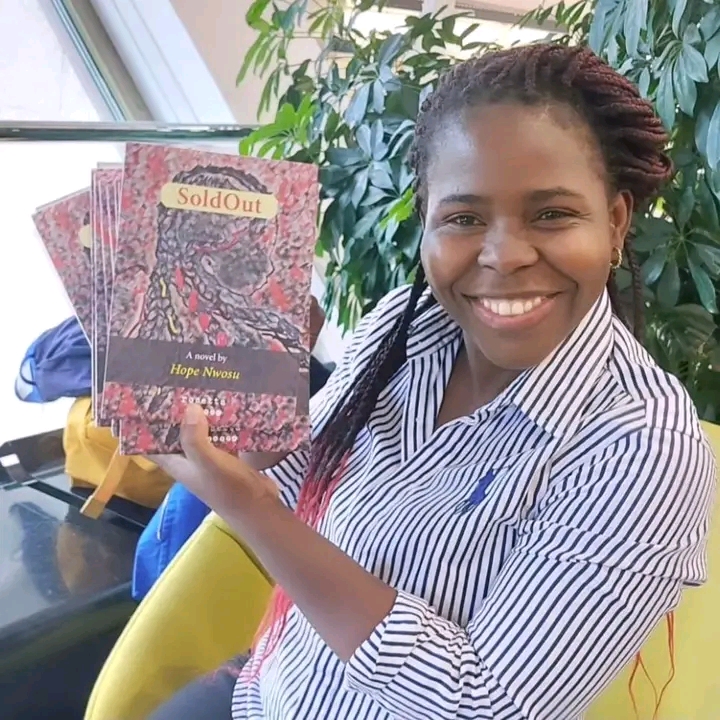
Hope Nwosu, a devoted mother and wife, has recently published her first book, “Sold Out,” in Finland. The book provides a compelling narrative on the challenges faced by African mothers in the Nordic country. During the unveiling of her book, Nwosu shared an inspiring message: “Build bridges, don’t burn them!”

Nwosu highlighted that one of the reasons people may hesitate to help others is due to past experiences where their efforts went unappreciated. She emphasized the importance of gratitude with a paraphrased Igbo proverb: “A hen does not forget someone who helped it in the rainy season.” This proverb underscores the significance of remembering those who assist us in times of need. Failing to show appreciation can discourage others from offering help in the future and can close lines of communication, making it difficult to seek assistance again.

Reflecting on her journey, Nwosu revealed that “Sold Out” was written during a particularly challenging period in her life. Writing became her means of expression and a way to engage in something meaningful, providing an escape from the uncertainties she faced. She credits the support of her friends for motivating her to complete the novel.

In a heartfelt gesture, Nwosu sent author copies of “Sold Out” to those who supported her during her difficult years, showing her gratitude and encouraging them to continue supporting others in need. She believes that building bridges is crucial, as one never knows when they might be needed again.

Hope Nwosu’s debut novel not only offers a powerful story but also serves as a testament to the importance of empathy, humanity, and mental well-being.

#Empathy #Humanity #MentalHealth #WellBeing #SoldOut #Fiction


The Nigeria Computer Emergency Response Team (ngCERT), operating under the Office of the National Security Adviser, has issued a critical warning to Nigerian Android device users about a potent new malware known as the Anatsa banking trojan.

The Anatsa banking trojan is a sophisticated type of malware specifically engineered to target banking applications. Once it infiltrates an Android device, it stealthily steals financial information, including login credentials, personal identification numbers (PINs), and even banking transaction details.

The advisory from ngCERT outlines the increasing cyber threats posed to bank customers, citing a surge in reports of such incidents. This warning comes as part of a broader effort to protect the financial data of millions of Nigerians who rely on mobile banking for their daily transactions.

Instances of Anatsa Banking Trojan Attacks

In one notable instance, users received seemingly legitimate emails or text messages from their banks, prompting them to click on a link to update their account information. Once clicked, the link redirected them to a fake banking site that captured their login details and transmitted them to the malware operators.

Several Android users reported downloading apps from third-party app stores that appeared to be genuine banking or utility apps. These apps, once installed, activated the Anatsa trojan, which silently collected sensitive banking information and sent it to cybercriminals.

In another sophisticated attack, the Anatsa trojan was found to create overlays on top of legitimate banking apps. When users opened their banking app and entered their credentials, the malware captured the information in real-time and sent it to the attackers.

Precautions and Recommendations

To mitigate the risk of falling victim to the Anatsa banking trojan, ngCERT advises users to avoid clicking on suspicious links, especially in unsolicited messages and emails. It is crucial to download apps only from trusted sources like the Google Play Store and avoid third-party app stores that may not vet apps for security. Regularly updating the device’s operating system and apps ensures that the latest security patches are in place. Using strong, unique passwords for banking apps and considering the use of a password manager can provide an added layer of security. Enabling two-factor authentication (2FA) on banking apps, where possible, is also recommended for enhanced protection.

The warning from ngCERT underscores the importance of vigilance and proactive measures in safeguarding personal financial information against the growing threat of cyberattacks. Users are encouraged to stay informed and take necessary steps to protect themselves from the Anatsa banking trojan and other similar threats.


Anthony Emeka Nwosu


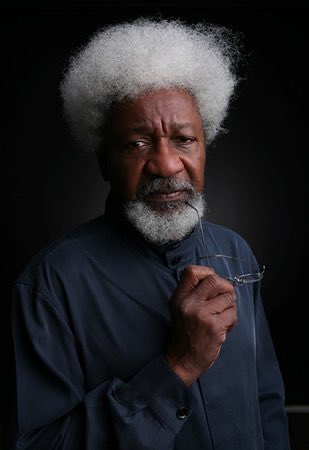
The US Mission in Nigeria extends heartfelt congratulations to Nobel Laureate, Professor Wole Soyinka, on his 90th birthday.

“We are thrilled to celebrate the life and remarkable accomplishments of this cultural icon,” a spokesperson for the US Mission stated. “Professor Soyinka’s work continues to transcend borders and inspire generations.”

Professor Soyinka has made significant contributions to academia, having taught at esteemed U.S. universities including Emory University, Cornell University, Harvard University, New York University, and Yale University.

Join us in honoring Professor Wole Soyinka’s extraordinary legacy. #HappyBirthday


Julie, my late sister, had since relocated to her father’s house, our house, as she had adjudged her late husband’s home not very accommodating. She took her children along. Around 3pm on the 3rd of June 2024, my sister died in the loving arms of her only daughter in my family house right before MaryRose, her younger sister. Even though his abroad based first son and I were promptly informed, it was still the duty of Obiora, our eldest brother to direct on what next to do with her body. Catechist Obiora, after conferring with me, his only brother, decided to take our sister’s corpse to the mortuary. My late sister’s son was asked to inform his father’s relatives that their wife had died.

In line with Nnewi culture, Ezeumunna family of Abụbọ Nnewichi, our in-laws, had to send a delegation with drinks and kola nuts to my sister’s father’s house to inform us that their wife had died even though they knew that she died in her father’s house. That visit was an opportunity to hold our in-laws accountable and ask questions on how they treated our daughter and demand for appeasement failing which we would sideline them in her burial and funeral plans. Of course, we could proceed to bury our sister as we deem appropriate and also perform her funeral ceremonies in her father’s house. Yes, we could do that because she belongs to us, her relatives both in life and in death. She was only on a marriage journey to her husband’s home.The leasehold regarded as marriage has ended and the ownership of my eldest sister would have to revert to her father’s kinsmen.

The point to stress here is that the bride price paid to marry an Nnewi woman is just a lease payment which tenor ends whenever the woman dies or is divorced. Once the woman is dead, the husband’s people must return the corpse to her father’s home for burial or exchange the corpse with the woman’s very important household possession called ngịga which is a woven basket with a small orifice. It is inside the ngịga, which is usually hung to a long rope dripping from kitchen roof and is about three feet away from the fire place, that a married woman stores all her cooking condiments which need the heat from the cooking fire to be preserved.

Invention of stoves, gas cookers and modernity have conspired to withdraw the use of ngịga. The dead woman’s life picture portrait is now being used in exchange for her corpse. That is after the husband’s people must have provided some other material requirements with prescribed entertainment.

In the memory of a peaceful man that married my late sister, my brother and I decided not to activate any trouble buttons but to be civil and respectful to the delegation of Ezeumunna family, our in-laws. They knew what we are capable of doing being that my extended Ezeoguine family are the rulers of Nnewi. Nnewi is a town which headship has been hereditary.

Dates were agreed for the funeral rites of my late sister without hassles as we decided to regard whatever that cried in the night of her marriage journey as mosquitoes.

Ndị Nnewi have longed moved forward more than Idoma people who still insist that a wife must be returned to her father’s house for burial. They do this up till date. I learnt that many communities in Edo State still do it.

Even with three grown children, Julie my late sister was referred to as Nwaọkpụ Ọkpụnyo Otolo as she never belonged to her husband’s family but her children do. My sister has always been the property of the Ezenwegbu Ezeoguine royal family as she was deemed to be on a marriage pilgrimage to her husband’s house. Upon death, her mission has been accomplished and she must be returned home.

According to Nnewi modernity induced amended tradition, before my sister is buried, her body must first be brought to her father’s house for a brief lying-in-state before it is taken to her husband’s home for the continuation of the funeral ceremonies. Any Nnewi girl married outside Nnewi could lose opportunity of this rite if her husband’s town is far. So, you can now understand some of the reasons why Nnewi parents prefer Nnewi husbands for their daughters.

After the brief stopover at her father’s compound, the corpse is then escorted to her husband’s home for continuation of funeral rites. But once the corpse is buried, all the dead woman’s father’s relatives will depart for the dead woman’s father’s compound to conduct their own funeral ceremonies, receiving and entertaining their guests. For instance, all my friends, my wife’s people will pay their condolence to me and my family in my father’s house. Clearly put, a married woman’s funeral ceremonies take place in her husband’s house and her father’s house simultaneously.

The funeral ceremony in the woman’s father’s home would be paused by early evening to enable the father’s family visit their daughter’s family home to perform the ibu ozu nwa ada ceremony. The father of the deceased or the person acting as his father would stay back while the funeral delegation is led by the next in line. In my sister’s case, Catechist Obiora will stay behind while yours sincerely or any other relative will lead my kinsmen to my sister’s husband’s house.

On arrival, the funeral party will approach the condolence table with drinks and clothes after which they would be ushered into a place prepared for them for entertainment which is then followed by the ibu ozu nwa ada rites.

Until my family goes to take either her body, ngịga or picture home and performs separation rituals which is now conducted in a pseudo-christian way, her spirit would not allow her husband’s people rest.

The actual ritual by which a dead woman’s spirit is taken back to her father’s home is called “Ibu ozu nwa ada” in Nnewi. In the case of Julie, my late sister, it has been agreed to happen on the 19th July 2024, in the evening of the day she will be buried. Once we arrive her husband’s house to perform this ritual, all forms of condolences ends as the husband’s family is expected to provide the final marital settlement thereafter, we take the spirit of our sister back to her father’s place where she belongs.

Ikenga Ezenwegbu
13 July 2024