WORLD PR DAY: APRA ADVOCATES ETHICAL, RESPONSIBLE USE OF AI

The African Public Relations Association (APRA) has called on its members to leverage Artificial Intelligence (AI) tools and associated technologies for insights towards transformation of lives, the PR industry and contemporary life, with a caveat for ethical and responsible use of AI.

This advice came in a message sent to members of the continental body by its president, Mr. Arik Karani. The message which came in commemoration of the 2024 World Public Relations Day (World PR Day) and resonates with the theme of this year’s celebration, “The Future of Public Relations in a Changing World”, noted that the unfolding reality of contemporary world signaled ‘unprecedented change and opportunity’.

The president stated that communication, analyses and strategies in PR such as “sentiment analysis, predictive analytics, automated content creation” are spheres where AI enhances the human agency and capabilities of the public relations practitioners and bolsters capacity for improvement in crisis communication, brand and stakeholder relationship management and otherwise complex issues.

In sounding a note of caution in AI utilisation, Mr. Karani urged PR practitioners in Africa to ensure that “the principles of transparency, accountability and inclusivity should guide our use of AI in public relations”, because PR practitioners have a duty to promote truth, bridge gaps and cultivate trust. He reminded all members of APRA that those precepts are in congruence with the vision of APRA and promised the organisation’s dedication to advancing PR practice to foster promotional development, promote ethical standards to enhance the contribution of APRA to society through sustainable development of all sectors to drive social impact.

Karani, who is also the President of the Public Relations Society of Kenya (PRSK), appealed to APRA  members to be open-minded to explore the endless opportunities of AI as a force for good in public  relations so the profession can continue to play its central role in building understanding, enable dialogue and “creating a more connected and compassionate world”.


In a grand celebration of leadership and dedication, the esteemed executives and close associates of Airtel Nigeria gathered in Lagos to pay tribute to the company’s immediate past Group Chief Executive Officer (GCEO), Dr. Segun Ogunsanya, who retired from his position at the end of June 2024.**

The event was a testament to Dr. Ogunsanya’s remarkable tenure, which spanned several years of exceptional service and visionary leadership. His contributions have significantly impacted not only Airtel Nigeria but also the broader spectrum of Airtel’s operations across Africa. His strategic foresight and unwavering commitment have propelled Airtel into new heights of success and innovation.No alt text provided for this image

During the gathering, colleagues and friends highlighted Dr. Ogunsanya’s numerous achievements and his pivotal role in driving growth and development within the company. His efforts in expanding Airtel’s reach and enhancing its service quality have left an indelible mark on the telecommunications landscape in Africa.

Dr. Ogunsanya’s retirement marks the end of an era characterized by transformative leadership and a deep-seated dedication to excellence. In recognition of his invaluable contributions, Airtel Nigeria conveyed their heartfelt wishes for his success in his new role. Dr. Ogunsanya will now serve as the pioneering Chairman of the Airtel Africa Foundation, where his leadership is expected to drive philanthropic initiatives and foster positive change across the continent.

The heartfelt occasion in Lagos was a fitting tribute to a leader whose legacy will continue to inspire and guide Airtel’s future endeavors. As Dr. Ogunsanya embarks on this new chapter, the Airtel family remains grateful for his leadership and looks forward to the continued positive impact he will undoubtedly make in his new role.


ANTHONY EMEKA NWOSU


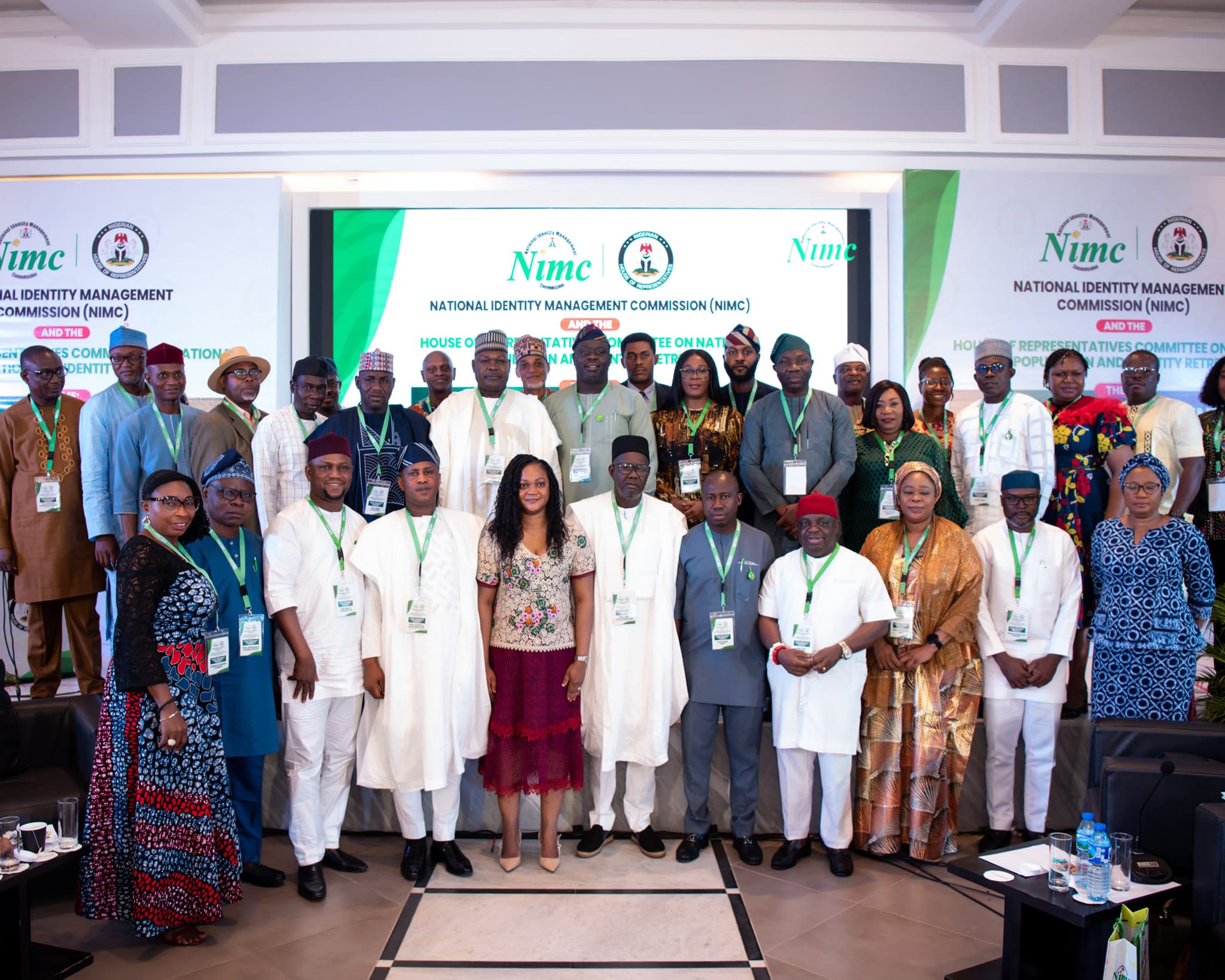
The National Identity Management Commission (NIMC) and the House of Representatives Committee on National Population held a retreat themed “Identity Management and Legislative Oversight” to explore collaborative efforts towards fulfilling the Commission’s mandate and fostering a harmonious working relationship.

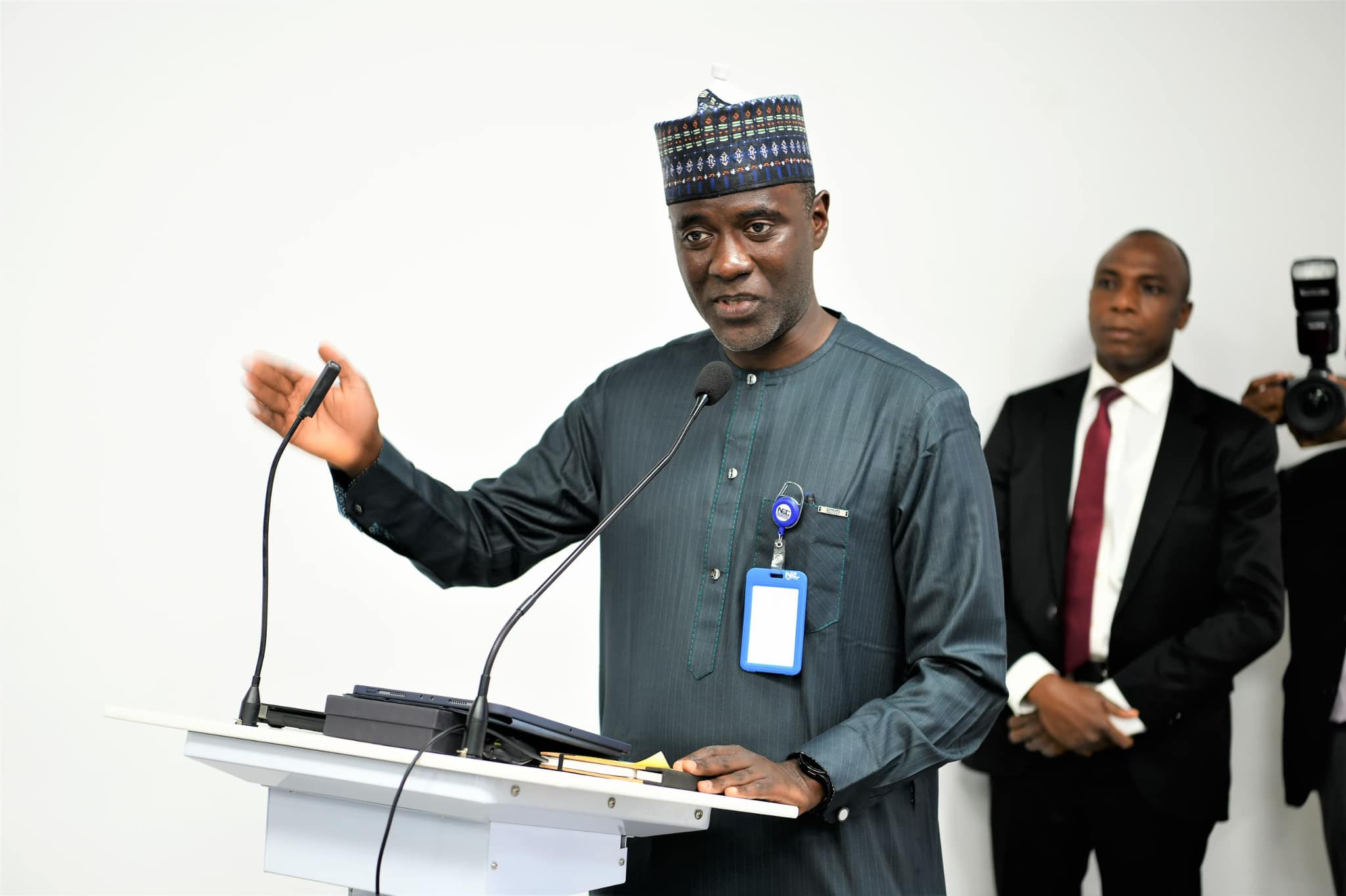
Speaking at the retreat, NIMC Director General Engr. Abisoye Coker-Odusote highlighted the retreat’s aim to reacquaint committee members with the Commission’s activities, mandate, and mission. She emphasized that the event would provide an environment conducive to identifying potential areas of collaboration and building a harmonious working relationship to advance digital identity in Nigeria.May be an image of 2 people, dais and text

Commenting on the retreat’s focus, House Committee on Population Chairman, Honourable Okunjimi Odimayo, praised the NIMC DG and her team for their efforts in elevating the Commission’s profile since her tenure began. He assured that the Committee would offer maximum support to NIMC to ensure the achievement of its mandate.

The retreat saw the participation of members of the House of Representatives Committee on Population and management staff of the National Identity Management Commission.


ANTHONY EMEKA NWOSU


NIMC Director General Engr. Abisoye Coker-Odusote highlighted the retreat’s aim to reacquaint committee members with the Commission’s activities, mandate, and mission. She emphasized that the event would provide an environment conducive to identifying potential areas of collaboration and building a harmonious working relationship to advance digital identity in Nigeria.


The Nigerian Communications Commission (NCC) has inaugurated its Centre of Excellence, powered by Nokia, marking a significant milestone in the country’s telecommunications sector. The event, attended by Dr. Aminu Maida, Executive Vice Chairman of the NCC, and the Hon. Minister of the Federal Ministry of Communications and Digital Economy, Dr. Bosun Tijani, celebrated this new initiative aimed at empowering youth with engineering and technical backgrounds.

Dr. Maida highlighted that the Centre of Excellence will serve as a training hub for aspiring telecommunications professionals, with a strong focus on 5G and other advanced radio technologies. The partnership with Nokia will facilitate the Omnia Youth Entrepreneurship Program, which is set to provide high-quality training to 200 youths from Nigeria’s six geopolitical zones.May be an image of 6 people and wedding

“This initiative, though a small step, marks the beginning of something significant—a turning point for developing a new pool of radio engineers in our country,” Dr. Maida stated. He emphasized that the Centre of Excellence will be a safe space for young engineers to experiment and explore new perspectives, thereby adding value to the telecommunications industry.

Dr. Maida expressed gratitude to Dr. Bosun Tijani for his vision and drive that brought the partnership to fruition, and to Nokia for their collaboration. “I eagerly anticipate the opportunities this collaboration will bring,” he added.

The inauguration of the Centre of Excellence represents a significant advancement in Nigeria’s efforts to upskill its youth and strengthen its telecommunications sector.


TONY EMEKA NWOSU


“This initiative, though a small step, marks the beginning of something significant—a turning point for developing a new pool of radio engineers in our country,” Dr. Maida stated. He emphasized that the Centre of Excellence will be a safe space for young engineers to experiment and explore new perspectives, thereby adding value to the telecommunications industry.


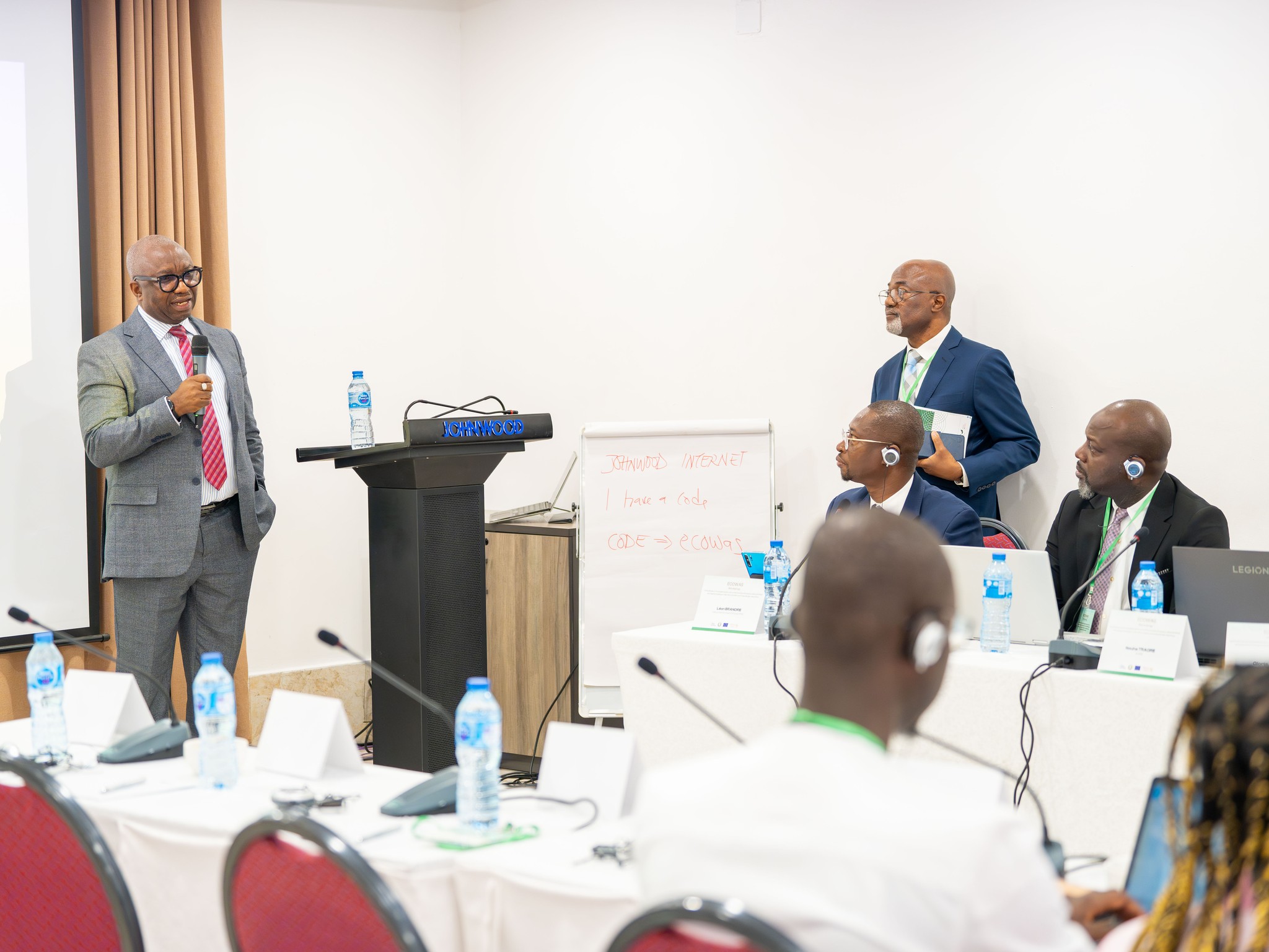
The ECOWAS workshop on the review of the ECOWAS Supplementary Act of 2010 on Personal Data Protection commenced with opening remarks from Dr. Vincent Olatunji, the National Commissioner of the Nigeria Data Protection Commission (NDPC). The workshop aimed to develop a draft strategy to enhance the current supplementary act on personal data protection.

In his address, Dr. Olatunji provided an overview of Nigeria’s data protection journey and highlighted the rapid progress of data protection laws across Africa since the establishment of the Malabo Convention. This convention has positively impacted 23 African countries, including Nigeria. He also shared a brief history of data protection in Nigeria and discussed the unique model the country has adopted, which has garnered interest from other nations.May be an image of 5 people

Dr. Olatunji outlined NDPC’s strategic roadmap, emphasizing the pillars of the plan. He recommended a continuous review of the supplementary act to account for emerging technologies and proposed appointing a Chief Data Protection Officer within ECOWAS to enhance coordination among data protection authorities. He stressed the importance of fostering a common ground for knowledge sharing and increasing awareness of data protection issues.

The workshop saw participation from ministries responsible for ICT and the digital economy, Data Protection Authorities from member states, the ECOWAS Commission, the African Union, and GIZ.


ANTHONY EMEKA NWOSU


At the BusinessDay CEO Forum 2024, Central Bank of Nigeria (CBN) Governor Olayemi Cardoso emphasized the necessity for economic policies to have a positive impact on the average Nigerian. He reaffirmed the CBN’s dedication to implementing strategies aimed at creating a stable and prosperous economic environment for all citizens.

Governor Cardoso highlighted the recent policy decision to exclude retained earnings from recapitalization terms, noting that this move incentivizes banks to seek fresh capital from external sources. He explained that this approach is designed to strengthen the banking sector and support broader economic stability.

In his address, Governor Cardoso also underscored the CBN’s ongoing efforts to control inflation, expressing confidence in the future of the Nigerian economy. His remarks reflect a commitment to ensuring that economic growth and stability benefit every Nigerian, fostering a more inclusive and resilient economy.


Nwosu Anthony


Ensuring consumer affordability and stopping fraudsters is possible with the right checks

When it comes to major financial choices, buying a vehicle is second only to purchasing property. In an environment where household budgets are under increasing strain from high interest rates, economic pressures for consumers loom large. “Facilitating access to vehicle financing for legitimate customers is a pivotal responsibility for businesses. In the pursuit of profitability and customer satisfaction, lenders face the often daunting task of safeguarding themselves against potential fraud and internal mismanagement in conducting proper Know Your Customer (KYC), credit, and affordability checks,” says Sameer Kumandan, Managing Director of SearchWorks, South Africa’s largest and most innovative data aggregation platform that allows users to conduct live, accurate searches on individuals and companies, and in-depth KYC checks online.

Consider a common scenario: A prospective client approaches a dealership seeking to purchase a car with what appears to be legitimate identification documents, proof of address, and bank statements in hand. Unbeknownst to the dealership, the client may be using stolen or falsified credentials. In the haste to expedite the transaction and accommodate the customer, critical verification checks may be overlooked or rushed, leaving the business vulnerable to fraudulent activity.

“Such situations highlight the crucial need for access to accurate and current consumer data. Therefore, businesses providing credit should utilise comprehensive data-driven tools to improve the efficiency and precision of credit and KYC checks at every opportunity,” explains Kumandan. He says that by embracing modern technologies and employing a suite of data-driven solutions, businesses can mitigate risks, streamline processes, and ensure that credit is extended only to legitimate customers who meet the requisite affordability criteria.

“As financial complexities and heightened regulatory scrutiny mount, businesses cannot afford to place robust credit and affordability checks on the back burner. These processes are essential not only for safeguarding the interests of lenders but also for consumers and their financial stability”, notes Kumandan.

He adds that the following checks can help eliminate internal oversights and stop potential fraudsters in their tracks.

  • Credit checks: A credit check is vital for showing a consumer’s repayment reputation and any adverse information that would be of interest to a lender before extending vehicle finance.
  • Vehicle registration check: This search provides lenders with information on any additional vehicles owned by an individual and forms part of the National Credit Act (NCA) check.
  • ID verification check: A verification check should be non-negotiable to establish authentic identity.
  • Income estimator: A crucial element in ascertaining affordability
  • Trace check: This includes a consumer’s address, employment and contact information.
  • Account verification: Confirmation that banking information provided by an individual is accurate and true.

Kumandan says the importance of reliable and up-to-date consumer data cannot be overstated. “Lenders that prioritise access to comprehensive data insights are better equipped to mitigate risks, streamline processes, and uphold the highest standards of integrity and diligence in extending credit to consumers.”

SearchWorks offers 160 different search types and gives instant access to over 20 data sources, including all credit bureaus in South Africa allowing lenders to perform  ID and bank account verifications, asset valuation, live tracing on individual records and batch tracing for multiple records at once; credit, past employment, property and directorship searches; and have access to an income estimator on a new client, all within the confines of the law.


Ultimately, the goal is to facilitate transactions while promoting responsible lending practices that contribute to long-term financial stability for both businesses and consumers alike. “By embracing a holistic approach to credit assessments and affordability checks, lenders can strengthen trust, mitigate risks, and foster mutually beneficial relationships with their customers. It’s a win-win for everyone involved,” says Kumandan.


Cybersecurity specialist Exclusive Networks Africa has announced a new local partnership with Akamai Technologies, the cloud company that powers and protects life online, with a view to assisting the organisation to further entrench itself across the African continent.

According to Stefan van de Giessen, Security & GSI Lead Africa at Exclusive Networks Africa, the two businesses have already worked together on a significant local project, which saw the successful implementation recently of a microsegmentation strategy for an African telecommunications group.

“Having collaborated for the past six months on this particular deal, Akamai opted to broaden our partnership and leverage Exclusive Networks Africa’s extensive partner base across East, West and South Africa, as well as the Indian Ocean Islands and the Southern African Development Community (SADC) region, in line with the company’s strategy. Together, we will focus on delivering the benefits of microsegmentation to local enterprises, governments and telco organisations in particular.”

Software-based microsegmentation is an emerging security best practice that offers several advantages over more established approaches, like network or application segmentation. These traditional methods rely heavily on network-based controls that are coarse and often cumbersome to manage, notes Van de Giessen. However, the software-based segmentation element of microsegmentation separates security controls from the underlying infrastructure and provides businesses with the flexibility to extend protection and visibility anywhere.

The added granularity that microsegmentation offers is essential at a time when many organisations are adopting cloud services and new deployment options, like containers, that make traditional perimeter security less relevant.

Says Van de Giessen: “Microsegmentation is essentially a software-defined network overlay that, through AI intelligence, allows for greater visibility around all assets within the network. This infrastructure visualisation is helpful in that it makes activity in the environment easier to identify and understand.

“This approach allows companies to ringfence their applications and servers and define which ones are able to talk to each other. This is critical in the case of, for instance, a ransomware attack, as the malware is not able to spread to other machines within the network due to these authorisation parameters. The ability to lock down a device individually allows for greater control over the blast radius of an attack, which would not be possible with the use of a firewall, for instance.”

Furthermore, he explains, a software-based microsegmentation solution can be rolled out faster, seamlessly and with far less capital expenditure (Capex) than would be required to purchase firewall appliances and additional hardware.

“Microsegmentation also allows businesses to avoid lengthy implementation timelines – taking rollout timelines from over a year down to weeks – as well as the unavoidable related downtime, which comes with a hefty price tag. In addition, the reduced maintenance – and reduced management effort needed – results in far lower operating expenses (Opex) over time, in the form of labour and resource savings.”

“Microsegmentation may be a newer concept to many, but it is becoming an increasingly important tool for IT teams challenged with ensuring that security policies and compliance keep pace with the rapid rate of change in today’s dynamic data centre, cloud, and hybrid cloud environments,” Van de Giessen concludes.

Speaking about the partnership, Hans Nipshagen (Regional Vice President of Channels and Alliances EMEA at Akamai) said: ‘We are excited to team up with Exclusive Networks and their strong ecosystem of local partners to deliver our microsegmentation services, enhancing cybersecurity for customers across the African markets.’

The President of the African Development Bank Group Dr. Akinwumi Adesina (www.AfDB.org) has said the decision by Nigeria’s government to allow massive food importation risks destroying the country’s agriculture.


This follows the announcement by Nigeria’s Minister for Agriculture Abubakar Kyari on July 10 that the Federal Government would suspend duties, tariffs, and taxes on the importation of maize, husked brown rice, wheat, and cowpeas through the country’s land and sea borders, for 150 days.

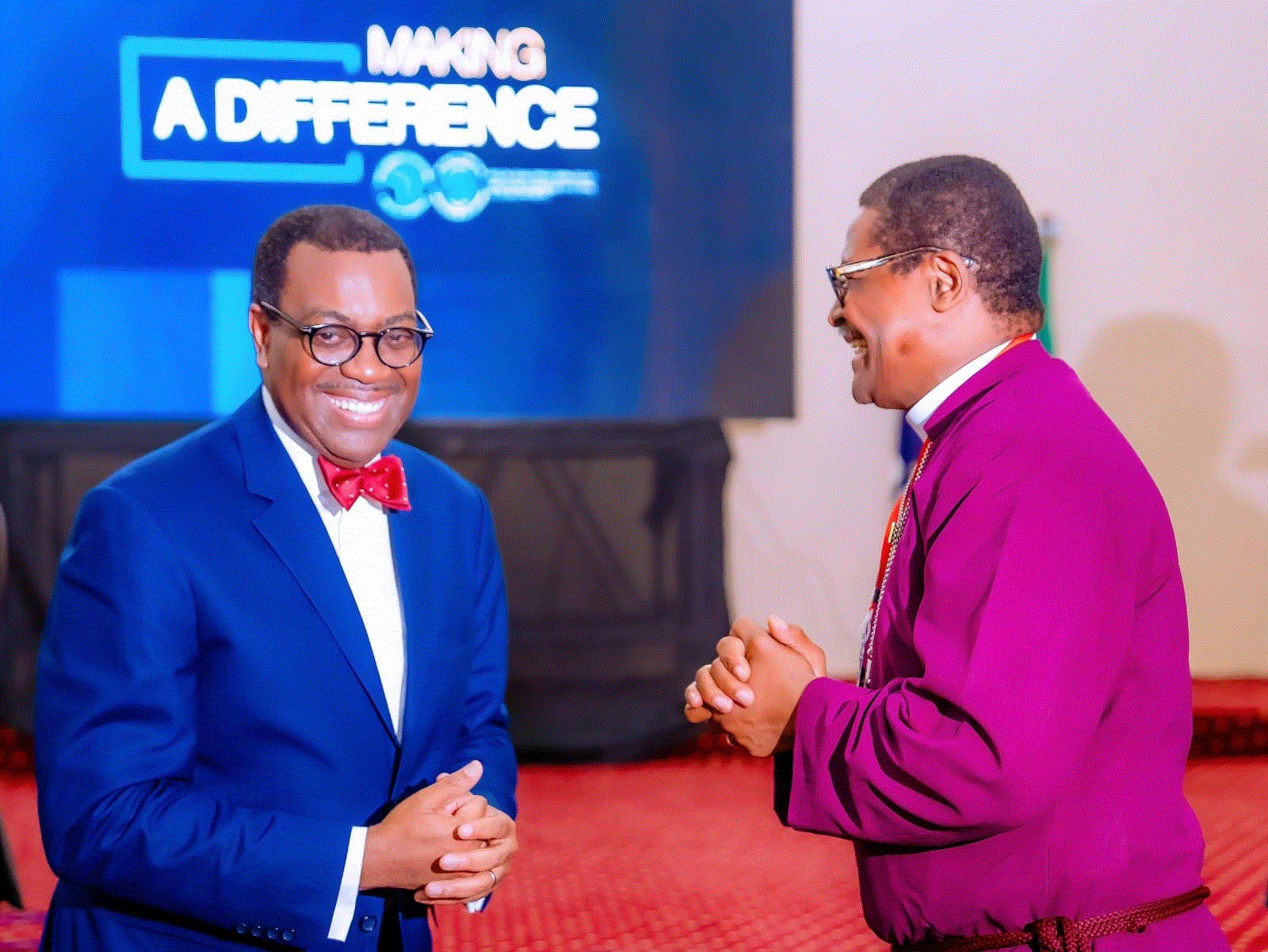
“Nigeria’s recently announced policy (https://apo-opa.co/3W1Xdsk) to open its borders for massive food imports, just to tackle short-term food price hikes, is depressing,”  Adesina told African Primates of the Anglican Church at a Retreat in Abuja, Nigeria, on Friday.

He warned that the policy could undermine all the hard work and private investments that have gone into Nigeria’s agriculture sector.

“Nigeria cannot rely on the importation of food to stabilize prices. Nigeria should be producing more food to stabilize food prices, while creating jobs and reducing foreign exchange spending, that will further help stabilize the Naira,” said the African Development Bank president.

“Nigeria cannot import its way out of food insecurity,” he said, “Nigeria must not be turned into a food import-dependent nation.”

Speaking on the theme ‘Food security and financial sustainability in Africa: The role of the Church’, Adesina said Nigeria “must feed itself with pride,” warning, “a nation that depends on others to feed itself, is independent only in name.”

Faith and food security

The clergymen assembled in Abuja under the umbrella of the Council of Anglican Provinces of Africa (CAPA), representing more than 40 million Anglicans across the continent.

In his opening remarks, the host, His Grace the Most Reverend Henry C. Ndukuba, Primate of the Church of Nigeria (Anglican Communion), said the gathering was a unique opportunity for African Anglican leaders to deepen bonds of friendship and collaboration, and to share collective wisdom and experiences.

The chairperson of the event, Emeritus Nigerian Professor of Science Education, Olugbemiro Jegede, told Adesina: “You have the whole of Africa represented here. Every Primate represents a region. Behind these Primates are millions and millions of Anglicans who are listening to us here.”

Noting that Africa accounts for nearly a third of the more than 780 million people worldwide who are hungry, the African Development Bank president said agriculture is critical for the diversification of economies, and for the transformation of rural areas, where over 70 percent of the population of Africa live. “It is clear therefore that unless we transform agriculture, Africa cannot eliminate poverty,” he insisted.

Nigeria must not be turned into a food import-dependent nation

Adesina said Africa has 65 percent of the uncultivated arable land left in the world, to feed 9.5 billion people by 2050. Therefore, what Africa does with agriculture will determine the future of food in the world. “Essentially, food is money. The size of the food and agriculture market in Africa will reach $1 trillion by 2030.”

Transformational strides

Adesina briefed the Primates on the Bank’s $25 billion program to transform agriculture by providing high performing agricultural technologies for 40 million farmers and making Africa food self-sufficient by 2030.

He shared the Bank’s successes in helping member countries tackle the negative effects of climate change, through financial investments and its flagship Technologies for African Agricultural Transformation (TAAT) program.

According to the Bank president, TAAT has helped Ethiopia to become a net exporter of wheat within five years, and it has significantly increased Sudan’s wheat production, as well as supported countries in Eastern and Southern Africa to continue producing food in the face of a prolonged drought.

For Nigeria, Adesina said, “Together with the Islamic Development Bank and the International Fund for Agricultural Development, we have provided $520 million to support the establishment of Special Agricultural Processing Zones, which will allow private agribusinesses to establish industries that process and add value to agricultural commodities.”

In addition, the Bank provided $134 million to Nigeria for emergency food production to help drive down food price inflation, by significantly boosting the local production of wheat, and cassava, under the national Agricultural Growth Scheme.

Adesina urged the Nigerian government to take advantage of the Bank’s investments and support for African farmers; show greater determination and commitment to achieving food self-sufficiency, and to incentivize private sector agribusinesses.

To support Africa’s ambitions to move up the global agricultural value chains, the African Development Bank Group and its partners, are supporting the development of 28 Special Agro-Industrial Processing Zones (SAPZs) l in 11 countries, with $4.5 billion dollars mobilized so far.

Speaking on behalf of the Chairman of the Council of Anglican Provinces of Africa and Bishop of Northern Zambia, the Most Reverend Albert Chama, the Archbishop of the Anglican Church of Kenya, the Most Reverend Dr. Jackson Ole Sapit, called for greater cooperation between the Bank Group and the Anglican Church.

“The African mind must be at the center of solving African problems. If the African Development Bank mobilizes resources for the African continent, and the Church also mobilizes resources for holistic transformation, we can achieve a lot working together – and make a difference,” Ole Sapit said.

The church as a change agent

Proposing solutions for agriculture in Africa, Adesina said the world desperately needs “visionary and passionate leaders who are strategic solution providers and transformational change makers.”

This includes, he said,  public advocacy for robust government policies to end hunger and malnutrition, complemented by church-led food banks and other social protection programs for the poor and needy; investing in commercial farms, especially in rural areas; advocacy on issues of climate change; supporting and encouraging young Africans to engage in  agricultural entrepreneurship; and demanding greater financial accountability, public probity, and better financial management from governments.

  • The Role of the Church – Speech by Dr. Akinwumi A. Adesina

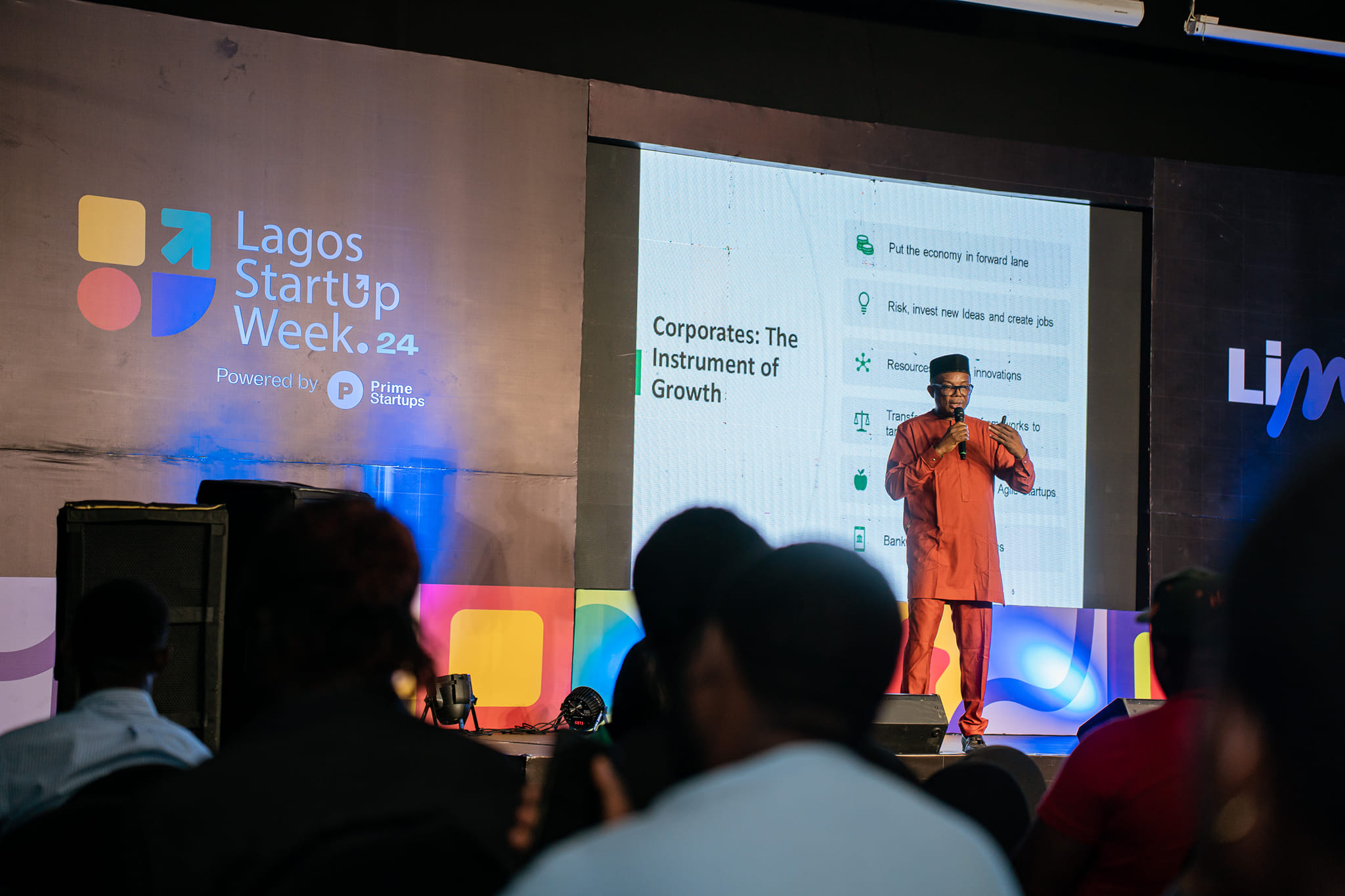
The Lagos Startup Week 2024 witnessed a compelling keynote address delivered by Dr. Aristotle Onumo, Director of Corporate Planning and Strategy at the National Information Technology Development Agency (NITDA), representing the Director General Kashifu Inuwa Abdullahi. The keynote speech, themed “It Takes a Village of Regulators, Corporates, Strategists, and Innovators to Raise the Industry,” highlighted pivotal strategies for fostering a robust startup ecosystem in Nigeria.

Dr. Onumo underscored the transformative role of the Nigeria StartUp Act (NSA), encouraging startups to leverage the platform for registration and accreditation. This initiative aims to cultivate a functional, responsive, agile, adaptive, and dynamic ecosystem. The Director General’s address resonated with President Bola Ahmed Tinubu’s administration’s priorities, emphasizing accelerated diversification through industrialization, digitization, creative arts, manufacturing, and innovation. Additionally, the agenda includes comprehensive economic reforms geared towards sustainable inclusive growth.

The event provided a platform for startups to engage with regulatory frameworks and corporate entities, fostering collaborative synergies essential for industry development. Dr. Onumo’s keynote speech reinforced NITDA’s commitment to nurturing innovation and entrepreneurship in alignment with national economic objectives.

Anthony Nwosu
Tech and Biz News
Phone: 08028931940