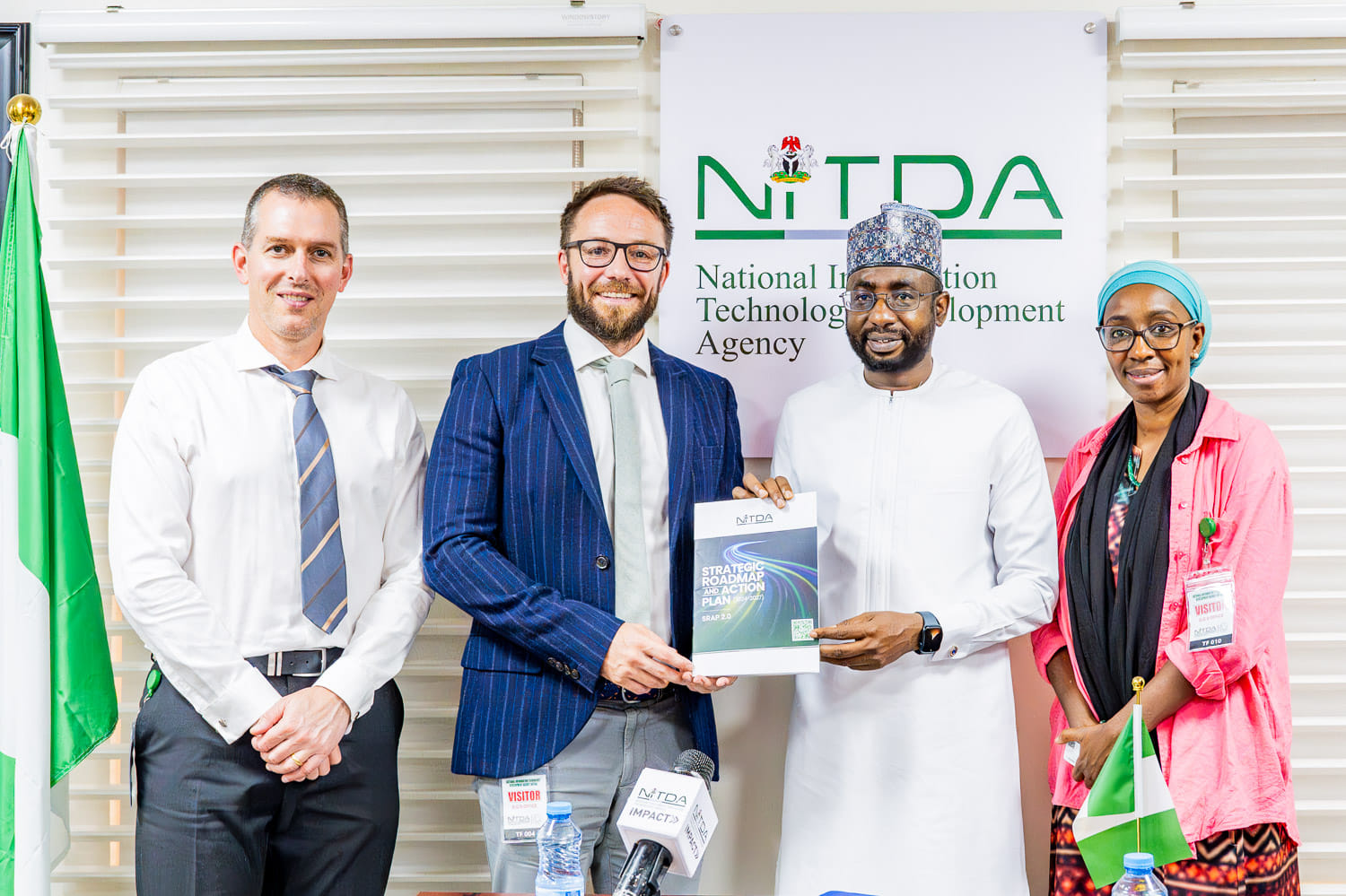
The Director General of the National Information Technology Development Agency (NITDA), Kashifu Inuwa CCIE, recently welcomed Dr. Tom Craknell, CEO of Koyo Health Tech, an e-health technology company dedicated to leveraging AI to address global health inequities.

During the meeting, the Director General presented NITDA’s Strategic Roadmap and Action Plan (SRAP 2.0), emphasizing Nigeria’s ambitious target of achieving 70% digital literacy by 2027. He highlighted the agency’s commitment to advancing digital education and literacy as key components of national development.

In alignment with President Bola Ahmed Tinubu’s administration’s focus on education, health, and social investment as critical pillars of development, the Director General expressed NITDA’s readiness to collaborate with Koyo Health Tech. This partnership aims to democratize access to quality healthcare services across Nigeria through innovative e-health solutions.

“NITDA is committed to supporting initiatives that enhance the quality of life for Nigerians,” said Kashifu Inuwa. “By partnering with Koyo Health Tech, we are taking a significant step towards ensuring that all Nigerians have access to quality healthcare, leveraging the power of AI and digital technologies.”

This collaboration underscores NITDA’s dedication to fostering technological advancements and improving healthcare outcomes in Nigeria, paving the way for a healthier, more digitally literate society.

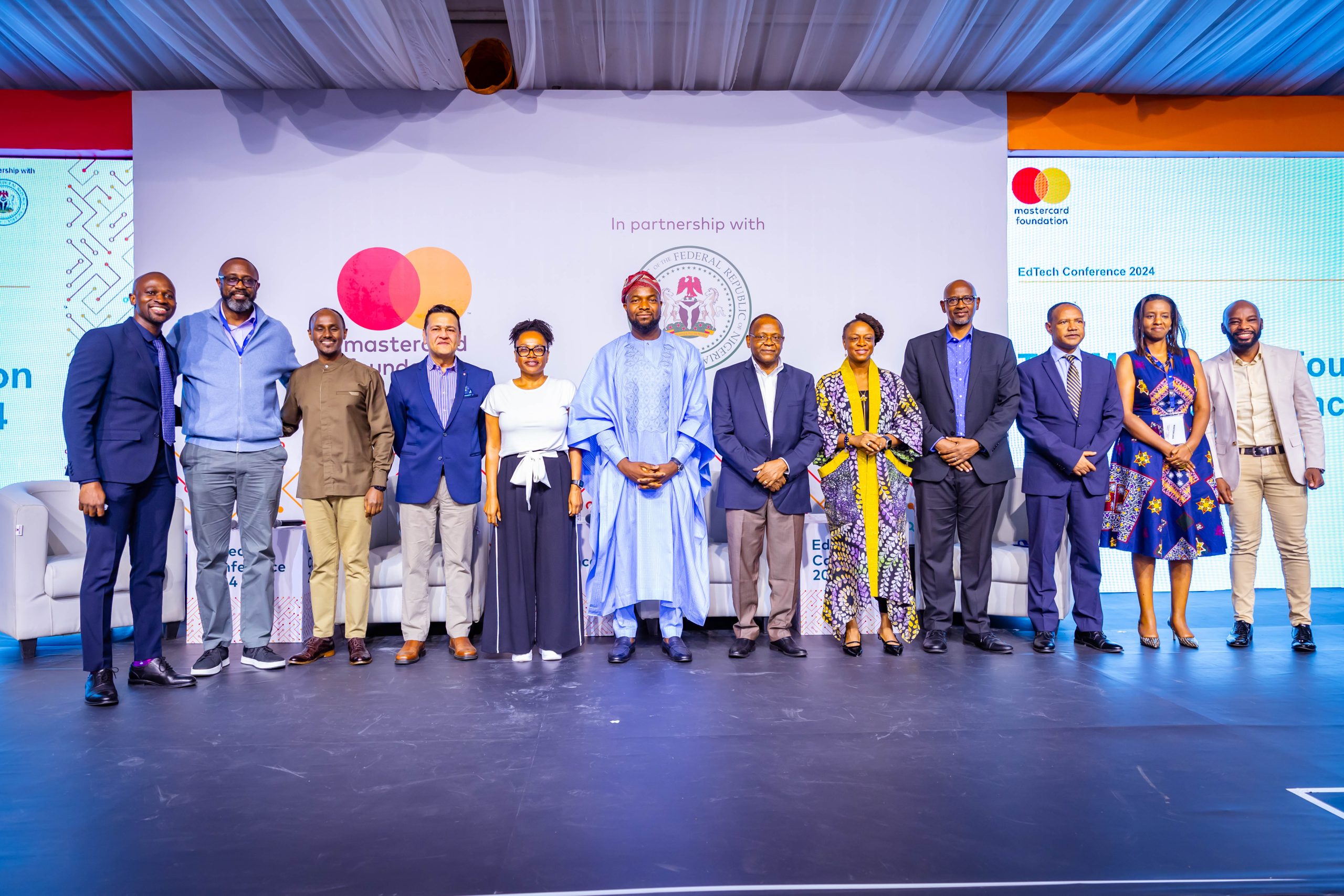
About 600 stakeholders from over 30 countries in Africa and beyond came together from July 8 to 10 at the inaugural Mastercard Foundation (https://MastercardFdn.org/) EdTech Conference in Abuja, Nigeria, to discuss education technology for resilient and inclusive learning in Africa. Participants reached a consensus that integrating technology into learning systems in Africa is now a necessity, not a luxury.


Hosted in partnership with the Federal Government of Nigeria, the conference concluded with a collective call to action on 10 recommendations for governments and other EdTech stakeholders.


“Investing in education in Africa is not only about Africa; rather, it is about investing in human capital for the world. It is also about building resilience in our learning systems to better prepare us for future shocks such as the recent COVID-19 pandemic. This is why the Mastercard Foundation is committed to working with partners to scale education initiatives and enable innovations that foster the integration of technology into learning systems,” Peter Materu, Chief Program Officer at the Mastercard Foundation, told participants while underscoring education as the key to building an inclusive and resilient society and the urgent need for investments in education to skill Africa’s young people.


Nigeria’s Federal Minister of Education, Prof. Tahir Mamman, stated, “technology isn’t just a tool; it is a powerful incentive that empowers students and ignites their passion for learning.”


“Inclusion is the cornerstone of EdTech,” added Dr. Bosun Tijani, Nigeria’s Federal Minister of Communications, Innovation and Digital Economy. “If we fail to reach all learners, we fail to fulfill our potential to revolutionize education.”


Participants proposed the following recommendations as guidance to national decision-making to advance the building of an impactful EdTech ecosystem in Africa.


  1. Champion local innovation through supportive EdTech policies, with governments as leaders, proactive enablers, and consumers of quality content and delivery mechanisms.
  2. Harmonize cross-sector policy by coordinating inter-ministerial strategies, plans, and initiatives on technology-enabled access to education for all.
  3. Underwrite foundational infrastructure through creative use of resources such as Universal Service Funds to invest in electricity, the internet, devices, and dedicated infrastructure for education programs.
  4. Drive decisions with data by investing in government systems and capabilities for timely collection, analysis, and informed decision-making.
  5. Enhance delivery capacity along the EdTech value chain by upskilling teachers to deliver learning using EdTech and supporting leaders in education systems to work with tech-enabled processes and data.
  6. Systematize EdTech integration by introducing (where nonexistent) and enforcing clear, context-relevant standards for technology integration into the educational curriculum.
  7. Guide context-relevant innovation with clear and timely guidelines and approval processes for content, tools, and licenses to encourage innovation, investment, and technology mainstreaming.
  8. Diversify learning pathways for out-of-school youth by developing flexible technology- enabled alternatives for learning, accredited certification, and re-entry to the formal education system.
  9. Lower access barriers to EdTech through strategic private-public partnerships that support responsive, evidence-based policy and affordable solutions for all.
  10. Embed responsive inclusivity (gender equity, persons with disabilities and refugees and displaced persons) in policy and innovation processes, centering and engaging diverse young people throughout development and delivery.


Referencing the African Union’s 2024 Year of Education, discussions at the conference focused on the state of EdTech in Africa, assessment of technology-enabled solutions to the continent’s education challenges, data evidence, collaborations, funding, and opportunities to tap into emerging technologies to accelerate the skilling of young people, particularly young women.


Dr. Jamila Bio Ibrahim, Nigeria’s Federal Minister of Youth Development, emphasized the need to prioritize inclusiveness in education reform. “All voices, especially voices of young women, need to be included in the formulation of policies for them to be effective,” she noted.


The African Union’s Special Youth Envoy, Chido Mpemba, noted that “accessible innovations can be global in outlook while also being deeply rooted in the needs of Africa’s young population.”


African-led EdTech entrepreneurs exhibited their solutions at the conference to demonstrate how efforts to encourage impactful education innovation can deliver the future of learning.


The recommendations from the conference were shared at the 3rd Ministerial Forum on EdTech in Africa, which took place at the conclusion of the conference. Three of the recommendations were prioritized for concrete action between now and the next Forum:


  • Developing strategies and policies to integrate EdTech into learning systems.
  • The need to enhance quality education data and accompanying analytical skills for evidence-based decision-making.
  • Addressing the challenge of out-of-school children and youth in Africa, which currently stands at 108m and is growing.


Through its Centre for Innovative Teaching and Learning, the Mastercard Foundation strategically partners to foster innovation, share best practices, conduct research, and convene events such as the EdTech Conference to advance inclusive education, especially for underserved learners. Speaking about the recently concluded conference in Abuja, Joseph Nsengimana, the Director of the Mastercard Foundation Centre for Innovative Teaching and Learning, said, “The collective commitment to advancing education through the power of technology promises to significantly transform the educational landscape, ensuring that Africa’s youth are well-equipped for the future.”


The next EdTech Conference is planned for 2026, the year the Mastercard Foundation marks its 20th anniversary.


Vertiv (NYSE: VRT), a global provider of critical digital infrastructure and continuity solutions, and ZincFive®, the world leader in nickel-zinc (NiZn) battery-based solutions for immediate power applications, today announced that Vertiv will add the ZincFive BC Series uninterruptible power supply (UPS) Battery Cabinets to its portfolio of battery systems available for data centre backup power. The safe and recyclable nickel-zinc batteries are compatible with select large and medium Vertiv™ UPS, including the recently launched Vertiv™ Trinergy, systems as a source of backup energy storage, complementing the company’s commitment to enable customers to minimise the environmental footprint of their data centre sites. The ZincFive BC Series UPS Battery Cabinets are now available from Vertiv in North America and Europe, Middle East and Africa.


ZincFive’s BC Series UPS Battery Cabinets are the first nickel-zinc battery energy storage solution with backward and forward compatibility with megawatt class UPS. The BC Series offers the smallest footprint in the industry compared to VRLA and Lithium-Ion, and minimal maintenance requirements. The NiZn chemistry provides reliable operation, with the battery strings remaining conductive, even with weak or depleted cells. In addition, according to a study performed by Boundless Impact and commissioned by ZincFive, ZincFive’s NiZn batteries have a significantly lower end-to-end environmental impact than lead-acid and lithium batteries, as validated by expert third-party analysis.

ZincFive’s CEO and co-founder, Tim Hysell, emphasised, “Our relentless commitment to innovation shines through our powerful, safe, and reliable nickel-zinc battery technology. The BC Series represents an ideal solution to meet the evolving demands of data centres, both today and in the future. Furthermore, the importance of sustainability in data centre backup battery systems is on the rise, aligning perfectly with the shared values of ZincFive, our partners, and our customers. We are dedicated to minimising carbon emissions and operational expenses without compromising on safety or performance.”


“Vertiv and ZincFive want to enable reliable and efficiently operated data centres around the world, providing greater access to data, with less waste and greater energy efficiency,” said Vertiv senior director of Energy Storage, Milind Paranjape. “Vertiv has already deployed the ZincFive product at several sites for major data centre companies.”

Paranjape also said the technology is an excellent solution for customers faced with challenges with local Authorities Having Jurisdiction (AHJs) regarding National Fire Protection Association (NFPA) standards and the International Fire Code (IFC).

For additional information on ZincFive BC Series UPS Battery Cabinets and compatibility with Vertiv™ UPS systems, contact your local Vertiv sales representative or visit Vertiv.com.


# # #

About Vertiv

Vertiv (NYSE: VRT) brings together hardware, software, analytics and ongoing services to enable its customers’ vital applications to run continuously, perform optimally and grow with their business needs. Vertiv solves the most important challenges facing today’s data centers, communication networks and commercial and industrial facilities with a portfolio of power, cooling and IT infrastructure solutions and services that extends from the cloud to the edge of the network. Currently headquartered in Westerville, Ohio, USA, Vertiv does business in more than 130 countries. For more information, and for the latest news and content from Vertiv, visit Vertiv.com.


Forward-Looking Statements

This release contains forward-looking statements within the meaning of the Private Securities Litigation Reform Act of 1995, Section 27 of the Securities Act, and Section 21E of the Securities Exchange Act. These statements are only a prediction. Actual events or results may differ materially from those in the forward-looking statements set forth herein. Readers are referred to Vertiv’s filings with the Securities and Exchange Commission, including its most recent Annual Report on Form 10-K and any subsequent Quarterly Reports on Form 10-Q for a discussion of these and other important risk factors concerning Vertiv and its operations. Vertiv is under no obligation to, and expressly disclaims any obligation to, update or alter its forward-looking statements, whether as a result of new information, future events or otherwise.


About ZincFive, Inc.

ZincFive is the world leader in innovation and delivery of nickel-zinc batteries and immediate power solutions. Supported by an impressive portfolio of international patents, ZincFive technology harnesses The Power of Good Chemistry™ to propel the world forward. ZincFive technology leverages the safety and sustainability of nickel-zinc chemistry to provide unparalleled high power density and performance for mission critical applications. ZincFive is a privately held company based in Tualatin, Oregon. For more information, visit www.zincfive.com.

yclable nickel-zinc batteries are compatible with select large and medium Vertiv™ UPS, including the recently launched Vertiv™ Trinergy, systems as a source of backup energy storage, complementing the company’s commitment to enable customers to minimise the e


By Anthony Emeka Nwosu, Tech and Biz News NG

A massive cybersecurity breach, now referred to as the “SolarWinds” attack, has revealed significant weaknesses in global software supply chains, causing widespread damage to numerous countries and organizations, with financial losses estimated in the billions of dollars.

Origin and Mechanism of the Attack

The breach originated in the United States, targeting SolarWinds, an IT management software provider. A state-sponsored hacking group, believed to be from Russia, infiltrated SolarWinds’ Orion software platform. The attackers managed to insert malicious code into routine software updates, which were then distributed to approximately 18,000 SolarWinds customers. This highly sophisticated technique allowed the hackers to access the networks of numerous organizations undetected for several months.

Impact and Scope

Speaking on the impact , Bonny Mekwunye,the Vice President of Kecaam Technologies Ltd, an IT firm in Lekki, Lagos said “The attack has had a profound impact. Among the most notable victims are critical U.S. government agencies, including the Departments of Homeland Security, Treasury, and Commerce. Private sector entities like Microsoft and cybersecurity firm FireEye were also compromised. The attackers accessed sensitive data, raising significant national security concerns.”

Internationally, organizations across various sectors, including healthcare, finance, and telecommunications, reported breaches linked to the SolarWinds attack. The intrusion has disrupted operations, led to substantial financial losses, and necessitated extensive security overhauls to mitigate further risks.

Financial and Security Costs

The financial implications of the SolarWinds breach are staggering. Analysts estimate that the direct costs associated with the attack, including incident response, system repairs, and security upgrades, are in the billions of dollars. The theft of intellectual property and potential long-term impacts on national security could result in additional economic fallout.

Response and Future Measures

The SolarWinds breach highlights the critical need for robust cybersecurity measures and the inherent vulnerabilities within the software supply chain. In response, industry leaders and government officials have called for comprehensive reforms, including enhanced security protocols, increased transparency in software development, and strengthened international cooperation to prevent similar incidents in the future.

“Cybersecurity is a collective responsibility,” said Abraham Tanta, CEO of Tanta Innovative Ltd., a leading cybersecurity analyst. “The SolarWinds attack has shown us that no entity is immune. We must work together to build more resilient systems and safeguard against future threats.”

Conclusion

As the investigation into the SolarWinds breach continues, the global community must take decisive action to bolster cybersecurity defenses. The lessons learned from this unprecedented attack will shape the future of digital security and the strategies employed to protect sensitive information and critical infrastructure worldwide.

For more information and expert insights on this developing story, stay tuned to Tech and Biz News NG.

About Tech and Biz News NG:

Tech and Biz News NG is a leading publication dedicated to providing the latest insights and developments in the technology and business sectors. With a focus on in-depth analysis and expert commentary, we aim to keep our readers informed and engaged with the rapidly evolving landscape of tech and business.

.

As IGP Implements Other Strategies to Tackle Crimes

The Nigeria Police Force under the leadership of the conscientious Inspector-General of Police, IGP Kayode Adeolu Egbetokun PhD., NPM., has continued to make giant strides in the fight against every form of crime and criminality in the country, and guaranteeing the safety of the country’s citizens.

In recent developments, operatives of the Nigeria Police continue to strive as police record the arrest of 307-armed robbery suspects, 296 kidnapping suspects, 301 homicide suspects, 176 rape/defilement suspects, and 204 suspected cultists, recovers 284 firearms, 6702 ammunition of various calibres, 107 vehicles and rescues 97 victims in the space of 6 weeks.

The Nigeria police in more operations also apprehended a notorious robbery syndicate operating in the Jos-North/Jos South region of Plateau State, putting an end to their streak of nefarious activities. The syndicate has 16 members, 9 of whom are involved in stealing motorcycles and tricycles around Jos Metro, parading themselves as Police Officers using a fake ID and illegally confiscating motorcycles and tricycles from motorists.

Other cases include the arrest of a notorious robber specialized in robbing houses and making away with money and valuables, particularly gold, and the arrest of a group of metal scavengers who smuggle valuables buried under refuse.

The Inspector-General of Police has commended the officers and men of the Nigeria Police Force, recognizing their dedication and celerity in the execution of their duty. To further support the government in the fight against money laundering, the IGP has also established the Anti-Money Laundering unit at the Force Headquarters headed by CP Hycenth Edozie Azuka. This development is also accompanied by the appointment of a new commander for the IGP-STFPIB, aimed at tackling oil theft and pipeline vandalism.

The Nigeria Police Force under the present leadership has been committed to executing its statutory mandate as enshrined in the constitution of the Federal Republic of Nigeria, and to this end, the Inspector-General of Police has reasserted his dedication to ensuring the safety and security of all citizens. We urge citizens to give their maximum cooperation and support, in order to have a society where crime is at its barest minimum.


The Hon. Minister of Innovation, Science and Technology Chief Uche Geoffrey Nnaji has commissioned the seventh NOTAP/PZ Upgraded Chemistry laboratory at the Federal University of Technology(FUTA) Akure, Ondo State.

Performing the ceremony, the minister represented by the Director General of the National Office for Technology Acquisition and Promotion(NOTAP) Dr. Barr. Obiageli Amadiobi said the project is a result of the strategic partnership between NOTAP and PZ Cussons Nigeria Plc. aimed at strengthening technology acquisition and research in the country.

He said that during NOTAP monitoring exercise as a regulator of technology transfer, it observed many inadequacies and disconnect between industries and the National Innovation System(NIS).

This according to him led to a lack of confidence in our graduates and their research capability by the industries which resulted in the absence of any indigenous Research and Development (R&D)results being used in any of the numerous industries in Nigeria.

Chief Nnaji noted that in order to address the identified weaknesses, NOTAP came up with the NOTAP-Industry Partnership Initiative with a number of schemes in 2009. He added that the initiatives were conceived to complement the ministry’s effort in strengthening linkage with industry and provision of infrastructure in our R&D establishments.

The minister stressed that the research laboratory upgrade is one of the schemes aimed at providing state-of-the art equipment to universities and research institutes for sound research infrastructure to produce reliable and viable R&D results.

The Minister commended PZ Cussons Nigeria Plc for being a strategic partner to NOTAP in the project by upgrading 5 laboratories in Modibo Adama University of Technology Yola, National Research Institute for Chemical Technology Zaria, University of Calabar, Alex Ekwueme University of Technology Ndufu-Alike Ebonyi and Abubakar Tafawa Balewa University Bauchi which were all commissioned.

He added that PZ Cussons has recently upgraded additional 5 laboratories at the cost of N100 million naira each and FUTA is one of the beneficiaries and the first institution to benefit in the South West geopolitical zone of the country.

The minister called on other private sector organisations to emulate the laudable gesture by PZ Cussons in order to strengthen R&D activities towards wealth and job creation and promised that those who do so will be legally reciprocated by the ministry through NOTAP.

In her remarks, the Director General of NOTAP Dr. Barr. Obiageli Amadiobi who was represented by the Director Consultancy Services department of NOTAP Mrs. Yejide Akinkunmi decried the fact that as a result of the weak research infrastructure in our knowledge establishments over 90 percent of the technologies that power the Nigerian economy in almost all sectors were foreign. This she said calls for an urgent need to upgrade our research laboratories to enhance our capacity to chunk out commercializable R&D results.

Dr. Amadiobi said in an attempt to address the challenges of research infrastructure, the office initiated the NOTAP-Industry Research Laboratory Upgrade Project(NIRLUP) in partnership with industry on voluntary terms.

She added that since the project started in 2014, PZ Cussons agreed to partner with NOTAP and have so far spent N115 million naira in the first tranche, N100 million naira in the second tranche and N500 million naira in the third tranche to upgrade chemical and chemistry laboratories of universities and research institutes spread across the country.

She expressed appreciation to the former Chief Executive Officer of PZ Cussons Mr. Christos Giannopoulos for his believe in the partnership and the current CEO of the company Mr Dimitris kostianis for sustaining the partnership.

In his speech, the Chief Executive Officer PZ Cussons Nigeria Plc Mr. Dimitris Kostianis represented by the Director Supply Chain of the company Engr.Ifeanyichukwu Abadom said that PZ has been an active player in the Nigerian society for many decades.

He added that over the years the company partnered with NOTAP to deliver on their mission of acquisition and promotion of technology and their pursuit for domestication of foreign technology.

The PZ boss noted that the company has served as a strong linkage between academic research centers and industry which is needed to deepen the relevance of research in new product development.

He posited that collaboration between industry and academia is inevitable if we truly want to make technological progress in our society.
Mr. Kostianis revealed that the company has upgraded six laboratories in different parts of the country which are already commissioned and have equipped three additional universities which are awaiting commissioning.

In her remarks, the Vice Chancellor of FUTA Prof. Mrs. Adenike Oladiji who was represented by the Deputy Vice Chancellor Academic, Prof. Timothy Amos expressed immense appreciation to NOTAP and PZ for the laboratory equipment donated to the University stressing that it will add to the research infrastructure of the institution.

She promised that the equipment will be optimally utilised and maintained for the benefit of researchers in the university.

The equipment donated to FUTA through the NOTAP/PZ partnership for the upgrade of Chemistry and Chemical laboratories across the country is the first of its kind in Nigeria.

The young and dynamic Anambra billionaire, Blord Linus William, has resumed work at his office in Awka, much to the delight of his supporters and customers.

In a recent statement, Blord emphasized the importance of his customers, whom he regards as the cornerstone of his success. He assured users of his Apps that any unresolved issues will be promptly addressed by following the provided instructions. “Every customer is a king,” Blord stated, expressing his deep gratitude for their continued patronage.

Blord also took the opportunity to clarify recent controversies, highlighting that many of the negative claims come from individuals who have never used his Apps. He urged genuine users to share their positive experiences and continue supporting his ventures.

The resumption marks a new phase of improved customer service for Billpoint and Jetpaye Apps. Blord reassured users that while occasional glitches may occur, they will be swiftly resolved to ensure a seamless experience.

In a broader appeal, Blord called for support and encouragement for young entrepreneurs. “Not every rich man is a fraudster,” he noted, emphasizing the importance of distinguishing between constructive criticism and unwarranted attacks. He urged the public to foster a positive environment for those making significant contributions.

Blord’s message concluded with a heartfelt call for unity and positivity: “Let love lead.”

Chukwuma Ndigolu


Governor Charles Chukwuma Soludo of Anambra State has initiated a major tree-planting campaign aimed at improving the environment and reducing the state’s carbon footprint. The campaign, which spans the capital city and other parts of Anambra, marks the third phase of the state’s economic tree distribution program.

During the inauguration of the campaign, Governor Soludo highlighted the success of the initiative’s previous phases. “We have successfully launched the third phase of distributing economic trees and seedlings to more households in Anambra State. In the last two years since the launch of our Palm and Coconut revolution, we have distributed over 1.1 million improved seedlings of palm and coconut trees to about 130,000 households in the State,” he said.

The governor also announced the expansion of the program with the addition of 700,000 more oil palm seedlings and other economic trees. These include 200,000 Ukwa seedlings, 50,000 Akilu seedlings, 50,000 Oji Igbo seedlings, and 40,000 Pawpaw seedlings. These species are part of the state’s staple crops that are at risk of extinction due to decreasing numbers in the ecosystem.

“This initiative is one of our silver bullets in the fight against poverty,” Governor Soludo stated. “Our target is to distribute 10 million of these economic trees to communities and households in the next six years while providing them with relevant extension services to ensure a high survival rate of the seedlings. In another three to four years, when they start fruiting, these households will begin their journey towards real financial freedom and economic stability.”

Governor Soludo emphasized that the mission aligns with the motto of the All Progressives Grand Alliance (APGA), ensuring that no one is left behind. “May Anambra continue to win!” he concluded.

The tree-planting campaign underscores Anambra State’s commitment to sustainable development and economic empowerment, promising a greener and more prosperous future for its residents.


In the nostalgic days of my primary school years, I first encountered the captivating melody of Mike Ejeagha’s “Gwogwogwongwo.” Having just moved from the bustling township to stay with my late grandmother, this song marked a memorable chapter in my life.

During a visit to a nearby village, one of our in-laws played Ejeagha’s symbolic music story on a grand record player. I was instantly mesmerized by the lyrics and the ingenuity with which he wove his story, all delivered in his rich, baritone voice. The melodious tune left a lasting impression on me.

This encounter occurred during the eriri ji festival, a time when we relished roasted yam with oil and Ukpaka. The festival was a cherished occasion for reconnecting with distant relatives, a tradition that seems to have faded over the years. However, the primary focus here is the enduring legacy of Mike Ejeagha’s music.

“Gwogwogwongwo” was released in an era devoid of the internet and social media. Remarkably, it has found new life in today’s digital age. At 94 years old, Mike Ejeagha’s song has become the talk of the town, thanks to Brain Jotter, who used it in a viral background skit dance.

Brain Jotter’s video featuring the song has become his most viewed content on Instagram, amassing over 935,000 likes and 30,000 comments. Fans of Jotter have been generously donating to Ejeagha, appreciating the timeless quality of his music. This resurgence not only brought Ejeagha back into the spotlight but also significantly improved his financial situation.

Mike Ejeagha is celebrated not just for his music, but for his unwavering integrity. He sang the truth, lived it, and remained unaffected by the lure of money and influence. His love for music was pure and heartfelt, and today, he is reaping the rewards of his authenticity.

Ejeagha’s story is a powerful reminder that perseverance and integrity eventually pay off. His journey encourages us to stay true to ourselves, believe in our efforts, and remain steadfast in our values. Share this message and inspire others to keep believing and stay real.

*Elochukwu Ohagi, Philosopher, Teacher, and Activist, 2024*


Victor Nwadinobi, CEO of Greenmouse Technologies, an innovative indigenous ICT firm based in Ikeja, Lagos, recently discussed the company’s latest web deployment project aimed at the Nigerian diaspora, particularly those residing in Europe.

In a recent media briefing, Nwadinobi elaborated on the significance of this initiative. “We have worked diligently on a web application project that unites all Igbo unions in Germany,” he stated. “This web portal, named Ndi Igbo in Germany, is designed to efficiently manage all members through a comprehensive backend dashboard.”

This platform is more than just a digital space; it represents a significant step in connecting the Nigerian community abroad, providing a seamless means for cultural and social engagement. Greenhouse Technologies’ efforts are breaking new ground, transcending geographical borders and reinforcing connections among Nigerians living in Europe.

Nwadinobi emphasized the company’s commitment to leveraging technology to foster unity and community spirit among Nigerians abroad. “Greenhouse Technologies is truly crossing borders with this initiative,” he concluded, highlighting the company’s vision to extend its digital solutions globally.

Anthony Emeka Nwosu


This platform is more than just a digital space; it represents a significant step in connecting the Nigerian community abroad, providing a seamless means for cultural and social engagement. Greenhouse Technologies’ efforts are breaking new ground, transcending geographical borders and reinforcing connections among Nigerians living in Europe.