The hopes of 230 million Nigerians rest on the shoulders of 21-year-old sprinter Favour Chukwuka Ofili, as she stands on the brink of securing Nigeria’s first medal at the 2024 Paris Olympics. It has been 28 years since the legendary Mary Onyali-MFR clinched a bronze medal at the 1996 Atlanta Olympic Games, and since then, no Nigerian has reached the final of the women’s 200m event.

Today, Favour Ofili steps onto the track, aiming to replicate and surpass Onyali’s historic achievement. With her sights set on raising the bar, Ofili carries the aspirations of a nation yearning for Olympic glory. Her journey to this moment has been fraught with challenges, including an administrative error that left her off the 2024 women’s 100m entry list and a missed opportunity to compete in the 2020 Olympics due to eligibility issues.

Despite these setbacks, Ofili has demonstrated remarkable resilience. On Monday, August 5, she finished second in the qualifiers with a season’s best time of 22.05 seconds, earning her a place in the final.

Historic Moment: Lane 9 for Favour Ofili

Ofili will race in lane 9 tonight at 8:40 pm in the women’s 200m final, marking the first time a Nigerian woman has made it to the final in this event in 28 years. The last Nigerian to achieve this was Mary Onyali, another Igbo woman, who won a bronze medal in Atlanta 1996.

Heartbreaking End and the Need for Athlete Support

After finishing 6th in the final, Ofili broke down in tears in the mixed zone area, a stark reminder of the emotional toll and pressure athletes face. Journalist Grace Adams was there to console her, highlighting the need for better support systems for Nigerian athletes during such critical moments.

Gabrielle Thomas from the USA won the gold medal, Julien Alfred from Saint Lucia took silver, and Brittany Brown from the USA claimed bronze.

A Message of Hope and Unity

As Nigerians, we rally behind Favour Ofili with pride and hope, believing that her efforts will inspire future generations. Her journey is a testament to resilience and determination, and as she competes tonight, we stand united, cheering for her success.

“The beautiful ones are now being born,” and Favour Ofili embodies this spirit as she steps onto the Olympic stage.

© Ifeoluwa Leo, Sports Analyst

Education is a fundamental pillar for the growth and development of any nation. For Nigeria, a country with diverse regions and vast potential, the embrace of education across all regions is particularly critical. This report outlines the reasons why every region in Nigeria must prioritize and embrace education.

1. Economic Development

Boosts Economic Growth

Education equips individuals with the knowledge and skills needed to participate effectively in the economy. Educated citizens are more likely to engage in entrepreneurial activities, secure better-paying jobs, and contribute to the nation’s GDP. By prioritizing education, Nigerian regions can enhance their economic development and reduce poverty.

Promotes Innovation and Technological Advancement

A well-educated population is essential for innovation and technological progress. Education fosters critical thinking and creativity, which are crucial for developing new technologies and improving existing ones. Nigerian regions that invest in education can become hubs of innovation, driving the country’s technological advancement.

2. Social Progress

Improves Health and Well-being

Education has a direct impact on health outcomes. Educated individuals are more likely to make informed health choices, leading to better overall health and well-being. They are also more likely to understand and access healthcare services, resulting in lower mortality rates and improved quality of life.

Reduces Inequality

Education is a powerful tool for reducing social and economic inequalities. It provides individuals from all backgrounds with the opportunity to improve their socio-economic status. By ensuring access to quality education in all regions, Nigeria can work towards a more equitable society.

3. Political Stability and Good Governance

Enhances Civic Participation

Educated citizens are more likely to participate in the political process and advocate for their rights. They are better informed about their civic duties and responsibilities, leading to increased voter turnout and engagement in democratic processes. This fosters a culture of accountability and transparency in governance.

Promotes Peace and Security

Education can play a crucial role in promoting peace and security. It helps to reduce crime rates and prevent conflicts by providing individuals with alternative pathways to success. Regions with higher levels of education are more likely to experience social cohesion and stability.

4. Cultural Enrichment and Preservation

Fosters Cultural Awareness and Understanding

Education promotes cultural awareness and understanding among different ethnic groups. It encourages respect for diversity and helps to bridge cultural divides. By embracing education, Nigerian regions can preserve their unique cultural heritage while fostering national unity.

Promotes National Identity

An educated population is better equipped to appreciate and contribute to the country’s cultural and historical narrative. Education can instill a sense of pride and national identity, which is essential for building a cohesive and harmonious society.

5. Environmental Sustainability

Encourages Sustainable Practices

Education raises awareness about environmental issues and promotes sustainable practices. Educated individuals are more likely to engage in activities that protect the environment and support sustainable development. By prioritizing education, Nigerian regions can contribute to the global effort to combat climate change and preserve natural resources.

Conclusion

Embracing education in all Nigerian regions is essential for the country’s overall development and prosperity. Education drives economic growth, promotes social progress, enhances political stability, enriches cultural heritage, and supports environmental sustainability. By investing in education and ensuring access to quality education for all citizens, Nigeria can unlock its full potential and build a brighter future for generations to come.

By Alex Bouaziz, Deel (www.Deel.com) CEO and cofounder. 


Over the past few years, running a global HR function has become increasingly complex: HR leaders are expected to keep up with ever-changing local hiring and payroll laws, create global performance management programs, and coordinate the challenging onboarding and hardware logistics with their global IT partners.


The HR & IT Problem

We’re here to help HR and IT leaders consolidate their tools and worry about one less thing. That’s why we’re acquiring Hofy to provide our global customers best-in-class IT services and device lifecycle management, alongside our suite of EOR, global payroll, contractor management, immigration and people management tools. It’s another step in our goal to become the most comprehensive HR & payroll platform worldwide.


And we understand the pain points between global HR and IT: Deel has more than 4,000 team members dispersed across 20+ time zones, so we sought out the best partner to meet our unique needs. Over the past 2.5 years Deel has run its fully remote, global team on Hofy – they are the best of the best. We’ve shipped an estimated 5,000 devices to 98 countries. In our experience as both a customer and partner of Hofy, we were so impressed with their global scale, expertise, and customer service that we decided to join forces officially.


Meet Hofy

Hofy is the leading device supply and management company in the world. Unlike its competitors, Hofy has true global coverage and infrastructure, supporting 127+ countries in fewer than ten working days with a 99% on-time delivery rate and 24/7 industry-leading customer service. The company offers full end-to-end IT lifecycle management – everything from device delivery, collection, repair and replacement, to managing the employee on and offboarding process, device security, pre-configuration, and data erasure. Today, Hofy counts Forbes, Fujitsu, GoDaddy, HelloFresh, and Canva as customers.


Announcing Deel IT

Soon, we will fully integrate Hofy into Deel and launch Deel IT, our end-to-end global IT services platform. Along with device supply and management, Deel IT will offer a suite of IT services like software provisioning, app access management and integrations with mobile device management (MDM) and identity tools. Customers will be able to see a full view of their IT set-up and will be able to handle complex shipping, procurement, and management of devices globally from one platform, with a few clicks. It will be fully integrated inside Deel as well as interoperable across any HRIS, including Workday and HiBob. Deel will be the first HR and payroll company to offer a solution this robust fully in-house.


We plan to launch Deel IT in all markets later this year. Check out Hofy (www.Hofy.com) in the meantime. You can use it today and continue with all your data once Deel IT launches.


We started Deel with a core expertise in global hiring and payroll, but we’ve been listening to customers along the way and adding new products and services to help ease pain points associated with building, scaling and managing global teams. We’re thrilled to add this new service to our ever-expanding HR and payroll platform, and we can’t wait for you to try it out.

Researchers at Kaspersky (www.Kaspersky.co.za) keep a close eye on Advanced Persistent Threats (APTs) and are observing 9 active threat actors that currently target organisations in Africa. Whilst these threat actors target a wide range of entities, Kaspersky researchers identified Government, Energy and Telecommunications as the top targets in Africa.


APT groups are complex threat actors that deploy targeted attacks, active for years on end. These groups are often motivated by espionage, monetary gain, or in some cases, hacktivism. According to Kaspersky intelligence, some of the most prominent groups in the region are MuddyWater (https://apo-opa.co/3xGi4JA), FruityArmor (https://apo-opa.co/4bGQslb) Sidewinder (https://apo-opa.co/3zIaJcQ). Kaspersky also works with legal authorities, providing them with the intelligence needed to track cybercriminals behind these attacks.


These threat actors use a wide range of techniques to infiltrate their victims in the region. Social engineering is a common tactic used on social media or email, such as posting a fake job advert targeting software developers. APT groups also deploy sophisticated modular malwares like DeadGlyph and StealerBot, as well as weaponising legitimate, remote applications, online services and cloud platforms – a technique used by MuddyWater APT group to penetrate into the targeted site. Furthermore, these groups can target third party providers and infiltrate their victims through supply-chain.


“The current geopolitical climate is a hotbed for APT activity, therefore, investigating these attacks and gaining intelligence on their movement is vital for security teams and corporations in Africa. Our research allows businesses and government entities to determine the significance of the threat posed, understand the attackers’ next move and accordingly be able to take the appropriate security steps to protect themselves,” said Amin Hasbini, Head of Global Research and Analysis team for Middle East, Turkiye and Africa at Kaspersky.


With every APT investigation, Kaspersky’s Global Research and Analysis Team (GReAT) publish comprehensive reports, available on Kaspersky’s Threat Intelligence Portal (https://apo-opa.co/3XTZYyc). The reports offer crucial APT detection and forensic capabilities, enabling effective mitigation and remediation.


In order to avoid falling victim to a targeted attack by APT groups, Kaspersky researchers also recommend implementing the following measures:


  • Limit access of third parties and require continuous inspection of access within their supply chain.
  • For endpoint level detection, investigation, and timely remediation of incidents, implement EDR solutions such as Kaspersky Next (https://apo-opa.co/4cyntl5).
  • In addition to adopting essential endpoint protection, implement a corporate-grade security solution that detects advanced threats on the network level at an early stage, such as Kaspersky Anti Targeted Attack Platform (https://apo-opa.co/3S2AbjQ).
  • Energy sector and other critical infrastructures should use security solutions for operation technology endpoints and networks, such as Kaspersky Industrial CyberSecurity (https://apo-opa.co/3RUl4sn), to ensure comprehensive protection for all systems.
  • Upskill your cybersecurity team to tackle the latest threats with Kaspersky online training (https://apo-opa.co/3xSYKsz), developed by GReAT experts.
  • Educate employees depending on their IT knowledge with cybersecurity courses such as those available within Kaspersky Security Awareness Platform (https://apo-opa.co/3zAeLnF).

The rise of advanced language models like ChatGPT has ushered in a new era of human-like interactions, where chatbots can engage in natural conversations, solve complex problems, and even exhibit creative thinking. This remarkable progress has opened up a world of possibilities, but it also raises concerns about the reliability and accountability of these systems, warns Anna Collard, SVP Content Strategy and Evangelist at KnowBe4 AFRICA (www.KnowBe4.com).


“While most users have reported positive experiences with chatbots, instances of factual inaccuracies, hallucinations, and potential privacy risks have surfaced,” says Collard. A recent study (https://apo-opa.co/3LTtP2I) by Consumers International found that although 64% of participants would use chatbots again, a significant portion encountered reliability issues.

The cautionary tale of sports journalist Karien Jonckheere serves as a poignant example. Seeking inspiration for a cricket promo, Karien turned to ChatGPT, only to be met with a mix of accurate and fabricated match details that left her astounded. “It listed six matches, of which three were correct,” she remembers. “They completely fabricated the other three matches. It had given dates, venues, names of players, who scored the winning runs—all very specific, but completely made up.”

“This is one of the obvious dangers of using chatbots,” comments Collard. “While they excel at answering straightforward questions, they can sometimes generate responses that are factually incorrect or nonsensical.”

Privacy and security are also crucial factors to consider. As chatbots become privy to our personal information and preferences, concerns arise regarding the protection and potential misuse of this data. “The stakes are high, as chatbots are no longer mere novelties but integral components of our digital ecosystem. From banking transactions to critical decision-making processes, their influence continues to grow,” says Collard.

Benefits of using chatbots

The advantages of chatbots for individuals and businesses are undeniable. “Chatbots are available around the clock, providing immediate responses to queries, which is especially useful for different time zones and those needing after-hours help,” explains Collard.

Their knack for providing prompt solutions to basic queries enables companies to leverage them on a large scale, resulting in significant cost savings. “Chatbots excel in managing repetitive tasks tirelessly, such as addressing common questions or assisting users through standard procedures,” remarks Collard. “They can juggle many interactions concurrently, a feat unattainable for a team of human agents.”

Risks of using chatbots

However, challenges arise when chatbots encounter complex inquiries beyond their scope. “It’s important to remember that they don’t understand what they’re saying,” explains Collard. “They collate information from all over the web and stitch it together to formulate a response.”

As Jonckheere soon realised, chatbots are—for now at least—ill-equipped at intricate problem-solving and can invent details when they are unsure of facts. “They also lack human intuition, leading to difficulties in grasping subtleties, sarcasm, and context,” Collard says. That is why chatbots could be programmed to transfer complex queries to human operators where relevant, Collard suggests. “A robust chatbot system should offer the option to escalate the conversation to a human customer service representative for complex or sensitive queries that automated responses may not effectively address.”

Privacy and security considerations

Regarding privacy, it’s important to exercise caution when sharing sensitive details with a chatbot. That is why companies using these novel technologies should also have strict privacy compliance regulations in place.

“Chatbots typically collect user data to personalise interactions and improve services. And you may not want all your personal data being reused by the algorithm for other queries. Remember whatever we upload to public models such as ChatGPT, will be fed into their model, unless you specifically tick a setting that says otherwise. For companies making use of chatbots, it’s crucial that it is managed like any other system, meaning restrict its access to information that it absolutely needs access to, and ensuring that personal information is stored securely and managed according to strict privacy regulations, such as POPIA,” asserts Collard. “For chatbots that handle sensitive transactions, such as banking queries, they should authenticate users before any personal information is accessed or shared.”

From a security perspective, it is important to test chatbots for prompt injection attacks before launching them to consumers. “Similar to other software, regular updates are essential for chatbots to address vulnerabilities that malicious actors could exploit,” notes Collard. “A purpose-built chatbot should also incorporate security measures to thwart automated threats such as spam bots.”

So, can we trust chatbots? “I like using chatbots, however when I use it for research or for anything where I need accurate data, I will always double check the original sources,” she expresses. “It is great that chatbots are available 24/7 and can help with a task or query at lightning speed.”

However, collaboration between humans and machines is key. “The crucial aspect is integrating chatbots in a manner that complements the strengths of human agents, enabling a seamless transition to live assistance when needed,” Collard concludes. “Businesses can leverage the scalability and data-processing capabilities of chatbots, while users enjoy the convenience of instant and accessible service.”


 

In a bold move to drive economic growth and energy security in the country, the Federal Government has conveyed a high-level meeting with key stakeholders on Monday at the Federal Ministry of Finance Headquarters, Abuja to discuss accelerating the Presidential CNG Initiative (Pi-CNG) with the aim of providing affordable and sustainable energy solutions to Nigerians.

The Honourable Minister of Finance and Coordinating Minister of the Economy, Mr Wale Edun, stated that the initiative aims to provide affordable and sustainable energy alternatives to Nigerians, mitigating the economic impact of recent policy changes.
During the meeting, HM Edun emphasized the importance of strategic approaches to expedite the implementation of the Pi-CNG. He stressed that effective planning and coordination are crucial to the initiative’s success.

Attendees at the meeting included:
– Minister of Budget and Economic Planning, Senator Abubakar Atiku Bagudu
– Permanent Secretary of the Federal Ministry of Finance, Mrs Lydia Shehu Jafiya
– CEO of the Ministry of Finance Incorporated (MOFI), Dr. Armstrong Ume Takang as well as the

– Representatives from the Federal Inland Revenue Service (FIRS)
As the nation navigates recent policy changes, this high-level meeting marked a crucial step towards mitigating economic impact and paving the way for a brighter energy future. It also marks a significant step towards achieving the goals of the Presidential CNG Initiative


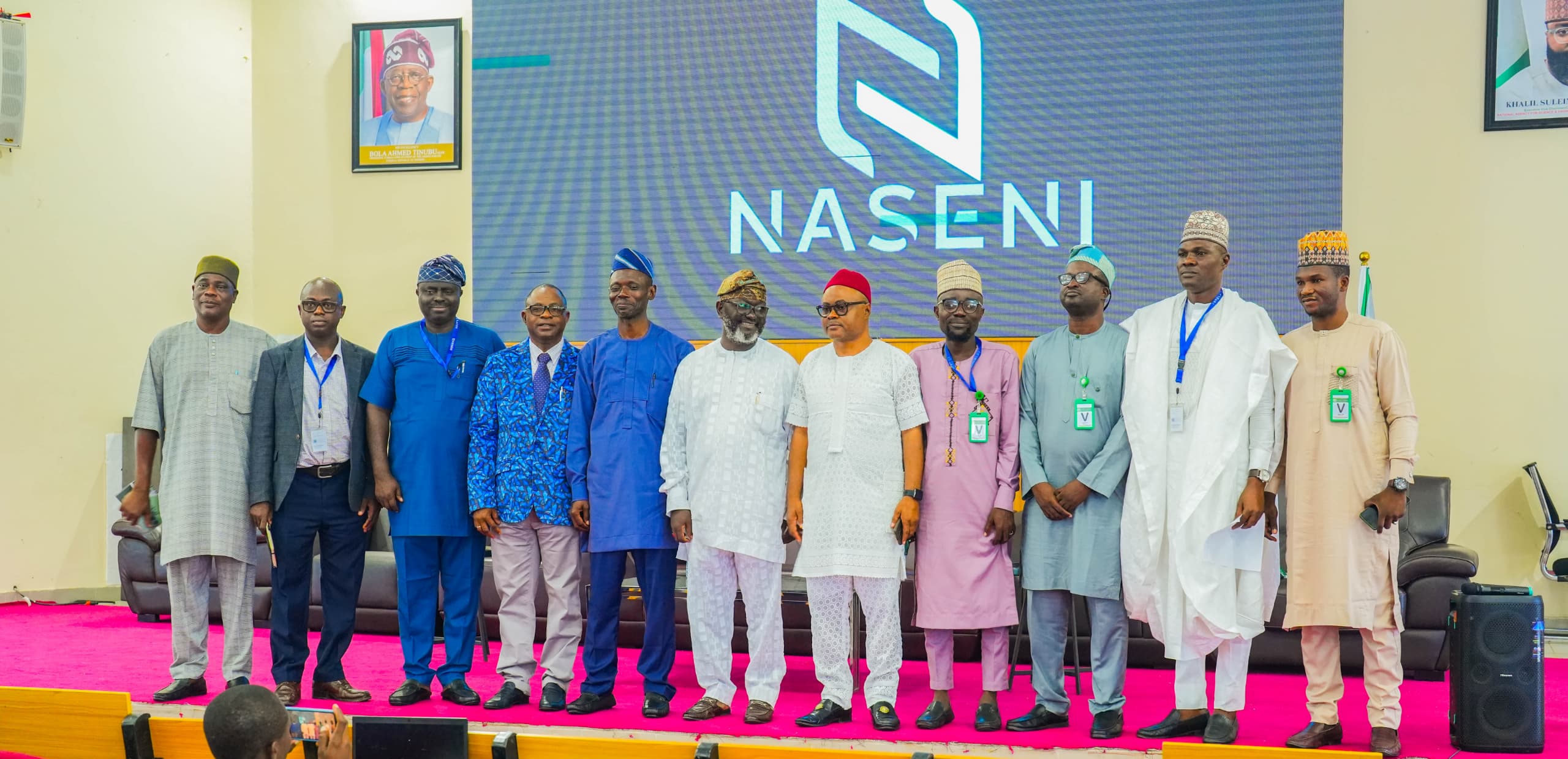
Researchers from the Ladoke Akintola University of Technology (LAUTECH) Ogbomosho, Oyo State and Federal University of Technology (FUT), Minna, Niger State have showcased their research and development (R&D) products funded by the National Agency for Science and Engineering Infrastructure (NASENI).

The presentation which took place at Technology Orientation Centre (TOC), NASENI headquarters, Abuja recently was witnessed by the Agency’s top management led by Research Directors which marked the culmination of a collaborative effort that began in April 2023 when NASENI signed a Memorandum of Understanding (MoU) with three professors from the universities.

Professor Abass Alade, Department of Chemical Engineering, LAUTECH, research focused on “Treatment of Aquaculture Waste Water Using Waste Banana and Plantain Stem Juice Composite Through Integrated Filtracoagulation Cascade System”; Associate Professor Jimoh Oladejo Tijani, Department of Chemistry, Federal University of Technology, Minna, Niger State on “Development of Multi-walled Carbon Nanotubes-Iron Tungstate Composite for Industrial Wastewater Purification” while Dr. Sanusi Kolawole, Department of Pure and Applied Physics, LAUTECH, focused on “Development of Nano-coating Green Urea Fertilizer for Agricultural Production Enhancement”, respectively.

The Executive Vice Chairman/Chief Executive of NASENI, Mr. Khalil Suleiman Halilu represented by Research Director, Dr Samuel O. Olusunle, in his welcome address, appreciated the professors for making judicious use of the funds for publication of their research works and development of the products.

Speaking on behalf of his colleagues, Professor Abass Alade expressed gratitude for the opportunity saying: “we are happy to have this great chance to show who we are and what we have done, and we deeply appreciated every input from NASENI, which has added to our body of knowledge and expanded our capacity.”

He also talked about key achievements of the projects such as Agency-academia linkage as feasible and sustainable; facility development in the areas of acquisition of equipment and resources; and human resource development of undergraduates and postgraduates who participated in the research works.

He called for funding from NASENI to further mass produce the products and to commercialize them thorough the tripartite relationship between NASENI, academia and private sector operators.

NASENI Research Director, Dr. Patrick Okwu who thanked the researchers for their partnership, encouraged them to include production costs in their next presentations to make the information more accessible to the general public.

On his part, NASENI Research Director, Engr. Prof. Abdulmalik Onuwe, expressed enthusiasm for the NASENI-university collaboration and emphasized the importance of expanding the research deliverables to benefit the manufacturing sector.

In his vote of thanks, Deputy Director and Head of the Research Laboratory Development Department, Science Infrastructure Directorate, NASENI, Dr. Bakare Hassan Oladipo, expressed gratitude to the EVC/CEO for the collaboration saying, “This showcase underscores NASENI’s commitment to fostering innovation and collaboration between Nigeria’s top academic institutions and the Agency’s research and development efforts.”


The Nigerian Communications Commission (NCC) has issued a directive to telecommunications operators to simplify their tariff plans, bundles, and promotional activities.


This move aims to provide clear, easy-to-understand, and accurate information about the cost of voice, short messaging service (SMS) and data services to subscribers.


The directive, titled “Guidance on the Simplification of Tariffs in the Nigerian Communications Sector,” was issued on July 29, 2024. It mandates Mobile Network Operators (MNOs) to publish a comprehensive table showing the features of their tariff plans and bundle offers.


The table should contain all necessary information for subscribers to make informed decisions, including details on add-ons, their prices, how consumers can opt-in or out, terms and conditions for renewal, and rollover policies.


The guideline is the outcome of consultations with industry stakeholders, including MNOs and Consumer Focus Groups, and extensive data analysis on consumer preferences and expectations.


The objectives of the simplification guidelines are to reduce the complexity of tariff plans and bundles, ensure transparency and fairness of promotional elements of tariff plans, protect consumers’ interests by providing clear and understandable tariff information so that they make informed decisions, and promote fair competition among licensees by standardising tariff structures.


Service providers are also required to display all relevant information about their tariffs, such as the name of the plan, price, validity period, price-per-second for on or off-network and international calls, expected data speeds, and fair usage policies.


“Operators can maintain existing bonus-led tariff plans till 31st December 2024, within which period operators are expected to educate and migrate all subscribers to the simplified tariff plans,” the directive stated.


The guidelines further mandate that MNOs must communicate tariffs to subscribers in “clear language and a user-friendly format,” with full disclosure of a subscriber’s tariff plan via Unstructured Supplementary Service Data (USSD).


Additionally, “operators must offer stand-alone data bundles at fair prices to avoid tying consumers with products they do not need; bonuses on promotions must be stated in actual value; access fees and asymmetric fee structures must be eliminated,” among other conditions.


The NCC emphasised that while complying with these guidelines, operators must also meet the Key Performance Indicators (KPIs) standards set out in the Quality of Service (QoS) Regulations.


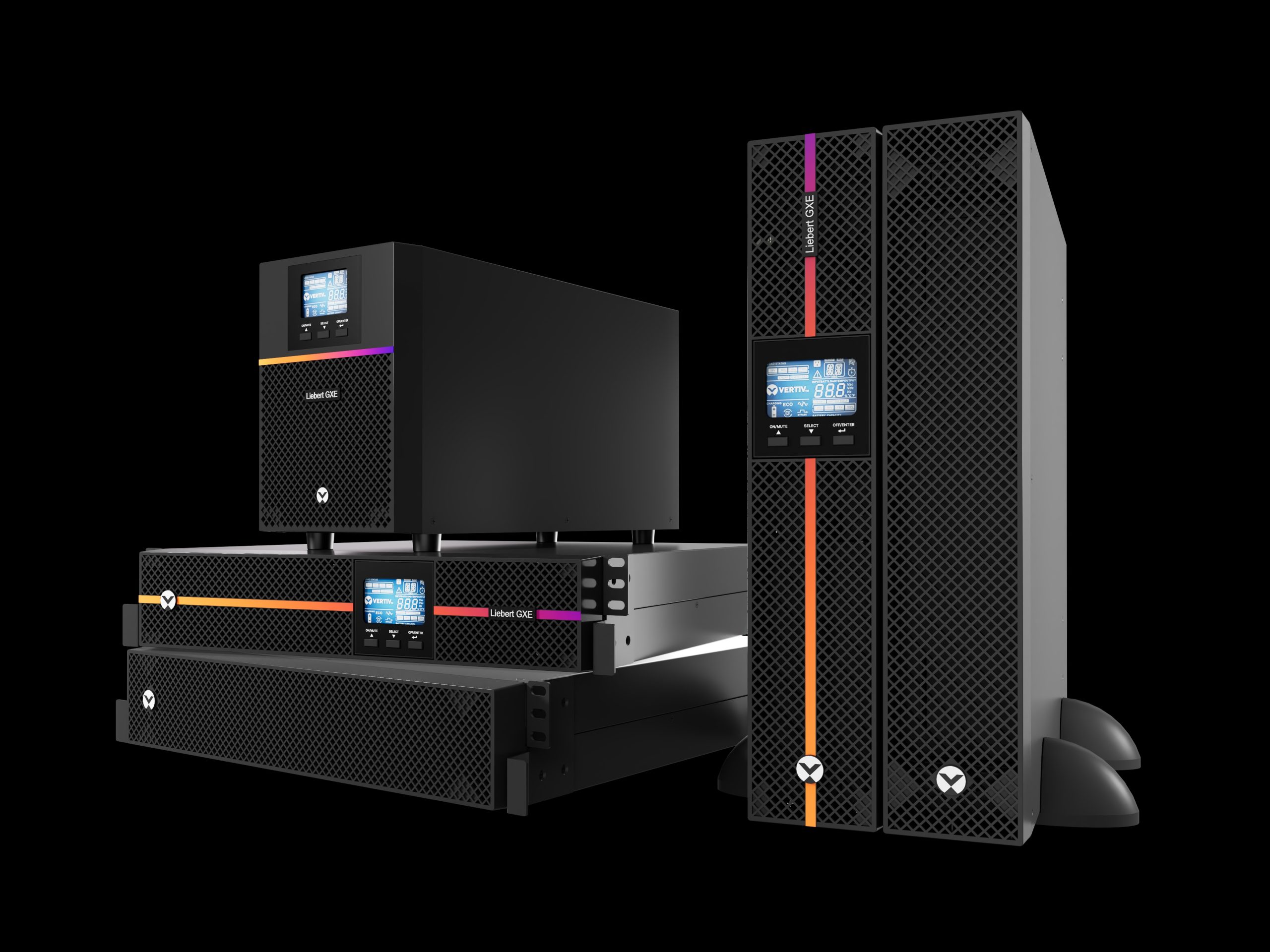
Vertiv™ Liebert® GXE 1-3kVA UPS provides essential power protection for 230V applications

Vertiv (NYSE: VRT), a global provider of critical digital infrastructure and continuity solutions, today introduced 1kVA to 3kVA capacities of the Vertiv™ Liebert® GXE, an online double conversion, single-phase uninterruptible power supply (UPS) for 230V applications designed to support critical applications deployed at the network edge. With the addition of the new models, the Liebert® GXE family is now available in a complete 1kVA to 10kVA capacities range and is ready for immediate shipping from stock within Europe, the Middle East, and Africa (EMEA), Asia, and LATAM warehouses.


The Liebert® GXE 1-3KVA UPS is available in a compact tower-only model or in a flexible rack/tower convertible design and delivers high efficiencies of up to 91% in online mode and up to 96% in ECO mode. It features a battery management system that supports prolonged battery lifespan and minimises the need for replacements. Additionally, its output power factor of 0.9 allows for more active loads to be connected within a given space, while its online double conversion technology protects equipment from power disturbances.


The Liebert GXE rack/tower models provide scalable runtime for applications that need extended backup during AC mains outages, achievable by adding up to four external battery cabinets, and a fast recharge time thanks to its powerful 6 Amp internal charger. The hot-swappable VRLA batteries are user-replaceable without needing skilled personnel or powering down the loads, ensuring smooth operation and reduced maintenance costs.


The Liebert GXE features an intuitive LCD display that offers insights into the UPS status, facilitating effortless installation and operation. This unit provides remote monitoring capabilities, enabling convenient access to IT infrastructure via the optional Vertiv™ Liebert® Intellislot™ Unity Communications card, along with a complimentary download of the Vertiv™ Power Insight software.  Finally, Vertiv offers a wide service offering including limited warranty extensions, Power Emergency packages, and other options, depending on the country and UPS model


“The rapid advancement of digitalisation, including AI and the growing reliance on data services, makes power continuity increasingly crucial for all businesses, even at the network edge,” stated Andrea Ferro, vice president for channel, IT and edge applications at Vertiv in EMEA. “The Liebert GXE provides energy-efficient and reliable power protection, helping small and medium businesses sustain operations in these distributed applications.”

The UPS is available with a comprehensive range of limited warranty extensions and service programs designed for single-phase UPS systems. These service programs are available in select countries; visit Vertiv.com for specific availability or contact your local representative.

EMEA resellers in participating countries can earn points through the Vertiv Incentive Programme (VIP) for various activities, including sales of the Liebert GXE and other products in Vertiv’s IT channel portfolio. This program allows partners to win rewards effortlessly, without any need for reporting. Bonus points are added to the Vertiv Partner Portal monthly, and partners simply need to log in to redeem them.

For more information about Vertiv and its channel portfolio, visit Vertiv.com. Click on “Partners” and “Apply Now” to take full advantage of what Vertiv has to offer.


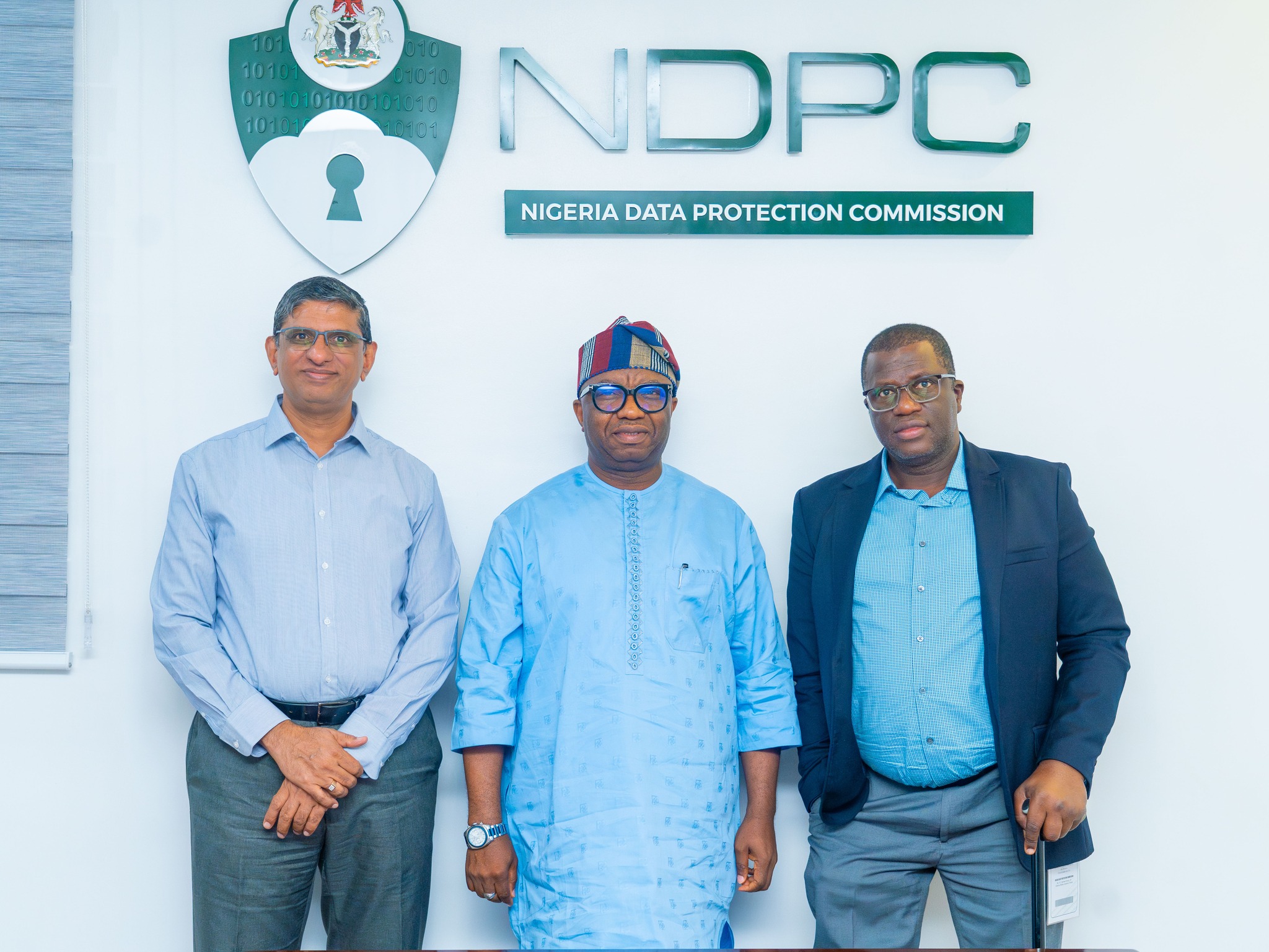
Dr. Vincent Olatunji, the National Commissioner and CEO of the Nigeria Data Protection Commission (NDPC), recently received Sanjay Jain, Director of Digital Public Infrastructure, and Olubunmi Okunowo, Senior Program Officer of the Bill & Melinda Gates Foundation, for a knowledge-sharing meeting.

During the session, Dr. Olatunji provided a comprehensive overview of the NDPC, highlighting the Public-Private Partnership (PPP) model adopted to ensure compliance with data protection regulations. He emphasized the Commission’s strategic priority of collaborating with a diverse range of stakeholders, including regulators, Data Protection Authorities, and multinational corporations.May be an image of 2 people

Dr. Olatunji addressed critical issues such as data sovereignty, data localization, and data classification, underscoring the significance of awareness in strengthening data protection in Nigeria. He noted that awareness is a key pillar of the Commission’s strategic roadmap and highlighted the Nigeria Data Protection Act as one of the most progressive data protection laws globally.

In response, Mr. Jain stressed the importance of awareness within the data protection ecosystem. He discussed the necessity of effective structures to address data breaches and emphasized the critical role of obtaining consent for data exchange, especially within the financial sector. Mr. Jain also explored opportunities for integrating technology into data protection efforts.

The meeting also included discussions on potential areas for collaboration between the NDPC and the Bill & Melinda Gates Foundation, aiming to enhance data protection measures and compliance in Nigeria.