The President and Chief Executive of the Pan-African conglomerate, Dangote Group (www.Dangote.com), Aliko Dangote, has called on African business leaders to take the lead in transforming the continent.


Speaking at the just concluded African Renaissance Retreat held in Kigali, Rwanda, Dangote pointed out that despite significant challenges besetting Africa, its youthful population and abundant resources, including about 30% of the world’s mineral reserves and the largest reserves of gold, cobalt, uranium, platinum, and diamonds, offer opportunities for substantial and inclusive growth.
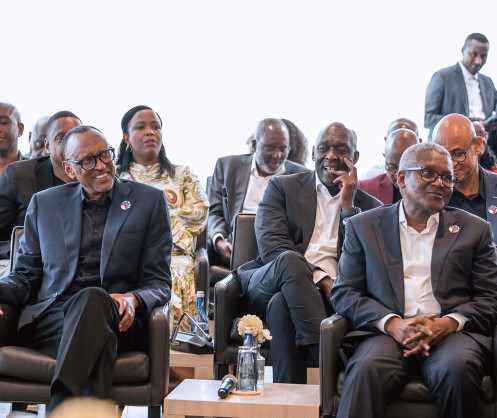
 

“Additionally, we have 65% of the world’s arable land and 10% of the planet’s internal renewable freshwater sources. Together these present a myriad of opportunities for robust, inclusive growth that harness our abundant human potential and natural resources to increase prosperity, not just in Africa but across the globe,” he said. Dangote added that Africa is at a crucial inflection point, with the world’s youngest and fastest-growing population, rapidly expanding cities, and a growing embrace of innovation and new technologies, including Artificial Intelligence.


Dangote noted that despite dealing with multiple barriers such as visas, inconsistent change in government policies, inadequate technical talent, lack of critical infrastructure, foreign exchange crises, inflation, cost of capital and other conflicts of differing dimensions, the Dangote Group has expanded from Nigeria to 14 countries across the continent, spanning multiple sectors from cement to fertilizers, sugar to oil refineries, petrochemicals, agriculture and more. “The good news is that despite these challenges, we have succeeded in building a pan-African Group that employs over 50,000 people and generates revenues that should exceed $30bn by the end of 2025,” he said.


Dangote who initiated the retreat noted that he had long contemplated bringing together a group of dedicated African business leaders to address the continent’s challenges, identify concrete solutions, and showcase Africa as a viable investment destination despite its obstacles. He emphasized that the objective of the retreat was to offer an opportunity for collective action in tackling various issues, including persistent conflicts, energy and food security, supply chain disruptions, the debt crisis, and access to long-term concessional funding for development.

We are coming together not just as leaders in our respective institutions but as visionaries and catalysts for transforming our societies


“This small private and high-level gathering to discuss these issues and align on how we will own and shape our narrative for development is long overdue. With the foremost entrepreneurs on the continent, the leaders of the largest pan-African companies, those at the helm of the most important development institutions in Africa, our brothers and sisters leading global institutions, our leading investors, our pre-eminent civil society activists and a few of our most respected political leaders, this first step will be an opportunity to have a frank and honest dialogue amongst ourselves to consolidate what we see as our common ground” said Dangote. He added “we are coming together not just as leaders in our respective institutions but as visionaries and catalysts for transforming our societies. It is our collective responsibility to play our role in transforming our continent. Nobody will do it for us but us – especially us in this room”.


While expressing his hope that the retreat would produce initiatives capable of significantly shaping Africa’s future and benefiting its people, Dangote acknowledged the contributions of President Paul Kagame of Rwanda, former President Olusegun Obasanjo, former President Ellen Johnson Sirleaf, and former Prime Minister Hailemariam Dessalegn. However, he cautioned that it is crucial for the leaders present to move beyond dialogue to decisive implementation and tangible impact.


The Retreat participants resolved to urge African private sector and political leaders to engage in regular high-level dialogue. Additional proposals included supporting the ratification of the free movement of people protocol, launching the African Renaissance Companies Gender Compact, and convening top global business leaders of African descent. The leaders also aimed to champion an initiative aimed at significantly reducing logistics costs across the continent and one focused on ensuring internet access for a broader segment of Africa’s population.
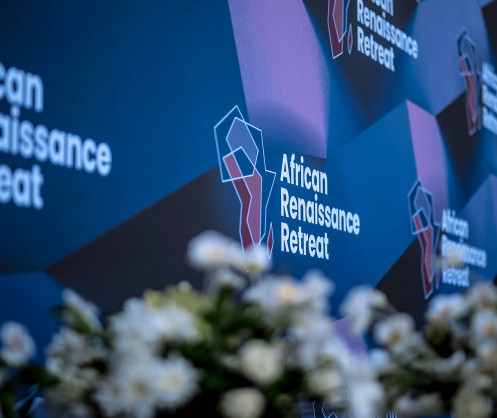
 

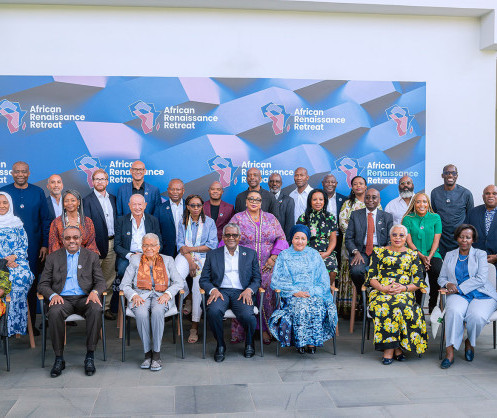
Participants at the retreat , which took place from September 6 to 8, included Amina J. Mohammed, Deputy Secretary-General of the United Nations; Prof. Benedict Oramah, President and Chairman of the Board of Directors of the African Export-Import Bank; former Liberian President Ellen Johnson Sirleaf; Adebayo Ogunlesi, Chairperson of Global Infrastructure Partners; former Ethiopian Prime Minister Hailemariam Dessalegn, Samaila Zubairu of the African Finance Corporation, Makhtar Diop of IFC, and Jeremy Awori, CEO of Ecobank Transnational Incorporated.


Others were Bernie Mensah of Bank of America; Dr. James Mwangi of Equity Group Holdings; Alain Ebobisse of Africa50; Aigboje Aig-Imoukhuede of Access Holdings; Genevieve Sangudi of Alterra Capital Partners; Jim Ovia of Zenith Bank; Tony Elumelu of Heirs Holdings; Naguib Sawiris of Orascom Telecom Holding; Dr. Vera Songwe; Jonathan Oppenheimer of Oppenheimer partners; Dr. James Manyika of Google;  Clare Akamanzi of NBA Africa; Fred Swaniker of Africa Leadership Group; Professor Hakeem Belo-Osagie of Harvard Business School; Myma Belo-Osagie of Harvard Africa Studies Centre; Patrice Motsepe of African Rainbow Minerals; Mohammed Dewji of METL; Moussa Faki Mahamat of Africa Union; Graca Machel of the Graca Machel Trust; Wamkele Mene of African Continental Free Trade Area Secretariat;  Tope Lawani of Helios Partners; Masai Ujiri of the Toronto Raptors; Mimi Alemayehou of Three Cairns Group; Dr. Donald Kaberuka of Southbridge Group; Precious Moloi-Motsepe of Africa Fashion International; Richelieu Dennis of Sundial Group of Companies; Louise Mushikiwabo, Secretary General of Organisation Internationale de la Francophonie; Hassanein Hiridjee of Axian Group; Kate Fotso of Telcar Cocoa; Nkosana Moyo of Mandela Institute for Development Studies; Nku Nyembezi of Standard Bank Group.
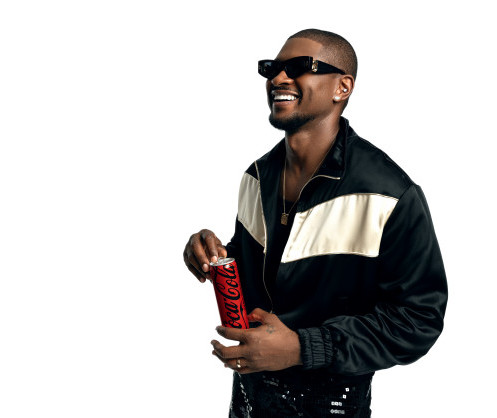

COKE STUDIO™ 2024 (www.CokeStudioAfrica.com) unveiled exciting new additions to this year’s lineup, welcoming global music superstars, USHER and Tyla. Marking another milestone for COKE STUDIO™, Coca-Cola’s premier global music platform, USHER and Tyla are joining this season alongside several incredible artists including Karol G, NewJeans and Peggy Gou, delivering exclusive musical experiences to fans around the world.


As part of the COKE STUDIO™ programming, fans can look forward to an array of immersive experiences from USHER and Tyla, including exclusive original tracks and thrilling live performances to be announced in the coming weeks. In October, USHER will perform live in Atlanta as part of his upcoming tour, while Tyla will take the stage in Johannesburg, South Africa where lucky fans will get to be some of the first in the world to experience the new tracks performed live for the very first time.

“Being part of this year’s COKE STUDIO™ lineup is both an honor and an opportunity to engage with my fans through the power of music. Partnering with Coca-Cola to bring these experiences to life is exciting, and I can’t wait for fans to join us in the magic we’re crafting together,” said USHER.

Being part of this year’s COKE STUDIO™ lineup is both an honor and an opportunity to engage with my fans through the power of music

“I’m excited to perform in my hometown of Johannesburg as part of the COKE STUDIO™ platform. It’s a privilege to bring these vibrant moments to life and share the joy and energy with music lovers across the world,” said Tyla.

USHER and Tyla are the latest artists to curate new music for COKE STUDIO™ 2024 following the successful song drops of Karol G’s “Si Antes Te Hubiera Conocido” (https://apo-opa.co/3Twfqxy), Peggy Gou’s “Find The Way” (https://apo-opa.co/3Zwa09F), and NewJeans’ “How Sweet” (https://apo-opa.co/3Xzzbp4) videos. Karol G’s COKE STUDIO™ session has been celebrated for its remarkable achievements, as it reached the No. 1 global top music video on YouTube with over 225 million views. The song has been on top of the global charts for more than ten weeks, while also reaching the No. 1 spot on the Billboard Hot Latin Songs chart. You can pre-save Usher’s track here (https://apo-opa.co/3Xzo7bs) before it’s released across music streaming services.

“We’re thrilled to welcome two of our favorite artists, USHER and Tyla, to our incredible 2024 lineup. This year COKE STUDIO™ offers unparalleled access to exclusive content and experiences that can’t be found anywhere else. We’ve partnered with both USHER and Tyla to create something special for their fans, and we’re sure that they will love what we have in store for the rest of 2024,” said Josh Burke, global head of music and culture marketing at The Coca-Cola Company.

The COKE STUDIO™ 2024 campaign was developed by Universal Music Group for Brands, Spotify AUX, Blended Strategy Group, Tyne Valley Group and WPP Open X including VML, Ogilvy and EssenceMediacom.

Fans can learn more information and access all content related to COKE STUDIO™ by visiting https://apo-opa.co/3TzOOM1.


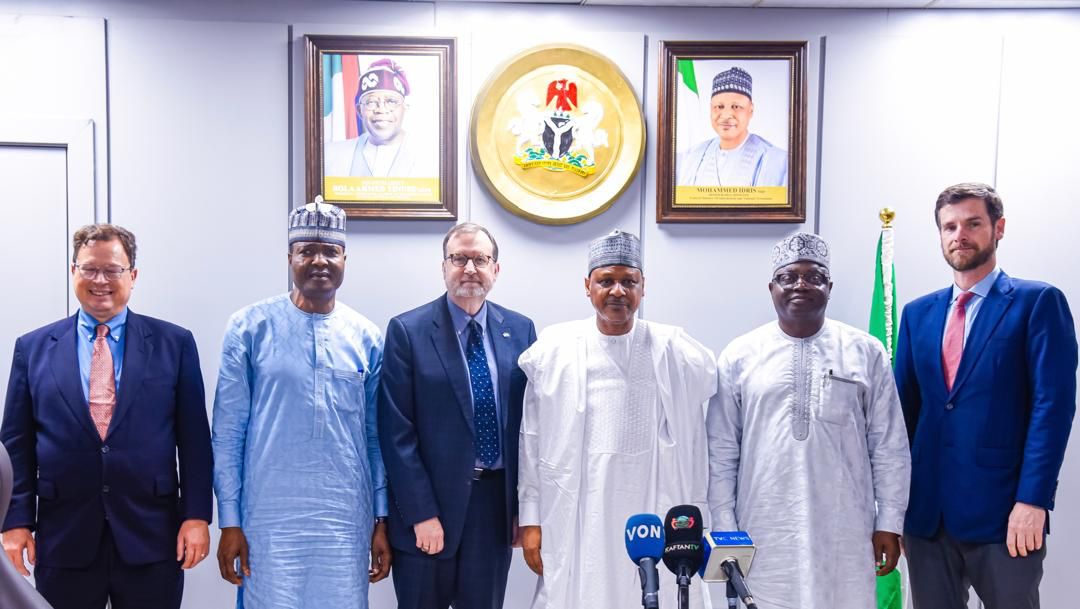
The Nigerian government has reaffirmed its commitment to press freedom and the fight against misinformation, with the Minister of Information and National Orientation, Mohammed Idris, announcing a partnership with the United States to strengthen these efforts. The collaboration aims to promote a free press and combat the growing challenge of fake news, which threatens the integrity of democratic societies.

Speaking after a meeting with the United States Ambassador to Nigeria, Mr. Richard Mills, in Abuja on Wednesday, Idris emphasized the importance of maintaining and enhancing press freedom in Nigeria, which he described as one of the freest press environments globally. He acknowledged the challenges in ensuring full press freedom but assured that the government is actively working to address them.

“The ambassador talked about some issues that he thinks we need to improve on in the area of press freedom, and we have assured him of the efforts we are making. He recognizes the fact that Nigeria has one of the freest press environments in the world, and we are continuously working to ensure that this freedom is upheld,” Idris said.

Government’s Commitment to Press Freedom

The Minister highlighted that the administration of President Bola Tinubu places a high priority on press freedom as a critical pillar of Nigeria’s democracy. He reiterated the government’s dedication to protecting journalists’ rights while ensuring a balanced approach to tackling the challenges posed by misinformation and disinformation.

In addition to press freedom, Idris said the conversation with Ambassador Mills focused on the need to address the rise of fake news in the country. Both parties acknowledged that misinformation and disinformation undermine public trust and have the potential to destabilize societies if left unchecked.

“Misinformation and disinformation are major threats to any democracy. We are working closely with our partners, including the U.S. government, to forge a common front in the fight against fake news. We cannot build a strong and viable society when fake news is allowed to flourish,” Idris added.

US Ambassador’s Remarks

Ambassador Mills, during the meeting, expressed the U.S. government’s support for Nigeria’s efforts to uphold press freedom and curb the spread of fake news. He commended the Minister for his leadership in championing the rights of journalists and working to ensure a free and vibrant press environment in Nigeria.

“We discussed ways to strengthen our collaboration, especially in the areas of press freedom and journalists’ rights. I applaud the Minister’s efforts in ensuring that the Nigerian press remains free, and we are keen to support these initiatives further,” Mills stated.

He also noted the global challenge of disinformation, particularly in democratic nations, and shared the U.S. government’s experiences and strategies for tackling the issue. Mills emphasized the importance of a collective response to combat fake news, saying that it poses a serious threat to public discourse and governance.

Strengthening Bilateral Relations

The meeting between Idris and Mills is seen as part of broader efforts to deepen the partnership between Nigeria and the United States on media and governance-related issues. Both governments are committed to working together to promote the free exchange of ideas while ensuring that citizens receive accurate and reliable information.

With disinformation becoming an increasingly pressing issue worldwide, the partnership between Nigeria and the U.S. is expected to focus on building capacity for media professionals, raising public awareness about the dangers of fake news, and developing effective strategies to counter misinformation.

As Nigeria continues to grapple with the challenges of a fast-evolving digital landscape, the government’s collaboration with international partners like the U.S. is crucial in ensuring that press freedom is preserved and that citizens are protected from the harmful effects of misinformation.


ANTHONY EMEKA NWOSU


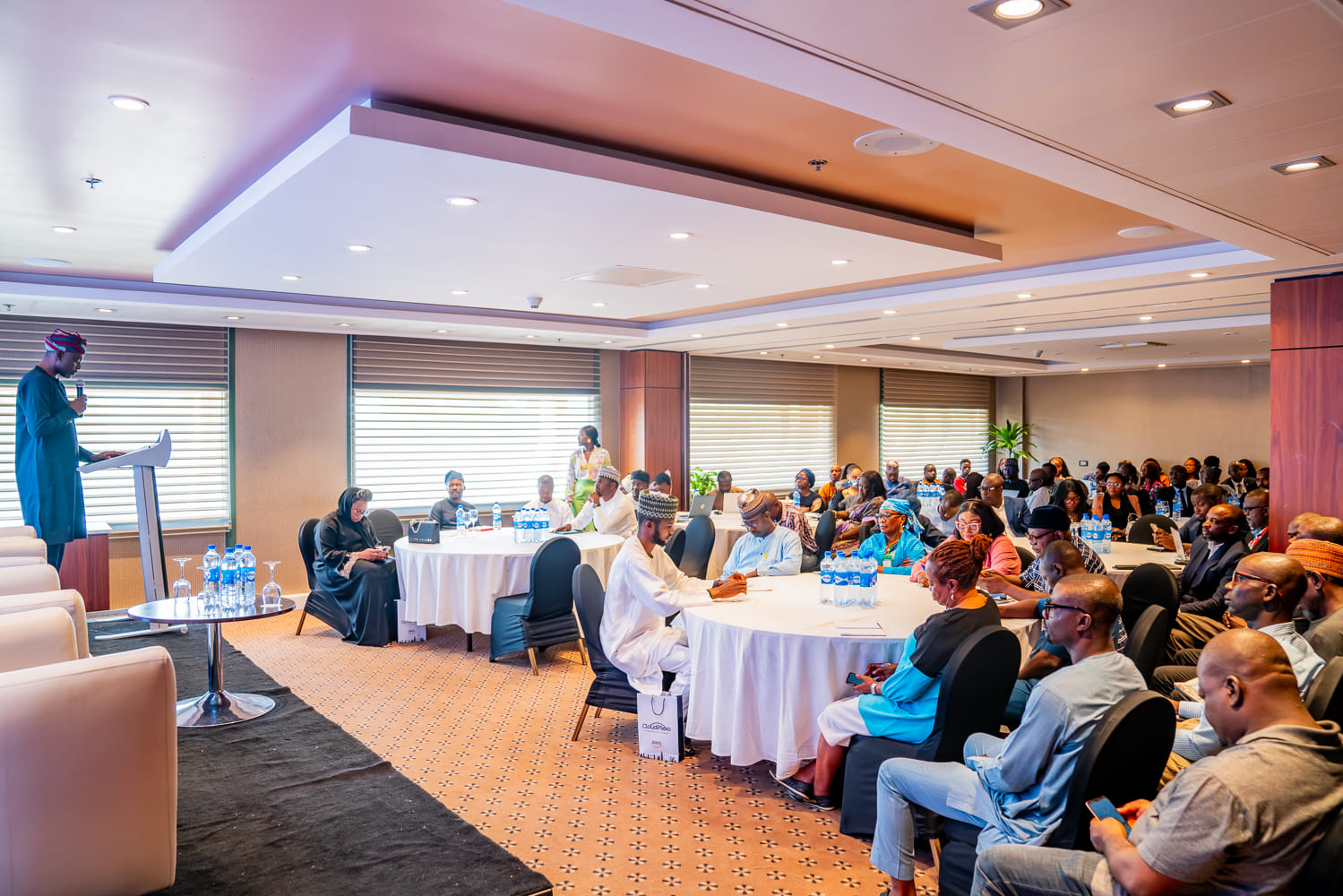
In a bid to accelerate the digital transformation of Nigeria’s public sector, the Director General of the National Information Technology Development Agency (NITDA), Kashifu Inuwa Abdullahi, underscored the importance of cloud innovation in enhancing government operations. Abdullahi, represented by the Director of IT Infrastructure Solutions, Mr. Oladejo Olawumi, delivered the keynote speech at the Public Sector Strategic Engagement held in Lagos. The event, themed “Empowering Nigeria’s Public Sector: Leveraging Cloud Innovation for Digital Transformation,” was organized by Cloudplexo in collaboration with Amazon Web Services (AWS).

The high-level engagement brought together thought leaders, policymakers, and technology experts to deliberate on the role of cloud technology in revolutionizing Nigeria’s public institutions. Key discussions focused on how cloud adoption can drive improvements in operational efficiency, data management, service delivery, and the overall digital infrastructure within government agencies.

In his keynote address, Olawumi emphasized that embracing cloud technology is pivotal to unlocking the full potential of the country’s digital economy. He pointed out that as the world becomes increasingly data-driven, cloud solutions provide the scalability, security, and flexibility required to modernize public services and ensure better governance.

“Cloud adoption is no longer optional; it is essential for the transformation of public services. With cloud computing, we can streamline processes, improve data accessibility, and deliver services to citizens more efficiently. This will ultimately lead to a more responsive and transparent government,” Olawumi stated.

Driving Digital Innovation

The event featured panel discussions and presentations from industry leaders and cloud experts, who shared insights on how cloud technologies could address some of the key challenges faced by public institutions in Nigeria. The speakers highlighted how cloud platforms can enhance the agility of government operations, improve decision-making through real-time data access, and enable the creation of innovative solutions tailored to the unique needs of the Nigerian public sector.

Key stakeholders in attendance expressed optimism about the potential of cloud computing to transform governance and public administration in the country. Several participants noted that, by leveraging cloud-based infrastructure, Nigeria could strengthen its data management capabilities, improve service delivery, and create a more inclusive digital environment for citizens.

Collaboration for a Digital Future

The collaboration between Cloudplexo and AWS is seen as a critical step in advancing Nigeria’s cloud adoption journey. AWS, as a global leader in cloud services, is committed to supporting public sector organizations by providing secure, reliable, and cost-effective cloud solutions. Cloudplexo, on its part, aims to work closely with Nigerian government agencies to design cloud strategies that align with national digital transformation goals.

In a joint statement, Cloudplexo and AWS reaffirmed their commitment to equipping Nigeria’s public sector with the tools and resources needed to achieve digital transformation. They also highlighted the importance of building a workforce with cloud expertise to sustain long-term growth and innovation.

As Nigeria continues its drive towards becoming a fully digital economy, events like the Public Sector Strategic Engagement play a crucial role in fostering dialogue and collaboration among stakeholders. By leveraging cloud innovation, the public sector can enhance transparency, accountability, and efficiency, ultimately leading to improved governance and citizen satisfaction.

Conclusion

The strategic engagement underscored the need for public institutions in Nigeria to prioritize cloud adoption as part of their digital transformation strategies. As the country continues to face challenges related to service delivery and infrastructure, cloud technology offers a scalable solution that can revolutionize governance, making it more efficient and citizen-centric.


The recent bombing in Lebanon, which used everyday communication gadgets like pagers and walkie-talkies, has sent shockwaves around the world. The unprecedented nature of the attack has sparked intense debate, with some labeling the act as terrorism, while others, including supporters of intelligence agencies like MOSSAD, have praised the precision and tactical brilliance involved. However, the attack has left many questioning its underlying rationale and what it could mean for global security.

Professor Ndubuisi Ekekwe, an influential entrepreneur, investor, and academic, weighed in on the situation, shedding light on the gravity of the incident. “It was an unprecedented attack in Lebanon,” he remarked. “Yes, someone possibly rigged pagers, and those pagers were used in the open world! In the end, when those pagers blew up, people died, and many were injured.”

The use of such everyday gadgets in an attack of this scale is a stark departure from traditional methods of warfare, where explosives are often contained to targeted locations or specific individuals. This time, the attack unfolded in public, disrupting daily life in an alarming way and raising concerns about the future of warfare. Ekekwe continued, “I’ve been thinking about the bravado of that tactic without considering the political element. If warfare has escalated to this level, is America safe? Is Nigeria safe? Is the world safe?”

The professor further highlighted the potential danger posed by global electronics production, particularly from China, which manufactures a significant portion of the world’s consumer electronics. “Yes, China makes most of the electronics we use around the world, and the country is in ongoing tensions with the Western world,” Ekekwe pointed out. “If they plan a military action, like going after Taiwan in a few years, what would stop them from ‘souping up’ the TVs, phones, pagers, and other devices they export to the world with a timer for those devices to blow up? Would that be legal? That would trigger an unprecedented disaster, a natural rapture, as the world folds in chaos.”Lebanon pager explosion: Why were pagers used, how did they explode, and  how long was the operation? - The Economic Times

Ekekwe’s concerns touch on the vulnerability of modern society, where everyday devices that people rely on could potentially become tools of destruction. “I’m stunned—truly stunned—by what is happening in this amazing world. Is your phone safe? Is your reading light safe? Is your wristwatch safe? In the past, such attacks were confined to controlled environments, but now they’re happening in open markets! The United Nations must intervene and call all parties to order because a world without rules will collapse.”

Drawing from cultural wisdom, Ekekwe referenced an African proverb that underscores the shared values that should govern humanity. “An African axiom reminds us that ‘no one sells poison in the open market,’ meaning even those with ill intent do not openly distribute harmful goods in the public sphere. But with these attacks, we are entering a dangerous phase where warfare is becoming more indiscriminate. We must tighten global rules of engagement to prevent future incidents like this. Blowing up pagers in Lebanon does not advance any cause—it only sets a dangerous precedent that could lead to the destruction of our shared future.”

As world leaders, security experts, and international organizations grapple with the ramifications of this new form of attack, questions abound about the safety of everyday electronic devices and the ethics of modern warfare. What was once a distant thought—electronics as weapons in open society—has now entered the realm of possibility, leaving many wondering if the world is prepared to face the potential consequences.

The incident in Lebanon may very well be a turning point in global security, signaling a new age of unconventional warfare where technology meant to enhance life is weaponized. Professor Ekekwe’s call for action serves as a stark reminder that without swift international cooperation and a reinforced framework for global engagement, the future may hold far graver risks than anyone could have anticipated.

By Anthony Nwosu


In a world where technological advancements are rapidly reshaping industries, Nigerian physicist, Jamilu Tanko is making strides with a revolutionary innovation set to transform small and medium-scale industries.

His invention, the Cyclone Furnace, offers a cost-effective and efficient solution for drying products, with significant implications for sectors like baking, pharmaceuticals, rice mills, papermills, brickmaking, and local communities.

Tanko, a Principal Scientist at the Hydraulic Equipment Development Institute (HEDI) in Kano, which is part of the National Agency for Science and Engineering Infrastructure (NASENI), developed the Cyclone Furnace powered by waste materials such as rice husks. The innovation is poised to significantly enhance productivity and competitiveness in industries reliant on drying processes.


NASENI, which discovered this promising talent, is eager to harness Tanko’s ingenuity. The agency recognizes the potential of this technology to boost local industries, particularly in reducing dependency on imported equipment.


Tanko, who hails from Kura Local Government Area of Kano State, holds both bachelor’s and master’s degrees in Physics from Ahmadu Bello University, Zaria, and is currently pursuing a PhD in Physics from the same institution. His passion for developing more efficient heating equipment like furnaces and boilers, which he saw as underutilized by local industries, led him to embark on the development of the Cyclone Furnace in 2023.


Once fully completed, Tanko’s Cyclone Furnace will be able to dry the same quantity of rice in 10-12 hours, a stark improvement from the 48 hours required by imported furnaces. A member of the Nigeria Institute of Physics, Tanko’s innovation is expected to revolutionize various industries and improve efficiency nationwide.


NASENI, recognizing the significant impact of this innovation, has expressed its readiness to support Tanko’s work and ensure that the Cyclone Furnace reaches its full potential, benefiting industries and communities across Nigeria.


Established by Decree No. 33 of 1992 as a first-stop government institution for technology development in Nigeria, NASENI’s primary target is to empower Small and Medium Scale Enterprises (SMEs) through impartation of technologies, engineering principles and practices for the production of equipment that will meet international standards as well as sustenance of flourishing local capital goods or industry.


In a revolutionary stride for medical technology, Neuralink, led by visionary entrepreneur Elon Musk, has unveiled its latest innovation, the **Blindsight** implant. This groundbreaking device is set to transform the lives of individuals affected by blindness, including those who have been blind from birth.

**Blindsight** has recently been granted FDA approval, a prestigious endorsement that recognizes the implant as a revolutionary device. This accolade signifies not only its potential impact on the medical field but also its cutting-edge nature.

Initially, users of Blindsight will experience a form of vision characterized by basic graphics, which may differ significantly from natural sight. However, the technology promises substantial advancements in the future. As the technology evolves, Blindsight could potentially surpass conventional vision capabilities, offering users the ability to perceive a broader range of visual spectra. This includes the infrared and ultraviolet ranges, as well as even radar frequencies, which could open new possibilities for sensory experiences previously thought unattainable.

Elon Musk’s announcement underscores a significant milestone in Neuralink’s mission to push the boundaries of human capabilities and revolutionize the field of sensory enhancement. The potential applications of Blindsight extend far beyond simple vision restoration, hinting at a future where technology could enhance human perception in ways previously imagined only in science fiction.

This development is poised to redefine the limits of human experience, offering new hope and possibilities to those with vision impairments and setting a new standard in the quest for sensory augmentation.


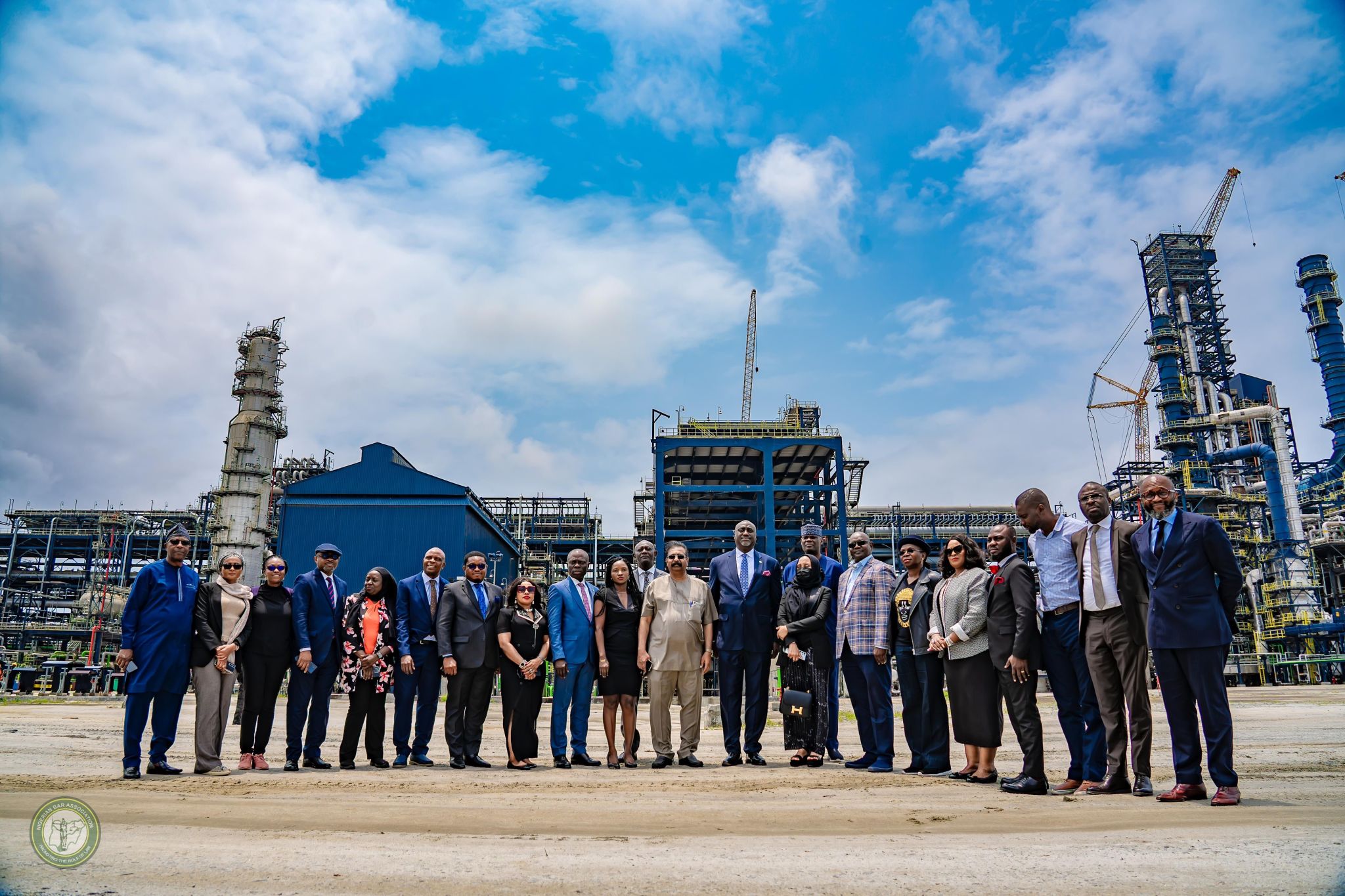
Chinyere Okorocha, the Immediate Past Chairperson of the NBA Women Forum, has shared her admiration for Alhaji Aliko Dangote’s ambitious projects following a recent visit to the Dangote refinery in Nigeria. Okorocha, along with a high-level delegation from the Nigerian Bar Association led by former NBA President Mr. YC Maikyau SAN, had the opportunity to tour two of Dangote’s major facilities.

During the visit, Alhaji Dangote personally guided the delegation through the Dangote Fertilizer Plant and the Dangote Petroleum Refinery. The fertilizer plant, recognized as Africa’s largest granulated urea fertilizer complex, left a significant impression on Okorocha. Equally striking was the petroleum refinery, noted as one of the largest single-train refineries globally, with a capacity to process 650,000 barrels of crude oil per day. This refinery is set to play a crucial role in reducing Nigeria’s dependence on imported petroleum products.No alternative text description for this image

In addition to these facilities, Okorocha highlighted the adjoining agric refinery, which produces high-quality fertilizers to support Nigerian farmers. She emphasized the profound impact these projects are expected to have on the country’s economy, noting that they represent a monumental step forward in both the oil and agriculture sectors.

Okorocha was particularly moved by Dangote’s extensive commitment to national development. She praised his efforts, which include not only the construction of the refinery but also the development of infrastructure such as roads, a seaport, and a power plant. These initiatives reflect Dangote’s extraordinary dedication to Nigeria, creating thousands of jobs and offering numerous opportunities for Nigerians.

“This visit was a powerful reminder of how one individual’s vision and commitment can lead to transformative change,” Okorocha remarked. “The impact of these facilities will be felt for generations, showcasing the potential for lasting positive change driven by dedicated leadership and innovation.”


ANTHONY EMEKA NWOSU


In addition to these facilities, Okorocha highlighted the adjoining agric refinery, which produces high-quality fertilizers to support Nigerian farmers. She emphasized the profound impact these projects are expected to have on the country’s economy, noting that they represent a monumental step forward in both the oil and agriculture sectors.


In a recent interaction with journalists in Abuja, Honourable Minister of Women Affairs, Barrister (Mrs) Uju Kennedy-Ohanenye, reaffirmed the Federal Government’s unwavering commitment to advancing gender equality, despite the nation’s ongoing economic challenges. The Minister emphasized that empowering women remains a top priority, aimed at enhancing their economic status and enabling them to make significant contributions to Nigeria’s socio-economic development and their families.

Kennedy-Ohanenye highlighted that women possess inherent talents and capabilities that, with the right support and an enabling environment, can be fully realized. She asserted that when women are empowered, they play a crucial role in achieving the country’s goals of poverty alleviation, job creation, reduction in school dropouts, early marriages, and combating sexual and gender-based violence.

Despite limited resources, the Ministry of Women Affairs has initiated several projects to change the narrative and support women’s development. These initiatives include providing access to funding, skill acquisition programs, and improved agricultural inputs to boost productivity. The Minister pointed to strategic efforts such as the Nigeria For Women Programme, which enhances partnerships with traditional rulers to support grassroots implementation of gender equality initiatives. Additionally, the Ministry has set up an e-commerce portal to facilitate access to funds and grants for women, supplied sustainable empowerment equipment to 15 states, and introduced high-yield rice and maize seedlings in various regions.

Kennedy-Ohanenye announced that the Ministry will continue to pursue innovative approaches and collaborate with stakeholders to fulfill its mandate. A notable upcoming event is a fundraising program scheduled for October, aimed at gathering resources such as agricultural equipment and skill acquisition tools to further empower women, particularly at the grassroots level.

The Minister called upon development partners, non-governmental organizations, and concerned Nigerians to support the Ministry’s efforts in alignment with the Renewed Hope Agenda of President Bola Ahmed Tinubu’s administration. This collaborative effort is crucial for advancing gender equality and fostering sustainable development across the nation.


Ujah Martins, a prominent Strategic Digital Marketing Leader, has voiced strong reservations about the current global enthusiasm for renewable energy and electric vehicles, questioning the relevance of this push for Nigeria at present. Martins contends, “I won’t be so thrilled seeing someone driving a Tesla in Nigeria right now because we are not ready for an energy transition!”

While the global community continues to applaud the shift towards electric vehicles (EVs) and renewable energy sources, Martins argues that Nigeria’s immediate focus should not be on these advancements. Instead, he believes that the country faces more pressing issues that demand urgent attention and resources.

Martins points out that despite the international emphasis on sustainability, Africa, and particularly Nigeria, is grappling with significant economic and infrastructural challenges that make the rapid transition to renewable energy seem impractical. He highlights that Nigeria’s GDP per capita remains around a modest $2,000, while the country’s debt-to-GDP ratio has surged beyond 35%. This financial strain is exacerbated by the fact that a staggering 96% of Nigeria’s revenue is currently allocated to servicing debt, leaving limited resources for other critical areas.

Moreover, Martins underscores the severe impact of environmental and social issues such as annual flooding, which has displaced millions, particularly in regions like Maiduguri. He also points to ongoing problems with insecurity, banditry, and food shortages as more immediate concerns that overshadow the feasibility of investing heavily in sustainable energy solutions at this time.

No alternative text description for this image

Martins advocates for a pragmatic approach to sustainability, emphasizing that while the transition to renewable energy is necessary, it must be aligned with Nigeria’s specific needs and circumstances. “While the global narrative is focused on sustainability, we must recognize our immediate priorities,” he says. He argues that Nigeria should concentrate on stabilizing its economy, addressing infrastructure deficiencies, and improving social resilience before committing to an accelerated shift towards renewable energy.

Martins points out that despite the international emphasis on sustainability, Africa, and particularly Nigeria, is grappling with significant economic and infrastructural challenges that make the rapid transition to renewable energy seem impractical. He highlights that Nigeria’s GDP per capita remains around a modest $2,000, while the country’s debt-to-GDP ratio has surged beyond 35%. This financial strain is exacerbated by the fact that a staggering 96% of Nigeria’s revenue is currently allocated to servicing debt, leaving limited resources for other critical areas.


In his view, the African proverb, “You don’t tell a blind man it’s raining,” aptly captures the current situation. Martins suggests that Nigeria and the broader African continent should proceed with energy transition efforts at a pace that reflects their developmental realities and challenges. The immediate goal should be to create a stable foundation that supports long-term sustainable growth rather than hastily adopting practices that may not be feasible or beneficial in the short term.

In conclusion, Ujah Martins’ critique highlights a crucial debate on the timing and practicality of energy transition initiatives in Nigeria. His perspective calls for a balanced approach that considers both the urgency of immediate issues and the potential benefits of sustainable energy, advocating for a thoughtful and measured transition that aligns with the country’s developmental trajectory.