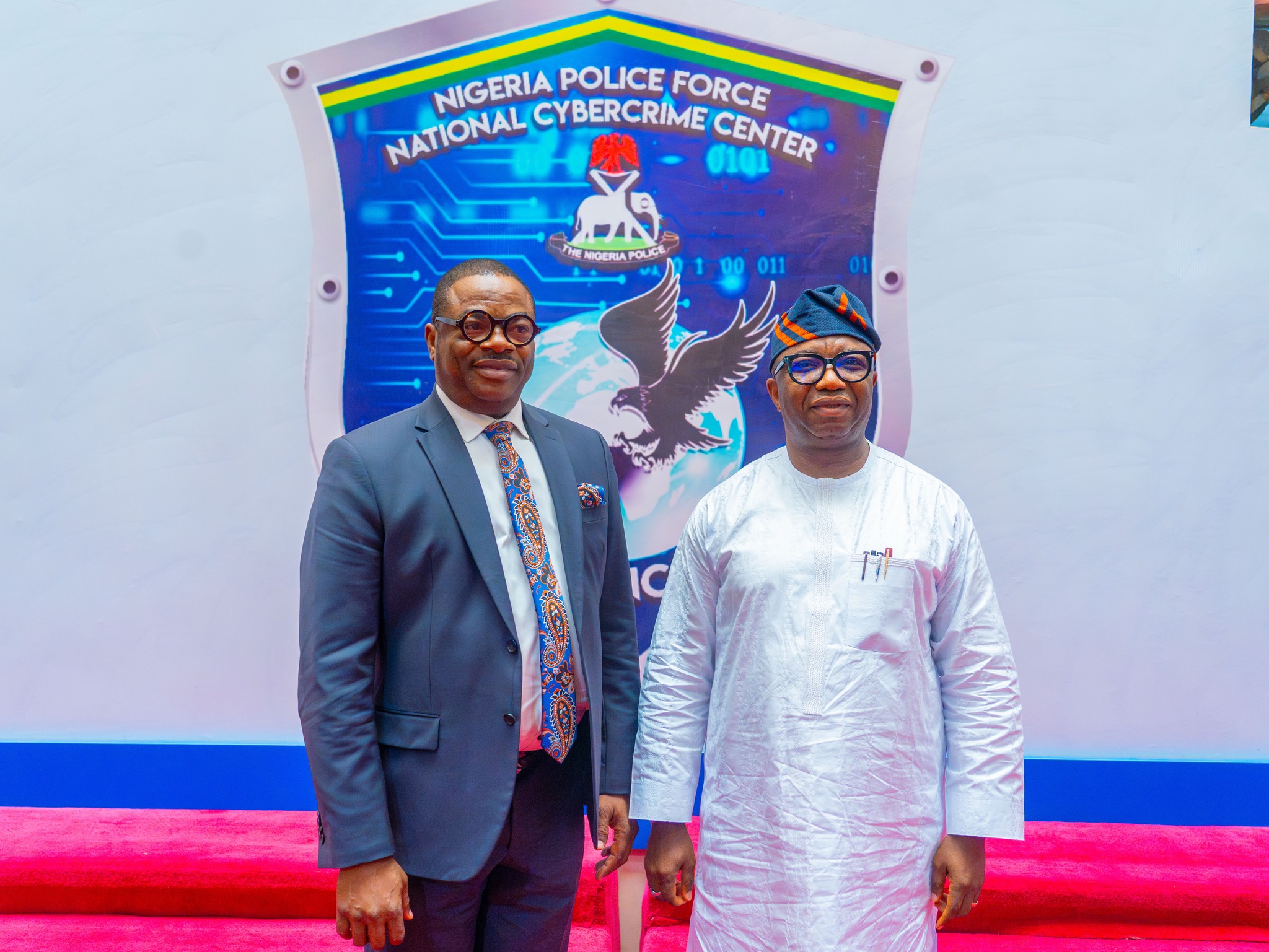
Abuja – In a move to bolster Nigeria’s cybercrime prevention and data protection efforts, the National Commissioner and CEO of the Nigeria Data Protection Commission (NDPC), Dr. Vincent Olatunji, led a high-level delegation from the Commission on an advocacy visit to the Nigeria Police Force National Cybercrime Centre (NPF-NCCC). The delegation was warmly received by Commissioner of Police (CP), Uche Ifeanyi Henry, at the National Cybercrime Centre in Abuja.

During the meeting, Dr. Olatunji expressed his deep appreciation to CP Henry for the cordial reception extended to the NDPC team, emphasizing the critical synergy between the mandates of both organizations. He noted that the work of the NDPC in safeguarding personal data and the NCCC’s role in cybercrime detection and prevention are closely intertwined. According to the National Commissioner, both agencies share common goals that are essential to Nigeria’s digital security landscape.May be an image of 1 person and dais

Providing a comprehensive overview of the evolution of data protection laws in Nigeria and beyond, Dr. Olatunji underscored the growing importance of protecting citizens’ personal data in today’s digital world. He highlighted the risks posed by data breaches and the severe consequences of failing to implement adequate protective measures. He further elaborated on the rights of data subjects and the foundational principles of data protection, particularly focusing on the lawful basis for processing personal data during criminal investigations.

In his remarks, Dr. Olatunji outlined several potential areas of collaboration between the NDPC and NPF-NCCC. These include joint efforts in capacity building, research and development, advanced cybercrime investigation techniques, and compliance enforcement strategies. He also extended an offer for the NDPC to provide free training sessions on data privacy for NCCC personnel, which would enhance their knowledge of data protection principles and further integrate these measures into their cybercrime prevention efforts.

Responding to the National Commissioner’s remarks, CP Henry acknowledged the importance of the visit and commended the NDPC for its proactive approach to fostering inter-agency collaboration. He recognized the significant role personal data plays in cybercrime and agreed that closer cooperation between the two bodies is essential to combat the rising threats of data breaches and cyber-attacks. CP Henry emphasized the need for concerted efforts among all relevant agencies, pointing out that data protection is a crucial component of successful cybersecurity operations.

He also echoed the importance of capacity building and training, offering the expertise of NPF-NCCC staff to support the NDPC in areas related to cybersecurity. This, he explained, would help ensure that Nigerians’ personal data is adequately safeguarded from potential cyber threats. During the meeting, CP Henry gave an in-depth presentation on the NPF-NCCC’s current initiatives and outlined additional areas for future collaboration between the two organizations.May be an image of 16 people and people studying

To formalize this strategic partnership, a Memorandum of Understanding (MoU) was proposed. The MoU will outline the framework for collaboration and cooperation between the NDPC and NPF-NCCC. Furthermore, a dedicated task team has been established to begin working on the details of the partnership, ensuring that efforts to enhance cybersecurity and data protection in Nigeria move forward without delay.

This advocacy visit marks a significant step toward creating a more secure digital environment for Nigerians, as both agencies commit to leveraging their expertise and resources to combat cybercrime and safeguard personal data. The proposed collaboration is expected to result in stronger enforcement measures and heightened awareness of the importance of data privacy in the fight against cyber threats.

 

The National Agency for Science and Engineering Infrastructure (NASENI) is showcasing indigenously developed technological products at the ongoing 19th Abuja International Trade Fair holding at the Abuja Trade and Convention Centre, Umaru Yar’Adua Way, Airport Road, Abuja.

This year’s NASENI participation at the annual fair organized by Abuja Chamber of Commerce and Industry (ACCI) is a means to foster its 3C’s principle of Creation, Collaboration and Commercialization and to showcase some of its technological and innovative prowess to the world.

At the NASENI stand are all the its 12 Development Institutes, including NASENI Solar Energy Ltd(NSEL), a limited liability company owned by the Agency, having their products and technologies exhibited at this year’s trade fair. On display at the fair are: NASENI Transformer, NASENI CNG Conversion Centre, Utako, Abuja, NASENI Solar CCTV, Automatic Change Over Switch, Solar Kit Trainer, Science kits, Rotary Furnace, Digital Roadsign,   Animal Feeds machine, Science Automatic Model, and many more.

The Executive Vice Chairman, of NASENI, Mr. Khalil Suleiman Halilu, ably represented by the Director of Information, New Media and Protocol, Mr. Olusegun Ayeoyenikan, speaking at the NASENI DAY at the fair today, he said the Agency never fails to showcase, whenever the opportunity presents itself, its numerous products and technologies that it has developed, aimed at transforming the economy of Nigeria in line with NASENI’s mandate and the Renewed Hope Agenda of President Bola Ahmed Tinubu, GCFR, who is the Chairman of the Governing Board of the Agency.

“The purpose and aim of this event is to promote NASENI technologies/products and its research institutes nationwide, and also a means of advertisement to the world at large. The general goals/objectives of this participation cannot be overemphasized as this will create more awareness about the NASENI brand and increase patronage for the Agency.

“During our previous participation, we exhibited research products and innovation to stakeholders, SMEs and the general public. We won several awards and also secured engagements with stakeholders and technology end-users which are indications that NASENI had created a niche for itself in this important event,” he said.

Furthermore, he noted that NASENI is the  only purposely built Agency of the Federal Government with the mandate to carry out research and development(R&D), production, reverse engineering and actual manufacturing in the areas of capital goods, machines, spares and equipment, to make the economy of the country possess home-grown capacities for genuine industrialization and sustainable development.

“Under the indefatigable leadership of Mr. Khalil Suleiman Halilu as EVC/CEO in the last one year, you will agree with me that the Mandate of NASENI to fuel innovation for Nigeria’s industrialization has further received enormous impetus. NASENI has been transformed for better service delivery, and more focus on accelerated technology transfers and domestication of technologies has taken the centre stage in our operations, leading to the achievements of more products and technologies to be handed over to SMEs and other end-users,” he added.

This year’s theme, “Mobility: Options for Transportation, Trade Finance and Transportation”, is playing host to more than 500 exhibitors showcasing more than 10,000 products, solutions and services to more than 100,000 participants and visitors.


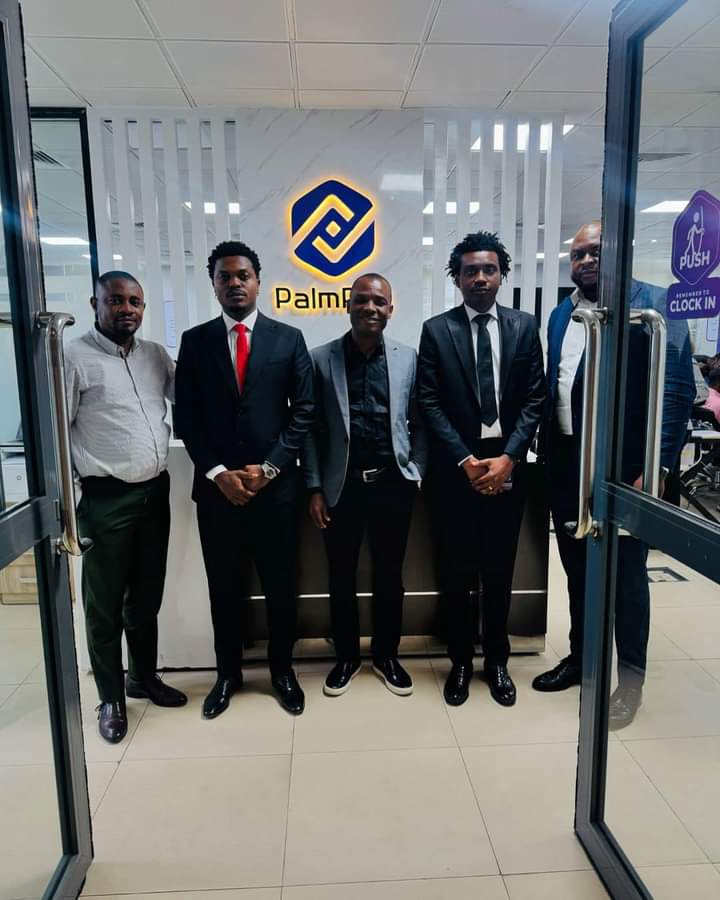
Palmpay, one of Nigeria’s leading fintech companies, has secured a landmark deal by partnering with renowned cryptocurrency expert Linus William Ifejika, popularly known as B-Lord. The partnership, which positions B-Lord as Palmpay’s new brand ambassador, is part of the company’s strategy to engage the younger market segment and further strengthen its brand presence.

B-Lord, widely recognized as the richest African Bitcoin vendor and CEO of Blord Group, made the announcement on his social media platforms. “Guess what? I just signed a multi-million dollar deal with Palmpay. This partnership between Blord Group and Palmpay marks the birth of Billpoint POS and will have a significant impact on the tech industry,” B-Lord shared via Facebook. He expressed excitement about the collaboration, emphasizing its personal significance and the potential it holds for the tech landscape.

In a subsequent message, B-Lord highlighted the value of perseverance, saying, “As I’ve always said, tough times lead to smoother paths ahead. Congratulations to us!” He also thanked Palmpay’s Managing Director, Nwosu Chika, for the opportunity, adding that the partnership is set to pave the way for the launch of the Billpoint POS machine, which will revolutionize the fintech space.

The multi-million dollar deal further cements Palmpay’s commitment to innovation and its role in expanding Nigeria’s fintech and crypto sectors. With B-Lord at the forefront, this collaboration is expected to generate significant attention and drive the success of Billpoint POS.

B-Lord, a serial entrepreneur with deep roots in cryptocurrency and tech, is now positioning his brand alongside Palmpay, marking a new era of collaboration between fintech and cryptocurrency industries in Nigeria.

Anthony Nwosu


In a significant recognition of her contributions to the Finnish literary landscape, Nigerian writer Hope Oby Nwosu, alongside her husband, Dr. Paul Nwosu, was recently invited to an event hosted by the Tunisian Embassy in Helsinki. The invitation coincided with the recent launch of Nwosu’s latest book, “Sold Out,” which has garnered attention for its insightful narrative and cultural relevance.

At the gathering, Hope Nwosu expressed her gratitude, stating, “It was an honour to be invited to meet with Her Excellency Ms. Nabiha Hajjaji, the Tunisian Ambassador to Finland. Thank you, Your Excellency, for the invitation!” Her words underscored the importance of cross-cultural dialogue and the role of literature in fostering understanding among diverse communities

During the event, the Tunisian diplomat highlighted the engaging conversation with Nwosu, noting on the embassy’s official Facebook page, “An enjoyable and open exchange with Mrs. Hope Nwosu, the Nigerian Novelist residing in Finland, about her newly published novel ‘Sold Out.'” This meeting provided a platform for discussing pressing issues such as women empowerment, cultural diversity, and the importance of sharing experiences among communities and peoples.

The invitation and subsequent discussions at the Tunisian Embassy reflect the growing recognition of the contributions of international authors to the global literary community. Nwosu’s presence at the event not only showcased her literary achievements but also reinforced the importance of cultural exchange and collaboration in today’s interconnected world.

As “Sold Out” continues to resonate with readers, Nwosu’s work serves as a testament to the power of storytelling in bridging cultural divides and inspiring dialogue on critical social issues. The event at the Tunisian Embassy marks a noteworthy milestone in her literary journey and emphasizes the vital role of writers in advocating for change and understanding across borders.


The invitation and subsequent discussions at the Tunisian Embassy reflect the growing recognition of the contributions of international authors to the global literary community. Nwosu’s presence at the event not only showcased her literary achievements but also reinforced the importance of cultural exchange and collaboration in today’s interconnected world.


By Anthony Emeka Nwosu, Conn8 Media Solutions NG

At the ongoing 79th United Nations General Assembly (UNGA) in New York, Dr. Murtala Adogi Mohammed, a renowned futurist and policy entrepreneur, raised alarm over the global child malnutrition crisis during his reflections on the Bill and Melinda Gates Foundation’s “Goalkeepers 2024” event. The founder and CEO of System Strategy & Policy Lab in Nigeria underscored the critical intersection of nutrition, climate change, and global health, emphasizing that nations cannot progress if their people, particularly children, are not adequately nourished.

Speaking on the sidelines of the Goalkeepers event, Dr. Mohammed recounted key insights shared by Bill Gates, co-chair of the Bill and Melinda Gates Foundation, who unveiled the 2024 Goalkeepers Report on Nutrition. Gates drew attention to the severe global child health crisis, noting, “The world’s worst child health crisis is malnutrition, and no country—no matter how wealthy—is immune.”

The Malnutrition Crisis: A Stark Reality

Gates’ remarks shed light on the staggering impact of malnutrition, which has become an escalating global challenge. According to UNICEF’s recent report on child food poverty, two-thirds of the world’s children—over 400 million—are not receiving the necessary nutrients to grow and thrive. This reality places them at severe risk of malnutrition, jeopardizing their ability to develop properly, both physically and mentally.

In 2023, the World Health Organization (WHO) estimated that 148 million children worldwide suffered from stunting—an indicator of chronic malnutrition—while 45 million experienced wasting, a life-threatening condition caused by severe acute malnutrition. These figures highlight the grim scale of the crisis, which continues to prevent millions of children from reaching their full potential or, in the worst cases, from surviving at all.No alternative text description for this image

Climate Change Worsening Child Malnutrition

Dr. Mohammed further stressed how climate change is exacerbating the already dire situation. “Climate change is making this crisis even harder to solve,” he remarked, pointing to the findings from the Institute for Health Metrics and Evaluation. Between 2024 and 2050, climate change is projected to result in an additional 40 million stunted children and 28 million more suffering from wasting, as rising temperatures and extreme weather conditions impact global food production and access.

These revelations underscore the urgent need for coordinated global action to address both malnutrition and climate change, which are intricately linked. As climate-induced food shortages increase, the number of children at risk of hunger and malnutrition will inevitably rise. Dr. Mohammed emphasized that without substantial global health investments and climate adaptation strategies, future generations, particularly in vulnerable regions, will continue to bear the brunt of this dual crisis.No alternative text description for this image

Call to Action: Investing in Global Health

Dr. Mohammed echoed Bill Gates’ call for significant global health investments to mitigate the effects of hunger on children. “To shield children from the devastating effects of hunger, global health investment is essential,” Gates stated, noting that both public and private sector collaboration is critical in addressing the intertwined crises of malnutrition and climate change.

As UNGA continues, Dr. Mohammed urged world leaders, policymakers, and international organizations to prioritize child nutrition and climate resilience. He emphasized that without urgent intervention, the future of millions of children, especially in developing countries, remains at risk.

“Nations can’t grow if their people can’t,” he concluded, highlighting the importance of ensuring that children receive adequate nutrition to grow, thrive, and contribute to their societies.

The 2024 Goalkeepers event, hosted by the Gates Foundation, continues to serve as a global platform for advancing the Sustainable Development Goals (SDGs), particularly in the areas of global health and food security. With influential voices like Dr. Mohammed amplifying the message, the hope is that actionable solutions will emerge from UNGA to address this pressing global crisis.


Heirs Energies has announced its active participation in the 79th United Nations General Assembly (UNGA 79), which is currently underway in New York. As a key player in Africa’s energy sector, Heirs Energies is set to champion critical issues related to sustainable development, entrepreneurship, and Africa’s energy transition. This year’s event promises to be a platform for the company to reiterate its commitment to driving Africa’s transformation and positioning the continent as a leader in global development efforts.

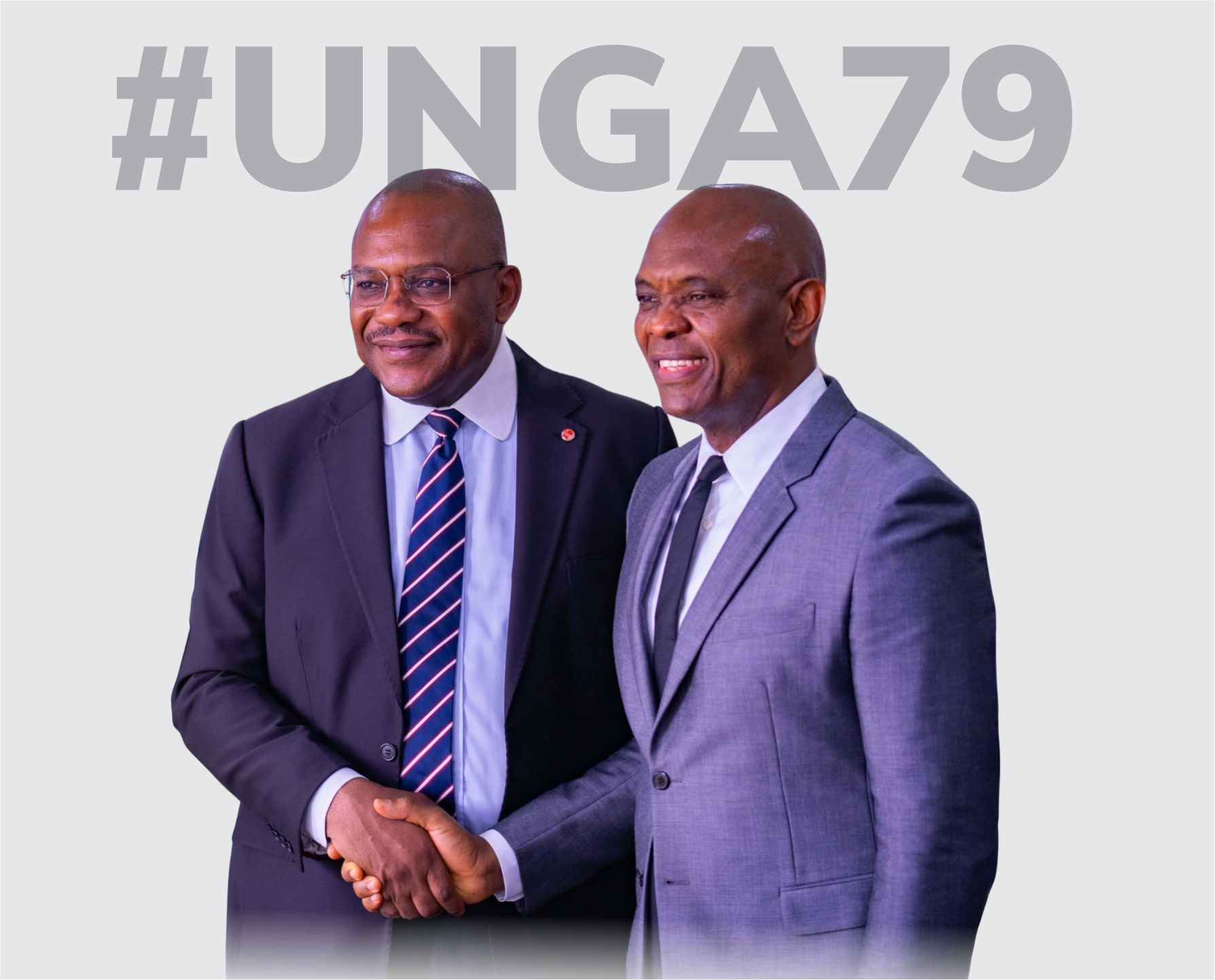
At the forefront of these discussions will be Heirs Energies’ CEO, Osayande Igiehon, who will be joined by the Chairman of Heirs Holdings, Tony O. Elumelu, C.F.R, a well-known advocate of Africapitalism. Together with other world leaders, they will contribute to shaping the global narrative on sustainable development, while highlighting Heirs Energies’ key messages on entrepreneurship, energy transition, and Africa’s renaissance.

Entrepreneurship as a Catalyst for African Transformation

One of the main pillars of Heirs Energies’ advocacy at UNGA 79 is the promotion of entrepreneurship as a driving force for socio-economic growth across the African continent. Heirs Energies believes that entrepreneurship has the potential to transform economies by creating jobs, fostering innovation, and promoting sustainable development. This has been exemplified by the work of The Tony Elumelu Foundation, which has empowered thousands of African entrepreneurs through mentorship, funding, and access to a global network of business leaders.

Heirs Energies aims to use the platform at UNGA to emphasize the importance of nurturing entrepreneurship to unlock Africa’s vast economic potential. “Entrepreneurship is the catalyst that will drive Africa’s transformation, and it is our mission to support the next generation of African business leaders,” Igiehon said, underscoring the company’s commitment to this cause.

Africa’s Equitable Energy Transition

Another crucial topic on Heirs Energies’ agenda at UNGA 79 is Africa’s energy transition. The company is advocating for an equitable shift from energy deficiency to sufficiency, with a focus on optimizing the continent’s existing resources while embracing diverse and sustainable energy solutions. Heirs Energies believes that this transition must strike a balance between addressing Africa’s immediate energy needs and securing long-term sustainability.

Osayande Igiehon, speaking ahead of the assembly, remarked, “Africa’s future depends on our ability to harness our resources in a way that is sustainable and equitable. We need to ensure that no one is left behind as we work towards energy sufficiency for the entire continent.”

This advocacy for an inclusive energy future is aligned with Heirs Energies’ broader mission to promote economic growth and social progress through innovative energy solutions.

Catalysing an African Renaissance

Heirs Energies is also pushing for a broader African renaissance, which focuses on the importance of bringing together the continent’s people, their passion, and their potential. The company believes that by leveraging Africa’s human capital and fostering innovation, the continent can drive its transformation and enhance its global standing. This renaissance is more than just an economic endeavor; it is about reshaping Africa’s identity and positioning it as a hub of innovation and opportunity.

Tony O. Elumelu, speaking on this vision, said, “Africa’s renaissance is not just about resources; it is about the untapped potential of our people. By harnessing this potential, we can catalyse a transformation that will resonate far beyond our continent.”

Heirs Energies’ Commitment to Africapitalism

Heirs Energies, as part of the larger Heirs Holdings Group, is deeply rooted in the principles of Africapitalism—a philosophy that advocates for long-term investments in strategic sectors of the economy to drive development in Africa. The company’s participation in UNGA 79 reflects its ongoing commitment to meeting Africa’s unique energy needs while supporting the next generation of African leaders and innovators.

“As we continue to engage at UNGA 79, our goal remains clear: to advocate for policies and partnerships that will support Africa’s equitable energy transition and entrepreneurial growth, ensuring that the continent’s future is both prosperous and sustainable,” Igiehon added.

A Call to Action

Heirs Energies is inviting the global community to engage in these important conversations at UNGA 79. The company encourages people to follow its social media channels for live updates, key insights, and highlights from this influential global forum.

With a clear vision and unwavering commitment, Heirs Energies is poised to play a pivotal role in shaping Africa’s future, driving sustainable development, and ensuring that Africa’s renaissance becomes a reality.

Follow the conversation using #HeirsEnergies, #AfricaAtUNGA79, and #EnergySufficiency as Heirs Energies continues its mission to shape a brighter, more sustainable future for Africa.


Anthony Nwosu

08038187914


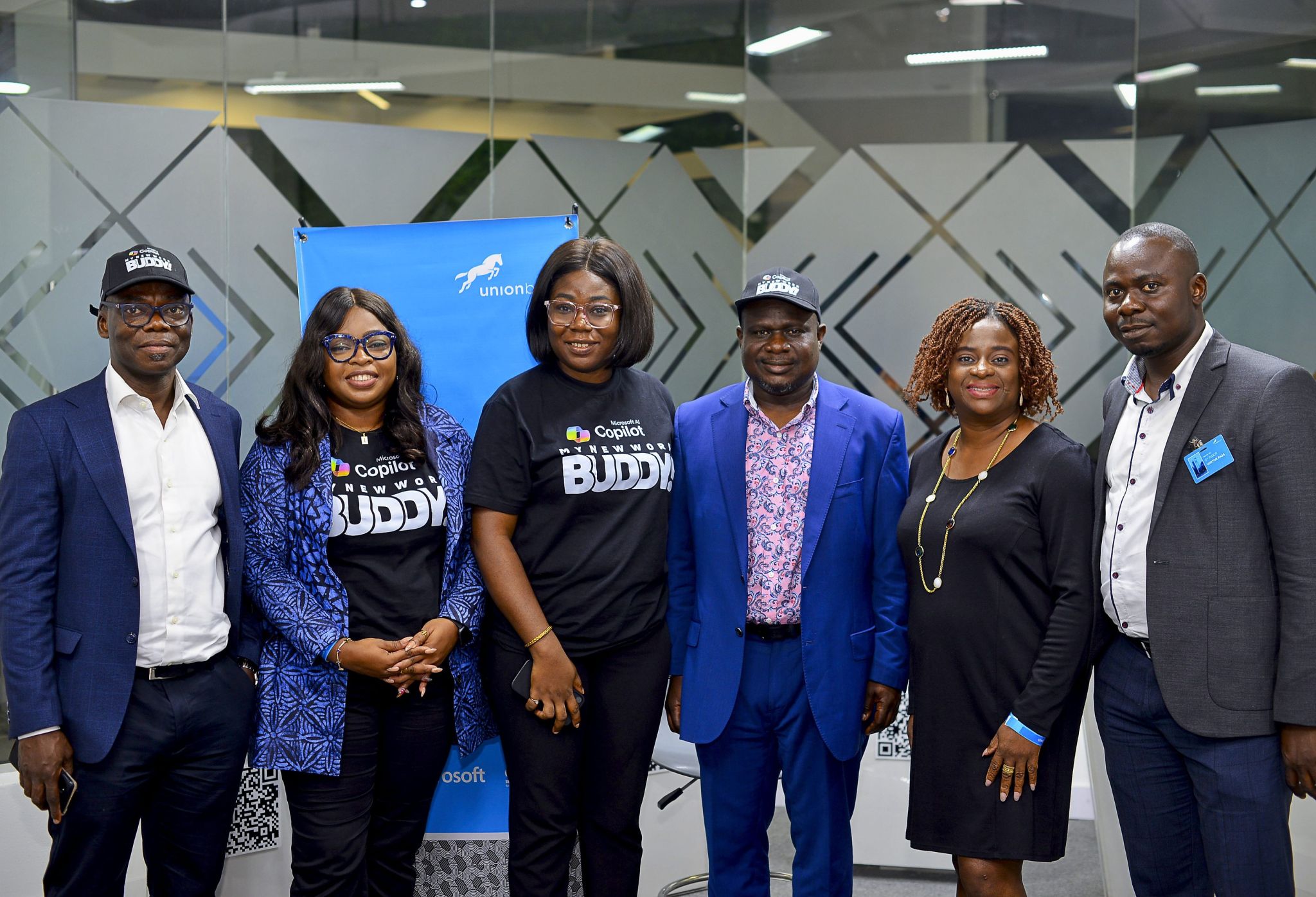
Signal Alliance Technology Holding, a leading provider of enterprise technology solutions in Nigeria, is proud to announce a strategic partnership with Union Bank of Nigeria and Microsoft to facilitate the adoption of AI Co-Pilot technology at Union Bank. This groundbreaking initiative, launched at Union Bank’s Head Office in Lagos, underscores Signal Alliance’s commitment to advancing digital transformation within the financial services sector in Nigeria.

The partnership focuses on the deployment of Microsoft’s AI Co-Pilot, a cutting-edge artificial intelligence solution that integrates seamlessly into organizational workflows. AI Co-Pilot will empower Union Bank’s workforce to enhance productivity, improve decision-making processes, and deliver more personalized customer experiences. Through this collaboration, Signal Alliance aims to assist Union Bank in optimizing its operations and maintaining its leadership position in the highly competitive banking industry.

Signal Alliance Technology Holding’s CEO, expressed enthusiasm about the project, noting, “Our collaboration with Union Bank and Microsoft is a significant step forward in driving AI-powered innovation in Nigeria’s financial sector. AI Co-Pilot will revolutionize how Union Bank’s employees work by automating tasks, delivering intelligent insights, and creating more efficient ways of serving customers. We are excited to bring our expertise to the table and help Union Bank navigate this transformation.”No alt text provided for this image

As a key implementation partner, Signal Alliance Technology Holding will oversee the seamless integration of AI Co-Pilot into Union Bank’s digital infrastructure. With its proven track record in deploying enterprise technology, Signal Alliance will ensure that Union Bank maximizes the benefits of AI, from reducing operational bottlenecks to creating a more agile workforce.

Microsoft AI Co-Pilot is designed to act as a virtual assistant embedded within Microsoft’s suite of products, offering real-time support for tasks such as data analysis, report generation, and customer communication. By adopting this AI tool, Union Bank will not only streamline its internal operations but also transform how it interacts with clients, providing faster, more personalized services.

Union Bank’s CEO remarked, “At Union Bank, we are always looking for ways to improve how we operate and how we serve our customers. Partnering with Signal Alliance and Microsoft to implement AI Co-Pilot marks a new chapter in our digital transformation journey. We’re confident that this technology will help us achieve new levels of efficiency and customer satisfaction.”

Through this partnership, Signal Alliance Technology Holding reaffirms its commitment to enabling organizations across Nigeria to embrace digital transformation and leverage AI technologies to remain competitive. As businesses, especially in the financial sector, face increasing pressure to innovate, Signal Alliance’s role in delivering these advanced solutions will be crucial in shaping the future of banking in Nigeria.

Signal Alliance’s CEO added, “Artificial intelligence is no longer the technology of the future—it is the technology of today. By driving AI Co-Pilot adoption at Union Bank, we are setting a precedent for how Nigerian organizations can leverage AI to transform their operations and thrive in a digital-first world.”

The integration of Microsoft’s AI Co-Pilot within Union Bank is expected to set a new benchmark for the Nigerian financial services sector, illustrating the power of AI in reshaping business operations, improving customer experiences, and driving innovation.

For more information on Signal Alliance Technology Holding and its suite of services, please visit www.signalalliance.com or contact our media relations team.


About Signal Alliance Technology Holding:
Signal Alliance Technology Holding is one of Nigeria’s foremost technology solutions providers, specializing in digital transformation, cloud services, IT infrastructure, and advanced enterprise solutions for organizations across industries. With a deep commitment to driving innovation, Signal Alliance continues to empower businesses to navigate the complexities of the digital age.

About Union Bank of Nigeria:
Union Bank of Nigeria is one of Nigeria’s most trusted financial institutions, delivering a range of banking services to individuals, small and medium enterprises, and large corporations. With a legacy spanning over a century, the bank is at the forefront of digital banking and customer innovation.

About Microsoft:
Microsoft is a global technology leader, offering a wide array of products and services designed to empower individuals and organizations worldwide. Microsoft’s AI Co-Pilot is a groundbreaking tool that enhances productivity and collaboration through artificial intelligence, helping businesses operate smarter and faster.


No alt text provided for this image


The National Data Protection Commission (NDPC), under the directive of its National Commissioner and CEO, Dr. Vincent Olatunji, has initiated a comprehensive investigation into the data processing activities of Optasia, which operates in Nigeria as Nairtime Nigeria Ltd. This action was prompted by the discovery of suspected non-compliant data practices during regular oversight of key data controllers and processors.

The Commission expressed serious concern over Optasia’s use of privacy-invasive technologies to process personal data for purposes including marketing, credit scoring, and other financial services. The scope of the investigation extends to the credit scoring processes of financial institutions, telecommunication companies, and insurance firms, among others, in their handling of citizens’ personal data for various purposes.

The National Commissioner further urged data controllers and processors of significant importance, especially those utilizing third-party services, to ensure that such third parties are properly registered with the Commission. This step is vital for reinforcing accountability, enhancing data security systems, and safeguarding Nigeria’s data sovereignty.

**


A Nigerian traveller, Chin Akano, recently shared a glowing review of his experience on AirPeace’s Lagos-London route, highlighting the airline’s top-notch service, which he found comparable, and in some instances, superior, to renowned international carriers such as Virgin Atlantic and British Airways.

As a frequent flyer with Virgin Atlantic, where he holds a gold card, and a seasoned traveller with other major airlines, including Emirates and American Airlines, Akano approached his first AirPeace flight with scepticism. He admitted to having reservations due to the so-called “Nigerian factor,” a term often used to describe potential inefficiencies or service lapses in local businesses.

However, AirPeace exceeded his expectations. In the days leading up to his September 7, 2024 flight from London to Lagos, Akano received prompt and informative messages from AirPeace, detailing check-in locations and procedures. Upon arrival at Gatwick Airport’s South Terminal, he found the check-in process to be seamless, on par with the services offered by Virgin Atlantic and British Airways.

“The boarding process was flawless, with no chaos. I had expected some form of disruption, but it was handled with the same efficiency as international carriers,” Akano noted.

Onboard, he was warmly greeted by the cabin crew, who wore traditional jackets, adding a touch of cultural sophistication. Initially apprehensive after learning the captain was the husband of popular Nigerian actress Omotola Jalade Ekeinde, Akano was soon reassured by the smooth take-off, which met global aviation standards.

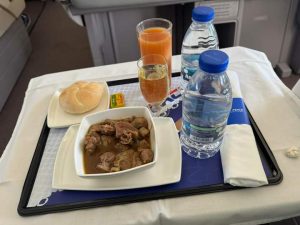
He was particularly impressed by the cabin crew, whom he said surpassed the service levels of both Virgin Atlantic and British Airways. One crew member, Margaret from Benue State, was especially lauded for her professionalism and attentiveness. The in-flight meals, which included a four-course menu featuring egusi soup, were another highlight, with Akano describing the experience as “out of this world.”

Upon landing in Lagos, Akano was further impressed when the captain personally visited the cabin to greet passengers – a gesture he found remarkable. The Boeing 777 aircraft itself was described as luxurious and comfortable, adding to his overall satisfaction.

Still cautious, Akano reserved his final verdict for his return flight on September 17, 2024. Flying out of the newly inaugurated terminal at Murtala Muhammed International Airport, Lagos, the service remained impeccable. Cabin crew members Nana from Ghana and Ehi from Edo State were described as “electric,” delivering top-tier service once again.

Reflecting on his experience, Akano remarked, “AirPeace has given me the belief that Nigeria doesn’t fail in everything we do. We can match and even surpass international standards.” He also expressed his willingness to continue flying AirPeace, even if it meant losing his gold card status with Virgin Atlantic.

He concluded his review with a strong endorsement of AirPeace, saying, “I feel proud patronising an indigenous airline whose services are better than those of foreign competitors. Up AirPeace!”


John Paul Emechebe, Head of On-Premise at Red Bull, and an authority in leadership and strategy, recently shared his insights on Nigerian politics, using the recently concluded Edo State governorship elections as a case study. His analysis highlights several critical takeaways that shed light on the complexities of Nigeria’s political landscape and the factors that influenced the election’s outcome.

Impact of Strained Relationships in Political Leadership

One of the most significant lessons from the Edo elections, according to Emechebe, is the detrimental effect of strained relationships within political leadership. The rift between the governor and his deputy proved to be a defining factor in the election’s dynamics. The deputy governor’s defection to the All Progressives Congress (APC), along with other influential political figures, created a significant shift in power. This internal discord within the ruling party underscored a crucial point: when political subordinates feel undermined, they can transform into formidable opposition forces.

The defection of key political figures, especially those with close ties to the incumbent leadership, significantly boosted the APC’s chances of success. It serves as a reminder that the internal cohesion of political parties and leadership is vital to maintaining power. When fractures appear within the ranks, it opens up opportunities for opposition parties to capitalize on the discontent and shift the balance of power.

Vote Buying and Economic Disenfranchisement

Another critical issue that emerged from the Edo elections is the continued prevalence of vote-buying, which Emechebe points out as a cross-party phenomenon. Regardless of political affiliation, the practice of exchanging votes for money remains a widespread strategy, reflecting the deep-rooted socio-economic challenges Nigeria faces.

Emechebe explains that poverty is at the heart of this persistent problem. The economically disadvantaged electorate, faced with immediate survival needs, is often compelled to sell their votes for as little as ₦5,000. This transactional relationship between voters and politicians undermines the democratic process, as short-term financial relief takes precedence over long-term governance and policy considerations. As long as economic disenfranchisement remains rampant, voters will continue to be susceptible to such manipulations, perpetuating a cycle where the political class exploits poverty to secure power.

The “Obidient” Movement and Labour Party’s Dependence on Peter Obi

Emechebe also discusses the role of the “Obidient” movement, a political phenomenon centered around the influence of Peter Obi, the Labour Party’s most prominent figure. While the movement has galvanized a section of the electorate, particularly the youth, its strength appears to be highly dependent on Obi’s personal charisma and leadership. Without him, the Labour Party struggles to maintain significant momentum, especially at the state level.

The recent success of the Labour Party in Abia State stands out as an anomaly rather than a trend. Emechebe suggests that the Labour Party is still more of a movement than a fully established political force with deep-rooted structures across Nigeria. To achieve lasting political relevance, particularly in state and federal elections, the party must evolve beyond a single figure and develop robust political structures nationwide.

Strategic Alliances as a Path to Greater Success

In light of the Labour Party’s current standing, Emechebe argues that forming strategic alliances with other political parties is crucial if it aims to consolidate power and strengthen its influence. The party’s “go-it-alone” approach may yield limited success, but through coalitions and partnerships, the Labour Party can more effectively represent its social movement and translate its popularity into tangible electoral victories.

By working alongside other political entities, the Labour Party can create a broader base of support, allowing it to compete more effectively with Nigeria’s dominant political parties. These alliances could also provide the party with the necessary infrastructure and resources to establish itself as a long-term player in Nigeria’s political arena.

Poverty as a Tool of Political Control

Emechebe’s analysis further emphasizes how the political class continues to exploit poverty to maintain control over the electorate. He notes that economically disadvantaged voters often do not have the luxury of focusing on long-term political reform. Instead, they are driven by immediate survival needs, making them vulnerable to short-term financial incentives offered during elections, even if it means voting against their long-term interests.

This harsh reality highlights a deeper issue within Nigeria’s political system—the need for systemic change that addresses the root causes of poverty. Until significant strides are made in uplifting the masses from poverty, the cycle of economic manipulation and disenfranchisement will continue. Empowering voters with the economic independence to make informed and autonomous political decisions is crucial for Nigeria’s democratic future.

Lessons from Edo as a Roadmap for Nigeria’s Political Future

In conclusion, John Paul Emechebe believes that the lessons drawn from the Edo governorship elections offer valuable insights for political analysts and aspiring politicians across Nigeria. The internal dynamics within political parties, the exploitation of economic vulnerabilities, and the role of social movements like the “Obidient” campaign all play pivotal roles in shaping electoral outcomes.

Emechebe’s observations point to the need for political cohesion, the dangers of neglecting political subordinates, and the ongoing challenge of vote buying. Additionally, his emphasis on the Labour Party’s potential through strategic alliances offers a roadmap for the party’s future growth. Ultimately, addressing the systemic issues of poverty and economic disenfranchisement will be essential to ensuring a more equitable and democratic political process in Nigeria.