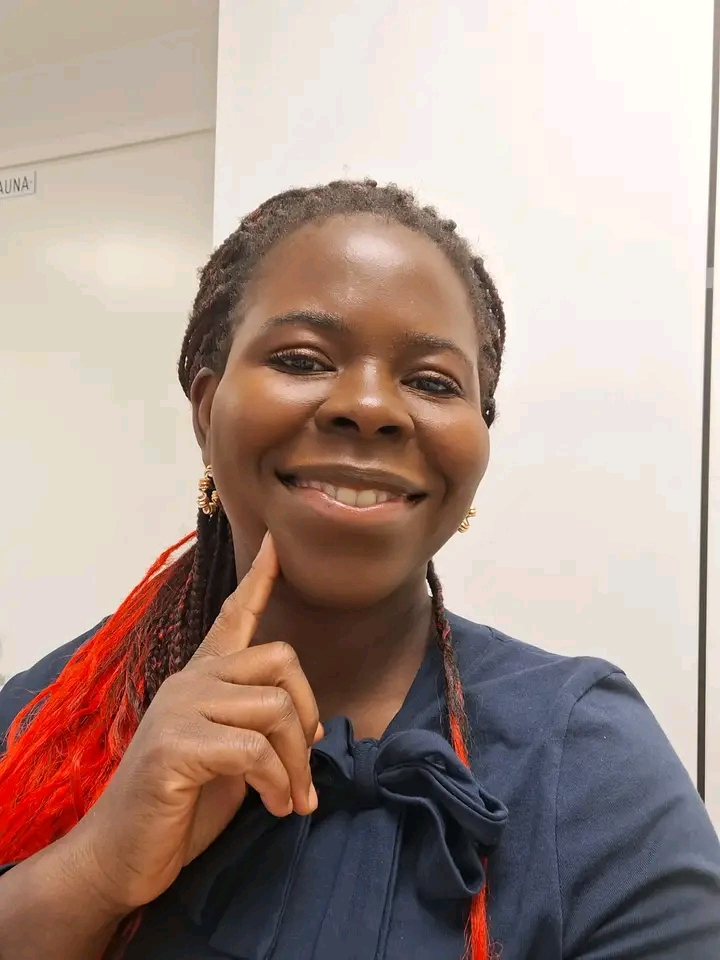
Nigerian author Hope Nwosu, based in Finland, recently shared her experiences navigating the Nordic society as an immigrant. Reflecting on her successful book launch for SoldOut in Helsinki earlier this month, Nwosu expressed her surprise at the immense support she received from her network.

“How can you build a long-term network as an immigrant?” Nwosu asked, noting that many had reached out to understand how she managed to attract such a large audience for her launch event. “Immigrants often have to start building their networks from scratch when they move to a new country,” she explained, adding that social capital is often limited for newcomers.

Recounting her own experience, Nwosu recalled her arrival in Finland 12 years ago. “When I moved as a family member, I didn’t know anyone here. Making connections was challenging. My first contacts were family friends I met through my children,” she said. However, over time, Nwosu managed to establish professional connections, a process that taught her valuable lessons about networking as an immigrant.

She offered a few tips for immigrants looking to build meaningful, long-term connections in Finland:

Network with an open mind: “Remember, people are not obliged to help you find a job. The primary aim of meeting new people should not be to fill this need.”

Be yourself: “Authenticity is key to maintaining networks. Say what you mean and mean what you say.”

Be vulnerable: “Accept that you don’t know everything. Take responsibility for your actions and avoid blaming others for mistakes.”

Give more than you receive: “As a newcomer, you might think you have little to offer, but you have unique skills. Share your culture and talents—mutual exchange is vital for long-term networks.”

Don’t lose your personality: “Making new connections can be overwhelming, but stay confident and true to yourself.”

Nwosu’s story highlights the importance of resilience and adaptability for immigrants in new environments. She also encouraged others to share their own tips for making meaningful connections abroad.

For those interested in her work, Nwosu’s book SoldOut is available for purchase, with signed copies offered as gifts to friends.

#Belonging #Networking #Migration #Diversity #Mentorship #BeYourself #Culture #Support


The atmosphere was charged with joy and gratitude as the Pentecostal community across Nigeria came together to celebrate a momentous occasion—Bishop David Oyedepo’s 70th birthday. As the founder and General Overseer of Winners Chapel Worldwide, Oyedepo has been a towering figure in Nigeria’s Christian faith, leading one of the largest church networks in the world. The celebration, which took place at the Faith Tabernacle in Ota, Ogun State, brought together thousands of congregants, political leaders, and dignitaries to honor his legacy of spiritual leadership.

Among the distinguished guests was Mrs. Tobore Oborevwori, wife of Delta State Governor Sheriff Oborevwori, who expressed her heartfelt sentiments about the significance of the day. Reflecting on Bishop Oyedepo’s leadership and the personal impact he has had on her family, Mrs. Oborevwori said, “Earlier today, my dear husband, Governor Sheriff Oborevwori, and I joined the family and congregation of our spiritual father, Bishop David Oyedepo, as he marked his 70th birthday. This celebration not only reflects the many years of his impactful ministry but also serves as a reminder of the countless lives he has touched.”

She further extended her wishes to the revered bishop, adding, “Papa, as you celebrate, it is my heartfelt prayer that God continues to increase you in strength and wisdom as you lead His flock with grace and purpose. Happy birthday, Papa!”

Bishop Oyedepo, often regarded as one of the most influential Christian leaders in Africa, has dedicated more than four decades to ministry, building Winners Chapel into a global religious powerhouse. His teachings on faith, prosperity, and leadership have impacted millions of people, making him a spiritual father to many within and outside Nigeria. The 70th birthday celebration was not just an occasion to reflect on his achievements, but a recognition of his enduring influence in the Christian faith, which has inspired spiritual and societal transformation.

Throughout the event, tributes poured in from various quarters. Faithful members of the church, top government officials, and renowned Christian leaders around the world lauded Bishop Oyedepo for his vision and unwavering commitment to spreading the gospel. The event was filled with jubilant praise, heartfelt prayers, and inspiring messages, all underscoring the deep reverence and admiration held for Oyedepo’s life of service. His leadership of the Living Faith Church Worldwide, also known as Winners Chapel, has been marked by significant milestones, including the establishment of Covenant University, one of Nigeria’s top educational institutions, and the construction of Faith Tabernacle, one of the largest church auditoriums in the world.

The birthday celebration further underscored Bishop Oyedepo’s impact on the Pentecostal movement in Nigeria and across the globe. His teachings have transformed millions of lives, and his contributions to education, social welfare, and national development continue to leave a lasting legacy. As tributes poured in during the event, one theme remained consistent: Oyedepo’s unwavering faith and dedication to his mission have been the guiding light for many.

As Mrs. Oborevwori highlighted, “This celebration serves as a reminder of the countless lives he has touched.” Bishop Oyedepo’s ministry is not only a testament to his faith in God but also to his deep desire to see others prosper both spiritually and materially.

As the Pentecostal community and well-wishers gathered to celebrate this milestone, Bishop Oyedepo’s 70th birthday became a symbol of endurance, leadership, and the power of faith in shaping destinies and nations. His legacy continues to inspire generations of believers, ensuring that his influence will be felt for many years to come.

#OyedepoAt70


Bruno Sacco, rest in peace, your legacy sealed in the annals of automotive history. A visionary designer, you sculpted the soul of Mercedes-Benz with your hand, shaping the icons that became emblems of excellence and elegance. You were the maestro behind the machines that moved generations, leaving a mark as indelible as the steel you crafted.

From the 80s to the 90s, you carved masterpieces out of metal, offering the world the grace and grandeur of the W124, the stately elegance of the W126, the sheer brilliance of the W201, and the unparalleled sophistication of the W140. Each design was more than a car—it was a work of art, a statement of refinement, and a testament to your genius.

Who can forget the commanding presence of the W126, its silhouette defining luxury on wheels, or the W201, compact yet brimming with character, embodying innovation at every turn? These were not just cars, they were experiences, journeys woven with your vision, making the ordinary extraordinary. In them, you embedded your spirit—a blend of precision, passion, and purity.

Your hand, as steady as the compass of time, steered Mercedes-Benz into an era of refined aesthetics and groundbreaking functionality. Every curve, every contour bore the mark of your genius. You didn’t just design cars; you shaped an era, an ethos. The W140 stood as a testament to your pursuit of perfection—an opulent flagship of unparalleled engineering. In these machines, we found reliability, beauty, and the future of automotive design.

In the photograph with the W201, you stand beside your creation—a father beside his child, a designer beside his masterpiece. The lines of the car, a reflection of your vision, spoke of innovation and legacy. It is a moment frozen in time, where genius meets creation.

Bruno Sacco, your life’s work endures on roads worldwide, wherever a Mercedes graces the streets. Your designs, timeless, continue to inspire and embody excellence. Though you have departed from this world, your legacy will forever glide on the wheels of your creations.

Rest in peace, master of metal, designer of dreams.


The issue of ostentatious living by religious leaders, particularly pastors, has become a heated topic of debate in recent times. Many people, both within and outside religious circles, have raised concerns about the moral implications of pastors living in extreme wealth and luxury while many of their congregants struggle with basic needs. The perception that some pastors are more focused on personal wealth than serving the less fortunate has sparked widespread criticism.

The Contrast with Jesus’ Teachings

One of the primary arguments against ostentatious living among religious leaders is rooted in the teachings of Jesus Christ himself. The biblical narrative portrays Jesus as a humble leader who advocated for simplicity, charity, and service to the poor. Nowhere in the gospels is there an example of Jesus amassing wealth or living in luxury. In fact, he consistently encouraged his followers to give to the needy and live selflessly.

For instance, in Matthew 19:21, Jesus told a wealthy young man, “If you want to be perfect, go, sell your possessions and give to the poor, and you will have treasure in heaven.” This message of simplicity and care for the less privileged forms the cornerstone of Christian values. Thus, when pastors live in opulence, owning mansions, driving luxury cars, and displaying extravagant lifestyles, it seems to contradict the very principles they are supposed to uphold.

The Moral Responsibility of Giving Back

Religious leaders, especially in economically disadvantaged regions, have a moral obligation to give back to their communities. The wealth generated from tithes, donations, and offerings is often meant to serve the greater good—building schools, hospitals, providing clean water, and uplifting the needy in society. When this wealth is instead funneled into personal luxuries, it not only reflects poorly on the religious leader but also on the institution of the church itself.

For example, a pastor building a multimillion-dollar mansion or owning a fleet of luxury cars in a community where people are struggling with poverty and lack of basic amenities, such as healthcare and clean water, raises ethical questions. Wouldn’t that money be better spent building hospitals, providing boreholes, or funding education for the underprivileged? These are the pressing needs that could transform lives and uplift communities. Unfortunately, when these funds are used to support lavish lifestyles, the opportunity to make a meaningful impact on society is lost.

The Role of Religion in Social Justice

Religion, at its core, should be a vehicle for social justice and equity. Churches, mosques, and other religious institutions have historically played a critical role in uplifting the downtrodden, fighting for the rights of the oppressed, and serving as beacons of hope for the less fortunate. However, when religious leaders adopt an extravagant lifestyle, it sends the message that material wealth is more important than these foundational principles.

Moreover, the “prosperity gospel” movement, which preaches that wealth is a sign of divine favor, further complicates this issue. While financial success can certainly be a blessing, it should not be used as a measure of spiritual worth or as a justification for excess. The focus should remain on using resources for the betterment of society, as true prosperity lies in helping others and creating opportunities for those less fortunate.

The Widening Gap Between Leaders and Congregants

One of the most unfortunate consequences of ostentatious living by pastors is the widening gap between religious leaders and their congregants. In many cases, pastors living in wealth are disconnected from the everyday struggles of their followers, many of whom are dealing with unemployment, illness, and poverty. This disconnect can lead to disillusionment and a loss of faith in religious institutions.

When pastors display their wealth so openly, it creates an uncomfortable contrast with the suffering experienced by many members of their congregation. This not only fuels resentment but also calls into question the authenticity of their message. How can a pastor preach about humility and sacrifice when their own lifestyle is the opposite of those values? This is where the heart of the issue lies: the need for religious leaders to lead by example, embodying the principles they teach and living lives of service and modesty.

Conclusion: A Call for Accountability

Ultimately, the conversation around pastors and their ostentatious living is about accountability. Religious leaders hold positions of immense trust and influence, and with that comes the responsibility to use their resources for the greater good. Instead of focusing on personal wealth, pastors should prioritize giving back to their communities, addressing societal issues like poverty, healthcare, and education. By doing so, they not only follow the example of Jesus but also restore faith in the role of religion as a force for good in the world.

The call for moderation and selflessness is not a rejection of success or prosperity but a reminder that wealth should be used as a tool for positive change. As society grapples with these issues, it’s important for religious leaders to reflect on their responsibility and the power they hold to transform lives—not just spiritually, but socially and economically as well.

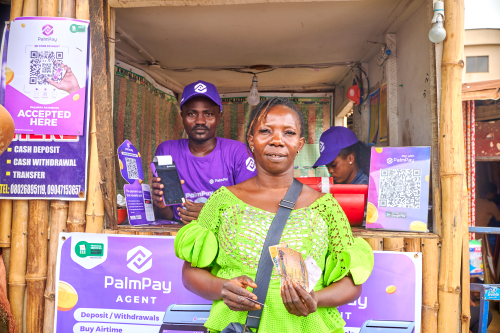
PalmPay (www.PalmPay.com), a leading financial platform with over 30 million users on its smartphone app in Nigeria, today announces the launch of its USSD code.


This service offers Nigerians an additional way to manage their finances without the need for internet connectivity. With the PalmPay USSD code, customers can now perform a wide range of banking transactions by dialing *861# from their mobile phones.

PalmPay has been operating in Nigeria since 2019 under a Mobile Money Operator license issued by the CBN. The fintech pioneered a model that provides financial services such as money transfers, bill payments, credit services and savings via a one-stop-shop financial ‘superapp’.

Our USSD platform comes with a security feature which allows our customers to remotely freeze their accounts in case their phone is lost or stolen

Customers without access to smartphones are able to make transactions via a nationwide network of over 500,000 Mobile Money Agents. The addition of a USSD access point is designed to further enhance the accessibility and convenience of its platform for consumers in a market where data network outages are common.

Chika Nwosu, Nigeria Managing Director, emphasized the company’s commitment to financial inclusion “At PalmPay, we aim to bridge the gap in digital access, and the introduction of our USSD service aligns with that mission. Our platform ensures seamless connectivity for our users.” he said. “In addition, our USSD platform comes with a security feature which allows our customers to remotely freeze their accounts in case their phone is lost or stolen, providing an extra layer of protection to safeguard their finances.”

PalmPay has achieved significant milestones in Nigeria, reaching over 30 million registered users on its app and connecting 1.1 million businesses through its network of mobile money agents and merchants. The company has been a key driver of financial inclusion in Nigeria, with a third of PalmPay users reporting that they opened their first-ever financial account through the platform.

Recently, PalmPay was recognized as one of the World’s Top 250 Fintech Companies in 2024 by CNBC and Statista.

With its user-friendly interface, reliable transactions, and focus on driving market share through fee-free transfers and promotions, PalmPay continues to solidify its position as a major player in Nigeria’s fintech ecosystem.

The Coca-Cola System in Nigeria (www.Coca-ColaCompany.com), comprised of Coca-Cola Nigeria Limited and its authorized bottler, Nigeria Bottling Company (NBC), announced plans to expand its investments in Nigeria. Over the next five years, with a predictable and enabling environment in place, the System plans to accelerate its investments in Nigeria to reach US$ 1 billion. The investment builds on the System’s long-standing involvement in Nigerian communities. Over the last 10 years, Coca-Cola Hellenic Bottling Company, known locally as Nigerian Bottling Company, has invested $1.5 billion in Nigeria. With today’s announcement, the Coca-Cola System plans to more than double its rate of investment over the next 5 years.


This investment underscores the Coca-Cola System’s continued confidence in the Nigerian market and its promising future economic prospects. The investment is expected to support various value chain areas, including suppliers, distributors, retailers, and recyclers.


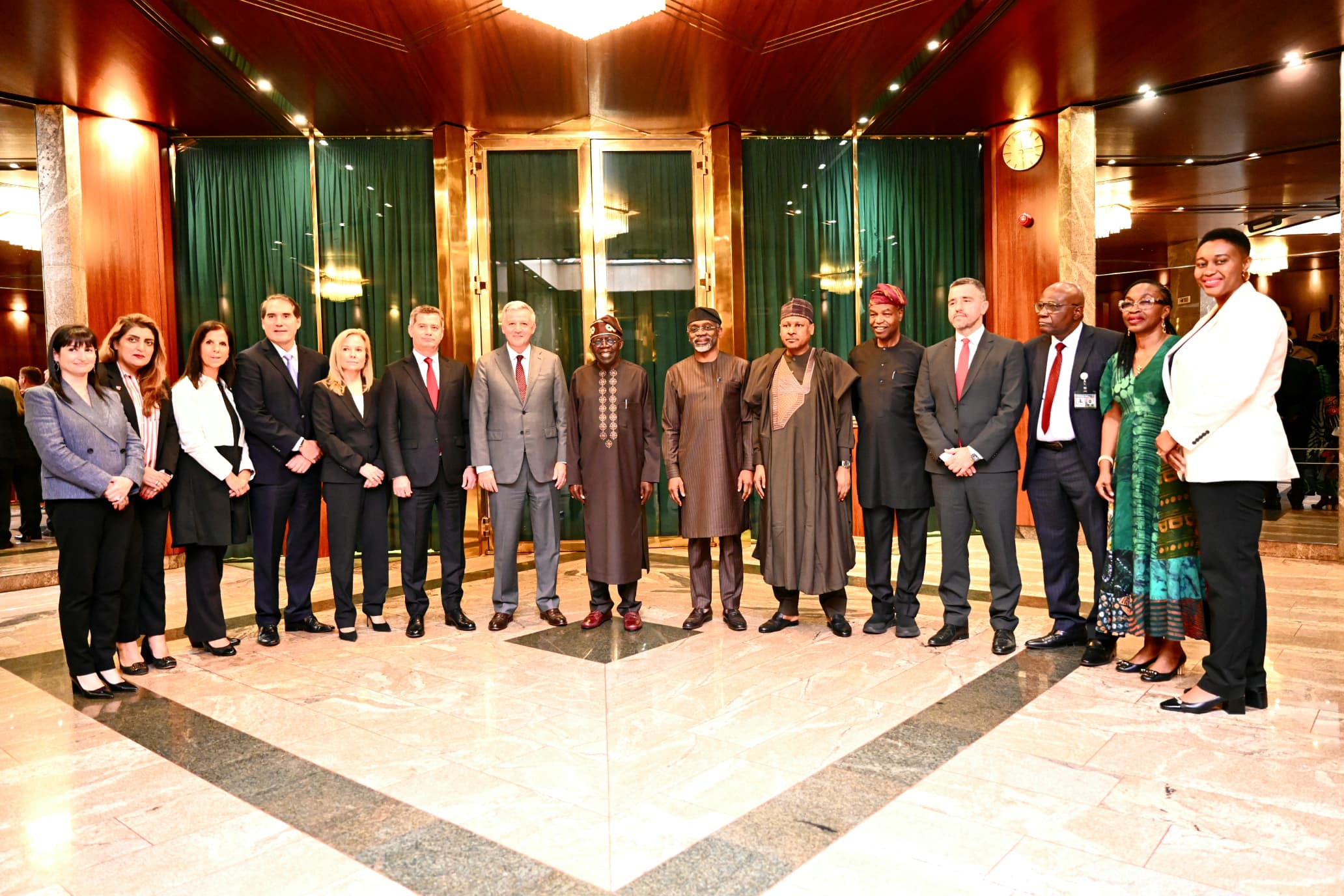
The announcement was made at the State House in Nigeria, where a Coca-Cola System delegation was hosted by President Bola Ahmed Tinubu. In addition to the Coca-Cola System leadership team in Nigeria, the delegation was comprised of international Coca-Cola System representatives: John Murphy, President and Chief Financial Officer of The Coca-Cola Company; Zoran Bogdanovic, Chief Executive Officer of Coca-Cola Hellenic Bottling Company; Henrique Braun, EVP and President, International Development of The Coca-Cola Company; Luisa Ortega, President of Coca-Cola’s Africa Operating Unit; and Naya Kalogeraki, Chief Operating Officer of Coca-Cola Hellenic Bottling Company.


Following the meeting, Murphy indicated that “the investment highlights our system’s efforts to drive scalable initiatives while also preserving the value of local relevance. Coca-Cola has been an integral part of the African continent for over 96 years and today’s investment in Nigeria reiterates our optimism about the continent.”


Bogdanovic commented, “The Coca-Cola System has been part of Nigerian communities for over 70 years and believes in the strength and continued potential of the market. We are excited to announce this investment, which demonstrates our dedication to fostering economic growth and creating job opportunities in the country.”

Our investment goes beyond business growth; it’s about contributing to the well-being of the communities we call home


“Our investment goes beyond business growth; it’s about contributing to the well-being of the communities we call home. We foresee significant social and economic advancements, which is why we continue to invest in our business operations and community programs in Nigeria,” concluded Bogdanovic.


Ortega emphasized the importance of collaboration to create a stable operating environment. “By working in partnership with the government and other stakeholders, we can drive sustainable development and economic empowerment. Our collective efforts can create a lasting positive impact on the communities we serve.”


President Tinubu commended Coca-Cola for its long-standing partnership with Nigeria and for promoting investment opportunities that have employed over 3000 people across nine production facilities.

”We are business-friendly, and as I said at my inauguration, we must create an environment of easy-in and easy-out for businesses. We are building a financial system where you can invest, re-invest, and repatriate all your dividends. I have a firm belief in that,” he said.


Coca-Cola has a rich legacy of refreshing Africa and making a difference across the continent for over 96 years. In Nigeria, for 73 years, the Coca-Cola System has been an integral part of the local economy, employing over 2,800 people across 8 production plants. A recent economic impact study, conducted by Steward Redqueen, found that for every job created by the Coca-Cola System, an additional 31 jobs are supported across the country. The Coca-Cola System continues to invest in the socio-economic development of Nigeria as it scales up different sustainability interventions by investing more in empowering young people, provision of clean potable water supply, and the support for a stronger plastics waste collection infrastructure in different parts of the country.

M-KOPA (https://M-KOPA.com/), a leading emerging market fintech, announced that it has surpassed 5 million customers across Kenya, Uganda, Nigeria, Ghana and South Africa. Two million of these customers have come onboard in the past 15 months.


M-KOPA’s innovative model makes affordable smartphones embedded with financial services available to ‘Every Day Earners’: the wide majority of African adults who earn their income daily but struggle to afford smartphones and typically fail to qualify for conventional financial services. According to the World Bank, 75% of adults in sub-Saharan Africa remain financially excluded. To date, M-KOPA has supported its customer base with more than US $1.5 billion in financing.

Starting with smartphone access, customers gain entry to the digital economy with an affordable daily repayment model, which fits their daily income and cash flow and makes it easier to manage. By leveraging rich payments data and proprietary AI-driven analytics, M-KOPA builds a credit record for each customer which forms the foundation for a long-term financial relationship for lower cost digital loans, affordable data subscriptions and medical insurance.

According to M-KOPA co-founder and CEO, Jesse Moore: “We are thrilled to welcome our 5 millionth customer to M-KOPA this month. The scale of our operations and our positive impact on customers is what keeps us working hard to go even further. We’re just getting started; the opportunity for much larger impact and scale is right in front of us.”

M-KOPA also published its 2024 Impact Report this week, in which the company annually releases its progress against key social and environmental impact metrics.  As with prior reports, the 2024 survey of M-KOPA customers was undertaken by a third-party company – Dalberg Research.

Our impact extends beyond our customers, reaching their families and communities, and contributing to building a more sustainable world

Key impact highlights from the 2024 report include:

  • 92% confirm that M-KOPA’s financing has made technology more affordable.
  • 80% of customers report an improved quality of life thanks to M-KOPA’s products.
  • 70% credit M-KOPA with helping them achieve their financial goals, demonstrating the company’s contribution to financial empowerment.
  • 62% use their M-KOPA product to generate income


The company is having a major impact in improving digital access in Africa. Nearly 2 million customers are first-time mobile internet users and 40% are women. M-KOPA also built the first and largest smartphone assembly factory in Kenya – which has produced more than 1m phones locally and further reduced the cost of access.

As with prior reports, M-KOPA’s board and management use the annual impact report to help shape forward company strategy. Based on this year’s findings, M-KOPA is working to further increase its percentage of female customers to 50%, to reduce its carbon footprint by making circularity central to its smartphone supply chain, and to continue pioneering green products like electric motorbikes that contribute to the health and sustainability of the communities where it operates.

M-KOPA’s Chief Product Officer Nena Sanderson, notes: “Our product and services build pathways to prosperity for our customers and agents, enabling them to overcome financial setbacks, generate income and progress towards the futures they aspire to. Our impact extends beyond our customers, reaching their families and communities, and contributing to building a more sustainable world.”

Headquartered in London, UK, M-KOPA now creates employment for more than 3,000 staff and 30,000 commission-based sales agents across Kenya, Uganda, Nigeria, Ghana and South Africa.  The company has been recognised by the Financial Times as one of Africa’s Fastest Growing Companies for the past 3 years, and by Time Magazine as one of the 100 Most Influential Companies globally for the past 2 years.

To read the full report, download it here: M-KOPA Impact Report 2024_Pathways To Progress  (http://apo-opa.co/3Xv5PZ6).


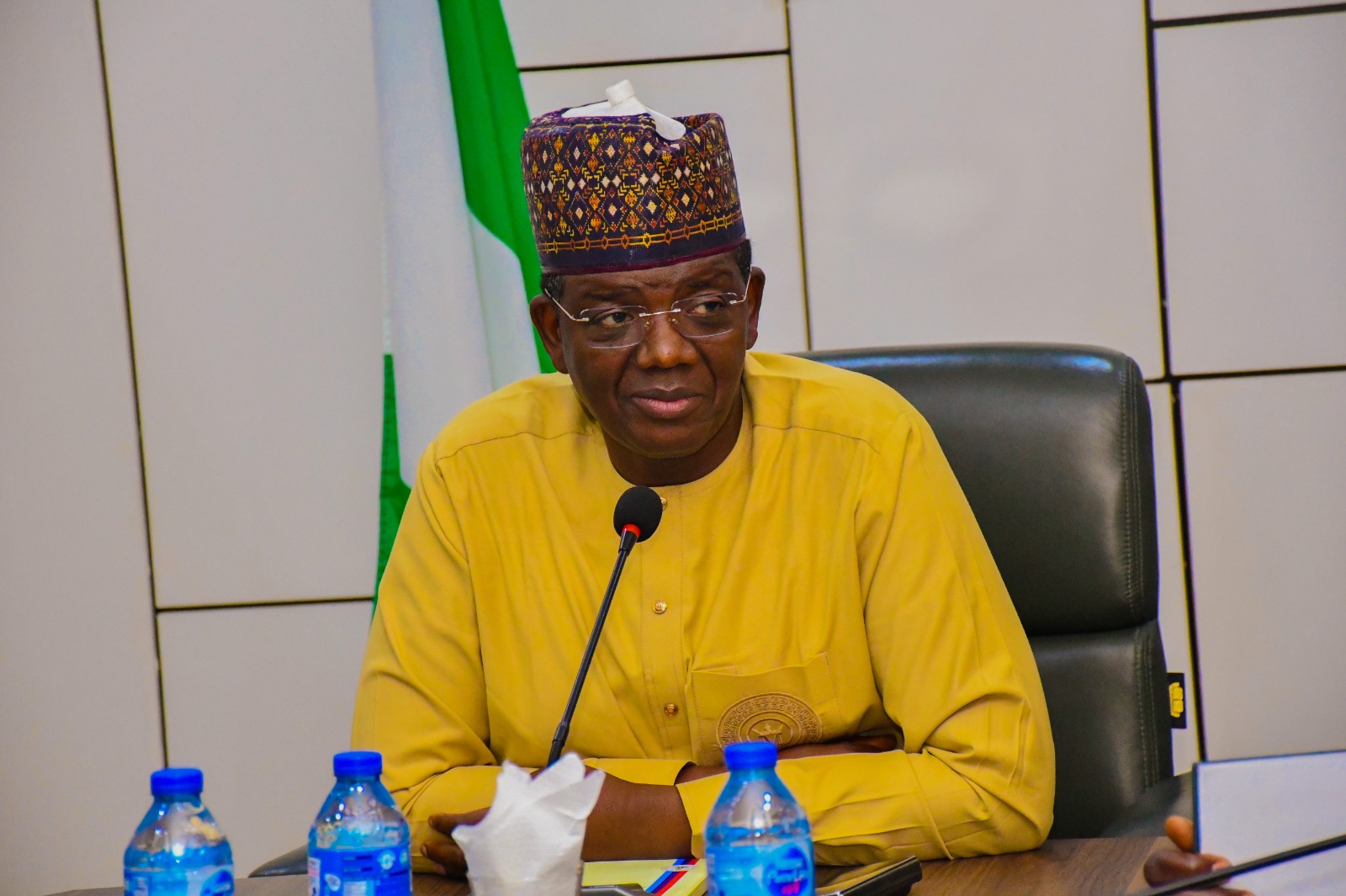
Recent media reports suggesting a lawsuit has been filed against the Honourable Minister of State for Defence, H.E. Dr. Bello Mohammed Matawalle MON, have been debunked by an investigative journalist, who has clarified that no such legal action exists. The reports, which claimed a case was brought to the Federal High Court (FHC) in Abuja to investigate the Minister, have been found to be unsubstantiated after thorough checks at multiple court locations.

The investigation revealed that no case has been registered against Dr. Matawalle, with court officials confirming the absence of any such suit in their records. The journalist noted the lack of specific details in the reports, such as the exact court or judge handling the case, as clear indications of the information being questionable.

According to the investigative journalist, the allegations stem from reports claiming that a human rights activist, Abubakar Dahiru, had filed a lawsuit implicating Dr. Matawalle in certain activities. These accusations have drawn significant attention, particularly in light of the ongoing political dynamics in Zamfara State. However, the journalist emphasized that no notice of any lawsuit has been served to the Minister.

Observers have pointed to the timing of these allegations, which come amid growing political tensions between Dr. Matawalle and his successor, Governor Dauda Lawal. It has been suggested that the media reports could be part of a broader effort to undermine the Minister’s standing, particularly given his significant influence in both Zamfara and on the national stage.

The journalist also referred to earlier claims by Governor Lawal, who had previously raised concerns about the activities of Dr. Matawalle during his time as governor of Zamfara. However, these claims remain unproven, and the journalist called for caution in accepting such allegations without supporting evidence.

The investigative report further highlighted concerns about “forum shopping,” a legal practice where parties seek favorable court rulings by manipulating the legal process. However, there is no indication that such practices have been successful, and court officials continue to uphold proper procedures.

The investigative journalist urged the public to critically assess any unverified reports and not to be misled by speculative claims. “It’s crucial for the public to focus on verified information and avoid being drawn into narratives that lack credible evidence,” the journalist advised.

In summary, the investigation confirms that no legal action has been taken against Dr. Bello Matawalle, and the reports circulating in the media appear to be baseless. The public is encouraged to remain discerning and await further developments based on facts.

Aliyu Mohammed
Public Analyst


According to the investigative journalist, the allegations stem from reports claiming that a human rights activist, Abubakar Dahiru, had filed a lawsuit implicating Dr. Matawalle in certain activities. These accusations have drawn significant attention, particularly in light of the ongoing political dynamics in Zamfara State. However, the journalist emphasized that no notice of any lawsuit has been served to the Minister.

Governor Lawal’s Media Campaign Against Matawalle Raises Concerns

The recent media campaign led by Zamfara State Governor, Dauda Lawal, targeting the Minister of State for Defence, H.E. Dr. Bello Mohammed Matawalle MON, has sparked public debate about the motivations behind these actions.

Security analyst, Col. Anthony Wonah (rtd), believes the campaign may be linked to recent security developments in the state. Specifically, the neutralization of certain high-profile bandit leaders in the northwest region, including the late Halilu Sububu, has been mentioned as a possible catalyst. Sububu, a well-known figure in the area, had connections to various interests in Zamfara, including gold mining activities.

Col. Wonah suggested that the ongoing campaign against Matawalle could be related to the impact of recent security operations on influential networks in the region. He added that the focus on undermining Matawalle’s image might be an attempt to distract from more pressing governance issues in Zamfara State.

The analyst further emphasized that the governor should concentrate on the development and stability of Zamfara, rather than engaging in political rivalries. He urged transparency regarding unresolved questions surrounding the state’s handling of banditry and the allocation of resources.

Col. Wonah concluded by advising Governor Lawal to prioritize governance and address the challenges facing Zamfara, rather than pursuing disputes with his predecessor.

Sumaila Habib
Public Analyst


Security analyst, Col. Anthony Wonah (rtd), believes the campaign may be linked to recent security developments in the state. Specifically, the neutralization of certain high-profile bandit leaders in the northwest region, including the late Halilu Sububu, has been mentioned as a possible catalyst. Sububu, a well-known figure in the area, had connections to various interests in Zamfara, including gold mining activities.


In a recent lecture delivered by a renowned cleric Sheikh Abdurrahman Azzamfari, the growing security challenges in Zamfara State were discussed with candidness and conviction. The cleric did not mince words in highlighting the dangerous forces working behind the scenes to perpetuate violence and unrest in the state, while commending the ongoing efforts of key government figures to restore peace.

According to the cleric, selfish interests and ignorance have been key drivers of the insecurity plaguing Zamfara. In his words, “This problem is like the case of two elephants fighting; who will suffer the most? The grass.” Sheikh Azzamfari made it clear that the people of Zamfara are the ultimate victims of this ongoing conflict, which, he asserts, is being driven by powerful individuals who benefit from the continued violence.

The cleric praised the Honourable Minister of State for Defence, Dr. Bello Muhammed Matawalle MON, and the Chief of Defence Staff, General Christopher G. Musa, for their tireless efforts to address the situation. He pointed out that these leaders have become targets of those who do not want to see peace return to the state. “These people do not want the good efforts that Matawalle is making to end this incessant violence to come to fruition. They cannot afford to allow Matawalle or Christopher Musa to take the credit for ending this menace,” Sheikh Azzamfari remarked.

In his closing remarks, he urged all believing Muslims to include Dr. Matawalle and General Musa in their prayers, imploring divine intervention to help these leaders overcome the evil forces plotting against them. His call for solidarity emphasized the need for unity in supporting genuine efforts aimed at ending the violence in Zamfara, while condemning those who are determined to undermine such initiatives for their own gain.

Sheikh Azzamfari’s message resonated deeply with the people, as he exposed the stark realities fueling insecurity in Zamfara State and reaffirmed support for the leaders working to bring peace and stability to the region.

Malam Ahmed Suleiman
Analyst


The cleric praised the Honourable Minister of State for Defence, Dr. Bello Muhammed Matawalle MON, and the Chief of Defence Staff, General Christopher G. Musa, for their tireless efforts to address the situation. He pointed out that these leaders have become targets of those who do not want to see peace return to the state. “These people do not want the good efforts that Matawalle is making to end this incessant violence to come to fruition. They cannot afford to allow Matawalle or Christopher Musa to take the credit for ending this menace,” Sheikh Azzamfari remarked.