
In the rapidly evolving world of business and technology, FinTrak, an indigenous software development firm, is leading the charge in Africa. Headed by Mr. Bimbo Abioye, the Group Managing Director, FinTrak is not only shaping the financial space but also helping organizations rethink their approach to human resource management and enterprise operations. At the core of their mission is a commitment to making everyday business processes smoother, smarter, and more efficient.
Speaking with passion about FinTrak’s Human Resource Management System (HRMS), Bimbo Abioye asked an important question to every business leader:
“Are you ready to transform your HR department into a hub of efficiency and innovation? Discover how FinTrak HRMS can provide a single source of truth, empowering your team to make smarter, faster decisions.”
The FinTrak HRMS is more than just a software tool; it’s a complete solution tailored to simplify and enhance human resource management. Designed to meet the diverse needs of organizations, it allows businesses to customize workflows, set their own rules for seamless operations, and foster greater employee engagement. Abioye emphasizes the system’s versatility, noting that it’s available in both English and French, ensuring that companies across Africa can easily adopt and benefit from its features. And for those unique corporate needs, FinTrak HRMS can be adapted to fit any business model with a strong support team ready to assist every step of the way.
“We’re here to offer the best support, to help you automate any business issues. We are committed to your success,” Abioye adds, reaffirming the company’s customer-first approach.

FinTrak isn’t just focused on HR. Their Enterprise Resource Management (ERM) system is another powerful tool designed to cater to a wide range of organizational functions, from managing assets to streamlining back-office operations. What makes the ERM solution particularly appealing is its scalability. Whether a company is just starting out or rapidly expanding, FinTrak’s ERM grows with the business, adapting to new challenges and opportunities without disrupting ongoing operations.
Integration with existing systems is seamless, ensuring that companies can transition smoothly to using the ERM platform. This ease of use, combined with valuable insights into resource allocation and performance, makes FinTrak’s solution a strategic asset. It helps businesses not only manage their operations but also make informed, data-driven decisions that contribute to long-term success.
Recognized for its excellence, FinTrak was awarded FinTech Company of the Year in 2020—a testament to the firm’s ongoing commitment to helping African businesses thrive in a digital age.
For Mr. Bimbo Abioye and his team at FinTrak, their mission is clear: to help organizations not only solve today’s problems but to empower them for tomorrow’s challenges. With an ever-expanding suite of tools designed to make work easier and more productive, FinTrak is truly at the forefront of Africa’s business transformation.
#HRTech #FinTrakHRMS #SmartHR #BusinessTransformation #AfricaTech #EmpoweringBusinesses #SeamlessOperations
If your organization is ready to elevate its operations and human resource management, FinTrak is eager to help you take that next step.

 

In today’s interconnected world, where online threats constantly evolve, protecting digital assets is more critical than ever. With cyberattacks such as phishing and hacking becoming daily concerns for businesses and institutions, the demand for reliable cybersecurity solutions is at an all-time high. One name that consistently rises to meet this challenge is Bitdefender—a global leader in cybersecurity, recently celebrated for a major achievement.

Kecam Technologies Limited, a Lagos-based IT firm, proudly recognizes Bitdefender, its trusted global partner, for being named a “Visionary” in the 2024 Gartner Magic Quadrant for Endpoint Protection Platforms (EPP)—a prestigious accolade that ranks among the highest in the cybersecurity industry.

Reflecting on this milestone, Bonny Mekwunye, Vice Chairman of Kecam Technologies, shared his excitement. “We’re beyond thrilled to share this news,” Mekwunye said. “Bitdefender’s recognition as a Visionary highlights their excellence and underscores our shared commitment to helping organizations stay ahead of evolving cybersecurity threats.”

Mekwunye further emphasized the success of Bitdefender’s GravityZone platform, which has earned high praise from independent evaluators. “Bitdefender has been a leader in the Forrester Wave for Endpoint Security and the AV-Comparatives Advanced Threat Protection Test. Additionally, it was named a Strong Performer in the Forrester Wave™: Extended Detection and Response Platforms for Q2 2024. This kind of consistent recognition speaks volumes about their capabilities,” he added.

For those unfamiliar with the Gartner Magic Quadrant, it serves as an industry-standard report evaluating the top cybersecurity vendors and scoring them based on how well they execute their vision. According to Gartner, Visionaries are vendors who possess a clear vision of where the market is headed and are actively working to deliver on that vision.Kecam Technologies Limited

This recognition reflects broader trends in cybersecurity. Gartner predicts that by 2028, 30% of enterprises will consolidate their security tools, relying on a single vendor for endpoint security, detection, and identity threat response—a significant increase from today’s 5%. Bitdefender is already leading this shift with its integrated, seamless security platform.

Bitdefender expressed excitement about the recognition, seeing it as an affirmation of their mission to protect businesses in an increasingly complex threat landscape.

Mekwunye concluded by highlighting Kecam Technologies’ role in this success. “We’ve participated in numerous groundbreaking IT projects across Africa. As an authorized distributor for Bitdefender in Nigeria, Ghana, Liberia, and Sierra Leone, we are proud to offer world-class solutions to businesses across the region. With over 200 years of combined experience on our team, we remain committed to helping businesses navigate today’s cybersecurity challenges.”

It is clear that Bitdefender and Kecam Technologies are not just partners but allies in the fight against cybercrime, delivering cutting-edge security solutions to businesses of all sizes. With Bitdefender’s recent recognition, their partnership is poised to continue making a profound impact on the cybersecurity landscape.


ANTHONY EMEKA NWOSU


Mekwunye concluded by highlighting Kecam Technologies’ role in this success. “We’ve participated in numerous groundbreaking IT projects across Africa. As an authorized distributor for Bitdefender in Nigeria, Ghana, Liberia, and Sierra Leone, we are proud to offer world-class solutions to businesses across the region. With over 200 years of combined experience on our team, we remain committed to helping businesses navigate today’s cybersecurity challenges.”


The Africa Tech Alliance Forum (AfriTECH 4.0), one of the continent’s leading technology-focused events, is scheduled to hold Thursday, November 07, 2024 at Oriental Hotel, Lekki Road, Lagos-Nigeria.

The forum will bring together industry leaders, policymakers, innovators, and entrepreneurs to explore the theme “Leapfrogging Digital Transformation for Future of Africa’s Economy.”

AfriTECH 4.0 is poised to address critical conversations around the digital evolution of Africa, with a focus on key topics such as emerging technologies, sustainability, policy frameworks, and innovation in the tech ecosystem. The forum will highlight the importance of building sustainable and inclusive digital infrastructures that can drive economic growth and social development across the continent.

Event Highlights Include:

  • Keynote Presentations from prominent technology leaders and policymakers.
  • Panel discussions: telecommunications/data centre business, artificial intelligence, fintech, blockchain, cybersecurity, and digital skills development.
  • Workshops and Masterclasses led by industry experts on strategies for digital transformation.
  • Networking Opportunities for attendees to connect with key stakeholders in Africa’s tech landscape.
  • Exhibitions showcasing cutting-edge technologies and innovative startups from across Africa.
  • Africa Tech Alliance Excellence (ATAEx) Awards in recognition of individuals, businesses and institutions leading digital transformation in Africa.

Notable Speakers at AfriTECH past events include Mr. Austin Okere, founder, CWG PLC, Ola Williams, Country Manager, Microsoft Nigeria & Ghana; Dr. Ayotunde Coker, CEO, Open Access Data Centre (OADC); Dr. Aminu Maida, EVC/CEO, Nigerian Communications Commission (NCC); Kashifu Inuwa, DG, NITDA; Engr. Ikechukwu Nnamani, CEO, Digital Realty (Nigeria); Chuks Anakudo, Managing Director/CEO – Global Accelerex; Prof. Wale Peter Obadare, Chief Visionary Officer, Digital Encode Limited; Dr. Seyi Akindeinde, founder, NeuRaL AI; Chris Uwaje (Oracle) pioneer president, Institute of Software Practitioners of Nigeria; Dr. Krishnan Ranganath, the Regional Executive for West Africa and Morocco at Africa Data Centres; Emmanuel Amos, President, InnovationBed Africa; among others.

Prominent speakers have also lined up for AfriTECH 4.0 who will share insights on driving Africa’s digital economy, fostering innovation, and ensuring digital inclusion for all.

“With Africa’s growing digital economy and the increasing importance of technology in various sectors, AfriTECH 4.0 will provide a platform for stakeholders to collaborate on strategies to harness the power of technology to solve some of the continent’s most pressing challenges”, said, Chike Onwuegbuchi, co-convener, AfriTECH.


Event Registration is now open via the link here: https://docs.google.com/forms/d/1xQJc8d141wUZ5Swuj2lhiPFLLKUV0xCjE3f_P2bjKfY/edit and interested participants can sign up to attend the forum both virtually and in person.

About Africa Tech Alliance Forum (AfriTECH 4.0)

AfriTECH 4.0 is a premier technology conference that brings together stakeholders from various sectors to discuss and explore the future of technology in Africa. The forum serves as a platform for knowledge sharing, networking, and collaboration aimed at driving digital transformation and fostering innovation across the continent.


Corporate Nigeria is showing strong support for the Nigeria Teen Cyber Festival (ngTeenCyberFest) 2024, marking the event’s third edition. This year’s celebration highlights teenage innovators making significant strides in AI and cybersecurity. Teen achievers like Iliyasu Aminu Alkasim, Nwachukwu Angelica Ifunanyachukwu, and Sitlong Alex Joseph will be honored for their contributions to technology and cybersecurity.

Set under the theme “From Ideas to Impact: Fostering Innovation in the Age of AI,” the event will be hosted at OLUMAWU School, Wuse II. Key sub-themes include “Nigerian Youth and Digital Innovation: Building Tomorrow’s Tech Leaders” and “Digital Innovations and the Creative Economy.”

Among the standout teen innovators is Alkasim, a high school student who invented sensor-equipped eyeglasses to help the visually impaired navigate their surroundings. Ifunanyachukwu, a 20-year-old former cybercriminal who has now reformed, runs cybersecurity awareness programs to prevent others from falling into cybercrime. Joseph, only 15 years old, is developing a platform to connect miners with legitimate businesses.

The event has attracted substantial backing from government agencies and corporate organizations. Supporters include UNESCO, NITDA, EFCC, NDPC, DBI, and the National Orientation Agency (NOA). The private sector is also represented by sponsors such as UNICCON Group, Hotspot Network, Cedarview Limited, and Smartweb.

Notable backing also comes from state agencies like the Nasarawa State Information Technology and Digital Economy Agency (NASITDEA) and the Kaduna State Government. Foundations and media organizations supporting the event include the Pzafaama Helping Hand Foundation, CLAPAI Orphanage, Eagles 102.3 FM, and IT Edge News.Africa.

Keynote speakers include Dr. Chuks Ekwueme, Chairman of UNICCON Group; Haruna Sani Sani, Director General of NASITDEA; and Mr. Mohammed Rudman, Managing Director of IXPN. University students will host a Fireside Chat focused on social media’s influence on youth.

One of the event’s highlights will be the unveiling of the 2024 Nigerian Teen Cyber Awareness Report. This report, featuring insights from experts like Dr. Vincent Olatunji (CEO of NDPC) and Mr. Daser David (President of DBI), emphasizes the growing need to protect minors’ data in the digital age.

The Nigeria Teen Cyber Festival is organized by C-C Pro (Child Protection Initiative Against Cyber Crime), promoting healthy digital engagement among youth. The festival will also include a Hackathon Contest, managed by nHub, Northern Nigeria’s first innovation hub.


In a decisive legal intervention, the Kano High Court has issued a restraining order against the Governor of Zamfara State, Dauda Lawal, and several others, barring them from continuing a smear campaign against the Honourable Minister of State for Defence, Alhaji Bello Muhammed Matawalle. This temporary order will remain in place pending the hearing and determination of the originating motion in court.

The restraining order affects a wide range of respondents, including the Nigeria Police Force, the Inspector-General of Police, the Government of Zamfara State, the Attorney General of the Federation, Vision Media Services Ltd, Vision FM, Farin Wata TV, Liberty Radio and TV, Shuaibu Mungadi, and Tijjani Ramalan. These entities and individuals were implicated in the ongoing case for their alleged role in a coordinated effort to tarnish Matawalle’s image.

Governor Dauda Lawal has faced accusations of visiting media houses to make unsubstantiated claims linking Matawalle to banditry and corruption. The court documents allege that these actions are part of a deliberate attempt to undermine Matawalle’s credibility ahead of a rumored cabinet reshuffle by President Bola Ahmed Tinubu, GCFR.

The smear campaign has reportedly aimed to diminish Matawalle’s rising political profile, not only in Zamfara State but across Nigeria. Supporters of Matawalle have described these actions as a desperate move by Governor Lawal to block Matawalle’s reappointment as a minister.

In its ruling, the court has specifically barred Governor Lawal and his associates, as well as media outlets such as Vision Media Services Ltd and Liberty Radio and TV, from further broadcasting or publishing defamatory content concerning Matawalle. The court emphasized that any information disseminated by Governor Lawal and his proxies should be treated with skepticism, urging the public to disregard such unverified claims.

The interim injunction also prevents the police and other security agencies from arresting or prosecuting Alhaji Masuda Abdulkadir, another key figure in the case. Furthermore, Vision Media Services Ltd and its executives have been instructed to cease airing or disseminating any content related to the ongoing matter until the court reaches a final


As Nigeria approaches its 64th Independence Day, the nation pauses to reflect on a journey marked by resilience and unwavering hope for a brighter future.

Nigeria’s narrative is one of strength, overcoming challenges that would have deterred lesser nations, yet standing tall and aspiring for greatness. While acknowledging that the country is far from perfect, it is within these imperfections that Nigeria finds its true strength.

The nation epitomizes a paradox: despite the presence of weak institutions, democracy continues to flourish. Nigeria remains a political experiment in progress, constantly reshaping its identity amidst a complex landscape. Each election cycle offers valuable lessons, and every peaceful transition of power reinforces the collective resilience and desire for improvement among the populace.

But what underpins Nigeria’s perseverance? Why should the nation celebrate this year?

The People: Across the vast expanse of Nigeria, from bustling Lagos to the serene landscapes of Maiduguri, individuals wake each day with determination to forge a better life for themselves and their families. The resilience, willpower, and ingenuity of Nigerians are the core attributes that define the nation.CAGRAM Southwest Zone Celebrates Nigeria's 64th Independence Anniversary -  P.M.EXPRESS

The Democracy: While institutional weaknesses persist, the vibrancy of Nigeria’s democracy is a testament to the unwavering demand from the people for accountability and progress. Elections continue to take place, power transitions occur, and even amid the bumpy roads, citizens remain steadfast in reshaping their political landscape.

The Potential: As Africa’s most populous nation, Nigeria boasts boundless potential. The youth are dynamic and creative, pioneering technological innovations, developing apps, and establishing businesses that elevate Nigeria’s presence on the global stage.

Yet, the question remains: How can Nigeria transition from potential to prosperity? How can the next 64 years be characterized by economic growth, stability, and innovation?

The future holds promise, and as we reflect on our past, we must also look ahead with determination and hope. Together, we can build a brighter tomorrow for Nigeria.

Your thoughts and insights are welcome in the comments section below.

By Kechukwu Onyekwelu, Communicator | Editor | Journalist | Storyteller | Dad


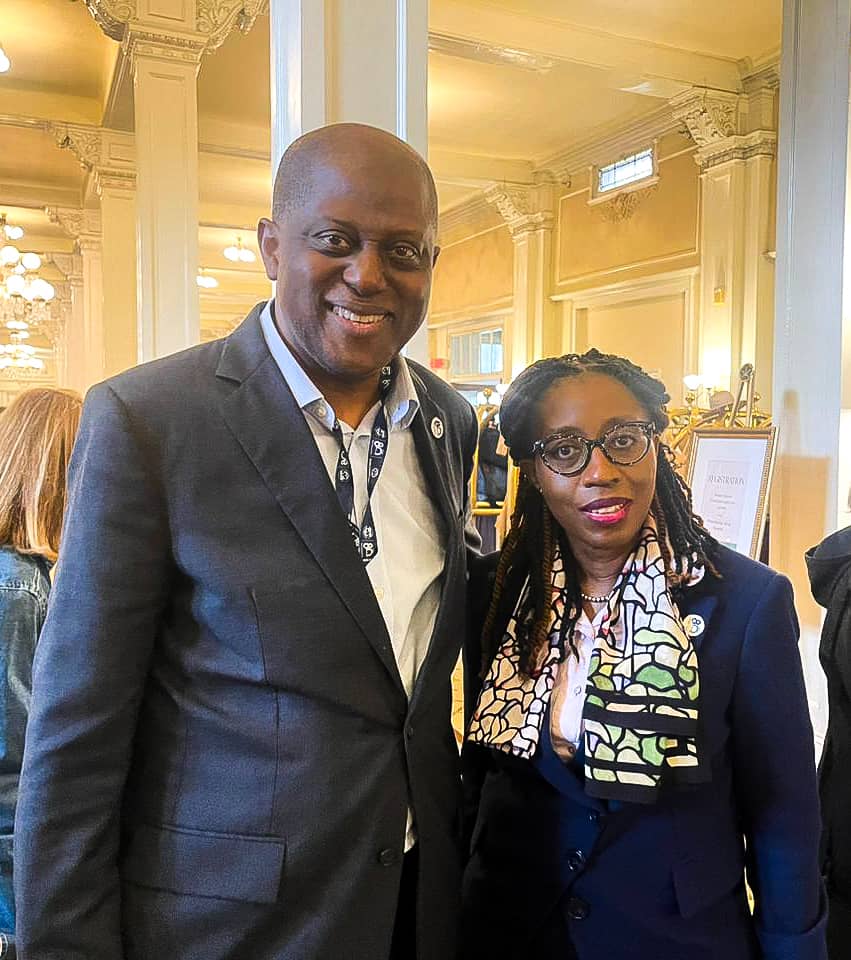
Governor of the Central Bank of Nigeria (CBN), Mr. Olayemi Cardoso, played a pivotal role in amplifying Africa’s voice on the global financial stage at the high-level Bretton Woods at 80 Forum held in New Hampshire, USA, from September 26th to 27th, 2024.

Governor Cardoso’s participation at this prestigious event underscored Nigeria’s and Africa’s increasing influence in international economic discussions, marking a significant step towards enhancing the continent’s representation in global financial dialogues. His involvement reflects a broader commitment to ensuring that African perspectives and priorities are adequately addressed in global economic policies.

The forum convened leaders and experts from around the world to discuss pressing issues affecting the global economy. Key topics included strategies for fostering investment, promoting inclusive growth, enhancing climate resilience, and examining the evolving role of multilateral financial institutions in an increasingly dynamic and complex world.

Governor Cardoso’s contributions to these discussions were particularly focused on the unique challenges and opportunities faced by African nations. He emphasized the need for collaborative approaches to economic growth that prioritize inclusivity and sustainability, ensuring that no country is left behind in the pursuit of progress.

The Bretton Woods at 80 Forum served as a critical platform for dialogue among policymakers, economists, and industry leaders, aiming to reshape the future of global finance and development. Through his participation, Governor Cardoso reinforced the importance of integrating African voices into these conversations, advocating for policies that reflect the continent’s aspirations and economic realities.

As Nigeria and other African nations continue to navigate the complexities of the global economic landscape, the involvement of leaders like Governor Cardoso in high-level forums is essential for driving meaningful change and securing a more equitable financial future for the continent.


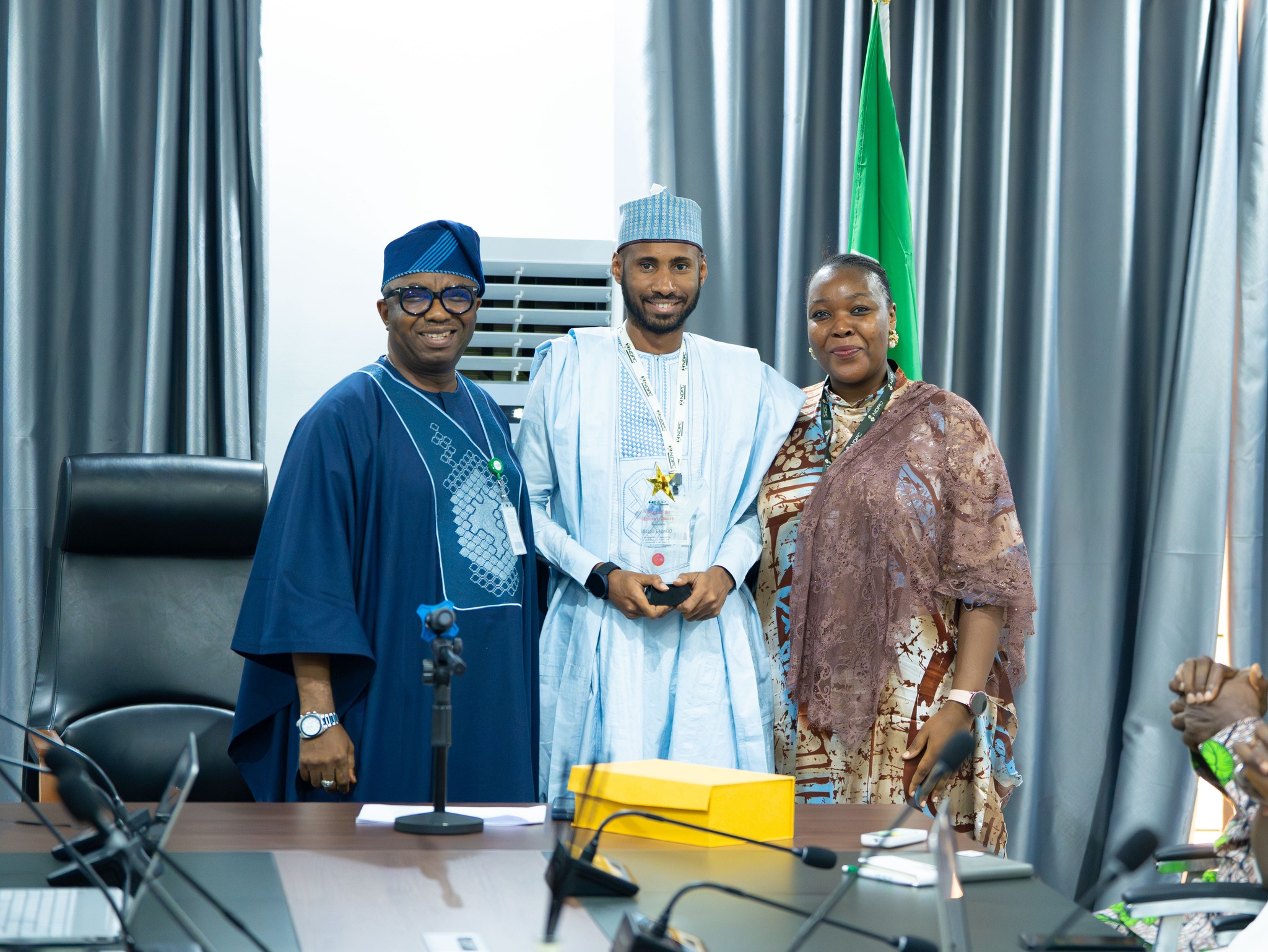
In a significant move to foster a culture of hard work, dedication, commitment, and teamwork, the Nigeria Data Protection Commission (NDPC) has proudly honored Mr. Bello Babangida Gidado with the esteemed Staff of the Quarter award. The recognition, presented by the National Commissioner and CEO, Dr. Vincent Olatunji, serves as a powerful testament to the Commission’s commitment to inspiring its employees and promoting a culture of excellence.

During the award ceremony, Dr. Olatunji underscored the importance of recognizing outstanding contributions within the organization. He stated that the award is not merely a celebration of individual achievement but also an essential component in motivating all employees to pursue excellence in their roles. “At the NDPC, we believe that acknowledging hard work and dedication encourages our staff to continue striving for high performance and exceptional service,” he remarked.May be an image of 9 people, people studying and text

The Staff of the Quarter award aims to cultivate a world-class corporate culture within the NDPC, reinforcing the organization’s core values of integrity, professionalism, and teamwork. Dr. Olatunji emphasized that such initiatives are pivotal in fostering an environment where employees feel valued and motivated to excel. He encouraged all staff members to view the award as a call to action—an invitation to deepen their commitment to the Commission’s mission and goals.

Mr. Gidado, upon receiving the award, expressed his gratitude and shared his philosophy of teamwork as the cornerstone of success. “This recognition is not just for me; it is for everyone who contributes to the success of our Commission. I am deeply honored and motivated to continue working hard alongside my colleagues,” he stated. His dedication to excellence and collaboration has not gone unnoticed, and his peers praised him for his exceptional contributions to the NDPC.May be an image of 3 people, dais and text

The award ceremony also included remarks from other Commission leaders, who reiterated the importance of fostering a culture of recognition and appreciation. They highlighted that celebrating individual successes creates a ripple effect, encouraging others to strive for similar recognition and contributing to a more motivated workforce.

As the NDPC continues to navigate the complexities of data protection and privacy issues in Nigeria, initiatives like the Staff of the Quarter award play a crucial role in enhancing employee morale and engagement. By cultivating a culture of recognition and teamwork, the Commission is positioning itself as a leading organization in promoting data protection standards while ensuring that its employees remain motivated and committed to delivering exemplary service to the Nigerian populace.

The NDPC’s focus on building a world-class corporate culture reflects its understanding that an engaged and motivated workforce is essential for achieving its objectives and serving the nation effectively. The Commission looks forward to recognizing more staff members in the future as it continues to promote excellence and foster a collaborative work environment.


The evolving role of women in Nigeria’s technological landscape took center stage at the recently concluded “Women Entrepreneurs and Executives in Tech Summit.” The 4th edition of the summit, held in Lagos, was not just another industry event but a bold statement on the progress, empowerment, and leadership of women in the tech ecosystem. The gathering brought together some of the brightest minds, trailblazers, and innovators, shining a light on the immense contributions women are making in Nigeria’s tech space.

Amidst a backdrop where women are often objectified, underrepresented, and marginalized in the tech industry, the summit was seen as a significant turning point. It challenged deep-seated cultural norms and stereotypes, providing a platform to reframe how women are perceived, engaged with, and valued within the tech sector. The summit has become a vital tool in addressing gender bias and amplifying the need for inclusion and diversity in one of Nigeria’s fastest-growing sectors.

Success Ugochi Jumbo, CEO of “Techlife with Ugo” and the driving force behind the summit, spoke passionately about the event’s importance. “The 4th edition of the Women Entrepreneurs and Executives in Tech Summit and Awards was not only rewarding but educational for all who attended. It provided a unique platform where attendees gained valuable insights, networked with industry leaders, and, most importantly, celebrated the remarkable achievements of women in tech. It was an opportunity to connect, learn, and be inspired by the incredible women who are shaping the future of technology in Nigeria and beyond.”

Jumbo emphasized that the event was designed to push boundaries and challenge societal narratives that often limit women to traditional roles, especially in male-dominated industries like technology. “If you didn’t attend, you missed out on a fantastic opportunity to learn and grow from these groundbreaking women who are not just participating in tech, but leading innovations and driving the industry forward,” she added.

The summit featured a rich lineup of panel discussions, keynote addresses, and workshops. Topics ranged from leadership and innovation to addressing systemic barriers that women face in the workplace. Participants also had the opportunity to engage in thought-provoking discussions on the future of technology and the critical role women must play in shaping it.

The summit concluded with an awards ceremony, recognizing female entrepreneurs and executives who have made significant strides in the tech sector. These awards highlighted the exceptional talent and leadership of women who are driving change in various industries, from fintech and cybersecurity to digital marketing and software development.



With each edition, the summit has continued to grow, becoming an influential forum for fostering connections, sharing knowledge, and celebrating the accomplishments of women in tech. Beyond the recognition, the event serves as a clarion call for greater gender parity and the inclusion of women in all areas of tech, positioning them as key drivers of national development.

As the summit concluded, the overarching message was clear: the role of women in Nigeria’s tech ecosystem is no longer a narrative of exclusion but one of empowerment and leadership. The event successfully underscored the importance of nurturing and supporting women in tech, proving that they are integral to the country’s technological advancement and economic growth.

The Women Entrepreneurs and Executives in Tech Summit continues to be a beacon of change, pushing for a future where women are not only seen as equal contributors but as leaders at the forefront of technological innovation in Nigeria.


Anthony Emeka Nwosu


The recent announcement of Idris Elba’s casting as Okonkwo in the upcoming TV adaptation of Chinua Achebe’s Things Fall Apart has ignited widespread controversy among Nigerians. The debate goes beyond Elba’s acting abilities and touches on deeper concerns regarding the representation and preservation of cultural authenticity in one of Africa’s most celebrated literary works.

Elba, known for his powerful performances in Beasts of No Nation, Mandela: Long Walk to Freedom, and The Wire, is undoubtedly a versatile actor. Yet, his selection to play Okonkwo—a character deeply rooted in Igbo culture—has raised concerns about whether someone without a direct connection to this cultural heritage can fully capture the essence of the role. Okonkwo is more than just a literary figure; he is a symbol of the Igbo people’s struggle to maintain their traditions in the face of colonial disruption.

Critics argue that while Elba possesses immense talent, his suave persona may not align with Okonkwo’s raw, unyielding nature. The central concern revolves around how someone not intimately familiar with the nuances of Igbo culture can effectively embody a character whose speech, mannerisms, and worldview are steeped in indigenous traditions. Many Nigerians worry that such a portrayal risks turning Achebe’s powerful narrative into a superficial representation of African culture tailored for a Western audience.

The backlash, especially on social media, reflects these fears. Nigerians are not merely questioning Elba’s skill but expressing unease about the potential loss of cultural specificity in adapting Achebe’s work. They point to past Hollywood missteps, particularly in representing African accents and traditions, as cause for concern. The idea of Okonkwo speaking in a misrepresented Nigerian accent or engaging in behaviors uncharacteristic of Igbo life strikes a chord with those who hold Achebe’s novel dear.

Further complicating the conversation is the broader issue of how African stories are told on the global stage. While Things Fall Apart is widely regarded as a cornerstone of world literature, there is anxiety that its adaptation may be shaped to suit foreign audiences rather than preserving its cultural integrity. Some critics view Elba’s casting as emblematic of a Western-dominated film industry, where African stories are often treated as marketable commodities rather than cultural treasures.

The irony of the situation is not lost on many observers. Achebe’s novel explores the clash between tradition and modernity, indigenous values, and foreign influences. Casting Elba, a Westernized African actor, as a man who fiercely resisted colonial domination strikes some as an ironic twist. Okonkwo’s character is defined by his steadfast refusal to change, and many believe that the adaptation should similarly resist unnecessary changes that undermine the story’s cultural roots.

Despite the criticism, some argue that storytelling should transcend cultural boundaries and that talent should be the primary consideration in casting. From this perspective, Elba’s acting abilities could bring new dimensions to the character of Okonkwo. After all, when producers acquire the rights to a story, they have the creative freedom to interpret it as they see fit. However, this perspective tends to overlook the fact that Things Fall Apart was not written for commercial purposes but to give a voice to a people whose history had been misrepresented or silenced by colonial narratives.

A significant portion of the frustration also stems from the lack of local investment in adapting classic Nigerian stories. Some Nigerians are questioning why local producers, particularly those from the Igbo community, have not taken the lead in bringing Achebe’s work to the screen. The absence of indigenous productions leaves a gap that foreign filmmakers are more than willing to fill, sparking resentment over the potential for cultural distortion.

Ultimately, the debate highlights the broader struggle over who controls the narrative of African stories in global media. The casting of Elba is not merely about one actor playing Okonkwo; it is about ownership and the ability of Africans to tell their own stories in a way that honors their culture and history.

The 1980s adaptation of Things Fall Apart is fondly remembered for launching the career of Nigerian actor Pete Edochie, who portrayed Okonkwo with profound cultural resonance. Fans of Achebe’s work are concerned that this new adaptation might stray too far from the authenticity that made the earlier version so impactful. As the controversy unfolds, many hope that the adaptation will do justice to Achebe’s legacy and that the importance of Igbo culture is not lost in the process.

Nigerians are also raising practical concerns about the production, including the portrayal of accents and language. With over 250 ethnic groups in Nigeria, each with its distinct accent and linguistic traditions, there is anxiety about how Hollywood will handle this diversity. Many are calling for the involvement of Nigerian actors such as Stan Nze or Uzo Arukwe, who could bring the necessary cultural depth to the role of Okonkwo.

Moreover, the involvement of a Yoruba executive producer and a British actor in a project so deeply rooted in Igbo culture has fueled concerns of tribalism and potential cultural misrepresentation. As the debate rages on, it is clear that this adaptation of Things Fall Apart is more than just a television series—it is a reflection of the ongoing struggle for African stories to be told authentically on the global stage.

For now, many Nigerians are waiting anxiously to see how this high-profile adaptation will unfold, hoping it stays true to Achebe’s vision and the cultural essence of the Igbo people.


Daniel Nsa