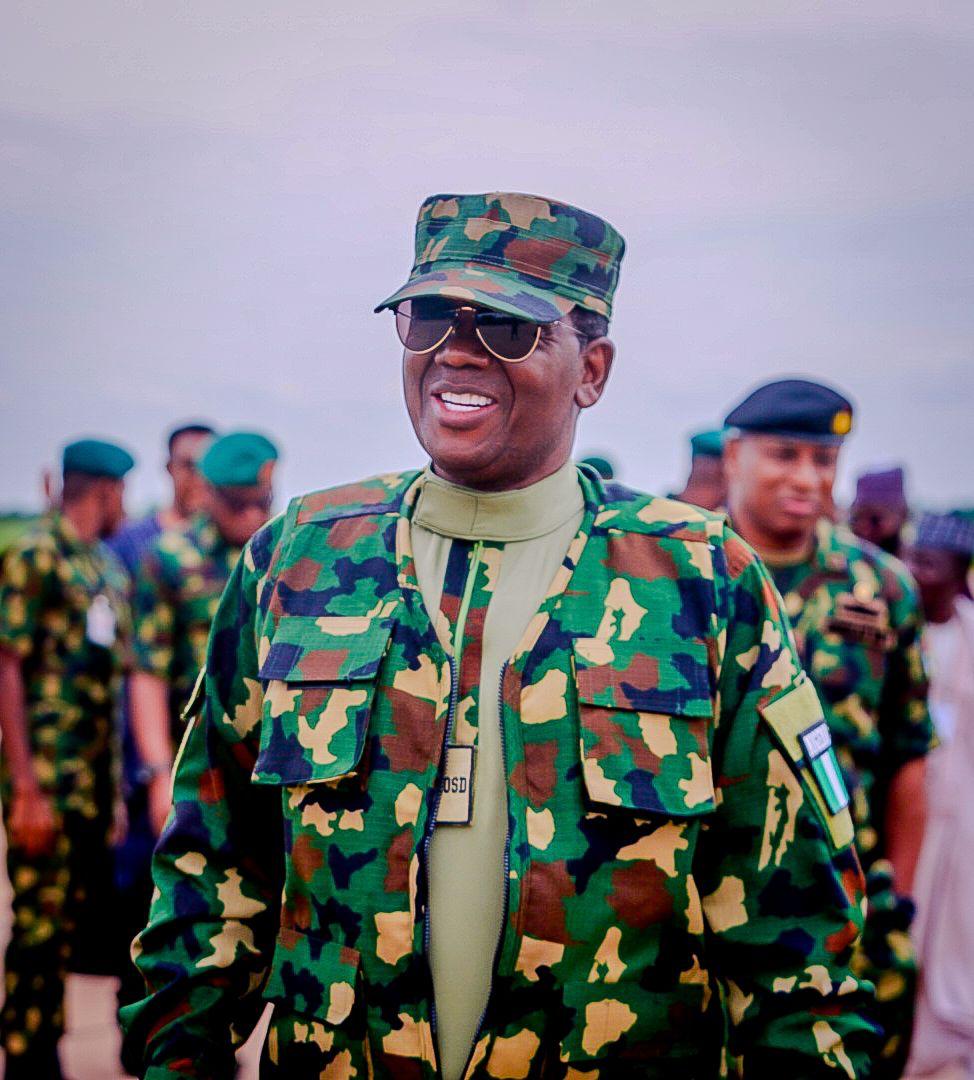
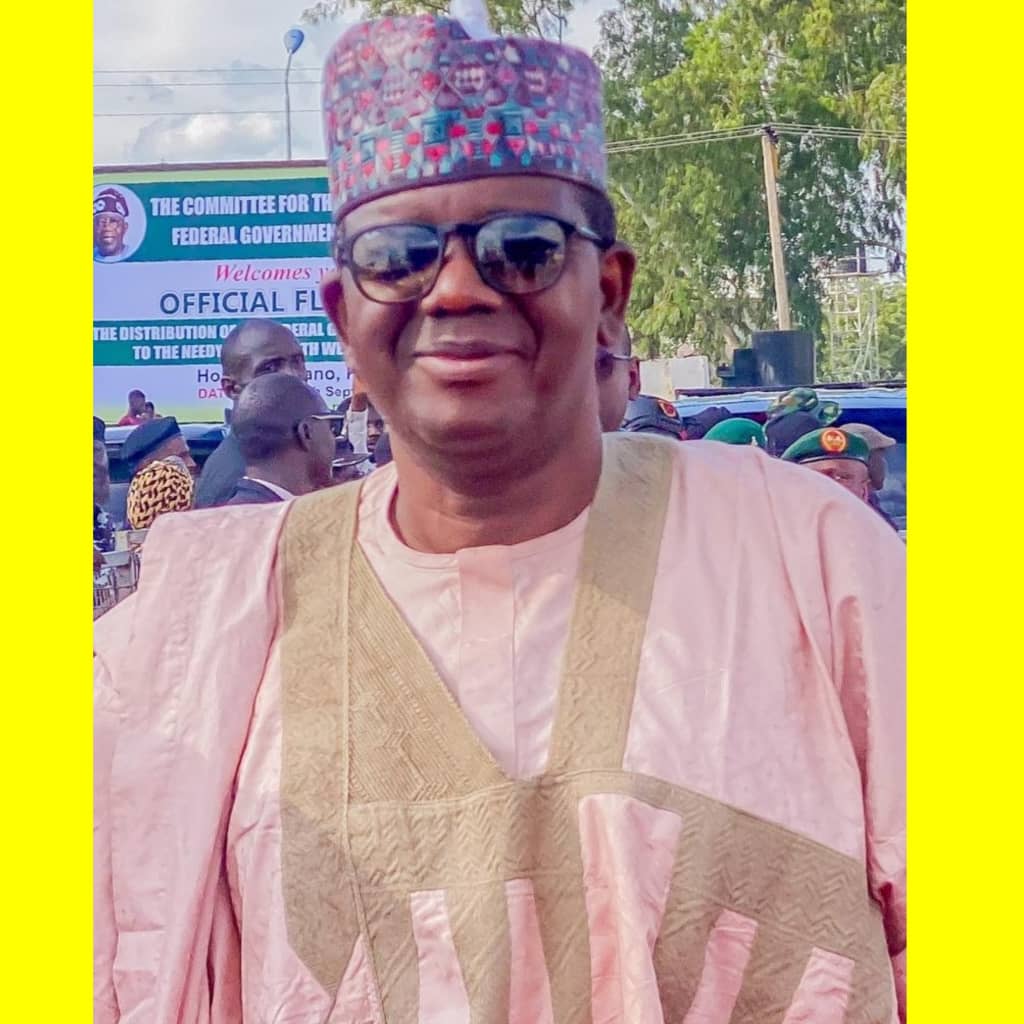
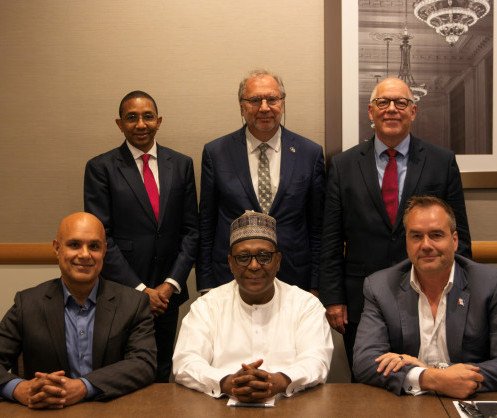
The Honourable Minister of State for Defence, Dr. Bello Muhammed Matawalle, MON, has returned to Sokoto for the second time in two months, intensifying efforts to combat the rising threats of banditry and kidnapping in the region. The visit, mandated by President Bola Ahmed Tinubu, GCFR, highlights the federal government’s determination to restore peace and security to Nigeria’s troubled Northwest.

Matawalle’s visit comes as part of ongoing efforts to strengthen military operations and enhance the fight against criminal elements destabilizing the region. Speaking to the press, the Minister expressed the government’s unwavering commitment to tackling insecurity.

“I am here on the directive of Mr. President to assure the people of Sokoto and the entire Northwest that we will not rest until this menace is eradicated. We are fully committed to winning this war against bandits and their collaborators,” Matawalle stated.

During his address, the Minister praised the military’s success in Operation “Fansan Yamma,” the latest in a series of offensives aimed at dismantling criminal networks in the region. Matawalle expressed confidence that the continued efforts of Nigeria’s security forces would yield further success in the coming weeks.

He also emphasized the importance of political unity in the fight against insecurity, calling on leaders across all political divides to support President Tinubu’s efforts. “We must come together as one. This is not just a federal government fight; it requires the cooperation of everyone. We will continue to boost the morale of our soldiers and security agencies to ensure lasting peace in this region,” Matawalle urged.

The Minister issued a stern warning to bandits and their supporters, vowing that the government would not back down. “We will not allow these criminals to terrorize our people any longer. We will keep the pressure on them until they have no place to hide. No amount of blackmail will shake our resolve,” he said.

Dr. Matawalle’s return to Sokoto marks a critical step in the government’s broader strategy to rid the region of criminal activities. His visit reinforces the administration’s resolve to confront the security challenges head-on, ensuring the safety and well-being of Nigerians in affected areas.


By Tech and Biz News Staff Reporter


The National Agency for Science and Engineering Infrastructure (NASENI) is organizing a 3-day procurement in-house training for all procurement and other relevant officers in NASENI system -wide to acquaint them with best procurement operations and in line with global practices.

The training will take place at the NASENI Headquarters, beginning from Tuesday 8th  to 10th October, 2024, targeted at building the capacity of procurement officers, and other select staff from Accounts, Audit, legal, Media, Planning and other officers involved in procurement activities in NASENI System-wide.

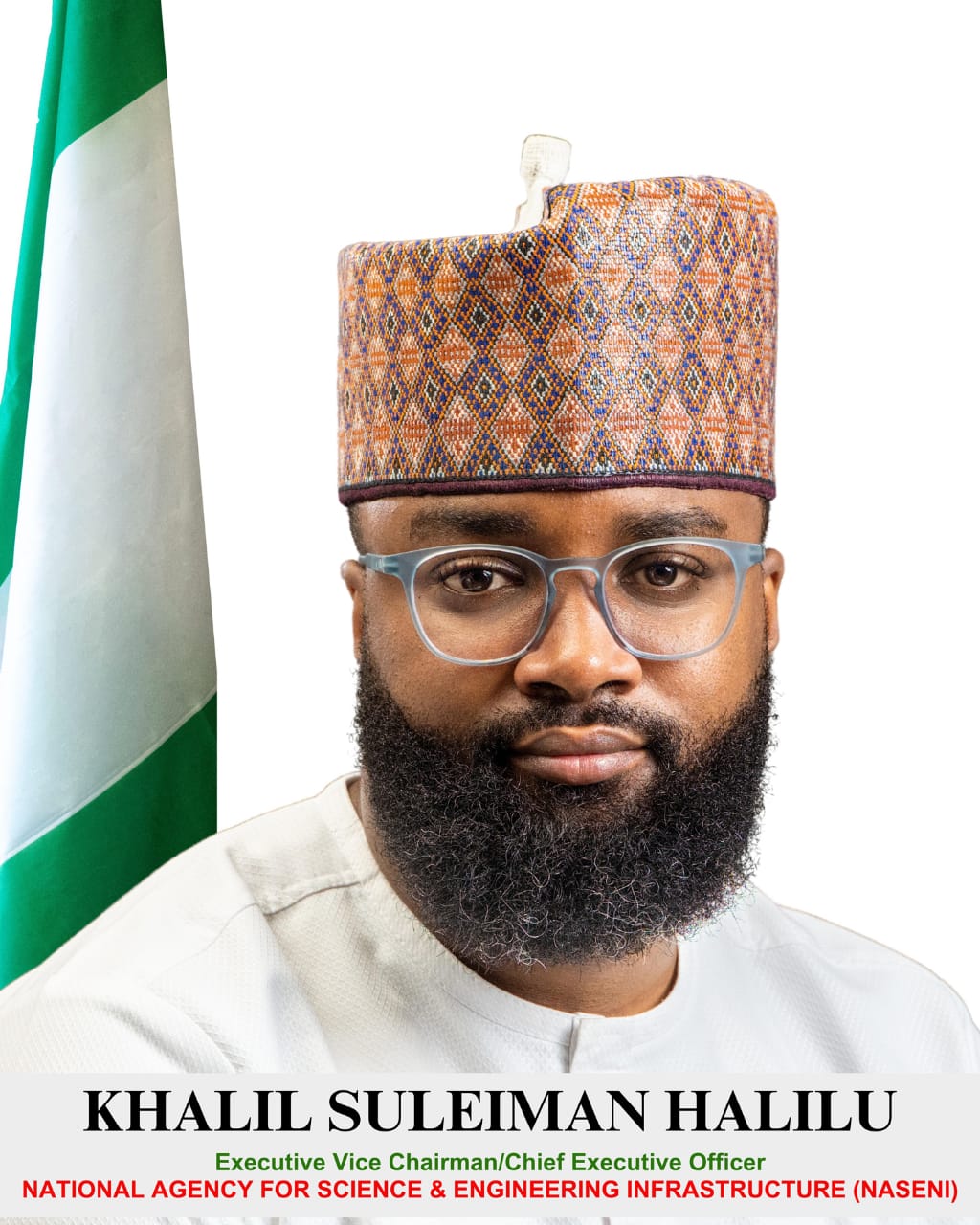
The Executive Vice Chairman/Chief Executive Officer, NASENI, Mr. Khalil Suleiman Halilu will deliver the keynote address while Olusegun Omotola, Ag. Director General/CEO, Bureau of Public Procurement will declare the in-house training officially open.

The training amongst other things aims at ensuring that NASENI is doing the right thing and adhering to 2007 Procurement Act, Manual and other vital information that will enable the Agency to continue on the right track and to utilize the right information at every given time, as far as procurement matters are concerned.

Speaking on the upcoming training, the Director of Procurement, Dr. Mohammed A. Mohammed said that the training is based on NASENI needs and to enable officers meet up with changes in technology and practices which are global phenomenon, especially against the backdrop of on-going transformation in the NASENI system.

He said, “Things are changing, and you need to change with time, technology is changing globally, you need to build your capacity. This training is based on NASENI Needs on procurement which is slightly different from other sectors.

“Almost 75-80 per cent of NASENI activities is based on science and engineering, our method of procurement, is a little different, from the ministry of works, raw materials, etc.  Again, you must build your capacity to be able to cope, which is why we are having this training, to build capacity in line with NASENI needs and mandate.”

According to him, building capacity is a continuous exercise and procurement is all about law end to end, adding that the officers working in procurement must be trained from time to time to equip them with new trends.

He also noted that with the Standard Operation Procedure globally and the World Bank new version on procurement, NASENI cannot work differently, it must key into global practices. He stated that 95 per cent of the resource persons for this training are from the Bureau of Public Procurement (BPP) as NASENI has an agreement with it, to assist in building the capacity of procurement and relevant officers in NASENI system-wide.

Also speaking on the upcoming in-house procurement training, Mr. Adekoya Olatunji, BPP consultant, said, that “the In-house training that is coming up in NASENI is very good, it will enable the officers to adhere strictly to procurement Act. What NASENI is doing is very good, so that the officers will do what they need to do very well“.

Highlights on some of the topics of the training with the theme: “Building the Best Procurement Operations in NASENI System-Wide” includes, Effective Procurement Practices & PPA, 2007, Procurement Planning, Procurement Record Keeping Procedures, Contract Agreement and Implications amongst others.


Hope Nwosu, a Nigerian author currently residing in Finland, participated in the recently held Work Wellbeing Day at Tapanila Sports Centre, Vantaa. Alongside 60 colleagues from the City of Vantaa, Nwosu took part in a series of activities and discussions aimed at addressing work-related and personal stress management.

The event, which focused on promoting mental and emotional health in the workplace, saw various experts share insights on how to effectively manage stress. According to Nwosu, the first step in stress management is the ability to identify and name the source of stress, a key takeaway from the keynote speaker. “The first step in stress management is to name the stress, its sources, and its effect on your wellbeing,” Nwosu remarked, emphasizing the importance of awareness in handling pressure.

Nwosu outlined several stress management techniques discussed during the event, including:

Identify the Source: Understand what triggers the stress.

Name It: Clearly define and recognize the issue causing stress.

Acknowledge Emotions: Determine how stress affects your mood, whether it leads to sadness, anger, or irritability.

In addition to theoretical discussions, practical advice was provided on how to reduce stress. Nwosu highlighted the importance of mindfulness, encouraging participants to live in the moment and connect with their inner selves. “Mindfulness involves regular exercise, getting enough sleep, and practicing self-awareness,” Nwosu added, reiterating that while not all stressful situations can be changed, one’s perception and response can be adjusted.

Moreover, Nwosu emphasized the significance of speaking openly about personal experiences with stress, as this can lead to better management and improved wellbeing. “Sharing your experience without shame is a key element of stress management,” she noted.

The Work Wellbeing Day was not solely focused on lectures. Nwosu and her colleagues engaged in several recreational activities designed to foster relaxation and team spirit. The participants enjoyed sports such as bubble football, bowling, and Taji, allowing for a light-hearted break from the day’s serious discussions.

Nwosu extended her gratitude to Vantaa Skills Centre, the event organizers, and the staff of Tapanila Sports Centre for facilitating an engaging and insightful day. She praised the relaxed and friendly atmosphere, which allowed her to bond with colleagues in an informal setting.

As more organizations place emphasis on mental health and workplace wellbeing, events like this demonstrate the growing importance of addressing stress in professional environments.


#StressManagement #WellbeingDay #MentalHealth #CareerDevelopment #Mindfulness


In a bid to strengthen Nigeria’s export market and leverage the potential of the diaspora, the Nigerian Export Promotion Council (NEPC) and the Nigerians in Diaspora Commission (NiDCOM) have teamed up to create the Diaspora Export Market Place (DEMP). This was announced during a strategic meeting held at NiDCOM Headquarters in Abuja, where both organisations expressed their commitment to expanding Nigeria’s export reach, particularly in the non-oil sector.

Mrs. Nonye Ayeni, the Executive Director and CEO of NEPC, highlighted the significance of the agricultural sector, which contributes 25 percent to Nigeria’s GDP and employs over 70 percent of the population. She emphasized that NEPC’s mandate to promote and coordinate export activities aligns with various initiatives like “Seeing Beyond Borders” and “Nigerian Heritage City.” These initiatives aim to promote the growth of Nigeria’s non-oil exports by engaging more stakeholders, especially those in the diaspora.

Mrs. Ayeni further explained that the Diaspora Export Market Place would provide valuable insights into market opportunities for Nigerians living abroad, allowing them to understand how they can contribute to the export economy back home. “This partnership with NiDCOM will open up channels for greater diaspora involvement in Nigeria’s global export market,” she stated.

In her remarks, Hon. Abike Dabiri-Erewa, Chairman and CEO of NiDCOM, applauded NEPC’s efforts to bring the diaspora into Nigeria’s export conversation. She acknowledged the contribution of Nigerians in the diaspora who are already actively producing and exporting goods from Nigeria to various countries. Dabiri-Erewa also urged Nigerians to diversify their export markets, particularly in the textile industry, rather than relying solely on imports from Asia.

Dabiri-Erewa advocated for the establishment of Nigerian networks in host countries, noting that regulatory challenges should not deter potential exporters. She emphasized that these networks could act as support systems for Nigerians navigating international markets.

The collaboration between NEPC and NiDCOM is expected to gain further momentum at the upcoming 7th Nigeria Diaspora Investment Summit (NDIS), scheduled for November 5–7, 2024. Mrs. Ayeni expressed optimism that NEPC’s participation in the event would open up new opportunities for collaboration and boost the non-oil export sector.

The strategic partnership between NEPC and NiDCOM is seen as a crucial step in diversifying Nigeria’s export economy, particularly by harnessing the skills, resources, and networks of the Nigerian diaspora.


Notorious bandit leader, Bello Turji, has denied allegations that the Minister of State for Defence, Bello Matawalle, is sponsoring his group’s violent activities in Zamfara State. Turji, in a video statement, claimed that his operations are solely sanctioned by divine will and not backed by any political figure.

This declaration comes amidst ongoing tensions between Matawalle, the former governor of Zamfara State, and his successor, Governor Dauda Lawal. Both politicians have been engaged in a war of words, accusing each other of links to the state’s banditry crisis. Recently, Matawalle challenged Lawal to swear on the Quran that he had no connections to the bandits destabilizing the region.

In response, Turji categorically dismissed claims that his group has received political support from any past or current officials. “Governor Dauda Lawal accusing Bello Matawalle of being a terrorist sponsor won’t solve anything. When Matawalle was governor, who was sponsoring us? Likewise, when Abdulaziz Yari was governor, who was sponsoring us? No one is supporting us except God,” Turji said in his video message.

Observers say that with this statement, Matawalle may be exonerated from the ongoing allegations that have marred his political standing. However, the public discourse over the root causes of Zamfara’s banditry crisis continues to evolve as both politicians remain locked in blame games.

The issue has drawn national attention as security challenges persist in Zamfara, a state that has been plagued by years of violence and insecurity fueled by banditry and kidnapping rings.


The recently concluded Rivers State Local Government elections have come to a close, with the dust now settled. In a significant ceremony, Governor Simi Fubara officially swore in the newly elected local government chairmen, marking the beginning of their tenure.

Taking to his official Facebook page, Governor Fubara emphasized the importance of their role in serving the people of Rivers State. “Today marked a new dawn for Rivers State as we swore in the newly elected local government chairmen. This is a call to serve with the requisite responsibility of uniting and uplifting our people,” he said.

The Governor further urged the new chairmen to approach their duties with a spirit of service, reminding them of the critical role they play in maintaining peace and fostering progress in the state. “I urge every chairman to embrace the spirit of service, work for the people, and maintain the peace and progress of our beloved state,” Fubara stated.

He concluded his remarks by calling for collective efforts to achieve the administration’s goals, stressing that the success of the chairmen will contribute to the greater good of the state. “Together, we will build a greater Rivers State as we ensure that this administration’s goals are met for the benefit of all,” the Governor added.

The swearing-in ceremony represents a key milestone in the governance of Rivers State, as the new leadership embarks on their mandate to drive local development and uphold the aspirations of the people.

Anthony Emeka Nwosu

Vestergaard Sàrl (https://Vestergaard.com/) announced today that the Government of the Federal Republic of Nigeria, acting through the Presidential Initiative for Unlocking the Healthcare Value Chain (PVAC), has signed a Memorandum of Understanding (MoU) with the company, as an initial step to establish the country as the first West African manufacturing hub for insecticide-treated nets (ITNs) to combat malaria – and the first on the continent to produce dual active-ingredient nets to help combat insecticide resistance.


Nearly every minute (https://apo-opa.co/4eqUoIY), a child under 5 years old dies from malaria. The African continent accounts for almost 95% (https://apo-opa.co/4ecJ8jD) of the world’s malaria cases – one quarter of these are in Nigeria. New approaches are needed to boost access to tried-and-tested, cost-effective tools to combat the disease, and local manufacturing of nets, medicines and vaccines is a priority for the continent (https://apo-opa.co/47HfNLM).


The MoU announced today lays the foundation for Vestergaard to establish a joint venture with a local manufacturing partner in Nigeria, potentially supported by MedAccess, a social investor founded by British International Investment, the UK’s development finance institution and impact investor. Selection of an appropriate partner is currently underway and will be subject to the satisfactory conclusion of a due diligence process. Vestergaard is also discussing opportunities for financing with the U.S. International Development Finance Corporation (DFC).


If successful, the joint venture will result in a state-of-the-art manufacturing facility that is expected to function as a flagship on ITN quality and bioefficacy performance, as well as industrial health, safety and sustainability practices. At scale, the planned facility would produce 10 million PermaNet® Dual long-lasting insecticidal nets every year, for both domestic use in Nigeria and international export. It would create around 600 jobs in Nigeria.


We cannot afford to underestimate the power of prevention in our fight against malaria

Dr Muhammad Ali Pate, Hon. Minister of Health for Nigeria, said: “Increasing access to long-lasting insecticide-treated nets is crucial. We cannot afford to underestimate the power of prevention in our fight against malaria. Collaborative efforts, such as this, are essential to mobilizing the resources and expertise needed to combat malaria effectively.”


Dr Abdu Mukhtar, National Coordinator of PVAC, said: “High standards in local production are non-negotiable. By investing in local bed net production, we are not only improving health outcomes but also paving the way for a self-sufficient healthcare system that can withstand global challenges. This partnership with Vestergaard is a significant step towards attaining this for Nigerians and the broader West African population. ”


Michael Anderson, CEO of MedAccess, said: “Next generation mosquito nets are powerful tools to save lives and prevent debilitating disease. Regional manufacturing is in turn a critical tool to ensure that the nets are available quickly, reliably, and sustainably. This agreement between the Government of Nigeria and Vestergaard underlines an important commitment to protecting people from malaria while strengthening supply chain resilience in the region. MedAccess is looking forward to working in partnership to explore how innovative finance can support this initiative.”


Jim Polan, Vice President, Office of Health & Agribusiness at the U.S. International Development Finance Corporation (DFC), said: “DFC’s investments in regional manufacturing, particularly in Africa, aim to strengthen health system resilience and diversify supply chains. We are exploring a variety of opportunities to expand access to critical health products, including bed nets, to ensure the region is better prepared to respond to malaria and other vector-borne transmission due to changing climate patterns.”


Amar Ali, CEO of Vestergaard, said: “This partnership exemplifies the leadership and commitment of the Nigerian government in the fight against malaria. We are very grateful for their engagement and support as we work together with partners to create a cutting-edge facility that will set a global benchmark in the manufacturing of dual-insecticide nets.”

Amara Nwuneli, a Nigerian founder of the youth-led climate education NGO ‘Preserve Our Roots’, won the Under 17’s category; Shri Akshayaa Lakshmikumar, the founder of ‘HERglobal’, an international nonprofit working to destigmatize women’s health, primarily in Uganda, won the Under 25’s category.


Amara Nwuneli, Shri Akshayaa Lakshmikumar and Jahaan Arora have been named the winners of the Canon Young Champion of the Year Award at this year’s Global Good Awards

The announcement of this year’s Global Good Awards was made at the awards ceremony which took place at BMA House, headquarters of the British Medical Association in London, amongst the 17 categories Company of Year, which went to Octopus Energy and Wild World, going to South West Peatland Project.

For the fifth consecutive year, the Canon Young Champion category of the Global Good Awards, the only youth dedicated category, recognised inspiring young leaders from across the world. The category was originally inspired by the Canon Young People Programme (http://apo-opa.co/3TUTs7Q), which gives young people the knowledge, skills and confidence to tackle the sustainability issues that matter to them using creativity and critical thinking.

To determine this year’s Canon Young Champion of the Year Award winner, an inspiring panel of judges gathered in London, including Executive Director at UN Global Compact Network UK, Steve Kenzie, 2023 Canon Young Champion of the Year finalist Jodie Bailey-Ho, and photographer and Canon Ambassador, Laura El Tantawy. In addition to her judging position Laura will provide a masterclass in storytelling for this year’s winners, helping to support the photography and communication of the initiatives young leaders are running.

Each finalist has set up at least one programme or a series of programmes to combat issues that affect their community and their peers

This year’s Canon Young Champions will each receive a Canon EOS R50 Content Creator Kit and will take part in a masterclass with Laura. Shortlisted finalists will also receive certificate, sustainably made medal and a joint masterclass with Laura.

“It is essential for organisations like Canon to play their part in supporting and recognizing the personal development and progress of young changemakers and by collaborating with the Global Good Awards, we work to achieve this goal. Something that stood out to me in the Canon Young Champion applications this year is that each finalist has set up at least one programme or a series of programmes to combat issues that affect their community and their peers. I congratulate this year’s Canon Young Champions for their exceptional work supporting their communities across the world.” Adam Pensotti, Head of the Canon Young People Programme and Social Initiatives

Under 17’s category winner, Amara Nwuneli

Amara from Nigeria is the founder of Preserve Our Roots, a by-youth, for-youth NGO and Social Movement engaging a global audience in climate education and action. Waking up to find her home flooded in Lagos, Nigeria, motivated Amara to support the rebuilding of schools damaged by floods and engage in fundraising drives for marginalised communities lacking access to climate education. Amara said “I am not just a climate activist. I am not just a Philanthropist or student. I am not just a daughter, dancer, poet, or avid nature freak. I am a representation of my natural world and my ancestors that once inhabited it. I truly believe in the power of youth because I have seen with my own eyes the change, I have been able to make through my story and the stories I help tell. have been blessed with the opportunity to see the magnitude of which a simple idea can positively impact people’s lives.”

Under 25’s winner Shri Akshayaa Lakshmikumar

Shri, joint winner of the Under 25’s category, is the founder of HERglobal, an international nonprofit dedicated to destigmatising women’s health on an international scale. Her focus is primarily on cervical cancer prevention and screening through educational awareness campaigns with major hospitals, access to free screening in rural communities, free HPV vaccination for young girls, and empowering women to take action of their health. So far Shri’s work is primarily in Uganda, but HERglobal is rapidly expanding to other countries. HERglobal takes a unique, hands-on approach to women’s health advocacy and ensures that our method of communication and initiative is accessible, inclusive, and beneficial to the women we work to support.

Under 25’s winner, Jahaan Arora

Jahan was recognised as the joint winner of the Under 25’s category. He launched multiple initiatives, including the 1 Million meals programme, where 6,000 children collected grain donating half a million meals to 1000 orphans in his local village in India. He said “I was so touched at our last school visit, where a child wrote and recited to me a poem about hunger and another shared how a 8 year old child like him can now make a difference to hunger. Its quite overwhelming, and empowering.

 

IHS Towers, a leading global player in the telecommunications infrastructure sector, has strengthened its leadership team with the appointment of Titilope Oguntuga as Director of Sustainability. Oguntuga joins the company with an impressive track record in the field of sustainability, underscoring IHS Towers’ commitment to integrating sustainable practices into its operations as it continues its global expansion.

Before joining IHS Towers, Oguntuga held a prominent position at Lafarge Africa Plc, where she served as Head of Sustainability and Corporate Brand. At Lafarge, a subsidiary of the global construction giant Holcim Group, she was instrumental in conceptualizing and leading innovative sustainability and social impact programs. Under her leadership, Lafarge Africa successfully scaled its efforts in various sustainability focus areas, including environmental stewardship, community development, and social responsibility. These initiatives significantly enhanced the company’s corporate reputation and helped drive its mission of achieving long-term positive impact in the communities it operates.

Oguntuga’s expertise in bridging corporate objectives with sustainability goals earned her a reputation for driving initiatives that align business growth with environmental and social advancement. During her tenure at Lafarge Africa, she led key projects that addressed critical issues such as climate action, resource conservation, and waste management, ensuring that the company was at the forefront of responsible corporate citizenship.

As Director of Sustainability at IHS Towers, Oguntuga will be responsible for overseeing the company’s sustainability strategies, including its environmental, social, and governance (ESG) frameworks. With telecommunications infrastructure being a critical enabler of digital connectivity worldwide, IHS Towers is positioned to play a pivotal role in shaping the future of sustainable network infrastructure development, particularly in emerging markets. Oguntuga’s appointment highlights the company’s ambition to align its operations with global sustainability standards, reduce its carbon footprint, and promote the responsible deployment of telecommunications assets.

Commenting on her new role, Oguntuga expressed enthusiasm about joining IHS Towers at a time when sustainability has become a key driver of business success. “IHS Towers’ commitment to sustainability is inspiring, and I look forward to contributing to their mission of fostering sustainable development across their global operations,” she stated.

Her appointment is expected to elevate IHS Towers’ ongoing efforts to integrate sustainable practices into its core business, ensuring that the company remains a leader not just in telecommunications infrastructure but also in sustainability innovation.

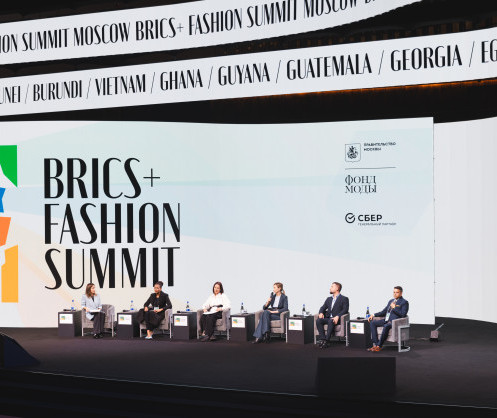
A majority of African countries will take part in the BRICS+ Fashion Summit (https://FashionSummit.org/) in Moscow. The Summit is set to be the largest event in the fashion world, serving as a platform for the exchange of experience between leading industry players from emerging markets. Africa will be represented by delegations from over 30 countries, including South Africa, Ethiopia, Egypt, Algeria, Tanzania, Ghana, Nigeria, Zimbabwe, and others. The Summit held in Russia, chairing the BRICS this year, will also welcome delegations from China, India, Indonesia, the UAE, Brazil, Malaysia, and other nations from Asia, Latin America, and Europe.


Stephen Manzini, Founder and CEO of Soweto Fashion Week, emphasizes the importance of the BRICS+ Fashion Summit for the global fashion industry: “The BRICS+ Fashion Summit is very important for emerging economies and the global South as we have never had a united platform of this nature in history. The unification of these markets could potentially bring major trade agreements within the economies and perhaps create vigorous exertion from the current dominant economies to look east and south for trends and inclusion into mainstream markets”, shares Stephen Manzini.

In addition, the South African brand Tshegofatso By Design will present its new collection at Moscow Fashion Week, which will take place alongside the BRICS+ Fashion Summit. The brand will introduce innovative designs and prints, offering a fresh take on traditional African motifs.

The BRICS+ Fashion Summit is very important for emerging economies and the global South as we have never had a united platform of this nature in history


The Business Program will cover a wide spectrum of topics, including the role of BRICS+ fashion events in economic development, fashion as a tool for cultural dialogue, decolonisation of fashion, exports to BRICS+ countries and exchange of experience in the fashion industry. In addition, the BRICS+ Fashion Summit will feature prominent lecturers from Russian and international fashion institutions, while designers will showcase their collections at the grand International Exhibition ‘Heritage’, highlighting the rich cultural traditions and the intricate craftsmanship of their work.


The BRICS+ Fashion Summit is one of the most significant events for the fashion industry, serving as a strategic platform for expanding global fashion interactions for emerging countries. The first Summit was held in 2023, where fashion industry leaders from 60 countries agreed to collaborate and support new talents in fashion. Fashion brands and designers in emerging countries face similar challenges, often competing on an uneven playing field with global companies that don’t prioritize investing in local communities. The BRICS+ Fashion Summit participants support diversity in fashion and place special emphasis on local fashion brands that promote the cultural values of their countries and regions.