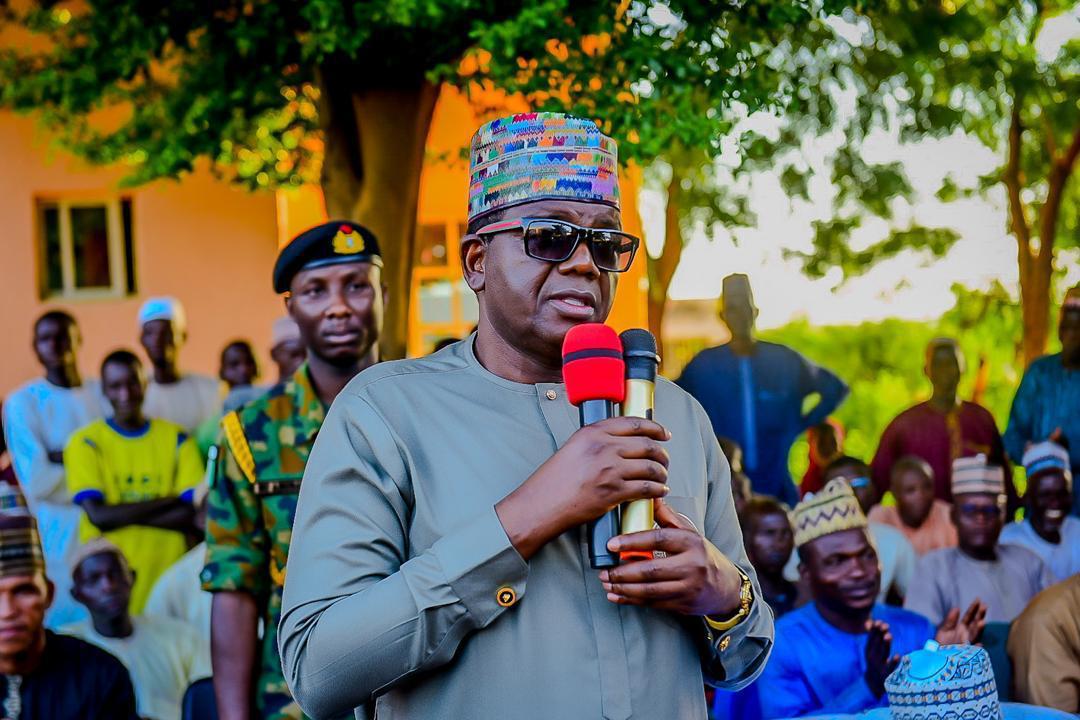
The Federal Government has reiterated its unwavering commitment to restoring peace and security in the North West region of Nigeria. During a recent security assessment tour of Sokoto State, the Honourable Minister of State for Defence, H.E. Dr. Bello Muhammed Matawalle MON, emphasized that efforts will continue until insecurity is eliminated across the region and the country.

The Minister’s tour is part of the Federal Government’s strategic initiative to tackle the ongoing security challenges affecting the North-West. In Gundumi village, Dr. Matawalle assured residents that the long-closed Gundumi-Isa road would be reopened without delay. A military camp will also be established along the route to enhance security and facilitate economic activities. “The President is fully committed to ending insecurity in Northern Nigeria, and we are here to ensure that no stone is left unturned,” he stated.

During his visit to Isa Local Government Area, Dr. Matawalle urged residents to remain vigilant and collaborate with security agencies. In Turba village, he announced the deployment of additional military personnel to reinforce local security.

The Minister commended the troops stationed at the Forward Operating Base in Sabon Birni for their resilience and dedication, promising prompt attention to their welfare and logistical needs. In Sabon Birni, he appealed to the local community to support the military and offer prayers for the troops defending the nation. He also revealed plans to establish a military base between Sabon Birni and Tsamaye to enhance regional security.

Additionally, Dr. Matawalle visited villages affected by banditry, including Hawan Duro and Mai Lalle, where he promised increased military presence and support for displaced residents to return home. In Goronyo LGA, he reiterated the Federal Government’s determination to establish military camps along critical routes while acknowledging the Sokoto State Government’s support.

Throughout the tour, Dr. Matawalle highlighted President Bola Ahmed Tinubu’s commitment to restoring peace and security across Northern Nigeria. He expressed appreciation for the sacrifices made by military personnel and urged communities to cooperate with security agencies.

The Federal Government remains resolute in its mission to restore peace in the North-West, with plans for additional troops and new military bases promising a hopeful future free from banditry. The Honourable Minister was accompanied by the Sokoto State Deputy Governor, senior government officials, and military personnel throughout the tour.


In what is set to be one of the most significant cinematic events of 2024, “Wole Soyinka,” a biographical film celebrating the life of Nigeria’s Nobel Laureate, will premiere in cinemas nationwide on November 8, 2024. The film, named after the legendary playwright, poet, and political activist, provides an intimate portrayal of a man whose words and actions have shaped Nigeria’s cultural and political scene for decades.

Produced and directed by acclaimed filmmaker Joshua Ojo, the biopic aims to honor Soyinka’s extraordinary life. It offers insights into both his public persona and the lesser-known aspects of his private life, creating a narrative that promises to resonate with audiences both locally and globally.

A Groundbreaking Biopic

Joshua Ojo, known for his detailed storytelling and unique cinematic vision, discussed the motivation behind the film in a recent media briefing. “Everyone knows who Wole Soyinka is and what he has accomplished. Isn’t that enough to celebrate?” Ojo stated. “Our legends need to be celebrated while they are still alive, and that is why I decided to embark on this project. Soyinka’s life is nothing short of extraordinary, and this film is a way to honor him while he can witness it.”

The film stars some of Nollywood’s finest, including Lateef Adedimeji, Femi Branch, Ibrahim Chatta, Jide Kosoko, Segun Arinze, and Joke Muyiwa. Ojo noted, “The casting was a meticulous process. Every actor was chosen not just for their talent, but for their resemblance to the real-life figures they portray.”

Overcoming Challenges to Tell an Important Story

Despite the scale of the project, the making of Wole Soyinka came with its share of challenges. Ojo revealed that a major accident before production left him with a serious leg injury requiring surgery. “I had over 20 metals inserted into my leg just days before shooting,” he shared. “I spent much of the filming process in a wheelchair. But I refused to let this stop me. This film is too important.”

Ojo also spoke about the meticulous set design, which included a detailed replica of Kiri-Kiri prison where Soyinka was once imprisoned. “Building the set was a massive undertaking, but it was vital for the film’s authenticity,” he explained.

A Story Beyond the Legend

“Wole Soyinka” delves deeper than a mere recount of the Nobel Laureate’s achievements. The film explores Soyinka’s personal struggles, his courage during his imprisonment, and the political climate that shaped his activism. Ojo emphasized that the film reveals lesser-known aspects of Soyinka’s life. “There’s more to Soyinka than the public figure. This film will make audiences reflect, laugh, and even cry as they discover the human side of this iconic man.”

A Milestone for Nigerian Cinema

The film, distributed by Genesis Pictures, is already generating significant buzz within the film industry. Insiders are touting Wole Soyinka as a groundbreaking work that could redefine the biopic genre in Nigerian cinema. Its high production values, gripping performances, and universal story are expected to attract both Nigerian and international audiences.

Celebrating a Living Legend

Audiences across Nigeria will get to witness this cinematic tribute to one of Africa’s greatest intellectuals on November 8, 2024. As Ojo remarked, “This is a film for all of us. Let’s celebrate our legends while they are alive to see it.”

This is a rare opportunity to see the untold story of Wole Soyinka, a figure who has inspired millions. Don’t miss the chance to witness Wole Soyinka on the big screen this November.

About Wole Soyinka: Wole Soyinka, the first African to win the Nobel Prize in Literature (1986), is renowned for his works tackling themes of oppression and human nature. His acclaimed pieces include A Dance of the Forests, The Man Died, and Death and the King’s Horseman.

About Joshua Ojo: Joshua Ojo is an award-winning Nigerian director known for his passion for African stories. His dedication to historical accuracy and storytelling makes Wole Soyinka one of his most anticipated projects.


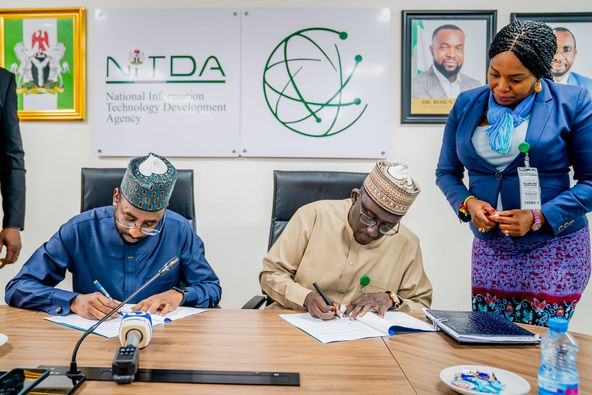
In alignment with President Bola Ahmed Tinubu’s Renewed Hope agenda, which focuses on strengthening agriculture and achieving food security across Nigeria, the National Information Technology Development Agency (NITDA) and the National Agricultural Development Fund (NADF) have signed a Memorandum of Understanding (MoU) aimed at leveraging technology to transform the agricultural sector.

The MoU is designed to integrate advanced technologies into agricultural practices, driving productivity, optimizing resource use, and creating innovative solutions to address the challenges faced by the industry. This strategic collaboration between NITDA and NADF is expected to propel innovation, enhance efficiency, and improve yields, all in support of Nigeria’s national food security goals.

By incorporating cutting-edge technologies, this partnership will enable the development of modern agricultural solutions that contribute to the long-term sustainability and growth of the sector. This move marks a significant step forward in achieving the objectives of the Renewed Hope agenda and securing a prosperous future for Nigerian agriculture.


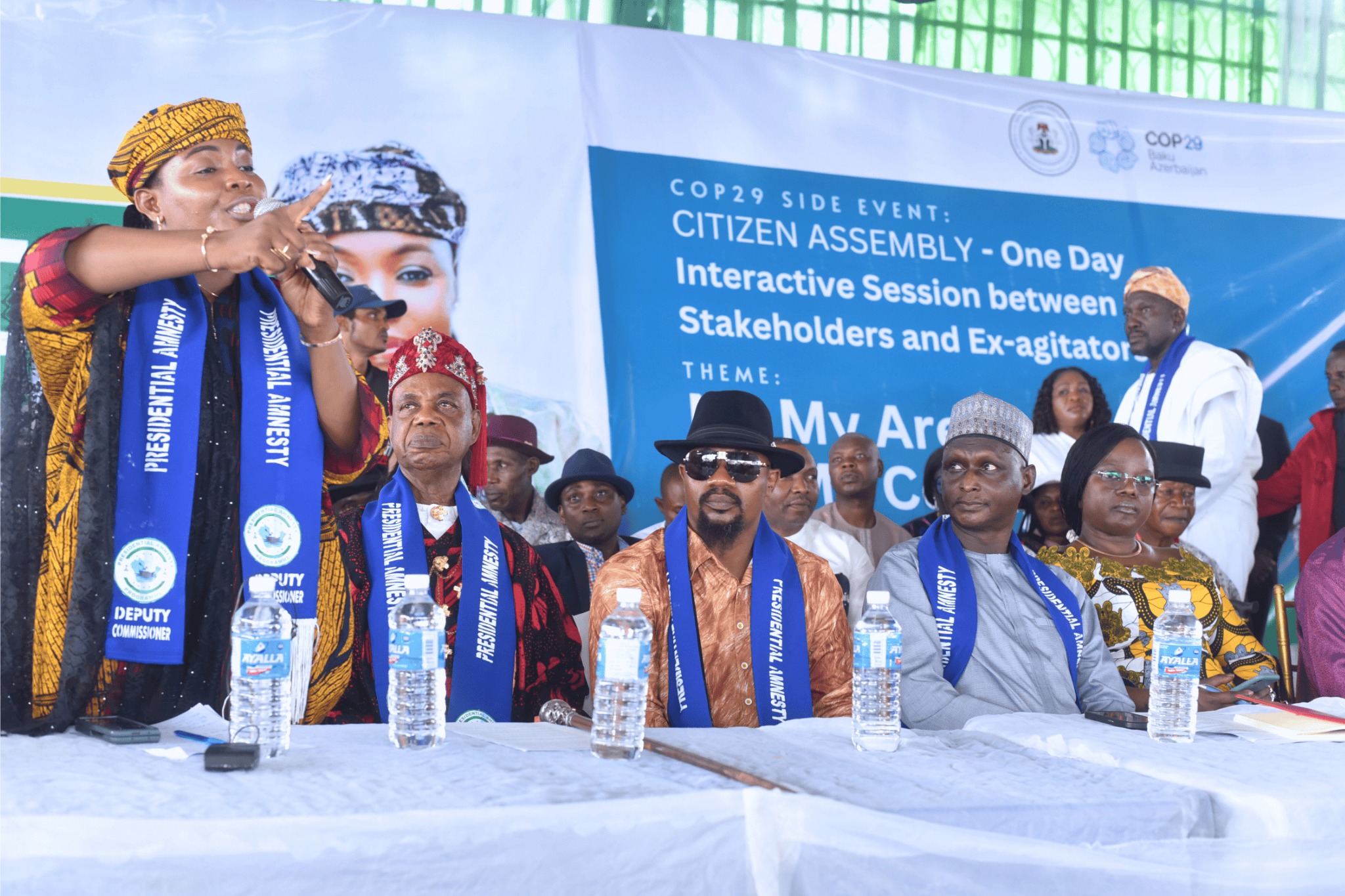
NNPC Ltd. has reiterated its dedication to working closely with host communities in the Niger Delta to achieve enduring peace and economic progress. Group CEO, Mallam Mele Kyari, emphasized this during a dialogue session with Niger Delta communities, held in collaboration with the Office of the Senior Special Assistant to the President on Community Engagement (South-South), Hon. Gift Johnbull. The event took place at Igurubia Square Ultra-Modern Town Hall, Yenagoa, Bayelsa State.

This session, which is part of ongoing citizen assembly engagements, serves as a precursor to the upcoming COP 29 Conference in Baku, Azerbaijan, slated for November this year. Representing Kyari at the event, Mr. Sani Kabo, Head of Business Services at NNPC Upstream Investment Management Services (NUIMS), highlighted the importance of the engagement in strengthening unity and fostering development through the Third Phase Amnesty Program.

Kyari stated that the Petroleum Industry Act (PIA) 2021 has allocated 3% of NNPC Ltd’s operational expenditures (OPEX) to community development projects. These projects, he noted, would be aligned with the priorities of the communities and focus on skills acquisition, empowerment, and sustainable livelihood initiatives.

“Our mission is clear. We are committed to fostering lasting peace, creating economic opportunities, and transforming the Niger Delta into a model of unity and progress,” Kyari concluded, reaffirming NNPC Ltd.’s commitment to promoting collaboration, trust, and development in the region.

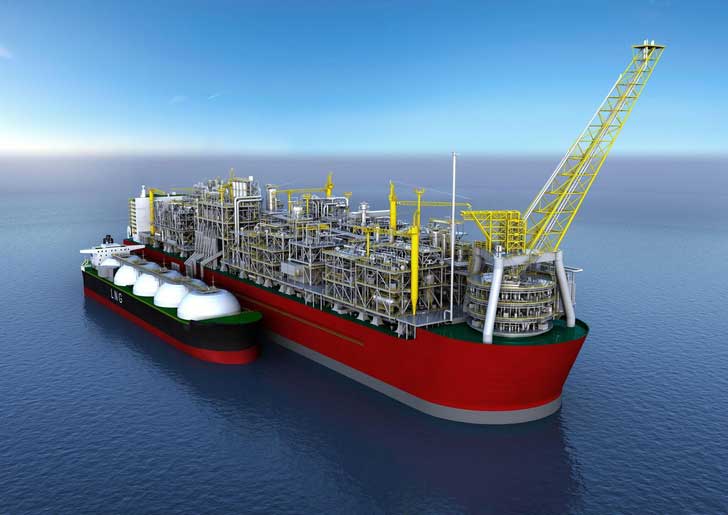
Africa’s natural gas reserves are estimated at 630 trillion standard cubic feet. Sadly, investment remains low in the gas space. However, in a One-on-One interview with members of the African Association of Energy Journalists and Publishers (https://AJERAP.org/), drawn from 54 African nations, Mr. Julius Rone, Group Managing Director/CEO, UTM Offshore Limited, widely known as the ‘Gas King’ spoke on a wide range of issues, especially, the inspiration behind the project, milestones achieved, lessons learned and expected impact on not only Nigeria but also Africa and global economy. The engagement was Co-hosted by Mr. Camara Sanna, The Gambia-based media consultant and Allen Atwiine, Managing Partner of Surprise Africa, Uganda. Excerpts.


What inspired you to establish UTM Offshore Limited and embark on Nigeria’s first $5 billion floating LNG project?

Thank you very much for having me on your big and reputable platform to share insights into the UTM journey and what we have been doing in Nigeria’s energy sector and Africa at large. As you said in your introduction, UTM Offshore Limited is known, globally for embarking on Nigeria’s first floating LNG project.

I am from the Niger Delta of Nigeria, which is an oil-bearing area. I grew up to see exploration and production activities around me. Therefore, I developed an interest in Nigeria’s energy sector early. That was the first inspiration for me. I needed to demonstrate to the world that indigenous companies can develop the resources. When we conceived the idea of establishing UTM Offshore in 2007, it was targeted at contributing to the development of the industry. Nigeria is the leading oil and gas nation in Africa. We are also number six in the world but Nigeria did not have a floating LNG. Africa’s two floating LNG plants are owned by international oil companies. We, therefore took it upon ourselves to work toward it. We believe that once we get it right, others will follow. It can be done in Nigeria. It can be done in Ghana. It can be done in Mozambique. It can be done in all other African nations. We are going to deliver the project based on international standards.

How far have you gone on the project and when would the final investment decision, FID be taken?

All the engineering studies have been completed. It is like when you want to build a house, you identify the land, clear the site, and do your engineering studies. Once you finish the design, you prepare to get all your permits from the authorities. In our case, we have gotten approval from the regulator, which is the license to construct the first floating LNG plant in Nigeria that was issued to us about three weeks ago by the Nigerian Downstream and Midstream Petroleum Regulatory Authority, NMDPRA and presented by the Minister of State for Petroleum Resources (Gas), Ekperikpe Ekpo. We are now working toward taking the Final Investment Decision, FID. I just came in this morning from my trip, around the world where we had a couple of meetings, including the United Nations and the African Export-Import Bank, taking the lead in arranging the debt and equity of the project. We had a meeting with them in New York. We look forward to announcing the FID soon. We are very pleased with the level of aggregation of the debt and equity being arranged by the bank.

How will the eventual completion of your project impact Nigeria and the global economy?

The project would impact many stakeholders. Everyone – the community, the region, Nigeria, West Africa and the entire continent – would be positively impacted on completion of the project. It would culminate in reducing gas flaring. Nigeria has signed into the United Nations Global Reduction of Emissions. The project would create 7,000 direct and indirect jobs across the value chain, which means a lot of people, not only Nigerians but all over the world, would participate in this project. It should be noted that during the construction phase alone, over 25,000 jobs would be created. We would also take several Nigerian youths to different parts of the world where the construction and integration would take place for training.

They would understudy the process so that on completion, they would sail back with the floating LNG, and have the hands-on experience to manage and upgrade the plant of such nature offshore. Also, the project would support the demand for energy in Nigeria, which requires over two million tonnes of the Liquefied Petroleum Gas, LPG for domestic consumption. Currently, over 1.5 million tonnes are imported from the global market. The supply of our LPG in Naira would enhance the value of the local currency.

The impact would go beyond Nigeria as one offtaker is currently discussing the possibility of taking the LNG to South Africa with us. It would benefit the entire continent. By the special grace of God, this would be the flagship project to open up that space for stranded gas offshore to be monetized through a technology that has been broken.

What do you think Nigeria and other African countries can do to conquer the energy poverty?

Like I said conquering energy property has to start from Nigeria. Once it starts from Nigeria, it moves back to other African countries. Today, Africa is in the complete deficit. The governments in African countries must play their parts for investors to come in because governments alone cannot take the continent out of energy poverty. The government must provide attractive physical incentives for public and private partnership. The government should provide access to funding. Then, there should also be assurance of free entry and exit, meaning that investors that invest in African nations can also take their investments out, if they want, without any hindrances. No investors want to tie their monies down. African countries must simplify their regulatory approval processes to encourage investments. Also, there should not be double taxation. All investors want to be sure of the number of tax they are going to pay. It should be part of their financial models. Bringing up new taxes later usually affect planning, execution and payment of dividends to shareholders. Potential investors should be able to visit one website to see all taxes to be expected and plan toward paying them. The governments should not keep changing policies. There should be consistency. There should be security, safety and foreign exchange stability to attract, retain and protect investments.

What is your take on the global energy transition and the quest for Africa’s energy security?

Africa needs to develop its God-given resources. However, developed economies are talking about the energy transition. They have an uninterrupted power supply. I do not think that any part of Africa enjoys that kind of uninterrupted power. This is why African leaders have said it is not possible for them to abandon fossil fuel. The leaders and others have said they have to develop their countries before talking about the transition. They have identified gas as their transition fuel. For example, Qatar has oil and gas. Qatar decided to use more of its gas than oil. In Nigeria, there is the Decade of Gas Initiative. An executive order also provides incentives to those who want to develop gas projects. The government of Nigeria is also supporting projects with funding to enable people to get into the gas sector. Globally, there is still a window for funding gas projects. So, this is the time for African nations to wake up and encourage investors to bring in their funds to put into the energy sector using gas as their transition fuel.

 Why has your organization been a strong supporter of the African Energy Week in Cape Town, South Africa?

Like I said earlier, our emphasis is on achieving energy security. Africa Energy Week is a platform that is propagating that message to African leaders. That is the reason why we continue to support the Africa Energy Week, AEW.  We believe that the AEW is committed to achieving this and other objectives. Last year, some presidents and former African presidents attended the event. In one of the sessions, former President Olusegun Obasanjo of Nigeria requested the late President of Namibia and others to work toward the creation of the African Leaders Energy Council to appropriately respond to global issues. On my part, I suggested incorporating other leaders like presidents to have a session on Africa, while private businesses go on with their meetings. We need to have a cleaner energy to save the environment. Well, luckily for us, we have gas, which is also cleaner and which we can use for our transition. So, African Energy Week has created the right platform and we support it. The world has to listen to Africa because the continent cannot abandon its huge population to die in energy poverty.

What positive impact has the annual event made in the continent’s energy space and why do you think the 2024 edition is important?

There are indications that the AEW has impacted businesses, investments, and Africa’s economy in the past few years. Last year, we saw significant progress in terms of engagement and participation. We believe that in 2024, it will become more robust because I had the opportunity to speak with, NJ Ayuk and his team recently during the Invest Africa Summit in Paris. Many attendees at that event agreed to meet again in Cape Town for this year’s AEW. The AEW team was in China discussing with the Chinese Development Bank and other financial institutions. It is easier to set up meetings with different stakeholders through the AEW instead of moving from one part of the world to another to meet them. In other words, the AEW provides a platform for business leaders to meet with the right people, and discuss projects.

What challenges do investors and potential investors in Africa encounter, and how can they be tackled?

There are many problems, including inadequate funding, inconsistent government policies and multiple taxes in African nations. Insecurity is being addressed in some nations, including Nigeria. There is also what I would like to call corruption perception in Africa. Investors do not want to put their monies, where corruption perception is high. Good corporate governance is also desired. Potential investors would not put in their monies where there would not be checks and balances. Also, African governments need to ensure that all the regulators have processes for giving their approvals to investors and potential investors as seamlessly as possible. Incentives are also required. If they want investors, they need to give them something like tax breaks or waivers. Also, the method of payment should be made much easier for investors.  Investors trading in multiple countries should have a single payment platform to quickly turn their investments around and distribute those services on the continent. First Impact is currently operational. We need more of such services. Investors should be able to sit down in Nigeria and trade with someone from Senegal without asking the person to pay in dollars. The money should pass through the payment settlement platform. Payment is made in Naira and the other partner in Senegal receives equivalent in Senegalese currency.

What advice do you have for the government and potential investors?

Generally, governments in African nations need to provide a conducive atmosphere for investors and potential investors. All bureaucratic processes must be eliminated. Investors should be able to travel around Africa without visas and other issues. Currently, there is no direct flight from Nigeria to Angola. If there’s a flight, it takes 24 hours or 48 hours to get to Angola or Mozambique. Getting companies registered should not take long. It should get to a point where investors should fill out necessary forms, submit required documents, and print their certificates. It should be a win-win situation for both parties because the governments benefit from the taxes while jobs are created.

What will you be speaking about at the forthcoming African Energy Week 2024?

I will be speaking on financing and the difficulties of attracting investments into Africa, based on our UTM Offshore experience. I will be sharing the UTM Offshore experience, including lessons learned, and challenges encountered at the event. For oil and gas investments, financing is key. We need to share this experience with others. We will stress the need for investors to have bankable projects. If they do not have banking projects, financiers run away because they are investing other peoples’ monies.

Do you have plans to work with the African Energy Bank when it becomes operational?

We need an indigenous energy bank to fund projects and programmes for a reason. Most European banks are not funding projects in Africa. Already, member states have agreed that Nigeria should host the African Energy Bank and its offices are being set up. When the African Energy Bank is up and running, we can consider working with the bank in our next project.

How integrated is your Environmental, Social, and Governance strategy and implementation process as well as impact on stakeholders, especially communities?

The Environmental, Social, and Governance, ESG, is a critical condition for assessing funding today in international and local banks. Without it, investors would not be able to access funds. So, we take it very seriously. At UTM Offshore we have two leading consultants to handle it. ESG forms a critical part of our development strategy.

In what ways are you committed to local content?

We have already agreed with the Nigerian Content Development and Monitoring Board, NCDMB, regulating local content issues that the youths would be sent for training. They would learn a lot and get involved in the operations and how to run the plant.

Have you secured contract with offtakers in Europe or other continents outside Africa?

As I have noted earlier, the Final Investment Decision, FID would be taken soon. One of the conditions for the FID is the Sales and Purchase Agreement, SPA. We have a potential offtaker of international standards that will offtake the product to Europe and other parts of the world.

What are the challenges UTM Offshore has faced so far, and how are you tackling them, if any?

When developing a project of this nature, some challenges should be expected. Problems have been addressed because we engage reputable consultants in similar FLNG plants. It makes it easier for us because of the experiences they have acquired over the years. There are four open-sea floating LNGs in the world. One is in Mozambique; two in Malaysia and one in Australia. We also hired a competent company to supervise what they are doing.  We are happy because of the support from critical stakeholders, especially the federal government, Nigerian National Petroleum Company Limited, NNPCL, and communities.

In what ways will the project impact the domestic LPG market?

The project would boost the domestic supply of the Liquefied Petroleum Gas, LPG. Nigeria requires commercial quantities yearly. Currently, a large amount of the product is imported from the global market. The project would enhance domestic supply, reduce importation, and conserve foreign exchange. Also, it will reduce transportation costs because of the proximity to the market. This will also reduce the price of LPG in the nation.

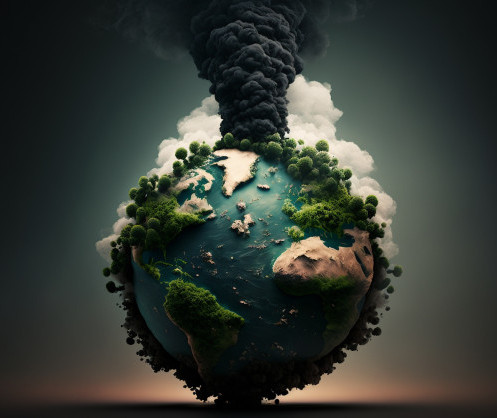
The world is warming faster than at any time in recorded history. This rapid climate change is already releasing a wave of extreme weather – wildfires, hurricanes, floods and droughts.


The only way to slow this wave of catastrophic climate change is to slash our emissions of planet-warming greenhouse gases, including carbon dioxide.

It’s a long shot! To do it effectively, the world must reduce CO2 emissions by more than 40%, and protect 30 percent of our natural, fresh-water and ocean resources.

To encourage the rapid progress that is needed,  the Earthshot (https://apo-opa.co/3BybPsJ) Prize was launched in 2020. Since then, the programme has awarded £15 million in prize money and helped generate a further £50 million of funding for 45 winners and finalists.

A significant part of the Earthshot initiative is to spread the word, to inspire, to connect. To ensure impacts on a continental scale, pan-African entertainment group MultiChoice Africa (www.MultiChoice.com) has formed a media broadcast partnership with The Earthshot Prize.

The objective of the partnership is to spotlight the innovative ideas helping to drive environmental change, and to accelerate the development of sustainable solutions.

MultiChoice reaches 21.8 million households across 50 countries, making it perfectly placed to educated communities on climate change, as well as to encourage and showcase innovative solutions.

A prime example is the reforestation initiative undertaken by the MultiChoice Talent Factory (MTF) East Africa Academy in Nderi, Kenya. Recognising the urgent need for environmental action, MultiChoice Talent Factory (MTF) East Africa Academy students partnered with the Nderi community and primary school on a reforestation initiative.

The greatest threat to our planet is the belief that someone else will save us

As a member of The Earthshot Prize Global Alliance, MultiChoice has deployed the creative resources of the MultiChoice Talent Factory (MTF) to create documentary content to support the Earthshot message.

Through the dozens of MTF filmmakers who graduate from the programme across Africa every year, MultiChoice Africa is amplifying the need for environmental action, and celebrating the African changemakers tackling the world’s most pressing challenges.

Every year, the MTF programme trains a total of 60 young graduate filmmakers at its three academies – in Lagos, Nairobi and Lusaka – through comprehensive, fully-funded cinematography courses.

MTF students have produced a series of Earthshot documentaries, amplifying the message of environmentalism and climate-conscious living that will be critical to keeping the planet safe for human habitation.

Director Marilyn E Arko-Baisie and producer Winner Achimugu teamed up on the documentary short film Revive The Ocean (https://apo-opa.co/4ewmyCD), showing how NGOs and community organisations are working to make a difference. They speak to Doyinsola Ogunye – founder of Sea Turtle Sanctuary; and Oyewole Talabi of plastics collection initiative Recycle9ja. Achenye Idachabasbaro of MitiMeth describes the process of upcycling waste to extend product lifespans, while Agharese Lucia Onaghise explains how the key to minimising waste is in designing products for recyclability.

The documentary R.A.T. – Race Against Time (https://apo-opa.co/4eX4O3g) visits two seaside communities in Lagos, Nigeria and speaks to local residents and organisers living with extreme plastic pollution. The filmmakers – director Anjola Aluko, producer Prince Isaac Effiong, assistant producer Thecla Uzozi, and co-director Ayodeji M Lawson – uncover the complexities of these communities, one of which is built upon a foundation of plastic waste, which is now a flood barrier. The film concludes with a sobering quote by Robert Swan: “The greatest threat to our planet is the belief that someone else will save us.”

The short movie 2070 (https://apo-opa.co/4ePun5W) – by Director Adejo “Story Priest” Emmanuel, producers Morenikeji Uka and

Oluwayanmife Arogundade, and assistant director Omotola Oke “T-Basz” – takes a dramatised approach to climate change. It tells the story of a schoolgirl assigned to imagine what the world would look like in 2070. While her classmates imagine a world of flying cars, her lived experience of waste pollution and constant flooding leads her to deliver a bleak assessment. “Everyone is responsible for the environment,” she points out. “And if we do nothing about climate change, we rob our children of a safe future.”

The MultiChoice partnership with the Earthshot prize is teaching young people the value of sustainability, while also helping to showcase game-changing initiatives and inspiring more of Africa’s youth to fight to save the continent’s future.

By placing environmental awareness front and centre, and showcasing the heroes of the fight for sustainability, the MTF filmmakers are helping to conscientise the next generation of climate-conscious young African leaders.


WhatsApp, the widely used messaging app, has introduced a set of new features aimed at providing users with greater control and insight before joining group chats. The update, which comes in response to concerns about users being added to groups without their consent, allows individuals to view essential details about a group before deciding whether to stay or leave.

In a message following the update, WhatsApp highlighted the new feature:
“New: Know more before joining a group. Added to a new chat? Now you can get a closer look at more details, like who added you, when the group was created, and what it’s all about. So you can do a quick safety check before you stay and hang out.”

The company emphasized its commitment to user safety and security, noting, “When you’re added to a group, we show you information about the group so you can decide if you want to stay or leave. In addition to the group name and who added you, you can quickly see who created the group, when it was created, and the description. When you’re added by someone who isn’t a contact, you’ll see safety tools available to you.”

These updates also offer enhanced group privacy settings. Users can now customize who can add them to a group by selecting from the options Everyone, My contacts, or My contacts except…, offering added control over their participation in group chats.

Additionally, WhatsApp has provided users with the ability to report messages and block contacts within groups. This ensures that users can block unwanted communication and prevent further messages or calls from problematic contacts, while still being able to view their messages within group settings.

In another enhancement, WhatsApp introduced real-time video note sharing. Users can now press and hold the camera icon in chats to instantly send videos of up to 60 seconds, allowing for more engaging and interactive communication. As WhatsApp explained, “Now everyone can feel like they’re there, no matter the distance.”

These new features underscore WhatsApp’s ongoing efforts to make group interactions more secure and user-friendly, while also addressing concerns around privacy and safety.

By Anthony Emeka Nwosu


World Mental Health Day is observed annually on October 10, with the aim of raising awareness about mental health issues and mobilizing efforts to support mental well-being globally. This day provides an important platform for highlighting the challenges and stigma associated with mental health, while promoting strategies for improving mental health care.

Established by the World Federation for Mental Health in 1992, World Mental Health Day has grown into a global movement, encouraging open dialogue about mental health conditions such as depression, anxiety, schizophrenia, and bipolar disorder. The theme for each year focuses on different aspects of mental health, ranging from suicide prevention to mental health in the workplace. In 2024, the theme is “Mental Health is a Universal Human Right,” emphasizing the need for equitable access to mental health care for everyone, everywhere.

The day serves as a reminder that mental health is just as important as physical health, yet it often receives less attention and resources. Mental health disorders affect millions of people globally, with an estimated 1 in 8 people worldwide living with a mental health condition. The COVID-19 pandemic further highlighted the importance of mental well-being, as the isolation, uncertainty, and stress of the crisis led to a significant increase in mental health issues.

On World Mental Health Day, various organizations, governments, and advocates come together to raise awareness and reduce stigma through events, campaigns, and initiatives. These activities aim to educate the public, encourage open conversations, and provide resources for individuals struggling with mental health challenges. Governments and policymakers are also urged to invest more in mental health care infrastructure, improve services, and ensure that mental health is integrated into national health policies.

Importantly, this day highlights the significance of breaking the stigma around mental illness, advocating for the rights of those affected, and ensuring that mental health support is accessible to all. It is a call to action for individuals, communities, and societies to prioritize mental health, foster environments of understanding and care, and support those in need.

World Mental Health Day reminds us that mental health is everyone’s concern, and through collective effort, we can create a world where mental health is recognized, supported, and valued as a fundamental human right.


Dr. Alemayehu Bekele, a renowned Ethiopian scientist from Adama Village, has made a groundbreaking contribution to the global fight against skin cancer. His research focuses on the early detection and treatment of skin cancer, particularly melanoma, the deadliest form of the disease. This breakthrough has earned him international recognition and brings new hope to millions affected by skin cancer around the world.

Dr. Bekele’s work highlights a novel approach to diagnosing skin cancer in its early stages. His research emphasizes the genetic and environmental factors specific to African populations, an area often underexplored in global skin cancer studies. This focus on the unique risks faced by individuals in regions like Ethiopia is expected to improve both diagnosis and treatment strategies, especially in communities with limited healthcare resources.

Collaborating with cancer research centers and medical institutions, Dr. Bekele is working to ensure that his findings lead to practical applications. His work could transform the landscape of skin cancer care in Africa and beyond, particularly by providing more accessible early detection methods and tailored treatments.

As skin cancer cases continue to rise globally, Dr. Bekele’s research is being hailed as a vital step toward better understanding the disease, offering new hope for prevention and treatment, and improving patient outcomes worldwide.


The Federal Ministry of Communications, Innovation & Digital Economy (FMCIDE) has formed an alliance with Aleph Group, a leading global enabler of digital advertising, to empower over 2,600 Nigerian youth with essential digital advertising skills as a part of its flagship project, the 3 Million Technical Talent Programme (3MTT).

Through this collaboration, young Nigerians will gain access to Aleph’s Digital Ad Expert (DAE) programme, equipping them with the knowledge and skills necessary to thrive in today’s digital landscape.

Aleph Group connects advertisers with consumers across over 130 emerging markets, facilitating engagement on over 45 of the world’s top digital platforms, including Google, Meta, Microsoft, Pinterest, Reddit, Snap, Spotify, TikTok, Twitch, Uber, X, and more.

In line with President Bola Ahmed Tinubu’s goal of creating 2 million digital jobs by 2025, the DAE program quickly and effectively trains many participants, supporting Nigeria’s digital economy growth. “Teaching our youth digital advertising skills is crucial for advancing Nigeria’s economy in the digital age,” says Francis Sani, Special Adviser on Innovation, Entrepreneurship, and Capital from Federal Ministry of Communications, Innovation & Digital Economy.

The DAE’s focus on practical, industry-relevant skills, makes it an ideal solution for addressing Nigeria’s digital skills gap. “The programme will be offered in both live and self-paced formats, ensuring flexibility and accessibility for participants across the country,” comments Aleph Group‘s managing director for West Africa, Stanislaus Martins.

Upon completion, graduates will receive a globally recognised Digital Ad Expert certificate, granting them access to Aleph’s extensive alumni network and opening doors to exciting career opportunities in the digital advertising industry.

Aleph Group aims to train 800,000 students across the continent through its DAE programme, and this alliance represents a significant stride towards achieving that goal.

“This collaboration aligns with our mission to foster innovation and create opportunities for young people to thrive in the global digital economy,” said Gaston Taratuta, Founder and CEO of Aleph Group. “It will empower the next generation of Nigerian digital leaders.”

With an initial cohort of over 2,600 participants, this alliance is set to more than double participation in DAE in Nigeria.