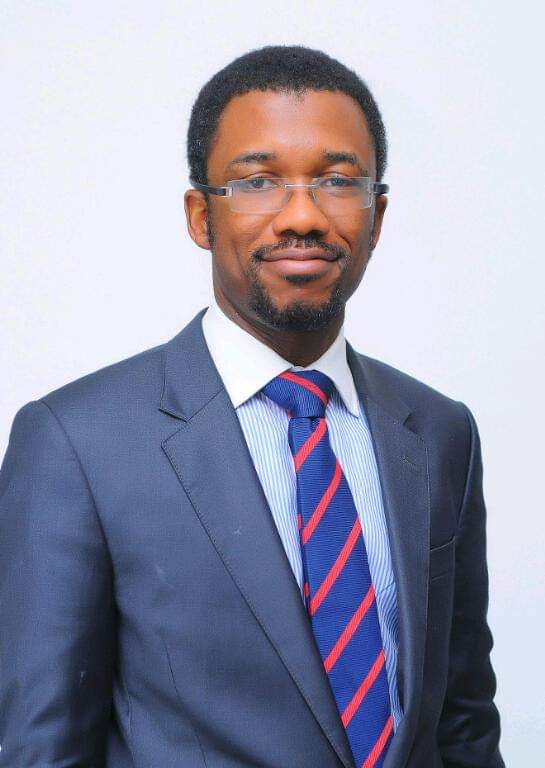
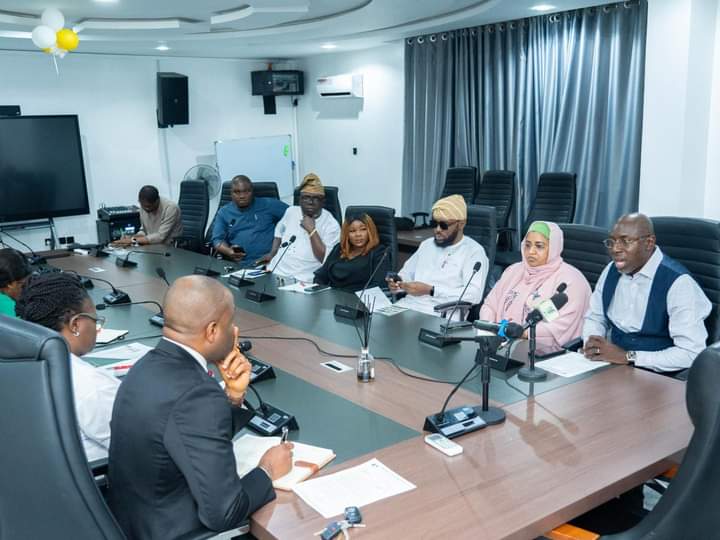
The National Commissioner and CEO of the Nigeria Data Protection Commission (NDPC), Dr. Vincent Olatunji, was represented by Babatunde Bamigboye, Esq., Head of Legal Enforcement and Regulation, during a recent courtesy visit from the Nigeria Youth Organisation (NYO), led by President Mr. Duke Alamboye.

During the meeting, Bamigboye highlighted the Commission’s commitment to initiatives specifically aimed at youth development, which he described as crucial for the nation’s future. He underscored the importance of raising awareness about data protection and privacy, particularly given the myriad challenges young people face in the digital landscape.

Mr. Alamboye commended the NDPC for its youthful staff demographic, noting that it reflects an understanding of the significance of empowering the next generation. The Nigeria Youth Organisation is keen on collaborating with the Commission to promote sensitization and training programs. With a goal of empowering 10 million Nigerian youths, they expressed their eagerness to partner with the NDPC in its advocacy efforts and campaigns.

This initiative underscores the growing recognition of the need to champion privacy rights and equip young people with the knowledge and skills to navigate the complexities of the digital world effectively.


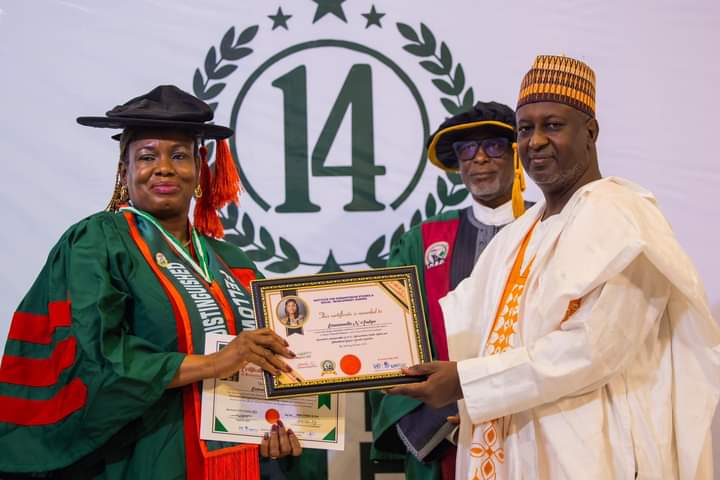
The Institute for Humanitarian Studies and Social Development (IHSD) has presented NNPC Foundation with the Humanitarian Excellence In Service Award and conferred its humanitarian personality award on the Managing Director of NNPC Foundation, Mrs. Emmanuel Arukwe, for leading the Foundation in outstanding contributions towards humanitarian value systems in Nigeria.

The conferment took place during the 14th Annual Humanitarian Public Lecture, Award, and Graduation/Induction Ceremony of the Institute held at the Shehu Musa Yaradua Centre in Abuja on Saturday.

#EnergyforToday

#EnergyForTomorrow


Living in Lagos, one cannot help but confront the stark realities of poverty that permeate the city. The vibrant energy and hustle often mask a deep-seated struggle for survival. Driving from one point to another, you’re likely to encounter individuals, often young men and women, pleading for money for basic necessities like transportation and food. It’s jarring to witness this desperation in a city that touts itself as the “Centre of Excellence,” creating an ironic juxtaposition between its image and the lived experience of many.

Beyond the persistent begging, the streets of Lagos are crowded with agberos—street touts who harass drivers for money—and security officials who seem more interested in exploiting citizens than in ensuring safety. This creates an atmosphere of mistrust, where every interaction is tinged with suspicion and anxiety. The struggle to navigate daily life can feel overwhelming, as one is constantly on guard against exploitation.

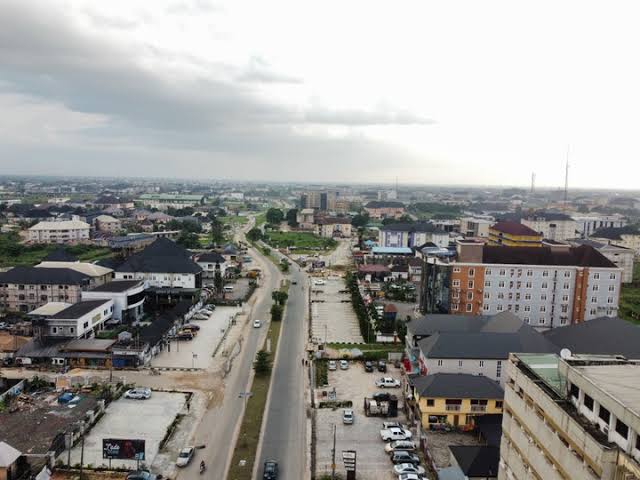
In stark contrast, my recent experiences in Owerri have illuminated a different reality—one characterized by decency, kindness, and a sense of community. The behaviors I’ve observed there have been both surprising and heartwarming. For instance, I wanted to buy food from a local Calabar woman known for her cooking, but when her food wasn’t ready, I sought alternatives. The woman I asked for help not only recommended the Calabar joint but also took the time to promote it, even sending her child to fetch me a meal. Such an act of kindness and community spirit is a breath of fresh air. In Lagos, such generosity is often overshadowed by anger and envy, making it difficult for people to connect on a human level.

Interestingly, I have not seen individuals struggling with mental illness or begging on the streets during my time in Owerri. The infrastructure here appears to function better; traffic lights work, road signs are respected, and the police presence feels less intrusive. When I visited the government house, I encountered officers who were polite, clean, and, most surprisingly, willing to help a stranded motorist by pushing a broken-down car. This contrasts sharply with the experiences many have in Lagos, where police often seem more focused on generating revenue through fines and bribes than providing assistance.

In Lagos, when a car breaks down, the overwhelming feeling is one of despair. The likelihood of encountering corrupt police or aggressive traffic officials is high, leaving one feeling vulnerable and isolated. This environment fosters a survival mentality where people merely exist rather than truly live, leading to a pervasive sense of frustration and helplessness.

Conversely, in Owerri, there is a palpable sense of well-being among the people. The absence of visible poverty and the lack of individuals begging for help creates a more pleasant atmosphere. Civility and courtesy abound, and interactions are often filled with warmth rather than hostility. The community spirit here is one of cooperation, where people are willing to lend a hand, offer kind words, or simply share a smile.

This contrast raises important questions about the social fabric of these two cities. Is it a matter of education and upbringing? Does Owerri’s relatively stable environment stem from stronger familial structures and community bonds? Or is it simply a cultural difference that fosters a more compassionate approach to life? In Owerri, people seem to embody a sense of dignity and mutual respect, which is refreshing in a country where tribalism and societal divisions can create tension.

In Lagos, however, the rampant tribalism often leads to division and misunderstanding, with derogatory labels being thrown around casually. This societal pressure adds to the challenges of living in a city where everyone is competing for limited resources, ultimately detracting from the human experience.

The experiences in Lagos and Owerri underscore the importance of human connection and compassion. They remind us that, despite our circumstances, the way we treat one another defines the quality of our lives. While Lagos may be the commercial hub of Nigeria, it serves as a cautionary tale about the cost of unchecked competition and a lack of community. In contrast, Owerri exemplifies the potential for a more humane society, where kindness and cooperation prevail over greed and suspicion.

Ultimately, this reflection serves as a call to action for individuals, communities, and leaders alike. We must strive to foster environments where empathy and support flourish, reminding ourselves that we are all part of a larger human family. By embracing our shared humanity, we can build communities that are not only thriving but also deeply connected—where people live, not just exist.

Anthony Emeka Nwosu, lives in Lagos and came to Owerri for business and made this observation of the city


there is a palpable sense of well-being among the people. The absence of visible poverty and the lack of individuals begging for help creates a more pleasant atmosphere. Civility and courtesy abound, and interactions are often filled with warmth rather than hostility.


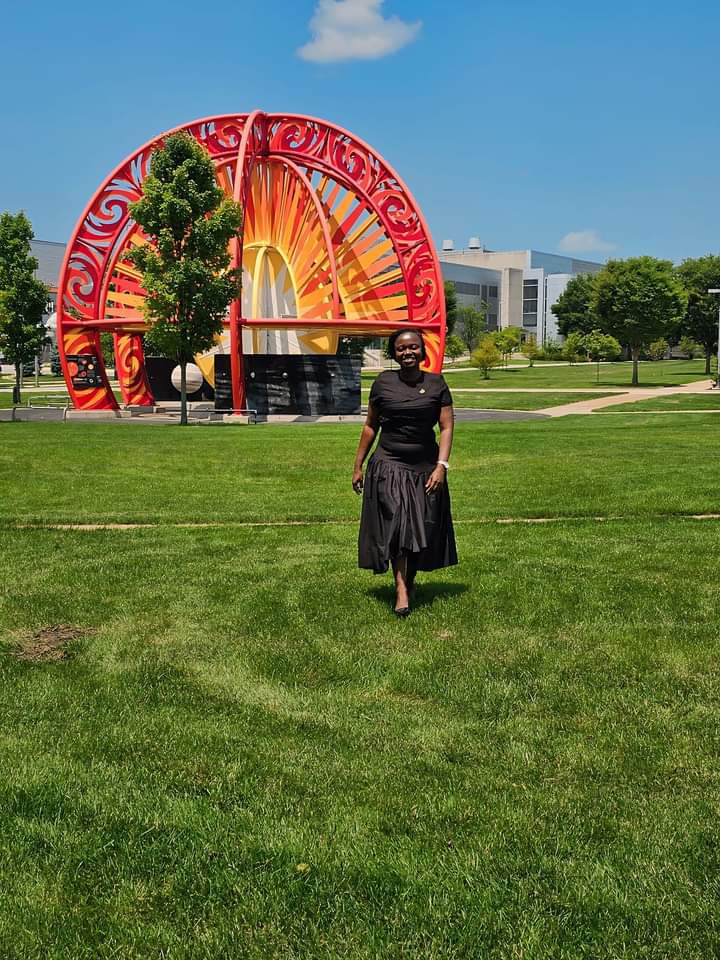
In the world of academia and the arts, where creativity meets education, few individuals have made an impact as significant as Dr. Ifeyinwa  – Iyke Uzondu. A seasoned lecturer in the Department of Creative Arts at Alvan Ikoku Federal University of Education, Dr. Uzondu’s career reflects her dedication to the craft of theatre and her commitment to molding the next generation of creatives. In this exclusive interview, she shares with us her incredible journey into academia, her love for theatre, and the challenges she’s faced along the way.

Interviewer: Anthony Emeka Nwosu

Could you share your journey into academia and what inspired you to pursue a career in education?

To be honest, I never initially intended to become a lecturer because I found the profession quite challenging. But in Nigeria, sometimes we don’t have many options. In 2009, I was in dire need of a job, and when I heard about an opening at Alvan Ikoku, my husband encouraged me to apply. By God’s grace, I got the job. Despite my initial hesitation, I decided to face the challenges head-on. The journey so far has been both smooth and fulfilling. I’ve always loved theatre—after all, that was what I studied during my first degree. My husband has been a great source of support throughout these years, and for that, I am deeply grateful.

As a lecturer at Alvan Ikoku Federal College of Education, how do you balance your academic responsibilities with your passion for acting and theatre?

The beauty of theatre is that it is inherently academic. It requires research, teaching, and practical engagement. Theoretical knowledge and practice go hand in hand, so for me, it doesn’t feel like I’m balancing two separate entities. Passion and creativity are the two main ingredients for success in theatre, and with those, I’ve been able to manage my academic and creative responsibilities seamlessly. It’s been an amazing experience.

What sparked your interest in theatre, and how has it shaped your career both in and outside the classroom?

By nature, I am a flexible character, and I never allow difficult situations to overwhelm me. However, I was a very shy person growing up, and theatre wasn’t originally part of my plans. I actually wanted to study Law, but due to a low JAMB score, I ended up in the Theatre Arts department at Imo State University. I decided to make it work for me, and although it wasn’t my dream initially, it became a path I embraced wholeheartedly.

Could you tell us about some of the notable acting or theatre projects you’ve been involved in, particularly in Imo State?

When I first started teaching at Alvan Ikoku College of Education, we were just a handful of pioneer lecturers with a small class of students. Since we were few in number, we decided to actively teach the students by performing ourselves. Each time we had command performances, we would act while the students learned from watching us. My area of specialty was in costume, makeup, and acting, and I’ve been involved in numerous productions, both within and outside Imo State. It was a wonderful way to build the department and encourage hands-on learning.

What are your thoughts on the current state of theatre and performing arts in Imo State? Do you think it’s receiving adequate support and recognition?

Unfortunately, there’s been a decline in theatre patronage in recent years, largely due to the rise of digital technologies. People are more drawn to media platforms because they are more accessible and convenient. I’m currently writing an article on the decrease in live theatre performances and the rise of media presentations. The trend must be followed to remain relevant, but it’s sad to see theatre losing its place. Not just in Imo State, but globally, theatre and performing arts aren’t receiving the attention they deserve.

How do you incorporate theatre into your teaching methods, and have these approaches enhanced student engagement and learning?

Theatre is a powerful teaching tool because acting is doing. When students engage in acting, they activate their senses and learn in a way that sticks. I’ve found that this method makes the learning process more engaging and compelling for students, and it’s been a key part of my approach as a lecturer.

What challenges have you faced while pursuing both an academic and acting career, and how have you overcome them?

One of the greatest challenges I’ve faced is financial support. As a lecturer, you’re expected to publish regularly, and you must advance academically to keep your job. I started my career with just a BA in Theatre Arts, and over the years, I’ve earned my PhD. But the journey has been financially demanding. I’ve been able to overcome these challenges with God’s help, as well as by staying focused on my goals and dreams.

In your experience, what are the major challenges facing theatre development in Imo State, and what solutions would you suggest to promote growth in the sector?

The biggest challenge is patronage. Due to economic difficulties and insecurity, people now turn to media for entertainment, which has greatly diminished interest in live theatre. For theatre to grow again, we need to address these underlying issues—economic stability and security. Without tackling these, it will be hard to rekindle the public’s interest in theatre.

What role do you think theatre plays in addressing social issues in Nigeria, and have you been involved in productions that tackle such themes?

Theatre has always been a reflection of society, and it plays an important role in addressing social issues. Through my work, particularly in playwriting and academic articles, I’ve raised many concerns about the state of our society. Theatre, when done right, has the power to inform, educate, and inspire change.

Looking forward, what are your aspirations for your academic career and acting? Do you have any upcoming projects or initiatives in theatre that you’re excited about?

I’m particularly excited about continuing to explore playwriting. I have several published works and many more manuscripts waiting to be completed. There are also a number of local and international conferences I plan to attend, and I’m looking forward to exploring new areas and expanding my horizons by God’s grace. There’s still so much to accomplish, and I’m excited about the future.

End of Interview


I started my career with just a BA in Theatre Arts, and over the years, I’ve earned my PhD. But the journey has been financially demanding. I’ve been able to overcome these challenges with God’s help, as well as by staying focused on my goals and dreams.


In a world where challenges abound, success is often a product of one’s mindset rather than external circumstances. The ability to believe in possibilities and embrace a can-do spirit is the invisible force behind countless success stories. It’s not just about skills or opportunities; it’s about the courage to dream and the resolve to see those dreams through to fruition. Engr. Roberta Edu, the founder and CEO of Moppets, a rapidly growing baby formula company, embodies this powerful truth. Her journey from humble beginnings to building a nationally recognized brand is a shining example of what it means to believe in oneself and act on that belief.

Roberta’s story speaks directly to the heart of what drives human progress: the unyielding conviction that anything is possible. She doesn’t just speak about it theoretically; she’s lived it. As she puts it, “There is nothing you want to achieve that you can’t achieve. I’m not talking probabilities; I’m talking facts.” Her life is filled with moments where the odds were stacked against her, but through perseverance and faith in her abilities, she turned those odds into opportunities.

As a young girl growing up in Calabar, Roberta already dreamed of a future where she would work with computers and sit in prestigious offices. This was no small ambition, especially considering the fact that she had never even seen a computer at the time. But her vision wasn’t limited by her circumstances. Despite the seeming impossibility of her dreams, she made them a reality. Today, Roberta not only owns a business, but she also holds two master’s degrees, a remarkable achievement for someone who once worked as a maid and cleaner to make ends meet.

It’s easy to underestimate the power of these early dreams. But Roberta’s story illustrates a universal truth: dreams, no matter how big or improbable, are the starting points of all achievement. Without them, there is no motivation to push forward, no reason to strive beyond one’s current circumstances. Roberta’s belief in herself allowed her to transcend the limitations imposed by her environment and circumstances. Each step of the way, she set new goals for herself, and every time, she met them with success.

Her journey took her from working in VI as a cleaner to starting a job at GTBank, one of Nigeria’s premier financial institutions. But even there, her ambitions didn’t stop. While working in the media, Roberta told her colleagues that she would join the Troyka group, one of the most prestigious conglomerates at the time. Less than a year later, she achieved that goal too, joining Troyka and further solidifying her reputation as someone who could turn aspirations into reality.

The turning point in Roberta’s story came when she shifted her focus from being an employee to becoming an entrepreneur. She had always wanted to own her own business, not only to create something of her own but also to generate employment and opportunities for others. That dream led to the birth of Moppet Foods, her baby formula brand, which today stands as a symbol of her entrepreneurial spirit and determination.

But even after achieving this level of success, Roberta didn’t stop dreaming big. In 2023, she set her sights on building international connections for her company and establishing solid partnerships that would take Moppet Foods to the next level. And, true to form, her vision quickly turned into reality. Within a year, the U.S. Department of State entered the picture, opening doors to new opportunities and expanding her company’s reach on a global scale.

What makes Roberta’s story so compelling is not just the success she’s achieved, but the message she shares with others, especially young women who may feel limited by their circumstances. “Girl… wake up and work that dream,” she urges. “It works; it always has.” Her words are a powerful reminder that success is not about where you start but about how determined you are to keep moving forward, no matter the obstacles.

Roberta’s journey serves as an inspiring lesson for anyone aspiring to greatness. It’s not about having all the resources or being born into the right circumstances. It’s about having the vision, the belief, and the relentless drive to turn your dreams into reality. In her words, “You just need to set your eyes on the goal and go get it, no matter where you are now. It doesn’t matter.”

In a world where doubt and fear often hold people back, Roberta Edu’s story is a beacon of hope. She proves that the only real limitations we face are the ones we impose on ourselves. With belief in our abilities and the courage to act on that belief, there is truly nothing we cannot achieve. Whether you’re at the beginning of your journey or already on your way, Roberta’s story reminds us all that success is within reach – we just have to believe enough to go after it.


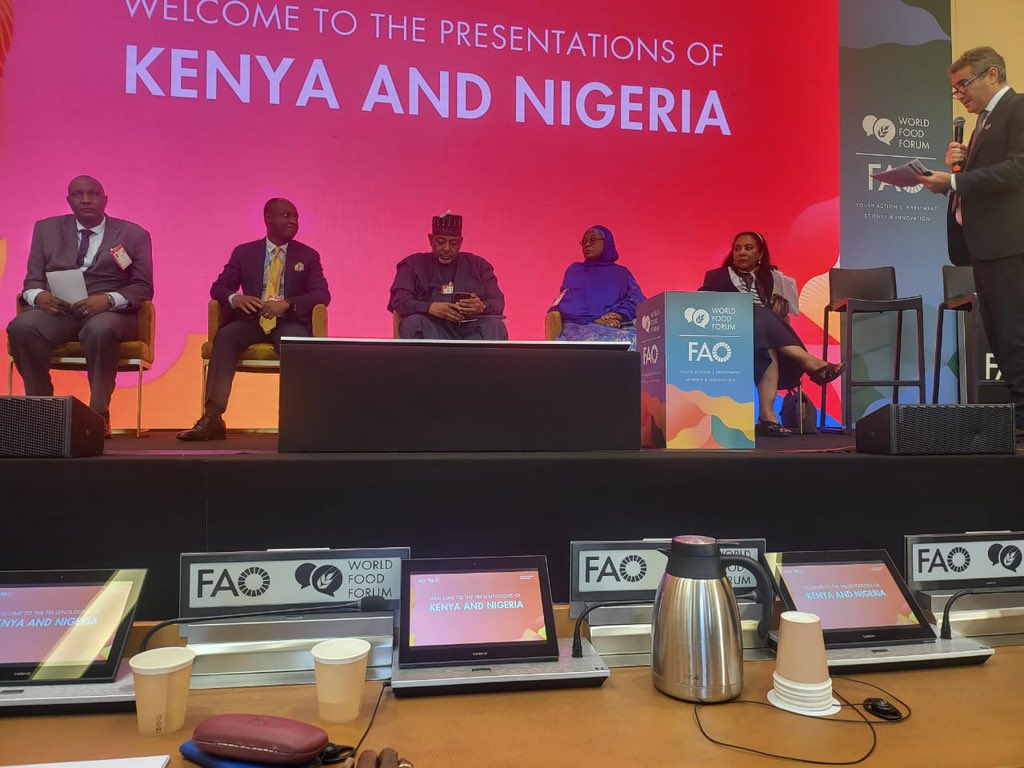
Nigeria’s vast agricultural potential took center stage at the Investment Forum held in Rome, Italy, where a comprehensive presentation outlined the country’s opportunities for foreign and local investment. With a population of 211 million and a GDP of approximately $430 billion, Nigeria remains a key player in Africa’s agricultural sector, contributing 25.58% to the nation’s GDP in 2022. The presentation focused on several key areas, emphasizing both the potential and the challenges facing the sector.

Investment Potential in Key Crops and Sectors

1. Tomato: A total of $869.4 million has been earmarked to enhance tomato productivity and minimize post-harvest losses. This investment will focus on irrigation, the development of processing facilities, and the multiplication of high-quality seeds. Key states targeted for this project include Kano, Bauchi, and Borno, where tomato farming holds significant economic promise.

2. Cassava: Nigeria is already a global leader in cassava production, and a $382.2 million investment will focus on improving yield and reducing losses. The plan includes the establishment of processing units, research support, and the introduction of value chain financing. Ogun, Oyo, and Anambra states will be the primary beneficiaries of this initiative.

3. Maize: With a $1 billion investment, Nigeria aims to substantially increase maize production and processing capacity. This initiative will benefit Katsina, Kaduna, and Oyo states, where maize is a staple crop with high demand in local and international markets.

4. Dairy: The country’s reliance on dairy imports will be addressed through a $476.8 million investment. This program aims to improve dairy productivity, enhance processing capabilities, and promote pasture management. Bauchi, Kwara, and Oyo states are the primary focus areas for this investment.

5. Fisheries and Aquaculture: With a production gap in fish farming, $399.8 million will be dedicated to improving the sector. The initiative is set to target states like Ebonyi, Anambra, Ogun, Kwara, and Oyo, with a goal of bolstering local fish production and closing the supply gap.


Supporting Policies and Incentives

In addition to the direct investments in specific crops and sectors, the presentation also highlighted Nigeria’s commitment to creating an enabling environment for investors. Policies aimed at encouraging investment include tax breaks, incentives for foreign investors to repatriate profits, and local content incentives. These measures are designed to attract more foreign direct investment (FDI) and promote sustainable growth in the agricultural sector.

Hand-in-Hand Initiative

The “Hand-in-Hand Initiative,” a cornerstone of Nigeria’s agricultural development strategy, was also discussed. This program aims to enhance livelihoods, build resilience among smallholder farmers, and develop robust value chains for key crops, including tomatoes, cassava, rice, maize, dairy, and fisheries. The initiative is designed to foster sustainable agricultural practices while promoting economic growth.

A Vision for Sustainable Development

The overall investment plan anticipates $314 billion in development financing. This infusion of capital is expected to generate significant economic and social returns, including job creation, income growth, and reduced carbon emissions. The presentation underscored the importance of collaboration between the public and private sectors to achieve these ambitious goals.

As Nigeria continues to position itself as a global leader in agriculture, the outlined investments are set to strengthen the country’s food security, stimulate economic growth, and create lasting benefits for millions of Nigerians.


Economic experts have identified several infrastructure projects that have the potential to transform Nigeria’s economy, drive industrialization, and create millions of jobs. These projects, if executed effectively, could unlock significant growth in various sectors of the country. Below are six such projects that hold the potential to reshape Nigeria’s future:

1. AKK Pipeline: Reviving Northern Industries The Ajaokuta-Kaduna-Kano (AKK) gas pipeline, which will transport natural gas from Nigeria’s southern region to Kaduna and Kano, promises to be a game-changer. The availability of cheaper energy is expected to rejuvenate the industrial estates in northern Nigeria, especially in Kano and Kaduna, where the textile industry could be revived. This development would create jobs for millions and bolster the northern economy.

2. Coastal Railroad Linking Ports to Manufacturing Hubs A proposed coastal railway linking the western part of Nigeria to the southeast, with spurs connecting key industrial cities like Lagos, Ogun, Onitsha, and Aba, could significantly enhance trade and logistics. This railway would also connect with the Port Harcourt to Maiduguri rail line, providing a comprehensive transportation network. This initiative would boost manufacturing and trade along the Atlantic coast and major industrial centers, accelerating economic growth.

3. Itakpe-Abuja Railway Connection: Enhancing Trade Connecting the Itakpe railway to the Abuja rail line, linking Warri Port to Kaduna, is another critical project. This connection would facilitate imports and exports to the northern region through Warri Port, reducing the pressure on Lagos ports and opening new trade routes for businesses in the north.

4. Dredging the River Niger: Opening Inland Ports The dredging of the River Niger up to Baro will create an inland port, allowing container barges to be transported from Atlantic ports to Kogi State. This would enhance trade in the north-central region, reduce transportation costs, and promote regional commerce through improved access to global markets.

5. Green Wall of Nigeria: Combating Desertification The Green Wall initiative, aimed at creating a natural barrier of trees along Nigeria’s Sahel border, could be transformative. This project seeks to halt desertification, improve soil fertility, and provide opportunities for large-scale farming in the northern desert regions. By adopting modern irrigation techniques alongside this initiative, the agricultural potential of northern Nigeria could be significantly boosted.

6. Gas Infrastructure for Eastern Nigeria: Powering SMEs A project to extend gas infrastructure to the eastern region, tapping into Imo State’s gas reserves, could revolutionize the region’s industrial capacity. By powering small and medium enterprises (SMEs) in key manufacturing hubs like Nnewi, Aba, and Onitsha, this project would support the growing automotive and plastics subsectors, fostering economic diversification.


These six projects underscore the potential for Nigeria to harness its vast natural resources and strategic geographic location to drive industrialization, enhance trade, and create sustainable jobs across the country. With proper execution, these initiatives could propel Nigeria into a new era of economic prosperity.

– Kalu Aja


By James Eze

In the past fifteen years, no artist has promoted Igbo culture with as much creativity and consistency as Chinedu Okoli, aka Flavour. It is truly remarkable how Flavour appears to have out-thought every artist of his generation in his sublime, if not visceral interpretation of the Igbo emotions; the Igbo pride, self-worth, sense of beauty and aesthetics, sense of community, work ethic, sense of wonder, understanding of the good life as well as faith in God. His songs reflect the full range of Igbo emotions, inching dangerously close to approximate the Igbo worldview.

Of course there are occasional straining at the leash of good conduct; that hint at the artist desire to break away and say things that become his age. But he never fails to maintain a healthy balance; that sense of indebtedness to the moral dictates of his cultural milieu. And even when there is a wandering away from the strings that anchor his art, Flavour often delivers his lyrical mission with a compelling mastery that makes it easy to look away at worst or accept it all as art, at best.

It is indeed fascinating to contemplate how Flavour’s art has redefined our cultural landscape in recent times; accompanying us through every milestone and every cultural crossroads. Of special interest is what happened when Governor Soludo marked his Anniversary about a year ago in Awka. Former governor Peter Obi had chosen to arrive the venue right in the middle of Soludo’s address. Upon sighting the popular Labour Party candidate, the Deejay decided to play the devil’s advocate by slotting the song, “Game Changer (Dike). The crowd went wild when Flavour’s voice wafted through the big speakers, chanting: “The Emperor, the conqueror, the champion, the lion is here. Nzogbu nzogbu, enyimba enyi.” It was though the song was announcing the presence of greatness in an assembly of pretenders. Soludo’s voice was drowned in the loud euphoric cheers that greeted Obi, leaving him ruffled and struggling to regain some dignity. Time stood still for a moment. That is the power of music! Hardly do we fully understand nor appreciate it.

Interestingly, Flavour’s body of work covers almost everything. Just the other day, I was struck with awe while watching video clips of intercultural marriages involving some Igbo sons and their brides from other races. The deeply cultural ceremonies acquired a telling nuance with Flavour’s songs accompanying the brides as they filed out with the bridal train and as they performed the bridal dance. No Igbo artist has paid as much attention to the importance of music to marriage ceremonies as Flavour. His impact has been phenomenal in that regard and he continues to dominate wedding ceremonies with songs like ‘Ada –Ada,’ ‘Golibe,’ ‘Ololufe,’ ‘Woman King,’ ‘Good woman,’ ‘Show off,’ ‘Egwu ndi Oma,’ ‘Nwunye Odogwu’ and many more.

The Igbo admire courage, strength, valour and material success. Again, Flavour’s songs help us calibrate moments that call for celebration of these values. ‘Oringo,’ ‘Chimamanda,’ ‘Fearless,’ ‘Lion’s Den,’ ‘Big Baller,’ ‘To be a Man,’ ‘Umuigbo,’ ‘Ndi Ike,’ ‘Igbo Amaka’ and so many other memorable songs from his repertoire make celebrations of success a delightful experience.

Indeed, it is interesting how art easily transits from cheap entertainment to a memorable utilitarian experience, imbuing the society with a new sense of selfhood, needling us all to see ourselves, not from the tinted glasses of philosophy but from the rearview mirror of music that serves as a marker to specific experiences. If indeed life is benchmarked by experience, music heightens our experience of life in such a way that they become touchstones to memory.

Through his hugely successful music career, Flavour N’abania has provided many of these sonic prompts to memory that will last us a lifetime!

And that may be his unstated mission on earth!
Eze is a poet, songwriter and PR Strategist.

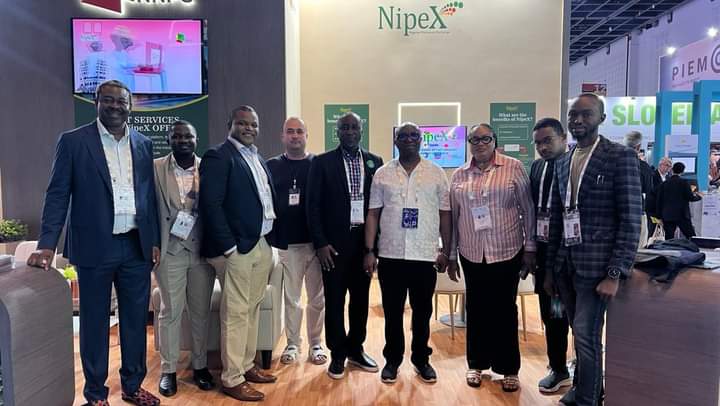
The Nigeria Data Protection Commission (NDPC) is making a strong presence at GITEX 2024, a global technology and innovation event that gathers tech leaders, government officials, startups, and investors from around the world. This year’s edition is centered on the theme of driving future technologies, and Nigeria is seizing the opportunity to present itself as a rising force in the data protection and privacy landscape.

At a breakfast networking event earlier today, Dr. Vincent Olatunji, the National Commissioner and CEO of the NDPC, addressed an audience of international stakeholders, sharing Nigeria’s remarkable journey towards strengthening its data protection framework. Dr. Olatunji highlighted the nation’s achievements in safeguarding data privacy, emphasizing the bold reforms initiated by the government to align Nigeria with global standards.

The NDPC Commissioner spotlighted the recent signing of the Nigeria Data Protection Bill by President Bola Ahmed Tinubu as a landmark development for the nation. “The passage of this bill is not just a legal victory, but a strategic move aimed at attracting Foreign Direct Investment (FDI) into the Nigerian economy,” Dr. Olatunji said. He explained that by putting in place a robust regulatory framework, Nigeria has created a foundation of trust, which is critical for investors looking to enter the Nigerian market.

“The world is increasingly looking for secure environments to do business, and data protection is now at the heart of that conversation,” Dr. Olatunji continued. “With the new law in place, we are sending a strong message to the global tech and business community that Nigeria is ready and capable of safeguarding both financial investments and personal data.”

He went on to assure investors that Nigeria’s digital infrastructure has been bolstered to protect personal data, meeting the rigorous demands of international standards. “Our commitment to data privacy not only strengthens our economy but also builds confidence in our technological ecosystem. We invite global investors to see Nigeria as a reliable partner in the data-driven economy,” he added.

GITEX 2024 is providing Nigeria with a powerful platform to showcase its innovation and resilience. The NDPC’s participation, alongside other Nigerian tech delegates, underscores the country’s ambition to be a major player in the global digital economy. Nigeria’s presence at the event also exemplifies the country’s determination to leverage technology for economic growth, with data protection playing a pivotal role in this vision.

Dr. Olatunji concluded his remarks by reiterating the NDPC’s commitment to championing privacy rights and upholding stringent data protection measures. He noted that as global tech companies and investors look towards Africa for expansion, Nigeria is positioning itself as the continent’s data privacy leader.

As the GITEX 2024 event continues, Nigeria’s delegation is expected to hold several strategic meetings with global tech giants and policymakers, further solidifying its position as a destination for safe and secure digital investments.

#ChampioningPrivacyRights #NigeriaAtGITEX #DataProtectionNigeria #FDIinNigeria


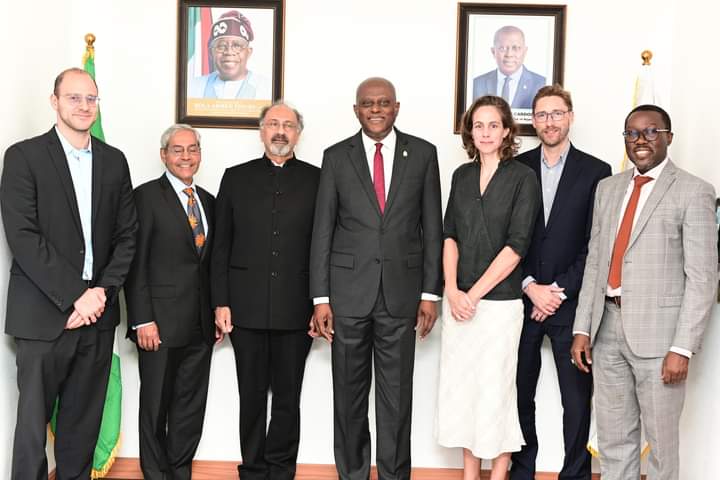
In a significant move toward fostering economic collaboration, the Governor of the Central Bank of Nigeria (CBN), Olayemi Cardoso, welcomed a delegation from the World Bank Group at the CBN headquarters. The delegation, led by Mr. Indermit Gill, Chief Economist and Senior Vice President for Development Economics at the World Bank, aimed to strengthen ties and discuss Nigeria’s economic development trajectory.

The delegation also included Mr. Ndiame Diop, World Bank Country Director for Nigeria, along with other senior officials. Joining Governor Cardoso in the high-level discussions was Deputy Governor of CBN, Philip Ikeazor, underscoring the importance of the meeting.

During the session, the two parties explored areas of collaboration to support Nigeria’s economic growth and development agenda, with a focus on fiscal reforms, financial inclusion, and poverty alleviation. The visit highlights the continued partnership between Nigeria and the World Bank Group as they work together to address the country’s economic challenges and opportunities.