With progress made in accelerating financial inclusion to unbanked and underbanked communities in Nigeria, the Shared Agent Network Expansion Facilities Limited (SANEF) has posited Artificial Intelligence (AI) as the next step to advancement in financial services in the country.

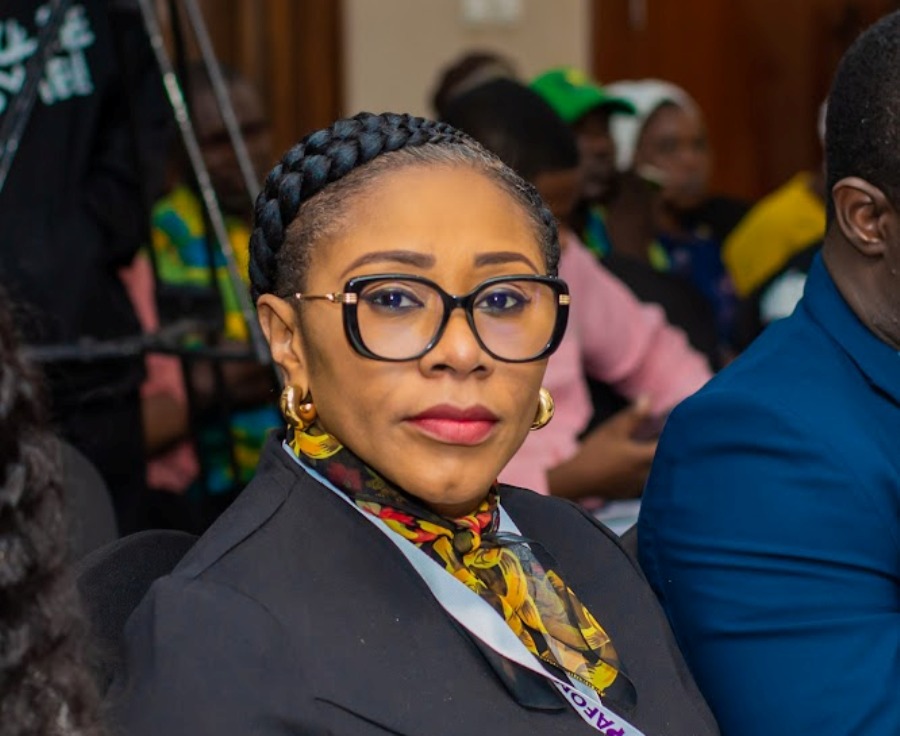
Speaking at the just concluded Payments Forum Nigeria (PAFON 2.0), Uche Uzoebo (Mrs.), MD/CEO, SANEF Limited, noted that as technology evolves rapidly within the financial ecosystem, Financial Inclusion must continue to be at the center of the nation’s progress.

According to her, agent banking has been a game-changer in expanding financial inclusion across Nigeria. “By deploying agents in underserved areas, we have brought financial services and banking products such as account opening, cash in, cash out, bill payment, transfers and other services closer to the unbanked and underserved.”

With the Agent Banking model, SANEF has bridged critical gaps by reducing the need for long queues in physical bank branches, allowing individuals in the hinterland areas to access banking services without traveling long distances. Additionally, agents often communicate in local languages, making transactions easier for those with limited literacy, while reducing reliance on complex documentation. This has remained a critical and important elixir in Financial Inclusion.

She however noted that AI presents a huge opportunity to align with global trends in pushing financial inclusion further and faster.

“It is no gainsaying that, Artificial Intelligence (A.I.) is transforming the financial services industry at an unprecedented pace, reshaping how businesses interact with customers, manage risks, and expand financial inclusion. It has become the invisible engine driving the modernization of financial products and services. It is no longer a futuristic concept; it is at work right now all over the world, powering mobile banking apps, automating customer service, detecting fraud and enabling instant lending decisions.

In Nigeria, where millions remain unbanked and underbanked, Artificial Intelligence presents a game-changing opportunity to bridge financial gaps, enhance accessibility, and improve the overall efficiency of the financial ecosystem.”

She disclosed that the application of AI in the system will among other things, help to:

Ø  Minimize KYC Roadblocks

Ø  Detect Fraud and Flag Suspicious activities in real-time thus enhancing greater trust in digital payments and solutions

Ø  Personalize and Tailor Financial products and services according to customers’ specific needs, amongst other key benefits and advantages.

While highlighting the benefits of AI in the ecosystem, Mrs. Uzoebo noted that stakeholders must work towards guaranteeing that our Artificial Intelligence systems respect individual privacy, maintain equitable standards for all, remain transparent in their operations, and elicit trust.

“The use of Artificial Intelligence in payment solutions and within the broader financial inclusion industry must comply with existing regulatory frameworks such as; Central Bank of Nigeria’s (CBN) Consumer Protection Framework; Nigeria Data Protection Act (NDPA) and National Information Technology Development Agency’s Data Protection Regulation (NDPR),” she cautioned.

SANEF, whose mission is to deepen financial inclusion through partnerships and collaborations, is an initiative of the Central Bank of Nigeria (CBN), supported by the Deposit Money Banks (DMBs), Nigeria Inter-Bank Settlement Systems (NIBSS) and Licensed Super-Agents, and was incorporated in 2019.

SANEF serves as an enabler in the Financial Inclusion ecosystem in Nigeria, collaborating with various Stakeholders to expand the frontiers of Financial Inclusion which includes Agent Expansion, Financial Literacy, Public Enlightenment, Policy Advocacy and Technological Solutions for Products and Services to increase Agent Business viability and Agent Network sustainability.


Mrs. Roberta Edu Oyedokun, CEO of Moppet Baby Food Firm in Lagos, has shared an inspiring personal revelation about career transformation and self-development. While drafting a professional profile recently, she realized how much her career had evolved in just four years—a testament, she says, to the power of consistency and resilience.

In her reflection, Mrs. Oyedokun highlighted her current achievements: driving Moppet Foods’ expansion into major retail chains, securing government-backed partnerships with Community Health Centers, and forging alliances with NGOs. She also serves as an Ambassador for the Lagos State Health Insurance Scheme, advocating for family health access.

What struck her, however, was the absence of any mention of her previous decade-long experience in engineering, technology, media, and production. “Imagine if I didn’t have a profile before now,” she mused. “Yet, in my 30s, I built this resounding profile in just four years.”

Addressing those who might doubt such rapid transformation, she emphasized, “The problem is, we often think such change isn’t possible. But the truth is, you can change your life in four years. You can reshape your profile. You can become whoever you want, whether you’re in your 20s, 30s, 40s, or 50s.”

Her advice? “Do the hard things, show up consistently, and refuse to let challenges break you.”

Mrs. Oyedokun’s story serves as a powerful reminder that reinvention is possible at any stage—with determination and relentless effort.

*—Reported by Anthony Emeka Nwosu

In the heart of Nigeria’s commercial capital, Ikeja, a technology-driven force is steadily redefining how small and medium-sized enterprises (SMEs) operate, communicate, and scale. Menxtt Technology NG, a proudly Nigerian-owned tech solutions provider, is delivering cutting-edge yet affordable IT support, digital marketing, website deployment, and device repair services to SMEs across the country.

From building strategic web assets that attract clients, to managing digital footprints on social platforms, to extending the life cycle of smartphones and laptops through expert repair services, Menxtt Technology NG is proving that cost-effective tech solutions don’t have to compromise on quality.

Bridging the Digital Divide for SMEs

The operational challenges faced by SMEs in Nigeria are enormous—high costs of tech deployment, inadequate in-house IT staff, unreliable online visibility, and recurring device breakdowns. These challenges often stunt business growth, limit outreach, and reduce profitability. But Menxtt Technology NG is changing that narrative.

The company offers a one-stop solution by bundling services such as:

  • Website and Landing Page Creation – Fast, mobile-responsive, and tailored websites that convert visitors into loyal customers.

  • Web Deployment & Management – Full-service hosting, maintenance, and backend support for maximum uptime and business continuity.

  • Social Media Management – Content curation, branding, and community engagement strategies to build and sustain digital audiences.

  • Virtual Business Presence & Brand Identity – Custom branding packages that give SMEs a professional look and feel across digital touchpoints.

  • Smartphone & Laptop Repairs – On-demand, reliable device repairs using genuine parts, saving SMEs the cost of constant replacements.

Mrs. Stepon Nwosu: “We’re not just a service provider. We are SME enablers.”

“At Menxtt Technology NG, we are deeply aware of the burdens Nigerian entrepreneurs carry—from battling infrastructural gaps to trying to keep up with digital trends,” said Mrs. Stepon Nwosu, Principal Partner of Menxtt Technology NG.

“Our mission is simple but powerful: to help SMEs stay visible, functional, and competitive. We don’t just fix devices or build websites; we empower businesses to operate smarter, reach more customers, and save significantly on their operating costs. Every service we offer is built with the small business owner in mind—from the tailoring shop in Aba to the online beauty brand in Lekki. We are their tech backbone.”

Delivering Real Results, Nationwide

Across states and sectors, testimonials continue to pour in. Clients appreciate not only the affordability of Menxtt’s services but also the trust, speed, and long-term impact. One Lagos-based logistics startup reported a 300% increase in online inquiries just three weeks after launching a website and social campaign managed by Menxtt.

The repair service arm of the company, which focuses on pre-owned high-end smartphones and laptops, has also allowed businesses to extend the use of their digital tools, instead of purchasing expensive replacements—saving hundreds of thousands of naira annually.

Digital Empowerment for the Future

With eyes set on the future, Menxtt Technology NG is actively expanding its footprint across major Nigerian cities and working to launch SME-focused digital toolkits and DIY branding kits.

“We want to make tech adoption as easy as breathing,” added Mrs. Nwosu. “We’re creating systems where an SME owner can reach out, state their challenge, and get a full digital transformation plan that fits their budget and vision. That’s the future—and we’re building it today.”

Contact MENXTT TECHNOLOGY NG

For SMEs, entrepreneurs, NGOs, and retail outfits looking for dependable, affordable, and impactful IT solutions, Menxtt Technology NG is the trusted partner for success.

📞 Phone: 08028931940
📧 Email: menxtt.ng@gmail.com
📍 Location: Ikeja, Lagos, Nigeria
🌐 Instagram & Facebook: @menxtt_ng


Menxtt Technology NG – Affordable Innovation, Real Impact.

Joined by Qlik’s AI Council, enterprise leaders to speak at Qlik Connect 2025 on making AI practical, measurable, and real


Orlando, FL, April 23, 2025 – Qlik®a global leader in data integration, data quality, analytics, and artificial intelligence (AI), has announced a new slate of featured speakers for its flagship customer event, Qlik Connect® 2025, taking place May 13–15 in Orlando, Florida. New to the mainstage lineup are leaders from Lenovo, Visa, and Reworld, each set to share how their organisations are putting data and AI to work — not in theory, but in practice, at scale.


Joining them at the event will be the four members of Qlik’s AI Council, a global group of independent AI experts who are shaping governance, policy, and innovation across sectors. Together, this mix of enterprise practitioners and respected AI authorities will frame a grounded view of what’s working now in AI — and what isn’t.


“Our shift from a product-driven to an experience-driven approach means prioritising the satisfaction of our partners, sellers and customers and this isn’t possible without trusted data and applied AI,” said Dilip Bhatia, Vice President and Chief Experience Officer at Lenovo. “At Lenovo, we’re embedding intelligence into the moments that matter along the customer journey — from purchase and design to delivery and support — and we’re doing it at scale. At Qlik Connect, we’re looking forward to sharing how Lenovo is elevating experience by turning insight into action in real time.”  


“You can’t optimise what you can’t see — and that was our reality before we had a unified, trustworthy data foundation,” said Charles Link, Senior Director of Data and Analytics at Reworld. “Now, we’re not just tracking sustainability outcomes — we’re proactively improving them. At Qlik Connect, I’ll share how getting the data right enabled us to put AI to work where it actually counts: in operations, in investment decisions, and in environmental impact.”


“There’s no shortage of AI noise in the market. What’s missing is a sharper focus on how AI is actually being implemented — and where it’s delivering measurable results. Qlik Connect will cut through the noise and showcase the organizations leveraging AI to turn data into better decisions, at scale, in production,” said Mike Capone, CEO of Qlik.


Real-World Stories from Global Enterprises


·      Lenovo – Bhatia leads Lenovo’s global strategy across customer, user, and digital experience. His team will share how data and AI are embedded across the business to drive personalisation, accessibility, and responsiveness—moving Lenovo from a product-centric company to one driven by real-time insights and human-centred design at scale.


·      Visa – Tim Wong, Senior Data Analyst in Visa’s Cybersecurity team, focuses on applying analytics, predictive modelling, and visualisation to keep one of the world’s largest payment networks secure and trusted. He’ll offer a practitioner’s view into using data to address high-impact challenges in real time within mission-critical, global environments.


·      Reworld – Charles Link, Senior Director of Data and Analytics, leads Reworld’s enterprise data strategy, building an AI-ready foundation across 90+ facilities. With decades of cross-industry experience, he’ll discuss how data infrastructure modernisation enables better environmental outcomes, operational efficiency, and scalability—turning sustainability from an aspiration into a measurable, data-fuelled advantage.


Also featured at Qlik Connect will be Qlik’s AI Council, each bringing a distinct lens to the risks and opportunities of AI:


·      Dr. Michael Bronstein — DeepMind Professor of AI at Oxford and a serial tech entrepreneur, Bronstein’s work in graph machine learning and explainable AI will appeal to technical leaders seeking rigour behind the hype.


·      Dr. Rumman Chowdhury — A recognised leader in ethical AI, Chowdhury brings deep experience in algorithmic accountability, fairness, and transparency — critical areas as companies scale AI use in production.


·      Kelly Forbes — Co-founder of the AI Asia Pacific Institute, Forbes is focused on global AI governance and public-private cooperation. Her perspective on cross-border regulatory frameworks is especially timely.


·      Nina Schick — A world-leading authority on generative AI, Schick will explore how enterprises can navigate the political and societal implications of AI responsibly.


Together, these voices will help elevate the conversation — not just on what AI can do, but what it should do, and what it takes to make it work in the real world.


Qlik Connect 2025 will bring together thousands of data, analytics, and technology leaders from around the world. The event will feature hands-on sessions, deep-dive tracks including AI Innovations and Real-Time Data Enterprise, and direct access to experts shaping the future of business intelligence and enterprise AI.


To register or learn more, visit qlikconnect.com

The Abia State Government today unveiled significant upgrades to Port Harcourt Road in Aba, capped by the completion of the new Number One Roundabout constructed by Julius Berger Nigeria PLC. The project forms part of Governor Dr. Alex Otti’s broader modernization drive for the state’s commercial hub.

Officials from the Ministry of Works and Transport explained that the roundabout incorporates contemporary engineering design, durable paving materials and landscaped green spaces to improve traffic flow and enhance civic aesthetics. Although some residents have compared its design unfavorably to more elaborate international models shared on social media, authorities maintain that the structure’s unique features reflect local context and long‑term maintenance needs.

Port Harcourt Road, long plagued by potholes and poor drainage, underwent a comprehensive rehabilitation under the Otti administration beginning in late 2024. Over three kilometres of carriageway have been reconstructed, with new drainage systems, pedestrian sidewalks and street lighting installed along the corridor.

“The Number One Roundabout is more than just a traffic junction; it’s a statement of Aba’s emergence into the 21st century,” said the Commissioner for Works. He added that final touches—including accent lighting, indigenous trees and public‑art installations—will be in place ahead of the official commissioning ceremony scheduled for May 29, 2025.

Local traders and motorists have welcomed the improved road surface and safer driving conditions, though some community members expressed hope that future beautification projects might incorporate more elaborate fountains or sculptural elements.

Once formally commissioned next week, the upgraded Port Harcourt Road and its centerpiece roundabout are expected to bolster Aba’s commercial activities, reduce travel times and underscore the Otti administration’s commitment to sustainable urban development.


By Azuka Onwuka

I heard some people make snide remarks and unnecessary comparisons about the marriage of the son of the founder of Ekulo Group and the daughter of the founder of Nestoil, and I laughed in Nsibidi dialect.

Our people say in pidgin: Person wey no know person dey call am “this person”.

Chief Emma “Bishop” Okonkwo (OFR), Chairman/CEO of Ekulo Group of Companies, a son of Ichi town in Anambra State, is so ingrained in the Nigerian system that most people use his products every day without even knowing that. Most of them have never even heard of him or his company.

Any time you use anointing oil (Goya olive oil), you are most likely using his product. Any time you take Holy Communion, you are most likely taking his product.

If you don’t like alcoholic beverages but like to take drinks in bottles that look like wine brands, you are most likely patronizing him (Eva, Chamdor, Toma, J&W).

If you prefer the milky, sweet-tasting liquers like Amarula, Wild Africa, etc, you are his customer.

But if you prefer brandy (St. Remy, 501, etc), he is quietly waiting for you. And if you prefer whisky, cognac, gin, rum, tequila, champagne, white wine, rosé, or bitters, he is there wherever you turn.

Even if you avoid all forms of drinks, he is waiting for you in the bathroom with different soap brands like Eva, Clear Essence, Gino, Hawaii. If you say no to those, he is waiting for your through his body spray brands.

If that fails, he waits for you to need blood tonic and multivitamins. If you scale that, he is waiting for you when you need to eat biscuits, Danish cookies, lollipop, Titus sardines, corned beef, chocolate, wafers, crackers, etc,

The man is the real definition of “Everywhere you go”.

I don’t know how one man is able to have such amazing number and variety of brands that people patronize heavily with little or no advertising. Those who patronize him don’t even know the owner or distributor of the brand they patronize. It is only in some parts of Anambra State that those with their ears to the ground know him very well.

For Dr Ernest Azudialu Obiejesi, Chairman/CEO of Nestoil, one does not need to talk much about him. His impressive head office keeps his business in people’s view, even if they don’t know much about the man.

But the man, popularly known as Obijackson, is a man who has sworn to turn his Okija hometown into a town that nobody can take for granted.

He has funded various initiatives, including the development of infrastructure, creation of employment, and community support programs. He midwifed the establishment of the first commercial bank in Okija, built the Acropolis Golf and Resort, and supports initiatives like the “Keep Okija Clean Initiative”. He also established the Obijackson Foundation, which focuses on community development, education, healthcare, and environmental conservation.

Some people know how to sink their roots into the ground without any fanfare.

In 2005, a bold move by Google to purchase a struggling startup for $50 million was dismissed by critics as “the dumbest acquisition ever.” The startup? Android Inc. The vision? A free, open-source mobile operating system that no one was asking for—yet.

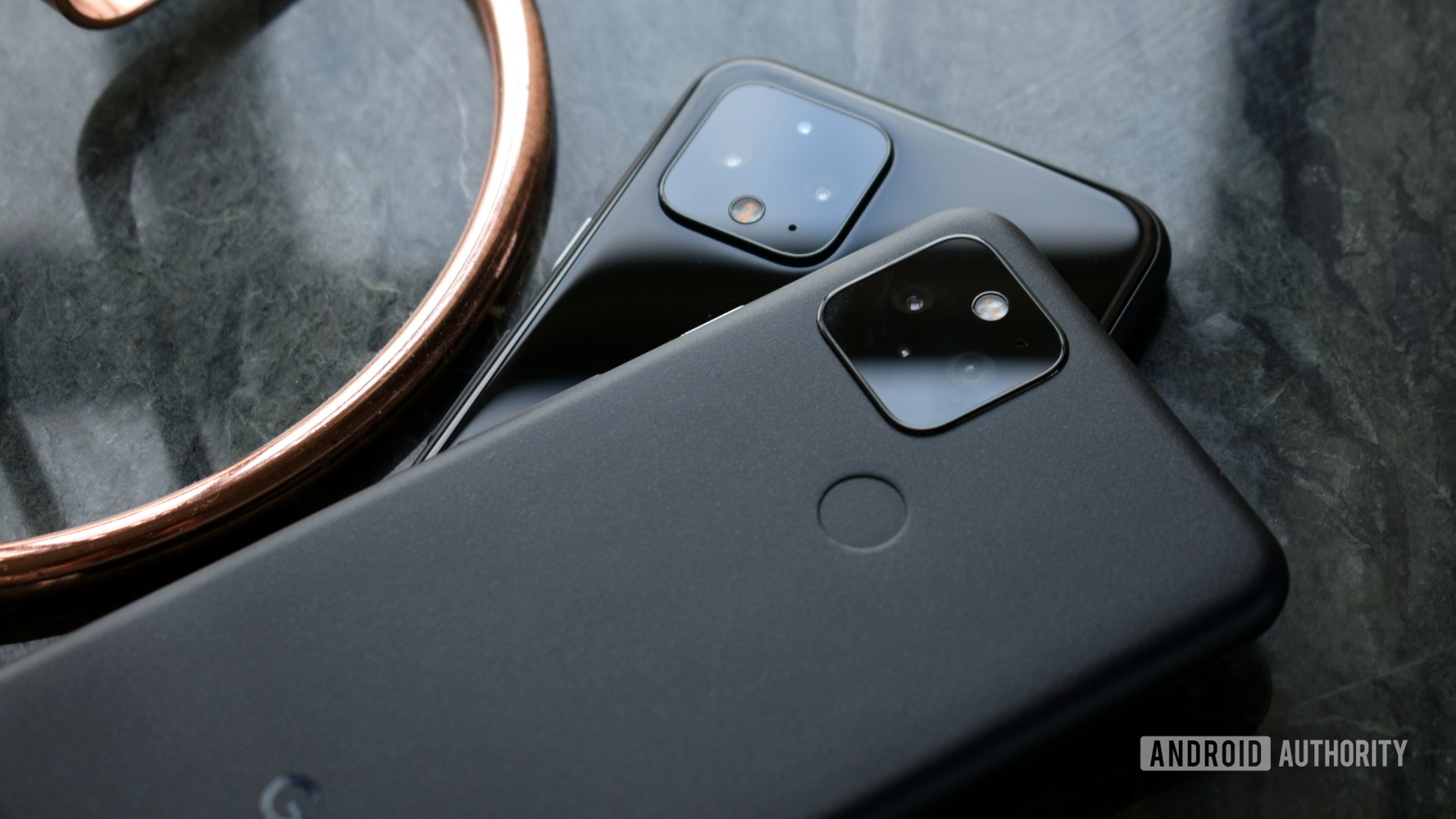
Today, that so-called “dumb decision” is worth over $500 billion and underpins the world’s most widely used mobile operating system: Android. It’s the reason why billions of people worldwide own affordable, high-quality smartphones that aren’t iPhones.Android logo free 3D model | CGTrader

The Beginning of a Tech Revolution

Android Inc., founded by Andy Rubin and three other tech entrepreneurs, had no revenue, no products, and barely any runway. But they had a dream—to build smart mobile devices that understood user preferences and locations, powered by a free, flexible OS.

At the time, the mobile space was tightly guarded. Nokia had its own software. Microsoft sold Windows Mobile. BlackBerry ran everything in-house. The idea of giving away a mobile OS seemed absurd.

But Google saw the future before the rest of the world caught on. Just like their strategic move to acquire YouTube, Google recognized that mobile phones would soon become the primary access point to the internet. And if that future was dominated by Microsoft or Nokia, Google Search—and digital advertising—could be blocked or sidelined.

Google wasn’t just buying software; they were securing the future of their business.

Android’s Open-Source Strategy: The Masterstroke

Unlike its rivals, Google didn’t keep Android proprietary. It went fully open-source, allowing any manufacturer to use and modify the software for free.

That single move changed the game. Manufacturers like Samsung, HTC, LG, and Huawei could now enter the smartphone race without building an OS from scratch. It sparked an explosion of innovation and gave users across the globe more choices than ever before.

The first Android phone, the HTC Dream (T-Mobile G1), launched in 2008. It wasn’t perfect—but it marked the dawn of a new era.

Within a decade, former industry titans like BlackBerry, Nokia, and even Microsoft’s mobile division faded into obscurity, victims of the Android wave.

The True Genius: A Free Platform, A Priceless Ecosystem

Google never intended to make money directly from Android. Instead, Android became the backbone of a powerful ecosystem that generates billions through:

  • Google Play Store fees

  • Digital advertising

  • Google Search integration

  • User data-driven services

Today, Android powers over 71% of smartphones globally, representing billions of users in Google’s digital orbit.

The Bigger Lesson

Google’s investment in Android wasn’t just about mobile—it was about long-term vision. It was about betting on the future of connectivity, digital lifestyle, and data-driven economies.

And in doing so, they taught the world one powerful business lesson:

“The best investments aren’t about what something is today, but what it could become tomorrow. Sometimes, giving away value is the best way to capture it.”

That $50 million “blunder” became the masterstroke that reshaped the global tech landscape—and put Android in the hands of billions.


#TechStories #Android #GooglePlay #Innovation #StartupLessons
Written by Ifeanyi Christopher


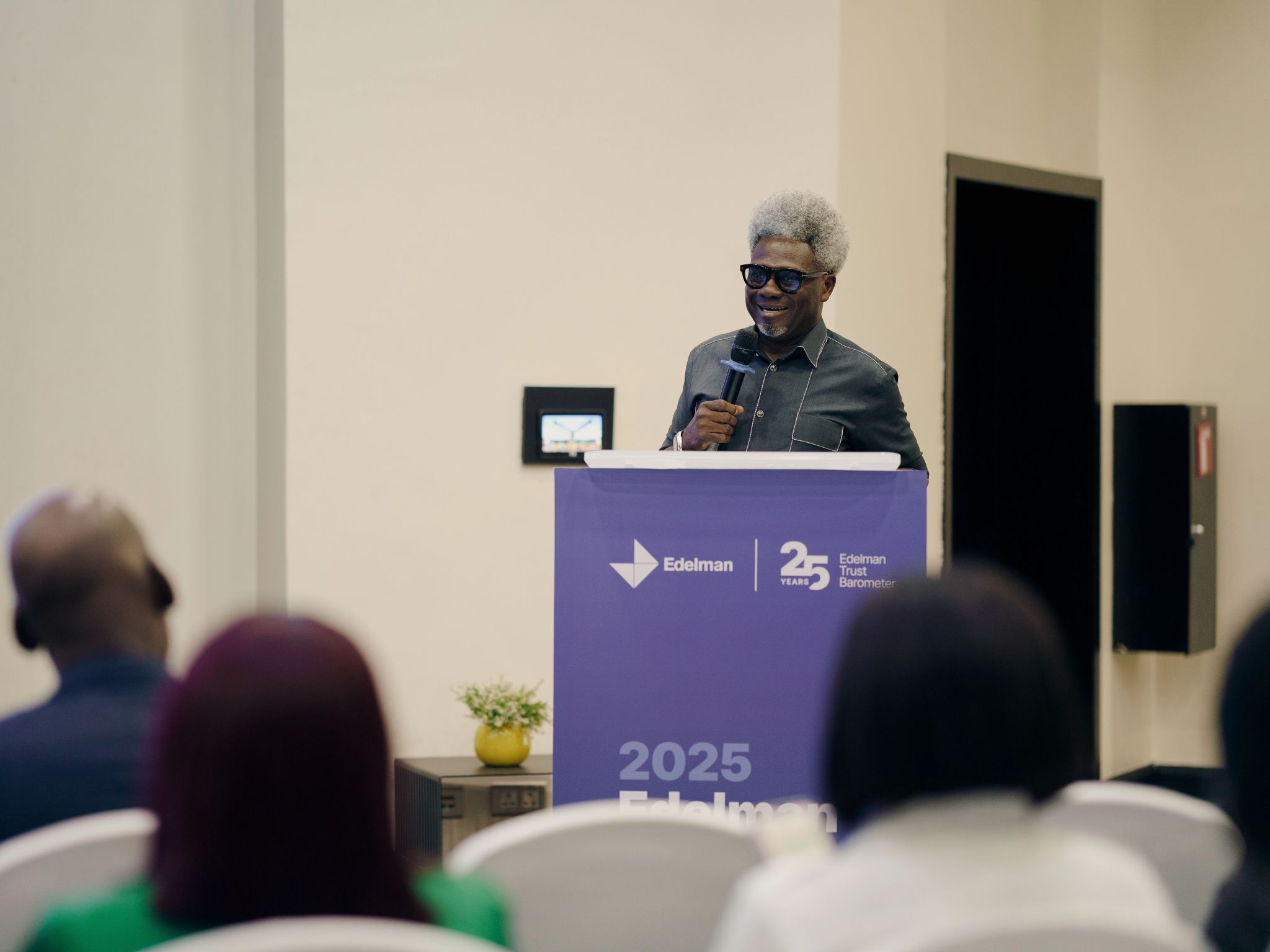
Nigerians have shown a marginal increase in trust levels overall but continue to distrust their political leaders, according to findings from the 2025 Edelman Trust Barometer: Nigeria Report. The report, unveiled on the evening of April 16 at the Four Points by Sheraton Hotel, Lagos, reveals that trust in non-governmental organisations (NGOs), businesses, and media remains higher than in government institutions. Surprisingly, Nigerians trust artificial intelligence (AI) more than other Africans, despite expressing deep skepticism towards CEOs.

The event was organised by THOP – The Holding Opinion and Public, led by Kwame Senou, and featured a keynote address by Dr. Omoniyi Ibietan, fnipr, fapra, MACCE, MIIC, Head of Media Relations at the Nigerian Communications Commission (NCC). Dr. Ibietan stood in for Arik Karani, President of the African Public Relations Association (APRA), and shared insights on the nation’s evolving trust dynamics.

“In 2024, trust stood at 61 percent; in 2025, it has increased marginally,” Dr. Ibietan noted. “However, seven in ten Nigerians still believe their leaders lie, and the gap between rich and poor continues to widen, fueling a sense of injustice.”No alternative text description for this image

The report highlights a growing income-based trust gap, with a majority of Nigerians believing that the wealthy disproportionately benefit from national resources. Notably, one in two respondents believe that hostile activism, including social media campaigns, can drive meaningful change.

One of the most striking findings came from Wandile Cindi, Edelman’s senior strategist from South Africa, who presented the 2025 report titled: “TRUST, AND THE CRISIS OF GRIEVANCE.” He observed that Nigerians show greater trust in AI than their African counterparts. Cindi speculated that this trust might be linked to Nigeria’s impressive roster of unicorn startups such as Interswitch, OPay, Moniepoint, Flutterwave, and Andela, all of which are valued at over $1 billion.

The report, now in its eighth year of Nigerian coverage, is part of a global study spanning 28 countries, with Nigeria, Kenya, and South Africa representing Africa. It focuses on trust across four institutions: government, business, media, and NGOs. Among these, NGOs and media rank highest in public trust, while the government ranks lowest.

Interestingly, Nigerians and Kenyans remain more optimistic about the future compared to South Africans, despite the challenges highlighted in the report.

The Edelman Trust Barometer continues to serve as a critical barometer of public sentiment and institutional trust worldwide, shining a light on the shifting perceptions that define civic and corporate life.

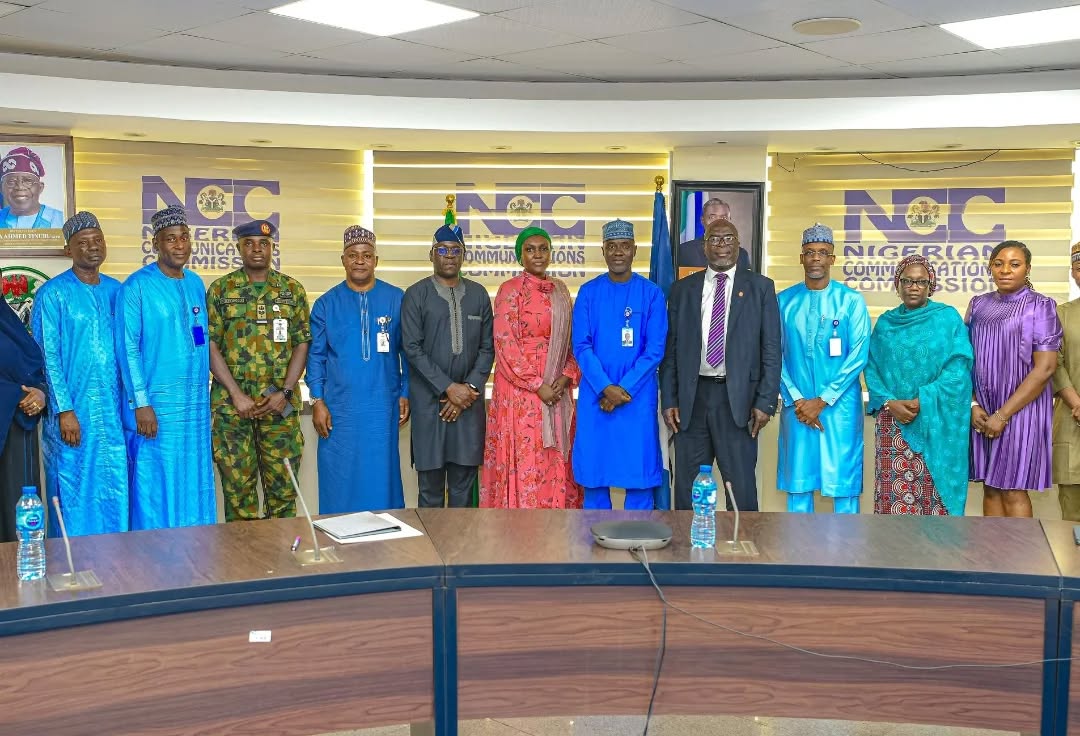
In a heartfelt meeting held at the headquarters of the Nigerian Communications Commission (NCC), two of Nigeria’s key institutions came together with one shared goal: to save lives through better communication.

Dr. Aminu Maida, the Executive Vice Chairman and CEO of the NCC, warmly received Mrs. Zubaida Umar, Director General of the National Emergency Management Agency (NEMA), as both leaders led conversations about a stronger, more connected Nigeria—especially in times of crisis.

For a country as large and complex as Nigeria, emergency situations—floods, accidents, natural disasters—can strike without warning. When they do, timely and accurate information can mean the difference between life and death. That’s why this meeting wasn’t just routine protocol; it was a pivotal step toward giving Nigerians a safer future.

At the heart of their conversation was the plan to develop a National Emergency Telecommunications Response Plan (NETRP)—a nationwide system designed to speed up emergency alerts, help responders coordinate more efficiently, and reach communities that are often left behind.May be an image of 2 people, dais and text

“Emergencies don’t give notice. We must be ready, and that means ensuring our communication systems are not just efficient, but life-saving,” said Dr. Maida, as he emphasized NCC’s role in providing the backbone for real-time, resilient communication during critical moments.

Mrs. Umar echoed the urgency. For her, this initiative isn’t about bureaucracy—it’s about people.

“When disaster strikes, the only thing more important than first responders is the information that guides them. This partnership is about making sure that no call for help goes unheard,” she said.

The meeting wasn’t just about policy; it was about people. About the families who’ve waited too long for help to arrive. About the rural communities who never hear the warnings. And about the need to build a system where, no matter where you live or what network you’re on, you can get the help you need.May be an image of 1 person and dais

To ensure follow-through, both agencies agreed to set up a joint technical committee to bring the plan to life. Field simulations, stakeholder training, and stronger communication networks will form the foundation of what they hope will be a transformative shift in how Nigeria responds to emergencies.

In a world where the unexpected is becoming the new normal, the NCC and NEMA are stepping up—not just with technology, but with empathy, vision, and a renewed commitment to protect every Nigerian life.

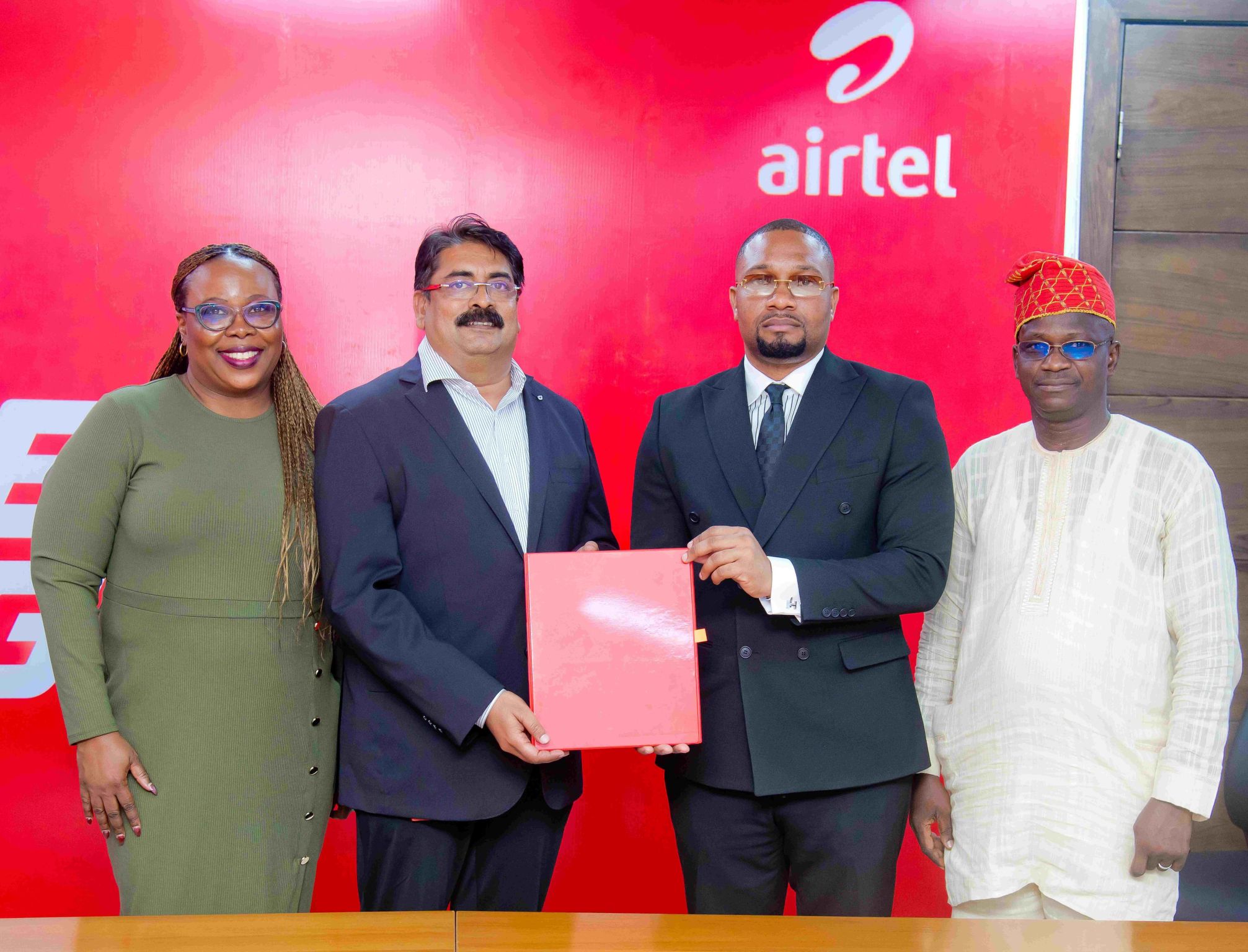
 In a move poised to enhance Nigeria’s small business ecosystem, Airtel Nigeria has officially signed a Memorandum of Understanding (MoU) with the Small and Medium Enterprises Development Agency of Nigeria (SMEDAN), marking the beginning of a mutually beneficial partnership aimed at empowering SMEs across the country.

The landmark agreement was signed over the weekend at Airtel Nigeria’s headquarters in Banana Island, Lagos, by Airtel Nigeria’s Chief Executive Officer, Dinesh Balsingh, and the Director General of SMEDAN, Charles Odii.

Effective from April 17, 2025, the MoU paves the way for Airtel to deepen its engagement with Micro, Small, and Medium Enterprises (MSMEs) by gaining access to SME clusters nationwide. This collaboration is expected to drive growth for Airtel Business through enhanced reach and tailored services designed for Nigeria’s vibrant SME sector.

Speaking at the event, Airtel Nigeria expressed delight in hosting the SMEDAN delegation and described the partnership as a strategic step toward strengthening digital infrastructure and support systems for small businesses in Nigeria.

With this initiative, both organizations aim to create scalable solutions that will boost productivity, improve digital inclusion, and ultimately contribute to national economic development.