
As global cyber threats continue to escalate, with billions lost annually to cybercrime, countries worldwide are increasingly prioritizing cybersecurity capacity-building through strategic partnerships, training, and interventions. Amidst this pressing need, ThinkCyber, a renowned global leader in cybersecurity training, has stepped up to fortify Africa’s defenses. Recently, ThinkCyber launched a groundbreaking partnership with Babcock University in Nigeria, encompassing the School of Computing and the Business School, to cultivate a new generation of cyber defense experts primed to tackle Nigeria and Africa’s unique cyber challenges.

In a recent media session, Ikem Michael Uche, ThinkCyber’s Country/Operations Director, shared insights into the partnership’s objectives and ThinkCyber’s commitment to bolstering Nigeria’s cybersecurity resilience. “ThinkCyber,” he began, “ThinkCyber is a global cyber simulator training company, recognized among Africa’s top three. Our focus is on delivering advanced cybersecurity training and simulations to develop elite cyber professionals for the continent.” This partnership, Uche noted, aims to equip Nigerian students and professionals with cutting-edge cybersecurity skills tailored to the local threat landscape.

The collaboration with Babcock University, initiated through the School of Computing, offers a structured cybersecurity program that introduces students to complex cyber simulation and defense strategies from their third year. The first cohort, which started in early 2024, has excelled, advancing into the final year with commendable skills in cybersecurity. Following the program’s success, ThinkCyber extended its reach to Babcock Business School, thus expanding its impact to graduate professionals aspiring to pivot into cybersecurity. This program began in September, with a unique approach designed to cater to the specific needs of Nigeria’s digital security landscape.

Bridging the Cybersecurity Gap

The program’s curriculum is uniquely crafted to address Nigeria’s pressing cyber threats. It covers essential domains such as penetration testing, Security Operations Center (SOC) analysis, and digital forensics, with an emphasis on skills critical to combating local fraud and cybercrime. “Forensics, in particular, is an area where we’re seeing a real shortage of expertise,” Uche emphasized. “Quality professionals with the knowledge to trace fraud and secure digital evidence are essential, especially in Nigeria’s growing financial and telecom sectors, which are frequent cyber targets.”

Graduates of the ThinkCyber program enter the workforce as multi-capable cybersecurity professionals, ready to operate across various roles from penetration testing and incident response to forensic investigation. “We’re not just filling entry-level positions,” Uche clarified, “we’re creating mid-level experts with competencies spanning multiple cybersecurity domains.” As a testament to the program’s rigor, many graduates have secured permanent positions in Nigeria’s financial sector, where their seven-figure salaries underscore the value of their expertise.

Addressing Nigeria’s Evolving Cyber Threats

Uche explained that Nigeria’s cybersecurity landscape is evolving rapidly, mirroring the nation’s digital transformation. The country’s financial sector, in particular, faces sophisticated attacks, further compounded by emerging technologies like AI and machine learning. As the digital landscape expands, so does the attack surface, particularly with telecom companies now offering banking services.

To address these challenges, ThinkCyber emphasizes a triad of cybersecurity components: technology, human capability, and process. “The technology we deploy, the processes we implement, and the expertise we cultivate must all align to effectively counter cyber threats,” Uche remarked. ThinkCyber’s training model integrates these elements, ensuring that students are well-versed in both the theoretical and practical aspects of cybersecurity.

Pioneering Real-World Simulation Training

ThinkCyber distinguishes itself through its advanced simulator and Endpoint Detection and Response (EDR) tools, which are pivotal in its training approach. “We utilize Spectre, an AI-powered EDR, to record and analyze real-world cyber-attacks across the globe. By studying these recent attack patterns, we prepare our students with the most relevant, up-to-date threat response capabilities,” Uche explained. The simulator-based training ensures that students engage in practical, real-life scenarios rather than hypothetical exercises.

Moreover, ThinkCyber’s proprietary tools, such as the patented CYBERIUM ARENA, provide students with hands-on experience in managing complex cyber threats. “Our training includes real-time hacks,” Uche noted. “We equip students to navigate sophisticated cyber threats, preparing them to secure critical sectors like finance and telecom.”

“We’re not just training experts; we’re preparing defenders for the digital frontier,” Uche concluded, reflecting ThinkCyber’s long-term vision for a secure digital future. With real-time, hands-on training and an unwavering commitment to quality, ThinkCyber and Babcock University are paving the way for Africa’s next generation of cybersecurity professionals.


The Road Ahead: Expanding Training Access

Despite ThinkCyber’s success in developing highly skilled cybersecurity professionals, Uche acknowledged that cost remains a barrier, limiting the program’s reach to only a select few. “Our ambition is to train thousands, but without sufficient funding, this is a challenge. We hope to partner with multinationals, such as Mastercard, to support large-scale training initiatives,” he added. By expanding access, ThinkCyber envisions building a vast pool of cybersecurity experts who can uphold Africa’s digital security needs and contribute to a safer cyberspace for all.

Building a Safer Tomorrow

ThinkCyber’s collaboration with Babcock University marks a significant step toward closing Africa’s cybersecurity talent gap. Through this partnership, Nigeria gains a competitive edge in the global fight against cybercrime, and local industries can access a robust pipeline of skilled cybersecurity professionals. For ThinkCyber, the mission goes beyond merely training individuals; it’s about fostering a culture of resilience and adaptability in the face of an ever-evolving digital threat landscape.

“We’re not just training experts; we’re preparing defenders for the digital frontier,” Uche concluded, reflecting ThinkCyber’s long-term vision for a secure digital future. With real-time, hands-on training and an unwavering commitment to quality, ThinkCyber and Babcock University are paving the way for Africa’s next generation of cybersecurity professionals.


ANTHONY EMEKA NWOSU
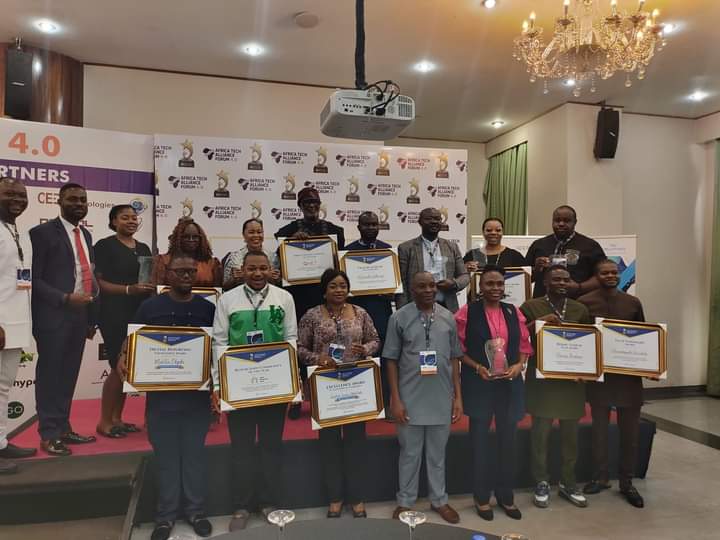
The much-anticipated Africa Tech Alliance Forum (AfriTECH) 4.0 unfolded yesterday at the elegant Oriental Hotels in Lekki, Lagos, gathering a diverse array of technology, business, and government leaders under the theme “Leapfrogging Digital Transformation for the Future of Africa’s Economy.”

As one of Africa’s flagship events for tech innovation and digital advancement, AfriTECH 4.0 attracted a remarkable lineup of speakers, industry experts, and policymakers. Together, they explored how digital transformation can propel Africa’s economy into a more connected and resilient future. This year’s forum featured dynamic discussions across sectors – from telecommunications and e-commerce to software, finance, and public policy – all focused on how emerging technologies can serve as catalysts for Africa’s economic growth and digital evolution.

A Powerful Gathering of Visionaries and Changemakers

The forum opened with an inspiring keynote on the transformative potential of Africa’s tech industry, emphasizing the importance of innovation, adaptability, and cross-sector collaboration in driving sustainable growth. The conversations that followed underscored Africa’s unique position to “leapfrog” by adopting digital solutions to accelerate economic progress, despite the challenges of infrastructure, regulatory frameworks, and digital inclusion.

Attendees were treated to insightful panel discussions, where top professionals and emerging voices in the tech ecosystem shared real-world examples and strategies for overcoming obstacles in the digital landscape. Speakers passionately discussed the importance of embracing new technologies like artificial intelligence, blockchain, and the Internet of Things (IoT), highlighting case studies where digital transformation has had a measurable impact on businesses and communities across the continent.

A Vision for a Digital Future: Collaborative Innovation as Key to Progress

A central message echoed throughout the event was that digital transformation is not merely a goal but a necessity for Africa’s future. The forum emphasized the need for private and public sectors to work closely, developing frameworks that foster innovation while ensuring access to digital resources for all. As several speakers pointed out, Africa has a golden opportunity to redefine its economic trajectory through smart, inclusive technological adoption, paving the way for a digitally-empowered Africa.

The forum was also an opportunity for networking and collaboration, as delegates connected and exchanged ideas, forming alliances that will support future initiatives in digital finance, smart city development, health tech, and education. The atmosphere was buzzing with energy and optimism, as attendees saw first-hand the strength of Africa’s tech talent and the shared vision for a prosperous digital economy.

Memorable Moments Captured in Pictures

About AfriTECH Forum

AfriTECH has become a premier platform for exploring the latest in tech innovation and digital transformation. By bringing together thought leaders and pioneers, AfriTECH drives conversations that shape policies, inspire solutions, and build a more connected future for Africa. For more information about this event and future forums, visit Africa Tech Alliance Forum.

ANTHONY EMEKA NWOSU
 

The forum opened with an inspiring keynote on the transformative potential of Africa’s tech industry, emphasizing the importance of innovation, adaptability, and cross-sector collaboration in driving sustainable growth. The conversations that followed underscored Africa’s unique position to “leapfrog” by adopting digital solutions to accelerate economic progress, despite the challenges of infrastructure, regulatory frameworks, and digital inclusion.


Renowned sculptor Sunday Chukwu has achieved a remarkable feat by creating the world’s largest masquerade sculpture, a towering tribute to cultural heritage that is soon to become a landmark at the Obiago roundabout. Known for his fusion of art and functionality, Chukwu has made a name for himself with his unique metallic gates that blend aesthetic appeal with everyday utility. However, his latest creation, the “Ijele” masquerade sculpture, transcends even his previous works, standing as a testament to his dedication to cultural awareness and pride.

Chukwu’s goal extends beyond mere artistry; he envisions his work as a vehicle for social change and historical reawakening. With the placement of the Ijele at such a prominent public location, he aims to inspire individuals to rediscover and embrace the cultural richness of the Igbo people, which, he believes, has been overshadowed by the tides of westernization and colonial influence. By encouraging a return to these roots, Chukwu hopes to ignite a sense of pride in the Igbo’s pre-colonial civilization and rekindle respect for the ancestral values that shaped it.

The Ijele sculpture is adorned with intricate Uli and Nsibidi symbols, traditional Igbo motifs that represent prosperity, fertility, and harmonious living. These symbols, deeply rooted in the Igbo worldview, invite viewers to reconnect with timeless ideals that once held central significance in Igbo society.

“This is more than art; it’s my own kind of political statement,” Chukwu says, explaining that he intends for the sculpture to be a catalyst for storytelling. Through his work, he hopes to tell the world about the Igbo’s unique history, traditions, and worldview—stories that he feels must not be lost to time.

– Iheoma-Joakin Uzomba, Chukwumeremeze


Airtel Nigeria has marked a significant milestone with the graduation of the first cohort from its Open Talent Economy (OTE) program, an ambitious initiative aimed at preparing undergraduates for the evolving demands of the modern workforce.

The pioneering program welcomed 14 undergraduates from top institutions, including Pan Atlantic University, Lead City University, Federal University of Technology Akure, Oduduwa University, and the University of California. Over a period of 120 days, these young talents received hands-on field training and contributed to live projects, gaining direct experience in real-world business environments.

Dubbed “Airternship,” the OTE program serves as a mutual engagement platform, allowing Airtel Nigeria to connect with the ambitions and perspectives of the youth while equipping them with the skills needed to thrive professionally. The program reflects Airtel Nigeria’s commitment to nurturing future leaders by providing practical experiences that go beyond the traditional classroom setting.

“Airtel Nigeria’s mission is to give young talents a reason to imagine and dream big,” stated Airtel Nigeria’s CEO. “With initiatives like the Open Talent Economy program, we’re not only preparing the youth for success but also gaining invaluable insights into their aspirations, allowing us to better support their professional journeys.”

This first cohort’s success highlights Airtel Nigeria’s dedication to empowering the next generation of leaders and innovators. As the program continues to expand, Airtel Nigeria reaffirms its commitment to supporting Nigerian youth and shaping a vibrant future for the nation.


…as ATAEx Awards set to reward deserving individuals, corporate and government agencies

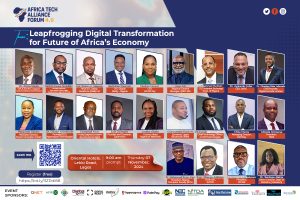
The highly anticipated Africa Tech Alliance Forum [AfriTECH 4.0: https://africatechallianceforum.africa/] is scheduled to hold today Thursday, November 07, 2024 at Oriental Hotel, Lekki Road, Lagos-Nigeria.

The forum will bring together industry leaders, policymakers, innovators, and entrepreneurs to explore the theme Leapfrogging Digital Transformation for Future of Africa’s Economy.”

AfriTECH 4.0 is poised to address critical conversations around the digital evolution of Africa, with a focus on key topics such as emerging technologies, sustainability, policy frameworks, and innovation in the tech ecosystem.

The forum will highlight the importance of building sustainable and inclusive digital infrastructures that can drive economic growth and social development across the continent.

Event Highlights Include: Keynote Presentations, Panel discussions, Networking Opportunities.

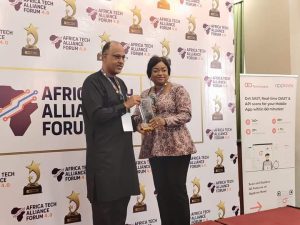
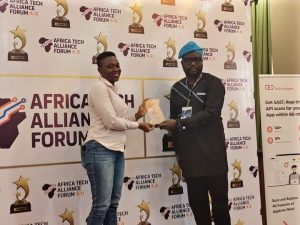
Also, the prestigious Africa Tech Alliance Excellence (ATAEx) Awards will recognize individuals, businesses and institutions leading digital transformation in Africa.

Special Guests:

Dr. Aminu Maida, a distinguished leader in telecommunications and digital transformation; Kashifu Inuwa Abdullahi, CCIE, a transformative leader in Nigeria’s technology landscape, currently serving as the Director General of the National Information Technology Development Agency (NITDA); Professor Ibrahim Adepoju Adeyanju, the CEO of Galaxy Backbone, a key government-owned technology and digital infrastructure company; Biram Fall, the Regional Managing Director, QNET, a leading e-commerce-based direct selling company; Ebehijie Momoh, the CEO of AfrigoPay Financial Services Limited, where she leads the company’s mission to provide innovative payment solutions across Africa.


Others are; Dr. Muhammed Sirajo Aliyu, President of the Nigeria Computer Society (NCS); Dr. Temitope Alakija, Senior Lecturer in the Department of Statistics at Yaba College of Technology [Yabatech] Lagos; Adesola Akinsanya – President, Nigeria Internet Registration Association (NiRA); Engr. Gbenga Adebayo, Chairman, Association of Licensed Telecommunications Operators of Nigeria (ALTON); Tony Izuagbe Emoekpere – President, Association of Telecommunications Companies of Nigeria (ATCON).


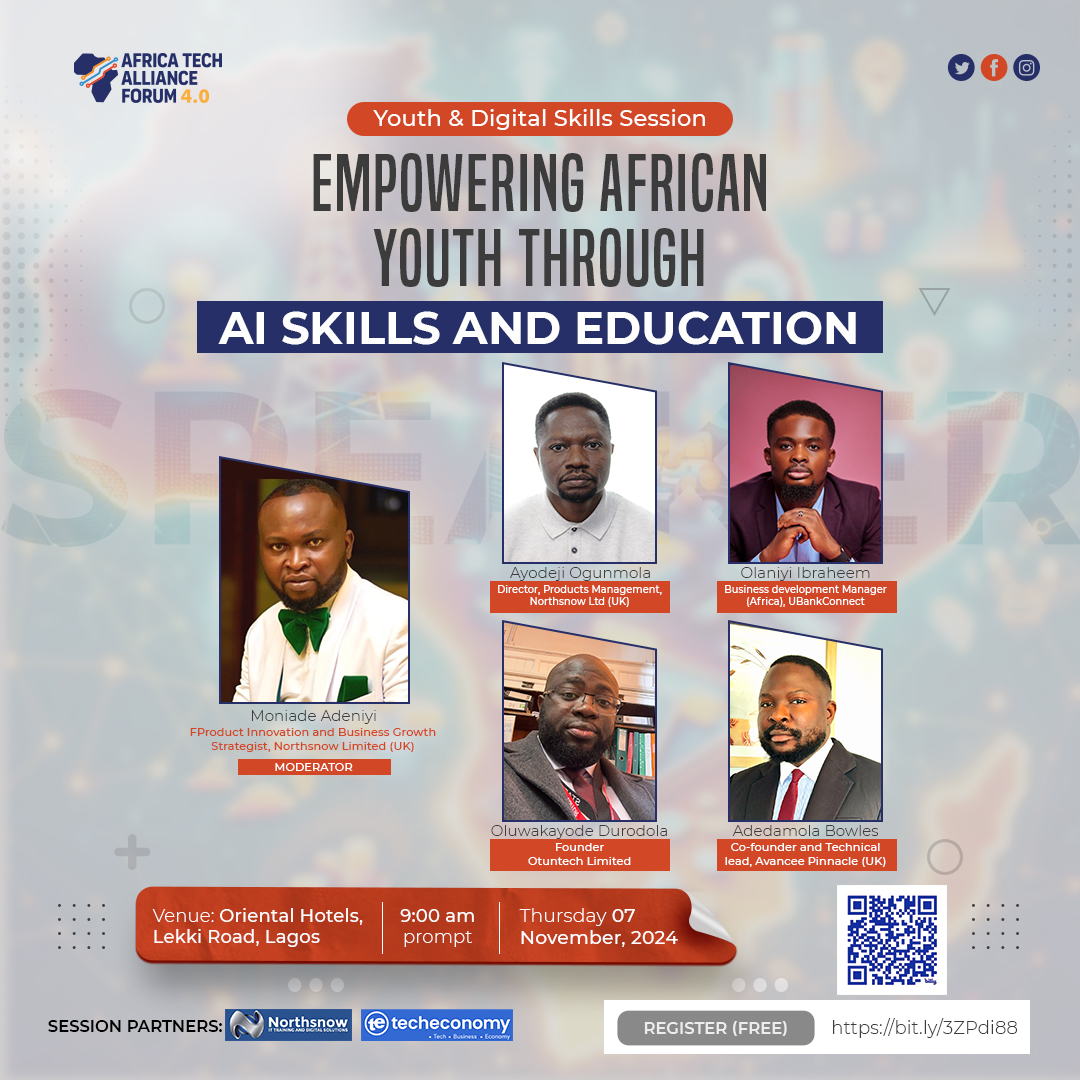
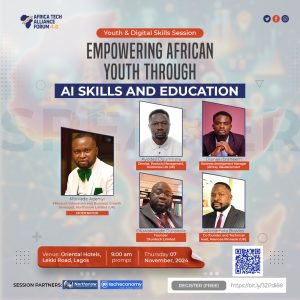
Also speaking are; Engineer Ikechukwu Nnamani – CEO, Digital Realty (Nigeria); Dr. Obadare Peter Adewale, Chief Visionary Officer, Digital Encode Limited; Mr. Emmanuel Amos, Founder – Programos Foundation/InnovationBed Africa; Chukwuebuka Ume-Ezeoke, Chief Technology Officer at CED Technologies; Dr. Oluseyi Akindeinde, Founder, Hyperspace Technologies; Happiness Obioha, Managing Director, Tecom Concepts Limited; Chukwuemeka Mbaebie, Convener, Lagos Blockchain Week; Akeem Ajisafe, Managing Director, Transblue Limited; Chika Nwosu, Managing Director, PalmPay; Jude Ozinegbe, Founder/Convener at Cyberchain; Mohammed Rudman, CEO, Internet Exchange Point of Nigeria [IXPN]; Dr. Ayotunde Coker, CEO Open Access Data Centres (OADC); Kehinde Ogundare, country manager, ZOHO [Nigeria]; Ayodeji Ogunmola, Director, Products Management at Northsnow Ltd; Oluwakayode Durodola, founder, Otuntech Limited; Lovelyn Okafor, Country Head, Nigeria at Newmark; Olaniyi Ibraheem, Business Development Manager (Africa) at UBankConnect; Adedamola Bowale, Co-founder & Technical Lead at Avancee Pinnacle, and Moniade Adeniyi, Product Innovation & Business Growth Strategist, Northsnow Ltd.


Meanwhile, innovationbed Africa is set to host “Startup Showcase” at AfriTECH, a session dedicated to startup finalists for this year’s United Nations World Summit Awards. Discussants include – David-Bobola Ojoawo, the Producer for Compas.AI; Stephen Adeyemo of Expertplug; Siro Collins, CEO of Advanced Engineering Center (AEC), WSA Winner 2023; Elijah Moses, Producer for VerionX; Rasheed Aliu Producer for LOOPBOX; Musami Umar Musam, founder of RollMal; David Ezeonyekwere, the founder of CheapMarketDeal, and Sule Wisdom David, the founder of CyclexAfrica.


QNET is the gold sponsor of AfriTECH 40. Silver Sponsors – Galaxy Backbone, Digital Realty, Digital Encode Ltd. Bronze Sponsors – CED Technologies, AfriGoPay, Tecom, Northsnow UK, Hyperspace Technologies, Palmpay, OADC.


Ecosystem Partners: NCC, NITDA,, InnovationBed Africa, ALTON, ATCON, NCS, IXPN, NiRA, Lagos Blockchain Week, Newmark Group, all are supporting AfriTECH 4.0.


Media Partners include; Techeconomy, NigeriaCommunicationsWeek, ITPulse, Ravenews, TechTrends.Africa, TechBuild.Africa, GrassRoots, DigiVation Network, TechLifewithUgo, BusinessMetrics, BusinessRemarks, SwiftReporters, TechTV, Africa Hyperscalers Media, CyberEra, ITRealms, DigitalTimes, TechnologyMirror, TechandBizNews, ITNewsNigeria.


“AfriTECH 4.0 will also feature interactive panel discussions, workshops, and exhibitions that will explore other critical topics such as artificial intelligence (AI), blockchain, fintech, smart cities, and sustainable innovation”, said Chike Onwuegbuchi, co-convener of AfriTECH. “We are grateful to the sponsors and partners”.


“Attendees will have the opportunity to engage directly with the speakers, as well as network with other industry leaders, innovators, and investors”, he added.


Participation

Online participants can join using the Zoom link here: https://shorturl.at/ETAPq.


In the heart of Nigeria’s bustling technology sector, a silent challenge looms—thousands of job opportunities in the IT space are going unfilled, not due to a lack of demand, but because of a gap in the necessary skills. As the digital economy continues to expand, the need for specialized tech knowledge is more pressing than ever. To address this, E-mmerx and Codefest International Ltd. have embarked on an ambitious mission to equip Nigerians with the expertise needed to meet these growing demands.

This capacity-building initiative, aptly named the “Microdegree Programs – Microsoft Skills for Jobs,” promises to transform the career trajectories of many Nigerians. It aims to provide participants with cutting-edge training that opens doors to opportunities on a global scale—all for less than $500. This low-cost access to world-class education is revolutionary, particularly in a market where many are eager to join the tech industry but lack the means to get started.

At the signing of the Memorandum of Understanding (MOU) between E-mmerx and Codefest International, key leaders in the initiative, including Emmanuel Kayode, CEO of E-mmerx – Authorized Partner KAMK Microdegree Program and Moss Uromtah, Co-Founder and CEO of Codefest International, underscored the urgency of their mission. “We’re not just offering a program,” Uromtah said passionately. “We’re giving Nigerians a real chance to change their lives, to upskill themselves, and to fill the critical roles in the IT sector that are currently vacant.”

The tech industry in Nigeria is booming, but as the demand for cloud computing, data analysis, and software development soars, the gap between available jobs and skilled professionals widens. This program is designed to close that gap by providing intensive training in Microsoft Cloud technologies—skills that are in high demand both locally and globally. For many Nigerians, this represents an unprecedented opportunity to become part of the digital economy without needing to leave the country.

What makes this program even more remarkable is its affordability. The training, which would typically cost 3.5 million naira per participant, has been heavily subsidized by the European Union, covering over 85% of the fees. As a result, students only need to pay 15% of the amount to receive top-tier training and complete six micro-degrees that are globally recognized. This level of support is a testament to the value of investing in human capital, particularly in a country where tech could be a significant driver of economic transformation.
Beyond the cost, what truly sets this initiative apart is its promise of employment upon completion. Uromtah explained that graduates of the program are guaranteed job placements with a variety of companies using Microsoft Cloud technologies. “You won’t just finish with a certificate in hand,” he said. “You’ll have employers lining up, eager to bring you on board. This program isn’t just about upskilling—it’s about changing lives and filling the very real demand for skilled IT professionals in Nigeria and beyond.”

“The implications of this initiative are far-reaching. For Nigeria’s labor market, it offers a pathway to reduce unemployment while addressing the critical shortage of skilled tech workers”, Kayode Emmanuel said. For individuals, it’s an opportunity to break into a highly lucrative sector with real growth potential. As Uromtah emphasized, “We are bridging a skills gap that has long held back our IT sector. This is more than a program—it’s a movement toward a better future for the next generation of tech leaders in Nigeria.”

The Microdegree Programs are backed by KAMK University, Finland and will provide participants with both academic credits and industry certifications. These certifications are recognized by Microsoft and other leading global tech companies, ensuring that graduates can compete in a global job market. The program’s focus on practical, hands-on learning means that participants will leave with not only theoretical knowledge but the skills needed to hit the ground running in their new roles.

The first batch of students is set to begin training on November 9, and the window for applications is open until the end of the month. Codefest International and E-mmerx are working diligently to ensure that as many Nigerians as possible can take advantage of this life-changing opportunity. E-mmerx and Codefest are determined to fill every available spot with eager learners ready to take their place in the tech world.

For more information and to apply for the program, aspiring tech professionals are encouraged to visit  https://e-mmerx.com/mdp/  and secure their place in what promises to be a trans-formative journey.
This initiative isn’t just about filling jobs—it’s about empowering Nigerians to take control of their futures, ensuring that they have the tools and knowledge to thrive in a fast-changing world. With the support of KAMK, E-mmerx, Codefest International, and partners like the European Union, Nigeria’s tech future looks brighter than ever.


A groundbreaking achievement took center stage this week as the Dangote Group officially launched Africa’s largest tomato processing plant in Kano, northern Nigeria. This $20 million investment, five years in the making, is more than just a facility—it represents hope, resilience, and a bold step towards Nigeria’s agricultural self-sufficiency.

For years, Nigeria, despite being one of Africa’s largest tomato producers, faced the paradox of relying on imports, particularly from China, to meet local demand. This new plant changes the landscape. It is expected to save the country $20 million a year, previously drained by these imports. By shifting the economic tide back to Nigerian soil, the plant promises to not only improve the nation’s trade balance but also fortify the local economy in significant ways.

In a region where agriculture is a way of life, this facility means security for thousands of farmers who often struggle to find stable markets for their produce. Now, rather than watching their crops perish without buyers or endure the grueling challenge of seasonal price fluctuations, local farmers can look forward to guaranteed demand for their tomatoes. It’s more than just a business; it’s a lifeline.

Amina, a local farmer in her 30s, has been cultivating tomatoes with her family for over a decade. She shared, “Before, we would worry every season about finding someone to buy our harvest. Sometimes, we would lose half our crop just because we couldn’t sell it on time. Now, with this plant, I know I can provide for my family. It’s like a burden lifted.”

The Dangote plant is more than an industrial facility; it’s a catalyst for community transformation. With sustainable jobs at the plant itself and steady demand for agricultural labor, the project aims to reduce the pressing issue of rural-to-urban migration. Many young people in northern Nigeria leave their homes in search of work in big cities, sometimes facing challenges and hardship. This facility provides a new opportunity to thrive locally, revitalizing these communities with jobs, stability, and pride.

“We’re not just processing tomatoes; we’re nurturing our future,” remarked Aliko Dangote, the visionary behind this project. He emphasized that the plant’s value goes beyond profits—it’s about supporting Nigerian farmers, creating a sustainable ecosystem, and showing other African nations what’s possible when local resources are harnessed and invested in with purpose.

Beyond its immediate economic impact, the plant holds symbolic significance. It stands as a testament to the idea that Africa’s food security and economic growth can and should be driven by African investments. In a world grappling with food insecurity, this facility proves that solutions can and should come from within.

Anthony Emeka Nwosu


The TABS-D Framework, a breakthrough in applied AI education pioneered by digital communications and AI expert Celestine Achi, has achieved a significant milestone with the strategic support of Oluwamuyemi Orimolade, an integrated marketing communications authority in tech, and Thelma Okoh, a prominent public relations leader and council member of the Nigerian Institute of Public Relations. This partnership has empowered the TABS-D Framework to drive practical AI capacity building across Nigeria.

Through Cihan Digital Academy’s AI Automation and AI Coding Masterclass Series in Lagos and Abuja, this initiative has delivered a hands-on learning experience that turns theoretical concepts into actionable expertise. Accredited by the Institute of Information Management, Africa, the Masterclass in AI Automation offers a unique certification, validating the framework’s credibility and alignment with industry standards.

“The TABS-D Framework exemplifies our dedication to producing measurable outcomes in AI education,” said Celestine Achi, CEO of Cihan Media. “The invaluable support from leaders like Oluwamuyemi Orimolade and Thelma Okoh has helped propel our vision of building practical AI capabilities that impact Nigeria’s technology ecosystem.”

Oluwamuyemi Orimolade emphasized the framework’s relevance: “In today’s dynamic tech environment, frameworks like TABS-D are critical in closing the gap between theoretical knowledge and practical application.” Similarly, Thelma Okoh noted, “The success of TABS-D in Lagos and Abuja illustrates the transformative potential of a practical, results-focused approach to AI education in Nigeria.”

Key Achievements under this Collaborative Leadership:

Impactful AI Automation Masterclasses: Hosted in key Nigerian cities, these masterclasses have equipped participants with practical skills and knowledge.

Successful Transition of Participants to AI Practitioners: Graduates of the program have become AI practitioners, building and deploying AI solutions as proof of the framework’s effectiveness.

Industry-Driven Curriculum: Guided by industry experts, the TABS-D framework prioritizes real-world application to ensure relevance.

Expanded Impact through Strategic Advocacy: Collaboration with influential voices in tech and communications has amplified the framework’s reach and significance.

With the steadfast support of these leaders, the TABS-D Framework is paving the way for a more hands-on approach to AI education in Nigeria. This partnership underscores a shared commitment to equipping Nigeria’s tech community with tools for practical innovation in artificial intelligence.


About the Leaders:

Celestine Achi is an AI innovator and CEO of Cihan Media, the pioneer of the TABS-D Framework, and founder of Cihan Digital Academy.

Oluwamuyemi Orimolade is a seasoned marketing communications expert in the tech industry, specializing in strategic marketing and communications.

Thelma Okoh is a respected public relations leader and council member of the Nigerian Institute of Public Relations, known for her extensive experience in corporate leadership.


The Nigeria Data Protection Commission (NDPC) has taken a significant step in advancing data protection awareness in Nigeria by signing a Memorandum of Understanding (MoU) with popular social media influencer, Enioluwa Adeoluwa. This collaboration aims to reach Nigeria’s vast social media user base and promote awareness about data privacy rights and responsibilities.

During the signing, the National Commissioner and CEO of the NDPC, Dr. Vincent Olatunji, emphasized the scale of Nigeria’s social media engagement, noting that an estimated 40 million Nigerians interact online daily. He explained that the partnership with Enioluwa is designed to educate individuals about their privacy rights while reminding data controllers and processors of their obligations under Nigeria’s data protection regulations. “With Enioluwa’s extensive social media following, this partnership is poised to amplify the Commission’s message, expanding public understanding of our mandate and advancing our roadmap for awareness creation,” Dr. Olatunji stated.

Enioluwa expressed enthusiasm for the collaboration, highlighting his commitment to national development beyond financial gain. He urged young Nigerians to be actively involved in shaping the nation, emphasizing, “We all have a part to play in making Nigeria great.”

The Nigeria Data Protection Act, which officially established the Commission, was enacted on June 12, 2023, under President Bola Tinubu’s administration. Since its inception, the Commission has worked tirelessly under Dr. Olatunji’s leadership to ensure that every Nigerian is informed about their rights to data privacy. The MoU with Enioluwa marks another milestone in NDPC’s mission to safeguard privacy rights in an increasingly digital society.

This partnership underscores the growing importance of data protection in Nigeria and the proactive steps the NDPC is taking to create a privacy-conscious culture among Nigerians.


By Alex Galbraith, CTO, Cloud Services at SoftwareOne

Working with data can be a blessing and a curse. While it is the definitive factor that empowers digital transformation efforts, aids decision-making and stores an organisation’s most valuable and confidential assets, dealing with data is often a business’ greatest challenge. As the world’s dependence on data grows and the threat of cyberattacks increases, businesses need solutions that will them manage, govern, and safeguard their data more efficiently – and this is where digital sovereignty comes in.

Digital sovereignty helps people, businesses, and countries to stay in control of their digital assets and data. It goes beyond ownership of data – it means having full authority over everything from where and how data is stored and processed to fostering independence in technological development to enforcing local laws and regulations within the digital space. Ultimately, it offers businesses increased control, security, and independence of their data.

However, with the number of data-localisation measures more than doubling in the past four years, restricting data within national borders that is important, sensitive or could be linked to national security, dealing with data has become even more tricky. Data localisation creates barriers to innovation and seamless data flow – crucial factors for driving forward digital sovereignty. Regulations such as GDPR, DORA in the EU, and HIPAA in the US are prime examples where organisations must be compliant – or risk hefty fines and reputational damage if they do not measure up.

So, let’s explore why digital sovereignty is so important for businesses, how leaders can and should implement digital sovereignty practices, and how to overcome the challenges this key topic creates.

The importance of digital sovereignty

Why is digital sovereignty worth the investment and attention? It gives organisations increased control over data and keeps them compliant in the face of evolving data localisation regulations. By maintaining control over data processing and storing data within their geographic neighbourhood, companies can reduce the risk of unauthorised access to sensitive information, enhancing cybersecurity and risk management. This control enables organisations to more effectively comply with local data protection laws and reduce the risk of data breaches, severe financial penalties, and reputational damage.

Digital sovereignty also boasts infrastructure independence and resilience, enhancing an organisation’s ability to weather threats to business continuity. By reducing dependence on imported technologies and services, companies can maintain critical operations even when international supply chains or services are compromised. This resilience was particularly evident during the COVID-19 pandemic, where organisations with greater digital sovereignty were able to pivot and adapt quickly in the face of international uncertainty.

Moreover, organisations with strong digital sovereignty are better positioned to compete in the global marketplace, as they can more rapidly develop and deploy unique digital solutions without being hindered by dependencies on global supply chains or foreign regulations.

Creating a digital sovereignty action plan

The benefits of digital sovereignty are clear. Any organisation that uses and holds data needs to build a digital sovereignty action plan to adhere to regulation and protect their digital assets, but also capitalise on the new opportunities these create. This action plan should consist of four pillars – regulation and compliance, data governance, digital infrastructure, and innovation.

First comes regulation and compliance. Businesses should identify digital sovereignty champions in the business to keep on top of evolving regulations and conduct regular compliance audits. This will prove vital to stay up to date on the latest developments and ensure compliance with local legislation.

Next, data governance. Businesses should implement robust data protection measures to fortify their defences and stop data falling into the wrong hands. This will also help to create transparency of data processing activities.

The third pillar is digital infrastructure. Organisations must focus on developing robust, secure and compliant digital infrastructures that protects against the increased velocity and sophistication of cyberattacks, data breaches, and other cyber threats. Similarly, these solutions should be architected with resilience at their core, with clear business continuity and disaster recovery infrastructure and plans. Subject to the nature of their regulatory footprints, businesses would be wise to consider sovereign cloud solutions to their action plan, or alternatively enable sovereignty controls in existing solutions.

Finally, innovation and a competitive spirit. As a core pillar to business success, balancing investment in digital assets with investment in talent and research and development will be key to unlocking innovation.

Balancing the challenges of digital sovereignty with future opportunities

While a digital sovereignty action plan sounds great in theory, there are still three major hurdles that businesses must overcome to make this plan a reality.

First, navigating regulatory and governance issues; organisations must comply with evolving, and sometimes conflicting, regulatory frameworks while still enabling innovation. This regulatory landscape is particularly complex in regions like the European Union, with GDPR and DORA leading the charge. Leaders must remain mindful of regulation and ensure compliance at every stage of their digital sovereignty journey.

Next, the technical obstacle of building and maintaining independent digital infrastructure while ensuring robust cybersecurity measures. This requires considerable expertise to bring infrastructure up to scratch and satisfy regulations. With big players such as AWS, Microsoft Azure, and Google Cloud Platform fast becoming commonplace, working with tech partners that specialise in digital sovereignty will be key to keeping operations and data secure.

Finally, the economic challenges of data sovereignty, including the high costs of developing domestic technologies, potential loss of economies of scale when moving away from global providers, and ongoing maintenance costs. Attempting to build and implement a digital sovereignty strategy in-house can prove significantly more expensive than turning to industry experts.

However, despite these obstacles, the benefits of digital sovereignty are worth the investment. Increased control, security, and independence outweigh the difficulties, and success often comes through innovative problem-solving and strategic partnerships that help address these complex challenges. For instance, choosing the right partners that offer all-round, all-in-one digital sovereignty services and having a global presence with local expertise will be crucial to getting the most out of your digital investment.

By embracing digital sovereignty, organisations can not only protect themselves from cyber-risks and boost their cybersecurity but can also gain independence, resilience, and a competitive advantage. As businesses continue to step up their up digital transformation efforts, a clear plan for digital sovereignty will prove vital to comply with regulations and protect their most valuable assets.