Vertiv™ PowerUPS 9000 UPS system provides highly energy-efficient, scalable and reliable power protection for space-constrained environments


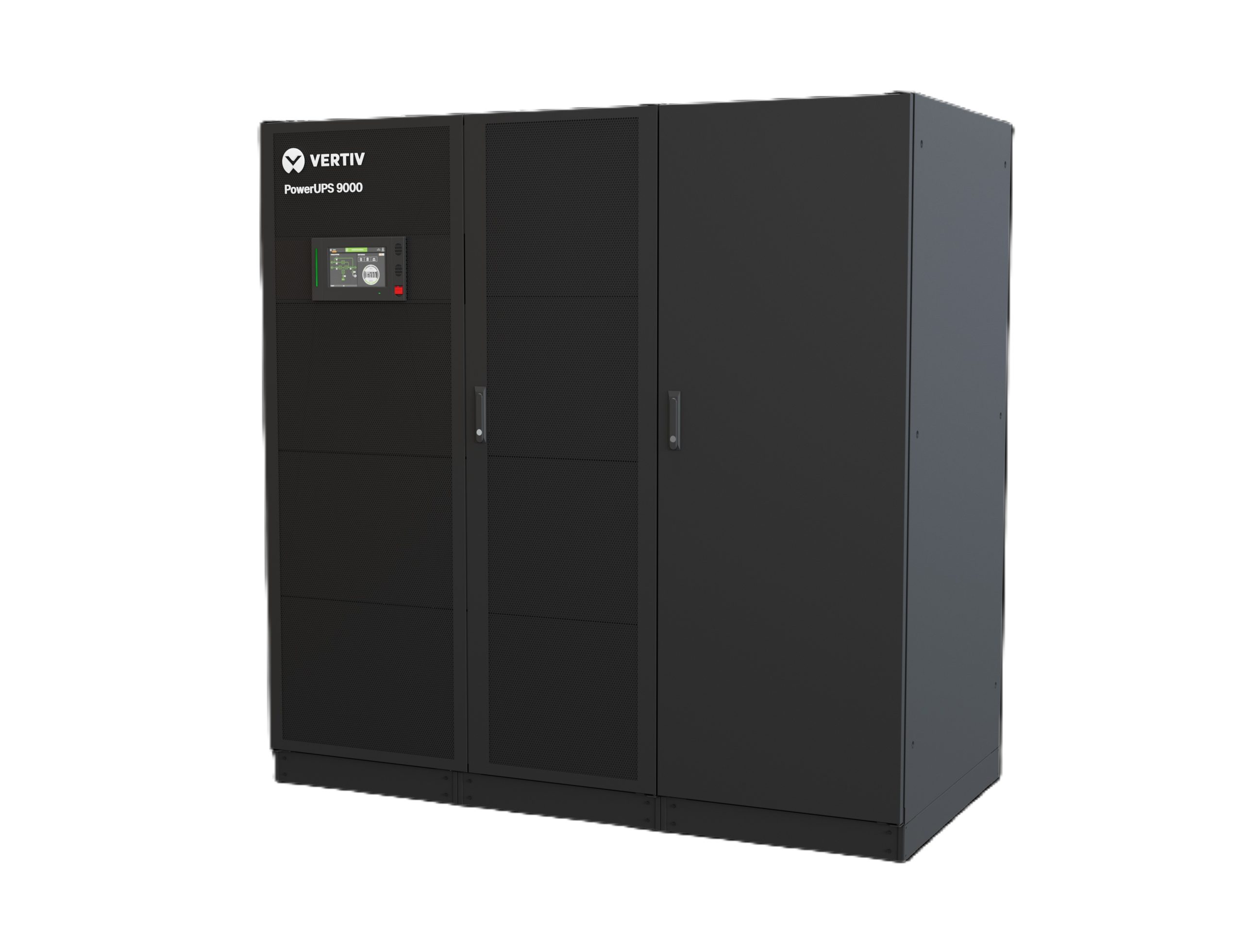
Vertiv (NYSE: VRT), a global provider of critical digital infrastructure and continuity solutions, today introduced the Vertiv™ PowerUPS 9000, an energy-efficient, high-power density uninterruptible power supply (UPS) system with a compact footprint. The system is engineered to support IT applications from traditional computing to high density applications. It is available globally in UL and CE models, from 250 to 1250kW per unit.


The Vertiv PowerUPS 9000 is designed for high-power density, as well as a high double-conversion efficiency of up to 97.5%. The system enables fast and easy installation, with top or bottom cable entry, as well as backfeed protection and ground fault kit options that are embedded in the system without need for extra space or on-site installation. The units are deployable anywhere in the world, reducing potential procurement and service inconsistencies, delivery delays and downtime.


“The Vertiv PowerUPS 9000 UPS is engineered to maximise reliability and efficiency and to minimise footprint and complexity,” said Giovanni Zanei, vice president, large power at Vertiv. “With its modular structure and high-power density, it will deliver energy-efficient, reliable power protection that data centre customers are looking for to protect both traditional and mixed AI applications.”


The Vertiv PowerUPS 9000 is Vertiv’s most efficient UPS in its product class, with a physical footprint 32% smaller than previous generations. It is compatible with Vertiv™ EnergyCore lithium battery cabinet, and other battery technologies, including Valve-Regulated Lead-Acid (VRLA) and Nickel-Zinc.


Dedicated, segregated controls and dual, hot-swappable communication and control boards allow each power module to operate independently. In the event of a fault, the affected module can isolate itself, thereby protecting the other modules and enabling continued operation. The continuous-duty solid state static bypass switch optimises the bypass line, and the system is fully hot-service and hot-swappable, meaning maintenance and upgrades can occur without downtime.


The Vertiv™ PowerUPS 9000 can be enabled with Vertiv™ Next Predict, a preventative maintenance strategy with advanced monitoring, data-driven health analytics and insights that optimises site operations. By leveraging AI and machine learning algorithms to monitor actual equipment conditions and measure equipment health, Vertiv offers a comprehensive solution for optimal equipment performance and longevity.


In Vertiv’s test labs, Vertiv engineers subjected Vertiv PowerUPS 9000 to extensive Engineering Validation Tests (EVT) and Design Validation Tests (DVT) against a wide spectrum of operational conditions to confirm its performance and reliability in real-world scenarios. It also passed additional environmental, performance and corner case tests – including debris protection, structural tests of seismic integrity and durability, and voltage surge and sag tests – that simulated extreme conditions the system may encounter.


Additional information about the Vertiv PowerUPS 9000 and the full portfolio of data centre power solutions from Vertiv is available at Vertiv.com.


# # #
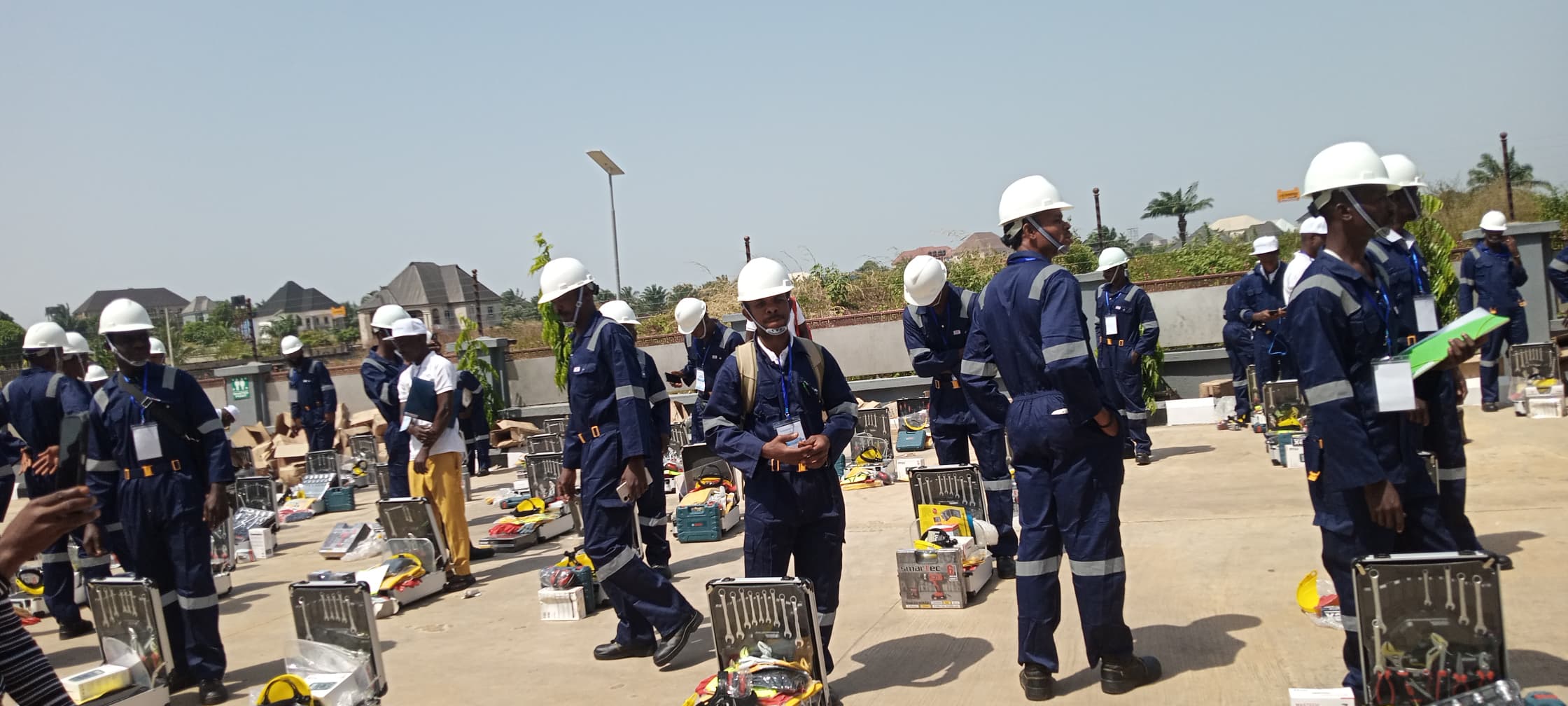
 

         …Hands Over Startup Electrical Tools

Driving the Renewed Hope Agenda of President Ahmed Bola Tinubu’s administration, aimed at creating wealth and employment opportunities for Nigerian youths, the National Agency for Science and Engineering Infrastructure (NASENI), has completed a 5-day training for 100 youths in Ebonyi State on Modern Methods of Electrical Installations and Maintenance.

The training of the youths which took place at Remeritona Hotel and Suites Abakaliki, Ebonyi State, from 26th-29th November 2024, focused on advanced Installation of Electrical Wiring, Appliance Repair, Solar Power Installation, Electrical Panel Maintenance, Safety Inspections and Upgrading of Electrical Systems.

Speaking at the closing ceremony of the 5-day training, the Executive Vice Chairman/CEO of NASENI, Mr. Khalil Suleiman Halilu said by paying particular attention to job creation through skills acquisition training, the Agency is contributing to economic growth, creating enabling environment  for the development of skills and poverty alleviation, making way for socio-economic development and to guarantee a safe and brighter future for the youths.

The EVC/CEO, who was represented by the Coordinating Director, Finance and Account, NASENI, Mr. Ibrahim Baba Dauda, said, “Statistics show that building construction is on the rise and there is high demand for quality electrical and maintenance skilled workforce, which is why NASENI embarked on this training, the third in the South-East zone.

The first two of the exercises took place in Anambra State on Solar Installation and Maintenance and Imo State respectively. According the EVC/CEO, “It is imperative to let you know that we draw inspiration from President Tinubu’s Renewed Hope 8-Point Agenda, which focuses on Ending Poverty, Economic Growth, Job Creation, Food Security, Access to Capital, Improved Security, Enabling Environment, Rule of Law, and the Fight against Corruption.”

He noted that aside from job creation, the Ebonyi programme will guarantee employability and economic opportunities for the youths, meet industry demands, safety and compliance, energy efficiency, skill and community development, technology advancements, global Opportunities and personal growth amongst others.


“It is heart-warming to note that the 100 Ebonyi youths who are here today, participated in this training. These youths, our future leaders, will go forward from here to embark on a journey that will transform their lives and empower them to contribute to the growth and development of our nation generally and specifically Ebonyi State”, he stressed.

He urged the beneficiaries to make judicious use of the startup kits handed over to them to build their career and train others. He further advised the participants not to sell the kits and tools that were given to them. “You must not sell the start-up kits, because money in the accounts now is just temporary, but the skill which you have will give you identity”.

In his address, the Executive Governor of Ebonyi State, Hon. Francis Ogbonna Nwifuru, represented by the Commissioner for Skill Development and Job Creation, Hon. Elija Okwu Oko Udu, said Ebonyi state said the training and youth empowerment carried out in collaboration with NASENI was a clear manifestation of the State’s vision to create opportunities for every Ebonyi youth to succeed and contribute meaningfully to society.

“Through this workshop, we did not only train 100 young men and women but also equipped them with startup tools to further their careers. This investment is a declaration of trust in your ability to lead, innovate and inspire. Skill acquisition is not just about individual growth, it is about building resilient commitment and a robust economy.

The youths were handed over startup kits containing, face shield, earmuff, hard hat, coverall, insulate glove, safety boot, safety eye goggle, fishing tape, cardless hammer drill, measuring tape, wire striper, non-contact tester, Allen wrench set, wireless inspection camera and conduit bender amongst other modern electrical tools.


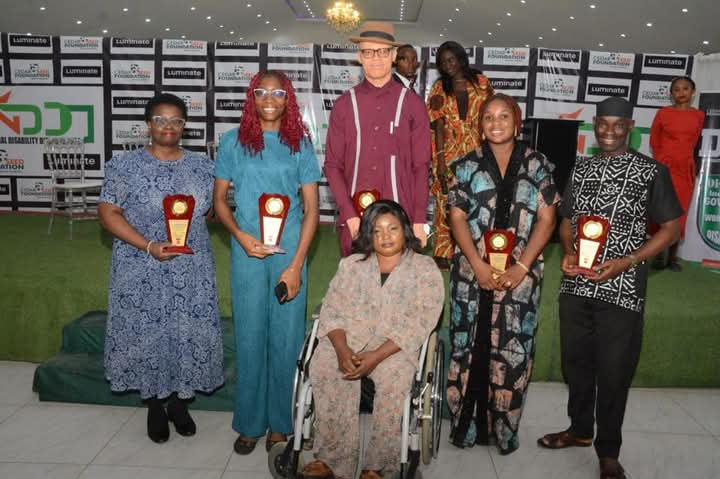
The Nigeria Data Protection Commission (NDPC), led by its National Commissioner and CEO, Dr. Vincent Olatunji, has reiterated its commitment to protecting the privacy and data rights of all Nigerians, including persons with disabilities (PWDs). Dr. Olatunji was represented at the National Disability Dialogue 2024 by Saratu Samande, a legal expert and the Commission’s Technical Assistant on Legal Services.

The dialogue, organized by the Cedar Seed Foundation, focused on the theme “Technology, Democracy, and Disability Inclusion in Nigeria.” It brought together stakeholders to address the challenges and opportunities at the intersection of technology and disability inclusion.

In her goodwill message, Samande reaffirmed the NDPC’s mission to build trust in the digital ecosystem by safeguarding personal data and privacy rights, particularly for vulnerable groups like PWDs. She emphasized the Commission’s approach of “privacy by design,” which ensures that privacy considerations are embedded into the development of artificial intelligence (AI) and other technological solutions from the outset.

Speaking as a panelist in a session titled “Bridging the Digital Divide: Ensuring Equitable Business Access to AI Technologies and Data for Persons with Disabilities,” Samande highlighted how inclusive AI solutions can significantly enhance the quality of life for persons with disabilities. She explained that by prioritizing privacy and accessibility, these technologies can expand access to assistive devices and create equal opportunities across various sectors.

In recognition of its contribution to advancing disability inclusion, the NDPC was honored with an award presented to its National Commissioner.

The event underscored the Commission’s role as a champion of privacy rights and an advocate for digital inclusion, particularly for marginalized communities in Nigeria.


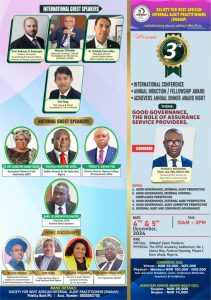
December 4th, 2024 – The Society for West African Internal Audit Practitioners (SWAIAP) is set to host a major event on December 4th, 2024, focusing on the vital role of assurance service providers in promoting good governance in West Africa. The event will feature three key programs aimed at strengthening the sector and recognizing outstanding professionals.

The 4th Annual Induction & Fellowship Award will kick off the day’s activities, followed by the 3rd International Conference, where experts will discuss the pivotal role of assurance services in good governance. The day will conclude with the 1st Achievers Merit Award, celebrating individuals who have demonstrated excellence in the field.

SWAIAP has encouraged professionals in the industry to register for the conference, with an invitation to both physical and virtual attendees. While the event is free for qualified inductees, fees for other participants are set at N55,000 (USD 50) for physical attendance and N25,000 (USD 25) for virtual participation.

To register, interested individuals can click here. Payments for registration can be made to SWAIAP’s Fidelity Bank account:

Naira Account: Fidelity Bank Plc
Acct. Number: 5600583752

The full Program of Events is available for download here.

For more information or inquiries, participants can reach out via WhatsApp or phone at +234 8033169799, or email info@swaiap.org or swaiaporg@gmail.com.

This event promises to be a cornerstone for professionals in the assurance services sector, with discussions set to shape the future of good governance in West Africa.


As technology evolves at an unprecedented pace, staying ahead has become critical for industries, especially in telecommunications. Regulators like the Nigerian Communications Commission (NCC) are tasked with keeping up to ensure the telecom ecosystem thrives. In a major step forward, the NCC has outlined an updated list of licensing agreements aimed at strengthening Nigeria’s telecom industry, fostering innovation, and ensuring quality services for consumers.

One of the key areas the NCC is addressing is access to connectivity. For instance, the Wholesale Wireless Access license allows companies to offer large-scale wireless services to meet the growing demands for data and internet access. Alongside this, the Open Access Fibre Infrastructure license supports the expansion of high-speed broadband, ensuring Nigerians benefit from faster and more reliable internet connections.

The Commission also places a strong emphasis on Value Added Services (VAS), which enhance telecom offerings beyond basic calls and texts. Licenses in this category include those for services like mobile content creation, special numbering solutions, and customer support systems via call centers. These licenses are critical for businesses looking to innovate and deliver tailored solutions to Nigerian consumers.

Infrastructure is another area the NCC is targeting. Licenses for Submarine Cable Infrastructure & Landing Stations, National Carriers, and Unified Access Services are designed to create a strong backbone for telecom operations across the country. These licenses ensure that businesses and individuals alike have access to seamless and reliable communication networks.

The regulator is also accommodating niche services, such as vehicle tracking, trunk radio operations, and public payphone services, through specific licensing. Moreover, licenses for Internet Services and Internet Exchange Platforms highlight the NCC’s commitment to improving the country’s digital landscape, supporting both businesses and individuals in their daily connectivity needs.

To ensure a collaborative and competitive environment, the NCC has introduced licenses for Infrastructure Sharing and Collocation Services. These allow operators to share resources, such as towers and data centers, reducing costs and improving efficiency.

Beyond licensing documents, the NCC has introduced operational frameworks to guide the industry. For example, the Mobile Virtual Network Operator (MVNO) Licensing Framework provides a pathway for companies that want to offer telecom services without owning physical infrastructure. Similarly, the Accounting Separation Framework promotes transparency, helping operators separate costs and revenues for better accountability.

The NCC has also introduced innovative frameworks for high-speed connectivity, such as the 70/80GHz E-Band Licensing Framework, which is tailored for enterprise services and last-mile connectivity. Additionally, the Unified Access Service Framework simplifies the licensing process for operators offering a combination of telecom services.

By introducing these updated licenses and frameworks, the NCC is setting a bold vision for Nigeria’s telecom sector. The aim is to create a dynamic environment where businesses can thrive, consumers get better services, and Nigeria’s position as a tech hub in Africa is solidified.

These changes reflect the NCC’s commitment to driving progress and ensuring that the telecom industry keeps pace with global trends. Operators, innovators, and stakeholders are encouraged to explore the full list of requirements available on the NCC website, as they align with this new wave of technological advancement.


Lagos manufacturers are raising their voices against the harassment and bottlenecks they face from multiple regulators and agencies in the state. The outcry follows a viral video showing a man destroying a delivery van loaded with sachet water, popularly called “pure water,” intended for a customer. The incident has sparked widespread criticism and concern among stakeholders in the business community.

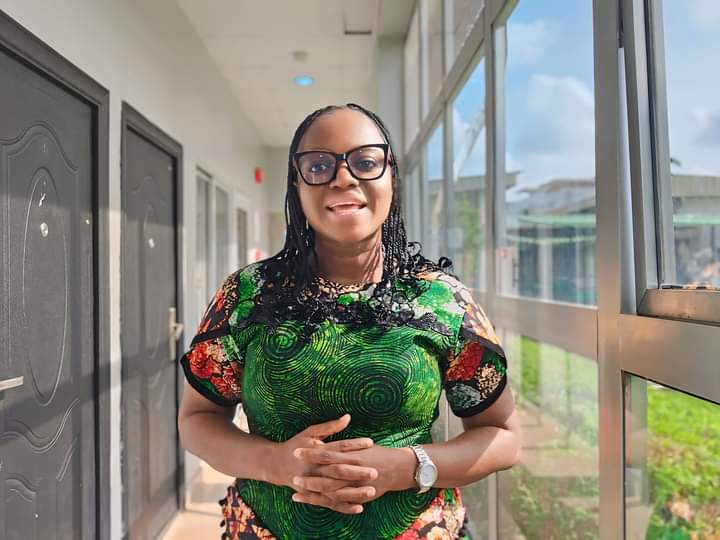
One of the prominent voices speaking against this troubling trend is Engr. Roberta Edu, CEO of Moppets Baby Food, a Lagos-based infant food manufacturing firm. Reacting to the video, Edu described it as a reflection of the “huge regulatory gap” plaguing the Nigerian business environment.

“The viral video showing a man destroying sachet water in a van that was out for delivery highlights the huge regulatory gap we have in the country,” she lamented. “Now, NAFDAC has denied their involvement, and Lagos State Environment has also distanced themselves from this act.”

Edu shared her personal experiences at a recent program organized by Helen Keller International, where other manufacturers also voiced concerns about the challenges of navigating Lagos’s convoluted regulatory landscape.

“In Lagos, everyone seems to act as a regulatory body, and there is nowhere to report these malicious acts,” she explained. “After obtaining approvals from NAFDAC and SON to standardize a factory, local government officials often show up with conflicting demands, creating chaos and enforcing compliance through harassment and threats.”

She further criticized the lack of accountability and enforcement in such cases, stating, “We cannot be talking about the ease of doing business in Nigeria while leaving touts on the road to destroy businesses. Up till this moment, the culprit behind this incident has not been identified or held accountable for the destruction caused to the sachet water business. And this is just one out of millions of similar incidents.”

Edu’s comments echo the frustrations of many business owners struggling to operate in an environment plagued by overlapping regulations and harassment. The call for streamlined regulations and improved enforcement mechanisms is growing louder as stakeholders demand action to protect businesses and foster economic growth in Lagos.

Anthony Emeka Nwosu


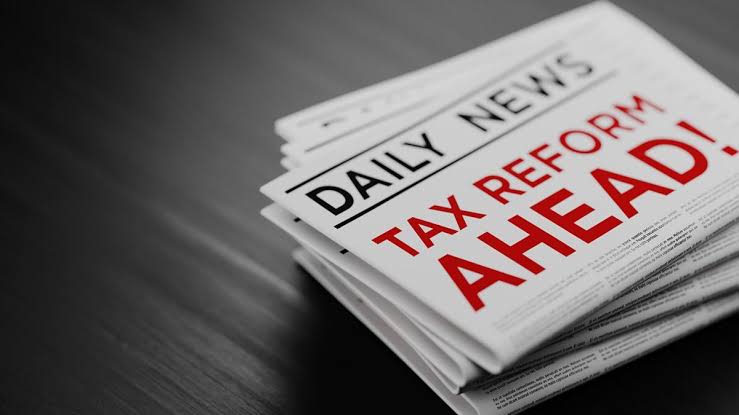
The recently proposed tax reform bills in Nigeria have stirred intense discussions among citizens and stakeholders. While some Nigerians commend the initiative as a step toward a fairer tax system, others express concerns about its potential economic impact. The bill, which introduces significant changes to the country’s tax structure, aims to implement a progressive tax regime that ensures individuals and businesses contribute to national revenue based on their earnings.

Under the proposed framework, individuals earning up to ₦800,000 annually will be exempt from paying taxes, providing relief to low-income earners. For those earning above this threshold, the tax rate gradually increases based on their income level. The next ₦2,200,000 of income will be taxed at 15%, followed by 18% for the subsequent ₦9,000,000. Higher earners will pay 21% on the next ₦13,000,000, while those with incomes exceeding ₦25,000,000 will face a 23% tax rate. For the wealthiest individuals with annual earnings above ₦50,000,000, the tax rate is set at 25%.

This system aligns with the principles of a progressive tax regime, where higher-income earners contribute a larger share of their earnings to the government compared to those with lower incomes. Supporters of the reform argue that it promotes economic equity by ensuring that the burden of taxation is distributed more fairly. They believe that such a system could help reduce income inequality, boost government revenue, and fund essential public services.

However, the proposed changes have not been without controversy. Critics warn of potential downsides, including reduced disposable income for middle- and high-income earners, which could dampen consumer spending and affect business investments. Others have raised concerns about Nigeria’s existing challenges with tax compliance and administration, questioning whether the government can effectively implement the new regime.

Despite these reservations, the government maintains that the reform is essential for Nigeria’s economic growth. Officials emphasize that the bill aims to create a balanced and sustainable tax system that can support critical sectors such as infrastructure, education, and healthcare.

As the debate continues, Nigerians are closely watching how the proposed reforms will be finalized and what measures will be put in place to address public concerns. The outcome of these discussions will shape not only the nation’s taxation landscape but also its broader economic trajectory.


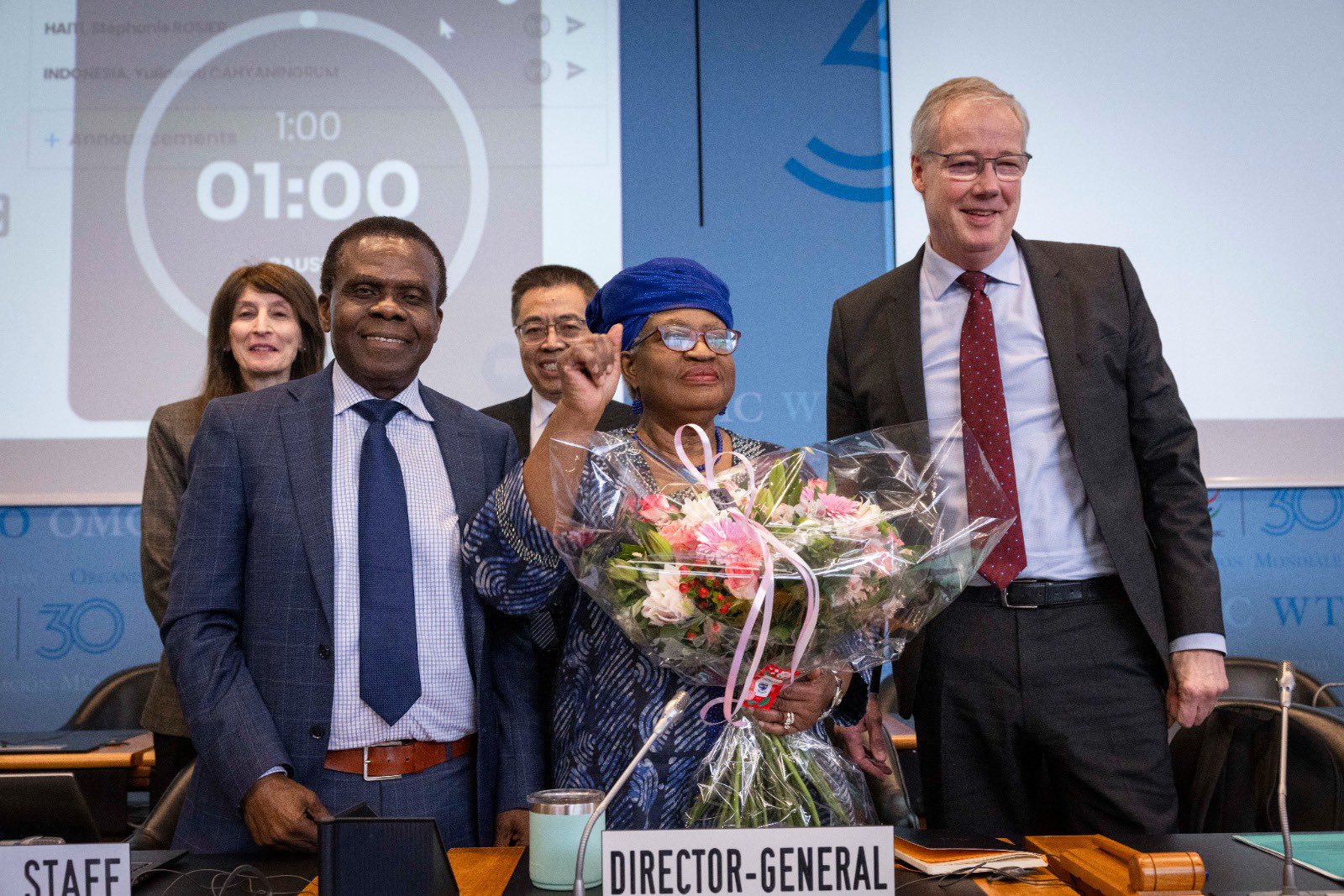
Dr. Ngozi Okonjo-Iweala, a global icon and a source of pride for Nigeria, has expressed deep gratitude following her reappointment as Director-General of the World Trade Organization (WTO). Her heartfelt message, shared on Twitter, resonated across the world as she thanked the 166 WTO member nations for their unanimous support, while reaffirming her commitment to reforming global trade to meet modern challenges.

“Today, it is with humility and a great sense of honour that I thank each and every one of the 166 WTO members for the consensus they achieved in supporting my reappointment!” Dr. Okonjo-Iweala wrote. “Thank you for the wonderful words of recognition and support. I don’t take this lightly.”

The first woman and African to lead the WTO, Dr. Okonjo-Iweala acknowledged the pivotal role played by the organization’s Secretariat staff, whose dedication and hard work she described as indispensable. She pledged to continue collaborating with member states to address pressing global trade challenges and to push forward much-needed reforms.

“This is an enormous responsibility, and I will redouble my efforts to work with each and every member to try and deliver the results this organization needs, including the necessary reforms to make it fit for 21st-century challenges,” she continued. “We’ve done it before; we can do it again!”

Beyond her professional achievements, Dr. Okonjo-Iweala took a moment to reflect on the personal support that has sustained her journey. She extended her gratitude to her family, the people of Nigeria, the African continent, and friends and colleagues worldwide, who flooded her with congratulatory messages.

“I am also grateful to my family, my country, to the Africa Region, and to all my friends and colleagues from all over the world who have reached out with hundreds of congratulatory messages. Thank you for the recognition!”

Dr. Okonjo-Iweala’s reappointment marks a significant moment, not just for Nigeria but for global governance, as she continues to lead efforts in transforming the WTO to tackle 21st-century economic and trade challenges. Her story is a testament to resilience, vision, and the power of diplomacy, inspiring millions worldwide and reinforcing Africa’s vital role in shaping global policies.

Her commitment to ensuring that the WTO delivers meaningful results signals her resolve to champion inclusivity, transparency, and innovation in global trade—a mission she carries with humility and an unwavering sense of purpose.


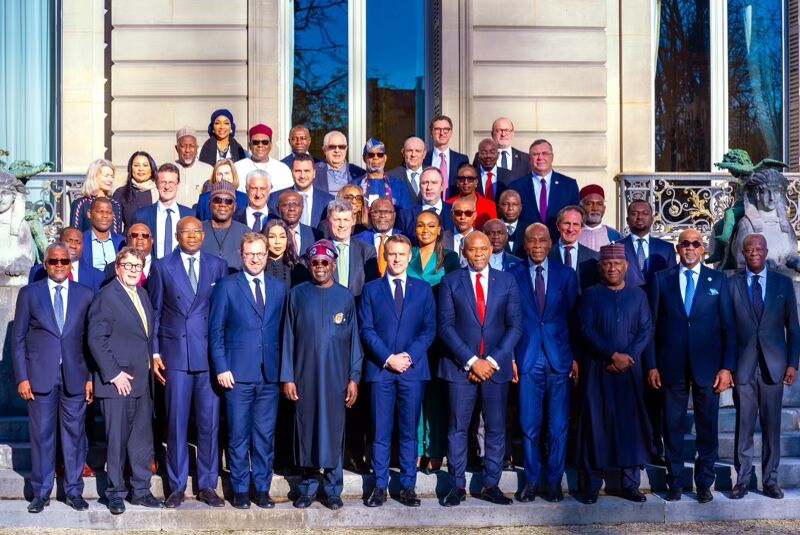
Bella Disu, a renowned Nigerian business executive, arts enthusiast, and philanthropist, has shared a moving reflection on her recent visit to Paris, which marked a significant moment in her family’s rich and enduring relationship with France.

In her statement, Disu recalled her childhood memories of visiting Paris with her family and how these early experiences have evolved over the years. “The past two days in Paris have been the stuff that dreams are made of!” she expressed. “I remember as a little girl coming to Paris with my family, and over the years, accompanying my father on his business trips. These trips were not just about work; they were the beginning of a strong and fruitful business partnership that saw us align with global giants such as Total, BNP Paribas, and Alcatel, to name just a few.”No alternative text description for this image

The success of these collaborations laid the groundwork for the establishment of the Alliance Française | Mike Adenuga Center in Lagos, an important milestone in the cultural and business ties between Nigeria and France. This center was inaugurated in 2018 by none other than His Excellency, President Emmanuel Macron, marking a pivotal moment in both cultural diplomacy and the long-standing relationship between the two countries.

Disu’s family has long been celebrated for its contributions to the Nigeria-France partnership. In 2018, her father was awarded the esteemed Légion d’Honneur, France’s highest national honor, in recognition of his business and philanthropic efforts. Bella herself became the youngest-ever recipient of the prestigious National Honor, Chevalier de l’Ordre des Arts et des Lettres, in 2019. This honor acknowledged her remarkable achievements in the arts and her advocacy for the cultural exchange between Nigeria and France.

Reflecting on the significance of France’s partnership with Nigeria, Disu said, “Choosing France as a partner while we continue to contribute to our great nation Nigeria is a decision we will always be thankful for. The synergies fostered through these partnerships have played a major role in advancing both our business and cultural interests on the global stage.”

Disu also extended her heartfelt thanks to both Nigerian and French leadership for their continued support and collaboration. “Thank you to His Excellency, President Bola Ahmed Tinubu & Mrs. Oluremi Tinubu, and to His Excellency, President Emmanuel Macron and Madame Brigitte Macron for a splendid evening at the State dinner held at the Élysée Palace. Your leadership and commitment to strengthening the ties between our two countries continue to inspire and create valuable opportunities for mutual growth,” she concluded.

Through her work and family’s legacy, Bella Disu remains an influential figure in both the business and cultural spheres, advocating for deeper collaboration between Nigeria and France as they continue to build on shared values and aspirations.


The Central Bank of Nigeria (CBN) has enforced a directive requiring financial institutions to impose a ₦50 Electronic Money Transfer Levy (EMTL) on transactions of ₦10,000 and above. The regulation, introduced in 2022, is gaining traction as financial institutions adjust to ensure compliance.

PalmPay, a leading fintech platform, has announced its alignment with this policy. Effective from November 30, 2024, transfers of ₦10,000 or more paid into PalmPay accounts will attract the ₦50 levy, as mandated by the Federal Inland Revenue Service (FIRS).

In a statement, PalmPay emphasized that it does not benefit from the levy, explaining that all proceeds are remitted directly to the federal government. The company reassured customers of its commitment to affordable financial services, stating, “PalmPay continues to offer unlimited free transfers to any bank account. We are dedicated to providing affordable and accessible financial services to our valued customers.”

This development reflects the growing impact of the EMTL regulation across Nigeria’s financial landscape, as institutions balance regulatory compliance with customer satisfaction.