A prominent Catholic music composer, Sir Jude Nnam, has dragged Emeka Okonkwo (E-Money) to court for alleged Copyright infringement. Five Star Music and Kingsley Chinweike Okonkwo (KCEE) are also Defendants in the suit.

He is seeking “A DECLARATION that the copyright, as well as the ownership rights to the song titled ‘SOM TOO CHUKWU’ which was surreptitiously included in the music album titled “CULTURAL PRAISE VOL.1 by the 3rd Defendant without the Plaintiff’s consent or authorization, is vested in the Plaintiff by Virtue of his composing the said song in the year 2001.

A DECLARATION that the Defendants jointly and severally infringed on the copyright of the Plaintiff by adapting, producing, distributing, marketing, advertising and performing to the general public the song titled “SOM TOO CHUKWU ” without his consent or authorization (either written or oral).

Perpetual Injunction retraining, preventing and or prohibiting the Defendants herein whether acting by themselves, or through their servants, agents, privies, legal representatives, or any other person howsoever described Acting for them and/or at their instance from infringing on the copyright of the plaintiff to the song titled “SOM TOO CHUKWU” by any means, however.

Mr. Jude also wants the court to compel the Defendants to jointly and severally render an account of the profits, income, and benefits generated from the adaptation, production, distribution, sale, advertisement, marketing, and performance of the titled “SOM TOO CHUKWU” from December 2020 till judgment and the sum of N150,000,000 as general damages

In the Statement of Claim with Suit No: FHC/L/CS/304/202 made available to TheNigeriaLawyer, Jude accused the defendants of reproducing, marketing and distributing his work without his permission as the original owner of the work.

He explained that the music was first produced in 2001 with the title “SOM TO CHUKWU”, to celebrate his daughter’s first birth, but he was surprised to discover that his original work has be reproduced, duplicated, sold, marketed, advertised, distributed to the general public and retitled as “CULTURAL PRAISE VOL.1” by the Defendants.

He said he composed the musical work for private worship of God and for liturgical purposes in the church, especially during offerings, tithe and donations in the church adding that apart from composing the musical work in sofa and staff notation, he went to fix the musical work in audio form with the help of a choral group and he relied on Keyboard, African drum, wooden gongs and guitar as musical instruments

Mr. Nnam who is a Music Director, Yamaha Ambassador, choral conductor, keyboardist, worship songwriter, accused the 3rd Defendant Kingsley (Kcee) of performing the musical work in 2020 at a wedding reception in Nigeria and has continued till January 2021. He also said other artists and copies of the said music have been distributed digitally on various social media platforms without his consent or authorization.

He also avers that in adapting, producing, distributing, marketing the musical work for sale, the Defendants failed to recognize and/or acknowledges his copyright as well as ownership rights to the musical work and that copyright protection under the extant laws of the Federal Republic of Nigeria is automatic upon his creation and composition of the work in the year 2001.

Credit: Nigerian Lawyer.

LASG BEGINS DISBURSEMENT OF N1 BILLION TO TOURISM PRACTITIONERS

… Promises To Strengthen Public-Private Partnership for Development of Tourism Sector

The Lagos State Government, on Thursday, made a symbolic presentation of cheques to some beneficiaries of the N1 billion seed capital approved by the State Governor, Mr. Babajide Olusola Sanwo-Olu, for investment in the tourism and hospitality sector to help drive new growth in the industry.

The Secretary to the State Government, SSG, Mrs. Folashade Jaji, made the presentation to the beneficiaries on behalf of the State Governor at the maiden edition of Lagos Tourism, Hospitality, Arts and Culture Economic Summit, LATHACE held at Eko Hotels and Suites, Victoria Island, Lagos on Thursday.

The Governor, who spoke through the SSG at the event organised by the Federation of Tourism Associations of Nigeria, FTAN, Lagos State Chapter, in collaboration with the Ministry, appreciated the organisers for partnering with the State Government in ensuring the sustenance of the tourism and recreation sector.

Speaking on the theme for the event, “Public Private Partnership for Sustainable Growth of the Tourism, Arts and Culture Industry for a Greater Lagos”, Sanwo-Olu said that the choice of the theme attests to the importance which his administration attaches to public-private partnership.

He said that though the tourism and recreation industry in Nigeria contributes approximately 6% to the GDP, there are still opportunities for growth in the sector, which could be strengthened through collaboration with the private sector to harness its full potentials.

The Governor assured members of FTAN that the present administration will continue to leverage on meaningful partnership with the private sector towards achieving “A Greater Lagos”, which he promised residents of the State.

Sanwo-Olu informed that his administration has put in place policies and strategies that would enhance the opportunities available to advance the State’s tourism potentials, just as efforts are being put in place to discover more tourism sites and also bring the existing ones to international standards.

His words: “The synergy between government, private sector investors and entrepreneurs will ensure a steady and sustainable growth of the tourism and recreation sector in Lagos State. There are opportunities available for private investors and entrepreneurs to develop tourist sites and it is my privilege to inform you that UNESCO has certified “Sungbo Eredo” in the Epe Division as a World Heritage site which can be developed to boost tourism potentials in Lagos State”.

The Governor also stated that plans to establish a Film City in the State are on course, disclosing that the State Government has secured 100 hectares of land for this purpose with preliminary strategies ongoing.

He urged FTAN and other discussants at the event to leverage on the platform provided by the Summit to advance the tourism sector by coming up with strategies that would aid the development of Lagos State Tourism and provide a guide on how to domesticate tourism sites while elevating them to international standards, through involvement of the private sector.

Sanwo-Olu expressed the belief that with the support of the main actors in the sector, the Government’s aim of making Lagos the first to be reckoned with in the area of tourism and recreation will be possible and achievable.

Revealing some efforts of the Ministry of Tourism, Arts and Culture in promoting synergy with the stakeholders, the Commissioner, Mrs. Uzamat Akinbile-Yussuf, stated that the Government approved 50 percent rebate for the practitioners in the payment of their operating licence fees for the year 2020.

She stated that the presentation of cheques to the beneficiaries of the N1 billion loan shows that the initiative is not only real but transparent and sincere on the part of the Ministry.

The Lagos State Chapter Coordinator of FTAN, Mr. Gbenga Sunmonu, had earlier promised that the Association will re-double its efforts to increase its contributions to the State’s GDP, create and recreate wealth through the promotion of domestic tourism as well as the creation of volunteers for different aspects of Tourism.

Sunmonu explained that the Summit which focussed on Public-Private Partnership opened discussions on areas of concern for stakeholders in the tourism sector with the intention of reviewing issues raised and improving the ease of doing business in the State.

LASG

ForAGreaterLagos

…why Oyo recorded best inflation rates- Makinde’s Economic Adviser

Statistics released by the National Bureau of Statistics (NBS) for February 2021 have shown that Oyo State’s month-on-month as well as year-on-year inflation figures were the slowest in the country within the time under review.

Data made available by the NBS in February indicated that the inflation rate rose to 17.33 per cent (year-on-year); 1.54 percent rise month-on-month above the January 2021, while urban rate increased by 17.92 percent (year-on-year) in February 2021 from 17.03 percent recorded in January.

However, the NBS report indicated that price increase remained the slowest in Oyo at all levels, with the Economic Adviser to Governor ‘Seyi Makinde, Professor Musbau ‘Tunji Babatunde, stating that the effective management of the state’s economy by the governor were responsible for the development.

A statement by the Chief Press Secretary to the governor, Mr. Taiwo Adisa, quoted Prof. Babatunde as saying that Oyo State was able to record the slowest growth in headline inflation and food inflation month-on-month and year-on-year because of the sound economic policies of the Governor Makinde administration.

He pointed out that the regular payment of salaries, which according to him, increased effective demand in the food system, support to farmers with inputs at the height of the pandemic and the expansionary fiscal policy from the various capital projects embarked on by the state were among factors responsible for the slow inflation increase.

According to Babatunde, a professor of Economics at the University of Ibadan, the NBS Data had indicated that “the consumer price index, at the national level, (CPI) which measures inflation, increased by 17.33% (year-on-year) in February 2021. This is 0.86% higher than the rate recorded in January 2021 (16.47) %.

“On a month-on-month basis, the Headline index increased by 1.54% in February 2021, this is 0.05% rate higher than the rate recorded in January 2021 (1.49%).

“The urban inflation rate increased by 17.92% (year-on-year) in February 2021 from 17.03 % recorded in January 2021, while the rural inflation rate increased by 16.77 % in February 2021 from 15.92% in January 2021.

“The upward increase in inflation can be attributed to the lingering effect of the COVID-19 pandemic, fluctuations in the price of crude oil, weakened Naira that has increased the price of imported input, insecurity in the food producing parts of Northern Nigeria, the food blockade during the Shasa riot, among others.

He added:

“The components of inflation that witnessed surges in the review period are food, health care, imported food and transportation.

“However, food price is the main component of the inflation basket. It rose to 21.79% in February, a jump of 1.22 % point from the January figure.

“This rise in the food index was caused by increases in prices of Bread and cereals, Potatoes, yam and other tubers, Meat, Food products, Fruits, Vegetable, Fish and Oils and fats.”

Further analysis of the performances of the state had shown that on month on month basis in February 2021 all items inflation was highest in Kogi (3.25%), Ondo (2.46%) and Kebbi (2.43%), while Kwara (0.84%), Kano (0.70%), while that of Oyo stood at (0.38%), the slowest rise in headline month on month.

On month on month basis, however, February 2021 food inflation was highest in Kogi (3.34%), Ondo (3.33%) and Ebonyi (3.26%), while Benue and Niger (0.90%), Kano (0.70%), oyo again recorded (0.09%), the slowest rise in month on month food inflation.

Babatunde, who explained that the implication of the slowest rise in headline and food inflation in Oyo State meant that the state has the lowest cost of living in Nigeria, said that the cost of health care services in Oyo State has not risen due to the strategic investment that the state has made in the management of COVID-19 pandemic.

He said: “The conversion of isolation centres to Level 3 primary health care centres has improved access to health care services. “The effects of the strategic investment in the health sector by the State has manifested in the stable service cost.

“Transportation cost has also been stable in the State despite the fluctuation in domestic price of petroleum products. The positive effect of the Park Manager System with respect to managing the commercial transport sector is showing positive with respect to the regulation of transportation costs across the routes.

“So, one can say that there is good value for money can be obtained in Oyo State.”

He further said that the positive inflation figures recorded in Oyo State in headline and food inflation month on month across the 36 States can be attributed to the regular payment of salary, which has increased effective demand in the state.

He said that the regular payment of salary in the State has improved demand.

“Similarly, the effective support to farmers with inputs at the height of the COVID-19 pandemic has paid off. The strategy of supporting farmers with inputs impacted positively on their output level which has been translated to the moderation in price increase of agric. output.

“Also, the effective distribution of the COVID-19 palliatives to different categories of people in the state moderated the demand for those goods that were distributed in December 2020.

“More so, the expansionary fiscal policy from the various capital projects embarked on by the State also had impacts. The contractors have employed a sizable number of artisans across the geopolitical zones in the State. This has created both direct and indirect jobs.”

Babatunde added that the effective management of the government deficit structure and the use of alternative infrastructural financing framework have also allowed the government to simultaneously embark on welfare enhancing projects, a factor which, according to him, also contributed to the slow inflation growth.

He further stated that the ongoing construction of the Moniya-Iseyin road has also enhanced the movement of agricultural goods to the main city and has reduced farm-gate losses, which he said, has also improved the supply of agricultural goods.

“The merit driven staff recruitment across the educational, health and environmental sectors of the State have boosted household confidence about the activities of Government given the economic opportunities available to the newly employed candidates.

“Low interest fund support to SMEs to cushion the impact of COVID-19 pandemic that is being coordinated by OYSIPA has enhanced the business framework in the State. It has enhanced the business performance of the beneficiaries with feedback to the Oyo State economy.

“In conclusion, effective economic management has been very supportive of the low headline and food inflation being witnessed in the state,” the Prof. added.

Signed

Taiwo Adisa

Chief Press Secretary to Governor Seyi Makinde

March

By Dr. Uche Nworah

Very soon, just very soon, you will take off from Lagos, Abuja, P.H, Kano, Kaduna, London, New York, Beijing, Paris, Amsterdam etc and land in your fatherland, the land of the rising sun.

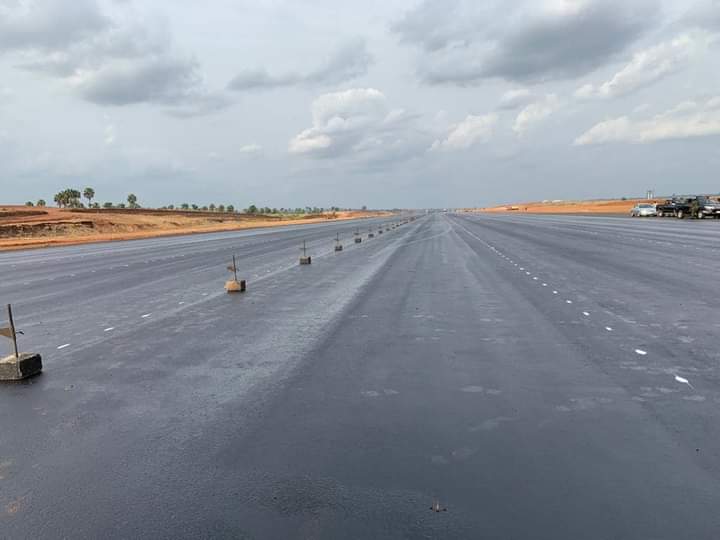
As you enjoy these amazing shots by James Eze of the control tower, terminal building, Governor Willie Obiano giving Captain Musa Nuhu, DG of Nigeria Civil Aviation Authority (NACA) and his team a tour of the airport facilities during their inspection visit on Wednesday, 24th March, 2021, and runway of Anambra International Cargo and Passenger airport, as it blends into the Umueri skyline, imagine the economic possibilities.

Those naysayers who wonder whether this is real should believe. It’s as real as night and day.

Those who question the choice of an airport by Governor Willie Obiano over other things the government could have done with the resources should understand that government is a continuum. This government considers this airport project a priority likewise other infrastructural projects it has embarked on, because of the multiplier economic effect. The next government can focus on other areas and projects.

Those who question the idea behind the airport when there is Asaba, Enugu and Owerri airports should understand that there are lots of considerations in passengers and users choosing an airport to patronise such as (1) Proximity from home/office/departure point (2) State of origin effect/emotional and sentimental reasons/patronising your own to grow your state economy (3) Service availability e.g Cargo, hotels, shopping mall etc (4) Flight schedules and routes available etc. (5) Operating airlines (6) Ease of arriving at airport/ Note that traffic on Niger Bridge Onitsha sometimes lasts hours etc

Note also that:

(1) The Anambra airport is not targeting only passengers and cargo users from Onitsha. The catchment is the whole Anambra state and South East states. If the cargo airport takes off, you don’t need to go to NAHCO shed in Lagos and queue up to clear your goods if you are selling them in the South East. Anambra airport is nearer.

(2) Over time, Anambra entrepreneurs have demonstrated appreciable comparative advantage in airline management. Late Chief Ikwuemesi who owned Sosoliso airlines, Chief Allen Onyema, owner of Air Peace, and Dr. Obiora Okonkwo, owner of United Nigeria Airlines are all Ndi Anambra. Anambra -born Chief Chidi Anyaegbu, Owner of Chisco Transport has announced that the group’s Havila Airlines will take off shortly.

They have all indicated that they would make Anambra airport their hub.

If we should apply all these factors, then the Anambra airport beats Asaba and all the other south eastern airports in competitive terms.

Another critical point to note while assessing the viability of the Anambra airport is scalability. There is ample land in Umueri and the surrounding airport communities such as Nteje, Umunya, Aguleri etc for expansion. Remember the saying that ‘Rome was not built in a day’. Even Heathrow airport in London, United Kingdom started with just Terminal one. Over time, it has developed to Terminals 2,3,4 and 5.
Successive governments in Anambra state can expand the airport and add to the pioneering and visionary work started by Governor Willie Obiano, who conceived and built the airport in under 2 years, following the disappointment with the Chinese Investors snd Consortium that the airport was concessioned to originally in 2017 when the project was first flagged off under a Public Private Partnership (PPP) arrangement.

The non-performance of that memorandum of understanding (MOU) signed between the Chinese Consortium and Anambra state government made Governor Obiano to attack the airport project with renewed vigour and innovative funding model, with Anambra state government fully funding and owning the airport as it is at the moment without incurring any debts. According to the Governor, this was to fulfil the promise he made to Ndi Anambra that he would build them an airport.

Those who are smart are already moving in and thinking of compatible businesses they can set up. Lands around the airport area is selling fast. Trust our people who understand the law of first mover in business and it’s advantages, they are already primed for the eventual take-off of the airport.

What are you waiting for?

@uchenworah.

U.S. Trade and Development Agency announced a grant to Nigeria’s Sosai Renewable Energies Company for a feasibility study to connect more than 200,000 women, farmers, and rural citizens to new solar-powered minigrids in Kaduna, Kogi and Plateau states.

“USTDA is committed to promoting inclusive economic development, and bringing clean energy solutions to rural communities is an important component of our approach,” said Enoh T. Ebong, USTDA’s Acting Director. “Women entrepreneurs like [Sosai CEO] Habiba Ali are setting a vision for Nigeria’s energy future that USTDA enthusiastically supports.”

The USTDA-funded feasibility study will include site surveys, preliminary engineering, economic and financial analyses and an assessment of the project’s likely developmental impacts on rural women. USTDA’s study also will create business opportunities for U.S. equipment and services suppliers in Nigeria’s minigrid sector, while supporting up to 20 megawatts of new solar power in rural communities.

“This announcement is emblematic of the U.S.-Nigeria relationship as the USTDA grant supports the development of energy for productive use and promotes inclusion for women and rural dwellers. Working together, we can solve today’s greatest challenges through projects like this,” said Mary Beth Leonard, U.S. Ambassador to the Federal Republic of Nigeria.

SosaiCEOHabiba Ali added: “This USTDA grant will support a huge step forward for Nigeria in meeting its rural electrification goals as well as kick-start life changing projects for communities, women, economic development and the agricultural sector. For Sosai, the benefit of the USTDA grant to our company is immense, positioning us for greater growth and greater possibilities in the future.”

This project supports the U.S. government’s Power Africa and Prosper Africa Initiatives, President Biden’s Executive Order on Tackling the Climate Crisis at Home and Abroad and the global “2X Challenge” – an initiative by development finance institutions to invest in and create inclusive opportunities for women.

In Nigeria, USTDA has supported the successful roll-out of minigrids and microgrids in rural and peri-urban communities using U.S. technology. The Agency has an active portfolio of three other ongoing solar minigrid activities in Nigeria. Collectively, we expect these projects to support energy access for over 66,000 households in Nigeria and help Nigeria meet its goal of universal electrification.

U.S. businesses interested in submitting proposals for the USTDA-funded feasibility study should visit project webpage. Proposals are due April 16, 2021 at 11:00 EDT / 17:00 WAT.

By U.S. Mission Nigeria

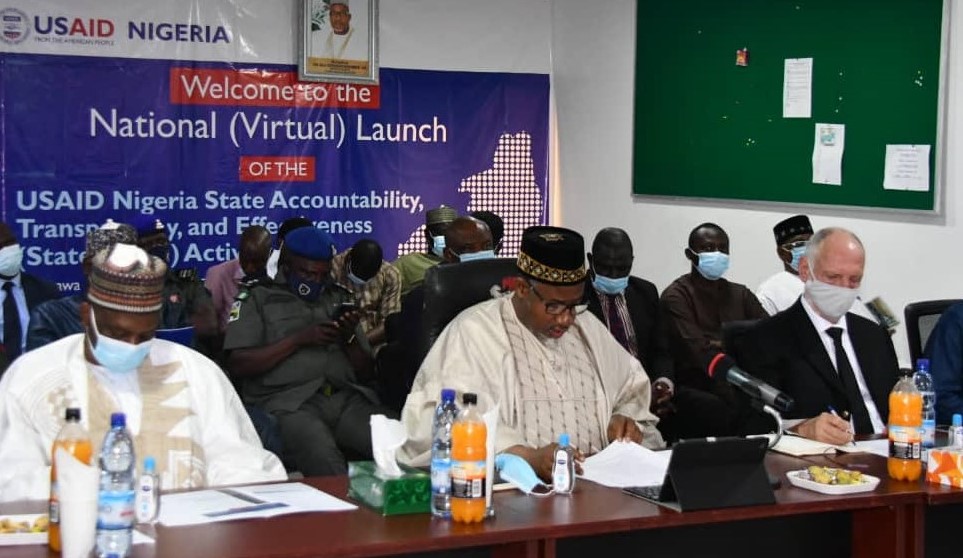
U.S. Agency for International Development (USAID) launched a new State Accountability, and Effectiveness (State2State) Activity to strengthen subnational governance systems in six key states across Nigeria.

The five-year, $72 million State2State Activity helps improve how these states plan and budget, raise revenues, increase civil society participation, and oversee service delivery in the health; education; and water, sanitation, and hygiene (WASH) sectors.  The activity will begin operations in Adamawa, Akwa Ibom, Bauchi, Ebonyi, Gombe and Sokoto states and later expand to others.

State2State works primarily at the state level, but also supports federal institutions and local government areas by strengthening government processes like public financial management and procurement; monitoring and evaluation related to delivery of services; increasing responsiveness to citizen priorities; and improving capacity to manage societal conflict through prevention, mitigation and reconciliation.

“The scale and scope of the State2State activity is a potent symbol of the U.S. government’s commitment to partner with Nigeria to improve governance,” Ambassador Leonard said at the virtual launch ceremony.  “We have made this sizable commitment because we believe dramatic improvements sometimes require considerable resources.”

State2State promises to increase accountability, transparency, and effectiveness while building on locally derived solutions, including expanding reforms that have proven effective in other parts of the country.

“There’s no doubt that we need the support of development partners to improve and sustain delivery of critical services,” said David Nweze Umahi, Executive Governor of Ebonyi State, one of three governors to participate in the virtual ceremony. “State2State has come to Ebonyi at an important time, and I assure you that we will collaborate with this activity to ensure that it succeeds.”

Implemented by DAI in partnership with key Nigerian organizations, the activity will capture, document, and share best practices – working with partner states to make more information available to citizens and relevant institutions.

By U.S. Mission Nigeria

Kwik Delivery (Kwik.delivery) announces today that it has closed its pre-Series A financing round. The company successfully raised $ 1.7 million in equity from institutional and high net worth investors.

This financing round is enabling us to grow even faster and to disrupt and conquer new markets

Kwik Delivery has demonstrated to customers and investors alike its efficiency as well as the relevance of its bold technology-based approach during a most challenging period” explains Romain POIROT-LELLIG, Founder & CEO of Kwik Delivery. “This financing round is enabling us to grow even faster and to disrupt and conquer new markets.

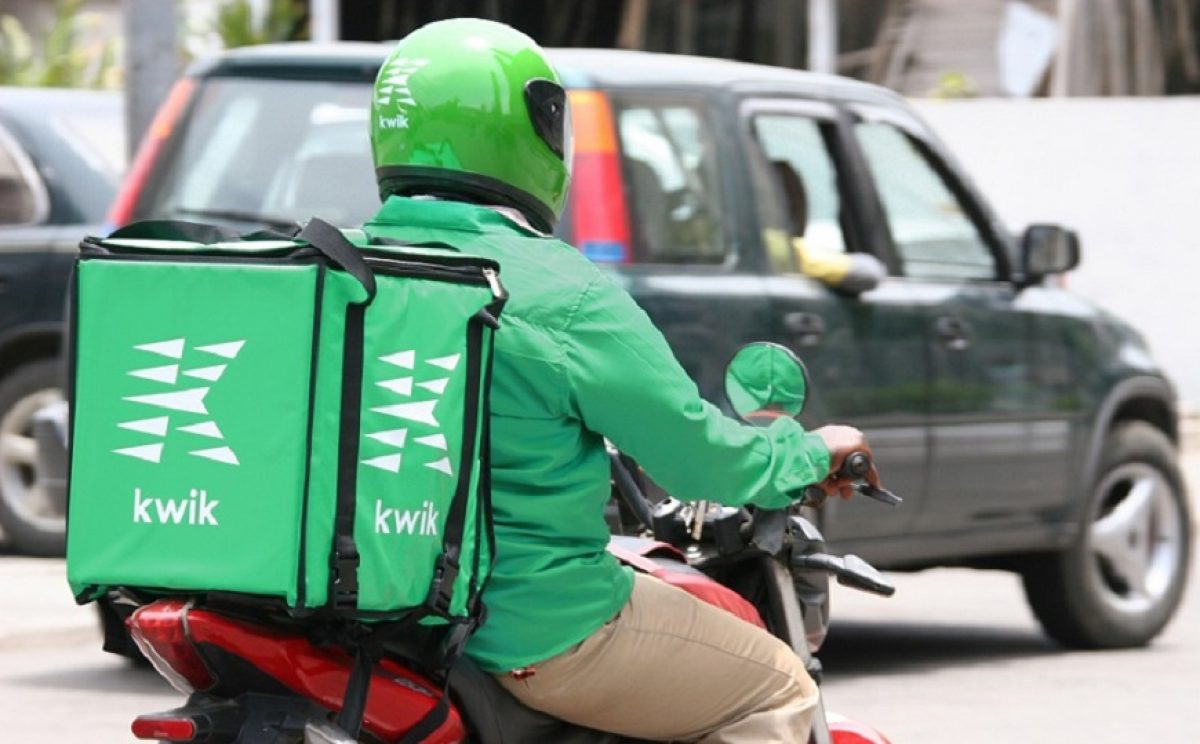
Launched in 2019, Kwik Delivery is an on-demand, last-mile delivery platform that connects African businesses to independent delivery riders, dubbed Kwiksters. The Kwik platform is currently open to Kwiksters operating in Lagos State. The Kwik Delivery app is available on iOS and Android. Kwik Delivery is the trading name of Africa Delivery Technologies SAS.

Please visit www.Kwik.delivery for more information.

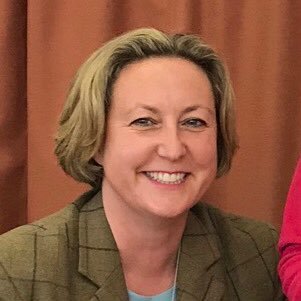
UK’s International Champion for Adaptation & Resilience Anne-Marie Trevelyan meets Federal Minister of Environment, business leaders and civil society experts to discuss Nigeria’s climate change vulnerabilities.

On a virtual visit to Nigeria on18th March, Minister Anne-Marie Trevelyan, the UK’s International Champion on Adaptation and Resilience, met with His Excellency Dr Mohammed Mahmood Abubakar, Federal Minister of Environment, other members of Federal government of Nigeria, business leaders, civil society experts and other interlocutors. Her visit follows last month’s visit of the COP26 President Designate, Alok Sharma to Nigeria.

Climate change impacts will not be the same across the world. The risks climate change brings to Nigeria are increasing. The country is already one of the most climate vulnerable in the world. As the effects of climate change get worse Nigeria is expected to face increasing aridity, drought, desertification, flooding and erosion. Nigeria’s capacity to develop the levels of climate change resilience needed to effectively offset the negative impacts of climate change is critical to ensuring Nigeria’s peaceful and prosperous future.

As COP26 hosts, and as is made clear in the UK Government’s Integrated Review, which was published this week and which sets out the UK’s security, defence and foreign policy priorities for the next ten years – climate change and biodiversity loss is and will remain a long-term fundamental strategic priority for the UK Government. Minister Anne-Marie Trevelyan’s role as International Champion on Adaptation and Resilience is an important part of the UKs ambition to delivering against our climate change commitments.

Minister Anne-Marie Trevelyan’s visit was an important milestone for the UK and Nigeria’s engagement on a range of climate change issues. In particular, it was a key moment to develop actions Nigeria can take to increase awareness and adoption of accessible adaptation practices that will help to halt the potential damage from climate change in Nigeria.

The dual threats from climate change faced by Nigeria of flooding and drought are real. The primary means of livelihood for 70 per cent of the Nigerian population is agriculture based. These livelihoods are heavily reliant on the right amount of rainfall and are significantly sensitive to the adverse effects of climate change.

Nigeria lost about 25% of its rice harvest last year due to floods. Without the essential development of adequate adaptation actions across Nigeria, the country faces the threat of increasing crop failures, desertification, flooding and drought which will lower agricultural productivity and have a significant impact on the population’s livelihoods, food security and Nigeria’s economy. Evidence suggests that climate change will also increase malaria prevalence in Nigeria.

During her visit, the Minister met a range of interlocutors from the Government of Nigeria, the private sector, civil society and climate change experts. This included a call with the UK-funded Propcom Mai-Karfi rural and agricultural markets development programme. They discussed impacts of the changing climate on people’s livelihoods in Nigeria and how they are making available affordable climate-resilient and locally adapted seed varieties and farming techniques to improve and preserve soils. The Minister was also able to hear from companies that have adopted the model such as Techni Seed and Premier Seed Nigeria Limited.

The minister met with Nigerian SMEs to discuss how their businesses and clients (smallholder farmers) are responding to the changing climate. The Minister attended an adaptation and resilience roundtable chaired by Professor Francis Adesina who helped draft Nigeria’s National Adaptation plan framework in June 2020. The Minister met UN Environment Programme head of operations in the Niger Delta to understand how to speed up the clean-up operation in Ogoniland.

The Minister met Special Adviser to the President on Agriculture. Dr. Momale to better understand the linkages between climate change/environmental degradation and insecurity in Nigeria.

The minister also met with His Excellency Dr Mohammed Mahmood Abubakar, Federal Minister of Environment where she was able to reaffirm the UK’s commitment to a balanced outcome at COP26 that facilitates ambition not only on mitigation, but also on Adaptation and Resilience and green finance. The importance of the Climate Change Bill, environmental clean-up in the Niger Delta and Nigeria’s National Gender Action Plan was also discussed.

The Minister urged progress on mobile money and financial inclusion as a key way to facilitating savings for climate change shocks and adequately budgeted disaster risk preparedness programmes to cope with floods and drought. She also encouraged climate smart agriculture requirements to be mainstreamed into Government-lending programmes.

At the end of the visit Minister Anne-Marie Trevelyan, the UK’s International Champion on Adaptation and Resilience, said:

The minister met with Nigerian SMEs to discuss how their businesses and clients (smallholder farmers) are responding to the changing climate

“As the largest economy in Africa, and a country highly vulnerable to climate impacts, Nigeria’s regional leadership on climate action is hugely important. Great progress has been made to adapt to the impacts of climate change, whilst also advancing gender-equality, including through its publication of a ‘National Action Plan on Gender and Climate Change’, and the development of a National Adaptation Plan framework. I look forward to seeing some of this progress reflected in an ambitious Nationally Determined Contribution (NDC).”

“Building resilience to climate change is a priority for the UK’s COP26 Presidency and I look forward to working with Nigeria as we look to COP26 and beyond, to drive global action and ambition.”

Anne-Marie Trevelyan was appointed as the UK International Champion on Adaptation and Resilience for the COP26 Presidency on 7 November 2020. On behalf of the UK government and the UN Climate Change Conference of Parties COP26 Presidency, the UK International Champion on Adaptation and Resilience Champion will lead discussions between national governments, the international community and business on adaptation and resilience (A&R) and work towards supporting countries, including those most affected by climate change, to increase action to adapt to its impacts and build resilience for the future.

Propcom Mai-karfi is a rural and agricultural markets development programme funded by the UK government. Their goal is to increase incomes for the rural poor by reviving and facilitating access to agricultural and rural markets in nine locations in Northern Nigeria; including the six post-conflict North-East state. Their Improved Seeds initiative is designed to address challenges related to awareness and access to certified seeds by rural farmers. They work with Premier Seeds, a major seed distributor (MSDs), who supports and supervise rural seed promoters (RSPs) to supply seeds. Visit Propcom Mai-Karfi website for more information.

The UK Government’s Integrated Review of Security, Defence, Development and Foreign Policy, describes the government’s vision for the UK’s role in the world over the next decade and the action we will take to 2025. The review is a comprehensive articulation of the UK’s national security and international policy. It outlines three fundamental national interests that bind together the citizens of the UK – sovereignty, security and prosperity – alongside our values of democracy and a commitment to universal human rights, the rule of law, freedom of speech and faith, and equality. Read the Integrated Review.

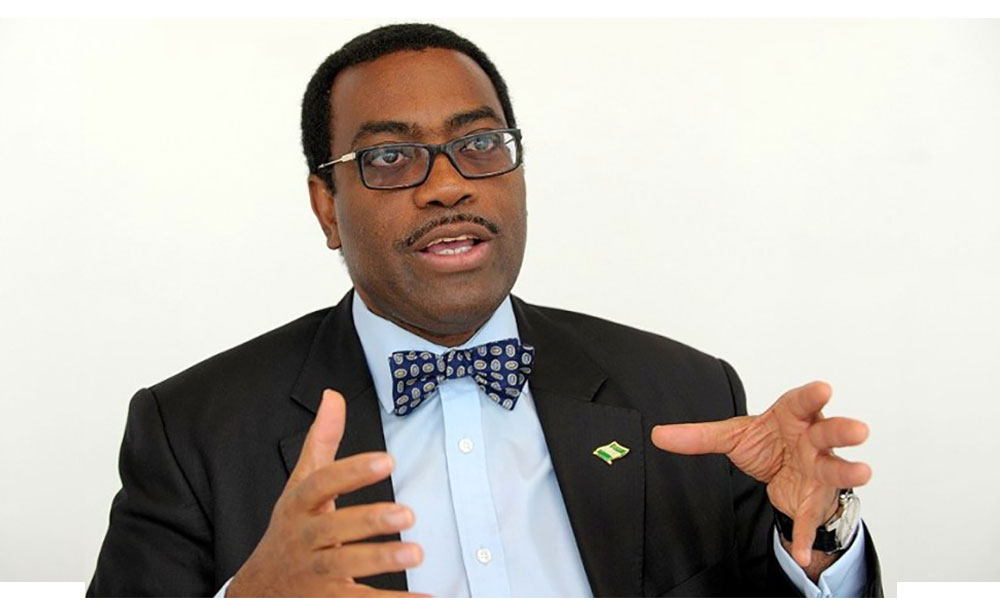
African Development Bank (AfDB.org) President Dr. Akinwumi Adesina has called for vaccine justice for Africa. Speaking at the launch of the Bank’s African Economic Outlook 2021 report on Friday, Adesina decried the lack of Covid-19 vaccines reaching Africa.

“We need global solidarity and vaccine justice for Africa,” Africa’s premier development bank chief said.

Adesina underlined the stark disparities between vaccine acquisitions by several rich countries that have acquired sufficient vaccines to inoculate their populations twice over, and African countries, that remain primarily dependent on the World Health Organization’s COVAX initiative for the minuscule quantities of vaccines acquired so far.

Speaking on CNN’s First Move with Julia Chatterley on Friday, Adesina said: “So far, 14.6 million vaccines have been delivered in Africa, but many people still cannot get shots in their arms. That is only 1% of what we need. We are way off the mark in terms of getting to 60% of herd immunity, and sadly, I do not see that happening for another year or two at this rate— not unless things change.”

According to Adesina, “We therefore need to improve Africa’s access to vaccines. COVAX is doing a great job but still, we need more. We need them in adequate quantity. We need them quickly and we need them at an affordable price.”

So far, 14.6 million vaccines have been delivered in Africa, but many people still cannot get shots in their arms

Acquiring vaccines has significant implications for African countries. As Adesina emphasized in a broader discussion with panelists at the launch of the African Economic Outlook 2021—including Professor Joseph E. Stiglitz, recipient of the 2001 Nobel Memorial Prize for Economic Sciences—for Africa, rapid vaccine acquisition is a matter of life and death. As elsewhere, Africa’s first priority is to prolong lives and preserve jobs.

From an economic perspective, Stiglitz agreed with Adesina that the slow pace of acquiring vaccines and arresting the pandemic will make stemming extreme poverty and negative economic growth difficult. They agreed that a comprehensive global plan was needed to help countries cope with mounting debt, which the pandemic had compounded.

Africa’s economy is expected to grow by 3.1% in 2021. However, 39 million Africans could be pushed into extreme poverty this year because of the pandemic unless the international community takes the kind of action that Stiglitz and Adesina are calling for now.

The African Development Bank chief says: “as long as Africans remain unvaccinated, the world will go right back to square one.” He said no amount of ‘vaccine passports’ being advocated for by some developed countries could change that fact.  “Africa needs to develop its pharmaceutical industry and begin manufacturing. The African Development Bank is going to support African countries to do this,” Adesina said.

Supporting this position, Stiglitz said in his conversation with Adesina: “One of the things that some of us have been campaigning for is the suspension of the intellectual property rights related to Covid-19 because the supply constraint that you describe is at least, to some extent, artificial… If access to the intellectual property rights were more extensive, there is throughout the emerging markets and developing countries considerable capacity to produce a lot of more vaccines.”

He added that it was in the self-interest of advanced countries to make sure that everybody has access to the vaccine and other related medicines. “The longer the disease festers in any part of the world, it can mutate and one of the things we know is that those mutations are not going to respect borders. The Covid-19 virus doesn’t carry a passport.”

Other notable African voices that have called for speeding up vaccine delivery to Africa are those of South African President Cyril Ramaphosa, WHO Director General Tedros Adhanom Ghebreyesus, and Director of the Africa Centres for Disease Control and Prevention, Dr. John Nkengasong.

Distributed by APO Group on behalf of African Development Bank Group (AfDB).

There is a common misconception that the most dangerous threats to encounter on modern users’ digital journeys are likely to appear during Internet surfing. The reality however, based on the most recent analysis of cyberattacks in South Africa, Kenya and Nigeria within 2020 by Kaspersky experts demonstrates that users are in fact more likely to face malware related attacks hidden within their devices.

Such threats are classified as ‘local’, which means they are detected either on users’ devices or on portable data storage devices, such as flash drives. In 2020, 25% of Kaspersky private users in South Africa, 40% in Kenya and 38% in Nigeria were attacked by such threats. To provide a comparison, web attacks only affected 9% of users in South Africa, 11% in Kenya and 8% in Nigeria.

When looking at corporate users in these regions, the numbers are similar: 23% of corporate users in South Africa, 29% in Kenya and 35% in Nigeria encountered such local threats within 2020.

It’s more common for a malware to be disguised as something else to hide from the security solutions, remaining an unseen threat to users

Unfortunately, there has been an increase in the sophistication of such threats – which may be hiding on the user’s device within a seemingly legitimate file for a while, to fly under the radar, and only strike later.

“The cyber threat landscape across Africa is constantly evolving,” says Denis Parinov, a cybersecurity expert at Kaspersky. “A few years ago, there were much more drive-by attacks – cases when different malicious software is downloaded and being run while the user simply browses the Internet. Nowadays, most of the web-threats “stays in browser”: they specialise in content replacement, browser locking or clickjacking, online-skimming, cookie stuffing, etc. Now the situation when a user could download a malicious file directly is not too often. It’s more common for a malware to be disguised as something else to hide from the security solutions, remaining an unseen threat to users. The good news however is that modern security solutions are too advanced for such malware to fly under radars – it is more likely to be blocked either during the initial scan of the file by a security solution that happens by default, or within the very moment such programs attempt to launch.”

To protect against cyber threats including malware, Kaspersky recommends keeping to the following guidelines:

  • Do not follow dubious links from letters, messages in instant messengers or SMS
  • Regularly install updates for the operating system and applications
  • Install applications only from official stores
  • Use complex and different passwords for accounts
  • Regularly copy important data from your device to the cloud, to a USB flash drive or hard drive
  • Do not give applications access to those functions that they do not need
  • Install a reliable security solution such as Kaspersky Internet Security (bit.ly/3168MCA)

In addition, companies are encouraged to provide training to improve cyber literacy among their employees. For example, the automated platform Kaspersky ASAP (bit.ly/3cZ8frF) helps to develop safe behaviour skills and form sustainable cybersecurity habits. The solution allows the company to assess the current knowledge of an employee in the field of cybersecurity, and in accordance with this, determine the set of skills that the employee needs, depending on job duties and risk profile, and build a timetable for the program.