Vice President Yemi Osinbajo yesterday launched the National Leather and Leather Products Policy Implementation Plan at the Musa Yaradua Centre in Abuja.




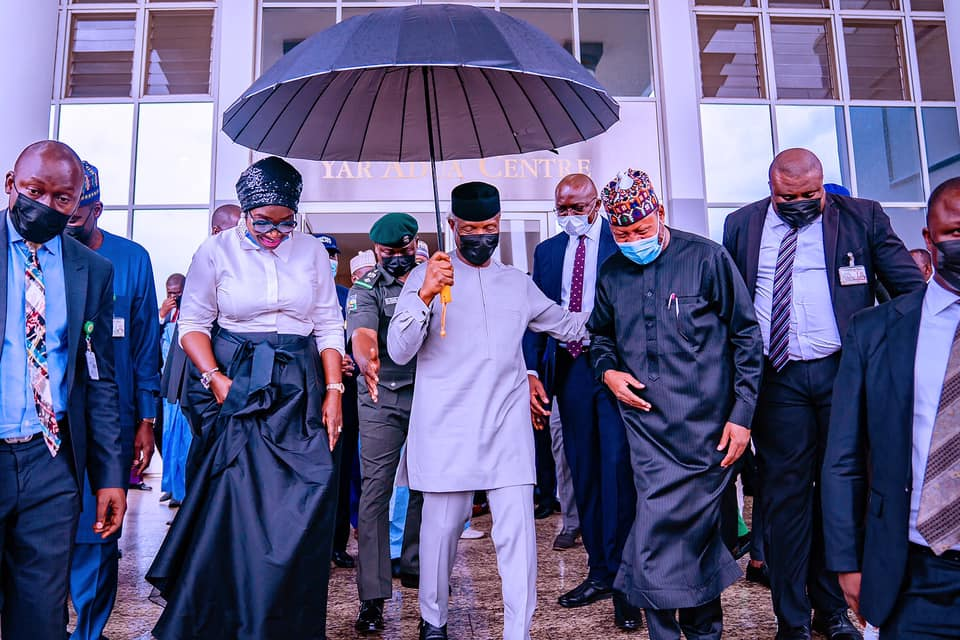
Vice President Yemi Osinbajo yesterday launched the National Leather and Leather Products Policy Implementation Plan at the Musa Yaradua Centre in Abuja.

Ministry of Youth and Sports has partnered with the Technology for Social Change and Development a Microsoft initiative to train 36,000 young Nigerians in digital skills over the next year.
The unemployment rate in Nigeria has not decreased significantly as expected. Nigerian Methodology Reports show that, in the fourth quarter of 2020 alone, over 33 per cent of the labour force became unemployed, primarily due to the COVID-19 pandemic.
In alignment with her commitment to creating access to decent work and entrepreneurship opportunities and platforms for Africans through digital skills empowerment and advocacy, the Ministry of Youth and Sports has partnered with Microsoft and Technology for Social Change and Development initiative (Tech4Dev) to upskill 36,000 young Nigerians in digital skills over the next one year through the Emerging Markets Model Initiative (EMMI).
The EMMI is a multi-year, multi-stakeholder, private-public, non-profit partnership designed by Microsoft to build the capacity of key government Ministries, Departments, and Agencies (MDAs). This Initiative aims to offer sustainable, scalable, reskilling and employment services aligned to the local labour markets through providing access to digital skills training (from digital literacy to advanced training for young people in Nigeria between the ages of 16-35 years).
The Initiative targets 36,000 youth over one year, using a virtual and physical learning approach, in various training centres across Nigeria. This would be achieved through multi-year collaboration with four strategic Federal Government Ministries and 12 state governments.
Honourable Minister @HMSundayDare stated that
“The greatest challenge of Youth development is hitting the critical mass increasing the number of those we can onboard to get the digital skills they need in an increasingly technology driven world”.
He also insisted that “We need to scale up the numbers whether it has to do with credit or digital training.
With this training we aim to achieve 36000 youth in one year “

Lagos Waste Management Authority (LAWMA) is set to conduct major enforcement operations at FESTAC axis of Lagos over the next few weeks, in a bid to stem the activities of cart-pushers, which has left the environment in a deplorable condition.
According to a release signed by the Managing Director/Chief Executive Officer of LAWMA, Mr. Ibrahim Odumboni, the activities of the outlawed cart-pushers had increased the level of indiscriminate disposal of waste at unauthorised locations such as in drainage channels, road medians and uncompleted buildings.
He stated that the enforcement exercise would be carried out to restore sanity to the environment and forestall the negative consequences of indiscriminate dumping of refuse, especially during the current rainy season.
Odumboni, therefore, urged residents to shun patronage of cart-pushers, whose activities jeopardise the health and safety of residents, stressing the need to patronise assigned PSP operators and to pay for waste services promptly.
While maintaining that the State government, through LAWMA, has empowered PSP operators, to render quality waste management services across the metropolis, the General Manager enjoined residents to call LAWMA toll-free numbers: 07080601020 and 617 for all waste management related issues.
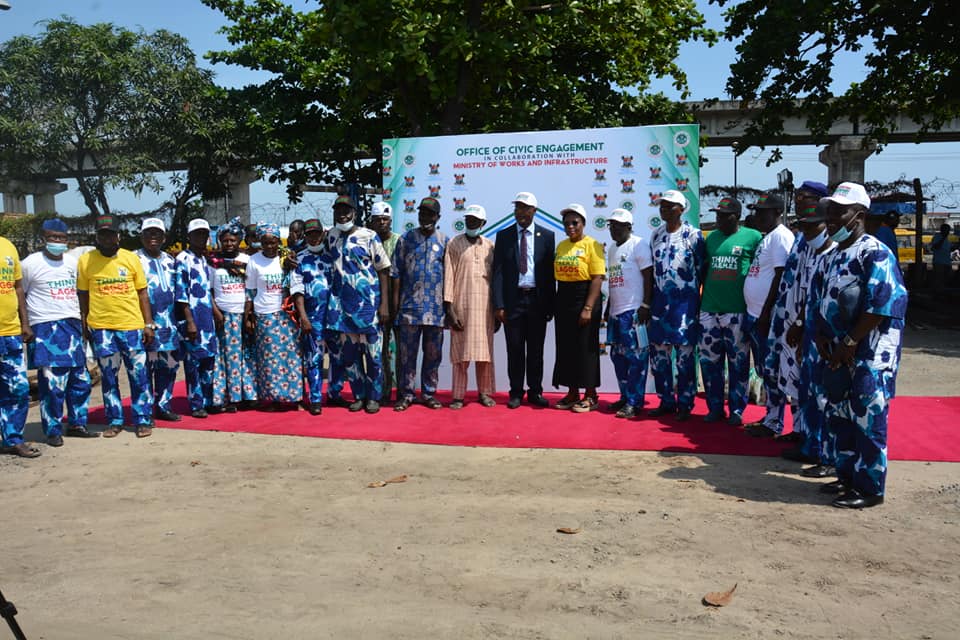
The Office of Civic Engagement, in collaboration with the Ministry of Works and Infrastructure, has met with stakeholders, community leaders and the motoring public on the rehabilitation and upgrade of the Lagos-Badagry Expressway to quicken the completion of the road project.
Speaking at the event held recently, the Special Adviser to the Governor on Civic Engagement, Princess Aderemi Adebowale, stated that the programme is aimed at engaging the motoring public and other stakeholders on matters that could hinder or mar the timely delivery of the all-important project.
According to her, Lagos is the largest metropolis in Nigeria with a burgeoning population of over 20 million people, as well as the Nation’s commercial nerve centre, the economic hub of the West African sub-region and the fifth largest economy in Africa. Hence, road infrastructure plays a crucial role in the socio-economic development of the State, through enhancement of the movement of goods and services, while promoting a wide variety of commercial and social activities.
She said due to the socio-economic importance of the Lagos-Badagry Expressway, the State Government in 2009 took it upon itself to embark on the rehabilitation and upgrade of the road into a 10-lane highway with provision for a Bus Rapid Transit (BRT) lanes and two-way Light Rail corridor from Orile to Okokomaiko.
In her words: “This Expressway has been described as the ‘Gateway to Nigeria’, being a major access route into the nation from neighbouring countries in West Africa such as Benin Republic, Togo, Ghana, Ivory Coast, Gambia and Guinea among others. In addition, Badagry is not only the most preferred tourist destination in Nigeria, but also holds a huge economic potential for Lagos State, if properly and adequately harnessed”.
“It is necessary that we all appreciate the imperative for the rehabilitation and upgrade of Lagos-Badagry Expressway. The benefit accruable from this project is too enormous not to make concerted efforts in ensuring its timely completion and delivery to prevent its abuse. We must also note that this project aligns with the first and fourth pillars of the T.H.E.M.E.S. Development Agenda of Governor Babajide Sanwo-Olu’s administration, which is Traffic Management and Transportation as well as ‘Making Lagos a 21st Century Economy’, she added.
While emphasising that the primary objective of the event is to chart a new course on the best and fastest way to eliminate human factors that could be a clog in the wheels of the progression and timely completion of the project, Princess Adebowale urged all participants to consider the session as essential to achieving the set objectives of the ongoing road project.
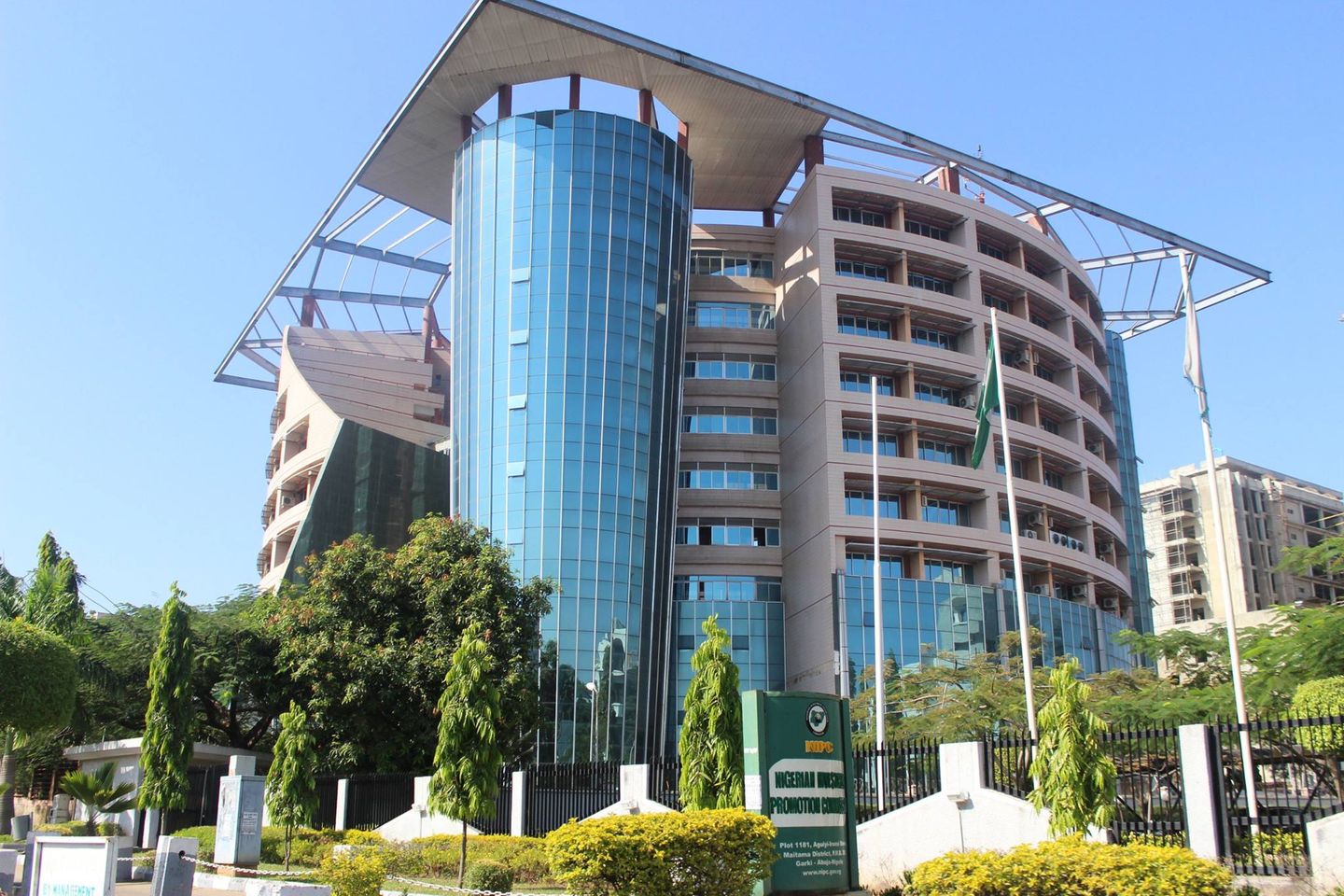
The Nigerian Communications Commission (NCC) has exceeded its N36 billion projected revenue from spectrum license fees for 2021, having recorded over N150 billion from this revenue source within the five months of the year.
The figure represents over 400 per cent increase in revenue budget performance in respect of spectrum fees generated by the Commission between January 1 and May 31, 2021, reflecting significant contribution to the revenue drive of the Federal Government.
Accordingly, the N150 billion spectrum revenue achieved in the first half of the year has been remitted to the Federal Government in line with the provisions of the Nigerian Communications Act (NCA), 2003, which mandates the Commission to remit proceeds from spectrum resources wholly into the government’s Consolidated Revenue Fund (CRF).
The Commission, in its 2021 Budget which was considered and approved by both chambers of the National Assembly in December, 2020, projected a revenue of N36 billion from spectrum fee for the year 2021 but has remarkably surpassed this estimate.
Over the years, the NCC has put in place an effective regulatory regime which has significantly facilitated advancements in the nation’s telecoms industry, boosted Gross Domestic Product (GDP), and improved the operations of licensees as well as boosted Federal Government’s revenue generation.
Commenting on the revenue performance, the Executive Vice Chairman of the Commission, Prof. Umar Garba Danbatta, said that the impressive uptick in spectrum fee was the result of the favourable turn of events for the telecom sector, which at the time of preparing the estimates for the 2021 Budget of the Commission was not clear due to the ravaging impact of COVID-19 on the global economy.
Danbatta noted that the 10-year spectrum fees made by some of the major operators directly impacted the projected spectrum fee favourably, adding that the Commission believes that enthronement of effective regulation will continue to improve the general performance of the telecoms sector.
On October 28, 2020, Danbatta told members of House Committee on Telecommunications while on an oversight function to the Commission that the NCC had generated and remitted N344.71 billion to the Federal Government’s CRF in the last five years.
During the oversight visit, the Chairman of the Committee, Hon. Akeem Adeyemi, commended NCC’s Management for the feat and urged the Commission “to sustain its regime of effective regulation of the telecoms sector in a manner that would be more mutually beneficial to the industry stakeholders, including the consumers of the telecoms services, the operators and the Nigerian government.”
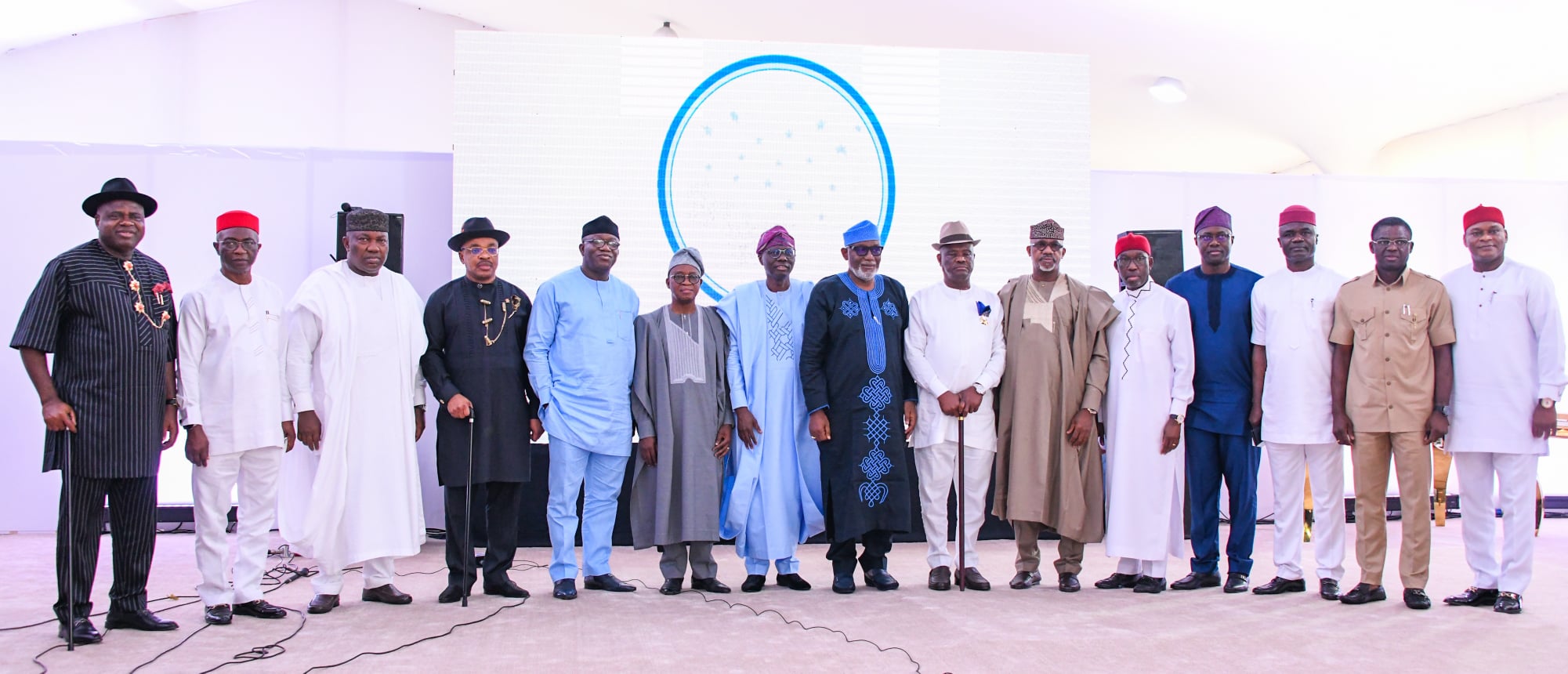
•Caucus Chooses Lagos as Permanent Secretariat
Eight weeks after their last meeting, Governors from the Southern part of the country, again, converged in Lagos State on Monday in a follow-up to their May 11, 2021 deliberation in Asaba, Delta State.
Governor Babajide Sanwo-Olu hosted his colleagues at the Government House in Alausa for the meeting held behind closed doors for four hours.
The Southern Governors’ Forum reviewed the situation in the country and had extensive discussion on the current security situation in the country, constitutional amendment, and the recently passed Petroleum Industry Bill (PIB).
Rising from the meeting, chairman of Southern Governors’ Forum and Ondo State Governor, Arakunrin Rotimi Akeredolu, read the communique agreed by the member State.
The communique reads:
Other Governors, who attended the meeting, include Ifeanyi Okowa (Delta), Nyensom Wike (Rivers), Dapo Abiodun (Ogun), Gboyega Oyetola (Osun), Emmanuel Udom (Akwa Ibom), Kayode Fayemi (Ekiti), Senator Douye Diri (Bayelsa), Seyi Makinde (Oyo) and Ifeanyi Ugwuanyi (Enugu).
Deputy Governors who represented their principals include Philip Shuaibu (Edo), Placid Njokwu (Imo), Sir Ude Oko Chukwu (Abia) and Kelechi Igwe (Ebonyi).
Governors of Cross River and Anambra States, Prof. Ben Ayade and Willie Obiano, were absent at the meeting.
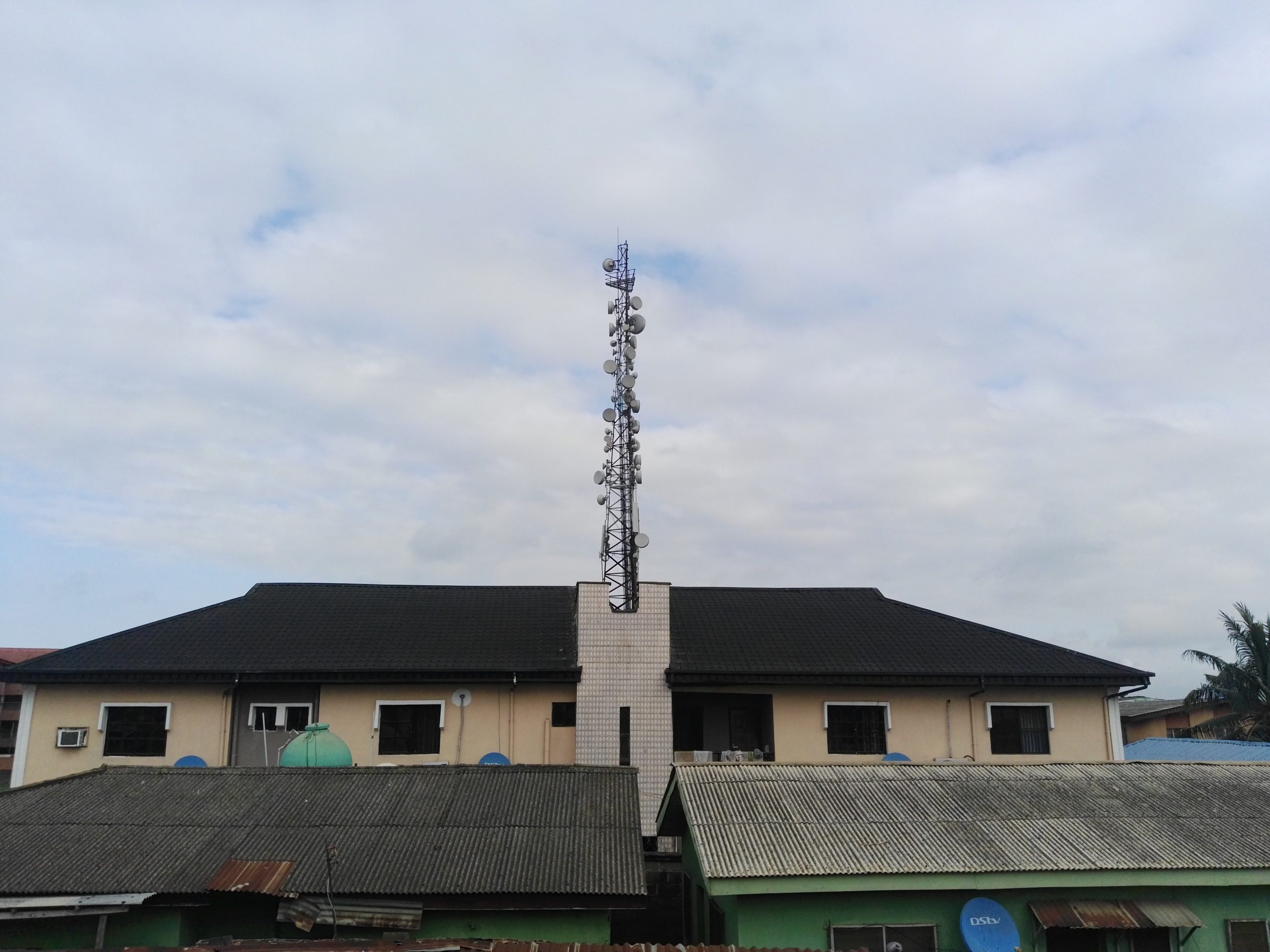
As interconnectivity and mobility of Nigerian telecommunication subscribers increase daily, with over hundreds of million active mobile subscribers presently, there has been a need to have Robust Guidelines on National Roaming and also and Infrastructure Sharing. The apex regulatory agency, Nigerian Communication Commission (NCC) in its proactive manner has presented to the industry stakeholders such as Mobile Number Operators and other telecommunication firm on what is applicable.
National roaming is agreement between operators to extend coverage or can be imposed or facilitated by Federal Government as a means to encourage and increase competition amongst networks. In line with the powers conferred upon it (NCC) by Section 70 of the Nigerian Communications Act, 2003 and other enabling powers in that regard, the Commission to prescribe a regulatory framework for the implementation of National Roaming services in Nigeria. These are to be in conjunction with the Act, the Collocation Guidelines, Interconnection Regulations, Quality of Service Regulations, Competition Practices Regulations, other subsidiary legislations that may be issued by the Commission from time to time, and relevant License Conditions.”
NCC said that National roaming services shall commence within 90 days from receipt of the Roaming Request. The Roaming Provider shall within 10 working days of receipt of the Roaming Request notify the Roaming Seeker and the Commission of its refusal by completing the relevant section of the Response to Roaming Request Form B contained under Schedule 1 of these Guidelines and furnish supporting evidence therewith. Speaking on the national roaming, the regulator said that “The charges, terms and conditions for National Roaming services shall be through bilateral negotiations and in line with the provisions of these Guidelines.
in drafting agreement, factors that must be taken into cognizance are; Guidelines on Collocation and Infrastructure Sharing, Spectrum Trading Guidelines. Mobile Number Portability Business Rules & Port Order Processes; and any other regulations or guidelines published by the Commission from time to time that have provisions relating to or impacting on national roaming.

The Commission did not frown also on several agreement between operators. The document posted on the website of NCC states that ” Multiple National Roaming Agreements can be signed with different operators in the same or different clusters. Notwithstanding the above, the allowable number of Roaming partners on a Visited Network shall be determined by capacity and clusters. National Roaming services shall be provided under non-discriminatory terms, conditions and of a quality no less favorable than that provided by the Roaming Provider for its services or for services by its subsidiaries and other affiliates. Meeting the minimum network roll-out obligation as spelt out in a Service Provider’s License Condition is a pre-condition for entering into a National Roaming Agreement.”
On the issue of resolution of disputes, the Commission encourages the harmonious resolution of disputes, but if that fails, either party may refer the matter to the Commission for resolution, in line with the provisions of Sections 75 and 76 of the Act and the Dispute Resolution Guidelines. The decision of the Commission in this regard shall be final and binding on parties until set aside by a court of competent jurisdiction.
Still on intervention on conflict and its resolution, the Commission shall intervene within 30 days from date of receipt of the request for intervention and then prescribe the terms and conditions including national roaming charges. The Commission shall exercise its authority to intervene and regulate rates or tariffs whenever rates or tariffs are prohibitive and subscribers will be adversely affected. National roaming services shall not exceed 3 years from date of execution of the National Roaming Agreement. Though NCC stated that they reserve the right to permit parties to renew the National Roaming Agreement for another 3 years.
On Roaming Connection and billing between parties, the recommended Roaming connection and interworking for different technology such as 2G, 3G, 4G or whichever one the parties might may adopt other connection modes based on bilateral agreement. The format for billing and Call Data Record (CDR) verification shall be configured, tested and signed off on or before the commencement of Roaming. The Commission recommend 3GPP format. Though, the Home Network shall, as much as possible, support existing models for charging such as prepaid/postpaid, on-net/off-net, MO/MT, per volume/time for data, in addition to pre-agreed terms with Roaming partner and verified tests.

Notifications shall be configured and tested before the commencement of Roaming services. Notifications such as Roaming Attachment, Extra charge while roaming. Roaming charge for originating calls where Roamer pays. Restriction message, if any; and any other notifications as may be deemed relevant to the Roaming service.
Anthony Nwosu
For information on the National roaming agreements visit here
On Roaming Connection and billing between parties, the recommended Roaming connection and interworking for different technology such as 2G, 3G, 4G or whichever one the parties might may adopt other connection modes based on bilateral agreement.
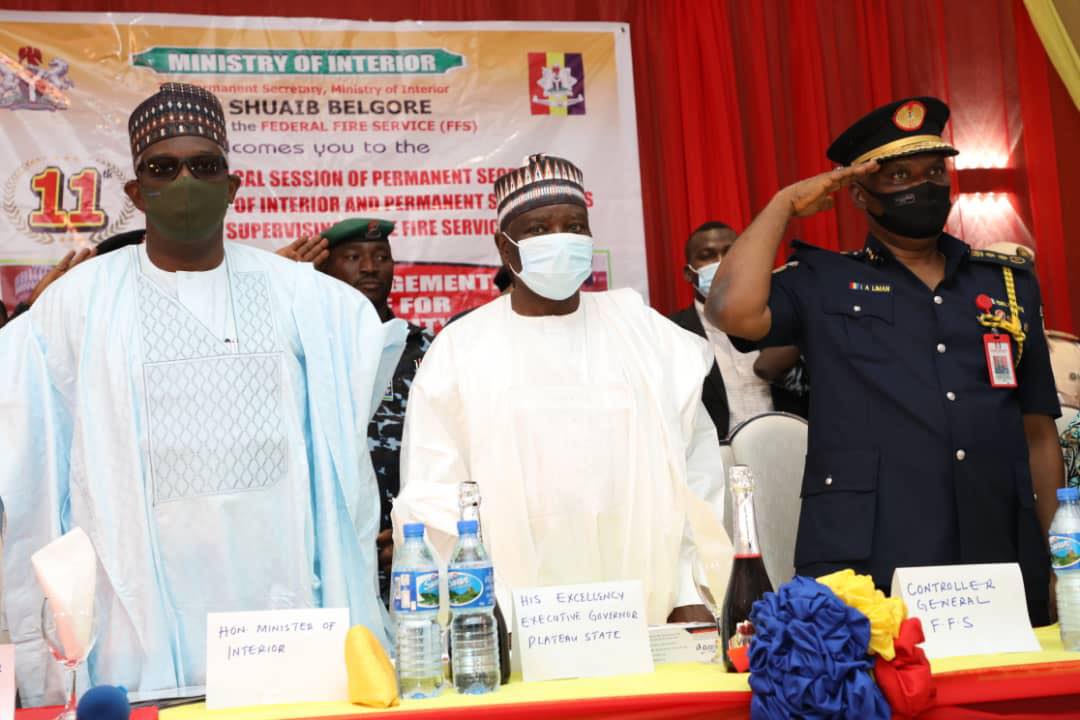
As part of efforts to addressing the challenge often faced by firefighters during operations, through mob action and vandalization of firefighting assets in the country, the Federal Government has disclosed that it would create an arm bearing unit to be referred to as “Fire Police,” whose duty would be, to provide armed outer cordon during operations.
Minister of Interior, Ogbeni Rauf Aregbesola and Chairman of Council, disclosed this during the opening Ceremony of the National Council on Fire, held in Jos, Plateau State.
Aregbesola, who was represented by the Permanent Secretary in the Ministry, Dr. Shuaib Belgore, said the Ministry would initiate the process of repealing the 1963 obsolete Fire Service Act and enactment of a new contemporary, vibrant, and enforceable law, through the instrument of an Executive Bill to be forwarded to the National Assembly for deliberation and eventual passage into law.
He stressed further that Fire Safety Management; an Imperative for National Security can and should become a tool for not only National Security but also National Development.
“When critical national assets are adequately protected against consequences of huge losses due to fire incidents, these assets are saved; the economy is further protected, because the very lean resources that would have otherwise been used to rehabilitate or reconstruct such affected infrastructure would be channeled to other areas of our National Development. Our national Archives and very sensitive information would be preserved.” he added.
The Minister assured that the Ministry under his watch would continue to find innovative ways and means to empower the Service to provide timely and quality service of world class standard, to the generality of the citizens and foreigners alike.
Federal Fire Service, he noted, has enjoyed and will continue to enjoy the tremendous support of President Muhamadu Buhari. “I am confident that as this government progresses in office, the Federal Fire Service would be sufficiently repositioned to deliver timely and quality service to the nation,” he reinterated.
In his remarks, Plateau State Governor, Simon Lalong who declared the Council open, thanked the Ministry of Interior for choosing the State for this year’s conference, noting that the theme, “Fire Safety Management: An Imparative for National Security” was well conceived at a time the nation was grappling with numerous security challenges.
The Governor, represented by his Deputy, Prof. Sonni Tyoden, condemned unnecessary attacks on fire fighters during safety and rescue operations. He called for proper sensitization of Nigerians on the need to embrace preventive measures to averting fire disasters in the country.

The Nigerian Communications Commission (NCC) has exceeded its N36 billion projected revenue from spectrum license fees for 2021, having recorded over N150 billion from this revenue source within the five months of the year.
The figure represents over 400 per cent increase in revenue budget performance in respect of spectrum fees generated by the Commission between January 1 and May 31, 2021, reflecting significant contribution to the revenue drive of the Federal Government.
Accordingly, the N150 billion spectrum revenue achieved in the first half of the year has been remitted to the Federal Government in line with the provisions of the Nigerian Communications Act (NCA), 2003, which mandates the Commission to remit proceeds from spectrum resources wholly into the government’s Consolidated Revenue Fund (CRF).
The Commission, in its 2021 Budget which was considered and approved by both chambers of the National Assembly in December, 2020, projected a revenue of N36 billion from spectrum fee for the year 2021 but has remarkably surpassed this estimate.
Over the years, the NCC has put in place an effective regulatory regime which has significantly facilitated advancements in the nation’s telecoms industry, boosted Gross Domestic Product (GDP), and improved the operations of licensees as well as boosted Federal Government’s revenue generation.
Commenting on the revenue performance, the Executive Vice Chairman of the Commission, Prof. Umar Garba Danbatta, said that the impressive uptick in spectrum fee was the result of the favourable turn of events for the telecom sector, which at the time of preparing the estimates for the 2021 Budget of the Commission was not clear due to the ravaging impact of COVID-19 on the global economy.
Danbatta noted that the 10-year spectrum fees made by some of the major operators directly impacted the projected spectrum fee favourably, adding that the Commission believes that enthronement of effective regulation will continue to improve the general performance of the telecoms sector.
On October 28, 2020, Danbatta told members of House Committee on Telecommunications while on an oversight function to the Commission that the NCC had generated and remitted N344.71 billion to the Federal Government’s CRF in the last five years.
During the oversight visit, the Chairman of the Committee, Hon. Akeem Adeyemi, commended NCC’s Management for the feat and urged the Commission “to sustain its regime of effective regulation of the telecoms sector in a manner that would be more mutually beneficial to the industry stakeholders, including the consumers of the telecoms services, the operators and the Nigerian government.”

Wakanow.com Limited (Wakanow) is pleased to announce the appointment of Mrs. Adenike Macaulay as the Company’s Chief Commercial Officer, effective 5th July 2021.
Mrs. Macaulay is a dynamic leader in the Airline Industry, the first female and first Nigerian to be appointed as General Manager for Lufthansa Group in Nigeria & Equatorial Guinea. Her career at Lufthansa spanned a period of 12 years where she held various positions across Sub-Saharan Africa overseeing diverse teams as Regional marketing manager, Senior Manager Customer Products & Marketing, Head of Sales products & programs and rose through the ranks to become the General Manager of Lufthansa Group. As the General Manager, she led the sales, marketing, servicing, and commercial activities for Lufthansa in Nigeria and Equatorial Guinea.
She holds an MBA from the University of Warwick in the UK, a BSc in Systems engineering from the University of Lagos, professional diploma from the Digital Marketing Institute, Ireland amongst other qualifications.
#travel#travelindustry Over the last 2 years, Wakanow has been able to grow its customer base and market share despite the advent of the Covid-19 Pandemic which had an adverse effect on the travel industry. The Company continues to service its customers and maintain its best value proposition with improved product offering & world-class customer service.
Mrs. Macaulay is excited to take up the new responsibility as the CCO of Wakanow by helping to unlock fresh business channels and opportunities for the Company. “I’m excited to bring my expertise home to build an indigenous brand I have watched grow, disrupt and lead the evolution in the travel industry in Africa. I look forward to contributing to the growth of Wakanow and exploring the opportunities ahead” says Mrs. Macaulay.
The Board and Mr. Bayo Adedeji, CEO of Wakanow, believe that Mrs. Macaulay will enhance the current significant growth trend of the company, drive incremental profitability and expand its market leadership.
Wakanow is a technology-enabled leading travel agency in West Africa offering e-commerce based sales of flights, hotels, and travel-related services. Wakanow continues to lead the travel market with innovation and easy access channels online (website, WhatsApp, social media) and in multiple locations across Nigeria, Ghana and Dubai.