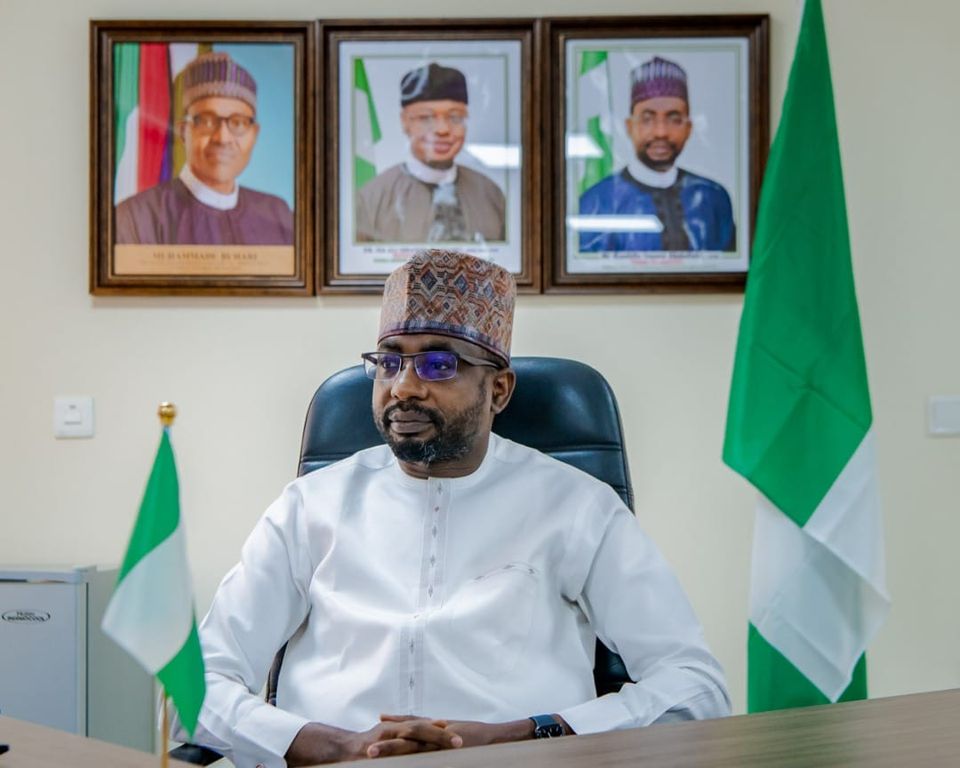
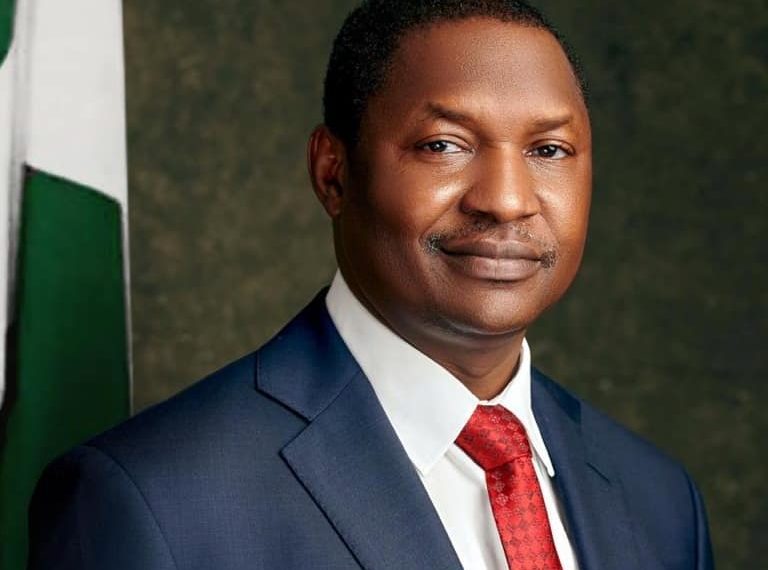
Mallam Kashifu Inuwa Abdullahi CCIE, Director General National Information Technology Development Agency (NITDA), has said the web is the backbone of the digital economy. As it serves as a pathway to opportunities in the Digital economy through connectivity, data, and digital platforms.

Abdullahi who was represented by Dr Muhammad Aminu Lawal, Special Assistant on Digital Transformation to the Director General, said this while delivering a keynote address at the World Wide Web Day, a hybrid event organised by the Centre for Cyber Awareness Development (CECAD). With the theme “The World Wide Web: Creating Opportunities for the New African Digital Economy”.

He said internet connectivity ensures that value is created and captured; it also ensures global access to products and services 24/7 in the digital economy, adding that through the Web, digital data continue to drive the evolution of the digital economy.

“The Web provides access to massive volumes of data used for analysis on virtually every aspect of our lives”, said the DG.

The DG noted that another significant contribution of the Web in driving the digital economy is the development of digital platforms. “Many businesses, social and personal activities are happening on various digital platforms; these leave tons of digital footprints that provide huge amounts of data for analytics”, he said.

He opined that by leveraging on the world wide web, many digital economy potentials lie ahead for Africa; these potentials will increase growth and productivity as exploiting the Web will reduce the cost of production and distribution of goods and services; improve management efficiency and communication with stakeholders; increase competition and broaden markets; provide options for customers and improves marketing and pricing.
The NITDA boss emphasised that the Agency through its strategies, has come up with numerous regulations and initiatives to ensure that opportunities are created and utilised to achieve a digital economy.

Some of these initiatives, according the DG are: Encouraging free domain registration for public institutions through Nigerian Internet Registration Association (NIRA), Facilitating Digital Literacy Training and Awareness, Digital Content Creation and Indigenous Language Translation, Effective Digitisation of Government Services (e-Government) as well as other e-services, Deployment of IT intervention projects that facilitate Digital Literacy and Skills development, Development of Nigeria Government Enterprise Architecture (NGEA) and Nigerian e-Govt Interoperability framework (Ne-GIF), Funding capacity building & Innovation initiatives to facilitate digital jobs creation, Establishment of National Centre for Artificial Intelligence and Robotics (NCAIR).

Earlier in his opening remarks, Dr Bayero Agabi convener of the event and Executive Director (CECAD), said the world wide web day is a global celebration dedicated to web browsing, online activities that brings wealth of knowledge to your fingertips.

“It is a chance to celebrate the way the internet created an environment for collaboration and business growth while also taking a deeper look into its evolution the past years”, he said.
Adding that the purpose of the event is to come up policies that will help create a sane secure digital society.

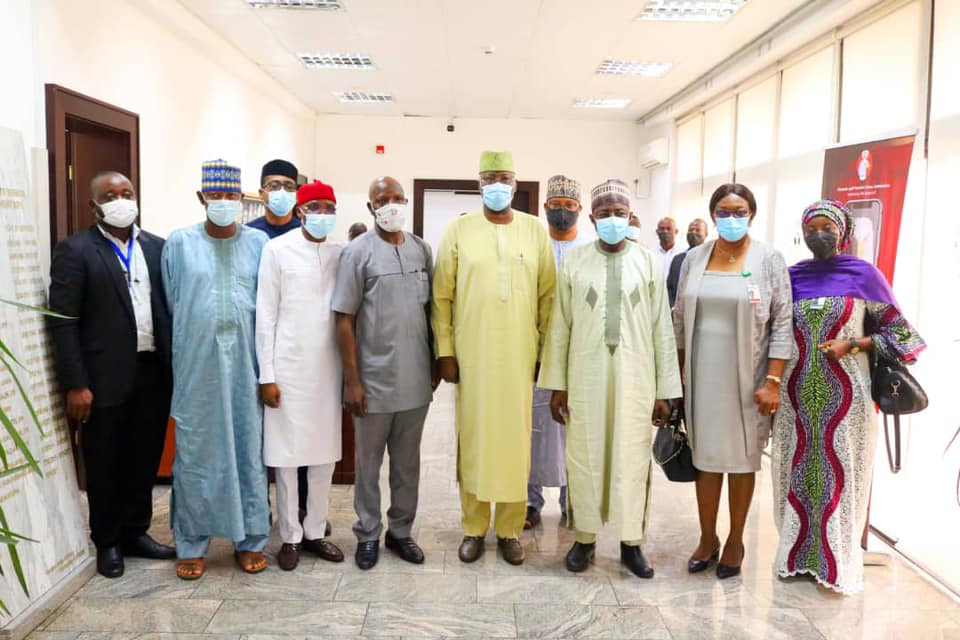
Among Dignitaries in attendance the Director General of National Identity Management Commission (NIMC), Engr. Aliyu Aziz, Managing Director Galaxy Back Bone Limited (GBB), Prof. Muhammed Bello Abubakar, President Nigeria Computer Society (NCS), Prof. Adesina Sodiya, President of ATCON, Engr. Ikechukwu Nnamani, Former President NCS, Alhaji Ladi Oguneye, Chief Executives of IT companies and other relevant stakeholders.

*VP highlights Niger Delta’s diverse human capital, cites progress of FG’s New Vision initiative for the region

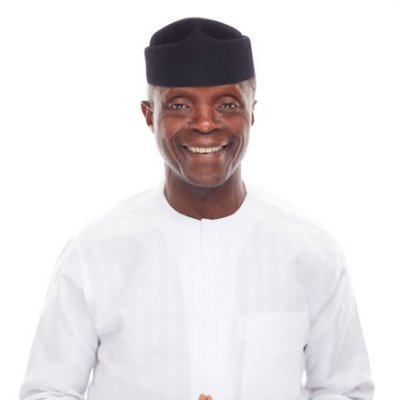
In furtherance of its New Vision development agenda for the Niger Delta, the Buhari Administration will ensure the completion of the critical projects it has embarked upon in the region, according to Vice President Yemi Osinbajo, SAN.

Prof. Osinbajo who was represented at the event by the Senior Special Assistant to the President on Niger Delta Affairs, Office of the Vice President, Mr. Edobor Iyamu, stated this on Tuesday at the 6th Anniversary Lecture/Niger Delta Awards Organised by Gbaramatu Voice Newspaper, which held in Lagos.

According to him, “in 2017, following my tour of the Niger Delta, which involved extensive consultations with key stakeholders in the region, the New Vision for the Niger Delta was birthed in response to the various challenges which had been plaguing our people. The objective of this New Vision is to ensure that the people of the region benefit maximally from their wealth, through promoting infrastructural developments, environmental remediation and local content development.”

Prof. Osinbajo said that the administration’s Niger Delta New Vision initiative has recorded some landmark achievements in the areas of education, environmental remediation, infrastructure and local content development, among others.

He added that “as part of the quest to expand economic opportunities in the region, this administration has promoted investments in modular refineries. The objective of this initiative is to address our present energy demands and empower the Niger Delta people through promoting local content.”

The Vice President stated that while there are several modular refineries at different stages of completion across the region, three have been completed including the Niger Delta Petroleum Resources (NDPR) Modular Refinery in Rivers State; OPAC Modular Refinery in Delta State, and Walter Smith Modular Refinery in Imo State.

He also noted the ongoing remediation exercise in Ogoni land, Rivers State, which was kick-started by the Buhari administration under the recommendations of UNEP.
According to the VP, “It is important to note that the Ogoni clean-up is the first of its kind in the history of the Niger Delta. Indeed, this is the first time the Federal Government is directly involved in remediation activities within the region.”

“We are equally committed to expanding infrastructure in the region, this includes the ongoing construction work on the 34-kilometers Bonny-Bodo Road/Bridge, which has been abandoned for decades. When completed, the project, which was flagged off in October 2017, would connect several major communities and boost socio-economic development in the region.

“The Itakpe-Ajaokuta-Warri Rail Line project, which was commissioned by Mr. President in September 2020, and has the capacity to handle both passengers and freight services, is connecting several communities and promoting commerce within the region.

“The Federal Government is also developing a number of deep sea ports across the region, including the Bonny, Warri, and Ibom Deep Sea Ports, among other development projects such as the establishment of Export Processing Zones to boost economic activities.

“In 2018, the National Universities Commission (NUC) approved the commencement of undergraduate degree programmes at the Nigerian Maritime University in Okerenkoko, Delta State, which happens to be situated in the great Gbaramatu Kingdom.”

The Vice President noted that “beyond its oil wealth, the Niger Delta region is incredibly blessed with diverse human capital across education, sports, technology, creative arts, entertainment, economy, and many other sectors.”

Speaking on the theme of the event, “The Dwindling State of Crude Oil Demand in the Global Market: The Way Forward”, the Vice President stated that factors such as the attendant decline in demand for our crude oil, the impact of the COVID-19 pandemic on global energy demand and on government’s earning, the current situation, require creative and holistic approach to foster economic growth.

Noting that despite the fact that crude oil accounts for about 90 percent of Nigeria’s foreign exchange earnings, the VP stated that the Federal Government from inception had shown a commitment towards the creation of economic opportunities for Nigeria’s population in a post-oil future.

The Vice President highlighted initiatives being taken by the Federal Government to reposition Nigeria’s economy by taking advantage of global trends in the energy sector.
This includes the SolarPowerNaija Programme under the Economic Sustainability Plan (ESP) which will complement efforts towards providing affordable electricity access to 5 million households, serving about 25 million Nigerians in rural areas and under-served urban communities nationwide.

The VP also highlighted efforts by the Federal Government on energy transition from crude oil to natural gas, as well as its National Gas Expansion Programme, also a component under the ESP.

He said, “as part of our drive to encourage investments in gas production and optimize our nation’s enormous gas potential, the Federal Government declared the period of 2020-2030 as the decade of gas. To this end, last November, the Federal Government launched its National Gas Expansion Programme, which focuses on the distribution of Compressed Natural Gas (CNG) and Liquefied Petroleum Gas (LPG) across gas stations operated by the Nigerian National Petroleum Corporation (NNPC).

“By the end of this year, this administration will commence distribution of CNG as part of our strategy to gradually replace the high sulfur petrol. Our objective is two-fold. First, this is the administration’s effort at managing the necessary energy transition from crude oil to natural gas. We intend to increase our domestic gas supply to meet this demand by exploiting our abundant reserves of natural gas.

“Secondly, we are aiming to develop CNG into an alternative automobile fuel as a means of affording Nigerians cheaper, cleaner and additional fuel. In this way, we will reduce the ecological and economic costs of energy. The Gas Masterplan provides for investment in the necessary infrastructure for gas transportation across the nation. All of these will basically reduce our local crude oil dependency, whilst strengthening our drive for cleaner sources of energy as a nation. And crucially, it will create jobs in what will be a fast-expanding frontier of opportunity.”

In line with the Administration’s New Vision for the Niger Delta initiative to develop the region, the Vice President noted that the Federal Government has “also invested significantly in the Niger Delta as the region that holds the energy resources that have powered our progress for six decades as well as the keys to an emergent gas economy.”
The Vice President further noted that the Administration places top priority on peace and security in the region.

“In terms of addressing concerns around public safety and social security in the region, while ensuring peace and stability in the region, the administration has, among other things, sustained its commitment to the Presidential Amnesty Programme under which youths and ex-agitators are engaged in formal education, vocational skills acquisition and empowerment programmes that offer a pathway towards productive and dignified livelihoods,” he said.

Commending the publishers of Gbaramatu Voice Newspapers for organizing the event, the Vice President said the ‘cumulative effect of all these measures will have a positive transformational impact on the Niger Delta and on the future of our nation as a whole while ensuring sustainable peace and progress in the Niger Delta.

Laolu Akande

Ian Lessem, Managing Partner at HAVAÍC, investors in early-stage, high-growth technology businesses, notes a significant increase in investment demand for African technology startups.

He says startups on the continent are at a distinct advantage because they compete out of necessity. As a result, they can, and very often do stand toe to toe with startups in more the established tech hubs of Palo Alto, Singapore, London and Tel Aviv. “African innovators face local challenges so pervasive; they simply have no choice but to tackle them head on and become subject matter experts in finding solutions for real world problems like food security, health, education, safety, financial services and logistics.”

Lessem adds that African technology driven solutions borne out of necessity create efficiencies, new products and opportunities, and most importantly solve local challenges that resonate globally. Because of this they have the inherent ability to leap across national boundaries and sidestep the usual rules of cultural friction. “With the world having quickly adjusted to the realities of the ongoing global social and economic crisis as a result of the Covid-19 pandemic, solutions that solve real world challenges are without a doubt the best opportunities for growth. People and businesses are craving solutions that make their day to day lives easier, better and less frictional, and the pace at which they are adopting technology to do this continues to accelerate.”

Not only does HAVAÍC support promising startups, it also understands the power of unlocking the potential of Venture Capital (VC) as an investment class in Africa. Investing in African startups offers the opportunity to invest in real-world businesses solving real-world challenges, and the chance to invest in a sector that offers undeniable growth prospects. “While it seems unlikely that the greatest contributions to and innovations in biotech or space travel will emerge from Africa, African founders are paving the way when it comes to creating commercial and innovative solutions to local challenges that also have global relevance. And, crucially, when coupled with technology they can scale quickly on home ground and abroad,” says Lessem.

In contrast to tech hubs in developed economies where there is an abundant supply of available capital for startups and entrepreneurs, Lessem says scarcity of financial resources in Africa does little to limit the potential, and indeed the success, of startups in South Africa, Kenya, Nigeria, and Egypt. “The hidden advantage in this scenario is that African entrepreneurs and startups self-fund and bootstrap for as long as possible. This translates to founders having a sharp focus on creating commercially successful business from the get-go. And because it’s their time and money at risk they have no choice but to make a success of it. Underpinned by commercially viable business models, African startups are tested in uniquely challenging conditions, become experts in their field, and this breeds a unique resilience which gives them an edge as they seek to enter international markets.”

Says Lessem: “The mettle, know-how and ingenuity of African businesses is evident in cases like Flutterwave becoming the continent’s most recent tech unicorn, but also within HAVAÍC’s own portfolio of startups, including South Africa’s hearX which concluded a landmark distribution agreement in the United States to roll out their AI -powered hearing aid in 39,000 retail stores, or Tanda in East Africa, who with their cash technology solutions and distribution network in the informal sector literally tripled the number of “ATM’s” in Kenya overnight.”

With African businesses continuing to punch well above their weight, proving their ‘right to play’ and their potential to scale domestically and internationally, Lessem says it is an exciting time to be part of the African VC environment. “The attitude of supporting local while acting global also has the positive consequence of developing the early-stage ecosystem overall. By attracting foreign capital international partners, local entrepreneurs and their communities thrive, which is critical for Africa’s economic growth. With all this in mind, it is clear that the next startup wave is set to come from Africa.”

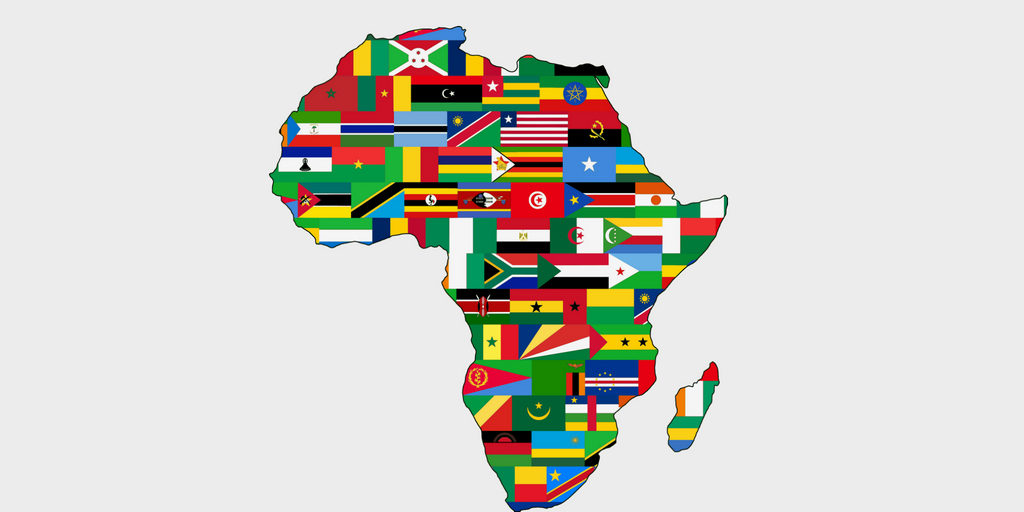
On the back of Cape Town being recognised as the tech capital of Africa, topping international rankings for foreign direct investment strategy, Ian Lessem, Managing Partner at HAVAÍC – investors in early-stage, high-growth technology businesses – says several other African cities are quickly emerging as leading startup and investment hubs to watch. 

“Startups in Nigeria, Kenya, Egypt and South Africa raised a total of US$625 million last year. Of those, Kenyan startups raised US$191 million, the most of any other African country, according to Disrupt Africa’s African Tech Startup Funding Report for 2020. Distinct startup geographies are emerging in Africa, each with the potential to become its own powerhouse,” he says.

In addition, the World Bank predicts that two thirds of the world’s GDP growth will occur in cities over the next fifty years. Lessem says Africa’s rapid urbanisation is a welcome development as cities foster greater economic potential, business collaboration, and technological innovation needed to leapfrog traditional infrastructure, which can result in creating thriving tech ecosystems.

“HAVAÍC sees Southern Africa, dominated by South Africa; Anglophone West Africa, led by Nigeria; Francophone West Africa, dominated by Cote d’Ivore and Senegal; East Africa led by Kenya; and North Africa dominated by Egypt, as key African geographies to pay close attention to. Each are quite different, with some of them tackling more regional challenges and others offering globally scalable solutions,” notes Lessem.

A diversity of businesses are emerging in critical sectors such as e-health, fintech, security and education, as African startup investment continues its upward trajectory, having increased year-on-year for the past five years. “West African hubs like Lagos have benefitted hugely from locals being skilled abroad and returning home where a young, bourgeoning middle class are open to new fintech propositions as we have seen from the likes of Flutterwave. While in Nairobi, an influx of foreign direct investment and financing from national development finance institutions, coupled with international skills transfers, have contributed to creating a flourishing startup environment,” says Lessem.

He adds that Cairo’s access to favourable funding and product distribution from the Middle East is unique on the continent. “Egypt’s large local customer base and proximity to major international hubs in the UAE, Qatar, Oman and Saudi Arabia make it a strong B2B (business to business) and B2B2C (business to business to consumer) regional player. Of course, South Africa’s strong blue chip corporate base and financial and digital infrastructure have ensured the country’s startups have been able to enter developed markets with their seamless tech competing toe-to-toe in international markets.”

“In both English and French speaking West Africa, there are significant B2B2C  opportunities, thanks in part to the development and growth of cities like Dakar, Abidjan and Lagos. Ultimately, massive improvements in infrastructure, maturing financial markets and broader access to higher education are laying the foundation for Africa’s tech hubs and signal an exciting future for the continent’s startups who prove time and time again they can compete with the best in Silicon Valley, London and Singapore,” Lessem points out.

HAVAÍC’s own investment thesis is centred around investing in local African tech businesses that have the ability to scale and service both regional and global markets. “Our ability to invest locally, strategically nurture, and help internationalise our portfolio is what sets us apart. More than ever before, investing and supporting local, growing innovation with the potential for global elevation, is a smart investment decision at the heart of Africa’s future,” Lessem says. 

Lamide has joined the KTN Global Alliance Africa as Country Lead (Nigeria).

This is a six-year pioneer project co-funded by the UK’s Foreign, Commonwealth and Development Office (FCDO) and Innovate UK which aims to promote job creation, inclusive growth and poverty reduction through knowledge sharing, skills building and opportunities to support businesses and innovations that can deliver scalable impact.

While speaking to Lamide about this appointment, Lamide said, “Joining the KTN Global Alliance Africa Programme is not only a strategic career move, but throughout my work with entrepreneurs and innovators in the past decade, I have found that partnerships leveraged by communities are the fastest way to build economic prosperity in Africa – this largely informed my decision to join the KTN. I am excited about the work we’d do to support the development of Nigeria through partnerships, innovation and technology.” 

Prior to joining KTN, his most recent appointment was as the Deputy Director at the UK-Nigeria Tech Hub, an initiative by the UK government’s Department for Digital, Culture, Media, and Sports (DCMS), where he was also Interim Country Director. Lamide led the design and implementation of high impact initiatives and programmes including the COVID-19 Impact Survey; Nigeria’s first Intelligence Platform for Technology & Innovation in Nigeria; the iNOVO Acceleration Programme; the Future Females Business School Programme; the Developer Placement Programme; the Innovative Teachers Fellowship Programme; the African Angel Academy, amongst other programmes. You can see the UK-Nigeria Tech Hub 2020 Impact Report here.

Lamide is also an ex-Ventures Platform staff member, where he served as the Chief of Staff to Kola Aina, and also as the Director of Partnerships and Engagement from May 2017 to March 2020.

With over 10 years of experience, designing, developing and implementing digital skills, entrepreneurship, investment readiness, policy and capacity building programs for startups and entrepreneurs creating solutions for Africa’s urgent problems, that promote job creation and provides access for communities, Lamide has undoubtedly been committed to accelerating innovation in Africa.

He is a Mandela Washington Fellow, also a Bill and Melinda Gates Foundation Goalkeeper. He is trained in Business and Entrepreneurship from Kellogg School of Management, Northwestern University, Illinois, USA; and he also has a Master of Business Administration degree.

Aside from his passion in designing digital skills, policy and innovation programmes in Africa, ‘Lamide is a Storyteller and Author. He is the Founder and Lead Faculty of The Storytellers Academy, where he teaches the art of compelling storytelling for African startups, brands, businesses, & social enterprises; nurturing young creative minds to tell the African story and connecting them to the vast opportunities in the content creation market.

He has authored four books, and his fifth book is due to be launched in December, 2021.

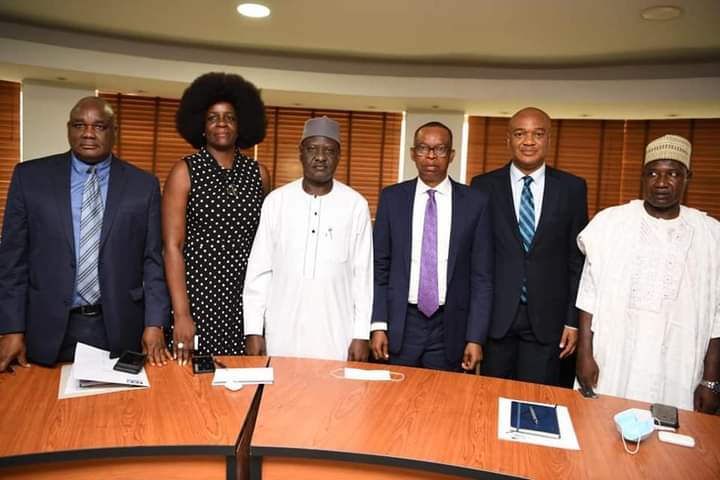
The Nigerian Communications Commission (NCC) and the Nigeria Economic Summit Group (NESG) are considering possible areas of increasing collaboration to enhance the impact and contribution of telecommunications sector on Nigeria’s socio-economic development.

This was the crux of deliberations during a courtesy visit by a delegation of the National Assembly Business Environment Round Table (NASSBER), a policy unit at NESG led by Nnanna Ude and a member of the technical committee of NASSBER, Yemi Keri.

The need for stakeholder collaboration and engagement between the Commission and other stakeholders in order to conduct an impact assessment and gap analysis of the Nigerian Communications Act (NCA) 2003, which will lead to improvement of the legal instrument and reflect new trends, especially in a post-pandemic world, was the primary focus of the visit.

The two entities also considered synergy in the area of Research and Development (R&D); while NESG has expressed its desire to have the Commission feature prominently in the forthcoming Nigeria Economic Summit (NES), an annual summit organised by the NESG, scheduled to hold in October this year.

While receiving the delegation on behalf the Executive Vice Chairman of NCC, Prof. Umar Garba Danbatta, the Director, Public Affairs, NCC, Dr. Ikechukwu Adinde, stated that the meeting was a welcome development, as it aligns with the telecom regulator’s strategic partnership and collaboration objectives.

Adinde stated that the NCA 2003 is a robust regulatory instrument, which has given the NCC the mandate to regulate the telecom sector effectively, as seen in the contribution to the overall economic development of the country.


He stated further that, by virtue of Section 70 of the NCA 2003, the Commission has developed various regulations and issued guidelines that have helped in addressing critical issues pertaining to its regulatory activities.

Other senior management staff of the Commission, including the Director, Licensing & Authorisation, Muhammed Babajika; Director, Technical Standards & Network Integrity, Bako Wakil and representatives of the departments of Legal & Regulatory Services; Policy Competition & Economic Analysis; and Financial Services of the Commission, took turns to talk about the activities of the Commission in implementing its regulatory mandate for the benefit of the country.

Mr Babajika spoke on the licensing regime of the Commission and its impact on innovation in the economy, while Engr Wakil spoke about NCC’s regulatory efforts and collaborations with various stakeholders, such as the Nigeria Governors’ Forum (NGF) towards addressing challenges to quality of service (QoS) in telecom industry.
The impact of these challenges such as multiple taxation and regulations, fibre cuts, vandalism, high cost of Right of Way (RoW), theft of telecoms facilities and the need for the passage of the Critical National Infrastructure (CNI) Bill into law.

Speaking earlier on behalf of the Chief Executive Officer of NESG, Laoye Jaiyeola; Ude acknowledged the critical role NCC is playing in the provision of essential digital support for the Nigerian economy. He noted that, in 20 years of telecoms liberalisation, the Commission has been contributing significantly to the country’s Gross Domestic Product (GDP).

Ude explained that the visit was part of the efforts of the NESG to strengthen collaboration with key institutions of government such as the NCC. He extolled the role of the Commission in driving telecommunications sector growth through efficient and result-oriented regulations, noting that the impact of the regulations are evident in industry performance indicators which have shown upward trajectory over the recent years.

“The NCC is key to the digital transformation agenda of the government and we can see the footprints of the readiness of the country on that journey, in terms of the level of broadband penetration, internet subscription, teledensity and other critical indicators,” he said.

Meanwhile, Adinde, stated that the Commission was excited by the prospects of partnering with NESG and NASSBER, noting that such partnership will further enhance telecoms contribution to Nigeria’s socio-economic growth. He added that “all the issues discussed will be articulated in a memorandum, which will be submitted to Management for consideration.”

I wish to place a rejoinder to my friend, the learned Chuks Nwachuku’s opinion and post on the IPOB march and trail of infamy today, Monday 9, 2021. I had seen the commentary and subtle invitation to respond. I needed to visit the barber and then return, recline to puff out my thinkings unhindered by repulsive remonstrances.

“The fly that is obstinate shall follow the corpse into the grave. And he who have killed his brother have committed a heinous abomination.” Ask Cain over Abel. Firstly, I was not excited about the IPOB wisdom on the “Ghost Town” philosophy. It is a shallow option not properly thought out. Again, it confirms the lack of profound intellectual inputs into the policy formulation machineries of the organisation. If they had any, they ought to know that the entire Igbo psyche would be severely hurt by such a diktat. An imposition from dictators. IPOB does not need to earn such a clout at this time.

If the organisation had any tangible brainbox, they ought to have taken a discreet survey to know if this extreme step would win general acceptance. The freedom and independence being sought and struggled for, is for the whole Igbo not for the members of the IPOB alone. Although they are leading the vanguard and thrust, the rest of us cannot be pushed away or into the lagoon for only the IPOB members to vegetate and blossom in the dream nation.. We are all stake holders.

BREAKING: IPOB suspends sit-at-home order - Vanguard News

I am compelled to ask: is this a foretaste of what life shall be in the new independent Biafra? We cannot suffer an Idi Amin, a Bokassa, Eyadema or a Mobutu Sese Seko or the tyranny of the Muslim Brotherhood led by Mossi in Egypt. The Igbo are well travelled, enlightened and educated. We cannot descend into the state of nature in our quest for independence.

If we do, it would be self-defeatist and counterproductive. A house divided against itself shall never stand.

School children have been hindered by the IPOB from taking their Maths exam today. Other Nigerians in other zones have taken theirs but the South East stood out in the rain for no convincing reasons. Has anyone pondered on the educational, demographic and economic consequences? Forcibly sequestering the emergent generation from marching in tandem with the times and the rest.

On the depth of dent on commerce and trade, the CBN and the Statistics Bureau shall in the course of time tell us what was lost, who lost and the economic implications to the SouthEast zone. I was terribly appalled at the burning of the Libra buses somewhere in Mbaise. Just to make real a threat. I wept. The burning of two persons within the vehicles. The deaths at Nnewi, of properties, people’s items of sustenance by a body pontificating to be seeking for Igbo emancipation. I am not convinced by the credo and the play out. Enlightenment, Exposure and discreet consultations remain the key.

Otherwise, how do we contrast this with the Fulani militia, the Bandits and the Boko Haram? The lines have increasingly become blurred since this morning. How can dogs eat dogs.

Evil prospers when good men keep quiet.

The Igbo in Diaspora who are the major financial backers of the IPOB need to take an appraisal of this day which may repeat itself in the next 7 days. It could be the beginning of the Igbo decimation of themselves. I don’t think that KANU gave this dictation. His junior brother tried to save and douse the situation but was overruled by a Powerful Emma. I am lost in the supposed wisdom of this order. Why not on a Wednesday , a midweek, whereby our people would have restocked and taken another stride.? Why a Monday after a Sunday?

IPOB needs a ThinkTank of top rated intellectuals. Insulting everyone else with a counter idea as “efulefu or otelectual” has robbed it of the interjections and enrichment of accomplished brains whose contributions shall be subtle and subterranean.

“Eze Onye agwanam” shall inflict severe and irreparable damages. Did you watch the #Endsars counterforce the Government unleached at Abuja and the Lekki Toll gate? It is a new app. Igbo discontent on this enforcement and bestiality could nurture or engender such a destructive counterforce in our land.

We dont pray for that. I hope that today’s outing should be made saner, modified and blended to serve the interests of the greater Igbo aspirations, methodologies and rules of engagement.

Innocent Nwankwo

If we do, it would be self-defeatist and counterproductive. A house divided against itself shall never stand.

School children have been hindered by the IPOB from taking their Maths exam today. Other Nigerians in other zones have taken theirs but the South East stood out in the rain for no convincing reasons. Has anyone pondered on the educational, demographic and economic consequences? Forcibly sequestering the emergent generation from marching in tandem with the times and the rest.

Even with a high banked population and a multitude of electronic payment options available, the average South African still use cash for daily purchases and payments with an estimated 78-80% of transactions being in cash.

Anton van der Merwe, the recently-appointed COO of Ukheshe Technologies, a fintech enablement partner that works with financial institutions to grow in the rapidly-expanding digital space, says that for these reasons alone, the opportunities for digital payments are set to boom.

Van der Merwe, who has a strong background in traditional financial environments says that his appointment at Ukheshe represents the significant shift in the traditional and fintech spaces: “New technologies are expected to change the local landscape as emerging trends accelerate and traditional financial services providers recognise the value in partnering with fintechs to deliver solutions quickly and efficiently.”

Electronic payments were first introduced in SA around 40 years ago, yet today, there are still many ecosystems such as the taxi environment, rural areas and townships that are cash heavy. That means the potential in the digital space is immense – reducing the use of cash by just 8 percent, for example, and growing digital transactions by that same number, means a shift of 10-15 billion transactions annually.

“Looking at the underpenetrated target markets we can already see how technology can make further significant differences. For example, if South Africa’s 16 million daily transport commuters were able to pay by scanning a QR code instead of counting out cash – with the transaction reflected in their accounts in real time. Not only would this simplify the process, but it would also represent billions in value for the institutions enabling transactions,” says van der Merwe.

As part of its National Payment System Framework and Strategy – Vision 2025, the South African Reserve Bank has outlined their vision for growth in financial inclusion and greater electronic payments and within the broader financial industry these efforts are gaining momentum through new industry initiatives. Surveys show that over 70% of South Africans would want to transact on their phone, while there are an estimated 1 million of township merchants that could be included into the digital payments ecosystem.

Van der Merwe says that the country already has a very high level of banked individuals, all that’s lacking is the infrastructure to accept digital payments on a large scale: “That’s where fintech enablement partners like Ukheshe come in. New solutions such as real-time QR code payments and recently-launched Whatsapp payments, in partnership with banks and retailers, demonstrates how large, traditional financial institutions or any company looking for a payment solution, can keep up with the rapidly changing needs of consumers.”

He says that such partnerships combine the agility of smaller fintech firms with the reach and trust of traditional financial institutions, bringing customer-centric solutions to market with greater speed and ease. Conversely, our digital payments solution, Eclipse, can also work entirely independently too. Through Eclipse, Ukheshe’s locally developed universal fintech API, the company has enabled card issuing, made up of three telcos, six banks and fintechs, 334 029 merchants and 2 271 880 apps.

Payments that eliminate the inefficiencies and hidden safety costs associated​ with cash payments are already here, with their implementation just around the corner – and a more inclusive society along with it.

The Attorney General of the Federation and Minister of Justice, Abubakar Malami, SAN has said that the Federal Government of Nigeria remains unwaveringly dedicated to improve children’s access to child-friendly justice system.

Malami made this known while inaugurating the Justice for Children Coordination Forum at the launch of the EU-UNICEF access to justice programme for children on the move and other vulnerable children held in Abuja on Thursday 5th August, 2021 in Abuja.

The AGF was represented by the Special Assistant to the President on Research and Special Duties, office of the Attorney General of the Federation and Minister of Justice, Professor Muhammad Lawal Ahmadu.

Malami said through age and gender-sensitive juvenile justice mechanisms and alternatives to detention for children on the move and vulnerable children, the Nigeria child would benefit from the child-friendly justice sector.

The Minister lamented the pathetic situation of some children saying that “this administration will continue to do its best in the protection of the rights of children and vulnerable persons”.

He disclosed that the office of the Attorney General of the Federation and Minister of Justice currently engages respective Heads of Courts to establish Specialized Courts for the speedy and seamless trial of Rape/Gender-Based Violence Offences in the country.

According to him, it is hoped that these specialized courts will fast track such cases and result in justice for child victims of sexual violence.

The Minister inaugurated Justice for Children Forum.

The Forum chaired by the Solicitor General of the Federation and Permanent Secretary, Federal Ministry of Justice has representatives from the Federal Ministry of Justice, Federal Ministry of Women Affairs, Federal Ministry of Education, Federal Ministry of Health, Ministry of Humanitrian Affairs, Disaster Management and Social Development and the Nigerian Police Force.

Other Members of the Forum were drawn from Legal Aid Council of Nigeria, National Human Right Commission, National Agency for Prohibition of Trafficking in Persons, Nigerian Security and Civil Defence Corps, and University of Abuja.

The remain members of the Forum were representatives from Buni Yadi Foundation, United Nations Office on Drug and Crime (UNODC), United Nation Development Programme (UNDP), UNICEF, FIDA, Nigerian Bar Association (NBA), Nigerian Judiciary Institute, Nigerian Institute of Advanced Legal Studies (NIALS), International Labour Organisation (ILO), International Organisation for Migration (IOM) and Office of the United Nations High Commission for Human Rights (OHCR).

In a bid to ensure food sustainability in the country, the Federal Government has re-affirmed its commitment to revolutionize agriculture through the employment of farm mechanization in line with the economic diversification agenda of President Muhammadu Buhari.

The Secretary to the Government of the Federation, Boss Mustapha made the disclosure when the team from National Agency for Science Engineering Infrastructure (NASENI) alongside the Machine Equipment Corporation Africa (MECA) and the Nigeria Incentive-Based Risk Sharing System for Agricultural Lending (NIRSAL) led by the Executive Vice Chairman, NASENI, Prof. M.S. Haruna, paid him a courtesy visit in his office.

The SGF assured that the Federal Government would ensure steady funding of the project in order to reposition farm mechanisation in the country. In his words:


“For over the years, what has happened is that institutions which came about in different settings have found themselves compelled by certain organizations that have come up now eroding some of those functions and some of those sources of resources. But I believe that we will try as much as possible to bring in available resolutions to these issues so that your steady means of funding will be guaranteed, knowing fully well that as an organization, you have a very cardinal and pivotal role to play in our quest to recovery, not only tractors, but advancing the course of innovations and technological development as a nation”.

He commended NASENI, MECA and NIRSAL for their feat in the recovery of abandoned tractors from Kebbi and Niger States which were refurbished and put into productive use.


He noted that the present administration has been supportive in promoting food sufficiency in the country with different interventions through NIRSAL, a company owned by Central Bank of Nigeria (CBN), and other related agencies in pushing for the nation’s economic diversification drive. He added that through the Anchor Borrowers’ Programme and the fertilizer initiative, many farmers have been empowered and motivated to farm.

According to SGF, Nigeria’s sustainability in food sufficiency cannot be attained without embracing mechanized farming and water irrigation, saying that relying only on rain-fed agriculture will not guarantee food security due to the vagaries of weather. He assured that with the interventions from Mr. President, the nation’s agricultural sector will be on the trajectory of sustainable development in the area of food security.

Speaking earlier, the Executive Vice Chairman (EVC), National Agency for Engineering Science Infrastructure (NASENI), Engr. Prof. Mohammed Haruna said the purpose of meeting with the SGF was to solicit his intervention to explore a Special Presidential intervention to support the immediate implementation of the National Tractor Recovery and Refurbishment Project as approved by President Muhammadu Buhari. He added that they needed N10 billion for the take-off of the Phase I of the project.

EVC, NASENI appreciated the efforts of the NIRSAL and MECA for their support for the Proof of Concept (PoC) and Pilot Scheme of the Tractor Recovery and Refurbishment Project in Niger state in 2018, where 50 tractors were recovered. He added that the scheme targets the recovery of 55,000 broken down tractors across the country that would be recovered within the span of three years with 20,000 tractors in Phase I; 20,000 tractors in Phase II and 15, 000 tractors in Phase III and would be redeployed across all States of the Federation.

He also informed the SGF that the existing NASENI-MECA Workshops located across 17 States of the Federation are to be used for the repairs and fabrication of components. He added that Nigerian Artisans, Engineers and Technicians, to be trained as part of the programme in collaboration with the Original Equipment Manufacturers (OEMs).

The National Tractor Recovery and Refurbishment Project was approved by President Muhammadu Buhari with the aim of promoting a comprehensive agricultural mechanization and agri-businesses value chain in order to transform the agricultural sector for food sufficiency. The project was to be implemented by NASENI in collaboration with NIRSAL and MECA .