
The Secretary, Government of the Federation,

Your Excellency, Governor of Kaduna State,

Your Excellency, Governor of Kano State,                                                                 

The Honourable Minister of Communications and Digital Economy,

Distinguished Senators and Honourable Members of the National Assembly,

Director Generals/Chief Executives of Government Agencies,

Respected Traditional Rulers,

Stakeholders in Nigeria’s ICT Industry,

Board, Management and Staff of the Nigerian Communications Commission,

Gentlemen of the Press,

Distinguished ladies and Gentlemen.

It is with a profound sense of honour and privilege that I welcome you all to this very important occasion.

This significant occasion affords us the opportunity of showcasing some of our strides in the Nigerian Communications Commission and our relentless endeavors to execute our mandate as an important agency of the Federal Government with the responsibility of regulating the telecom sector.

Since my assumption of office, we have focused on strategic objectives which are in tandem with the policy objectives of the Federal Government, under the leadership of the President and Commander-in-Chief of the Armed Forces of Nigeria, President Muhammadu Buhari, GCFR.

Our strategic objectives, the result of a careful assessment of some existing policy frameworks, offered us the opportunity to chart a course of action for the sector in a Strategic Vision (Implementation) Plan (SVP) 2015-2020, which items are as follows:

  1. Facilitate Broadband Penetration;
  2. Improve Quality of Service;
  3. Optimize Usage and Benefits of Spectrum;
  4. Promote ICT Investment and Innovation;
  5. Protect and Empower Consumers;
  6. Promote Fair Competition and Inclusive Growth;
  7. Facilitate Strategic Collaboration and Partnerships; and
  8. Ensure Regulatory Excellence and Operational Efficiency

In developing the SVP (2015-2020), we had leveraged various policy documents, which included the Nigeria’s National Broadband Plan (2013-2018) that had set a target of five-fold increase in broadband penetration, from 6% in 2013 to 30% penetration by the end of 2018. The NCC recorded a broadband penetration of 31.48% in December 2018.

We also took cognizance of the Commission’s Strategic Management Plan (SMP) 2014–2018 which defined clear strategic results in terms of themes such as facilitating market development, regulatory excellence, ICT penetration, and Strategic Partnering.

Indeed, as an important stakeholder, even to the international community, we had, in the development of the SVP (2015-2020), also aligned with the global focus of the International Telecommunications Union (ITU). Expectedly, we leveraged on the Vision Plan (2013-2018) of the ITU which had sustainability, inclusiveness and growth as the primary thrusts in defining our implementation items of the Plan.

Today, here in this Complex, we are at the cusp of yet another history as we launch a new Strategic Vision (Implementation) Plan (SVP) 2021-2025, which will define our strategic thrusts for the next five years. But that is not the only reason for this gathering.

Perhaps more auspicious is the unveiling of my official book. It is not an academic or a fiction book. It is an official compendium that represents a collection of my various speeches and presentations over the period of my first tenure in office as Executive Vice Chairman. The book has been mindfully captioned, “Catalysing Nigeria’s Socio-Economic Transformation through Broadband Infrastructure” to underscore the centrality of broadband in our journey to a modern digital economy.

The third and final reason we are here, and by no means the least, is the unveiling of the Commission’s new media channel – NCC Global Connect.

Therefore, today’s event not only encapsulates the vision, mission and drive of the NCC, it highlights our continuous quest to re-invent and re-invigorate ourselves in order to surpass the achievements of the past years. 

The New SVP 2021-2025

As I stated earlier, the need to re-invigorate the Commission and take it to greater heights has informed the development of a new Strategic Vision Plan. Today, we will be unveilingthe new SVP (2021–2025), which will be the successor to the SVP (2015-2020).

We have taken cognizance of the several notable advancements in the Nigerian telecommunications industry within the last five (5) years, as well as the current global realities such as International Telecommunication Union (ITU) Strategic Plan (2020 – 2023), the Commission’s Strategic Management Plan (SMP) 2020-2024, the National Digital Economy Policy and Strategy (NDEPS) 2020-2030 for a digital Nigeria, the Nigerian National Broadband Plan (NNBP) 2020-2025 and the Economic Recovery and Growth Plan (ERGP) of the Federal Government. Thus, the new plan has been guided by and aligned to the NNBP (2020-2025), the NDEPS (2020-2030), the SMP (2020-2024), the ITU Strategic Plan and the ERGP of the Federal Government.

The new SVP 2021-2025 has five items namely:

  1. Organizational Renewal for Operational Efficiency and Regulatory Excellence;
  2. Facilitating the Provision of Infrastructure for a Digital Economy which fosters National Development;
  3. Promoting Fair Competition, Inclusive Growth, Increased investment and Innovative Services;
  4. Improve Quality of Service (QoS) for Enhanced Consumer Quality of Experience (QoE); and
  5. Facilitating Strategic Collaboration and Partnership.

To ensure strong commitment to its implementation, the new SVP also has inbuilt initiatives, key performance indicators developed from inception and activities tied to an implementation responsibility matrix.

It also incorporates timelines and a robust monitoring and evaluation mechanism. It is equally outcome-based and recommendation-driven with follow-up actions to guide the Commission in operationalising the plan and assessing its performance over time.

The new SVP, no doubt, embodies several innovative elements deliberately designed to re-invent and transform the telecom ecosystem within the context of regulation. This takes me to the next innovative project, the Compendium of EVC’s Speeches and Presentations.

The Compendium of EVC’s Speeches and Presentations

As the chief regulator of this very dynamic telecom sector, I have had the opportunity to deliver several speeches and make presentations both locally and internationally. In order to preserve these speeches for historical reference, we have carefully selected some of the speeches which capture the successes and challenges of the Nigerian communications sector from my perspective. The book titled: “Catalysing Nigeria’s Socio-Economic Transformation through Broadband Infrastructure” is sure to give readers the historical background and authoritative context to the growth that is now being enjoyed by the industry.

Apart from being the first of its kind, this book is unique because it is a bold statement in accountability. In it, I seized the opportunity to present to the public a documentation of my discharge of the public trust emplaced on me. Through this Compendium, it is hoped that the reader would easily see how the NCC’s Strategic Vision (SVP) for 2016-2020 has been formed and how it has been implemented over five years. It will also enable the reader to appreciate the industry’s position, impacts and challenges over the five years covered by the Compendium.

The Commission is standing on the threshold of history, as Nigeria marks 20 years of a liberalized telecommunications industry and this has further repositioned the Commission on a solid path to push towards greater success in the next decade.

We will continue to do our best in the discharge of the Commission’s mandate, especially in facilitating broadband deployment which is central to diversifying the Nigerian economy and for national development in line with the National Digital Economy agenda.

Certainly, broadband infrastructure has become the most critical development infrastructure in a modern economy.  It is our belief that the communications industry, under the leadership of our current Minister of Communications and Digital Economy, Professor Isa Ali Ibrahim Pantami, will experience more quantum leap and retain its current leadership role in delivering the much needed development for the people of Nigeria.

In all, the Commission has positioned itself to participate fully and actively in the digital transformation of Nigeria consistent with the Nigerian National Broadband Plan (NNBP) 2020-2025, the National Digital Economy Policy and Strategy (NDEPS) 2020-2030 for a digital Nigeria and the Strategic Management Plan (SMP) 2020-2024 of the Commission as well as other Government and ITU extant policy and regulatory documents respectively.

NCC Podcast Channel

Our embrace of innovation at the Commission is not an event. It is a continuous experience embedded in our corporate culture as an organisation. Over the years, we have deployed various well-established conventional and social media platforms – Facebook, Instagram, LinkedIn, YouTube, and Twitter (banned for now) – for our media and public relations activities. But we are not relenting in expanding our media frontiers. We want to reach more and more of our stakeholders with our rich content to empower them and improve our visibility locally and internationally.

Due to advancements in digital technologies, Podcasts have become increasingly popular as a medium of stakeholder engagement as they help increase these engagements in an organic and conversational way. In keeping with these advancements, we have created the Commission’s podcast channel “NCC Global Connect” to be launched today as an additional social media channel of the Commission.

Establishing the podcast channel is in line with our strategic initiatives to boost the corporate image and visibility of the Commission via the adoption of innovative channels of communication by developing audio and video contents to reach our stakeholders within and outside the country as well as using it to attract the attention of prospective investors into the Nigerian telecommunications market.

It is our belief that the NCC Podcast will complement our existing online media platforms in supporting the array of our communications activities and collaborations by offering additional innovative ways and tools to engage with our stakeholders. The audio content of our Podcast can be seamlessly accessed on various channels including Podcast Addict, Spotify, Apple, Amazon Music, Google Music, iHeartRadio, Deezer and much more.

On NCC Global Connect, you can watch and listen to the most authorative and current policy statements, regulations, guidelines, determinations and a host of other important policy pronouncements on the telecom sector by the Honourable Minister of Communications and Digital Economy, and regulatory pronouncements from the Board and Management of the NCC as well as other industry leaders in this dynamic sector.

So, like a book, our Podacast opens a new vista in our social media communication. The Podcast is portable, timeless, boundless and global. You can tune in to it anywhere, any time. You can listen to it hands-free on your Bluetooth earpiece while commuting. I hope you enjoy the novel and exciting platform by making the most use of it.

I sincerely extend the appreciation of the Board, Management and Staff of the NCC to all of you for your support and for honoring us with your kind presence at this event.

Thank you!

Prof. Umar Garba Danbatta FNSE, FAEng, FRAES, FNIEEE

Executive Vice Chairman and Chief Executive Officer

The commitment of the Shared Prosperity administration of His Excellency the Distinguished Senator Hope Uzodimma towards improving the revenue generation of the state, has continued to receive boosters with the transformation of ADAPALM’S administration, production and export engagement.

The once moribund State institution which was revitalized by the 3R Government upon resumption of office, has expanded her production capacity which led to the acquisition of license for export. Today, it’s on record that ADAPALM produces over 40,000 metric tones of pure palm oil.

As part of plans to boost the economic growth of the enterprise, pineapple has been added to the league of ADAPALM’S products. With the addition of pineapple to ADAPAM, there is a guarantee of a whole range of new products which would improve on revenue generation for the state.

To further harness the production capacity and human resources at the enterprise, the administrative block has received a facelift which now offers comfort in the discharge of duties. This would complement needed administration to support and deliver on the new projects.

The 3R Government isn’t just another political administration but one armed with the objective of redefining the state with economic stability.

•Assents To Bill Establishing Ondo State House of Assembly Service Commission

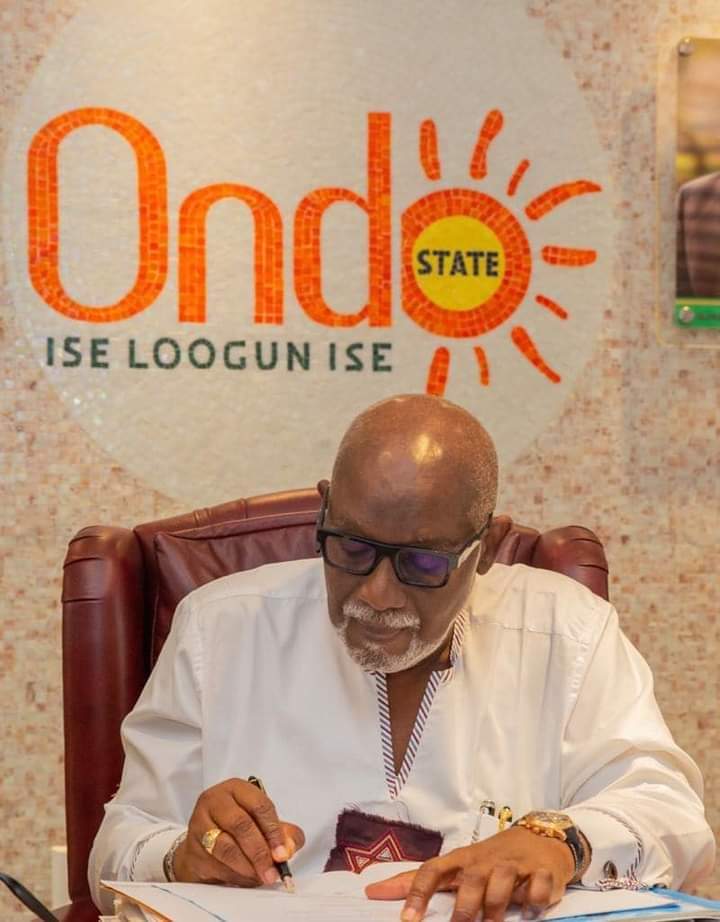
Ondo State Governor, Arakunrin Oluwarotimi Akeredolu, SAN, on Tuesday assented to the bills for the financial autonomy of the judiciary and the legislature in the state.

Governor Akeredolu also signed into law the bill for the establishment of the Ondo State House of Assembly Service Commission.

The Governor signed the bills into law in his office, Alagbaka, Akure, the state capital.

Addressing reporters shortly after the event, the Commissioner for Information and Orientation, Mr. Donald Ojogo, and the Attorney General and Commissioner for Justice, Sir Charles Titiloye, explained that the bills signed into law by Governor are for a Law to Provide for the Management of Funds accruing to the state judiciary, otherwise known as Judicial autonomy, and the bill for a law to provide for the management of the funds of the Ondo State House of Assembly.

The Commissioners said the new laws would promote Independence, efficiency, transparency and accountability in both the Judiciary and Legislative arms of the government of the state,adding that It will also enhance the principle of separation of powers provided for by the Nigerian Constitution.

According to them, the new laws have provided financial backing for the two arms of the government to see to the distribution and management of funds allocated to them under the Constitution of Federal Republic of Nigeria.

“These new laws are for the management of funds of Ondo state Judiciary and House of Assembly as separate arm of government and it also provides for the establishment of the House of Assembly Service Commission. It means that these arms of government will be able to have their funds and distribute them.

“They will have the adequate financial strength to do their jobs effectively. The house of Assembly by the new law establishing the service commission now has the power to appoint, promote, engage and disengage it’s workers.

“There will be a committee set up under the new law where funds will be distributed for the three arms of government. The Judiciary and Legislative arms of government have also been empowered by these laws to distribute and manage funds allocated to them.

“The Speaker is head of the fund management committee for the legislature while in the judiciary, the Chief Judge is the head of the fund management,” the Attorney General said.

The laws have effectively addressed the agitation of the two arms government for financial autonomy.

📷 Nguher Gabrielle Zaki

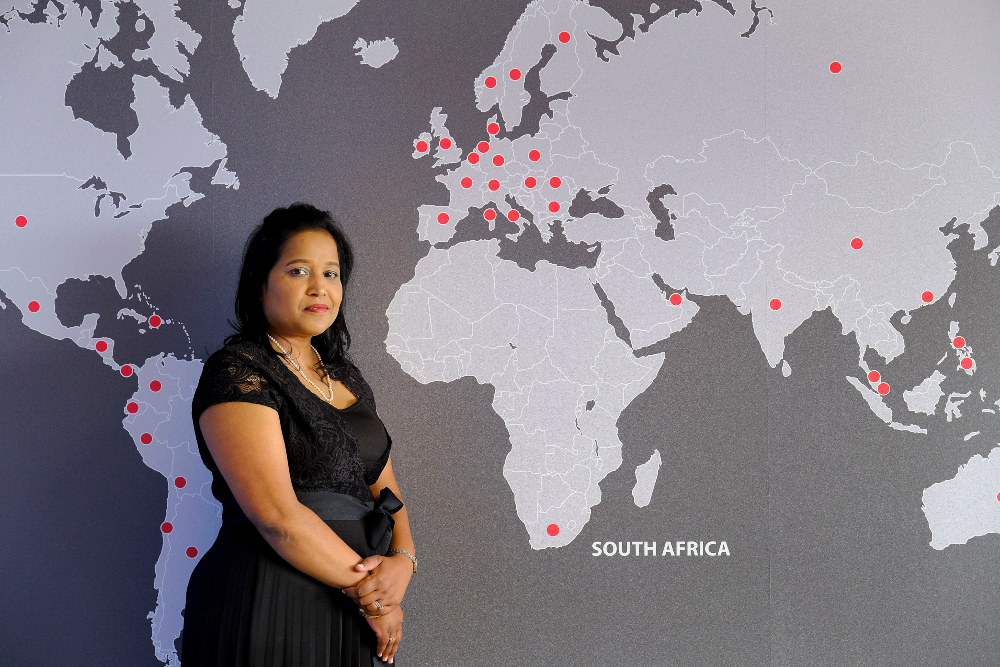
The headwinds and economic strain of the past 18 months have left many businesses with little option but to evaluate costs. However, a recent PwC report states that while 52 percent of companies plan to curb or defer investments, only 9 percent will make those cuts in digital transformation. “Clearly, effective processes, combined with strong risk discipline and using FinOps to optimise cloud costs is more important than ever before. Managing through turbulence and disruption has become an essential skill for CIOs and IT decision makers,” notes Marilyn Moodley, Country Leader for South Africa and WECA (West, East, Central Africa) at SoftwareONE.

According to the State of FinOps 2021 report, cloud financial management, or FinOps, has become a mainstream practice in large organisations across all sizes of cloud spend. “Due to the increasing complexity of their cloud environments, reporting requirements and the sheer number of disparate teams requiring collaboration, large organisations have to adapt quickly as a slow pace of transformation is no longer feasible,” says Moodley.

Thanks to a surge in the use of digital technologies both at work and home, Moodley says more C-suite executives see the need to invest in digitalisation as a way to improve business efficiency and foster innovation. “Added to this, data from PwC and elsewhere shows that more than half of employees want to work remotely at least part of the time after the pandemic, so spending on technologies that enable a hybrid way of working will be crucial.”

She adds that the pandemic accelerated the pace of disruption in the banking, insurance, and wealth management sectors which were already under pressure to manage their cloud and technology rights and obligations from a compliance perspective. “Consolidating cloud spend, managing license consumption and facilitating cloud migration each present a massive challenge for organisations, irrespective of size. Add to this the need to manage compliance and risk factors, and the practice of FinOps becomes a necessity for organisations looking to balance stability and security with the agility that moving to the cloud provides.”

According to Gartner, public cloud spending (IaaS) will grow by over 38% percent in 2021, representing an estimated $82 billion market. “Even before Covid-19, most organisations had already moved at least some of their workloads into the cloud. The overnight shift to remote work then led to a marked increase in unbudgeted cloud spend which organisations are still grappling to get a handle on,” says Moodley.

She says the first step to rightsizing is an understanding of the fully loaded cloud costs and the association of these costs at a business unit level, before implementing the FinOps framework that allows ongoing spend management and optimization. “A sound FinOps strategy can ultimately increase an organization’s ability to understand cloud cost, through a combination of systems, best practices, and in turn allow them to optimize their consumption by promoting a culture of accountability.”

While the technology challenges facing the financial services industry are unique, Moodley says these can be overcome with the right processes and systems that offer guidance and management capability across the entire software portfolio. “Whether local, remote, within a data centre, or in a multi-cloud environment, competition from nimble FinTech innovators means traditional financial services must innovate to remain relevant. FinOps provides the framework to balance between Innovation and control so that you can manage as well as optimize your cloud resources, while driving business and digital transformation.”.

… Plans Annexe Office in Bolade, Oshodi

In its effort to curb the “delta variant” of COVID-19 and achieve the objective of training professional drivers, the Lagos State Drivers’ Institute has concluded plans to commence online training across the State.

The General Manager of the Institute, Mrs. Afusat Tiamiyu, who disclosed this during an interview on “Ire Ni Ti Wa”, a magazine radio programme on Bond FM 92.9, noted that the commencement of the online training was due to the influx of professional drivers wanting to renew their LASDRI Recertification Cards at the Agency’s various centres across Lagos.

She explained that Professional Drivers wanting to renew their recertification cards can now have training conducted online and print out temporary recertification certificates by visiting www.new.lasdri.org. The certificates will subsequently be presented at the nearest Centre or Annexe office of the institute for the issuance of a permanent recertification card.

Her words: “Professional Drivers can now access and conduct their mandatory training in the comfort of their homes, through our online platform. After going through the training, a temporary recertification card will be issued immediately. They are to print it and take it to the nearest Centre or Annexe of the institute to get their permanent recertification cards”.

While clarifying the recent controversy generated over the LASDRI Recertification Card, the General Manager said that the Vehicle Inspection Service (VIS) and Lagos State Traffic Management Authority (LASTMA) are both empowered by Law to ensure that all professional drivers comply with the government’s directives, which require all professional drivers to attend the Institute for their yearly mandatory training.

“It is of great importance for private and commercial vehicle operators to have the LASDRI Card and renew it annually. This is necessary, in view of the fact that the Institute has a curriculum, which differs from year to year, for drivers to update their driving skills and have an in-depth knowledge of driving rules and regulations”, she asserted.

The General Manager maintained that any trainee driver attending the Institute must have obtained a valid Drivers’ Licence, declaring that the LASDRI Recertification Card is not a substitute for a valid Drivers’ Licence.

While reiterating the unrelenting efforts at sharpening the skills of professional drivers, Mrs. Tiamiyu informed that the Institute will be opening a new annexe at Task Force Office, Bolade, Oshodi, to further decongest the number of trainee drivers attending the Ikeja Centre of the Institute.

She averred that the new location will bring the total number of the LASDRI’s centres and annexes to 10, appealing to all professional drivers to visit the Institute and benefit from its impactful training sessions, just as she emphasised the importance of compliance with all the rules and regulations guiding transportation in Lagos State.

LASG

ForAGreaterLagos


The World Wide Web Consortium (W3C) and Grant for the Web welcome new W3C member Snake Nation whose social media platform offers Web monetization and greater access to the web for diverse voices.

The World Wide Web Consortium develops global Web standards that help ensure access for all, with a vision for one, interoperable World Wide Web for all humanity. In early 2021 the Web Consortium announced its collaboration with Grant for the Web, a program of the Interledger Foundation. Together the organizations aim to ensure that the proposals, grantees, and community of the Grant for the Web program will shape the emerging Web Monetization ecosystem so that it supports scalable, global, and open standardization.

Snake Nation awarded first W3C Grant for the Web inclusion grant

W3C and Grant for the Web are also working together to identify geographic areas of growth,  target programs and development opportunities for these regions, as well as Inclusion Grants to underwrite new W3C memberships in lower income countries. Snake Nation joins the Web Consortium today as the first of these new members.

Snake Nation is a mission-driven, culture, content and technology company based in Cape Town, South Africa and Atlanta, USA. The company’s mission is to enable equity in the creative economy for diverse creators by giving them the tools to own their individual narrative. The company does so via a new kind of social media platform, SnakeNation.io where members are incentivized for engaging with content like posting, flame-ups, comments and shares and can earn digital currency. By linking creative and economic freedom and tapping into the intersection of culture and technology, millennials now have at their fingertips a powerful means of alleviating youth unemployment and poverty.

Their new media platform and digital currency launched recently in South Africa and aims to target creatives across this African country. Snake Nation has already founded creative college societies with access to an audience of over 8-million Multicultural Millennial creators and consumers. Snake Nation also drives awareness and participation in Southern Africa on 52 campuses and reaches 600k students.

Incorporating diverse perspectives from across the globe

We’re excited to welcome Snake Nation as our first recipient of the W3C & Grant for the Web Membership scholarship,” says Dominique Hazael-Massieux, W3C Developer Relations Lead. “We believe passionately that to ensure that the Web achieves its role as a universal platform for humanity, its design needs to incorporate diverse perspectives from across the globe. Participation by organizations like Snake Nation is vital to W3C’s and Grant for the Web’s vision – we will have more creativity, more innovation and ultimately, a better web for everybody.

Media consumption has changed, and so has the world,” says SnakeNation.io CEO and Tech Visionary, Karl Carter.  “Millennials watch what they want, when they want and how they want. They have the buying power to move the needle and their diverse stories are not reflected in traditional media. We are thankful and excited to be recognized by W3C and Grant for The Web for our work to create a more just and equitable internet. We know that in our mission to create more equity in the creative economy, web monetization is a major tool that can create massive change for those creators and youth who use the web to earn a living. Having access to the world class tools, network and community of W3C and GFTW will help propel our collective missions forward.

Snake Nation’s unique approach to tackling a number of key issues immediately grabbed our attention,” says Chris Lawrence, Senior Program Manager from Grant for the Web. “Their unique take on the platform addresses key issues like community via social media to promote creators, equity by monetizing the web via crypto and education by ensuring equal access to all.

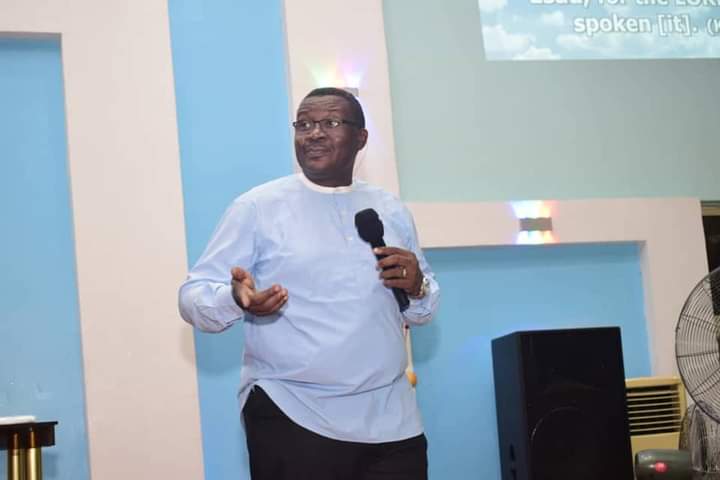
To serve God you must hate your life and worldliness. In John 12 vs 26 was clear on this. A farmer can understand that for a seed to grow, it must die and germinate. Every Christian must look at the life of Jesus Christ , he is the one that should be a role model. Here , the old life must die to be born again for you to be a true Christian. It is called mortification of the flesh. In a nutshel it is the ability to kill the things of the flesh and focus on the things of the spirit.

Everyone that one to serve God must die to himself pr herself, literally meaning that you must eschew the former life . In 2nd Corinthians 1: 9 expresses this viewpoint on the death to oneself and evolve in Christ Jesus.

Galatians 6 vs 7 – 8 said that anything that a man sowes he reaps. We must sow in the spirit because the flesh would go one day. 1st Peter 4:1 encouraged us arm ourselves and focus on Jesus Christ.

Many Christians today are visibly confuses on what to do and how to focus their lives, but the bible said that we should kill the skin and bring up the spirit. That is the standard procedure.

in the world today, social media has made Christian to loose focus with a lot of nudity, gossip and all whatnot, how can a true Christian be involved in such a worldliness! Every proper Christian must know the things of the flesh and kill it.

According to Wikipedia, “The term “mortification of the flesh” comes from the Book of Romans in the Christian Bible: “For if you live according to the flesh you will die, but if by the Spirit you put to death the deeds of the body you will live.” The same idea is seen in the following verses: “Put to death what is earthly in you.”

Before any harvest, there must the regeneration and evolution. The seed must first die and germinate, you must kill the flesh , be born again and have to live daily for Christ! That is death to self. The key to living is dying in Christ! The gift of God is eternal life.

Jesus Christ freely laid down his life for us to enjoy. Anything that you can’t freely lay down for God can’t multiply! The reason why some of us are lonely is becuse there is no death to self. We allow things to so offend us and we keep animosity and anger in us and this isn’t what any Christian must do. There must be death to self.

As we worship God, we must do that in truth and part of this is being honest and kill all the fleshy attributes in us . Romans 12 vs 1 pointed to this out. Bible said that anyone who wants to save his life would loose it.

Message from
Faith Cathedral International Ministries
Egbeda
Lagos

Approximately 14,000 described species of the 1.5 million fungi estimated in the world produce fruiting bodies that are large enough to be considered as mushrooms. The world market for the mushroom industry in 2005 was valued at over $45 billion.

Edible, medicinal, and wild mushrooms are the three major components of the global mushroom industry. World production of cultivated, edible mushrooms has increased more than 30-fold since 1978. China is the main producer of cultivated, edible mushrooms.

Beginning in about 1997, China became the world’s largest producer of Flammulina velutipes. On average, consumers now enjoy about 5kg of mushrooms per person per year. Per capita consumption is expected to continue to increase as consumers become more aware of the healthful benefits of incorporating mushrooms in their diet. Much more research is needed on the bioactive components in mushrooms to determine their biological responses in humans.

In Nigeria, one lady who has earned herself tremendous applause in the mushroom sector is Chi Tola Roberts. She is the CEO of ChiTola Farms Ltd. They grow and process mushrooms into products that will amaze you and YES, right here in Nigeria. Chi Tola started growing mushrooms in 2013 when she left her job at Daily Times as the Chief Commercial Officer. Although she lost her whole farm to fire early last year just before the covid lock-down, she has started rebuilding all over again. “its not easy to do this all alone with no support, it is a tough route for me, I never saw it coming and like vapor … we lost everything. I was devastated almost sank into depression, I had well over 15,000 bags out for cropping and ready to start harvesting. If it were in more civilized sphere, government would have come to our rescue, but sadly, this is where we belong.” she said.

Chi Tola has trained over 200 women, men and youths and the most interesting part is that before her fire mishap, she trained women and youth for free. A lot of these people are now small scale or community growers.

ChiTola Farms last year gave birth to ChiTi Foods, a wing that will take care of all their mushroom value added products. This umbrella is housing the Chiti range of amazing mushroom products like: The Mushroom Seasoning Mix, that can be used for cooking, grilling, frying and baking. Mushroom CocoPuffs (Cereal) Mushroom Pasta Noodle, Mushroom Chips and also Fresh and Dried mushrooms.

She said: Our aim is to improve livelihoods by providing quality and yet affordable alternatives for mushroom consumption. Its Simply Good! Fungi play very cardinal roles in the breakdown of organic matter, which further facilitates nutrient cycling and exchange in the environment. Typically, their function in human food supplies and the whole economies are momentous.
Mushrooms are long been valued as high medicinal and nutritional food by many societies around the world.
The global mushroom industry has grown rapidly in recent years in terms of beneficial effects, market value, and demand. India has a wide range of agro-climatic conditions and is largely an agricultural country with a cultivated area of about 4.37 %, generating about 620 million tons of agro waste annually. Mushroom cultivation not only helps recycle agro wastes, but also fills the nutritional gap prevalent among a large global population.

Chi Tola thinks that our government should introduce industrial policies and creative innovation to promote research and other endeavors aiming towards mushroom cultivation. “we have the land, the opportunities and the man power to become world second largest mushroom producer and in fact exporter, We just need to get a few things right and have a government that is honestly committed to SME growth. Nigeria is blessed and im glad to belong.

Chi Tola has just launched a blog dedicated to giving information on mushrooms, their benefits, where to get them, mushroom product reviews, African mushroom recipes and how to grow your favorite mushroom at home and many more. She calls it MUSHROOM 360. Its on blogger and Facebook. Find it and follow for better knowledge of mushrooms..

Troops of 25 Brigade operating under the aegis of Joint Task Force, North East, Operation HADIN KAI (OPHK) have neutralised 4 terrorists of the Islamic State West Africa Province (ISWAP) on Wednesday 01 September 2021. The terrorists who were on espionage along Damboa-Bulabulin- Maiduguri road ran into a fighting patrol team at Kukawa and were neutralised in the fire fight that ensued with the troops. On further exploitation after the encounter, the gallant troops recovered from the terrorists, four AK 47 rifles and four Magazines, each loaded with 30 rounds of 7.62mm (Special) ammunition.

In a separate operation, troops of 195 Battalion, Sector 1 OPHK in conjunction with elements of Civilian Joint Task Force (CJTF) at Dusman-Muna Garage, Borno state have eliminated two ISWAP terrorists in an ambush operation conducted along an identified ISWAP terrorists’ crossing point at Musari village.The troops also captured and destroyed an ISWAP logistics vehicle conveying assorted goods and contraband items belonging to members of the terrorist group. Items recovered by troops from the terrorists’ vehicle are two bags of Hemp (Cannabis Sativa), 2 bags of Detergent,120 packets of mosquito coils, l2 mosquito nets and five textile materials. Other items recovered are two bycicles, two bags of beans, a bag of corn and some quantity of fish.

The Chief of Army Staff Lieutenant General Faruk Yahaya has commended the troops for their operational exploits and urged them to maintain the aggressive posture in order to decisively root out the terrorists from their enclaves.

Growth demands more efficient & sustainable data centers

More data was produced in Saudi Arabia, the UAE and Egypt in 2020 after businesses shifted to a remote work system due to the pandemic, a new survey commissioned by Kingston Technology showed.

Based on the results of the survey conducted by ResearchOne Marketing Consultancy, 75 % of the respondents, who comprised IT specialists, affirmed that their organizations had shifted to a work-from-home (WFH) set-up last year to help stem the spread of COVID-19.

Around 67 % of the interviewees agreed that, as a result of the WFH adoption, the data growth rate witnessed by their companies was faster in 2020 compared to the previous years. They credited the uptick to the increase in email storage during lockdowns.    

The data spikes resulted in the need for more efficient and sustainable online storage systems and data center facilities. To increase efficiency and, in the long run, reduce the ecological footprint, bringing down the energy costs has become one of the priorities of many businesses today – thus leading them to speed up their cloud migration efforts.

About 50 % of companies in Saudi Arabia had begun migrating some of their processes to the cloud during the period, while 25 % in both the UAE and Egypt had taken a similar route.

The majority of those surveyed believed that migrating to the cloud services would reflect favorably on the cooling and storage costs that come with managing and running their data centers.  

Data centers are known for their high-power consumption. Studies have found that these facilities will be responsible for one-fifth of the world’s energy demands by 2025, dwarfing the power consumption of many individual countries. This has raised the alarm bells for countries and institutions pushing for a more sustainable future. Over the years, especially during the pandemic, businesses have begun to think more about improving their efficiency in terms of their overall IT infrastructure, which includes data centers.   

But for some experts, cloud migration is not the solution if the aim is to reduce the energy consumption of data centers. It is only shifting the problem since moving to the cloud essentially boils down to big servers that require yet again more data centers. To achieve a genuine energy reduction within the IT system, making data centers eco-friendly and efficient should be prioritized as well.     

On this, as per the survey, some of the respondents supported the rollout of advanced technologies such as smart sensors to monitor the temperature of data centers and complement a more efficient cooling system. To decrease power expenditures, they also proposed the use of renewable energy and co-hosting of servers with other local companies to reduce the sheer amount of data centers and the cost to manage them. Sharing of servers, which translates to less energy consumption, can especially benefit smaller companies.    

A few of the interviewees pointed as well to the importance of upgrading to high-performing flash-based solid-state drives (SSDs) from hard-disk drives (HDDs) to optimize technology infrastructure and reduce energy consumption.

Thousands and thousands of HDDs currently run in many data centers, often in continuous operation, leading to high energy usage. Proponents of HDD, which has been in circulation for decades, often make the argument that this technology is superior to its SSD counterpart in terms of data capacity and, thus, also the price-performance ratio. But this advantage has been reduced by the SSD for some time now.

Upgrading to SSD from HDD – as well as to non-volatile memory express (NVMe) from serial advanced technology attachment (SATA) – can have a huge impact on power reduction when extended to the entire data center.

Moreover, compared to HDDs, which are more susceptible to wear and tear, SSDs have ten times the transfer speed and can seamlessly switch to an energy storage mode after completion of the read or write process. If an NVMe PCIe SSD is used, the rapid transfer speed can further reduce the duration of full operation and, consequently, save power.  

Kingston Technology strongly advocates for partnerships between companies and industry experts to help the former actively reduce their carbon footprint. It is for this reason that it offers its ‘Ask an Expert’ service to help its partners choose not just the right SSDs but also other components that, in the long run, will help improve their operational efficiency and environmental impact.

###