The Chief of Army Staff (COAS) Lt Gen Faruk Yahaya has called for the development of a broad national civil-military cooperation policy in the country among other policy recommendations to promote robust and effective civil-military relations with key stakeholders.

Lt Gen Yahaya made the call while delivering a lecture to participants of Senior Executive Course 43 of the National Institute of Policy and Strategic Studies (NIPSS) Kuru titled, “The Implementation of the Civil Military Cooperation Policy of the Nigerian Army and the Conduct of Non-Kinetic Operations in the North-East: Issues, Challenges and Lessons”.

The COAS noted that Army formations are working very hard to develop robust alliances with local communities and civilian populace to achieve more success in ongoing operations. He made a case for improved feedback mechanism between the military and the civilian populace.

The COAS also suggested the establishment of National CIMIC Doctrine and Strategy, establishment of Inter-Agency Collaboration Manual in Support of Joint Operations, continuous liaison and budgetary support for CIMIC and Quick Impact Projects (QIPS) among others.

The COAS had a very engaging interactive session with the participants and members of the Directing Staff of the Institute.

Digital technology brings communication, education, shopping, entertainment, news, games, fun and much more to everyone, including children. Technology provides children instantaneous access to huge quantities of beneficial materials and offers them a participatory pathway to involvement in society. Digital technology, especially the Internet, is also a vector for cyber-criminals to dispense harm, annoyance and other wrongdoings.

The proliferation of digital technologies is accompanied by increasing concern about children’s exposure to associated risks and threats. Exposure to risks turns out to be a general side effect of today’s children growing up in a digital world. This calls for a pragmatic approach to mitigate the desire to avoid risks and the necessity to access beneficial materials and to balance the immense benefits of digital technology with the safety of the children.

This study is designed to provide an accurate depiction of how children consume digital technology in Nigeria. As such, the respondent pool is structured in favour of children of 4-16 years of age. The study explores the issue of children’s device ownership, usage and benefits in pari passu with their awareness of the risks and challenges.

Download:  pdfChild Online Protection: Young Children And Digital Technology – A Survey Across Nigeria (3.19 MB)

• As German Company Set To Resuscitate Glass Production In Ondo After Building Oluwa Glass 35 Years Ago

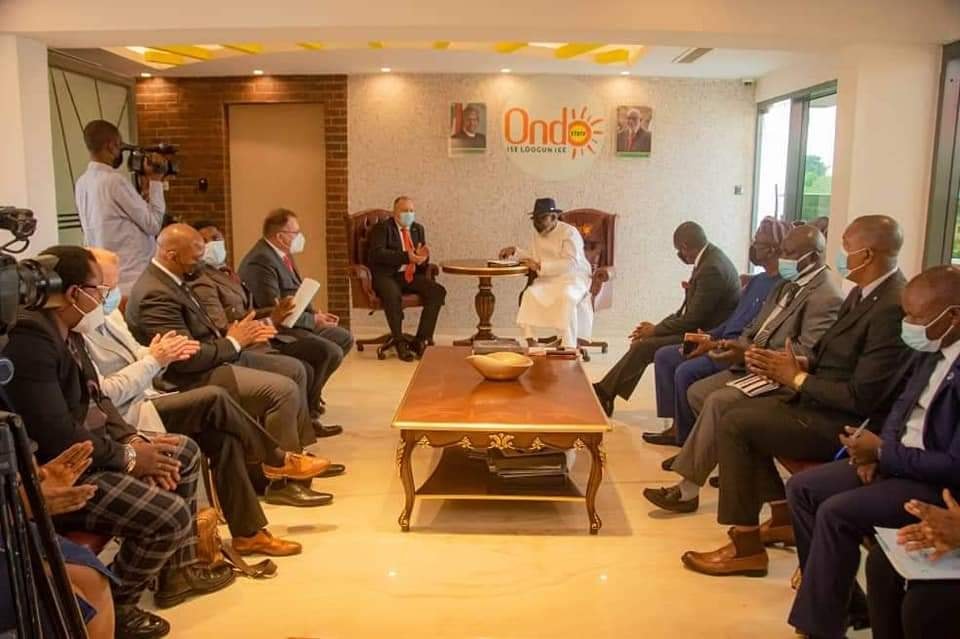
Ondo State Governor, Arakunrin Oluwarotimi Akeredolu, SAN, has decried importation of glass into the country despite the huge availability of the needed raw materials for its production in the Sunshine state.

The Governor recalled that when the Moribund Oluwa Glass was functional, it was supplying the then Peugeot glasses for windscreen and mirror as part of the production of the vehicles.

Governor Akeredolu spoke in his office on Thursday while receiving investors from the Horn Glass Industries from Germany led by the Chief Executive Officer, Mr Stephan Meindl.

The CEO/Chairman, ZMP Industries Limited, Mr Rotimi Ogunsanmi, was also on the investors entourage.

The Ondo State Government had signed a Public Private Partnership agreement with the ZMP Industrial Limited for the establishment of 600 Tonnes per day capacity float glass factory in Igbokoda, Ilaje Local Government Area of the state.
The technical partner for the project, Horn Glass Industries, built Oluwa Glass over 35 years ago.

Receiving the investors in his office, Governor Akeredolu said there is no better company to establish glass factory in the state than the Horn Glass Industries having been involved with the establishment of the Oluwa Glass over three decades ago.


He said: “You are involved with Oluwa Glass and you are the one that built it. I don’t think there is a better company to start a new state-of-the-art Glass Company than you.

“Importation of glass into this country is unfortunate. Oluwa Glass was the one supplying Peugeot windscreen and glass. But government involvement in Oluwa Glass killed it.

“But today, we have equity participation. We are not going to stiffen anyone who is interest in developing the state. Our participation will be minimal so as to make it effective.”

Governor Akeredolu charged the investors to be time conscious, adding that time is of the essence.

“Time is of essence. We are running against time. Please start now. Undoubtedly, we are waiting. The state will be glad to have a glass factory back after 35years,” he noted.

Horn Glass Industries Chief Executive Officer, Mr Stephan Meindl, said his firm is ready to establish the glass factory with modern technology and unwavering commitment.

The Secretary, Ondo State Development and Investment Promotion Agency, Emmanuel Omomowo, who explained the process and terms of the Memorandum of Understanding (MoU) signed, said the Sunshine state is endowed with Silica Sands which has a the raw material needed for the glass production.

“We need to bring in high-net-worth investors to actually collaborate with the state to develop our silica resource and the value of this investment is over 250 Million Euros and when it is converted to Naira, it is over 162 Billion Naira.

“The State Government in this project is having the stake of over 20% while the investor, ZMP Industrial Ltd. has 80% and ZMP Industrial Ltd. is also working in collaboration with a renowned technical partner called Horn Glass Industries.
“That the technical partner, Horn Glass Industries was the one that built Oluwa Glass and now they are coming now to build a new green field glass factory and because it is a joint venture and we have an SPV, Special Purpose Vehicle to drive it.

“It will create a lot of employment, we can talk of investment value that is worth over 160billion that is coming to the State. It will also have other multiplier effects within the State, it is going to enhance our economy, it is going to create job employment, expand our revenue business.

“It is a great deal that is actually coming to the State. And going through their profiles, they have the technical expertise. That is why we are talking of project reference that Oluwa Glass developed over 30 years ago which is going to be built again with newer technology, with a better approach. So, it is a good deal for the State,” he said.

Richard Olatunde

• Calls for renewed pan-Nigerian spirit

The Inspector-General of Police, IGP Usman Alkali Baba, psc (+), NPM, fdc has assured the nation of maximum security as the nation marks the 61st Independence Anniversary on Friday, 1st October, 2021. The IGP noted that the Force has emplaced adequate security measures to protect the citizens, ensure the success of all the activities lined-up for the anniversary celebration and prevent any untoward situation throughout the period of the celebration and beyond.

Consequently, the Assistant Inspectors General of Police and Commissioners of Police in all the Zonal and State Commands and the FCT have been directed to lead the Independence Anniversary security operations from the frontline. They are to ensure high visibility and confidence boosting patrols around the venues of the celebrations, residential areas and other places of public resort to prevent any infiltration by hostile elements.

The IGP, while congratulating His Excellency, Muhammadu Buhari, GCFR, President and Commander-in-Chief of the Armed Forces, Federal Republic of Nigeria and Nigerians at large, on the occasion of the Independence Anniversary celebration, pledged the unalloyed loyalty of the NPF to the sovereignty of the country as well as its unflinching commitment to combating crimes and criminality in the country and ensuring the safety of the citizenry.

The IGP called on citizens to go about the celebrations in the most peaceful and law abiding manner. He appealed for a new sense of pan-Nigerian spirit, patriotism, love and deliberate efforts by leaders at all levels at deescalating ethnic tensions and suspicions in the land. He further enjoined the citizenry to continue to cooperate with the Police and other security agencies in fighting crimes and criminality in the country.

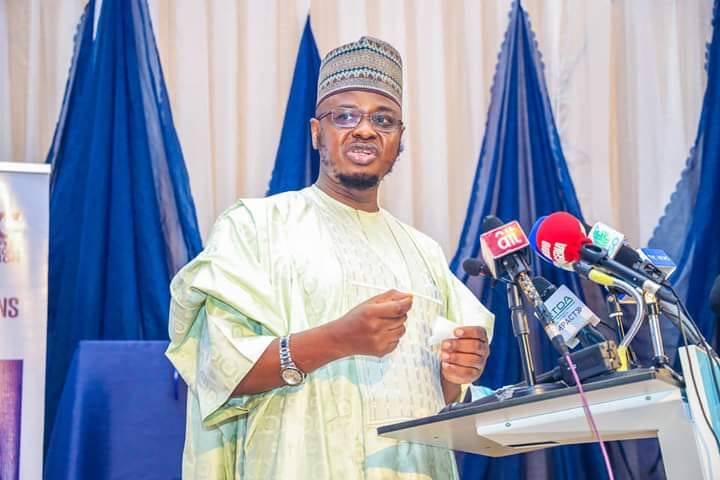
The Honourable Minister of Communications and Digital Economy, Professor Isa Ali Ibrahim (Pantami), has advocated for strengthening guidance and counseling for schools, and help students rekindle their dreams, hopes and aspirations, emphasised the significance of skills development and entrepreneurship capability.

Prof Pantami said this at the Opening Ceremony of a 3-Day Capacity Building Programme on Guidance and Counseling and Basic Digital Literacy Skills for 1,500 Career Masters organized by Youth and Civil Society Coalition for Development, in collaboration with Jigawa State Government in Collaboration and National Information Technology Development Agency held at Ahmadu Bello Hall, Dutse, Jigawa State, yesterday.

The Minister, who was represented by Director General, NITDA, Mallam Kashifu Inuwa Abdullahi, CCIE, stated that Guidance and Counseling is now recognised as a life changing process, the outcome of which can make or mar the life of an individual and the society in general.

Quoting Encyclopedia Britannica, Prof Pantami said, “guidance and counseling is the process of helping individuals to discover and develop their educational, vocational, and psychological potentialities and thereby to achieve an optimal level of personal happiness and social usefulness.”

He said Guidance means to show the way, direction or path to students, while Counseling on the other hand is the professional advice specifically offered to the student who is undergoing a personal or psychological issue and needs professional help to overcome it.

Prof Pantami lamented that today, “millions of children are addicted to drugs, engaged in various nefarious activities, delinquency, restlessness, anxiety and confusion. If this very large group of citizens, students in school and even out-of-school youths, are not properly guided and counseled, they may go on to become social miscreants that pose significant danger and threat to the larger society.”


He urged those considering a career in ICT to be aware of the range of job descriptions within the profession and understand the minimum educational and skill requirements to be able to fit into the sector. Developing transferable skills such as critical thinking, problem-solving and analytical skills are particularly useful for ICT professionals who work with big data or algorithms and are looking for patterns or creating instructions.

He said there are numerous funding opportunities that can be leveraged upon from Federal and State Government Ministries, Departments and Agencies, as well as international development partners and institutions such as Commonwealth Scholarship Commission, World Bank, Islamic Development Bank (IDB), Microsoft, IBM, Oracle, Google, Facebook, LinkedIn, etc.


Prof Pantami further implored Guidance and Counseling officers in Nigeria to update their manuals and methods so as to properly emphasise the significance of skills development and entrepreneurship capability.

He said, “Nigerian educational system is not currently setup in a way to develop skills and entrepreneurship capabilities of students, or to make them to be innovative. Therefore, upon graduation, they usually become confused as to how to handle life and make the best of it, even with top grades and multiple paper qualifications. This can be changed with proper education and enlightenment.”


“You may be aware that the Federal Ministry of Communications and Digital Economy under my leadership is pursuing a robust and all-encompassing human capacity development agenda that will create a competitive environment for the development and production of IT goods and services in Nigeria. The various capacity development programmes, especially those in the National Digital Economy Policy and Strategy (NDEPS) for a Digital Nigeria (NDEPS), have been designed to serve as a foundation for rapid development in all sectors, and we have built hundreds of digital capacity training centers and IT Hubs across the nation to facilitate these programmes.”

“We have made concerted efforts to strengthen the capacity of Information and Communication Technology (ICT) Departments in Higher Education Institutions (HEIs), Primary and Secondary Schools across the country. At the same time, special capacity building programmes are vigorously being pursued for students, youth and women groups, Artisans, and many others at both the Federal and State levels. The aim is to develop a digitally literate workforce for the government, equipped with the skills required to transform our economy into a knowledge-based economy.”

“The National Information Technology Development Agency (NITDA) and the Nigerian Communications Commission (NCC) are the main drivers of many of these programs. We therefore commend NITDA for partnering with the Jigawa State Government and the Youth and Civil Society Coalition for Development for this laudable initiative,” the minister said.

While making his remark, the Executive Governor of Jigawa State, Muhammadu Badaru Abubakar, represented by Commissioner of Education, Dr Lawan Yunusu Danzomo, commended the organisers of the event and assured them his administration’s total support in their future programmes.

He said the issue of education is vertical and horizontal in landscape, it is also deep, wide and very complex. Adding that “Education is our life, it is what we rely upon to relate with each other in social and religious activities. So when there is small leak in education, there will always be a problem.”

He further urged the teachers will take the training to be honest and shoulder their responsibilities, according to him; failure to discharge duty properly is an element of dishonesty, disrespect and insubordination.

“When we talk about Guidance and Counseling, we are not only zeroing down to students in the classroom, almost all Nigerians need Guidance and Counseling, because it is something that has to do with good behavior and social relationship.

He added that, “Our two major religions, Islam and Christianity have given us scriptures of Guidance and Counseling, but we have taken different lines of existence, we have missed the road, therefore we have destabilised our social relationships. Like what Chinua Achebe called ‘Things Fall Apart’, the centre can no longer hold.”

“We need to train our people about Guidance and Counseling, not only students, so that they can become the kind of leaders we want them to be, teach them self-respect and honesty, entrust them with our society, our community, and they can continue to lead us,” he said.

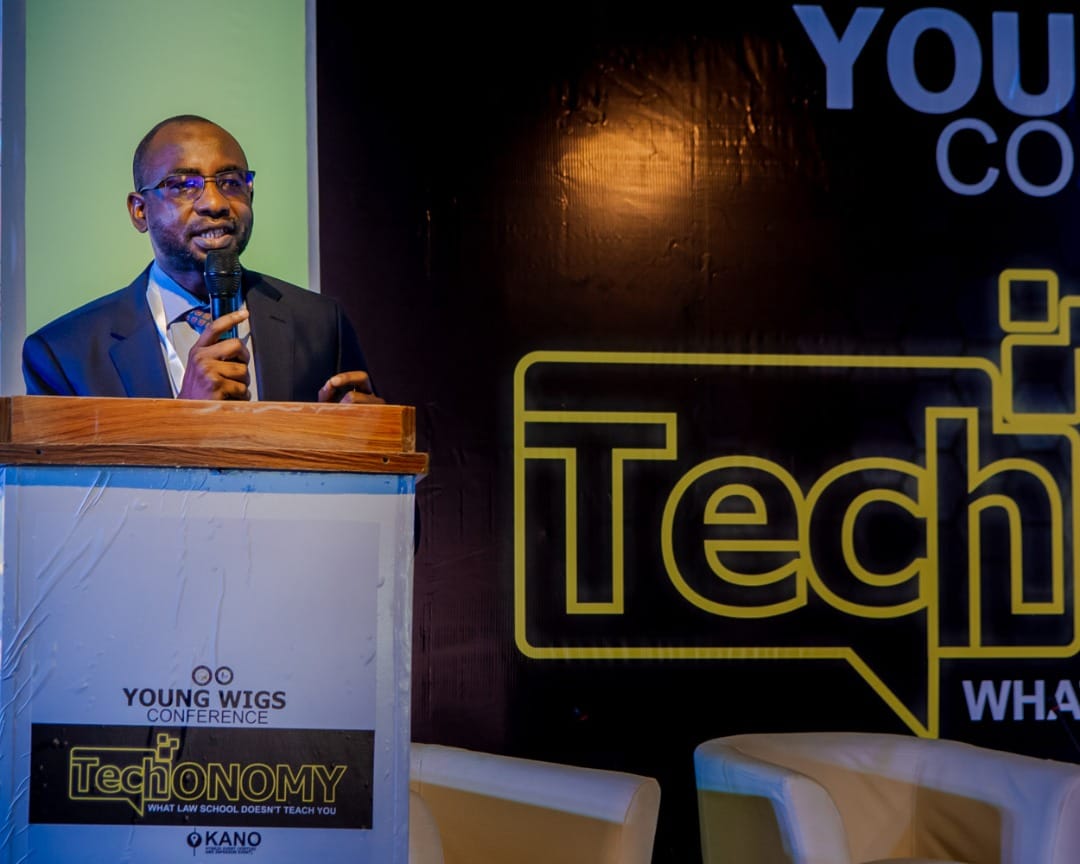
The Director General of National Information Technology Development Agency (NITDA), Kashifu Inuwa Abdullahi, CCIE, has implored legal practitioners, particularly upcoming lawyers to adopt Artificial Intelligence (AI) in their practices in order to offer seamless and difficult-free services to clients.

Giving his remark at The Young Wigs Conference with the theme: “Techonomy: What Law School Doesn’t Teach You” organised by The Legal Concierge, in Kano, Kano State, Abdullahi said Artificial Intelligence is not here to steal peoples’ jobs, but rather an opportunity to tap in and make work easier.

Speaking on the importance of digital services, Abdullahi said, there is need to build a system with legal mind and perception, because Artificial Intelligence is taking over everything.


“We need to look at how this digital system displaces our own jobs and professions. As lawyers, most of your work is to analyse document, give advice and other things, which AI can do better than you. Now, are you going to compete with the AI, or are you going to augment on what you do?” he asked.

The NITDA boss added that this challenge can be seen as an opportunity that could be use as a source of inspiration, to think on how Artificial Intelligence can be used to help clients, and make work better.


He said, “Today in our generation, the big question is, to what extent our lives should be govern by powerful digital system and on what terms? We have social media that try to control what we see and what we do. We also live in an increasingly technology era wherever it is very difficult to separate your online life with offline; what happens online is almost the same to what happens offline.


“This, increasingly quantifies society whereby all what you do is captured, stored and processed by this giant tech. They know everything about you; they can picture you more than you can picture yourself, because they are aware of every minute of your life, and who you spend with.

“And this gave them three folds effect on us; firstly, they put constraint on whatever we do, they have their own internet regulation – this is what you can say, and this is what you cannot say.


“Secondly, they control freedom of movement with autonomous vehicle, the vehicles are programmed, and they won’t stop until they reached their destination.

“Lastly, they control our perception, whatever we are doing, we rush to Google, and Google gives personalised information. The answer they will give you, can be different from what they will another person,” he said.

He therefore noted that as learned professionals, young lawyers debate should focus more on how govern this system, “build a system with a legal mind and perception, because AI is taking over everything.”


“You can also AI for legal services because based on World Bank report, even in the US, more than 80 percent Americans do not have legal services.

“The focus should be on how can we make legal services available to everyone? How can we build system with legal mind? How can we use AI in legal services to be more human centric”? the DG implored.


The Young Wigs Conference is an annual event aimed at orientating young lawyers, students of the Nigerian Law School, 4th and 5th year students of law faculties in Nigeria, and other interested persons on what to expect after school and in the course of their legal practice.

Paper Delivered by Isa Ali Ibrahim Pantami, (Professor of Cybersecurity), Honourable Minister Federal Ministry of Communications and Digital Economy, Nigeria at the Nigerian Institute of Information and Communication Technology Engineers (NIICTE) Conference on Tuesday, 28th September 2021
All protocols observed.

May Peace, Mercy and Blessings be upon you!

I am delighted to deliver this address at the Conference of the Nigerian Institute of Information and Communication Technology Engineers (NIICTE). I wish to thank the leadership of NIICTE and the parent body (the Nigerian Society of Engineers- NSE) for the invitation to participate in this Summit. This attests to your commitment to promoting the practice and learning of ICT Engineering in Nigeria for innovative and economic development. This is quite important as we focus on developing Nigeria’s Digital Economy.
The Digital Economy

The digital economy has been defined in many ways by various individuals and institutions. The World Economic Forum and the Group of Twenty (G20) define the digital economy as “a broad range of economic activities comprising all jobs in the digital sector as well as digital occupations in non-digital sectors”. Digital economy also refers to any aspect of the economy that is based on or driven by digital technologies.

We have developed a National Digital Economy Policy and Strategy for a Digital Nigeria. It outlines our approach for the development of our indigenous digital economy and it is based on 8 very important pillars. ICT engineers have a role to play in the development of each pillar and the implementation of the initiatives in each of the pillars.

The Symbiotic Relationship Between Engineering and the Digital Economy


Engineering has evolved over the years and now enjoys a thriving symbiotic relationship with the digital economy. These days, engineering training is significantly enhanced by the aid of digital technologies. For example, it is not uncommon for today’s engineer to have training that includes digital modeling, mechatronics, additive technologies, artificial intelligence and cybersecurity, to mention but a few.

The importance of practical work and having a hands-on-experience cannot be over-emphasized in engineering. The Oxford Learners Dictionary reflects this in the definition of engineering as “the activity of applying scientific knowledge to the design, building and control of machines, roads, bridges, electrical equipment, etc.”. The terms designing, building and control require practical work. However, the physical equipment required for this are usually very expensive and there is the fear that they can get damaged. Virtual instruments and simulation software significantly reduce the cost and mitigate the risks associated with the use of equipment for training engineers.

Application and Impact of Digital Technologies

Digital technologies such as Artificial Intelligence, Robotics, Autonomous systems, 3D Printing, Virtual Reality, Cloud computing, Internet of Things, and Block chain Cloud have a boundless range of applications in various sectors of the economy such as health, agriculture, environment, energy, trades, tourism etc, and can be used to drive competitiveness and productivity in these sectors to influence economic growth.

For example, Artificial Intelligence is being widely used in developed countries to spot disease outbreaks and issue location-specific alerts. 3D printing techniques are currently being used in the health and building industry. In addition, artificial intelligence and predictive analytics have become the backbone of superb customer service. Microsoft projects that a staggering 95% of customer interactions will be backed by AI algorithms by 2025. We have established a National Centre for Artificial Intelligence and Robotics (NCAIR) to identify and develop our indigenous talent in the area of emerging technologies.

Digital technologies are a major driver of productivity and economic growth. A study by PricewaterhouseCoopers (PwC) estimates that global GDP may increase by up to 14 % (the equivalent of US$15.7 trillion) by 2030 as a result of the accelerating development and take-up of AI. The report anticipates the next wave of digital revolution to be unleashed with the help of the data generated from the Internet of Things (IoT), which is likely to be many times greater than the data generated by the current ‘Internet of People’.

A similar analysis shows that blockchain technology has the potential to boost global Gross Domestic Product by $1.76 trillion over the next decade. This shows the huge impact that the adoption of digital technologies could have on the global economy.


Digital technologies have led to a shift from the traditional economy into the digitalized one and this digital transformation of the economy has led to economic prosperity around the world. The global digital economy has been growing substantially faster than the non-digital economy and is projected to account for a quarter of the global economy in the next 10 years.

In addition, according to a 2015 Report by the Organisation for Economic Co-operation and Development (OECD, economic sectors with high levels of ICT factor intensity grew 1.7 times faster than the average growth rate of the economy across OECD countries. Similarly, the World Economic Forum predicts that over 60% of global GDP will be digitized by 2022 and that over the next decade, digital platforms will be used to create close to 70% of new value.
Role of ICT Professionals in the pillars of NDEPS

Without doubt, the Digital Economy is a core driver of innovation and economic growth. However, no nation can build a Digital Economy without a constant pool of highly qualified creative talent, as the digital economy is knowledge-based and is characterized by dependence on a highly-skilled, and technology-inclined citizens.
ICT Engineering skills is a crucial component for the development of the complex systems that enable and support the Digital Economy.

Professional ICT engineering input is required at many different levels, and in a multitude of ways, in order to crystallise the vision, strategy, and delivery of a robust national digital economy. As such, there is an important link between ICT engineering capacity and the economic development of any nation.

Pillar #1 on Developmental Regulation requires the support of ICT engineers as key stakeholders in ensuring that the regulations that are developed are can be successfully implemented. We adopt a rule making process that ensures that we carry stakeholders along.

Pillar #2 on Digital Skills is an obvious area that ICT Engineers can support in the growth of the digital economy. We need to foster and support the capacities of ICT professionals and citizens is a fundamental backbone of our digital economy strategy.


For Pillars #3 (Solid Infrastructure) and #4 (Service Infrastructure), the ICT engineers can support in a number of ways, including producing and installing fibre In addition, for the Digital Services

Development and Promotion Pillar (Pillar #5) and the Digital Society and Emerging Technologies pillar (Pillar #7), the focus is on developing digital services and also tying the development of the digital economy to indices of well-being in the lives of the ordinary citizens. ICT engineers can support by mentoring startups on emerging technologies, deploying their solutions and purchasing their products.

Pillar #6 (Soft Infrastructure) focuses on the importance of cybersecurity. There is a huge need for professionals in this field to handle the magnitude of cyberthreats that the world faces. ICT engineers undoubtedly have a key role to play.

Finally, for Pillar #8 (Indigenous Content), there is a need to ensure that we develop indigenous solutions and utilize those solutions. This is why His Excellency, President Muhammadu Buhari, GCFR launched the National Policy for the Promotion of Indigenous Content in the Nigerian Telecommunications Sector. As ICT Engineers you need to take advantage of this opportunity by developing world-class solutions that will make Mr President and the entire nation proud.
Conclusion

The role of ICT Engineers in exploiting the opportunities that the Digital Economy offers cannot be over-emphasized. This conference provides an opportunity for dialogue on harnessing the skills of our ICT professionals in the development of our nation’s Digital Economy. I look forward to the insightful recommendations which will be the outcome of this event and it is my hope that it will positively impact the industry and the nation as a whole.

On this note, I thank you for the invitation to this Conference. Thank you for your kind attention and I wish you very successful deliberations.

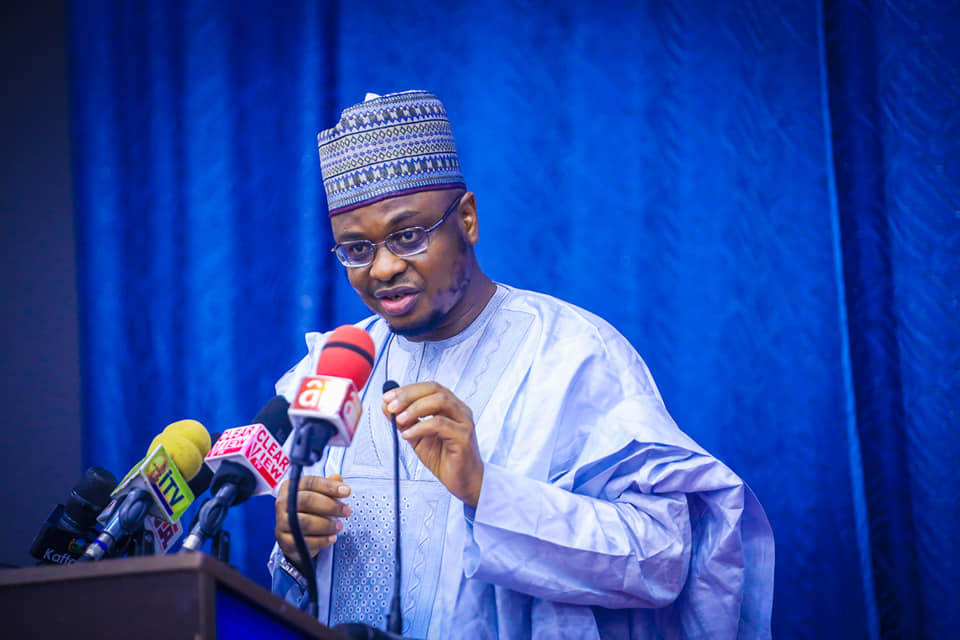
The Honourable Minister of Communications and Digital Economy, Professor Isa Ali Ibrahim (Pantami) has called on security institutions in the country to take advantage of the new 5th Generation (5G) network recently approved for deployment by the Federal Government and leverage its potential to effectively tackle security challenges. The Minister made the call today, Tuesday September 28th 2021, while delivering the keynote address at a security summit organised by the Nigeria Security and Civil Defence Corps (NSCDC) in Abuja, themed; Synergy: Panacea To Effective Critical Assets and Infrastructure Protection.

Professor Pantami in his presentation titled; Securing Critical National Information and Communication Technology Infrastructure: Challenges, Opportunities and the Way Forward, disclosed that the Federal Ministry of Communications and Digital Economy has implemented a number of strategies and policies through its Agencies and Parastatals to ensure that Critical National Assets are protected. “As part of our efforts to ensure the protection of Critical National Assets, we are working with the Office of the National Security Adviser (ONSA) to come up with an Executive Order to ensure that our Critical National Assets, particularly in the ICT sector are well protected.”

There is a Computer Emergency Readiness and Response Team (CERRT) domiciled in NITDA, an ngCERRT in the Office of the National Security Adviser and another one established at the Nigerian Communications Commission which will be commissioned on Thursday 30th September 2021. In order to promote Research and Development in this regard, we have established a National Centre for Artificial Intelligence and Robotics (NCAIR), the first of its kind in Africa, where young Nigerians are mentored, innovative and disruptive ideas are identified and supported towards the development of technologies which we will deploy as part of protecting our CNI.

In his recommendations, the Minister advocated for the sensitisation of citizens and a re-orientation approach to entrench the role of citizens in protecting national assets among the populace. He also canvassed for a multi-sectoral approach to ensure the protection of Critical National Infrastructure by deploying modern technological gadgets, as well as emerging technologies like Artificial Intelligence, Robotics, Internet of Things, Virtual Reality etc that will make our work much easier through remote surveillance. He urged the Summit to consider Research and Development as a viable tool for improving security in the country.

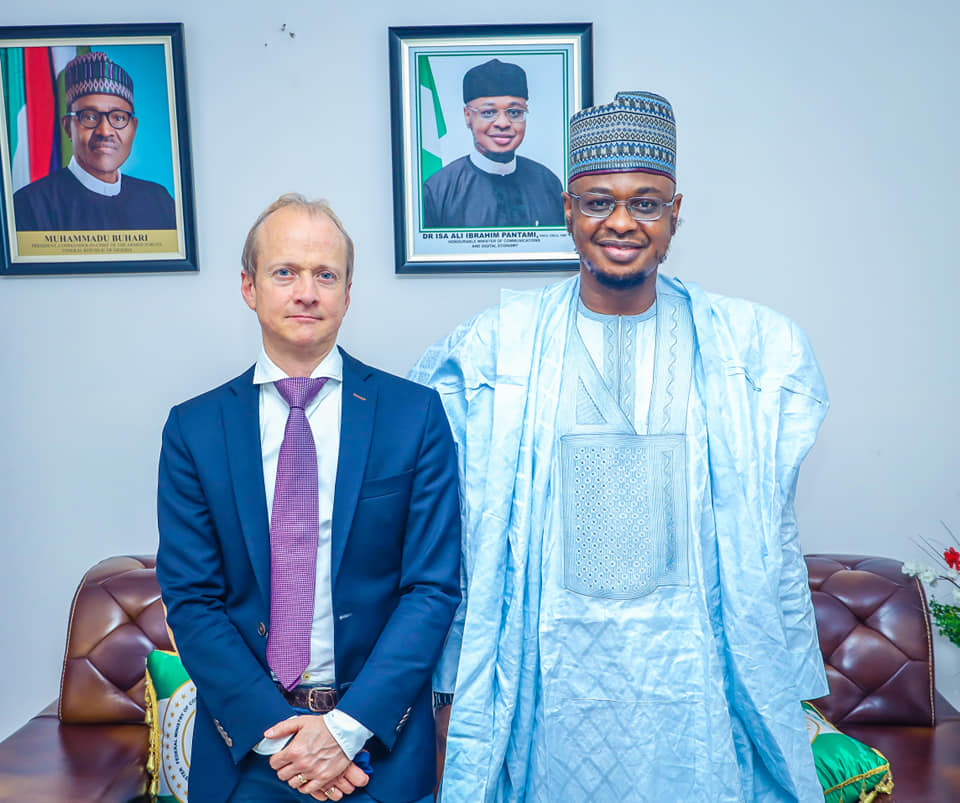
The Minister of Communications and Digital Economy, Isa Ali Ibrahim Pantami, (Professor of Cybersecurity) received in audience, the Ambassador of Sweden to Nigeria, Carl Michael on a working visit.

The Swedish ambassador was in the Communications and Digital Economy Complex, Abuja to officially present Schooltry, a Nigerian/ Swedish Startup that focuses on Edu Tech and eLearning to the Minister, Prof. Pantami.

Africa Tech Alliance Forum 2021 (#AfriTECH) has received support from the Nigerian Communications Commission (NCC), National Information Technology Development Agency (NITDA), African ICT Foundation (AfictF) and InnovationBed.Africa.

The Forum sponsored by Zoho (Platinum sponsor), Rack Centre, CloudFlex Computing Limited Digital Encode, Galaxy Backbone Limited, Notion Technologies, NewWave Ecosystems Limited (Konn3ct.com) and Zinochrome International Nigeria Limited, also enjoys supports from the Association of Telecommunication Companies of Nigeria (ATCON), Association of Licensed Telecom Operators of Nigeria (ALTON), Nigeria Internet Registration Association (NiRA), Nigeria Computer Society (NCS) and the Institute of Software Practitioners of Nigeria (ISPON).

The hybride event (both online and physical) which will place on Wednesday, October 13, 2021 at Oriental Hotel, Lekki Lagos by 10:00am has Zoho Corporation as the Lead Sponsor.

Audience at #AfriTECH2021 will cut across C-Suite Executives, Founders, Presidents of Companies/Organisations, Presidents of Industry Associations, Startups/Entrepreneurs and Government officials, etc.

In a statement signed by Peter Oluka, the editor of TechEconomy.ng; the organisers of #AfriTECH2021, he said, COVID-19 has pushed businesses over the technology tipping point—and transformed business forever.

“Recent surveys and reports from PwC, Microsoft, McKinsey, IDC, etc., find that responses to COVID-19 have speeded the adoption of digital technologies by several years—and that many of these changes could be here for the long haul”. It is important to know how these apply to your organisation and how to source the skills needed to sustain your organisation”, he said. 

This, Oluka added, informed the choice of the central theme of the Forum: ‘Embracing Change and Digital Transformation in the ‘New Normal’.

Speakers:

Olatomiwa Williams, the Country Manager of Microsoft Nigeria, will deliver the keynote address.

Other confirmed special guests and speakers are; Prof. Umar Garba Danbatta, executive vice chairman, Nigerian Communications Commission (NCC); Mr. Kashifu Inuwa Abdullahi, director general, National Information Technology Development Agency (NITDA); Prof. Muhammed Abubakar, managing director/CEO, Galaxy Backbone Limited; Dr. Ayotunde (Tunde) Coker, managing director/CEO, Rack Centre; Dr. Oluseyi Akindeinde, chief technical officer, Digital Encode Limited; Engr. Gbenga Adebayo, chairman, Association of Licensed Telecom Operators of Nigeria (ALTON), Engr. Ikechukwu Nnamani, president, Association of Telecommunication Companies of Nigeria (ATCON); Prof. Adesina Sodiya, president, Nigeria Computer Society, Mr. Aderemi Adejumo, MD/CEO, Cloudflex Computing Service Limited, Mr. Tony Ojobo, president, Africa ICT Foundation (AFictF); Mr. Muhammed Rudman, president, Nigeria Internet Registration Association of Nigeria (NiRA), Mr. Chinenye Mba-Uzoukwu, president, Institute of Software Practitioners of Nigeria (ISPON), Jude Ozinegbe, CEO/Managing Partner at Zinochrome Int’l; Mr. Gbenga Nana, MD/CEO, Notion Technology Limited; Mr. Femi Williams, MD/CEO, NewWave Ecosystems Limited, amongst others.   

Participation

Participation at the Forum is FREE, but participants are expected to pre-register via the link: https://africatechallianceforum.africa/ to have opportunity to witness the keynote address, goodwill messages, product launches, brand promotion, panel sessions and the inaugural #AfriTECH Awards/recognition.

The Forum which has received supports from NCC, NITDA, Rack Centre, Digital Encode, Galaxy Backbone Limited, Zinochrome Int’lalso enjoys media coverage by TechNext.ng, ITPulse.com.ng; ITNewsNigeria.ng; NigeriaCommunicationsWeek.com.ngTechTv.net.ng; Rave TV; GrassRoots.ng; ITRealms.com.ng, Digivation Network and TechandBiz.com.ng, BusinessRemarks, Businessmetrics amongst others.