By Collins Ughalaa KSC

Last year we came across a book written by Barr. Willie Amadi titled SECOND CHANCE. Willie Amadi is no new name in Imo State politics. He was Special Adviser under former Governor Ikedi Ohakim. He later became a Commissioner at the Public Complaints Commission, otherwise called OMBUDSMAN. He has been involved in various political arrangements since 2011 when Ohakim left office. Few days ago we had cause to read his book we had forgotten on the shelf. It was Hon. Ethelbert Okere, the Director General of the Imo State Orientation Agency, that called our mind back to the book.

Writing on “HON HENRY NWAWUBA: AMAZING BRILLIANCE POLLUTED BY SOPHISTRY”, Okere delved into Ihedioha’s purported victory at the 2019 governorship polls. The reference to the book forced us to open it for the very first time and we read it from cover to cover. We are amazed at the quantum of revelation in the book, especially as it concerns the 2019 governorship election in Imo. From what we gleaned from the book, Ihedioha did not win the 2019 governorship election. At best, what Ihedioha got on Sunday, March 10, 2019 was what we at the Global Association of Concerned Imo Youths (GACIY) now call “Negotiated INEC Declaration”.

According to Willie Amadi’s SECOND CHANCE: “While the collation of votes was going on in the early hours of March 10, 2019, insider information from INEC showed a likelihood of a run-off between Nwosu and Ihedioha. I reached out to Chief Tony Chukwu whom I knew had access to the Presidential Villa, Abuja. As collation entered into a critical and determining stage, I drove to his residence at Civic Centre [Owerri]. I met him with Chief Longers Anyanwu sitting alone in his expansive parlour”.

He continued: “I intimated them with the feelers I was getting from INEC and demanded to know from [Toney Chukwu], who, between Nwosu and Ihedioha, we should support. He replied angrily that Nwosu was a no-go area. He explained that he was not ready to help sentencing Imolites to another gruesome eight years since he was certain that Nwosu was going to be a surrogate governor to his father-in-law, the outgoing governor, Chief Rochas Okorocha. On Ihedioha, he had mixed feelings based on the latter’s disrespect to him and an allegation that Ihedioha had told some powerful people in the presidency that he, Chukwu, voted for Atiku Abubakar rather than Buhari the previous week. It took me close to forty minutes to placate him with an appeal that he should forgive Ihedioha since time was of [the] essence. Longers intervened and spoke in a similar vein, pleading with Tony to help in delivering Ihedioha (sic).

“Before going to Tony’s place, I had called Ihedioha to find out how he was faring and whether reports from his election control room was favourable. Typical of Ihedioha, he confessed that he was having problems with the issue of spread but that [he] hoped that the six remaining local government areas would sway in his favour; a hope that was eventually dashed. While Tony was still trying to make up his mind, Chief Anyanwu took a step further by putting a call across to Chief Emeka Offor, a well known and influential businessman from Anambra State and solicited for his intervention (sic).

“Not too long after, Chief Offor called Tony and spoke with him. After their conversation, Tony received calls from governors of Ebonyi and Abia states. When I realized that Chief Chukwu had been [captured] emotionally, I conspired with Longers to take him to Senator Hope Uzodimma. We returned to Tony Chukwu’s house and once there, I called Ihedioha to alert him that action would soon commence.

“As soon as we got back to his house, Chief Chukwu called Mallam Abba Kyari, the late Chief of Staff to President Buhari; the Minister of Interior, Major General Dambaba; the Attorney-General of the Federation and Minister of Justice, Abubakar Malami as well as the National Security Adviser, Major-General Monguno. According to him, they all agreed with him that Okorocha’s candidate, Nwosu, was not favoured by the new power configuration for 2023. When it appeared that our efforts were beginning to yield fruits – in fact 70 per cent successful – with directives communicated to the INEC Chairman from the appropriate quarters, I suggested to Tony to invite Ihedioha and Jones Onyereri for the final capture and possession. While the two were in Tony’s house, the result was announced and Ihedioha was declared winner. An obviously dazed Ihedioha turned to Tony and asked: ‘What is the Source of Your Power?’ Tony brought out his Rosary, waved it before him” (sic).

Willie Amadi’s book was released in November 2020 amidst fanfare. For one year there has been no response whatsoever from Ihedioha or his handlers on the issues raised in the book. Willie Amadi told the story of his involvement, leading to the Negotiated INEC Declaration of Emeka Ihedioha as the governor of Imo State. But beyond Willie’s roles, other things played out in the election. Ihedioha was helped to power with undeserved, outrageous and magical 64,219 votes from Aboh Mbaise, 32,987 votes from Ahiazu Mbaise, and 30,035 votes from Ezinihitte Mbaise, totalling 125,241 votes from the three local government areas of Mbaise clan.

According to the Negotiated INEC Declaration, Ihedioha became Governor with 273,404 votes, representing 38.29% of the total votes cast. Out of the 273,404 votes alloacted to Ihedioha, 125,241 votes came from Mbaise alone. Simple arithmetic shows that Ihedioha garnered mere 148,163 votes in other 24 local government areas of the State, and 125,241 votes from just three local government areas. On the average, Ihedioha and the PDP got 6,173 votes from each of the remaining 24 local government areas. And Ihedioha claims to be the popularly elected governor, with 148,163 votes from 24 local government areas! If the magical 125,241 votes from Mbaise alone did not strike you, then you have developed thick skin for anything. But you may consider yet another scenario, where Ihedioha’s agent at the State Collation Centre, Barr Uche Onyeagucha, shamelessly chew election results like Crackers biscuits, which landed him in custody.

Ihedioha knew what transpired in the election and how he became Governor. As a matter of fact, the ghost of that election haunted him for the seven and a half months he was in office. Despite his Negotiated Declaration as the winner of the 2019 governorship polls, he carried the toga of a governor that did not have the spread to win. This was made worse by the candidate of the Action Alliance (A.A), Ugwumba Uche Nwosu, who dragged him to court – from Tribunal to Appeal Court and the Supreme Court – asking the courts to nullify Ihedioha’s Negotiated Mandate for lacking the required spread. If you noticed, the Rebuild Imo Administration was prepared for a rerun. That was what they hoped could be the worst case scenario. That was why they were flagging off road projects just to be in the good books of the people. Apart from Ihedioha and his team, Ifeanyi Araraume and Uche Nwosu were also ready for a rerun election. That was what formed the midnight alliance between Okorocha/Uche Nwosu and Araraume.

The rerun election did not come. Rather the Supreme Court relied on irrefutable evidence from the Distinguished Senator Hope Uzodimma showing that votes due to him from 388 polling units were denied him, and that if those votes were added he would have been declared winner of the election by INEC. The Supreme Court delivered justice by retrieving the mandate from those who stole it, handing it over to the man who earned it – the Distinguished Senator Hope Uzodimma. The Supreme Court, in its landmark judgement on Tuesday, January 14, 2020, held “that on the preponderance of evidence, the appellants discharged the burden of proving that the results from 388 polling units, which were in their favour, were excluded from the collation of results and that if the excluded votes are added to the results declared in their favour, they would have emerged as the winners of the election”.

The PDP has not allowed the entire Imo State have peace since January 2020. From one phantom claim to the other, the party has turned itself not only into a sad orphan but the troubler of the whole State and the agitator-in-chief. Its guber candidate, Ihedioha, cries to the rooftop that his mandate was stolen, whereas evidence shows that the PDP is the actual mandate thief.

In those days, when you catch a thief he was usually remorseful, even if he would steal again. But these days, thieves can kill the owner of the property for daring to challenge them, for daring to recover his property. This is akin to the PDP refusing to be remorseful that they were caught pants down stealing another man’s mandate. They think they can only hold everyone down with lies. That’s why they continue to pollute the minds of young Imo people with the lie that they were popularly elected but the Supreme Court deprived them their victory. For this reason, they would rather Imo burns than give Governor Hope Uzodimma breathing space.

You would think that those the PDP are deceiving are ignorant folks. Or that only Ihedioha and his party are deceiving the people. That’s not so. Other PDP leaders, such as Hon. Henry Nwawuba, are among those who have not been able to rescue themselves from the lies and deceit from of Ihedioha. Instead they have become agents spreading same falsehood.

….to be continued…..
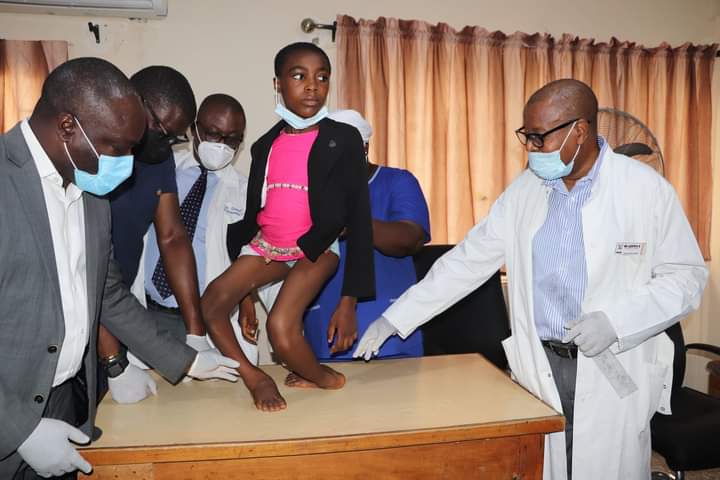
… 80 Children to Undergo Corrective Surgery

No fewer than 400 people will benefit from the latest phase of the Lagos State Government sponsored Free Limb Deformity Corrective Surgery and Rehabilitative Programme – an intervention programme targeted at rehabilitating people, especially children, with lower limb deformities such as rickets or Blount disease, and other lower limb deformities that affect their normal growth and function.

The Permanent Secretary, Lagos State Ministry of Health, Dr. Olusegun Ogboye, disclosed this during his visit to the screening site for the latest batch of beneficiaries at the Lagos State University Teaching Hospital on Monday.

According to him, the current phase of the exercise has recorded over 400 potential beneficiaries, who will be screened over a period of two days, while appropriate medical examinations are conducted.

He explained that during the current phase, 80 children will benefit from corrective surgical intervention, just as others will be offered physiotherapy, nutrition and health education as well as assistive mobility devices that will improve their health.

Ogboye noted that the results of their examination will be reviewed by a team of specialists and those that qualify for surgery will be booked for surgical intervention within the next 10 days, adding that the process will be at no cost to the patients.

He said: “The process involves a screening where surgeons examine patients and select those eligible to benefit from surgery and others that may benefit from assistive devices and other forms of physical rehabilitation. Those who pre-qualify for surgery will then go through a series of diagnostic investigations including x-rays and blood tests to check for the form of the bone malformation, calcium levels and other basic parameters. Patients are then offered surgery and kept overnight for observation”.

“This is supervised by our team of orthopaedic surgeons, anaesthetists, nurses and other health professionals. After discharge, patients will come for follow-up visits at the clinic, and then also go through physiotherapy to ensure we get the best outcomes”, the Permanent Secretary added.

He noted that many of the limb deformities, which can be corrected by surgery and rehabilitation, will improve the health status of the beneficiaries and give a greater sense of self-worth, stating that the patients would have better chances for economic empowerment and financial independence.

His words: “This programme often leads to improved mobility and health outcomes for the beneficiaries, and allows us to demonstrate our commitment as a State to develop our human capital and give our children a good platform to achieve their dreams and aspirations”.

“The programme also allows us to generate data to create other targeted disability intervention strategies to help more people that may have been disadvantaged healthwise in one way or another”, Ogboye said.

Speaking in the same vein, the Coordinator of the Programme, Dr. Tolulope Ajomale, noted that over 6,000 patients have benefitted from the programme since inception, adding that the programme has evolved into a multidisciplinary surgical outreach programme that explores surgical intervention, physiotherapy and assistive mobility devices to improve their health.

He noted that the programme, usually held biannually, was interrupted by the COVID-19 pandemic, stressing that the surgical and rehabilitative intervention programme has been rejigged to ameliorate the suffering of patients and their families.

Ajomale added that the massive turnout of potential beneficiaries at the screening exercise is an affirmation of the impact the programme has on citizens who have benefitted from the programme, stressing that another screening exercise will be organised before the end of the year to expand the window for more potential beneficiaries.

LASG

ForAGreaterLagos

Global losses from payment fraud have tripled from US$9.84 billion in 2011 to US$32.39 billion in 2020, according to Deutsche Bank’s 2021 report on the future of payments. And financial professionals are saying COVID-19 hasn’t helped matters, with 65% believing that the global pandemic is to blame for some of the accelerated rate in fraud activity, revealed by a 2021 survey by the Association for Financial Professionals (AFP).

While these cybercriminals can target many areas of an organisation, the dangers are ultimately measured in financial terms. This means that Chief Financial Officers (CFOs) can no longer ignore cyber security simply because it is a complex issue outside their area of expertise. As custodians of the company’s monetary assets and financial data, CFOs are responsible for safeguarding the enterprise from threats to its financial health, especially those that can result from processes within the finance domain, such as accounts payable.

Ryan Mer, Managing Director, eftsure Africa, a Know Your Payee™ (KYP) platform provider, says that CFOs need to play a key role in their company’s cyber security. The CFO is responsible for some of the most sensitive and valuable data the organisation possesses. “It is potentially disastrous for the finance team to be ignorant of cyber risk,” he says. 

Below are six ways CFOs can combat the risk of payment fraud:

Know your vulnerabilities and understand risks


The first line of defence is to identify which information requires the most protection and research the many ways your organisation could be attacked. Hackers often target the finance department and team members directly in attempts to defraud. CFOs need to ensure that these vulnerabilities are both understood and addressed. This means testing current processes and systems to find weak spots, perhaps with the help of external experts.

Many organisations’ weak areas lie in their manual processes, which use human inputting methods and decision-making, often resulting in errors and gaps in security. Independent third-party platforms, such as eftsure, can help manage supplier data and automate payment checking and supplier verification, saving time on manual processes and reducing human error and manipulations.

Improve your basic security


Review your company practices in relation to password and security controls. Look at whether you can strengthen your company’s passwords and ensure that they are changed on a regular basis, if possible, adding an extra layer of security with two-factor authentication. 

Move data to the cloud


Stay ahead of ever-changing security demands by moving sensitive data to the cloud, where it is kept in centralised storage that can only be accessed through sophisticated authentication methods. Cloud providers update their systems frequently based on the latest security best practices, providing new encryption techniques, improved login protocols and real-time identification of unauthorised users and suspicious activity.

Tighten your payments security


Look at your payments processes and identify potential weaknesses, possibly re-evaluating your financial procedures for approving payment releases. Ways to address weaknesses include ensuring there is clear separation of duties between staff and adding more verification steps.

While checking with senior executives,verifying by phone or relying on staff to perform other account verification procedures are options, they are manual, time consuming and hold their own risks. A Software as a Service (SaaS) provider like eftsure can help limit the risks by providing an integrated payments system that cross-references the payments an organisation is about to release with a database of verified bank account details. The platform alerts you to any suspect payments, at point of payment, allowing you to deal with the problem before the flow of funds have occurred.

Educate your staff


Employee email accounts are gateways to sensitive information and attacks, especially those in finance and accounts payable, making them targets of cybercrime. Equip staff with the skills and tools to spot threats and respond appropriately by introducing cyber safety awareness programmes, workshops and simulations. Enforce policies that restrict what information can be kept in email inboxes prior to secure archiving. eftsure’s secure, digitised payee onboarding platform can assist with the collection and management of payee information, thereby avoiding trying to manage this through email workflows and inboxes.

Keep your cyber security updated


As cyber risk grows and cybercriminals get better at what they do, it pays to be proactive about the controls, oversight and data management processes you have in place. Avoid waiting for a fraud incident or assuming your organisation is fully protected from fraud. Constantly remind staff at all levels about the risks of cybercrime to help build a strong security-conscious culture and continuously update controls to adapt to new fraud patterns. Collaborate with the chief information security officer (CISO), if your organisation has one, or enlist the help of an outsourced CISO-as-a-Service to address these risks and for assistance in deploying new defences.

In South Africa there is case precedence for firms being held liable for payments that did not reach the intended recipient, a situation that demands every CFO’s attention. “It’s a war out there – and cybercriminals are bringing the battle to you. Don’t wait for them to succeed – be proactive and get on the front foot now so you stop them before they succeed,” advises Mer.

The Nigerian Communications Commission (NCC) has awarded N20 million grant to four deserving Nigerian tech startups in furtherance of its commitment to encourage development of new indigenous technologies and contents, that are oriented in cutting-edge research to stimulate sustainable economic growth.

The four tech startups are: Clearflow System Hub, Aelaus Engineering Teams/Hyech Electronics Solutions, Kalibotics, and CyberNorth Tech. They emerged winners of Virtual NCC Internet of Things (IoT) Code Camp and Hackathon 2021, and they received N5 million each on their innovative technology solutions aimed at making life better for Nigerians.

While the first two startups, Clearflow System Hub; and Aelaus Engineering Teams/Hyech Electronics Solutions, emerged winners on IoT category on kidnapping and banditry, Kalibotics and CyberNorth Tech, emerged winners on assistive robotics for effective e-waste management solutions.

The grant was for the novel digital solutions of four startups, aimed at finding innovative digital solutions in addressing the challenges of insecurity and to stem the growth in national e-waste rates, while advancing the frontier of Internet of Things (IoT) in Nigeria.

Speaking at the prize-giving ceremony held at the Commission’s headquarters, in Abuja recently, Director, New Media and Information Security, NCC, Dr. Haru Al-Hassan, who delivered a speech at the event, on behalf of the Executive Vice Chairman of NCC, Prof. Umar Danbatta, said the Commission, as a frontline driver of innovation in Information and Communications Technology (ICT) industry, organized the second edition of the NCC Hackathon with a view to drive the creation of problem-solving tech innovations.

Danbatta said that the initiative was in line with the objectives of the Nigerian Economic Sustainability Plan (NESP) 2020, NCC’s Strategic Vision Plan (SVP) 2021-2025, Executive Order 5 of 2017, and Section 1 (f) of the Nigerian Communications Act (NCA), 2003 which focuses on promotion of Nigerian content in contracts, science, engineering and technology.

The EVC added that the occasion also symbolises the NCC’s commitment to deliver objectives of pillars 4, 7 and 8 of the National Digital Economy Policy and Strategy (NDEPS) 2020-2030, and the aspirations of the Commission’s SVP 2021-2025 in promoting innovative services and maintaining effective partnership and collaborations with relevant stakeholders.

Earlier, the Executive Commissioner, Technical Services, Ubale Maska, who was represented by Head, Research and Development, Kelechi Nwankwo, noted that the event demonstrated the critical role that the telecommunications sector plays in addressing Nigeria’s social and environmental problems with innovative solutions. He reiterated the Commission’s commitment towards continuously supporting innovations for nation building.

Underscoring the determination of the Commission towards harnessing the potentials of Nigerian youth in addressing emerging challenges through ICT, Maska said the event boldly demonstrates Commission’s resolve to champion the efforts of government to leverage telecommunications-based solutions to address societal issues that need urgent attention.

Representatives of agencies in the security governance sector, telecommunications operators, National Financial Intelligence Unit (NFIU) and Ministries, Departments and Agencies (MDAs) that attended the event lauded the NCC for the meaningful initiative.

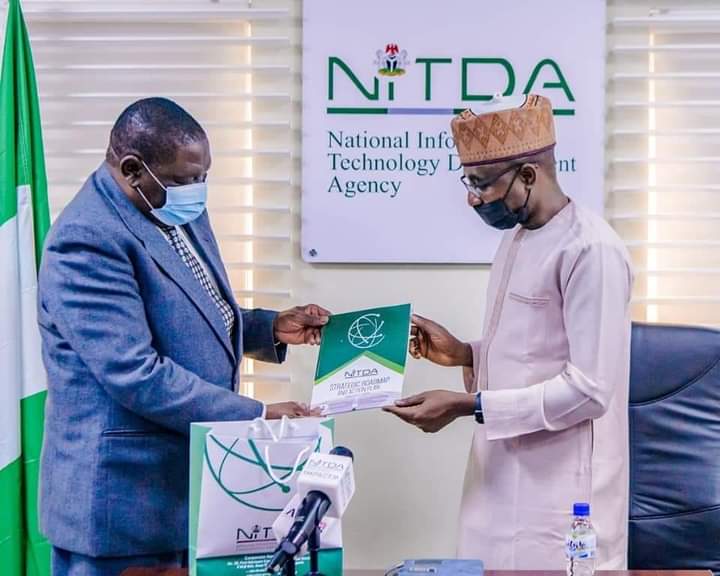
The appropriate deployment of information technology (IT) in the Judicial system according to the Director General of the National Information Technology Development Agency (NITDA), Mallam Kashifu Inuwa CCIE, can help improve efficiency of court processes as well as curb any form of corruption whether actual or perceived. A fact which in his opinion has made it highly imperative to train and retrain Judiciary officers on the full understanding of IT skills for them to derive and enjoy the maximum value from digital technology.

The DG made this submission today when he received the Administrator of the National Judicial Institute (NJI), Hon Justice Salisu Garba and his team who were at the corporate headquarters of the Agency in Abuja to discuss possible areas of collaboration.

Inuwa who described the visit as very important and apt stated that the application of Artificial Intelligence is now making evaluations and decisions for humans based on available data, which has made it important for the judiciary system to adopt the use of IT in their work processes.

“We live in a world where technology can be used to profile and make recommendations. It is therefore very important to incorporate the use of IT into our judiciary system for enhanced work performance”, Inuwa noted.

He further added that the appropriate deployment of IT in the Judicial system will enable courts deal better with the increased size of their case loads, help in speedily clearing backlogs of cases and also help accomplish the research and planning tasks necessary for the proper administration of justice.

Inuwa averred that in enjoying the benefits of digital technology in the country, the judges need to have an indepth understanding of digital literacy skills, a responsibility which he stated falls on the Nigerian Justice Institute.

He further disclosed that in line with the actualization of the National Digital Economy Policy and Strategy (NDEPS), the full introduction and implementation of Digital Transformation by the Agency for all Ministries, Departments and Agencies (MDAs) have been in top gear.

“We have set up Digital Transformation Technical Working Groups in several MDAs while a few more will be inaugurated soon. Your Institute can be taken on board in this laudable initiative and inaugurated as well if you are ready”, the DG assured.

Inuwa while laying emphasis on the importance of protecting data, implored the visitors to include the Nigerian Data Protection Regulations in their curriculum and promised a robust capacity building support in that regard.

“Most of the sources we get our information from now is online and these big techs use artificial intelligence to know our preferences by gathering data. It is therefore important to ensure protection of our data by all means necessary”, he opined.

The DG congratulated the Institute’s newly appointed Administrator and hoped that his wealth of experience would add value to the Nigerian Judiciary Institute and the Nation’s Judiciary system as a whole.

Hon Justice Salisu Garba while speaking earlier appreciated the DG and his team for the warm reception given and described it as the beginning of partnership between the two organizations.

He disclosed that the objective of the Institute is to conduct trainings for all judicial officers and supporting staff.

He further stated that the Institute’s Judiciary Information Technology Policy Committee which is saddled with the responsibility of formulating policies have been faced with challenges but however believes that Information Technology will bridge the gap.

“The essence of this meeting is to collaborate with NITDA in developing our IT skills in order to build our workforce’s digital skills as well as develop virtual court proceedings and conferences in order to reduce our backlogs”, Hon Justice Garba concluded.

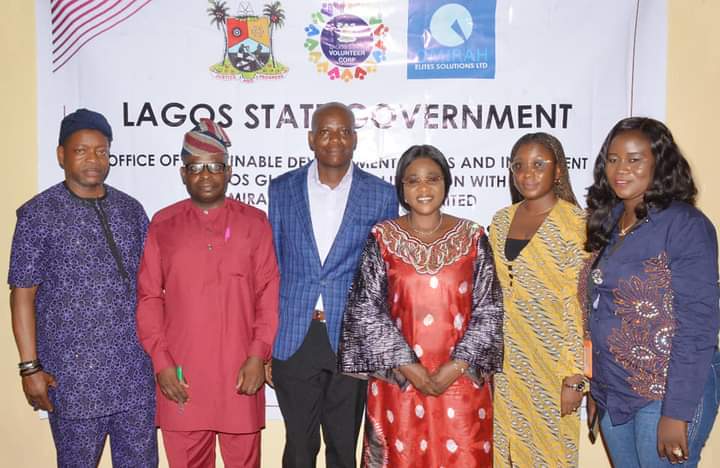
In furtherance of the commitment to strengthen people’s ownership of the development agenda, through enhanced civic engagement and enabling environment for citizens’ action, the Office of Sustainable Development Goals and Investment has concluded the training of 4,500 members of the Lagos State Volunteer Corps (LSVC) on effective execution and delivery of sustainable projects.

Addressing the media at a training session held in Adeyemi-Bero Auditorium, Alausa, Ikeja, the Special Adviser to the Governor on Sustainable Development Goals and Investment, Mrs. Solape Hammond, explained that the training was initiated to scale-up interventions by identifying the gaps in structure and capacity of volunteers towards harnessing the inherent value and contributions they make to social-economic and environmental development of the State.

The Special Adviser said: “Having a structure that assembles individuals, who are passionate about SDGs’ cause and have the requisite skills necessary to carry out the tasks, has inspired the government to further strengthen their capacity and motivate them towards making a meaningful impact in the society”.

Hammond, who was represented at the event by the Permanent Secretary, Office of SDGs and Investment, Mrs. Abosede George, noted that the training programme would go a long way towards deepening the engagement with volunteers, helping them to understand their impact and empowering them to contribute to the attainment of sustainable development goals.

“Given the complexity of volunteerism as a social practice that cuts across different structures, sites, intensities, aspirations and categories, this training offers a critical opportunity to share this administration’s philosophy in providing access to regular support mechanisms”, she enthused.

She explained that volunteerism is a powerful way of encouraging more people to engage in civic and development activities at a local level for planning and action, stressing that the Governor Babajide Sanwo-Olu led administration has strengthened civic engagement, safeguards social inclusion, deepens solidarity and solidifies ownership of development results.

Her words: “The rapid and widespread changes in the social, political, economic and technological landscapes across the globe have heightened citizens’ expectations of the government in creating a broader space for citizen engagement. It is, therefore, critical that you help your volunteers feel ready to jump into their roles”.

Applauding the commitment of the volunteer corps, the Special Adviser stated that volunteerism, as one of the most selfless acts in our life, is indispensable to achieving the goals of the SDGs and it is essential to improve their confidence and knowledge.

She pointed out that while volunteering creates a ripple effect that inspires others, and advances the transformation that is required for the SDGs to take root in communities, it also enhances people’s capacity, builds community participation and social cohesion.

In his remarks, the MD/CEO of OMIRAH Elites Solutions Limited, Mr. Opeyemi Oluleye, who was the lead consultant, enjoined the Volunteers to look beyond immediate benefits while admonishing them to give their best towards making the State the most desirable place to live on the planet.

“While you are giving your time and effort to help others and making a difference in their lives, you are also experiencing many positive effects on your own life. The benefits of voluntary work are extensive through new connections, work experience and skills. It broadens your horizons by increasing empathy, emotional intelligence and enhances your feeling of belonging”, he submitted.

The Volunteers, who were drawn from all the 20 LGAs and 37 LCDAs were trained in batches, with the last batch of 500 Corps participants completing their training on Friday. The training, which was part of the programme to engage the volunteer corps as major stakeholders in the SDGs ecosystem, was designed to add value and advance the scope of the volunteerism structure in the State.

The programme is also part of the yearly activities of the Office of Sustainable Development Goals and Investment aimed at improving the capacity of the State’s Volunteers Corps for seamless project execution and delivery.

LASG

ForAGreaterLagos

…Sets conditions for prospective bidders

The Nigerian Communications Commission (NCC) has officially declared that the auction of the 3.5 Gigahertz (3.5 GHz) spectrum for the deployment of Fifth Generation (5G) technology in Nigeria, will take place on December 13, 2021.

According to the Information Memorandum (IM) presented by the Commission at a stakeholder engagement forum organised on 5G spectrum in Lagos recently, NCC is adopting Ascending Clock Auction format, which is software-based while a mock auction has been slated for December 10, 2021, as a precursor to the actual auction on December 13, 2021.

The IM provides information, conditions, obligations, financial implication, timelines and other necessary details on the planned 3.5Ghz spectrum auction.

The IM also explains the rollout obligations of the would-be eventual winners of the spectrum licence auction, whose reserved price has been pegged at $197.4 million (N75 billion).

The IM also states that only licensees, who make down payment of 10 per cent of the reserved bid price and with 100 per cent regulatory compliance would be allowed to participate in the auction while licensees with outstanding debts that have secured NCC’s approval for a payment plan will be allowed to participate in the auction.

According to the IM, the auction comes with a 10-year spectrum licence and a minimum requirement of an operational Universal Access Service Licence (UASL). However, new entrants or licensees without a UASL will be required to obtain a UASL operational license to be qualified for the 5G licence.

The eventual licensees will have a rollout obligation plan spanning a period of 10 years, beginning from the date of award of the licence. Between the first and second year of the licence, the operators are expected to rollout service in, at least, one state in each geo-political zone.

From the third to fifth year, they are obligated to cover all the zones. Between six to 10 years, they should cover all the states in the country, according to guidelines set out in the IM.

Speaking at the forum, Minister of Communications and Digital Economy, Prof. Isa Ali Ibrahim Pantami, said the Ministry has been working closely with the Commission to ensure that necessary spectrum resources needed for the deployment of 5G network in Nigeria to accelerate the nation’s digital economy space is made available.

Represented by a Director in the Ministry, who is concurrently the Secretary, National Frequency Management Council (NFMC), Abubakar Ladan, the Minister said the 3.5GHz is the most popular spectrum band used globally by regulators and operators for the deployment of 5G technology, and it seems the only band available in Nigeria for immediate use by operators.

In his address, the Executive Vice Chairman of NCC, Prof. Umar Garba Danbatta, listed the various steps diligently taken by the Commission that culminated in present status of the 5G deployment plan. He also reeled out data to justify how profitable investment in 5G deployment will be for potential operators and investors in the country.

According to him, “Nigeria has an estimated population of 214 million, with an average growth rate of 2.6% annually. Approximately 76.46 per cent of the population is under the age of 35. In line with these demographic changes, internet penetration grew from 3 per cent in 2004 to 73.82 per cent as at September, 2021, and broadband penetration increased from less than 10 per cent in 2015 to 40.01 per cent in September, 2021.”

He said while the global impact of Fourth Generation (4G) technology brought about increase in mobile usage and network performance, 5G technology will leverage on this momentum, bringing substantial network improvements, including higher connection speed

, mobility and capacity, as well as low-latency capabilities.

The Forum was well attended by industry stakeholders, including operators, industry associations and groups, advocacy bodies, and the media.

The Association of Licensed Telecoms Operators of Nigeria (ALTON), among others, called on the government to continue to make the operating environment more conducive for the existing and prospective licensees in the telecom ecosystem, in order to enable Nigeria to fully harness and harvest the derivable benefits of mobile technology in the country.

The stakeholder engagement forum was organized in keeping with the provisions of the Nigerian Communications Act (NCA) 2003 and NCC’s tradition of consultative regulatory practice.

The New York Times shared a perspective that many ‘phonemaniacs’ may be uncomfortable with because it questioned the core of what truly drives their enthusiasm in upgrading their phones even when the one they have can do virtually everything the new phone boasts of offering.

According to the newspaper, buying a $1,000 iPhone can be equivalent to giving up $17,000 in retirement savings or 2,500 cups of coffee. It is the 2500 cups of coffee that got my attention though.

Quoting financial advisers, the NYT says that “by some estimates, an investment of $1,000 in a retirement account today would balloon to about $17,000 in 30 years”.

“In other words, $700 to $1,000 — the price range of modern smartphones — is a big purchase. Fewer than half of American adults have enough savings set aside to cover three months of emergency expenses, according to the Pew Research Center. Yet one in five people surveyed by the financial website WalletHub thought a new phone was worth going into debt for”.

Tech companies, the analysts say, fairly argue that our smartphones are our most powerful tools for work and play and thus worth every penny. But they also play numbers games to downplay the costs of a new phone.

Samsung, for example, has said the price of its new Galaxy phone is $200 — but that’s only if you trade in a year-old phone for credit toward the new one. The true price is $800.

The unsolicited advisers at New York Times admonished that it is worth looking at phone upgrades in a different light to weigh their financial impact. That, they said, can help us make well-considered decisions so that the move isn’t automatic.

Users in five European countries tracked by Kantar Worldpanel — France, Germany, Great Britain, Italy and Spain — are keeping their phones for even longer. From 2016 to 2018, the life cycle of a smartphone was extended by nearly three months, from 23.4 to 26.2. Users in Great Britain logged the longest average of 27.7 months in 2018.

The life cycle of a smartphone in China was relatively shorter at 20.2 months in 2016 and 21 months for both 2017 and 2018.

According to Dominic Sunnebo, global director for Kantar, “The age of poor smartphones is over (in Europe). Most consumers rate their smartphones very highly, so there is less push to change,” he said.

European consumers also believe that the newer devices will be similar in terms of “features and experience,” he added..

Flagship phones from the world’s top three smartphone companies — Apple, Samsung and Huawei — saw an average price increase of 52% in three years. That’s made people less eager to buy new devices.

For me, I think I need a new phone. I have used this ‘akpuruka’ phone for three good years though manufacturers want consumers to change phones every 18 months.

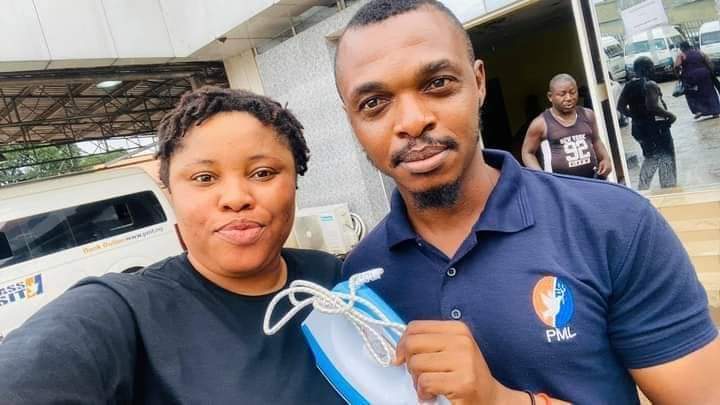
In appreciation of their continuous patronage and support for its brand, the management of Nigeria’s leading road transport company, Peace Mass Transit Limited, recently appreciated some of its customers across the nation.

The gesture was part of their activities to mark this year’s Customer Service Week.

Customer Service Week is an international event devoted to recognizing the importance of customer service and honour the people who serve and support customers with the highest degree of care and professionalism.

The theme for this year’s CSW is “The Power of Service”. The Chairman/CEO of the most sought after transport company, Chief Samuel Maduka Onyishi, thanked teeming customers of Peace Mass Transit for their continuous patronage.

“Safety of our passengers is at the core of our business” the Chairman emphasized.

“The company will continue to provide an affordable and reliable transport system for the people and will use all available resources to become the largest and most efficient road transport corporation in Sub-Saharan Africa” he added while calling for the continuous patronage of their customers.

Chief Maduka assured that PMT will continue to set the pace and break new grounds as the leading transport company in the country.

Celestine( not his real name) started a fintech business with his friends that he met while he was schooling abroad.

The Fintech business model is to make it easy for young Africans to buy cryptocurrency before CBN banned banks from facilitating crypto trading, also the Fintech business model includes a payment wallet where you can pay your bills and they also provide a remittance solution that made it convenient for Nigerians in the diaspora to receive and send money to their dependents in Nigeria.

The business was booming, cash flow was regular and life was fine until EFCC struck.

Apparently, the operatives of EFCC flagged Celestine Fintech’s bank accounts because of the volume of transactions it records daily and those EFCC operatives still living in the analogue age thought they were into Yahoo business or money laundering because they did not understand the model of the business and how it generates billions of naira as monthly revenue.

And so EFCC struck.

On a fine Monday morning like that, EFCC raided Celestine’s office at Ikoyi, Celestine was picked up with his CTO and they were taken to the commission’s office at Ikoyi to explain the source of the funds that move through their account.

Celestine and his CTO called their lawyers to join them at the EFCC office and after interrogation by the operatives of the anti-corruption body, the operatives were not convinced that the Fintech Celestine was running was a legit business.

“Just like that, you people are making billions of naira monthly”?

“Is it how easy it is to make money? EFCC officials queried Celestine and his lawyers.

After 3 days of intensive interrogation by EFCC operatives with documents tendered, the EFFC guys were finally convinced that Celestine Fintech business was legit until they asked one important question- who is on your board?

Celestine and his CTO froze.

They had no one, which was another problem. It took the intervention of Celestine’s dad who is a big man and an elite within the Lagos circle to get his son and the CTO off the EFCC hook.

I learnt a valuable business lesson I had taken for granted before that day-Nigeria is a hostile place to do business but a business with a board of directors made up of reputable individuals is a signal to the system that you are not running a Yahoo yahoo/money laundering business.

Most importantly, you are not running a business that is a criminal threat to the society.

Your startup needs a board of directors to derisk the risk of doing business in Nigeria.

If Celestine had a board with a well-connected individual as the chairman of the board, he would not have spent 3 days with EFCC. It is not possible

What would have happened is that the board of directors would have gotten involved to explain to EFCC what the business does, how they generate their cash flow and most importantly, the chairman of the board would just make a call and Celestine would be freed from the EFCC gulag.

That Obi Cubana is spending his second night at EFCC cell, contrary to the report that went out yesterday that he has been released is because of the absence of a structured board of directors for his Cubana business.

If Cubana group were to have a Nigerian big man /big woman with influence and clout for instance as the chairman of the business, I doubt that EFCC would have arrested him, they would have thought it twice before coming for him knowing that he has a well-structured board of directors that back him up.

Allen Onyema of Air Peace paid dearly for not having a structured board of directors for Air peace airline when he was indicted for money laundering by the American Department of Justice.

If Air Peace has had a board of directors with proper corporate sound practice and structure, Allen would not have made the schoolboy mistake that he did, moving money around for the purpose not intended for it because the board will never allow nor authorize him to engage in such unethical practice but the good thing is that he learned from that experience by constituting board of directors for his Airline business after the indictment.

Air Peace Airline today has a proper board of directors made up of 7 board members, board members who are seasoned men and women and they are expected to bring to bear their experience to the growth of Nigeria’s biggest airline.

According to Iyinoluwa Aboyeji, the only Nigerian tech entrepreneur who founded two unicorn companies (Flutterwave and Andela), Here are five tips for picking the right board members for your Nigerian startup.

1.) Stay away from partisan politicians even if they are in power today. Power comes and goes. If they leave power you will become a casualty of their politics. Instead, focus on those who are apolitical and have served across administrations. Their networks are more widespread.

  1. Try to find someone who sees being on your board as a social mission or with whom you have a personal relationship, not just a business opportunity. This way you don’t have to worry about take over attempts.
  2. Reference board members before you bring them on board. Some board members are trouble. Some have corporate misconduct or political exposure past you don’t want to be affiliated with. Use Kroll or a good background check company.

4 Find someone who is willing to learn from you too. Many board members just want to dispense wisdom independent of context or information about what has changed and what remains important.

  1. Be loyal and build trust with your board members by always keeping them informed. Don’t treat them like rubber stamps. Don’t make major decisions without consulting them. Never bad-mouth them and even when you disagree use emotional intelligence.

There is so much wisdom and power in intergenerational solidarity. I have been very lucky with my older friends. Many older people want to deeply invest in young people. Make it worth their time Iyin concluded.

Another thing to note is that it is not important nor mandatory for these board members to invest in your business, you can invite them to join the board of your business for their clout, experience and contact because When you have EFCC case, Police trouble or regulator Wahala for instance, just one phone call and you are a free man/woman.

Because of Celestine’s experience, the next business I’m about to start with my friends next year will have a solid board of directors with a big man/woman that has clout and contact as the chairman of the startup.

This is very important.

So dear young millennial entrepreneur, your business will not be a small business forever.

One day, it will scale the way Cubana’s scaled so for you to do business in a hostile place like Nigeria where many people are praying for your downfall, a country with so much hatred and vileness, you need to have in place, a proper board of directors for your business with a solid chairman that has clout and contacts of who is who in Nigeria to head the board of the startup.

I’m sure you will not like to sleep over at the EFCC office because the illiterate EFCC operatives do not understand how your business makes money.

A stitch in time they say saves nine

Chukwudi Iwuchukwu