In 2020/2021, the United States remains the top destination for international students, welcoming over 914,000 international students from over 200 places of origin according to the 2021 Open Doors Report on International Educational Exchange.  International students build life-long connections with Americans, their peers, host families, professors and communities.  These relationships help grow America’s international partnerships, forging ties that help the world collectively global challenges.

The United States remained open and welcoming to international students, even throughout the pandemic. The U.S. Government and the U.S system of higher education have been flexible to safely welcome international students, providing opportunities and resources to students during a global crisis. These efforts exemplify our shared commitment to international student mobility and global higher education.

The new report indicates there was a slight drop in the number of students from Nigeria currentlystudying in the United States, less than half the worldwide average decline. The current figure of 12,860 Nigerian students represents 33% of African students in the United States, making Nigeria both the leading source of students from the continent and 10th largest place of origin country worldwide.

Nigerians are enrolled in more than 1,000 institutions in the United States, while students using EducationUSA Nigeria services recorded $28 million in scholarships and financial aid awarded to those admitted for the 2021 academic year.

Open Doors 2021, released today by the Institute of International Education (IIE) and the U.S. Department of State’s Bureau of Educational and Cultural Affairs, highlights the U.S. higher education sector as a destination of choice for international students and the growing interest in international educational exchange among U.S. students. The release of the new Open Doors data marks the celebration of International Education Week, a joint initiative of the U.S. Department of State and the U.S. Department of Education to prepare Americans for a global environment and attract future leaders from other countries to study, learn, and exchange experiences in the United States. The Open Doors® report is published annually by the Institute of International Education in partnership with the U.S. Department of State’s Bureau of Educational and Cultural Affairs.

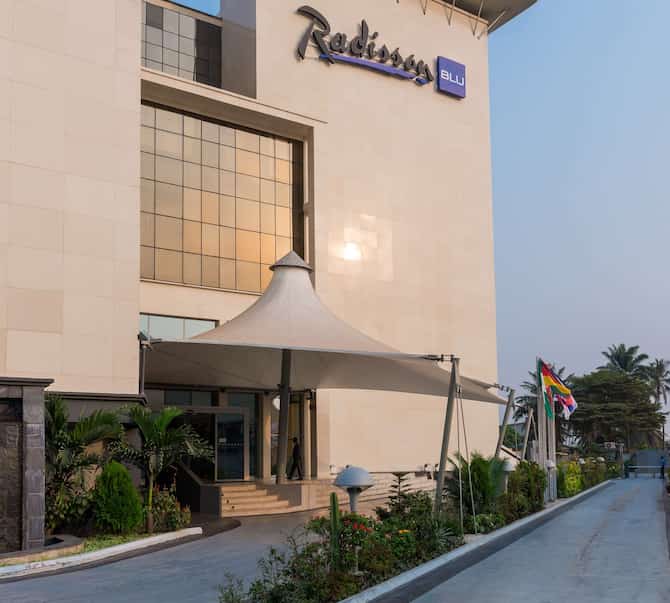
Radisson Hotel Group (RadissonHotels.com), one of the world’s leading hotel companies, has identified West & Central Africa as key markets in its African development strategy, growing its portfolio from one hotel in 2008 to the current portfolio of 25 hotels in operation and under development. With its robust expansion strategy, the Group is on track to cement its leadership and double its portfolio to 50 hotels by 2025.

Despite the pandemic, West & Central Africa remains a strategic territory for Radisson Hotel Group’s expansion. In 2020, the Group was able to increase its West & Central African portfolio with three new hotel signings, adding over 625 rooms, further reinforcing its presence in key markets such as Nigeria and Mali while entering a new West African market, Ghana. With conversions at the forefront of the growth strategy for the Group, Radisson Hotel Group was able to open within the same year, further demonstrating the strength and ability of the company to accelerate rebranding and repositioning of existing hotels.. Another milestone, was the debut of Radisson Collection brand in Africa, with the opening of Radisson Collection Hotel, Bamako in December.

In April this year, the Group launched its first Radisson Individuals property in Africa, with the signing of Earl Heights Suites Hotel, a member of Radisson Individuals, in Accra, Ghana, due to open during the first quarter of 2022. Radisson Individuals is a conversion brand that offers independent hotels and local, regional chains the opportunity to be part of the global Radisson Hotel Group platform, benefit from the Group’s international awareness and experience, with the freedom to maintain their own uniqueness and identity. The pandemic has set a trend of consolidation in the lodging industry, giving individual hotels the opportunity to rebrand their properties, allowing the Group to expand even faster. 

Erwan Garnier, Senior Director, Development, Africa at Radisson Hotel Group said, “We have identified six countries for growth in West & Central Africa, with a clear strategy to have city scaled growth in the key African capital cities, financial hubs and resort destinations. We have also identified eight pro-active cities in West & Central Africa in which we are focusing our efforts for scaled expansion. The focus destinations are Abuja, Lagos, Accra, Abidjan, Dakar, Yaoundé, Douala, and Kinshasa. Our development strategy for West and Central Africa, focuses on business hotels, resorts, serviced apartments and mixed-use developments. What sets us apart is our owner-centric approach with dedicated teams and relevant brands with the lowest development cost and access to development solutions, plus our adaptive solutions to meet local needs from compact offering, midscale to luxury, serviced apartments, lean operational model and clustering efficiencies.

Nigeria

As the largest economy of the African continent, Nigeria remains a key market for Radisson Hotel Group as it expands its reach across West Africa. The Group currently has nine properties open and under development in Nigeria, five which are operating in Lagos and Abeokuta and spread across our award-winning upper upscale brand, Radisson Blu, the upscale Radisson brand and the upper midscale brand, Park Inn by Radisson.

Four properties are currently under development in Abuja and Lagos: Radisson Collection Hotel Ikoyi Lagos, Radisson Collection Hotel Emerald Grand Hotel & Spa, Radisson Blu Hotel Abuja City Centre and Radisson Hotel Abuja Gudu.

Our objective in Nigeria is to increase our portfolio by 50%, by 2025. The prime focus of expansion is  the capital city of Abuja, followed by Lagos and Port Harcourt. We foresee developing each of our six brands in Nigeria which includes our newest Radisson Individuals brand to support potential conversions,” said Garnier.

Ghana

Claiming the title as the fastest economy in West Africa, Ghana has been identified as a focus market for the Group. Following the announcement of Earl Heights Suites Hotel, a member of Radisson Individuals, in Accra, Ghana earlier this year, the Group aims to enter the international luxury market with Radisson Collection, develop thier flagship Radisson Blu portfolio, the upscale segment with their Radisson brand, the upscale lifestyle segment with Radisson RED and the midscale segment with Park Inn by Radisson.

We have identified six countries for growth in West & Central Africa, with a clear strategy to have city scaled growth in the key African capital cities

The focus of expansion is the capital city, Accra, the Gulf of Guinea as well as Kumasi, one of the largest cities of the country.

Ivory Coast

Ivory Coast is one of the fastest economies in French Speaking Africa and is a key market for Radisson Hotel Group.

Garnier said, “Abidjan is our focus city and we aim to further expand and meet the needs of the market by having each of our six brands present by the end of 2025. Currently in operation is the Radisson Blu Hotel, Abidjan Airport (https://bit.ly/3B28TPb) and one hotel under development, the Radisson Hotel & Apartments, Abidjan Plateau, which will offer the largest conference center in the city center, stylish accommodation and the city’s first roof top bar and restaurant.”

We’ve identified the market requirement for international luxury in Abidjan and plan to meet this with our entry luxury brand, Radisson Collection. We also aim to expand our growing Radisson Blu portfolio and the upscale segment and upscale lifestyle segments with Radisson and Radisson RED in Plateau and Cocody. In terms of the international midscale segment, we aim to develop in Plateau, Cocody, Marcory and Treichville with our popular Park Inn by Radisson brand. Other cities we’re aiming to establish a presence in are San Pedro and the capital city of Yamoussoukro with our international upscale and midscale hotels. In the leisure market of Grand Bassam and Assinie, the ideal debut would be with Radisson Blu and Radisson brands.”

Senegal

Known as an example of political and economic stability in French speaking Africa, Senegal remains as a steadfast priority country of expansion for the Group. Dakar, a key focus city for Radisson Hotel Group, indicates strong potential in various market segments. The Group currently operates two hotels, Radisson Blu Hotel, Dakar Sea Plaza (https://bit.ly/3aVCGyk) and Radisson Hotel Dakar Diamniadio (https://bit.ly/3vzdjMd) and aims to establish a presence for each of their six brands by 2025.

Garnier added, “We plan to enter the international luxury market with Radisson Collection, expand upon our flagship Radisson Blu portfolio, and establish a presence in the upscale segment and upscale lifestyle segment with Radisson and Radisson RED as well as the midscale segment with Park Inn by Radisson. We are focusing our expansion in the center of Dakar with Plateau, Corniche, Ngor and Point E as well as Diamniadio and Saly. Other cities we’ve identified for expansion are Touba and Saint Louis with our Radisson and Park Inn by Radisson brands. In Cap Skirring, we aim to introduce our upscale and upper upscale brands to this leisure market alongside the Atlantic Ocean Coast.

Cameroon

Radisson Hotel Group plans to further expand its portfolio of brands across the country with a focus in Douala and Yaoundé. In Douala, the economic hub in Central Africa, the Radisson Blu Hotel & Apartments Douala is currently under-development with the opening scheduled for Q1 2023. The property will lead the five star segment in the city with 180 rooms and apartments, a range of food and beverage facilities, including a skybar with a view of the entire city, as well a cutting edge wellness spa and gym.

In the capital city of Yaounde and the financial hub of Douala, our ambition is to establish a presence for each of our six brands. Our priority now is to enter Yaoundé in order to have presence in both key cities of the country. We are also aiming to expand our resort offering in Kribi with our Radisson and Park Inn by Radisson brands.”

Democratic Republic of the Congo (DRC)

Radisson Hotel Group has identified the Democratic Republic of the Congothe second largest country of the continent by area, as a focus of expansion, placing a priority to enter this strategic market in 2022, focusing on Kinshasa city followed by Kolwezi and Lubumbashi. Kinshasa has the potential to house each of the six Radisson Hotel Group brands especially Radisson Collection, Radisson Blu and Radisson.

Millions of sports fans in Nigeria will step into a new world of sports entertainment with the launch of Afrosport TV (afrosport.tv) on the Free TV DTT network.

Afrosport will be sub-Sahara Africa’s first 24-hour free continent-wide sports channel in Nigeria, delivering a quality and depth of service that is usually found only on Pay TV channels, such as Supersport or StartTimes. Rolling out in Nigeria, with the intention of developing a presence across Africa and the diaspora, Afrosport is driven to change the narrative around Free-To-Air (FTA) sports provision on the continent, by delivering bespoke content to an underserved and passionate fan base.

Afrosport will seek to focus on the 90% of fans who are not able to subscribe to Pay TV and allow them to participate in the enjoyment of the best of sport

Speaking at the launch of the channel, Co-founder and Director, Andy Howes stated, “Africa has some of the best Pay TV sports delivery in the World, that is vital to rightsholders and fans alike. Afrosport will seek to focus on the 90% of fans who are not able to subscribe to Pay TV and allow them to participate in the enjoyment of the best of sport.”

“There is both a compelling commercial and moral reason for Afrosport to exist. Commercially, with a potential audience in Nigeria of more than 150 million people, Afrosport provides a method of communication that is essential for brands to market their products and will be an essential component for rightsholders – both global and local – to establish a strong following for their products.

“Morally, when you consider the powerful role that sports has played in societies, it is only right that a continent that has given so much enjoyment to the world of sports through its sons and daughters over the past 100 years and still continues to do so currently should not face exclusion for a majority of its population when it comes to viewing and enjoying sport.

Business Director Adeola Ogundele added, “Many will never get the chance to attend a World Cup, go to the Olympics, or attend a match at Wembley or watch a NBA game at the Staples Centre, and the TV is the closest that they will get to enjoying collectively what is experienced in arenas around the world. Afrosport’s aim is to inspire a billion dreams”.

Free TV is the public private partnership, backed by Nigerian broadcast regulator/government and INVIEW, and will be the default FTA platform as the long-awaited Digital Switch Over (DSO) moves into gear with the roll out across the country, including Lagos, Kano, Jos, Kaduna, Enugu, Oshogbo, and Abuja. Currently in over 1,000,000 TV homes with a target of over 25 million in the next 12 to 18 months.

The international medical humanitarian organization Doctors Without Borders/Médecins Sans Frontières (MSF) has launched a new program to treat malnourished children in the state of Katsina, in the northwest of Nigeria, as conflict and insecurity surge in the region and access to health care remains limited. Malnutrition is endemic in northern Nigeria with cases usually declining by October, though this year MSF teams are continuing to see alarmingly high levels.

MSF is working in collaboration with the Nigerian Ministry of Health to run a 62-bed inpatient therapeutic treatment center (ITFC) in Katsina City, as well as five ambulatory therapeutic treatment centers (ATFCs): one in Katsina City and the other four in Jibia Local Government Area, close to the border with Niger where many parents from Nigeria are seeking care for their malnourished children.

Since activities launched in Jibia in August, MSF has admitted 4,513 malnourished children, 78 percent of whom were suffering from severe acute malnutrition. Given that these centers were only open two days a week due to security concerns, these numbers are strikingly high.

In the city of Katsina, from the beginning of activities on September 20 through the last week of October, MSF staff admitted 1,784 severely malnourished children to the ATFC and 324 to the ITFC. MSF is still admitting patients into its ITFC in Katsina City, showing that there are still malnourished children needing treatment in a region with very limited care options.

The conflict is both contributing to the high levels of malnutrition and making responding to them more difficult

“During the summer, MSF carried out a nutritional survey in Katsina that revealed alarmingly high levels of malnutrition,” said Dr. Guyguy Manangama, MSF’s deputy emergency cell manager. According to this survey, the prevalence of global acute malnutrition was 26.1 percent, and severe acute malnutrition was 7.4 percent.

“The fact that we are not yet seeing the number of admissions drop in our centers leads us both to worry about how severe the situation is now and how it will develop if the response is not stepped up,” Manangama said.

People in the northwest of the country, including Katsina, are also currently experiencing a wave of violence, with kidnappings for ransom common and frequent confrontations between various armed groups and Nigerian forces. Conflict has also impacted agricultural activities because people are afraid to work in the fields, travel is more difficult, and the cost of food has increased. People are also facing an economic crisis driven by several factors including the consequences of the COVID-19 pandemic.

“The conflict is both contributing to the high levels of malnutrition and making responding to them more difficult,” Dr. Manangama said. “The provision of health care is increasingly complicated; medical staff can be targets for kidnapping, and they fear attacks on medical centers. The insecurity also means that we cannot travel to all the areas where we would like to offer care. Insecurity is a real issue in the area, but more must be done by international organizations to help the Nigerian authorities deal with this very worrying malnutrition situation.”

MSF teams in Nigeria are also running nutritional activities in Zamfara State, with three ITFCs in Anka, Shinkafi, and Zurmi Local Government Areas, as well as 12 ATFCs spread throughout the state.


Planning on a shopping spree this Black Friday or Cyber Monday? Ask yourself these questions before clicking ahead and becoming a scam statistic.


By: Carey van Vlaanderen, Chief Executive Officer at ESET Southern Africa


“Gucci bags 80% off!” screams the email that lands in your inbox on Black Friday. It seems like an impossibly large discount, but you open the email anyway – just to check if it seems legitimate. And it does – it’s professionally compiled, there are no spelling errors, and the logos and merchandise all look like the real deal. So, you click on the link provided. And you shop. Only to see a string of fraudulent charges on your next bank statement.

Black Friday is a lucrative day not only for retailers, but also for cyber criminals. In 2019, the use of retail phishing URLs jumped by 275% the week before Black Friday.

Before going on an online spending spree, ask yourself these questions to stay ahead of scammers:

Is my security up to date? Though many people secure their computers, they often leave their most connected device, their phone, vulnerable. Cybersecurity solutions like antivirus, firewalls and internet protection must be installed on any connected device. Before Black Friday starts, check if these solutions are up to date and apply any necessary patches.


Is it too good to be true? Cyber criminals are taking advantage of cash strapped consumers’ increased desire to save money, partly due the economic crisis caused by the COVID-19 pandemic. Any deal that seems too good to be true should not be trusted offhand. Verify them by typing in the retailer’s website address in a browser window and searching for the deal there.


Apart from jaw-dropping discounts, coupons are also a popular way to reel customers in. According to ESET telemetry, of all the Black Friday-related emails you will get in one day an average of 12% will be spam emails. Again, do not click on any links. Be sure to shop on the real website and apply coupons there by manually typing out the code.

Is the website (or app) real? Scammers are better than ever at creating legitimate-looking fake websites and apps to steal your personal details. The website address might even be very similar, with only one extra character. Always type out the correct website address in your browser rather than clicking on a link, and make sure to download apps from the Google Play Store or Apple App Store itself – not from a link. Once on a website, look for a padlock and, on a desktop device, the https:// at the beginning of the website address.​ These indicate that communication between you and the site is encrypted and any data you send can’t be seen by anyone intercepting the traffic.


Is it an ad? Attractive fake adverts with great deals abound on Black Friday and, other than websites, you can’t tell them apart from the real ads until it’s too late. Avoid clicking on any ads, whether on search results or on social media. Again, rather type out the retailer’s address in your browser.


Am I on public wi-fi? Criminals often intercept public wi-fi by creating a fake hotspot in the same area as a real hotspot. Log onto the fake one, and they can easily steal your details. Rather use your carrier’s service.


How should I pay? Secure payment services like Apple Pay, Android Pay or PayPal are your best bet. Credit cards are also a good means of payment when shopping online, because banks keep a close eye out for fraudulent activity. If you are unfortunate enough to have been scammed, you can alert the card issuer to dispute the charge and get it reversed quickly. Be sure to set you card limit low to minimise any damage.


Am I logged in? Never over-share personal data by creating an account with a retailer and letting them store your personal or payment details. Reducing the number of people storing your data will help reduce your risk of being affected by a breach. If you do create an account, choose a strong password that can’t easily be guessed. Between May and August 2021, ESET detected 55 billion new password guessing attacks (up 104% compared to T1 2021).


Deal or no deal? Stay safe on Black Friday


Planning on a shopping spree this Black Friday or Cyber Monday? Ask yourself these questions before clicking ahead and becoming a scam statistic.


By: Carey van Vlaanderen, Chief Executive Officer at ESET Southern Africa


“Gucci bags 80% off!” screams the email that lands in your inbox on Black Friday. It seems like an impossibly large discount, but you open the email anyway – just to check if it seems legitimate. And it does – it’s professionally compiled, there are no spelling errors, and the logos and merchandise all look like the real deal. So, you click on the link provided. And you shop. Only to see a string of fraudulent charges on your next bank statement.

Black Friday is a lucrative day not only for retailers, but also for cyber criminals. In 2019, the use of retail phishing URLs jumped by 275% the week before Black Friday.

Before going on an online spending spree, ask yourself these questions to stay ahead of scammers:

Is my security up to date? Though many people secure their computers, they often leave their most connected device, their phone, vulnerable. Cybersecurity solutions like antivirus, firewalls and internet protection must be installed on any connected device. Before Black Friday starts, check if these solutions are up to date and apply any necessary patches.


Is it too good to be true? Cyber criminals are taking advantage of cash strapped consumers’ increased desire to save money, partly due the economic crisis caused by the COVID-19 pandemic. Any deal that seems too good to be true should not be trusted offhand. Verify them by typing in the retailer’s website address in a browser window and searching for the deal there.


Apart from jaw-dropping discounts, coupons are also a popular way to reel customers in. According to ESET telemetry, of all the Black Friday-related emails you will get in one day an average of 12% will be spam emails. Again, do not click on any links. Be sure to shop on the real website and apply coupons there by manually typing out the code.

Is the website (or app) real? Scammers are better than ever at creating legitimate-looking fake websites and apps to steal your personal details. The website address might even be very similar, with only one extra character. Always type out the correct website address in your browser rather than clicking on a link, and make sure to download apps from the Google Play Store or Apple App Store itself – not from a link. Once on a website, look for a padlock and, on a desktop device, the https:// at the beginning of the website address.​ These indicate that communication between you and the site is encrypted and any data you send can’t be seen by anyone intercepting the traffic.


Is it an ad? Attractive fake adverts with great deals abound on Black Friday and, other than websites, you can’t tell them apart from the real ads until it’s too late. Avoid clicking on any ads, whether on search results or on social media. Again, rather type out the retailer’s address in your browser.


Am I on public wi-fi? Criminals often intercept public wi-fi by creating a fake hotspot in the same area as a real hotspot. Log onto the fake one, and they can easily steal your details. Rather use your carrier’s service.


How should I pay? Secure payment services like Apple Pay, Android Pay or PayPal are your best bet. Credit cards are also a good means of payment when shopping online, because banks keep a close eye out for fraudulent activity. If you are unfortunate enough to have been scammed, you can alert the card issuer to dispute the charge and get it reversed quickly. Be sure to set you card limit low to minimise any damage.


Am I logged in? Never over-share personal data by creating an account with a retailer and letting them store your personal or payment details. Reducing the number of people storing your data will help reduce your risk of being affected by a breach. If you do create an account, choose a strong password that can’t easily be guessed. Between May and August 2021, ESET detected 55 billion new password guessing attacks (up 104% compared to T1 2021).


The Nigerian Communications Commission (NCC) is taking a decisive regulatory move to ensure sustainability, profitability and fair competition in the Special Numbering Service (SNS) segment of the nation’s telecommunications sector.

This move informed the decision of the Commission to hold a Stakeholders’ Forum on the ‘Determination of Call Termination Rate for Special Numbering Service Providers in Nigeria. ‘

The forum, held at the Conference Room, NCC Head Office in Abuja on Tuesday, November 16, 2021, was well attended by representatives of Mobile Network Operators (MNOs), Special Numbering Service (SNS) providers and other stakeholders who participated actively in the discussions.

Addressing the gathering, the Director, Policy, Competition and Economic Analysis at NCC, Yetunde Akinloye, said the meeting was convened following the extensive work of a committee set up by the Commission to look into the issues and complaints emanating from the SNS segment of the telecoms market. A key concern according to her, was the perception of high cost of delivering services to end-users in the SNS segment.

Accordingly, Akinloye stated that, “This meeting is convened to discuss issues pertaining to the special numbering services (SNS) segment of the Nigerian telecommunications market.

Statutorily,  the NCC is the custodian and manager of the toll-free and non-toll-free numbers licenses, on behalf of the Federal Government of Nigeria”, she said.

She explained that owing to the scarce and finite nature of the numbers in the sector, the NCC, as the regulator, was under obligation to ensure the utilisation of the numbers by the licensees in a way that delivers value to the final consumers and ensures sustainability of the industry.

“The SNS has been in existence for the past 15 years, with some licensees actively engaged in the segment. However, we have noted some observations and complaints from different quarters on the use of these numbers. We have observed, for instance, that there has been no effective utilisation of the numbers” she said.

Akinloye also said the Commission had observed that the uptake of the numbers has been abysmally poor, contrary to NCC’s expectation as the sectoral regulator. She stated that NCC has also received complaints from the licensees regarding the perceived high rates aand charges by Mobile Network Operators (MNOs) who are  owners of the major infrastructure being used by SNS providers to deliver services to end users.

According to her, based on this, the NCC set up a committee to do a thorough review of the market segment; research similar markets in other jurisdiction for benchmarking; and determine the appropriate call termination rates, through proper investigation, consultation and stakeholder engagements.

She said the Committee had done extensive work in this regard and as part of its rule-making process and regulatory transparency, the NCC has organised the consultative forum “to share outcomes of the Committee’s findings with the licensees, discuss the regulatory interventions that need to be taken and get inputs from all MNOs, SNS providers and other relevant stakeholders.”

Also speaking during the meeting, Director, Technical Standards and Network Integrity, NCC, Bako Wakil, lamented that the SNS segment of the market has not been fully maximised because of the cost elements involved.

However, Wakil said, if cost can be reduced, there will be greater benefits from economies of scale. “So, there has to be a way of making people use the service more if the price is appropriate. In the last 15 years of introducing SNS providers, there are less than 3,000 people using the service and yet, we have licensed additional number of players in the segment. Therefore, we are looking at profitability, sustainability and vibrancy of the Value-Added Service segment,” he said.

After taking inputs from representatives of MNOs and SNS providers at the forum, a new date was fixed for the second phase of the stakeholders’ forum at which more contributions will be taken to enrich the quality of decisions in that regard.

While the second meeting of the Forum has been scheduled to take place in Lagos on 14th December 2021, the NCC has urged stakeholders to submit additional inputs and send to the Commission by November 30, 2021 for timely assessment and collation before the second meeting.

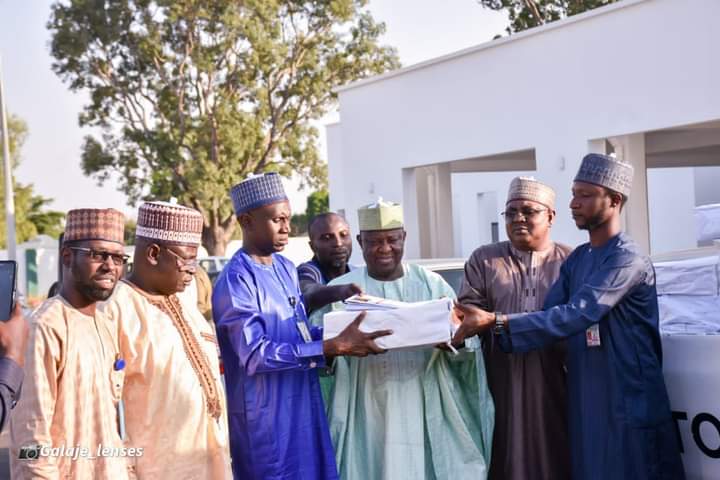
The Federal Inland Revenue Service have donated fifty thousand peices of 60 leaves exercise book to the Bauchi state Government.

The donations by the FIRS was to complement Government efforts in the development of education sector in the state.

Handing over the donation to the state government, the state task force controller of the Agency, Darasu Shehu said the agency is mindful of the state government efforts in revamping education in the state through the formulation of formidable policies.

According to him, the donation is part of its corporate social responsibility to the state hoping that it will improve learning and teaching.

Recieving the books, the secretary to the state government Barrister Kassim Ibrahim expressed gratitude to the FIRS for the gesture.

Represented by Hashim Yakubu, Special Adviser, general Services, said the donation will go along way in complementing the effort put in place by the government in the education sector.

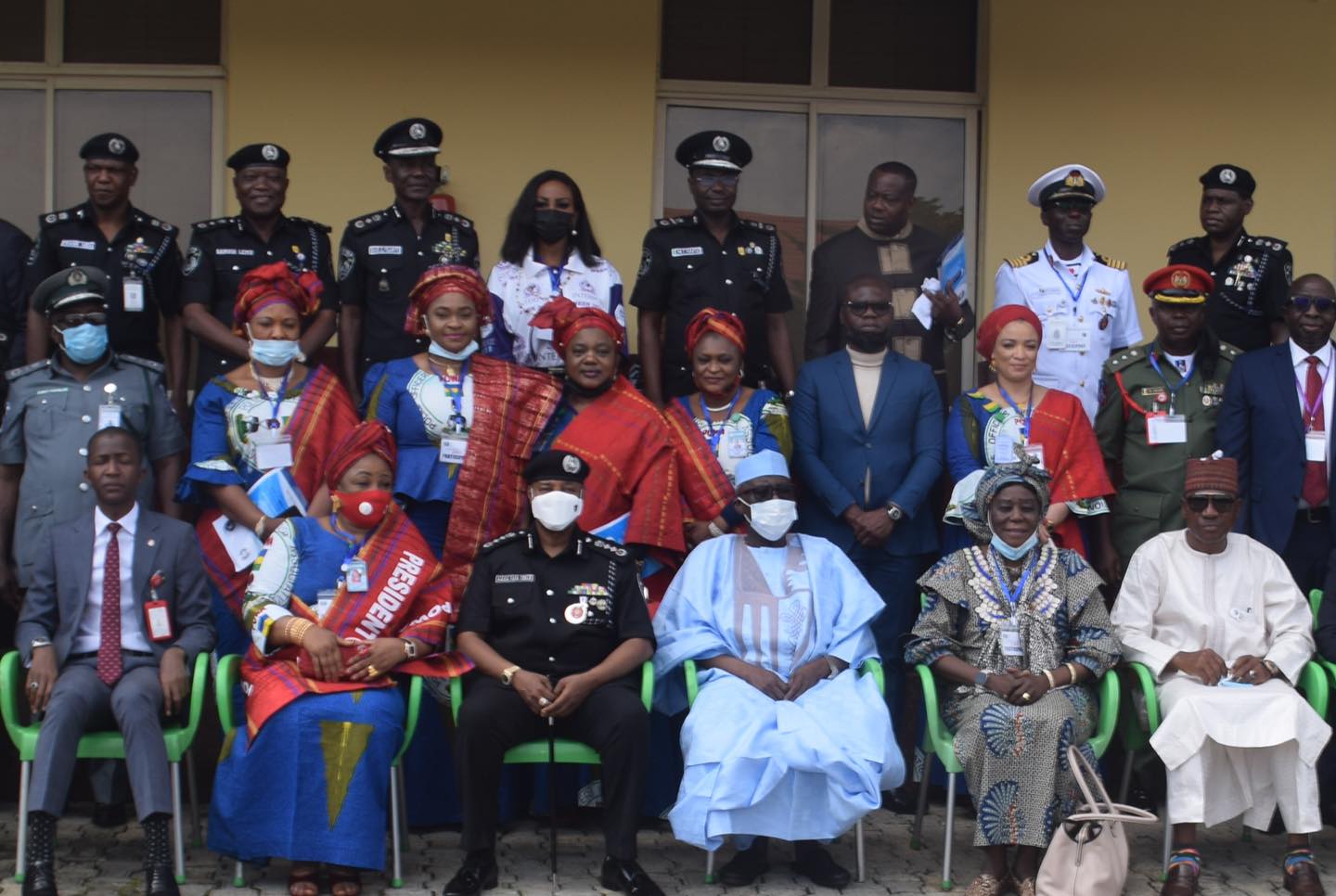
The Honourable Minister of Police Affairs, Dr. Muhammad Maigari Dingyadi has reiterated the need for inter-agency and international collaboration for the effective protection of lives and properties in the country.

He made this known during the INTERPOL Week Celebration 2021 with a theme “For A Safer World” held at the Police International Peace Conference Hall at the Nigeria Police Force Headquarters, Abuja.

The Minister said that INTERPOL as a global police organization, with membership from 194 member countries is the professional network to track the activities of trans-national criminal groups and bring them to face the law

Dingyadi said crime is growing very sophisticated and transitional, with organized criminal groups committing crimes that touch multiple jurisdictions, and to effectively work in protecting lives and properties during this pandemic, inter-agency and international collaboration is very critical. He stressed.

In his words, “Nigeria has been facing series of security challenges, ranging from terrorism, banditry, traffic in arms and cybercrimes to other illicit activities. The present administration under the leadership of President Mohammadu Buhari has promised Nigerians that security of lives and property is the primary objective of this government”.

The Minister pointed out that, with a view to repositioning the police for better service delivery, we are currently working in concert with the Police Service Commission and the Inspector General of Police to implement a government policy of recruiting ten thousand policemen annually to boost the security architecture of the country.

He said “the Ministry under my direction has been working with the Inspector General of Police to ensure that necessary tools and equipment, needed by the police is secured to take policing to the next level. We are also collaborating with other agencies and international partners to make sure that NCB is adequately equipped to support Nigeria police and other relevant agencies to deliver on their mandate.

In his welcome address, the AIG INTERPOL and Head of the National Central Bureau (NCB), Garba B. Umar stated that INTERPOL has been supporting law enforcement agencies in Nigeria in different ways, especially in the processing and sharing of the criminals’ information, global monitoring and apprehension of criminal elements noting that criminal database is maintained by the Nigeria Police Force.

He said National Central Bureau (NCB) has succeeded in exchanging and collecting I-24/7 for the three major security agencies in Nigeria such as EFCC, Nigeria Navy, and Nigeria Immigration Service and there is ongoing engagement with other relevant stakeholders to bring them on board with the same objectives adding that the bureau was rated 1st in Africa and 36 among the 194 member countries by the Headquarters of INTERPOL.

Earlier, the Inspector General of Police, IGP Usman Baba Alkali noted that INTERPOL Week 2021 is significant as it is being organized at a time when the nation and global communities are facing a lot of health, security, and economic challenges which would afford them an opportunity to discuss some critical issues and come out with s on how to tap into vast resources of the INTERPOL towards tackling current challenges.

He said INTERPOL was set up with the intention and purposes of collaborating to solve international crimes, identification of transnational criminal techniques and networks as well as extradition of criminal elements.

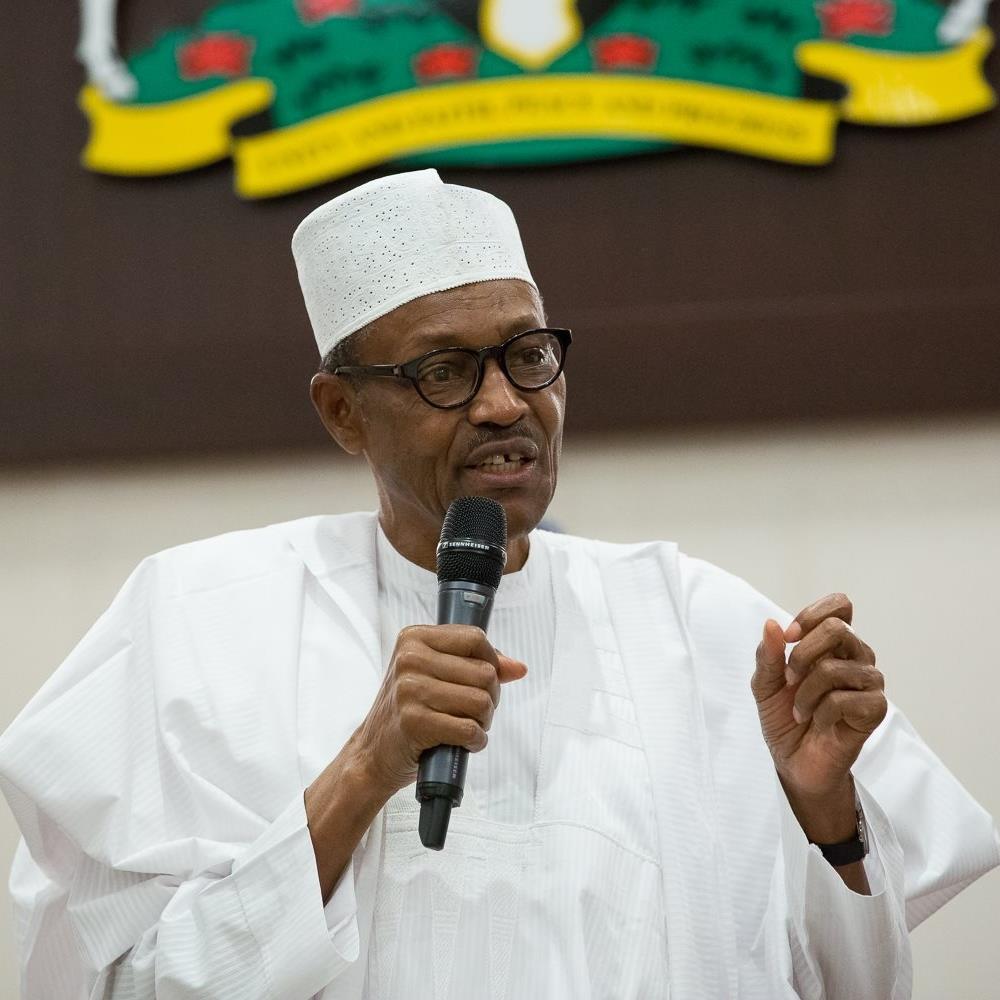
President Muhammadu Buhari has condemned the latest massacre of 15 people in Goronyo and Illela Local Government Areas of Sokoto, warning that “this needless and mindless violence against innocent people cannot go unpunished.”
Reacting to the incident from South Africa through his media aide, Garba Shehu, President Buhari warned that:

“This persistent and unprovoked violence against unarmed civilians must be met with fierce response by the government.

“Let me once again, reassure Nigerians, that this administration will not abandon them to their fate in the face of this existential challenge caused by banditry.”
According to the President, “we are taking delivery of military equipment to improve the capacity of our security forces to effectively deal with this issue.

“Our military is also deploying advanced technology to enhance surveillance and related operations to locate and crush these criminals and enemies of our common humanity.

“This administration will not tolerate this state of affairs where criminals deprive the people of their means of livelihoods and turn them into beggars and refugees. The bandits are living in a fool’s paradise if they believe that they can’t be crushed. The criminals cannot be lucky always; they will ultimately meet their Waterloo. Evil cannot triumph over good no matter how long it takes,” President Buhari added.

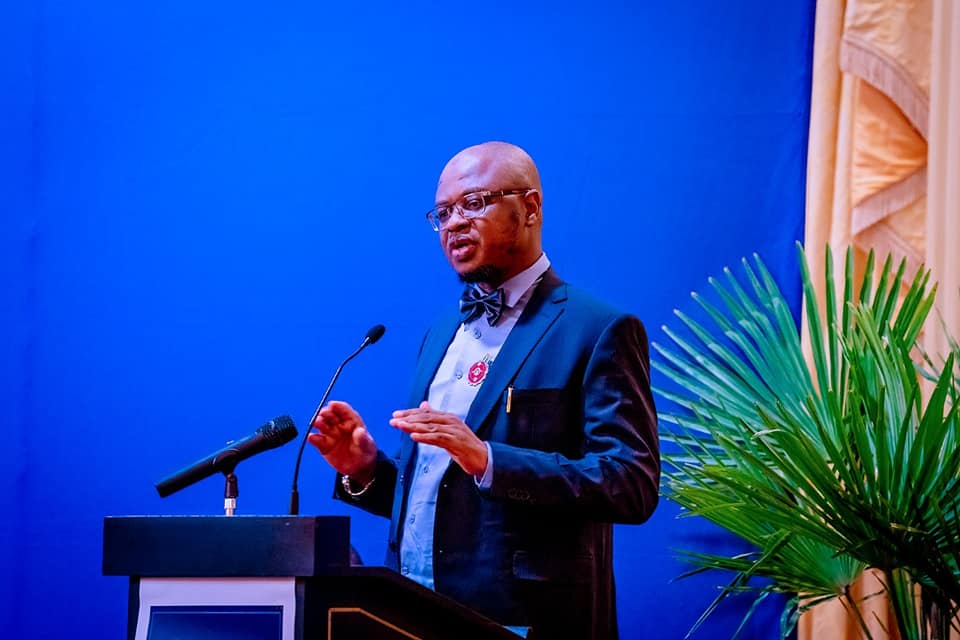
Nigeria’s Minister of Communications and Digital Economy, Prof. Isa Ali Ibrahim Pantami, FNCS, FBCS, FIIM, today, Monday 15th November 2021, delivered the Guest Lecture at the 2021 International Conference on Computing and Advances in Information Technology (ICCAIT). organised by the Ahmadu Bello University (ABU), Zaria. The Guest Speaker shared from his wealth of experience dissecting the topic “ICT as an Enabler for the Digital Economy: The Nigerian Story”.

In his presentation, the Honourable Minister illustrated the importance of Information and Communications Technology (ICT) in improving the resilience of the Nigerian economy, while reiterating the importance of cybersecurity in developing a sustainable digital economy and the giant strides made in Nigeria. He noted that the adoption and deployment of ICT contributes significantly to economic growth and development because it drives innovation, improves quality of life, creates jobs and reduces the cost in many sectors of the economy, allowing for greater interconnection of global markets Countries are now able to create new technological platforms and industries on one hand, while enhancing the efficiency and productivity of existing industries on the other. Technologies such as Internet of Things, Cloud Computing, Robotics, 3D printing, Block Chain, Artificial Intelligence to mention a few, have the potential to act as impact amplifiers, challenging traditional approaches of going about ‘age old problems’ in sectors such as agriculture, financial services, healthcare, education, water, and energy.

Furthermore, the Guest Speaker noted that the emergence, adoption and deployment of ICT has shifted the traditional economy into a digitalized one – that is the Digital Economy – and this has led to economic prosperity around the world. Nigeria’s commitment to developing its digital economy is expected to open up opporunities in Africa’s digital economy, which McKinsey estimates will grow to over $300 billion by 2025.

The Honourable Minister noted the impact of the COVID-19 on enhancing digitilisation while also increasing the need for greater vigilance against the growing cyber threats. He also outlined some of the efforts of the Federal Government towards improving cybersecurity in Nigeria, including the implementation of relevant policies, the National Digital Economy Policy and Strategy for a Digital Nigeria and the Revised National Digital Economy Policy for SIM Registration. The efforts towards the promotion of sectoral Computer Emergency Readiness & Response Teams (CERRTs) and the focus on Data and Privacy Protection were also discussed.

The Conference was graced by the the top management of the Ahmadu Bello University and experts in the ICT sector. The Honourable Minister, while thanking the organisers for organising the Conference reiterated the Federal Government’s commitment to strengthening the digital economy and cybersecurity in the country through policy implementation, capacity building and forging relevant partnerships.

Uwa Suleiman