Amid the drastic pullback in global VC funding, the African tech ecosystem stands out with +8% growth from 2021. Debt funding doubled in volume to $1.5B, accounting for nearly a quarter of the total funding. Fintech, still leading, attracted 39% of the total equity volume; Nigeria retained the top spot with 23%


Partech Africa, the VC fund dedicated to technology startups in Africa, has issued its annual report on Africa Tech Venture Capital. The report, which aims to provide a practical picture of the state of the ecosystem, revealed that despite the global VC downturn, the African tech ecosystem grew faster than all other markets globally.

Total funding invested into tech startups on the continent reached $6.5B, an increase of 8% vs 2021, spread across 764 deals – compared to 724 rounds in 2021. The report, consisting of disclosed and confidential deals, saw debt funding more than double in volume, reaching $1.55 billion through 71 deals [65% YoY growth]. In comparison, equity rounds showed a slight decline, as 653 African tech startups raised $4.9B [-6%] in 693 equity rounds [2% YoY growth].

Focusing on the equity funding, the report revealed the ecosystem was still accelerating during Q1 and Q2 of 2022 compared to 2021, with the YoY comparison showing Q1 and Q2 at +127% YoY and +83% YoY, respectively. However, the global VC slowdown stifled growth in activity in Q3 [-65% YoY] and Q4 [-35% YoY]. In 2022, fundraising activities remained flat across all stages. At $1.4M, Seed+ ticket sizes averaged higher in 2022 [+12% YoY], while Series A remained the same at $8.5M. Later stages reverted to 2019 levels, as Series B and Growth round sizes dropped by -23% and -50% YoY, respectively. In addition, 2022 witnessed a significant reduction in the number of megadeals [over 100M], with only seven deals compared to 14 in 2021.

2022 was a particularly challenging year for the venture ecosystem worldwide, as venture and growth investors scaled back their investment by a third

Speaking on the launch of the annual report, Tidjane Deme, General Partner at Partech, said: “2022 was a particularly challenging year for the venture ecosystem worldwide, as venture and growth investors scaled back their investment by a third. However, by comparison, our report revealed the African tech ecosystem showed great resilience, as more investors have doubled their commitment to the continent by investing in local teams and funds dedicated to the market, which is proving to be the best way forward.”

Overall, Nigeria, South Africa, Egypt and Kenya remain the top investment destinations in Africa, with a share of total volume staying relatively steady at 72%. Nigeria retained the top rank, bringing in  $1.2B in capital, despite a decline of 36% from 2021; South Africa, Egypt, and Kenya each attracted over $0.7B in funding, with Ghana completing the top 5 with just over $0.2B. Overall, 28 countries attracted equity funding in 2022, 13 of them in Francophone Africa..

In light of the market downturn, the report’s findings also revealed that Fintech, which has historically attracted sizable investments, was the most impacted by the slowdown in the number of large rounds. However, fintech remains the most funded sector in Africa, and this across all sources of capital, with 39% of the total equity volume [$1.9B] and 45% of the total debt volume [$691M]. Other sectors have experienced substantial growth and gained a meaningful share of the equity funding activity this year, most notably Cleantech, which made a big comeback with 18% of total equity funding at $863M [+347% YoY] but also 39% of the total debt funding at $605M.

The report’s findings also show:

  • Female-founded startups raised 22% of all equity rounds in 2022, up 2 percentage points from 20% in 2021. They also contributed $644 Million or 13% of the total equity funding, down 3 percentage points from 16% in 2021.
  • Outside of the top 4 countries, Ghana ($202 million), Algeria ($150 million), Tunisia ($117 million) and Senegal ($105 million) were the only other countries that broke the $100M funding mark.
  • Despite a slowdown in the growth rate of equity investors, Africa’s tech ecosystem attracted 1,149 unique investors for the first time [+29% YoY in 2021]. African tech has seen more investors committed, with 89 participating in 5 or more deals (compared to 65 investors in 2021).
  • The number of debt investors active on the continent is growing 2.5x YoY, with a good mix of local debt institutions, international lenders with emerging market vehicles and Development Finance Institutions.

Cyril Collon, General Partner at Partech, added: “Much of our methodology has remained the same over the years, and we, therefore, can provide a snapshot of how the African continent has evolved over the years. Nigerian and the fintech vertical have remained at the top spot; however, in an environment where equity funding is more challenging, debt has proved to be a solid alternative source of African tech startups in 2022, which signals a maturity within each sector.”

Headquartered in Dakar, Partech Africa is the largest VC fund dedicated to technology startups in Africa. With a focus on Late Seed, Series A and B equity rounds in startups which are changing the way technology is used across multiple sectors, including education, mobility, finance and healthcare, the VC has, to date, invested in 17 African startups, such as Wave (http://bit.ly/3J9lGqy) and TradeDepot (http://bit.ly/3R2IgD9). Using the same methodology as previous years, the seventh Partech Africa annual report on African tech start-ups only includes equity rounds where the total amount is higher than US$200K.

To download the full ‘2022 Africa Tech Venture Capital’ report, click here (https://bit.ly/3R5mChF).
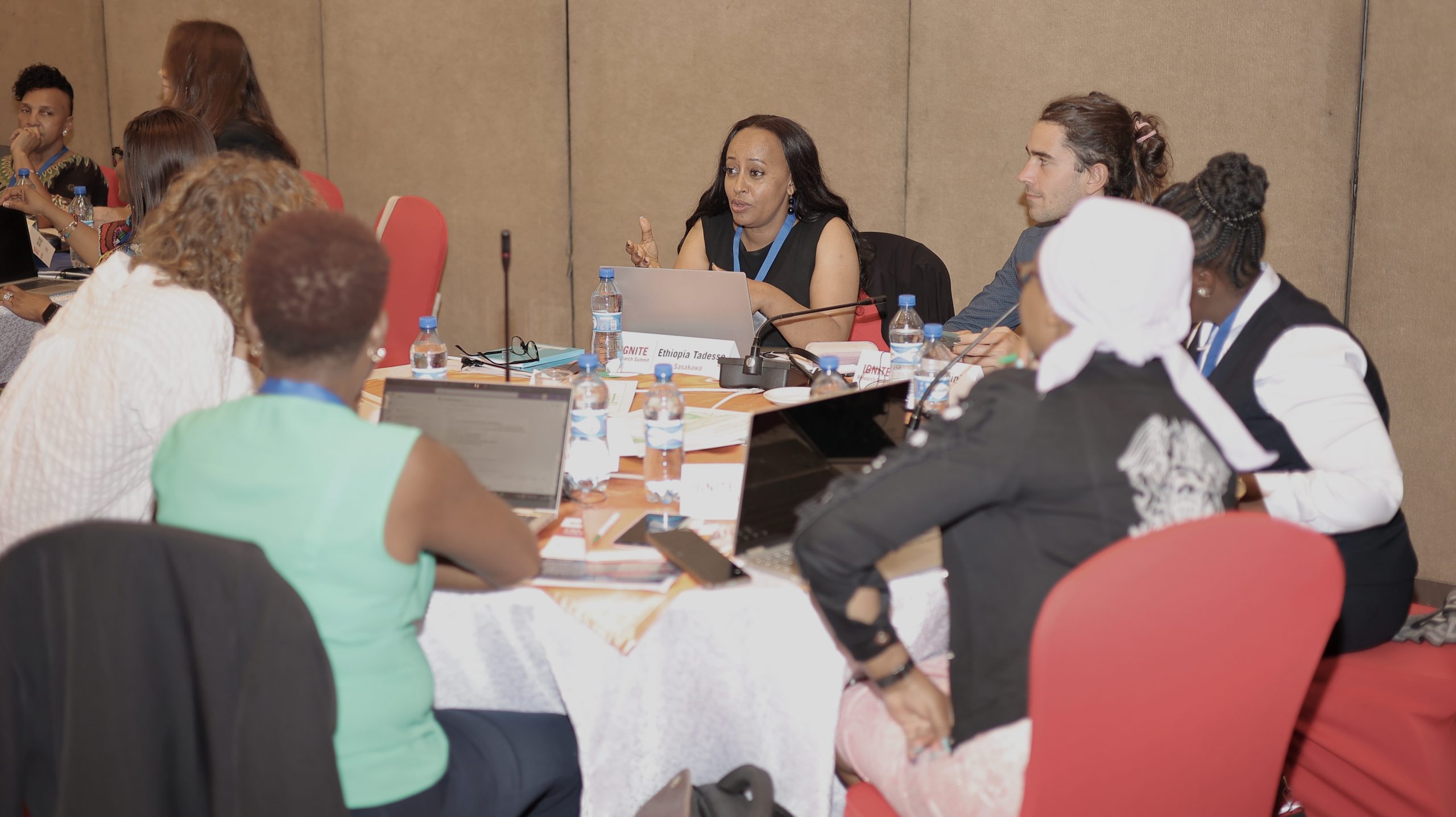
The IGNITE project (Impacting Gender & Nutrition through Innovative Technical Exchange in Agriculture) organized a Research Summit in Nairobi, January 23 through 25, to share findings and evidence collected around six broad programmatic learning questions concerning ways of effectively and efficiently increasing women’s empowerment in agriculture as well as equitable consumption of nutritious diets. Over 70 participants attended the Summit, representing more than 20 IGNITE partners from Burkina Faso, Ethiopia, Nigeria, Tanzania, Zimbabwe, and Kenya. The IGNITE Research Summit has brought together practitioners from the private sector, NGOs, governmental agencies, policy making agencies, researchers and academia.


With escalating food and nutrition insecurity in the world, Africa has not been spared. According to the State of Food Security and Nutrition in the World 2022 (https://bit.ly/3WDYfZw), 828 million people suffered from hunger in 2021, including 278 million people in Africa. There are many causes behind food and nutrition [in]security, and one that is often overlooked is the gender dimension.


With a conviction that gender inclusion has an influence on food and nutrition security in Africa, the IGNITE project was launched in 2018. IGNITE is a five-year investment, implemented by Tanager (www.Tanagerintl.org), in partnership with Laterite (https://bit.ly/3XDbXNB), and 60 Decibels (www.60Decibels.com) to strengthen African institutions’ ability to integrate nutrition and mainstream gender into their way of doing business and their agriculture interventions.


IGNITE is bringing a modern gender and nutrition lens to agriculture with 18 partner organizations who are agricultural institutions, service providers, regulators and universities with a large continental reach and influence in 17 African countries,” said Maureen Munjua, IGNITE Team Leader and Tanager Country Representative in Kenya.


At the IGNITE Research Summit, the results of 16 decision-focused research studies, conducted jointly with six partner institutions, were shared, and discussed. According to these institutions, on one hand, tailored technical assistance and training, gender and nutrition coaching, strategy development and implementation support, have been key to building their staff and institutional capacities. On the other hand, evidence stemming from research and concrete recommendations are helping them improve their business activities.


Across the board, more female extension workers and women Village Based Agents are being engaged in our programs

Digital Green (www.DigitalGreen.org) is invested in an ambitious initiative called DAAS (Digital Agricultural Advisory Services) which aims to reach 40 percent of women as part of our activities. We worked with IGNITE to conduct a gender assessment and other research activities that resulted in our new gender policy. Today, gender is the centre of our focus, and we are seeing the results. For example, an increased effectiveness of Community Based Agents (CBAs), better results on dairy farmers’ uptake of our digital tools, and more effective demo farmer households’ experience,” shared Daniel Tesfu, Head of Monitoring and Evaluation at Digital Green in Ethiopia.


Rufaro Madakadze, Senior Program Officer at the Alliance for a Green Revolution in Africa (AGRA) (www.AGRA.org), shared that, “…as an outcome of IGNITE research findings, we are rethinking, redesigning, and informing our institutional approach to agricultural extension. Across the board, more female extension workers and women Village Based Agents are being engaged in our programs.”


While making attribution of changes experienced over the past three years, many of the IGNITE partners also reported that engagement with IGNITE has brought a whole new meaning and perspective to gender and nutrition, which is influencing their activities. “Before IGNITE, the focus of the African Agricultural Technology Foundation (AATF) (www.AATF-africa.org) was on productivity and income. Today, our approach towards nutrition and gender-sensitive agriculture will result in benefits to farm mechanization for cassava farmers in Nigeria,” shared Dr. Cecilia Limera, Programme Officer and Nutrition Lead at AATF.


The extensive information shared during the three days further validated the existing body of evidence that increasing women’s incomes and enabling them to have more decision-making over that income benefits the whole family through improved health, nutrition, and education. However, having specific case studies, and rigorous data supporting this objective was the driving force behind IGNITE’s design of its ambitious learning agenda.


We are extremely proud of being part of building a solid case for market actors that there is positive return on investment derived from integrating and mainstreaming gender and nutrition considerations within their business models. We now have the technical know-how, the tools, and the experience in providing technical assistance on gender and nutrition integration and mainstreaming in agriculture. We are open to collaborate with institutions who have a need in those areas, and we will keep on improving our technical assistance delivery with existing partners,” concluded Maureen Munjua.


Access IGNITE research outputs and resources here: https://bit.ly/3EQPG8D


The Director General, National Information Technology Development Agency (NITDA), Kashifu Inuwa, CCIE, has today virtually inaugurated Volunteers Expert Groups (VEGs) for the National Digital Skills Strategy (NDSS), aimed at positioning Nigeria as a global digital talent factory capable of filling the 85 million talent deficit as predicted by Korn Ferry in its report titled the $8.5 trillion talent shortage by 2030.

The NITDA Boss stated that it is a momentous milestone in our efforts to harmoniously engage with vibrant and talented experts across different IT domains, aimed at co-creating the NDSS. He urged them to come-up with a comprehensive strategy for setting up standards and developing Digital Literacy & Skills in the country, as well as develop IT professional skills of different proficiency levels.

Inuwa reiterated on four (4) competitive advantages Nigeria has of becoming an ideal nation to take the unfilled job opportunities, as Nigeria has the largest population of youths in the world. The Nigerian government recognizes the importance of digital skills and is supporting it through investing in capacity building while implementing policies to promote digital inclusion by creating an enabling environment for innovation and entrepreneurship.

Furthermore, he said, “Nigerians are talented, ambitious, and willing to learn and connect to the global value chain. The Nigerian digital economy is one of the fastest-growing economy in the world with an annual growth rate of 15 percent. This high growth rate suggests that there are ample opportunities to benefit from it.”
The NITDA Boss asserted that the National Digital Skills and Strategy (NDSS) will focus on balancing the gaps between the digital skills supply pipeline and in-demand skill sets required for the future of work.

Speaking earlier in her welcoming address, the Acting Director, Digital Literacy and Capacity Building Department, Dr. Amina Sambo Magaji, stated that there was an open call application for Nigerians, both at home and abroad, to apply for the NDSS VEG. A rigorous screening process was used to identify key people who are experts and will be able to add value into the strategy. The selected persons have built expertise within their own different ecosystems or workgroup, either in building their skills, or in skills of developing strategies, or building ecosystems specifically in the technology and innovation ecosystem.

She said, “the VEG has been grouped into four (4) clusters namely: Digital Literacy Cluster, Digital Capacity Cluster, IT Professional Cluster and M&E Funding & Partnership Cluster, consisting of the Lead, Deputy Lead and Members.”

Explaining further, she said, the digital literacy cluster focuses on basics and foundation, while the digital capacity focuses on IT or Non-IT professional skills. The IT professional cluster focuses on Technology skills such as coding and non-coding skills, and the final cluster which is the M&E Funding & partnership cluster work with all the 3 clusters by monitoring and evaluating the initiatives, the policies and the incentives within the documents as well as seek for fund and partnership.

Mr Niran Oyekale from Commit Consult Ltd, and the lead of Digital Literacy Cluster, appreciated the DG for changing the narrative of the digital space.

“It is during your tenure as the DG NITDA that Nigeria actually is going to benefit from a strategic plan to empower Nigerians and make Nigeria very comfortable, competent and confident to move smoothly into the digital space”, he stated.

Mr Ifeanyi Emmanuel Okafor from Teeside University, and the lead of the IT Professional Cluster, assured the DG that this dream is a wonderful one and it will go down as one of the greatest creations in the history of our country. He commended the DG for his commitment and solicited for more support.

Mr Charles Emembolu from Techquest Stem Academy, and the lead of the Digital Capacity Building Cluster, applauded the DG for his relentless efforts in working with Nigerian Startups towards the achievement of the National Digital Skill Scheme. He commended the agency’s team for the zeal, efforts, guidance, and support rendered.
The lead for the M&E, Funding & Partnership Cluster, Mr. Sam Emmanuel, from Semicolon, equally appreciated this opportunity given to him to contribute his quota in the establishment of the National Digital Skill Strategy.

Being a national document, the outcome of the VEG activities will be further developed with key government stakeholders that will be part of bringing the strategy to life before commencing on a wider socialisation.


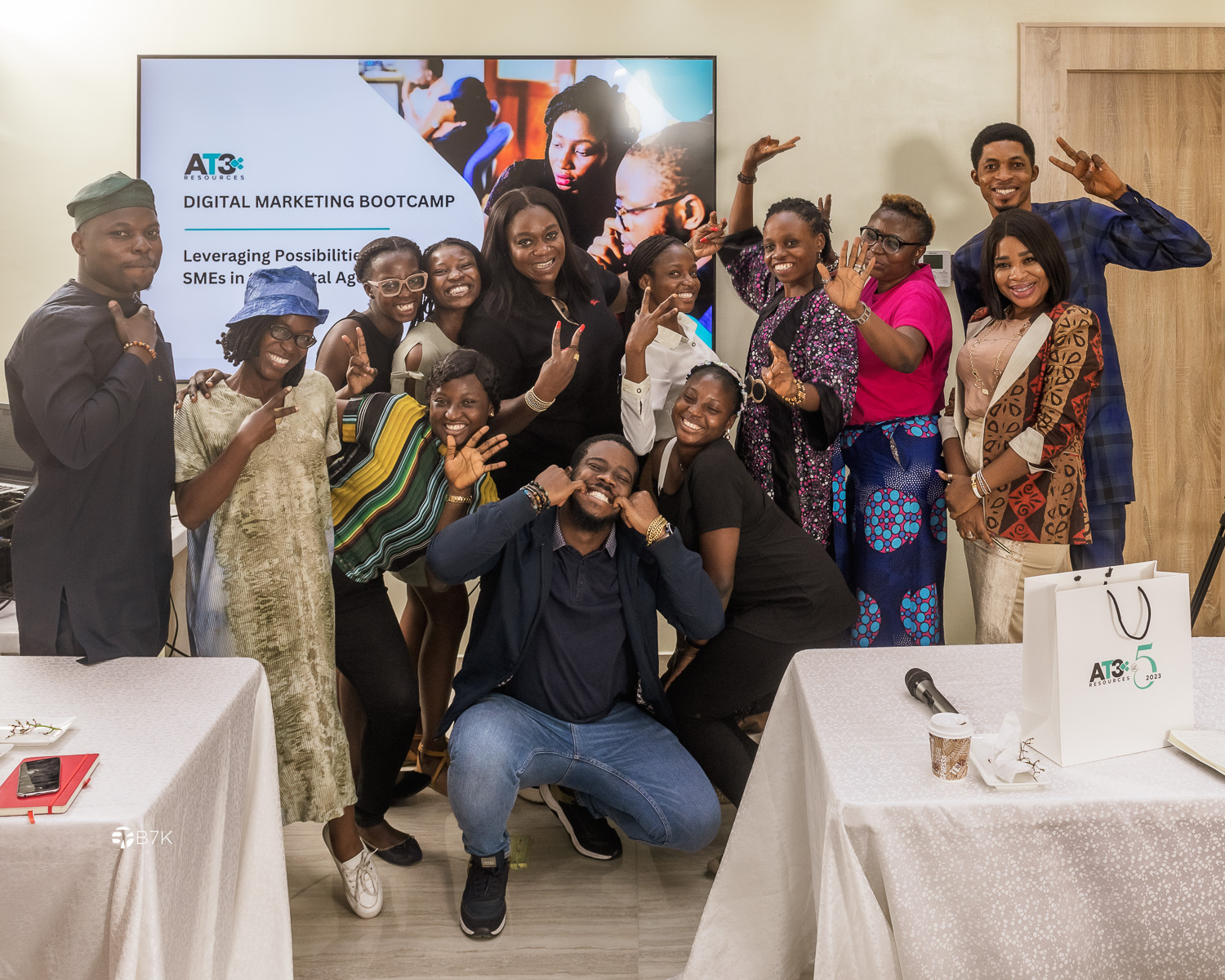
Resources, Lagos-based communication and events consultancy on Friday 20th, January concluded its week-long digital marketing training for Small and Medium Scale Enterprises (SMEs) in commemoration of its 5th Anniversary. The training themed ‘Leveraging Possibilities for SMEs in The Digital Age’ was designed to empower SMEs to seize the growth opportunities present in the digital media era.

The intensive digital marketing bootcamp delivered by 15 marketing experts had in attendance participants who were armed with the best digital marketing tools, tips, trends, tactics & strategies to scale their businesses using digital tools whilst 10 corporate titans and leading entrepreneurs shared life and success nuggets.

Speaking during the Bootcamp, Aishah Ahmad, Deputy Governor, Central Bank of Nigeria stated that “Small businesses are the lifeblood of the economy and drivers of economic growth. Over 70% of the jobs in Sub-Saharan Africa and emerging markets are provided by small businesses. “Running a successful business in Nigeria comes with certain challenges but to overcome the challenges in the ecosystem, entrepreneurs must identify opportunities, set goals, be open to knowledge, build a sustainable structure, nurture relationships, add value and envision a better world with the service they provide.”

Chairman, Troyka Holdings Limited, Dr. Biodun Shobanjo, while speaking urged business owners to define their mission from the onset in order to deliver great results and remain in business. He said, “The ability to deliver creative work in a timely manner is very crucial to running a successful business. Also, as a business owner, leading with integrity, excellence, passion and building a team of leaders for succession is important in sustaining a business. To remain above the curve, entrepreneurs must seek to diversify, innovate and leverage digital resources available in this digital era.”

Sharing nuggets for success, Ibukun Awosika, Founder/CEO, The Chair Centre Group, charged participants to continuously renew and empower their minds through education. “My thirst and quest for continuous learning empowered me to build relationships and networks which has helped me broaden my mindset over time. Knowledge is important, however, maintaining discipline, staying teachable and upholding values such as respect, openness, fairness, right attitude, integrity is key to becoming a successful entrepreneur.”

Giving the closing remark during the last session, Tosin Adefeko, Founder and Chief Executive Officer, AT3 Resources charged the participants to leverage knowledge from the training to carve a niche, grow their business and connect to a wider audience on the digital space. “It is a delight to have hosted an impactful training for SMEs who are committed to scaling their businesses. I want to especially thank all the marketing communications experts who shared their wealth of experience. I encourage you to incorporate learnings from this training to scale your businesses.”

Speaking on behalf of the attendees one of the small business owners expressed gratitude for the opportunity and reiterated his plans to integrate the knowledge practically. “The skills gained from this training will be used to increase profitability for my digital marketing business. I am grateful to AT3 Resources for organising this impactful training and I say a massive congratulations as they mark their 5th anniversary.”

The AT3 Digital Marketing Bootcamp is its first edition in alignment with the company’s vision to lend its support within its core expertise area whilst using its sphere of influence to enrich the lives of SMEs who aim to carve a niche for their business in the digital space.


President Muhammadu Buhari says the newly inaugurated Lekki Deep Sea Port and the Imota Rice Mill are projected to create more than 300,000 direct and indirect jobs, and generate economic benefits valued at well over 200 billion dollars.

The President spoke at a State Dinner in his honour on Monday night during his two-day official visit to Lagos State to commission landmark infrastructure projects undertaken by the State Government and the private sector, MRS Holdings Limited.
The President said these labour-intensive projects, which will contribute to job creation in the country, fit well to his Administration’s plan to lift 100 million Nigerians out of poverty in 10 years.

He expressed delight that the alignment between Lagos State and the Federal Government, since 2015, has more than delivered on the dividends of democracy for the good people of the State.

‘‘These projects commissioned today would not have happened without close collaboration between the Federal and Lagos State Governments, and the involvement of the private sector as well.

‘‘Indeed, our commitment to unleashing the full potential of Nigeria’s private sector should never be in doubt. Through various policies, legislation and executive orders, we have worked very hard to facilitate private enterprise in Nigeria.

‘‘The results of this can be seen in the many thriving businesses across Lagos State, in manufacturing, oil and gas, creative industries, services, digital economy and many more, creating tens of thousands of jobs and economic opportunities for Nigerians.
‘‘I have no doubt whatsoever that posterity will be kind to us on account of these landmark projects and successes.’’

President Buhari also listed the achievements of the Federal Government and support to Lagos State during his two terms in office, promising to work with unwavering vigour and commitment to fulfill the promises made to Nigerians, until the end of his administration.

‘‘I would like to start by thanking the Governor of Lagos State, His Excellency, Babajide Sanwo-Olu and the good people of Lagos, for the colourful reception that my team and I received today on our arrival in the state.

‘‘Earlier today, it was my pleasure to commission the Lekki Deep Sea Port, and the Imota Rice Mill, two projects that are very much in line with our administration’s vision of economic diversification and food security.

‘‘The Lekki Deep Sea Port is driven by my vision to bequeath a legacy of poverty elimination through provision of job-creating infrastructure. I placed all matters related to the operationalization of Lekki Deep Seaport on top priority by giving unalloyed backing to the Nigerian Ports Authority and its supervising ministry, the Federal Ministry of Transportation.

‘‘With the commencement of the African Continental Free Trade Area (AfCFTA) Agreement which we are signatory, the distinctive features of Lekki Deep Seaport such as full automation which positions it for quick cargo and vessel turn around will greatly enhance the competitiveness of Nigeria’s exports especially agro-allied products in the international marketplace, grow local jobs, increase FOREX inflow and position Nigeria to maximize the opportunities inherent in the AfCFTA Agreement.’’

The President described Bestaf Lubricant at MRS Holdings Company Limited, Apapa, earlier commissioned by him as a testament to provision of enabling environment for private sector businesses to thrive.

He noted that the 200m litre lubricant plant, which covers the whole value chain of lubricants and the first of its kind in West Africa, would prevent the importation of sub-standard products, stop capital flight, and contribute to generation of foreign exchange for the country, through products exports.

‘‘This plant will go a long way in ensuring that the plants and machinery which are used in Nigeria, have extended lifetime from the use of high-quality lubricants,’’ he said.

President Buhari, who is also scheduled to inaugurate the historic first Phase of the Blue Line of the Lagos Rail Mass Transit and the John Randle Centre for Yoruba Culture and History on Tuesday, praised Lagos for maintaining its status as Nigeria’s economic nerve center and leading subnational economy in Africa.

‘‘It is also a place with which I am very familiar, having lived and served here for long periods during my military career.

‘‘I am therefore no stranger to the rich culture and remarkable hospitality for which Lagos and its people are famous. It is therefore always a pleasure for me to return to Lagos, and to see the remarkable changes taking place constantly.’’

Highlighting the Federal Government’s support to the growth and development of Lagos State, under his watch, the President said:

‘‘We have approved important fiscal waivers required to deliver on key infrastructure projects, including customs duties for BRT Buses, LAG-RIDE vehicles, as well as Rolling Stock for the Blue and Red Rail Lines.

‘‘Lagos was one of the pioneer beneficiaries of our Road Infrastructure Tax Credit Scheme, which has transformed the Apapa-Oshodi-Oworonshoki Expressway, and will deliver a brand-new access road to the new Lekki Deep Sea Port.

‘‘Lagos has benefited from our Sukuk Bond projects – the nearby Ahmadu Bello Way being one of the major roads reconstructed using Sukuk funding.’’

In addition, the President said the Federal Government allocated the Right of Way of the Lagos-Ibadan Standard Gauge Railway Line, for use by the Lagos Mass Rail Transit’s Red Line, while also extending substantial financial support to the State at the height of the Covid-19 pandemic.

On other notable strides of this administration, the President said the Federal Government has handed over the International Airport Road to the Lagos State Government, for reconstruction while the ongoing redevelopment of the National Theatre, Iganmu is in partnership with Lagos State Government.

‘‘We have been very clear that our administration is one that will support and work with State Governments to achieve our mutually-held goal of laying a sustainable foundation for lasting progress and development in Nigeria.’’

The President commended Governor Sanwo-Olu for the impressive projects and keeping the electoral promises made to Lagosians.

‘‘You have been a true Ambassador of the progressive politics that defines our party, and which has been the guiding vision of my administration, from Day 1.

‘‘I also acknowledge the excellent work that you did, working closely with the Federal Government and other stakeholders, to protect Lagos State from the worst effects of the Covid-19 pandemic.

‘‘There is so much for us to be proud of, that we have worked hand-in-hand to achieve. Equally, there is still so much ahead for us to collaborate on,’’ he said.


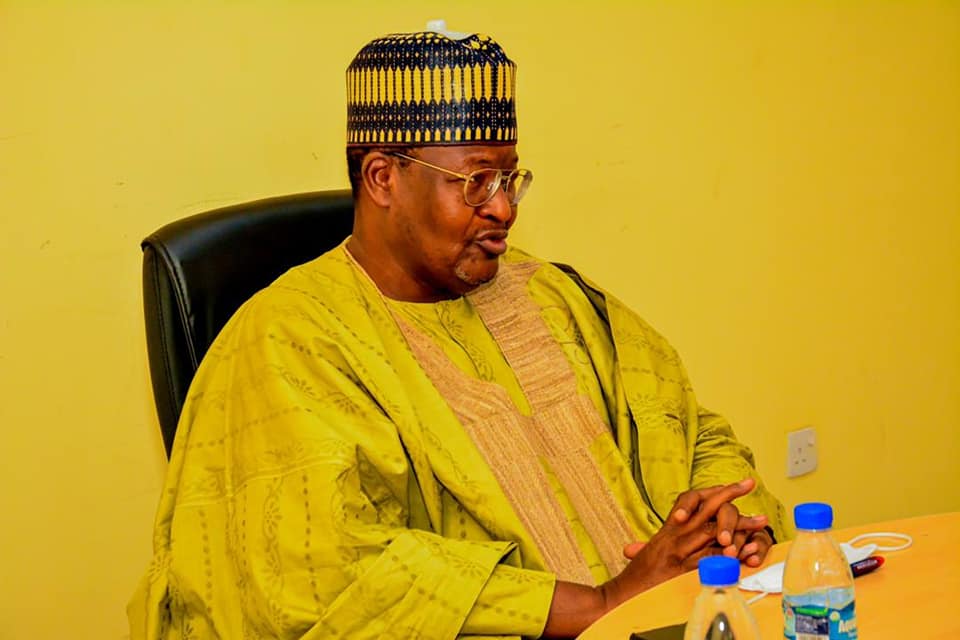
The Executive Vice Chairman and Chief Executive Officer of the Nigerian Communications Commission, NCC, Prof. Umar Garba Danbatta was at the weekend in Lagos, decorated with an Award of Exemplary Leadership in Public Service.


The award was conferred on Danbatta at the 12th Anniversary Lecture and Award of Nigerian NewsDirect, one of the long-standing media players in the Nigerian Communications industry, at the Federal Palace Hotel, Victoria Island, Lagos on Friday.


Danbatta, who was represented at the event by the Director,  Public Affairs, Reuben Muoka, said it was gratifying to have been considered worthy for the award in recognition of the initiatives deployed by the  Commission in carrying out its statutory mandate.


The EVC stated that the theme “Good Governance: Private and Public Sectors’ Roles in Raising Revenue, Growth and Positive Turnaround of Nigerian Economy” provides the veritable opportunity for all stakeholders to seek better ways of advancing the course of good governance both in public office and in the private sector of the Nigerian economy.


In giving concrete expression to the strategic vision of the Commission with respect to the theme of the programme, Danbatta said the Commission is ever determined to ensure collaboration with all stakeholders in the Nigerian communications industry and even beyond as it remains one of the surest ways of enabling a positive turnaround of the Nigerian economy.


Danbatta thanked the organisers of the programme for the award and acknowledged that it was a call for more work to be done to push the frontiers of good governance that ensures national development and economic growth.


While presenting the award, the Publisher and Editor-in-Chief of Nigerian NewDirect, Dr Samuel Ibiyemi said Danbatta was eminently qualified and deserving of the prestigious recognition on the strength of the huge role he has played in the attainment and surpassing of Nigeria’s national broadband target of 30 percent in 2018 and that he is currently among those leading the charge for the realisation of the new national broadband penetration target of 70 percent by 2025.


Dr Ibiyemi added that with the incontrovertible facts on the ground, it was easy for the board and management of his organisation to agree that through an effective regulatory regime and various cutting-edge initiatives, Danbatta has stabilised the telecom industry and strengthened the telecommunications sector as a major contributor to the country’s Gross Domestic Product (GDP) growth and boosted telecoms investment inflows from $36 billion to over $70 billion between 2015 toll date.


Other eminent Nigerians who were conferred with various categories of awards at the event include the Honourable Minister of Communications and Digital Economy, Prof. Isa Ali Ibrahim Pantami; Dapo Abiodun, Governor of Ogun State; Bello Hassan, Managing Director, Nigeria Deposit Insurance Corporation; and  Mimi Adzape, Executive Chairman, Benue State Internal Revenue Service among others.


At least 95% of cloud security failures in the next three years will be the customer’s fault, according to Gartner. Unsurprisingly, the biggest threat to security is people. Misconfiguration mistakes escalated from 15% of exploitable errors in 2018 to more than 40% in 2021 and human error is now the third most common cause of security breaches, ahead of malware and right up there with social engineering and hacking. Complacency about cloud security is a major contributing factor, but this needs to change. Most cloud services operate under a shared responsibility model in which providers secure the infrastructure, while customers are required to lock down the software stack and applications. In other words, responsibility for patching vulnerabilities and controlling access to cloud accounts still lies with the user.


What does this mean? Organisations need to remain vigilant, ensuring that they take the necessary steps and precautions to secure their data and identities if they’re to avoid becoming an unfortunate statistic with no one to blame but themselves.


Identify, verify, control

No matter the deployment model, sufficient controls are required to govern access and usage. With such a variety of effective Identity and Access Control service providers available today, there is little excuse for businesses not to have these measures in place. Authentication and access control requires users to verify their identity, and secures their access to resources across cloud, SaaS, on-prem and APIs, while increasing speed, agility, and efficiency.


Such IAM solutions make it straightforward to provide the means for customers, employees and partners to all have secure access to the necessary resources. By using identity verification and access control services located in the cloud, the limitations and costs associated with on-premises IAM can be replaced by a more flexible, scalable solution. Cloud IAM is key to ensuring security outside of network perimeters and capabilities include authentication, access management, identity verification, consent collection, risk management and API security.


Access control to the cloud should be regulated through the creation of centralised rules and policies to streamline processes. The use of Multi-Factor Authentication (MFA) is critical to ensure the correct identification of individuals trying to access networked resources, while Privileged Access Management (PAM) tools enforce control over sensitive components and applications in the environment.  These tools form part of a larger cloud security picture that includes details such as a zero trust framework, bolstered with cybersecurity mesh, and reinforced with Secure Access Service Edge (SASE).


Zero trust: never trust, always verify

Zero trust is a framework for securing organisations in cloud and mobile spaces by insisting that no user or application be trusted by default. It enables least-privileged access, establishes trust based on context which is informed by user identity and location, endpoint security posture as well as the app or service being requested, while performing necessary policy checks at each step. A well-tuned zero trust architecture leads to simpler network infrastructure, a better user experience, and improved cyber threat defense.


SASE: borderless security

Secure access service edge (SASE) is a framework for network architecture that brings cloud native security technologies together with wide area network (WAN) capabilities to securely connect users, systems, and endpoints to applications and services anywhere. This ensures that data and traffic is secured, no matter where it travels.


Cybersecurity MESH: closing the gaps

Gartner describes cybersecurity mesh as “a flexible, composable architecture that integrates widely distributed and disparate security services”. Concerned with strengthening digital security while bringing tools closer to the assets they’re designed to defend, a cybersecurity mesh architecture (CSMA) encourages organisations to deploy solutions that fit their specific needs by working within their integrated ecosystems. This enables businesses to share cybersecurity intelligence, automate and coordinate responses to threats, and simplify their security operations. CSMA offers a distributed identity fabric that helps establish trusted access across all applications, customers, partners, and workforces.


Achieving visibility and developing security skill sets

Visibility in cloud security means eliminating blind spots that can result in overspending, performance inefficiencies and security complications. This is done through service-centric or role-centric tools, rather than host-centric tools to manage networks. If it is not possible to hire the necessary competencies, organisations will have to develop them. Many vendors offer online resources to help technologists learn the skills they need to become cloud security engineers. In addition to an increase in the need to cultivate the necessary skills, there will be an increase in demand for technologists that have the DevOps skills necessary to align business workloads with the cloud.  Upskilling will also be critical to bridging the skills gap which includes training business teams on how to use cloud tools.


Owning security responsibility

Accordingly, it’s important for businesses to remember that even when they’re purchasing infrastructure, software or functionality as a service, they’re not outsourcing total responsibility for security. This will continue to be a shared responsibility, because it is unlikely that service providers would willingly take on the possibility of being liable for human action or error beyond their control. As such, organisations will need to prioritise the acquisition of or the development of necessary security-minded skills in order to protect their digital assets from cyber harm.


By Marilyn Moodley, Country Leader for South Africa and WECA (West, East, Central Africa), SoftwareOne


.

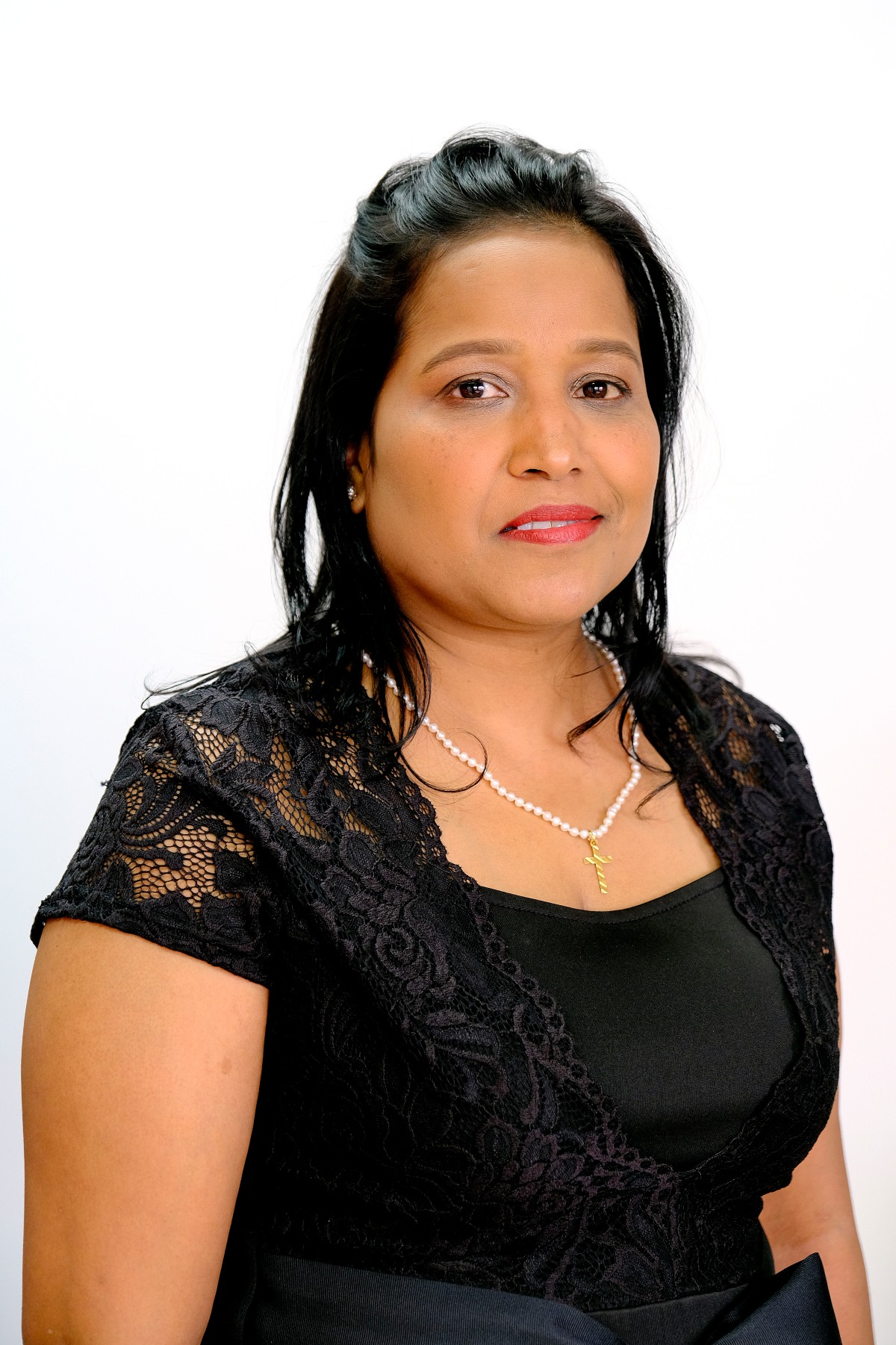
Pamela Iweze Kingdom Children Foundation PIKCF will celebrate 5 years of transformation and impact in the lives of children through advocacy, health and hygiene awareness this December In Lagos.

To commemorate the anniversary celebrations, it plans to organize a walk/fitness event in May this year, tagged Walk For Diabetes in collaboration with key stakeholders both local and international in the diabetes ecosystem.

The objective of the program is to use the universal symbol of sports and its ability to bring people together as a social vehicle for impact and mass awareness.

“The International Diabetes Federation (IDF) estimates that globally, more than 1.2 million young people under 20 years have Type 1 diabetes and approximately 184,100 new cases are diagnosed each year. In another study in 2021, there were about 8·4 million individuals worldwide with Type 1 diabetes: of these 1·5 million (18%) were younger than 20 years. Here in Nigeria, over 5.8% of the population are people living with diabetes.

Sadly, diabetes awareness and screening programmes are very few across most states in
Nigeria” says Pamela Iweze, Educationist and Founder of the Pamela Iweze Kingdom Children Foundation.


The Foundation has been involved in advocacy and awareness projects centered around health and hygiene in local communities for five years now.

PIKCF have organized events and collaborated with local community development associations CDA and the Nigeria Army via its command secondary schools in Ojo Military Cantonment. In 2019, it organized a Dental hygiene program on children’s day to educate and enlighten the students on oral hygiene.

Over 350 students attended and benefited from the lecture.


In 2021, in conjunction with the Nigeria Army, it engaged over 700 secondary school girls from Command Secondary School Ojo in a Menstrual Hygiene program tagged ‘’Pad a Girl Child. The girls were enlightened on the importance of genital care and menstrual hygiene. Last year, it teamed up with the CDAs in the Agbado Oke Odo Local Community Development area in Lagos.

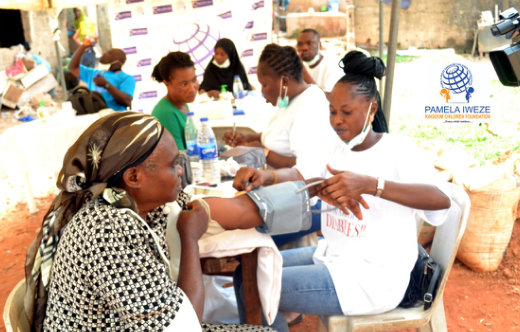
This time, it organized a health outreach and awareness program to sensitize people on the chronic disease called Diabetes and the steps to take to manage it.

“Millions of Nigerians are diabetic but are yet to be diagnosed and treated.

According to the International Diabetes Federation (IDF), two-thirds of people with diabetes in Africa are undiagnosed. This is a big challenge for all of us.

However, we are not daunted by the task because we see an opportunity to be significant and also create an impact. And I believe that together we will achieve our collective goals with support and collaboration from the International Diabetes Foundation IDF, the Diabetes Association of Nigeria DAN, and the Endocrine and Metabolism Society of Nigeria EMSON”.


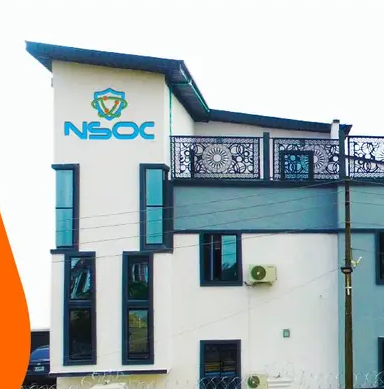
In a constantly evolving digital world that is fast paced, many organizations today are going fully digital or virtual. These processes have been known to deepen corporate organizations productivity and business continuity, but there are snags such as exposure and cyber threat. Criminals today are constantly evolving and finding new ways to breach the virtual and digital security infrastructures of organizations and individuals. These breaches cost as much as bullions of dollars in damages and loses when it has to get to fintechs and , identity firms other financial institutions. Having seen this loophole in the ecosystem in the area of having skilled manpower to monitor, abate and proactive these cyber threat, Zora Communications, an indigenous information technology (IT) firm Located in Lekki Area of Lagos recently launched one of a kind facility that will offer public and private sector players the desired and required tools and manpower that will curb and reduce their virtual exposure to cyber threats. The facility known as NSOC center meaning Network & Security Operations Center.

The Network & Security Operations Center (NSOC). Zoracom’s Network and Security Operation Centre (NSOC) will provide unified command, control, communication, intelligence sharing and analysis capabilities to enable physical security of the key state assets which includes IT infrastructure, real-time monitoring of events happening across ICS/SCADA networks and provide dynamic decision support, incident reporting, workflow management and system monitoring capabilities. The Network and Security Operation Centre (NSOC) is equipped with state-of-the-art facility which serves as the cornerstone to consolidate our core services in Observability, Cybersecurity and Infrastructure management.

The NSOC center is coming at a time that youthful and tech adaptive population in the country is driving such a full digital adaption of their solution at a fast pace. With fast adaption of ePayment, eCommerce, online activities, there is need for many firms offering this solution to plug into the new Zora Communications NSOC center for full security that is hundred percent proactive with over 99.999% uptime.

The Nigerian IT space has grown rapidly and the dynamic industry that has seen significant growth in recent years. With a population of over 200 million people and a burgeoning middle class, Nigeria is a prime market for technology and digital innovation. The IT sector in Nigeria is diverse and includes a range of industries such as software development, ecommerce, cloud computing, mobile technology, and cybersecurity. In recent years, the sector has attracted significant investment from both local and international companies, and many startups have emerged as well. This are the things that inform the launch of NSOC center.

John Nwachukwu, the Chief Information/Executive Officer of ZORACOM Communication said “The life blood of any business is its network systems and as we all know, the digital landscape is constantly changing, and it is becoming increasingly difficult to protect against the various forms of cyberattacks that are targeting organization’s networks of all sizes. That is why Zoracom has invested in the latest technologies and strategies to ensure that we are always one step ahead of the hackers by setting up Our Network & Security Operations Center. Zoracom’s Network and Security Operation Centre (NSOC) will provide unified command, control, communication, intelligence sharing and analysis capabilities to enable physical security of the key state assets which includes IT infrastructure, real-time monitoring of events happening across ICS/SCADA networks and provide dynamic decision support, incident reporting, workflow management and system monitoring capabilities.”

“Our Network and Security Operation Centre (NSOC) is equipped with state-of-the-art facility which serves as the cornerstone to consolidate our core services in Observability, Cybersecurity and Infrastructure management… Zoracom as an organization, we invest a lot in training and development programs to build the skills of our employees/consultants, as well as offer competitive salaries and benefits packages to attract and retain top talent. We also work with educational institutions to promote cyber security programs and help develop the next generation of cyber security professionals. Furthermore, we also consider outsourcing some cyber security functions to specialized firms, additionally we leverage automation and artificial intelligence which helps alleviates some of the workload and improve efficiency, freeing up our cybersecurity professionals to focus on “, John concluded.

ANTHONY EMEKA NWOSU

Lagos, Nigeria’s commercial capital, is hosting the opening edition of Nigeria’s Top 50 Digital Economy Enablers February 14, 2023 at the prestigious Sheraton Hotel & Towers.  Nigeria’s Digital Economy is evolving positively in spite of a diversity of challenges for organisations in the public and private sectors.

Inspired by the need to express both the challenges and the iconic actors that have emerged to drive Africa’s fastest growing digital economy, the continent’s major tech-biz publication, published since 2007, IT Edge News.Africa (www.itedgenews.africa) and its Partners will be focusing on Nigeria’s Leading Lights referencing Nigeria’s Top 50 Digital Economy Enablers at an Industry Colloquium &Award Ceremony this February just before as the country goes to the poll to elect new political leaders.

The One Day Industry event is featuring a Nigeria’s Top 50 Digital Economy Enablers Recognition Ceremony; an Industry Networking Lunch; Nigeria Digital Economy Special Report; and the forum on  ‘Nigeria’s Digital Economy – Myth or Fact?’

According to the Project Team Lead, Dr. Sola Afolabi, The event is “a platform for industry Recognition, Industry Stock-Taking & Industry Insights with a view to provide a guide as to what direction Nigeria’s entire spectrum of ICT ecosystem will take as the transition for a new government begins.”


He adds: “This event is driven by collaboration of stakeholders within and outside the media to ensure a wide,and more inclusive selection of the sector’s leading lights as well as to offer a broader understanding of the challenges and the inspirations that drive Africa’s largest ICT market. Event partners include TechEconomy; ITPulse; TechandBiz.com; and TechTV (NTA).

Also, while the event is focusing on the leading lights within the rank of CEOs/Director Generals across corporate Nigeria, the Nigeria’s Top 50 Digital Economy Enablers team recognises the great efforts by certain members of management in helping to drive the agenda of their organisations’ at advancing Nigeria’s digital economy agenda.

The event, therefore, will be specially recognizing the commitment of certain individuals in being not just their organizations’ voices but als articulate purveyors of themes of progress around Nigeria’s Digital Economy.