
By Vickie Robinson, GM, Microsoft Airband Initiative (https://www.Microsoft.com)


Today, we’re announcing new and expanded Airband partnerships set to provide high-speed internet access to nearly 40 million people across Latin America and Africa. These partnerships in Brazil, Chile, Colombia, Guatemala and Cote d’Ivoire, Kenya, Nigeria, Tanzania and Uganda mark significant progress in our commitment to extend high-speed internet access to 250 million people living in unserved and underserved areas around the world, including 100 million in Africa.


Across both Latin America and Africa, limited access to broadband can mean that people have fewer opportunities to develop the digital fluency and skills needed to participate in the digital economy.


At Microsoft, we believe that internet access and meaningful connectivity is a fundamental right. The Microsoft Airband initiative was launched to bring transformative connectivity to unserved and underserved communities around the world. Through the Airband initiative and its partners, Microsoft is serving as a catalyst to enable affordable access to connectivity, specifically focusing on regions with lower digital connectivity rates.


Connecting communities across Latin America

In recent years, about 37 percent of Latin Americans in rural areas have connectivity options, compared with 71% of the urban population (https://apo-opa.info/3o7ZQvD). Airband together with Wayfree in Guatemala, Fundacion Pais Digital in Chile, Brisanet in Brazil, and Anditel in Colombia will deliver 18 million people with access to high-speed internet.

Latin America combines thriving urban cities and rural areas with vast cultural heritage sites, however, like most places, there are unique challenges in advancing connectivity in certain regions. With greater access to the internet, Airband through its partners, hope to address societal issues, such as employment and education that can be strengthened through greater connectivity.


  • Brazil: Airband is expanding our footprint to Brazil, the largest market in Latin America, as part of our new partnership with Brisanet (https://apo-opa.info/435Pdsb). Working with Microsoft and NGOs like Amigos do Bem (https://www.AmigosdoBem.org/en/) and Mais Unidos (https://apo-opa.info/3IiPlML), Brisanet will extend high-speed internet access to more than 11 million people and support social and economic development in low-income regions of the country.


At Microsoft, we believe that internet access and meaningful connectivity is a fundamental right

  • Chile: Fundación País Digital (https://apo-opa.info/3WeCOjd) is a nonprofit organization working to develop Chile’s digital economy, expand connectivity, and improve digital literacy throughout the country. Through their newest initiative, Programa Conectando Territorios (https://ConectandoTerritorios.PaisDigital.org/), Fundación País Digital will expand connectivity to rural and underserved areas in two regions: the Biobío Region in central Chile, which has been significantly impacted by earthquakes; and the Antofagasta Region, known for its mining industry. With Airband support, in addition to connectivity, the program will target economic opportunities through training and employing local community members to maintain the new networks and will bring internet access to an additional one million people by the end of 2025.


  • Colombia: Our commitment with longtime partner Anditel (https://apo-opa.info/3M7ETch) to provide coverage for more than 600,000 people in five years has gone well ahead of plan. To date we have nearly doubled that target and are now expanding our partnership to cover an additional three million people by the end of 2025. Partnering with the Colombian government on ICT 360 (https://apo-opa.info/3IhtMfN), the national connectivity program, Anditel aims to cover 85% of Colombians by 2026.


  • Guatemala: Wayfree is the leading provider (https://apo-opa.info/3Wexvk2) of Internet connectivity in Guatemala. They are deploying wireless access zones in towns and villages, already covering over 40 percent of the 340 Guatemalan municipalities with the goal of making universal wireless internet access a reality. Airband’s support will catalyze deployments in the remaining municipalities in Guatemala and ultimately provide three million people with access to high-speed internet coverage by the end of 2025.


Crossing the continent of Africa

Our efforts on the African continent are some of our most longstanding and farthest reaching. Today many African nations are rising economic powers, but on a continent with so many vast rural areas, delivering connectivity can be a challenge. On average Africa has a 40 percent (https://apo-opa.info/3IiPuQj) internet usage rate. Partnerships are key to the success of the Airband model, and we are building upon our existing partnerships in Africa, including with Mawingu and Tizeti.


  • Kenya, Tanzania, and Uganda: Microsoft Airband’s relationship with Kenyan service provider Mawingu (https://apo-opa.info/3Ijr75f) began in 2014 with a pilot in Nanyuki and has since expanded to deliver high-speed internet access to four million Kenyans living in rural areas. Mawingu was Airband’s first partner, and thanks to the public-partnership model, today the company is Kenya’s leading internet service provider dedicated to rural and peri-urban markets. This latest expansion of our partnership with Mawingu will bring coverage to an incremental 16 million people across Kenya, Tanzania and Uganda by the end of 2025, ultimately covering a total of 20 million people.


Mawingu provides meaningful internet access to locations throughout Kenya, such as hotspots, vocational schools and businesses. Just one example of Airband’s partnership has resulted in the deployment of more than 700 hotspots and connectivity for more than 100 primary schools, enabling community members to access digital skills training and essential education materials. The company has also partnered with Unilever and Microsoft Philanthropies to provide access and skills to female entrepreneurs.


  • Nigeria and Cote d’Ivoire: Airband partner Tizeti (https://www.Tizeti.com/) has brought coverage to more than 900,000 people in Nigeria, expanding from Lagos to focus on underserved states across the country. Microsoft and Tizeti are expanding this partnership to Cote d’Ivoire, a cultural crossroads of West Africa, to bring internet access to almost 5 million people. Given that electricity is frequently unavailable, insufficient or unreliable in many parts of Africa, this expansion of our partnership includes infrastructure support and deployment of eight solar powered towers to help provide connectivity to households, small businesses and hotspots. This access will empower greater access to education, healthcare, and employment.


Bringing more digital opportunities to more people

Through partnering with Microsoft’s Airband Initiative, organizations have additional support to create the infrastructure needed to provide connectivity support in many different ecosystems that ultimately drives self-empowerment and sustainable development and growth. These partnerships are essential in providing local expertise and experience to help achieve a greater goal tied to what can be harnessed with the support of connectivity.


As technology, like AI, advances, being connected provides a path forward to empower every person and every organization on the planet to achieve more.

African ministers, government and private sector leaders are set to converge in a powerful cross-continental forum in Marrakech this month to press on with digital transformation alliances as the tech world reorganises itself in the wake of the global digital upheaval.


Against the biggest market correction in recent years, Africa continues to march onwards to empower and unify a continent on the cusp of transformative ICT growth, with the GITEX Africa Digital Summit the new focal point steering a pursuit of a unified digital vision.


The influential summit will spearhead an inspiring conference programme at the inaugural GITEX Africa 2023 – the largest tech and start-up show in the African continent, taking place from 31 May-2 June – unifying 500-plus policy makers, government heads, investors and academics to explore how technology and connectivity are redrawing the boundaries of sustainable social-economic development for African government, business and society.


H.E. Lacina Koné, the Director General and CEO of Smart Africa – the pan-African organisation driving the continent’s digital transformation agenda – is a headline speaker. Koné said digital technologies offer new avenues for economic growth in Africa by accelerating job creation and talent development, supporting access to public services and increasing productivity and innovation.  However, challenges remain.


“The lack of connectivity in remote and rural regions along with insufficient data protection and high cost of African connectivity have brought new challenges to businesses, governments, and people,” said Koné, who oversees the process of defining Africa’s digital agenda in addition to advancing key continental initiatives. “Intra-governmental cooperation is the key enabler of digital services adoption and acceleration, while mitigating these associated challenges across the African continent.”


Koné will be part of a panel at the GITEX Africa Digital Summit titled: ‘Uniting Towards One African Market’.  He will share how Africa’s leaders are building a secure, resilient and sustainable digital future.  “Agile enabling regulations are needed to quickly respond to market developments, facilitating entry of new competitors for the benefit of consumers in a united African continent,” he said.


The GITEX Africa Digital Summit will arrive amid a remarkable period of African ICT and broadband growth, with statistics showing the continent has the world’s fastest-growing internet population, up by 20 percent in just one year. Africa’s digital economy has become one of the main drivers of cross-continental progress, coupled with strong talent development and a spike in public private sector investments.


Jérôme Hénique, CEO for the Middle East & Africa at Orange, France; Tonny Bao, Vice President of Huawei, China; and Saad Toma, General Manager of IBM MENA, are among the foremost private sector leaders speaking about the critical pathways advancing the continent’s digital transformation missions, from building a more digital and inclusive Africa to exploring the social and economic impacts of 5G, or how AI can drive business transformation and sustainability.


Other headliners at Africa’s most impactful leadership conference programme include H.E. Syed Amin Ul Haque, Minister of Information Technology and Communications in Pakistan; and Babajide Sanwo-Olu the Governor of Lagos Nigeria, who will deliver a keynote address on what is accelerating Africa to become the next Silicon Valley.


The state of play in Africa’s digital economy will be another key discussion point, addressed by H.E. Belete Molla, the Minister of Innovation and Technology in Ethiopia; and H.E. Cina Lawson Minister of Digital Economy and Transformation in Togo.


“I am honoured to be part of the GITEX Africa hosted by Morocco,” said H.E. Molla. “It creates opportunities to governments, innovators and leading experts from around the world to discover new ideas, build new partnerships, and connect with inspiring mentors and investors. It would help Ethiopia to get connected to the global tech space and leading players.”


Accelerating the epic race for African AI dominance


The next wave of digital transformation accelerated by the power of generative AI along with AI’s impact on African societies will meanwhile stimulate curious discussions at a dedicated AI track on day three of GITEX Africa, where the brightest minds and most innovative thinkers share their insights on AI’s ability to revolutionise industries, from agriculture to finance.


Dr. Adel Alsharji, Chief Operating Officer at UAE-headquartered Presight, the Middle East’s leading international big data analytics company powered by AI, will deliver the keynote address on the Societal Impact of Artificial Intelligence.


“The societal impact of AI is multifaceted and far-reaching globally, and it is already reshaping sectors, such as healthcare, finance, agriculture, education, and manufacturing and therefore the way we live,” said Dr. Alsharji.

Ensuring equitable access to technology and bridging the digital divide are crucial steps to prepare for AI’s impact in Africa


“The African continent is showing a speedy AI adoption rate and a readiness to explore and harness the potential of AI for driving economic growth and addressing local challenges, ultimately benefiting the greater good of people.


“As AI advances, we can anticipate further innovation and positive applications. It is crucial, however, to embrace AI responsibly, ensuring ethical considerations are in place as we navigate this transformative landscape.”


Mustapha Zaouini, the Chairman of AI in Africa, will speak on a panel on Responsible Generative AI. He said while Africa has unique challenges such as disparity in internet access, the continent is steadily embracing AI.


“Africa is exploring AI to solve pressing issues like poverty, unemployment, and inequality,” said Zaouini.  “However, readiness varies across countries, and there’s a need to invest in infrastructure, education, and policy-making to fully harness this fast-evolving technology.


“Access to AI technologies can level the playing field so it is essential not to be left aside. Ensuring equitable access to technology and bridging the digital divide are crucial steps to prepare for AI’s impact in Africa.”


Digital cities evolution and plotting the path to a net zero future


With the global push towards a net zero economy, technology’s role in advancing sustainability is more important than ever.


A panel at GITEX Africa’s Digital Cities conference track will explore how technology can advance an African-centric Net Zero agenda, addressed by Dr. Shaoshan Liu, Founder and CEO of PerceptIn in the USA; Mohammed Essaidi, MEA Chairman of the Global Cities Alliance, IEEE in Morocco; Laurent Roussel, President of Francophone Africa & Islands at Schneider Electric; and Gilles Babinet, French Government Representative of Digital Champions Group (EU) in France.


Other preeminent speakers at GITEX Africa include Emmanuel Gadret, CEO of Francophone Africa at Deloitte, who will share his insights into charting Africa’s path to prosperity by unlocking economic and data sovereignty; and Dr. Ray Johnson, CEO of the Technology Innovation Institute in the UAE, who will dive into generative AI’s ubiquitous role in fuelling economic growth.


A historic launch in the world’s next biggest digital economy


The inaugural GITEX Africa will make its historic debut from 31 May-2 June 2023, welcoming more than 900 exhibitors, start-ups, and visiting delegations from 80 countries for three days of intensive outcome-focused public-private sector collaborations in the world’s next biggest digital economy.


More than 250 hosted investors from 34 countries with US$200 billion worth of assets under management will also seek breakthrough technologies and potential African tech scale-up co-investment opportunities.  As the ultimate start-up incubator and magnet for flourishing VC funds, GITEX Africa will deliver an unmatched scouting platform for these investors, of which 70 percent are coming from outside of Africa.


GITEX Africa is held under the High Patronage of His Majesty King Mohammed VI, and hosted by the Digital Development Agency (ADD), the public entity leading the Moroccan government’s digital transformation agenda under the authority of the Moroccan Ministry of Digital Transition and Administration Reform.


KAOUN International will lead the partnership for this much awaited business endeavour, urging the global tech community to go to Africa, leveraging the power of the trusted GITEX Global brand in Dubai, the world’s largest tech event.


With tech-friendly policies in a continent that is now far more accessible, African investment is rocketing.  Analysts predict the tech market is on track to scale from $115 billion to $712 billion by 2050, while according to Briter Bridges, African start-ups raised a total of US$5.4 billion across 900+ deals in 2022.  Meanwhile, a youthful populace coupled with Africa’s rapid urbanisation is accelerating digital economic growth, with 70 percent of the Sub-Saharan African population under 30 years of age and 45 percent of Africans set to live in cities by 2025.

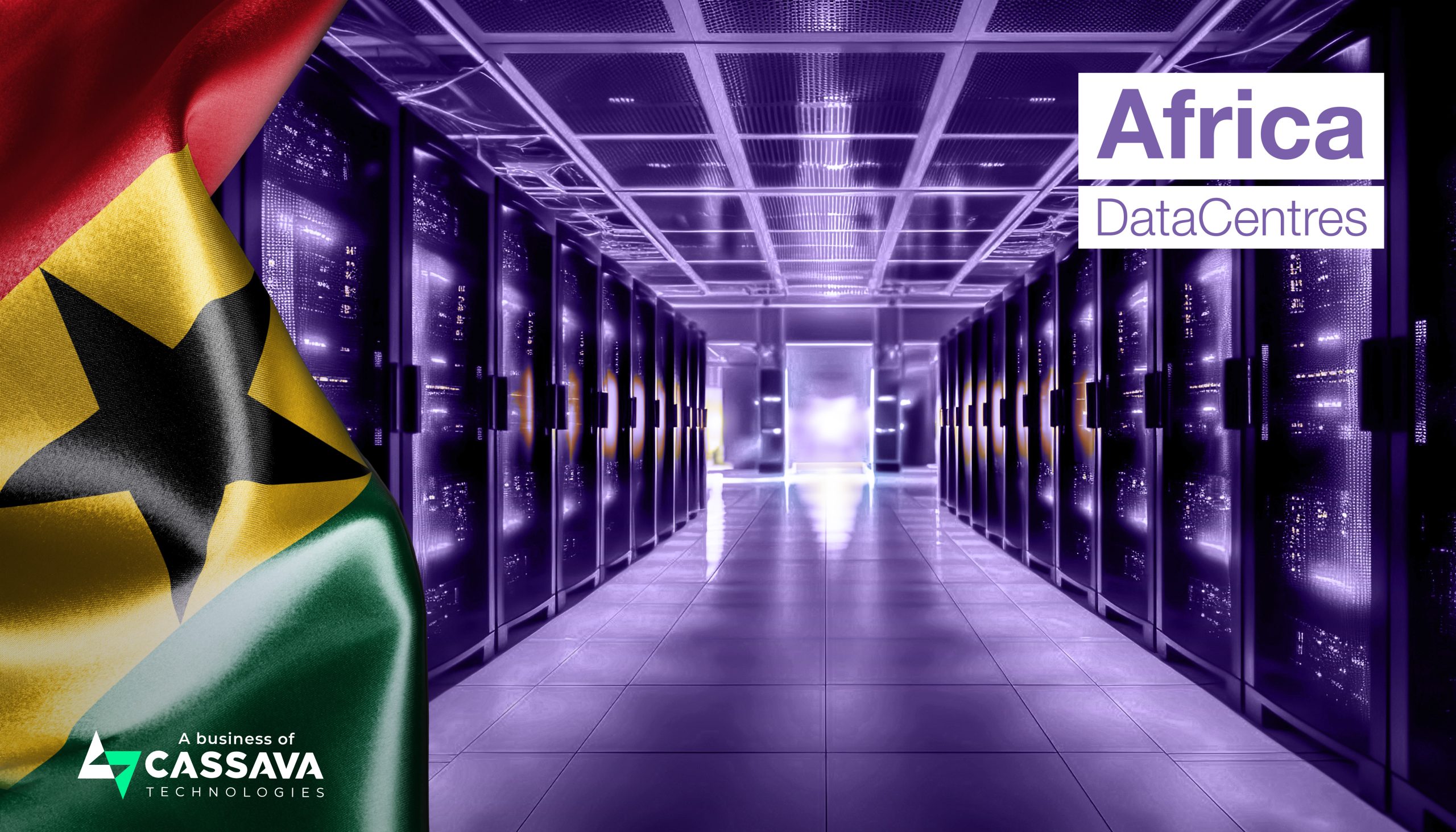
Africa Data Centres (www.AfricaDataCentres.com), the largest network of interconnected, carrier-and cloud-neutral data centre facilities on the continent, announces that it will shortly start construction on its newly acquired land in the Central Business District of Accra, Ghana. The new facility has been designed for an initial 10 MW, which can expand to 30MW depending on demand. It will be the largest facility in West Africa todate, outside of Nigeria.


Data centres are the foundation of digitally led economic growth around the world; developing sustainable and self-sufficient ICT ecosystems is impossible without them. The new facility will be built within the scheme of the Ghana Trade Fair Redevelopment Project at La in Accra, one of the key central locations in the city. The first phase is scheduled to be completed within 12 months.

This new facility is part of Africa Data Centres’ continental expansion plans spanning 10 of Africa’s major economic hubs, including South Africa, Zambia, Kenya, Rwanda, Egypt, Morocco, Senegal, Ivory Coast, and Angola. This unrivalled expansion, partly funded by the United States government’s U.S. International Development Finance Corporation (DFC), is a significant initiative to accelerate private sector-led digital infrastructure and services in Africa.

This new facility in Accra will be an investment in critical infrastructure helping to better link the rapidly growing African population and market to global opportunities

“We continue to bring internationally recognised services and products through Liquid Intelligent Technologies and Africa Data Centres. Liquid already has the largest cross-border fibre network in Africa, and our data centres footprint expansion compliments this, enabling faster digital transformation on the continent,” says Hardy Pemhiwa, Group CEO for Liquid Intelligent Technologies.

Mr. Scott Nathan, CEO of the U.S. International Development Finance Corporation (DFC)said, “DFC is proud to support African Data Centres. This new facility in Accra will be an investment in critical infrastructure helping to better link the rapidly growing African population and market to global opportunities. DFC’s commitment to strengthen ICT Infrastructure in West Africa is in keeping with the commitments President Biden made to mobilize private capital for the kind of high quality global infrastructure investments that improve peoples’ lives. This new data centre will help accomplish that in Ghana and for the region, creating jobs by improving existing business conditions while at the same time attracting data-dependent companies looking to invest and expand their operations.”

The US Government’s Senior Advisor Mr. Amos Hochstein said, “This investment exemplifies the U.S. Government’s commitment under the Partnership for Global Infrastructure and Investment (PGII) to unlock public and private capital for sustainable infrastructure investment. Alongside the data centres in South Africa and Kenya, the Ghana data centre is laying the groundwork for a digital revolution on the continent.

Welcoming the new investment, His Excellency Nana Addo Dankwa Akufo-Addo, The President of Ghana said, “The establishment of Africa Data Centre’s new 10MW data centre, in the heart of Accra, is a significant step towards bridging the infrastructure gap, and developing further our digital economy. This investment and the Government’s drive at digitising all sectors of the economy will enable us increase our capacity to access digital services, and help even more to attract foreign direct investment into our economy.”

“Our new data centre in Ghana is a significant step towards Africa Data Centres’ goal of narrowing the digital divide in the West Africa region. Hyper-scale data centres, preferred by major US tech companies, multinational corporations, banks and other local enterprises, are the speciality of Africa Data Centres. Additionally, our data centres are supported with independent solar and battery storage power, enabling us to bring digital technologies whilst mitigating our environmental impact,” concluded Tesh Durvasula, CEO of Africa Data Centres.


£15 million from government’s Official Development Assistance (ODA) budget allocated to support healthcare workforces in Kenya, Nigeria and Ghana; funding will help upskill staff and improve health outcomes through improved administration, data collection and training and retention opportunities; supporting strong international health workforce better equips UK to tackle global health challenges.


The UK will provide a multi-million pound boost to support healthcare staff recruitment and retention in three African countries – Kenya, Nigeria and Ghana – supporting resilience against global health challenges.

Fifteen million pounds from the ring-fenced Official Development Assistance (ODA) budget for 2022-2025 will be committed to optimise, build and strengthen the health workforce in the three African countries. Recognising the importance of the health workforce in lower and middle- income countries in improving health outcomes and achieving universal health coverage, the funding will enable people in Kenya, Nigeria and Ghana to access to the full range of health services they need, when they need it.

The Covid pandemic demonstrated the need for the UK to cooperate closely with international partners to tackle global health threats, which put considerable pressure on the NHS. The pandemic also resulted in workforce retention pressures around the world, whilst the demand for healthcare staff has increased. The World Health Organisation (WHO) estimates a shortage of 10 million health workers globally by 2030, which threatens achieving global universal health coverage and could worsen worldwide health inequalities.

Addressing critical workforce challenges is key to strengthening health systems and building global resilience against future pandemics so people across the world – including in the UK – can be protected.

Health Minister Will Quince said:

This funding aims to make a real difference in strengthening the performance of health systems in each of the participating countries

Highly skilled, resilient staff are the backbone of a strong health service, so I’m delighted we can support the training, recruitment and retention of skilled health workforces in Kenya, Nigeria and Ghana.

This funding aims to make a real difference in strengthening the performance of health systems in each of the participating countries, which will have a knock-on effect on boosting global pandemic preparedness and reducing health inequalities.

The pandemic showed us that patients in the UK are not safe unless the world as a whole is resilient against health threats, and this will help us in delivering on that ambition.

Six million pounds from the ODA funding pledge will support the WHO to deliver health workforce planning and capacity-building work – such as improved administration systems and training and retention opportunities – in collaboration with local governments and health system stakeholders.

As part of this package, the Department of Health and Social Care will also run a £9 million two-year competitive grant scheme for a not-for-profit organisation to coordinate delivery of partnership work in participating countries.

The partnership programmes for the health workforce include linking UK institutions with local health systems, promoting skills exchanges and improving the curriculum, regulation and guidance in Kenya, Nigeria and Ghana.

The delivery coordinator will be responsible for setting up, funding and overseeing this work to drive improvement in quality and retention of healthcare staff in the three countries and ultimately help to ensure better outcomes for patients.

The funding builds on £5 million previously committed as part of the Building the Future International Workforce ODA programme in Ghana, Uganda and Somaliland which aims to improve health workforce planning and management, provide training opportunities for refugees and displaced people and link NHS institutions with country health institutions.

Kenya, Nigeria and Ghana were chosen for the ODA award as they showed a clear need for workforce support, evidenced by high population mortality rates and low staff numbers, as well as unemployment amongst their trained health workers.


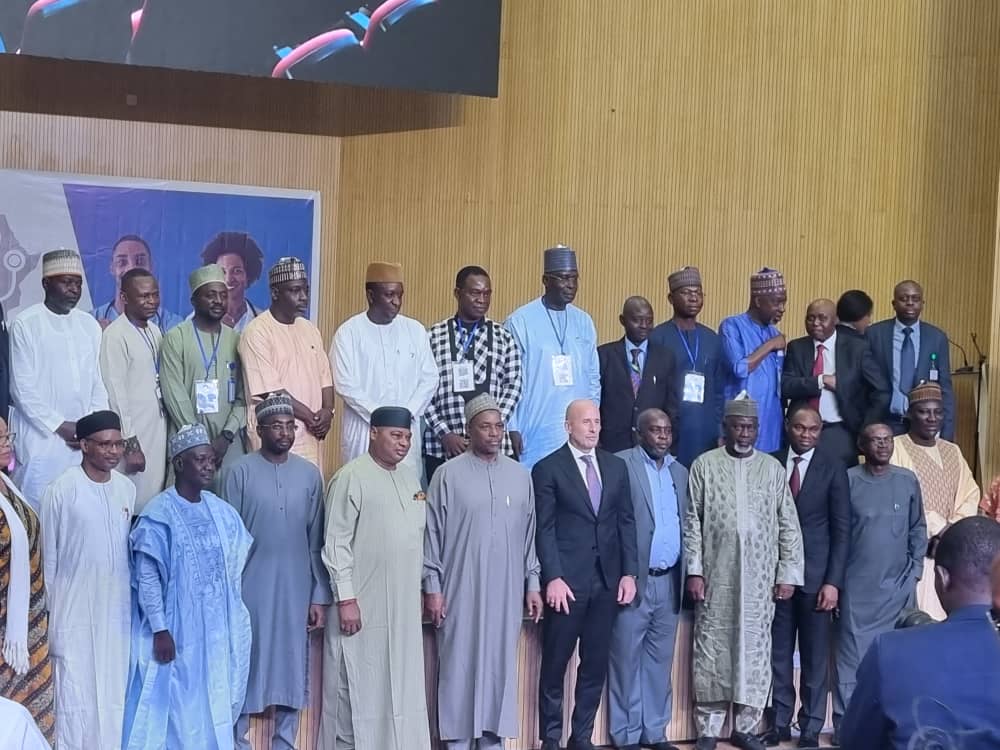
Centre, James Christoff, the Canadian High Commissioner to Nigeria, with Director General  NIMC, Tukur Lawal, the Managing Director NigComSat, Kashifu Inuwa, Director General  NITDA and a host of others at the event


Nigeria Communications Satellite Ltd (NigComSat) in partnership with Ethnomet, a Canadian leading firm in healthcare technology recently launched ‘NigComHealth’, a telemedicine platform that will allow millions of Nigerians to have access to quality healthcare. ‘NigComHealth’ will transform the way patients and healthcare providers connect will transform the way patients and healthcare providers connect country by providing convenient and accessible medical consultations by licensed healthcare professionals anytime, anywhere via mobile app.

The Minister of Communications and Digital Economy, Prof. Isa Pantami unveiled NigComHealth in Abuja this week. The Minister, who was represented by his Chief of staff, Professor Sahalu Junaidu, said the platform would promote a “more efficient and effective healthcare system that could be accessible to all Nigerians.”

The minister also added that the current situation is worsening, with “each physician attending to more than 5,000 patients. This represents a stark contrast with WHO’s recommendation of 1 doctor to 600 patients. And with 218 million people to cater for, he said that Nigeria requires at least 363,000 additional doctors to meet this target,” which he believes NigComHealth will help achieve.

The new telemedicine platform combines innovative technology with advanced medical tools and pre-vetted licensed healthcare practitioners, enabling virtual medical visits that are secure, efficient, and personalized. The Federal Government and Ethnomet have partnered with indigenous tech implementation company Sawtrax to implement the platform across Nigeria. This will make it possible for Nigerians in any part of the country, including rural and remote areas, to book and attend appointments with qualified and specialized doctors.

‘NigComHealth’ Multi-tenant Virtual Healthcare Service Platform is designed for all hospitals to be able to integrate their healthcare professionals and offer digital health services to the Nigerian population.

The Honourable Minister continued, ‘To bridge the gap, there is urgent need to leverage on the disruptive technology to improve access to healthcare services and quality medical practitioners available within Nigeria and across the globe. Therefore, NigComHealth Platform is a timely solution that could ensure that quality healthcare services are available to all Nigerians, irrespective of their locations.” He further encouraged “stakeholders in the health sector, both public and private to onboard into the initiative.”

Mr. James Christoff, the Canadian High Commissioner to Nigeria said the platform will be a game changer in improving health outcomes especially in underserved and remote areas.

“The technology has been developed with the vision and strategic objective of having over 80 Federal and State-owned Government hospitals coexist on the platform. The platform is also meant to provide digital health services to 1.7 million public sector workers and their families in Nigeria,” he said.

He applauded both the Federal Ministry of Communication and Digital Economy and the Federal Ministry for Health, for their vision, and unparalleled commitment to the promotion, technology and health innovation in Nigeria.

Engineer Tukur Lawal, the Managing Director of NigComSat Ltd said that the platform will reduce the massive capital flight spent by Nigerians on medical tourism annually.

He opined that the platform will provide Nigerians with the opportunity to access affordable and world-class services from professionals regardless of their geographic location, without the need to travel to urban areas.

Ethnomet CEO, Ms. Garnette Weber, who joined the event virtually, described the digital health solution as a demonstration of the Nigeria Government’s commitment to leveraging innovative technologies to provide quality and accessible healthcare for Nigerians in all regions.


Weber said that “Telehealth has proven to be very effective in addressing these healthcare challenges as indicated in the Commonwealth Fund’s International Health Policy Survey of Primary Care Physicians. In 2022, General Practitioners from 10 different countries reported that 52% of encounters would have been clinically appropriate through video interactions with patients.  Telehealth services improve health resource utilization and access to care. ”

Mike Amanyi, Product Director for Ethnomet, presented and demonstrated the technology’s capabilities. In addition to booking and attending appointments with doctors and specialists, the opportunity also exists for community virtual health centers, and integrating health data from smartwatches and other wearable devices. NigComSat and Ethnomet have scheduled training for industry stakeholder leaders in days to come”


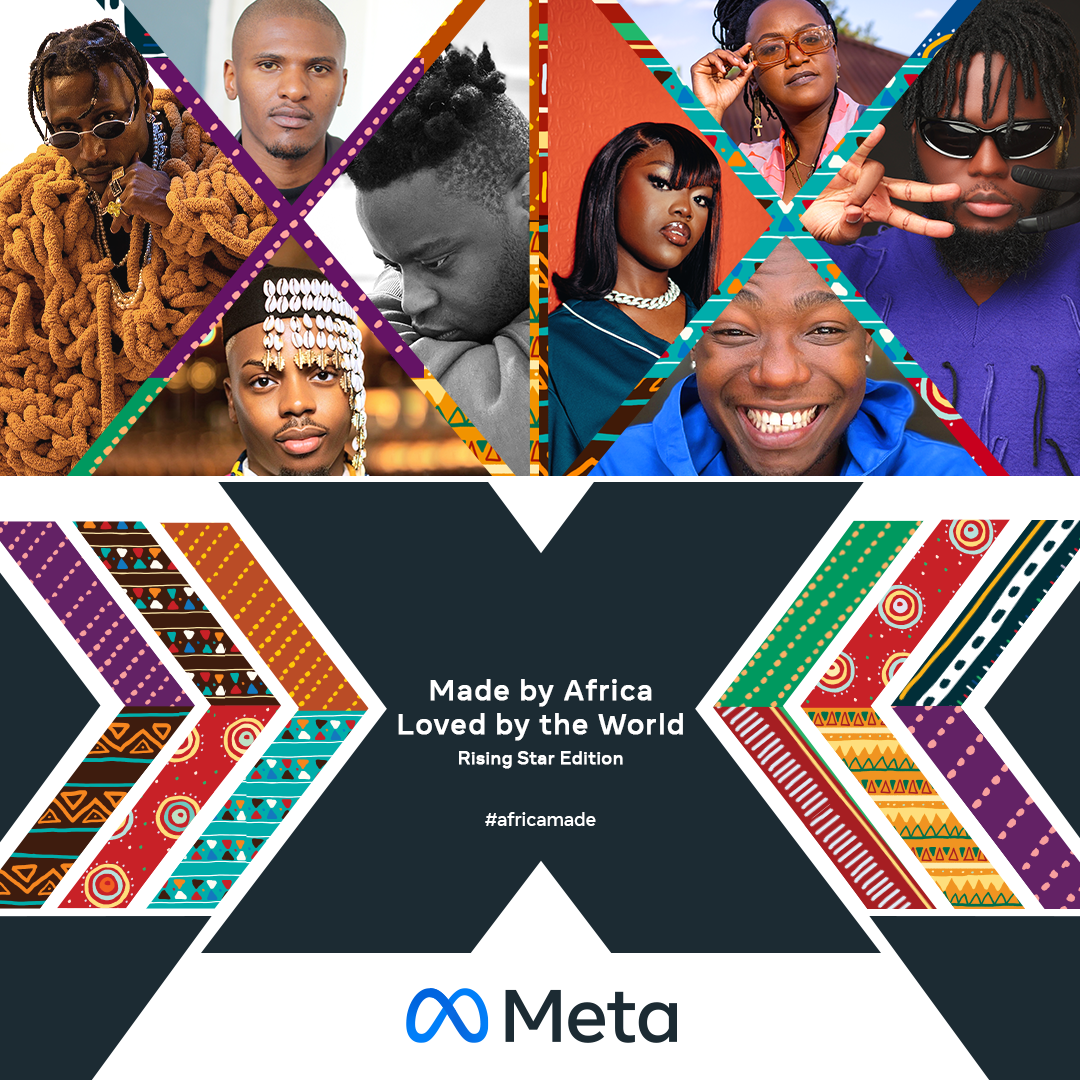
 As part of Africa Day celebration on 25 May, Meta announced the third iteration of its pan-African ‘Made by Africa, Loved by the World’ campaign. Themed “Rising Stars”, this year’s edition aims to amplify the voices and stories of eight rising talents from across Africa, who are building a global presence and changing the way Africa is viewed on the international stage.


Representing several creative industries ranging from music, fashion, lifestyle, to art, this year’s self-shot ‘vlog-styled’ short stories provide a glimpse of the creators’ world and highlights how being African inspires their creativity. Alongside this, Meta is running a dedicated community Reels challenge – #ShareYourAfrica #AfricaMade, encouraging the African community on Instagram to celebrate their authenticity – whether through dance, music, fashion, food or art. For Africa Day Meta will be holding a fireside chat with a selection of key figures from across the continent – exploring the global impact of Africa’s youth and how platforms like Instagram are helping to fuel their global appeal.


Commenting, Kezia Anim-Addo, Director of Communications, Sub-Saharan Africa, Meta, said: “We’re thrilled to celebrate Africa Day this year by amplifying the stories of just some of our talented rising stars from across the continent who are shining a spotlight on African culture, music, food, dance, fashion, and so much more in their own voices. Every day, we see young African creatives use Meta technologies, like Instagram and Facebook, to share their stories, express themselves, and bring people together in incredible and inspiring ways. We’re proud that our technologies have a role to play in amplifying these voices and stories, both locally and globally.”


The Rising Stars: Made by Africa, Loved by the World

Available to view on Instagram on each creator’s page as well as on the Meta Africa Facebook Page, are the stories of:


  • Henry Ohanga (Kenya): An award-winning recording and performing artist, popularly known as Octopizzo, who is using his talents to inspire change in art, music, sports and culture.


  • Fhatuwani Mukheli (South Africa): An internationally exhibited visual artist, filmmaker and photographer passionate about healing people through visual arts.


  • Jacqueline Acheampong – Gyakie (Ghana): A singer, songwriter, and performer whose music features catchy melodies and infectious beats. With several performances in Ghana and across the world, she has clinched multiple local and international awards.


  • Enioluwa Adeoluwa (Nigeria): A fashion and lifestyle influencer who has carved a niche in the fashion industry, collaborated with international brands, and built a strong community of GenZ fans around the world.


  • Njang Mengu Collins (Cameroon): A singer and rapper popularly known as Ko-C, who combines a distinctive fusion of Afropop and hip-hop with his songs successes having led to several international nominations.


  • Qhamanande Maswana (South Africa): A visual artist celebrated internationally who effortlessly blends reality with imagination in each portrait, often depicting the beauty and challenges of everyday life in South Africa.


  • Fena Gitu (Kenya): A renowned female “Urban Soul” singer, songwriter and producer who has partnered with local and global artists. She has received several recognitions for her phenomenal work in the music industry and continues to be appreciated beyond Kenyan borders.


  • Adesokan Emmanuel – Shanks Comics (Nigeria) A social media comic, skit maker, content creator, brand influencer and media personality who believes in the power of storytelling


-ENDS-

ABOUT THE COMPANY

Meta builds technologies that help people connect, find communities, and grow businesses. When Facebook launched in 2004, it changed the way people connect. Apps like Messenger, Instagram, and WhatsApp further empowered billions around the world. Now, Meta is moving beyond 2D screens toward immersive experiences like augmented and virtual reality to help build the next evolution in social technology.


Amini, Corp.(https://www.Amini.ai/), an early-stage company focused on solving Africa’s environmental data gap through artificial intelligence and satellite technology, has raised $2M in pre-seed funding in an oversubscribed round led by Pale Blue Dot, a leading European Climate Tech fund. Other investors include Superorganism, RaliCap, W3i, Emurgo Kepple Ventures and a network of angel investors from the global technology community.


Africa, home to 65% of the world’s uncultivated fertile land and 30% of its mineral resources, accounts for only 3% of the global GDP. One reason for this disparity is lack of reliable and trustworthy data which has held back Africa’s development for decades by hampering business decisions and capital allocation as well as making it difficult to measure the impact of climate change.

Within the first six months of operation, the company has developed a robust data aggregation and analytics platform capable of collecting, unifying, and processing satellite data, weather data, and other types of data down to a square meter. The platform provides access to valuable environmental data analytics, including drought, flood, soil and crop health. This data can be processed to forecast crop yields for millions of smallholder farmers in mere seconds, as well as measuring the impact of natural disasters across the region.

Amini was designed to address Africa’s data scarcity, facilitate capital investment, promote climate resilience, and accelerate economic development opportunities in the region.

Data has the potential of transforming livelihoods by enabling everything from climate resilience to sustainable value chains

Amini has found its first customers in the agricultural insurance sector, using the platform’s granular, verifiable, and actionable data for enhancing farmers’ resilience through parametric agricultural insurance coverage. With a focus on regenerative agriculture, this collaboration aims to support both African farmers and global food chains.

While the company initially focused on the insurance industry, they are now experiencing rapid expansion into supply chain monitoring, specifically at the “last mile,” or the initial stages of the global supply chain. This expansion holds significant importance for multinational companies seeking precise measurements of their carbon footprint and the ability to report on their environmental impact. This need is further emphasized by upcoming global regulations, such as the SEC Climate Disclosure rules and the European Green Deal. These regulations mandate companies importing commodities like coffee, cocoa, timber, and palm oil to have comprehensive knowledge of their supply chain and its impact on deforestation and degradation down to the finest details at the last mile.

Heidi Lindvall, General Partner, Pale Blue Dot, said: “The scarcity of high-quality environmental data of Africa is a concern as it prevents others from building important climate solutions such as for example improving farmer insurance, monitoring climate risk or supply chains. When meeting the team behind Amini we were blown away by their ambition and expertise and we believe they are best positioned to fill the environmental data gap of Africa”

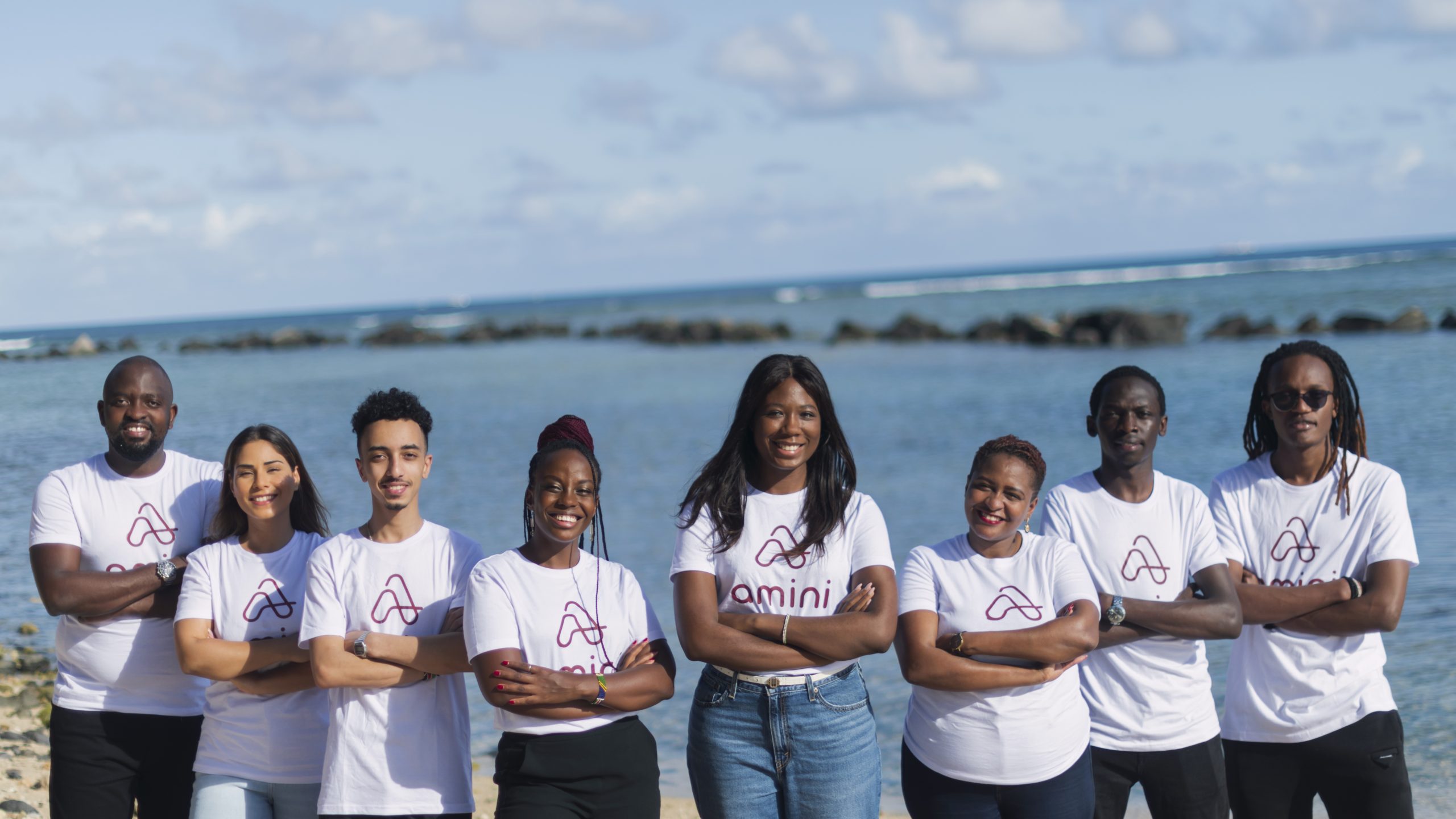
The team possesses a strong track record of using deep technologies to tackle challenges specific to Africa, showcasing a unique blend of talent and expertise. Kate Kallot, the founder and CEO of Amini, boasts over a decade of leadership experience in driving global innovation in artificial intelligence and machine learning at renowned technology companies like Intel, Arm, and NVIDIA. Kallot has spearheaded initiatives focused on leveraging artificial intelligence and social impact to benefit the African continent, such as the United AI Alliance, which aims to bridge the AI compute gap and enhance data capabilities in emerging markets. Joining Kallot on the executive team are Mwenda Mugendi, Muthoni Karubiu, and Eshani Kaushal. Together, they bring a wealth of experience in machine learning, data science, geospatial analysis, and fintech, gained from leading organizations such as Microsoft, NASA and MTN. The Amini team is deeply committed to making a positive impact, in Africa and beyond.

Kate Kallot, CEO and Founder of Amini, said: “We are building the single source of truth for environmental data across Africa. Data has the potential of transforming livelihoods by enabling everything from climate resilience to sustainable value chains. Should Amini reach its full potential and solve this problem, we are setting up Africa for tremendous transformation and development over the next decade. It’s a long way to get there but the early customer success and interest from global enterprises, governments and international organizations is showing us that we’re on the right track. ”

Amini has also become the first African company accepted onto the highly selective Seraphim Space Accelerator programme, which scouts from the top 2% of global early-stage space companies.

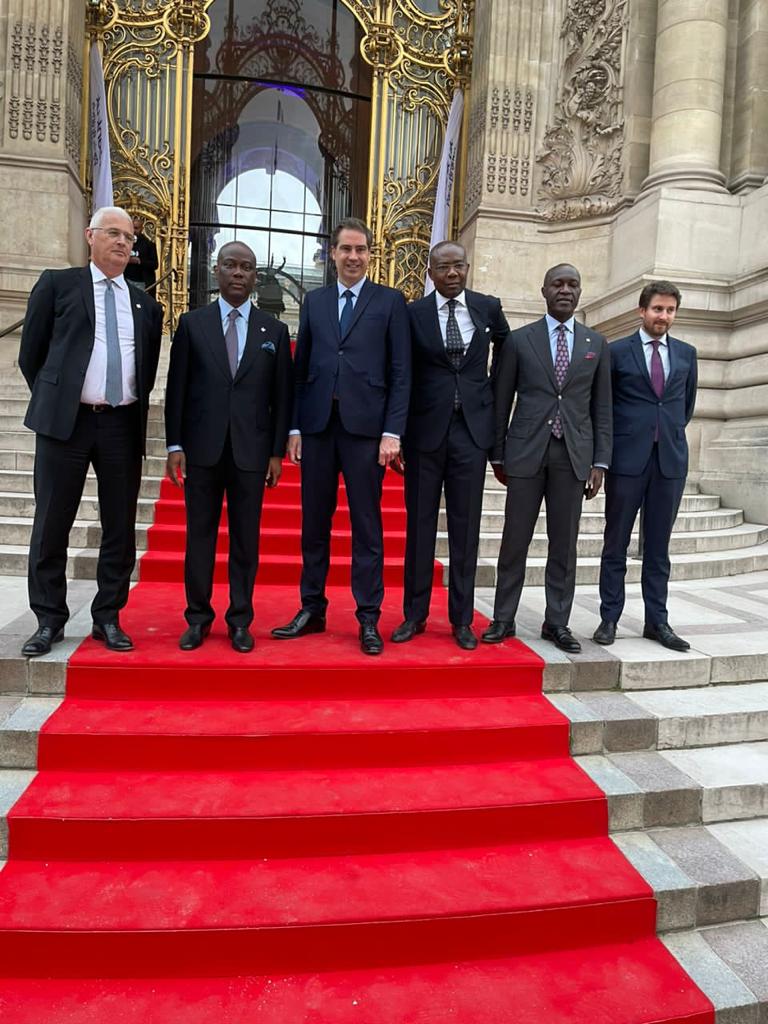
As part of its strategic moves to boost trade and investment between Africa and Europe, Access Bank Plc (www.AccessBankPLC.com), one of Nigeria’s biggest financial services institutions, has established a new subsidiary in Paris, France.


With this bold move, the leading Nigerian financial institution has reinforced its commitment to strengthening cross-border trade and investment between Africa and the world, connecting businesses to opportunities within the continent as Africa’s gateway to the world.

Pan-African and Global Expansion

The launch of Access Bank’s Paris subsidiary marks a significant milestone in the bank’s global expansion strategy. This move will enable Access Bank to expand its operations in Europe, strengthen its international presence, and deepen its relationships with global clients while serving as a hub for supporting the bank’s growing trade finance business in Africa. It will also enable Access Bank to provide seamless banking services to its clients doing business in France and Europe.

With a population of over 67 million people and a GDP of €2.4 trillion, France is a key player in the global economy. Access Bank’s new subsidiary will enable the bank to tap into the country’s vast business opportunities, particularly in the area of cross-border trade finance.

The subsidiary’s location in Paris is strategic, as it is the commercial and financial center of France with a vibrant ecosystem of businesses and institutions. This positioning will allow Access Bank to leverage its local expertise and extensive network to provide tailored solutions to its clients.

In his remarks at the launch event, the Group Chief Executive Officer of Access Holdings Plc, the parent company of Access Bank, Herbert Wigwe, noted that “the establishment of Access Bank Paris is in line with the bank’s long-term strategy of becoming Africa’s gateway to the world. He also expressed confidence that the new subsidiary will play a key role in driving trade and investment flows between Africa and France”.

Wigwe, while speaking on the purpose of the bank’s strategic expansion efforts, said, “Access Bank Plc, today, has a very strong presence in the United Kingdom, but coming on the heels of Brexit, there was a need for us to establish a presence in another country in Europe, and France provides a very strong platform for us to do so.

“Beyond that, Access Bank has a great presence in the Francophone world that relies significantly—in terms of trade—on France, so Access Bank in Paris will work to support trade possibilities and trade finance solutions to businesses in those regions, ranging from large conglomerates to SMEs and more.

“Our range of banking products and services will be a valuable asset for businesses looking to trade internationally, while our corporate and investment banking services will help businesses access capital, manage their cash flow, and mitigate risk. “Furthermore, we are confident that the Bank’s trade finance solutions will help businesses to navigate the complexities of cross-border trade, and at the same time, our digital capabilities will make banking more convenient and efficient for all our customers,” he reiterated.

The subsidiary’s location in Paris is strategic, as it is the commercial and financial center of France with a vibrant ecosystem of businesses and institutions

He also acknowledged the role of the bank’s various stakeholders in making the expansion drive successful, Wigwe stressed the value of its customers, shareholders, regulators, and the communities it operates.

“Our successes over the years would be footnotes but for the relationships we have fostered with these critical contributors. In recognition of this, we are committed to building long-term partnerships with all our stakeholders in France – based on trust, transparency, and mutual respect,” he added.

It must be noted that Access Holdings, the parent company of Access Bank Plc, has recently announced earnings of N1.38 trillion in the 2022 financial year, making the financial behemoth the first banking institution in Nigeria to hit and cross the N1 trillion mark in gross earnings.

This demonstrates the Bank’s robust risk management, strong credit rating, and high growth potential, as well as the confidence in the bank by its various stakeholders.

With its innovative banking solutions driven by best-in-class technology, customer-centric operations, and its people, Access Bank is on course to achieve its 5-year plan of processing one in every two transactions in Africa and being present in major commercial hubs in the world.

“Access Bank’s presence in France represents an important step towards achieving its goal of bridging worlds and connecting opportunities for African businesses. The bank’s latest stride also lays a marker for realising its recently unveiled 5-year strategic growth plan.

Roosevelt Ogbonna, Managing Director, Access Bank Plc, said at the event, “Over the years, we have demonstrated a strong commitment to deepening the bank’s presence across Africa and beyond.”.

“Today, we are proud to have a presence in 18 countries across four continents, serving millions of customers and businesses. Indeed, our expansion drive has been guided by our vision to become the world’s most respected African bank, and by building on our strong track record of innovation, customer service, and social responsibility, we have come one step closer to achieving this goal.”

“We remain committed to building a bank that is truly global in scope, yet locally relevant in its approach, and we are excited about the opportunities that lie ahead as we continue to grow and expand our footprint in new markets,” Ogbonna added.

Access Bank UK, led by Jamie Simmonds, would oversee the operations of the Paris subsidiary and would effectively become the umbrella company for other representative offices in the country.

Access Bank Paris has already received regulatory approval from the French Prudential Supervision and Resolution Authority (ACPR) and is now fully operational. The subsidiary is staffed with a team of seasoned professionals with deep expertise in the African market and is well-equipped to deliver world-class financial solutions to its clients.

In conclusion, the launch of Access Bank’s Paris subsidiary represents a significant milestone in the bank’s expansion strategy, enabling it to provide seamless banking services to its clients in France and Europe while also promoting cross-border trade finance between Africa and the rest of the world.

Reliance Infosystems, a leading global ICT organization, is proud to announce its participation in the upcoming GITEX Africa 2023 (www.GITEXAfrica.com) conference and exhibition. The event is scheduled to take place from May 31st – June 2nd 2023, at Bab Jdid, Boulevard Al Yarmouk, Marrakech, Morocco.


GITEX Africa is a premier technology event that brings together innovators, entrepreneurs, and industry leaders from across the continent and around the world to showcase the latest technology solutions, trends, and innovations. The event provides a unique platform for organizations to network, connect, and collaborate on new ideas and projects.

At GITEX Africa 2023, Reliance Infosystems will be showcasing its cutting-edge technology solutions, including its cloud-based services, cybersecurity solutions, and business automation tools. The company will also be demonstrating its expertise in the areas of digital transformation, software development, and process automation.

We are committed to driving digital transformation across the continent and believe that our participation in this event will help us to achieve this goal

“Reliance Infosystems is excited to be participating in GITEX Africa 2023,” said Olayemi Popoola, MD/CEO of Reliance Infosystems. “We are looking forward to showcasing our innovative technology solutions and expertise alongside other industry leaders and innovators from across Africa and around the world.”

“We believe that GITEX Africa 2023 is an important event for the technology industry in Africa, and we are proud to be part of it,” added Popoola. “We are committed to driving digital transformation across the continent and believe that our participation in this event will help us to achieve this goal.”

Reliance Infosystems is inviting all participants to visit its booth (3A-4) at GITEX Africa 2023 and discover how the company is helping to transform businesses and industries across the continent through innovative technology solutions.

For more information on Reliance Infosystems and its participation in GITEX Africa 2023, visit the company’s website, www.Reliance.Systems.

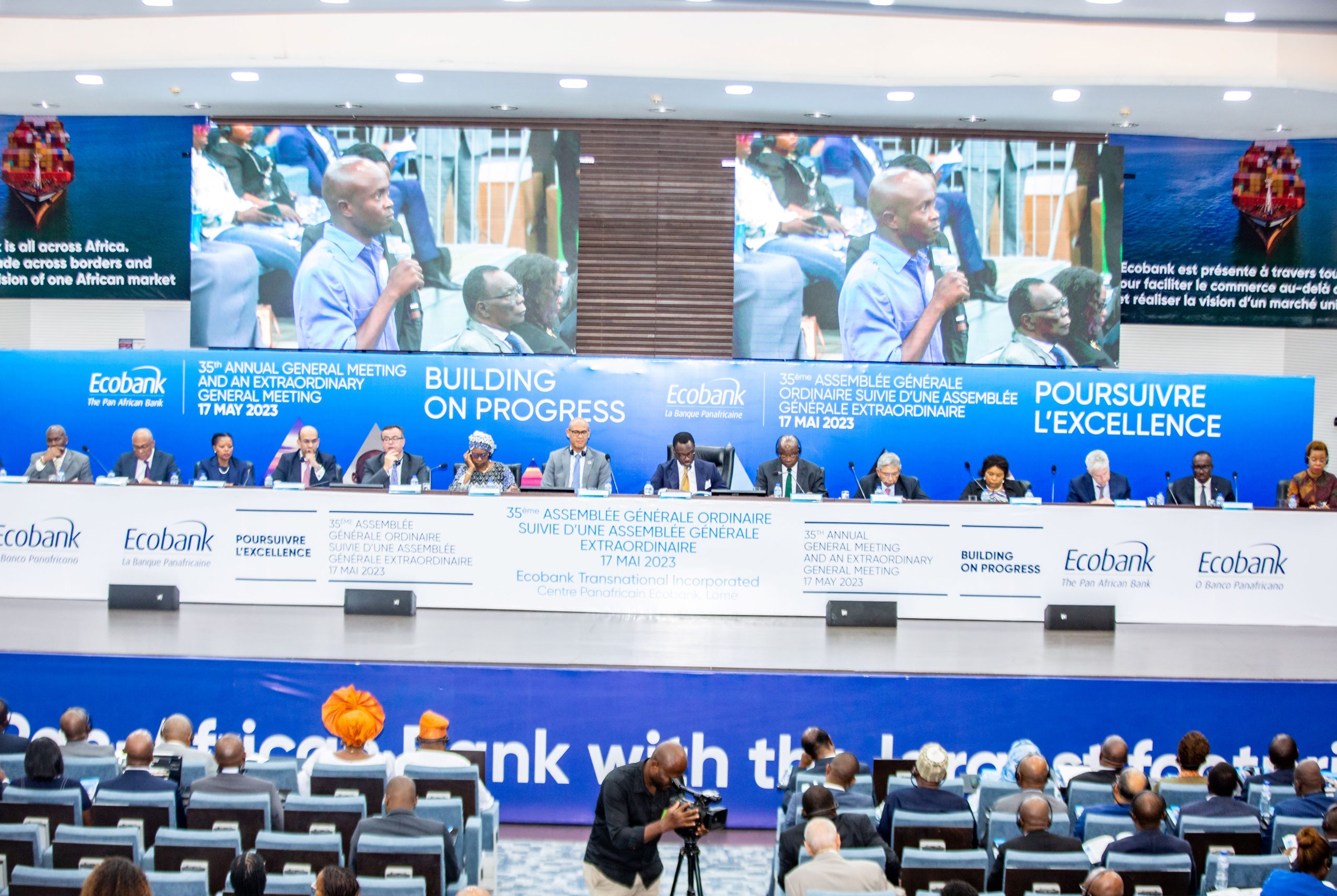
Ecobank Transnational Incorporated (“ETI”), the parent of the Ecobank Group (www.Ecobank.com), the leading pan-African bank with a presence in 35 African countries, held its 35th Annual General Meeting (AGM) and an Extra Ordinary General Meeting, today in Lomé, Togo.


At the meeting, shareholders approved the accounts and the appropriation of profits for 2022. In addition, shareholders voted for the re-election of Mr Simon Dornoo, Professor Enase Okonedo, Dr George Donkor, Mr Deepak Malik and Ms Zanele Monnakgotla as directors of ETI. The co-option of the Managing Director, Mr Jeremy Awori, as a director, was also ratified.

In addition, the return on tangible equity of 21.1% in 2022 is the highest Ecobank has achieved in the last decade

Furthermore, shareholders approved the resolution authorising to raise senior-ranked debt, additional Tier 1, Tier 2-qualifying subordinated debt or a combination of any of these forms of instruments as the board of directors may deem appropriate.

Alain Nkontchou, Ecobank Group Chairman, said: “Ecobank is a powerhouse in the African banking landscape and is positioned to support and facilitate the growth and development of African businesses as they grasp the immense single market opportunities created by the African Continental Free Trade Area. Quite simply, Ecobank is the solution for SMEs and corporates. The strength of our borderless payment, collection, working capital and financing solutions exemplifies this.”

Jeremy Awori, Chief Executive Officer, Ecobank Group, commented: “In 2022, Ecobank demonstrated strong financial results and performance, despite the challenging economic conditions of high interest rates, inflation, and Ghana’s debt restructuring. This success can be attributed to the bank’s diversified business model, digital expertise, innovative approaches, growth momentum, and efficiency. These strengths allowed the bank to navigate the adverse economic environment, absorb the impact of the debt restructuring, and continue to thrive.”

The holding company’s (ETI) profit for the year was $222 million compared with $295 million in 2021. The Group’s profit before tax, net revenue and total assets increased by 13 per cent, 6 per cent and 5 per cent, to $540 million, $1,862 million and $29,004 million, respectively. In addition, the return on tangible equity of 21.1% in 2022 is the highest Ecobank has achieved in the last decade. For the first quarter of 2023, our Group performance results are showing momentum as we continue to benefit from our pan-African and diversified business model, efficiency, balance sheet stability, deep customer relationships and the hard and smart work of all Ecobankers.

Ecobank is one of the leading banking groups in Africa and by far the largest in terms of countries of presence. It is renowned for its continuous delivery of innovation and excellence in customer service to its broad range of Consumer, Commercial, Corporate and Investment Banking customers. The bank has significantly invested in its digital capabilities, including mobile banking, internet banking and payments infrastructure. This focus on digital banking enables it to reach more customers, reduce costs and improve efficiency.