By NJ Ayuk, Executive Chairman, African Energy Chamber (http://www.EnergyChamber.org)


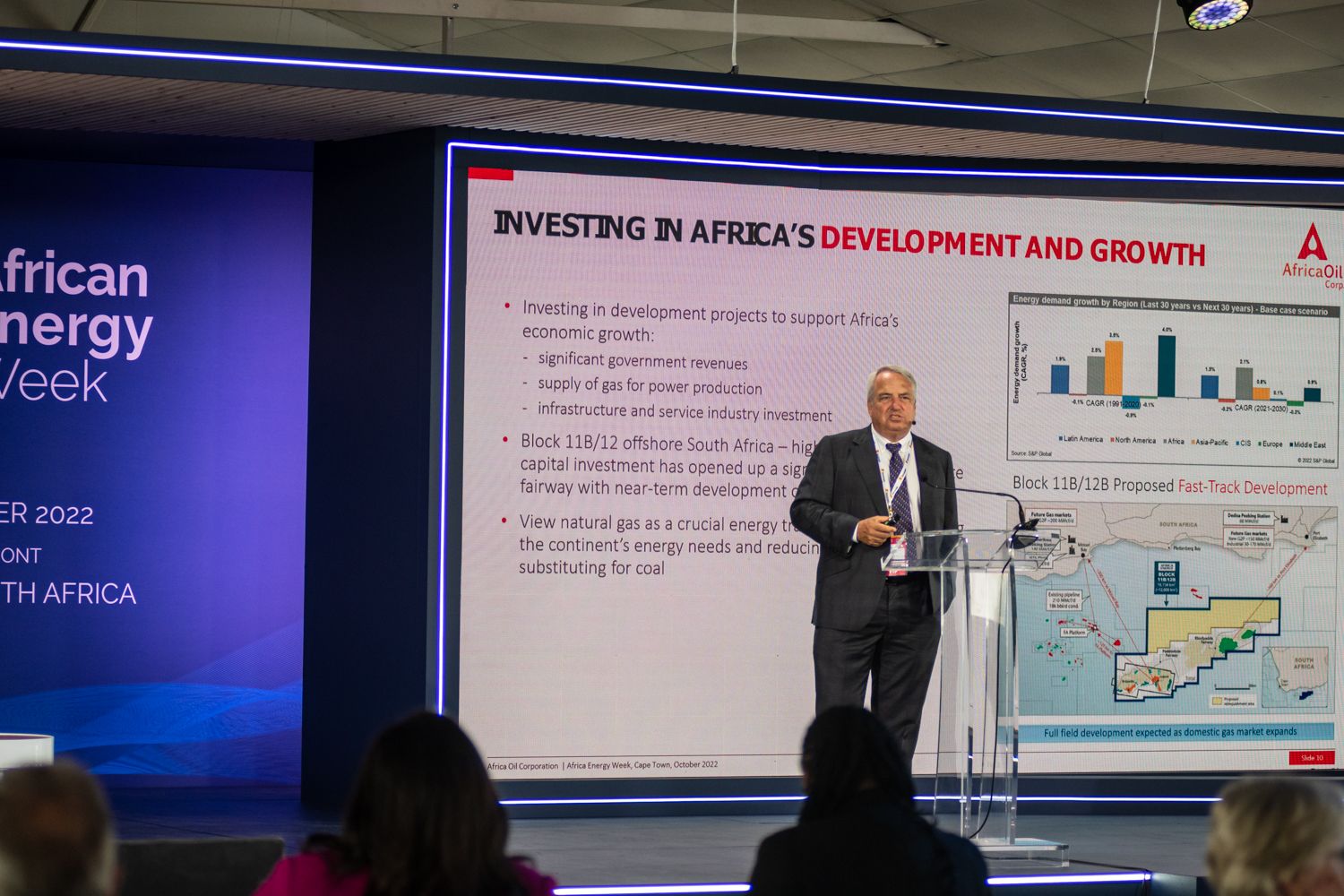
Under the leadership of Keith Hill, Canada-based Africa Oil Corp. has become one of the most competitive and impactful independent oil and gas explorers operating in the African continent.


Within the last two years alone, Africa Oil Corp. announced a major discovery offshore Namibia with partner TotalEnergies and secured two production-sharing contracts for offshore Blocks EG-18 and EG-31 in Equatorial Guinea.


The company has campaigns in Nigeria, South Africa, and the Senegal Guinea Bissau Joint Development Zone as well.


By driving widespread exploration and production throughout our continent, Africa Oil Corp. has been opening the door for African countries to overcome energy poverty and maximize the value of their petroleum resources.


These are some of the reasons why in 2022, I said that both Africa Oil Corp. and Hill, the company’s president and CEO, were game changers. The African Energy Chamber was proud of the work the company was doing in Africa then, and we remain proud of it today, even as our window to work with Hill draws to a close.


Hill will be stepping down as the company’s president and CEO on Sept. 5, 2023.


He’s leaving with the appreciation and respect of the African Energy Chamber. Hill has been a strong believer in Africa and a just energy transition for our continent. He has repeatedly shown himself to be the right leader at the right time, both for his company and for Africa’s energy industry.


A Deal-Maker and Risk-Taker


Hill, who got his start in the oil industry more than 35 years ago, earned his bachelor’s degree in geophysics and a master’s in geology from Michigan State University. He also holds an MBA from the University of St. Thomas in Houston. But like every other wildcatter of his day, he learned the oil business the hard way — through deal-making and risk-taking.


A sustaining belief in the future of offshore exploration led Hill to the frontier of deepwater West Africa, including Equatorial Guinea, along with Namibia and South Africa in the southern region of the continent. Seating with him late night in Namibia over beer he shared some fun stories with me about Sudan and Africa. He tells you African energy stories with so much passion that you will feel he has a love affair with Duke’s mayonnaise and Afrobeats.


During difficult moments, Hill will never hide his imperfections. He has his and it seats on his front porch. He is a straight shooter and does not glory in the slow, musical cadence of small talk. He looked and me in the eye and made a promise and he kept it. He is still one of the few in the business that can do a deal with a handshake and it is respected.

Hill has been a strong believer in Africa and a just energy transition for our continent


During his career, he has led successful exploration, asset acquisitions, and production campaigns at Africa Oil Corp., Shell Oil, and Occidental Petroleum. He was behind successful exploration initiatives by BlackPearl Resources Inc., Valkyries Petroleum Corp., and Tyner Resources as well.


Hill also is the chairman of Canadian oil explorer and developer ShaMaran Petroleum Corp. Before joining Africa Oil Corp. in 2009, he was the CEO of Canada-based The Lundin Group, which comprises minerals, metals, renewables, and energy sector companies.


During Hill’s 14-plus years at the helm of Africa Oil Corp., the company has grown from a fledgling independent exploration company to a full-cycle upstream company.


Steady Growth, Significant Impact


In 2022, Africa Oil Corp. made global headlines as a result of its stake in TotalEnergies’ massive Venus prospect in the Orange Basin offshore Namibia. Venus is believed to hold billions of barrels of light oil and associated gas. TotalEnergies’ discovery was the largest of 2022, and Africa Oil Corp. was the only publicly listed independent E&P company with exposure to it, through a 30.9% shareholding in its investee company, Impact Oil and Gas, one of the project partners.


Africa Oil Corp. continues to seize the vast opportunities Namibia has to offer. Earlier this summer, the company signed a letter of intent with Azinam Limited, a subsidiary of Eco Atlantic, to acquire a 6.25% stake in Block 3B/4B in the Orange Basin, increasing Africa Oil Corp.’s total stake in the block to 26.25%. With the block’s proximity and similar geographical structure to the Venus, Graff, La Rona, and Jonker discoveries in the basin, it’s a logical move.


At the same time, Africa Oil Corp. is successfully operating producing assets in deep water offshore Nigeria, where the company has a debt-free balance sheet and a robust portfolio of production and development assets.


As recently as May, Africa Oil Corp. announced that partner Total Energies was renewing Oil Mining License 130 in Nigeria. Africa Oil has an 8% interest in the license through its 50% shareholding in Prime Oil & Gas.


“The renewal of OML 130 is very good news for the Company and its shareholders,” Hill said at the time. He noted that the license “includes attractive growth opportunities such as the undeveloped Preowei oil discovery, which we can now take forward towards a final investment decision. Additional opportunities include step-out exploration and appraisal drilling, that should support production rates over the coming years.”


For many, Africa Oil Corp. represents a new era in the continent’s oil and gas industry, one with an increasingly important role for independents that recognize the tremendous opportunities our continent’s vast oil and gas resources offer. With international oil and gas majors divesting their African interests — often in attempts to decrease their overall emissions — independents have been stepping up to fill the gap.


More to Say About Africa


Hill, who will be joining Africa Oil Corp.’s board as a director, will continue to make a positive impact on Africa after he steps down from his current position. Keith is not leaving the scene. It is not in his character. I expect him to continue discussions and advocacy about investing in African energy and making energy poverty history. He will champion issues that are important African energy industry stakeholders  and we will continue to value Hill’s experience, perspectives, and advice. Even as Hill moves on to another chapter, we don’t expect that to change.




Executive Vice Chairman of the Nigerian Communications Commission, NCC, Prof Umar Garba Danbatta, has advised businesses to adjust to the potentials of disruptive technologies which have been adopted across the globe for enhanced productivity and sustainability.


He told industry leaders and Information and Communication Technology (ICT) innovators, who gathered at the 2023 edition of the Information, Communication, Technology and Telecommunications (ICTEL) expo organised by the Lagos Chamber of Commerce and Industry (LCCI) in Lagos, that advancements made in the global ICT industry have become business and enhancing.


Danbatta, who was represented by the Director of Consumer Affairs Bureau at the Commission, Mr. Alkasim Umar, said technology has always played a significant role in shaping the world people live in. He, however, said that in recent years, advancements have accelerated at an unprecedented rate.


The NCC helmsman said as the world grapples with the 4th Industrial Revolution driven by the Internet, advancements in many facets of ICTs, are fundamentally changing all aspects of people’s lives and reshaping economic, social and cultural paradigms across the world.


He listed such disruptive technologies to include Artificial Intelligence (AI), Machine Learning (ML), Internet of Things (IoT), Blockchain Technology, Virtual Reality (VR), Augmented Reality (AR), Fifth Generation (5G) and other emerging technologies which have demonstrated the potential of transforming industries and business models.


“Today, we find ourselves amid a digital revolution, where the boundaries between physical and virtual worlds are blurring.  So, as we navigate the era of tech disruptions, it is crucial for businesses to embrace innovation and adapt to the changing landscape. Companies that are agile and willing to experiment with these emerging technologies will gain a competitive advantage in their respective industries,” Danbatta said.


The NCC CEO further assured that the NCC’s strategic management plan represents the Commission’s commitment to leveraging technology and innovation to transform industries and drive positive change. “By embracing tech disruption, we are empowering individuals, businesses, and communities to thrive in the digital age. Together, let us build a Nigeria where technology is a catalyst for inclusive growth, innovation flourishes, and the benefits of connectivity reach every Nigerian,” the EVC said.


President of LCCI, Dr. Michael Olawale-Cole, who appreciated the Commission’s efforts in providing a predictable telecom regulatory environment, noted that the theme of this year’s edition of the ICTEL Expo had been carefully chosen considering the far-reaching impact disruptive technologies are having on businesses around the world.


NCC’s Zonal Controller, Lagos, Engr. Yomi Arowosafe, who was part of the team to the well-attended ICT Expo, received an LCCI Appreciation Award presented to Prof. Danbatta, by the Vice President of LCCI, Leye Kupoluyi, in recognition of Danbatta’s contribution towards the success of the 2023 ICTEL Expo held on July 25 – 26, 2023 at Landmark Event Centre, Victoria Island, Lagos.


The Nigerian Communications Commission (NCC) wishes to draw public attention to a fraudulent LinkedIn Account impersonating the person, and office of the Executive Vice Chairman (EVC), Prof. Umar Garba Danbatta.


The account was obviously created by some unscrupulous and criminal elements with a view to defrauding unsuspecting members of the public and users of social media who may think that such an account belongs to the EVC of NCC.


For the avoidance of doubt, the EVC/CEO of NCC, Prof. Umar Garba Danbatta, has no LinkedIn Account. Therefore, any such account found on social media or any other platform, purporting to belong to the EVC of NCC, is fake!


We are working with appropriate security agencies to investigate the source of this fraudulent act with a view to nipping it to the bud.


We urge members of the public, and our esteemed stakeholders to be cautious, and vigilant, while on social media platforms, or in the cyberspace as many of these fraudulent individuals and groups abound, looking for unsuspecting users to defraud.


The Commission has a presence on the Internet with the official website (www.ncc.gov.ng), and key social media platforms. All information about our activities, programmes and reports are verifiable on our website and on our verified social media handles.


We also encourage everyone to follow our official social media accounts for credible updates and announcements.

Members of the public are advised to be carefully guided when accessing or using information from social media.

Nigerians buy cars but they lack proper knowledge of cars and in today’s ever changing world the need to know the car that suit your terrains,economy and budget becomes imperative! Also in consideration is the availability of parts and manpower to fix the cars!

As it stands today most Nigerian technician do not have the capacity to fix CVT transmission and once the transmission packs up you change it you don’t rebuild and this can be pricey considering the exchange rate! Any CVT transmission that isn’t bought new is akin to selling a monkey to buy a dog! You still got an animal that squats! So why don’t you buy a normal transmission!

I have always loved cars, grew up with mechanics building and rebuilding engines those days in Owerri,one of the finest Benz and Puegeot mechanics and as I grew old I started enjoying cars and I have come to realize that in a car there is more to it like handling and cornering then transmission. My first real driving experience was in Warri! Was driving my Aunt’s 505 SR manual! Superb car! At 18+ then I started enjoying those European babies!

Then Belgium cars came and these were Asians ! It was Deawoo racer! Trashy cars never lasted ! Then Mitsubishi galant etc came out! Trashy cars you can’t still find them anymore ! Then German mistake called Opel vectra and cadet came!

Asian cars would have been awesome but their ways of cutting cost can be so annoying! Unlike the European cars that go propeller ! Most cars come in CVT!

If you drive Toyota Camry or some Honda you will notice that you have gear issues! These gears aren’t the old rugged automatic gears but CVT! And it has so many drawbacks!

CVTs can be expensive to repair or replace when compared to a conventional automatic transmission. Some of the common problems that owners run into include overheating, slipping, and sudden loss of acceleration. Shuddering is also a common problem.

According to caranddriver.com, They have no feeling of connection between the accelerator and the engine during acceleration.There are limits on the engines that can work with a CVT in terms of power and size.They don’t last as long as a conventional transmission.CVTs are harder to work on.

“Given this, we can say with reasonable confidence that not only do CVTs not require more repairs than other transmissions, over the course of their life they’ll probably require fewer. Worn-out friction surfaces and overheating problems caused by a lack of transmission fluid are still probably the most common problems”, Mistertransmission.com

CVTs are typically not utilized in sports cars. Higher repair costs. Not only do CVTs cost more to fix or replace, they generally do not last as long as traditional automatic transmissions.

Some of the cars with this CVT transmission are Honda: Accord, Accord Hybrid, Civic, CR-V, CR-V Hybrid, HR-V, Insight then Hyundai: Accent, Elantra, Kona, Venue also Infiniti: QX50, QX55

We have Kia: Forte, Rio, Seltos, Soul in the club! Then Toyota came with a crowd Lexus: ES 300h, LC 500h, LS 500h, NX 350h, NX 450h Plus (PHEV), RX 450h, RX 450hL, UX 200, UX 250h

Mitsubishi: Eclipse Cross, Mirage, Mirage G4, Outlander, Outlander Sport also Nissan: Altima, Kicks, Maxima, Murano, Rogue, Rogue Sport, Sentra, Versa

Subaru: Ascent, Crosstrek, Crosstrek Hybrid (PHEV), Forester, Impreza, Legacy, Outback, WRX

Toyota: Avalon Hybrid, C-HR, Camry Hybrid, Corolla, Corolla Hybrid, Corolla Cross, Highlander Hybrid, Prius, Prius Prime (PHEV), RAV4 Hybrid, RAV4 Prime (PHEV), Sienna, Venza.This list was compiled by Dustin Hawley of J.D. Power

Anthony Emeka Nwosu

The Manufacturing Partnering Group (MPG) recently collaborated with Lagos to sponsor the African Procurement Supply Chain Conference and Awards 2023 (#APSCHA2023), centered around the theme “Digitization and Future of Supply Chain” held at the Oriental Hotels Lagos. This partnership underscores MPG’s commitment to fostering a robust procurement ecosystem in Nigeria and Africa, aligning with global best practices in the industry.

The event witnessed the participation of diverse stakeholders from both public and private sectors, attracting delegates from various African countries, including Kenya, Tanzania, and Ghana. Throughout the conference, the importance of adhering to best practices in the procurement industry was emphasized, shedding light on the challenges practitioners face in their professional endeavors.

In his opening speech, Amen James, the National President of the Association of Public Procurement of Nigeria, stressed the significance of adhering to established procurement guidelines in the public sector. He also commended the Lagos State government for their efforts in following due process in procurement, emphasizing that procurement and supply chain practices are pivotal for development, necessitating attention in both the public and private sectors.

The conference’s objectives were well-aligned with the insights shared by Hannah Otu, Group-head Supply Chain of Jospong Group of Companies Ghana. She highlighted her organization’s focus on environmental impact analysis and their commitment to reducing carbon footprint through responsible procurement practices, including proper product disposal and support for eco-friendly technologies.

Fatai Idowu Onafowote, the Director-General of the Lagos State Public Procurement Agency (PPA), showcased the agency’s remarkable progress in the procurement space. He mentioned the successful implementation of electronic bidding, notifications, and tendering, with a growing number of contractors embracing the new approach, despite initial challenges like manpower and resistance.

The event drew appreciation for MPG’s strategic partnership with the organizers, InstinctWave. Agha Abani, the Group Chairman of Harrybeat Group, expressed his delight at entering into a global strategic partnership alliance with MPG. This collaboration combined MPG’s expertise in procurement services with Harrybaet International Services’ proficiency in turnkey oil services, particularly in the Nigerian and African oil and gas sector.

Moreover, the conference recognized several outstanding organizations with awards from different sectors and countries. MTN Nigeria received recognition for their contributions in the telecom sector, while the Volta Region Authority, Ghana, was honored for their strides in the public sector. Lagos State Public Procurement Agency also received accolades for their role in advancing procurement practices in Nigeria. Additionally, CRDB Bank, Tanzania, was acknowledged for their impact in the banking sector’s financial ecosystem.


OPay, the leading financial technology company, is thrilled to announce its 5th-year anniversary in Nigeria. As we mark this significant milestone, we extend our heartfelt gratitude to our esteemed customers for their unwavering trust and support throughout the years.

Since our inception, OPay has remained dedicated to revolutionizing the financial landscape in Nigeria by providing seamless, reliable, and super-fast services. Our commitment to excellence and customer-centric approach has enabled us to grow alongside our customers, and we are excited about the endless possibilities that the future holds.

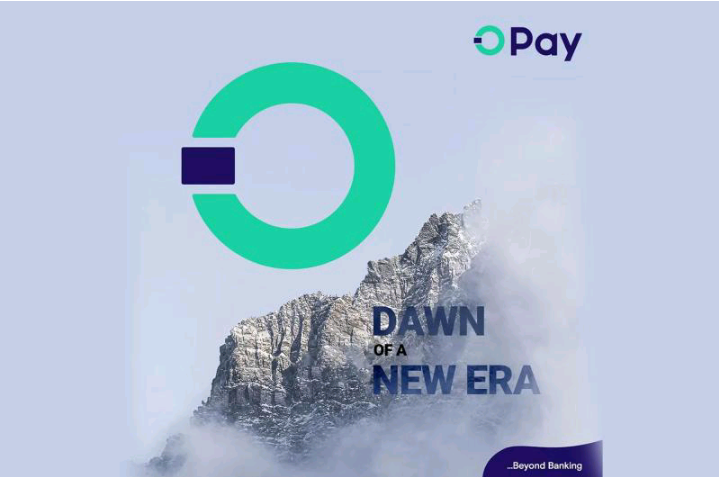
To reaffirm our commitment to delivering tailor-made solutions and to symbolize our evolution, we are proud to unveil our new logo.


The new logo features the iconic “O” symbolizing a loop that embodies our relentless dedication to offering bespoke and impeccable services. It also represents our determination to stay ahead of the curve in a rapidly evolving financial ecosystem. The incorporation of a square element within the “O” signifies the launch of the OPay debit card. With this new feature, over 40 million users can conveniently link their cards to their wallets, making payments even more accessible and convenient.

Our new logo not only reflects our business attributes but also epitomizes our unwavering commitment to excellence and fostering a unified global brand image.

In the coming weeks, we will be updating our logo across all platforms, including our website, app, social media channels, and billboards. We sincerely hope that you will love and embrace this change as we embark on the next exciting phase of our journey together. This new logo represents our ongoing mission of making financial services more inclusive through innovative technology.

As we celebrate 5 years in Nigeria, OPay remains resolute in providing the best-in-class services to our customers. We are committed to continuously upgrading our products and services to enhance your experience with OPay.

Thank you for being a part of our incredible journey, and we look forward to many more years of growth, innovation, and prosperity together.


The power of workplace design in creating stimulating, and adaptable high-performance workspaces is a multifaceted journey. At its core, design is a unifying force, bridging diverse elements to create cohesive, appealing, and functional workspace interiors. The power of design extends beyond aesthetics – it shapes the future of the workplace and brings a substantial return on investment for business, says Deirdre de Bruin, Head of Design for Sub-Saharan Africa at Tétris Design & Build.


Underpinning the power of design is its capacity to solve complex workspace challenges. How can space be used to attract and retain talent? How can it meaningfully cater to the diversity of that talent? How can workspaces be configured to enhance productivity along with job satisfaction? How can workplace design complement and support a business’s unique culture? In other words, what does high-performance workplace design look like?   Workspaces should of course be visually beautiful, but that’s only part of the answer. They also have to be practical in form and function.


Moving beyond the theoretical to implementing design principles that actually work and deliver business value and ROI is a fine balancing act. A compelling example is the Oppenheimer Memorial Trust project in Johannesburg, a space which needed to be reimagined to cater for stakeholder engagement meetings, donor recipient and partner workshops, as well as focus areas for their team members. For this project, Tétris carefully incorporated the natural lighting of the calming gardens outside the office and combined them with warm soft, warm interior tones. This approach is informed by a deep understanding of how light impacts the human eye, and people’s ability to concentrate and engage in focused work as well as group activities.


Businesses are faced with a kind of analysis paralysis given the sheer volume of differing opinions and perspectives on important topics like managing the post-COVID return to work, hybrid work trends, and the future of work in general. There’s a skill in harnessing credible global insights and contextualising them for the local environment. An example of a workspace with a compelling return-to-work proposition is the Becton Dickinson offices in Woodmead, Johannesburg. The design solution Tétris implemented took direct inspiration from the circular icon on the Becton Dickinson logo. This geometry was then carried through to wall panels, flooring, and furniture to denote both divisional structure and collaboration to enhance a work culture that is truly people-centred and breaks away from traditionally clinical medical workspaces.


Designing high-performance workspaces successfully blends sustainability best practices with greater personalisation of office environments. Both internationally and here at home, environmentally conscious, multi-use office spaces now include other services and amenities, such as in-house baristas, physiotherapists, parcel delivery, or dry-cleaning services to transform offices into spaces where people want to be.


The design for the Gold Fields executive boardroom, client meeting rooms and shared townhall and entertainment space are a showcase of how a high-performance workspace offers flexibility and adaptability. Beautiful finishes typically found in a hospitality setting create a welcoming atmosphere, while flexible stacking glass walls make it possible to re-purpose different areas depending on the need. In this case, high performance equates to ‘one space, many uses’ with detailing that supports multiple needs in a seamless way.


An exciting trend, which is finally being given the serious consideration it deserves, is designing for neurodiversity. Recognising the variety of personalities, from introverts to extroverts, and their differing experiences of sound, light, texture, and space is vital to unlocking a more meaningful kind of productivity – a kind of productivity that is natural, collaborative and voluntary.


The power of design is manifested in its ability to create inviting, stimulating, and flexible high-performance workspaces. It is a fusion of strategy, collaboration, global insights, and localised design, embodying a belief in creating functional, aesthetically pleasing, and inclusive spaces. By focusing on each of these aspects, it’s possible to deliver design solutions that surpass the ordinary with workspaces that deliver value and tangible results.


In the past year, identity theft has skyrocketed – a worldwide trend that has not gone unnoticed by the public. A report from earlier this year showed that consumers are looking for more security from their banks: 56% want more security measures for non-routine transactions, and 47% want more even for routine transactions.


Clearly, it’s in the best interest of any organisation, but especially financial institutions, to constantly review and update their security systems. But what exactly should this involve? Paul Carter-Brown, Co-founder and CTO of fintech enablement partner Ukheshe, says there are broad components to digital financial security, referred to as the three A’s:

  • Authentication: Is the person logging in who they say they are?
  • Authorisation: Are they allowed to do what they’re trying to do on this account or platform?
  • Accounting – Creates a record of what they do for potential future queries.


Authorisation and accounting happen largely in the background. But authentication requires the user to interact with the security system and features. And even though most consumers say they want absolute security, organisations need to be careful to strike a balance between security and user-friendliness, says Carter-Brown. “Authentication usually uses a combination of three puzzle pieces: Something you know (for instance, a password), something you have (the device you’re using), and something you are (biometric elements, such as fingerprints). A combination of all three is considered the most secure because it’s very difficult for a scammer to get hold of all three particulars. But that level of security is also burdensome for the user – imagine having to do voice recognition, take a selfie, enter a password and a username, and then find and input an OTP every time you want to log in to your online banking. You would avoid it.”


Organisations should look at their typical customer’s risk profile to find this balance, he says. “An app that processes small transactions but is aimed at wealthy customers, such as a tipping app, for example, shouldn’t have five authentication steps because those customers favour convenience over the risk of losing the R10 value of that transaction. They wouldn’t use the app if it was cumbersome. But should the app also process larger transactions, they could consider a tiered approach that requires additional authentication for larger amounts.”


But that should never be the end of it. Security, and especially identity security, must be constantly re-evaluated and updated, he warns. “Fraudsters are always on top of their game and consumers don’t and can’t always keep up with the latest phishing and fraud tactics. So, companies like Ukheshe proactively provide tools to prevent scammers from getting or using consumers’ credentials. These tools are constantly updated to get ahead of the newest fraud trends.”


This continuous tussle between security providers and fraudsters results in the fast-paced evolution of the market. For instance, fingerprint authentication, once considered cutting-edge, had vulnerabilities that fraudsters exploited. To address the challenge, newer biometric devices now employ advanced measures like fingerprint temperature measurement or using light to check for blood flow. Similarly, facial and voice recognition methods are also facing redundancy due to AI advancements, such as enabling the generation of voices with minimal samples or the creation of realistic videos using photos of a person’s face. To maintain robust security, continuous updates and advancements are essential in staying ahead of potential threats.


For larger financial institutions such as banks, accessing newer authentication tools and building them into their legacy systems can be a challenge, says Carter-Brown. “Fintechs, exemplified by Ukheshe, endeavour to make it as simple as possible to add newer methods automatically through an API as opposed to backend development. More and more financial institutions are now outsourcing that function to expert fintechs to ensure they stay ahead of the game.”


Whether you do it yourself or outsource it, there is no room for error, he says. “Trust is earned over time by always being at the forefront of the latest technology. And, unfortunately, it takes one big breach to break that trust – even if it’s not your organisation’s fault. You need to ensure you are always ahead of your competitors.”


Earlier this year, Oracle announced a substantial revision to its subscription model and global price list that is likely to have a huge financial impact on almost every end-user organisation, with a possible 30-fold increase in the current pricing model. Named as a leader on Gartner’s magic quadrant for Software Asset Management services for three consecutive years, SoftwareOne is well placed to assist organisations navigate the forthcoming changes. In 2022, SoftwareOne delivered over 150 Oracle advisory services globally, securing average cost savings of over 40% while avoiding excess costs of over R2 billion.


Streamlined licensing model for Oracle Java SE subscriptions

As of 24 January 2023, Oracle announced it would no longer sell Oracle Java SE subscriptions based on the Named User Plus or Processor license models. Instead, selling subscriptions based on the Employee for Java SE Universal Subscription metric.


Previously, the more licensable deployments an organisation had, the more subscriptions were required. The larger the servers on which an organisation had licensable deployments, the more subscriptions were required. As a result, many end-user organisations opted to cut costs by deinstalling licensable versions of Oracle Java, or downgrading to the public update version, consolidating their Oracle Java deployments to a smaller number of machines or implementing storage and network isolation for deployments on VMware.


What are the implications of the new licensing model?

“Under the new subscription model, known as the ‘Employee for Java SE Universal Subscription’ the quantity of licenses required is no longer determined by the number of employees using the programs, but by the total headcount number of employees in the organisation,” explains Marilyn Moodley, Country Leader for South Africa and WECA at SoftwareOne.


According to Oracle, eligible employees include full-time, part-time, and temporary employees, as well as those working for an organisation’s agents, contractors, outsourcers, and consultants who support internal business operations. “As such, when purchasing Java SE Universal Subscription licenses, the minimum quantity required must be equal to the number of employees at the time of the order,” Moodley elaborates. “However, the net monthly subscription price per employee per month will hinge on the number of employees required. The higher the headcount, the lower the monthly subscription fee will be per employee.”


Crunching the numbers

Organisations are now only permitted to install and run the Java SE Universal Subscription Program(s) on a maximum of 50,000 processors. Where total infrastructure exceeds more than 50,000 processors (for example, more than 100,000 Intel Xeon Cores), it will be necessary for enterprises to renegotiate with Oracle Sales to agree on appropriate pricing.


“Using a real customer scenario, if we consider an end user who has 214 processors and 1105 clients on which it wants to deploy licensable versions of Oracle Java. Under the old licensing and pricing model, the annual subscription fees for the client would be roughly R850,000. However, the end-user has 42,000 employees within its organisation, which means that under the new licensing and pricing model, the annual subscription fee for the client would be 42,000 x 5.25 over 12 months, which amounts to R26,460,000. This is an increase in price more than 30 times the fee applicable under the old model,” Moodley clarifies.


Informed strategies for cost reduction and risk mitigation

Navigating the complexities of licensing Oracle Java SE carries significant financial risks. To mitigate these risks, SoftwareOne Java Advisory Services offers valuable assistance for businesses by providing insights into the following areas:

  1. Identifying separate licensable installs of Oracle Java SE within organisations.
  2. Determining if updates are separately licensable or covered under existing agreements with application providers.
  3. Assessing vulnerabilities associated with licensable installs of Oracle Java SE.


“Armed with this information, we guide our customers in formulating strategies to curtail costs and reduce risk. We urge affected organisations to reach out to schedule a meeting with us to learn how we can support them in their transition by minimising disruption and alleviating the negative impacts of the new Employee for Java SE Universal Subscription model,” Moodley concludes.


Business leaders would do well to understand that digitisation is an operational approach and tactic that can help improve or develop their strategy; it is not a strategy in and of itself, says Andrew Cruise, Managing Director of Routed, a local VMware Cloud Verified provider and VMware Principal Partner.


The rapid pace of technology development has seen organisations across multiple industries racing to implement what they refer to as their ‘digital transformation strategy’.


This is often driven by a misalignment at a high level, whereby strategy is mistaken for tactics. Digital transformation is not a strategy, and never will be; it’s simply a new business tactic.


According to Cruise, it’s an operational approach, a new or improved way of delivering things operationally – so while it may help to direct your strategy, it is not a strategy itself.


“Many providers like to tell the digital transformation story as if it’s the only one in town, suggesting that it will be absolutely transformative for a business, or that it is some kind of revolution that will suddenly make them much more profitable. Or perhaps that, once this is done, they will be better at doing their job than their competitors,” he notes.


“The trouble with believing and buying into this hype is that, if everybody undertakes digitisation, then how do you use this approach to actually differentiate your organisation?”


He points out that tactically, digital transformation has much to offer, in that it delivers a new or alternative operating model, adds flexibility, and allows you to change the way that your business operates for the better. “Everyone knows about the improved efficiencies or scalability it offers and the possibility of faster time to market or faster response times. For example, a digital portal can reduce the onboarding process from 3-5 days, to under three hours.”


However, he adds, while there is an acceleration of certain functions and tasks, essentially, it is not a destination, but a journey. And it’s time-consuming, and requires huge investment, while not necessarily delivering the kinds of improvements and efficiencies that your organisation may be looking for.


“I think that an increasing number of organisations now acknowledge that you can’t just press the big digital transformation button and suddenly everything changes to being better, more efficient, and more profitable,” suggests Cruise.


“People have begun to recognise how unrealistic this is, and are beginning to accept that the real digital transformation story is one of ongoing progression, rather than some overnight digital revolution,” he adds.


Digital transformation is having an impact on the world, and is certainly worth investigating for those that have not begun the journey. But while it might improve your efficiency or your time to market, or your scalability and efficiency, Cruise cautions that it will not be the step change in business terms that some overstate.


“It is for this reason that I believe businesses should never try selling ‘digital transformation’ as a business differentiator. A differentiator is something that you use to appeal to customers as a means of persuading them away from your competitors, and to your brand. But today, almost every organisation is undertaking some form of digitisation – so how can it be a differentiator?”


“In fact, I am of the opinion that a company should never lead its pitch with digital transformation. Instead, it should lead with its strategy, and then explain how digitisation will help the business improve, develop or change this strategy for the better. Ultimately, executives need to stop speaking of digital transformation in hushed tones of awe, when it is simply another tool to leverage to deliver their business strategy better,” concludes Cruise.